
The Significance of Festivals in Inspiring Indian Art

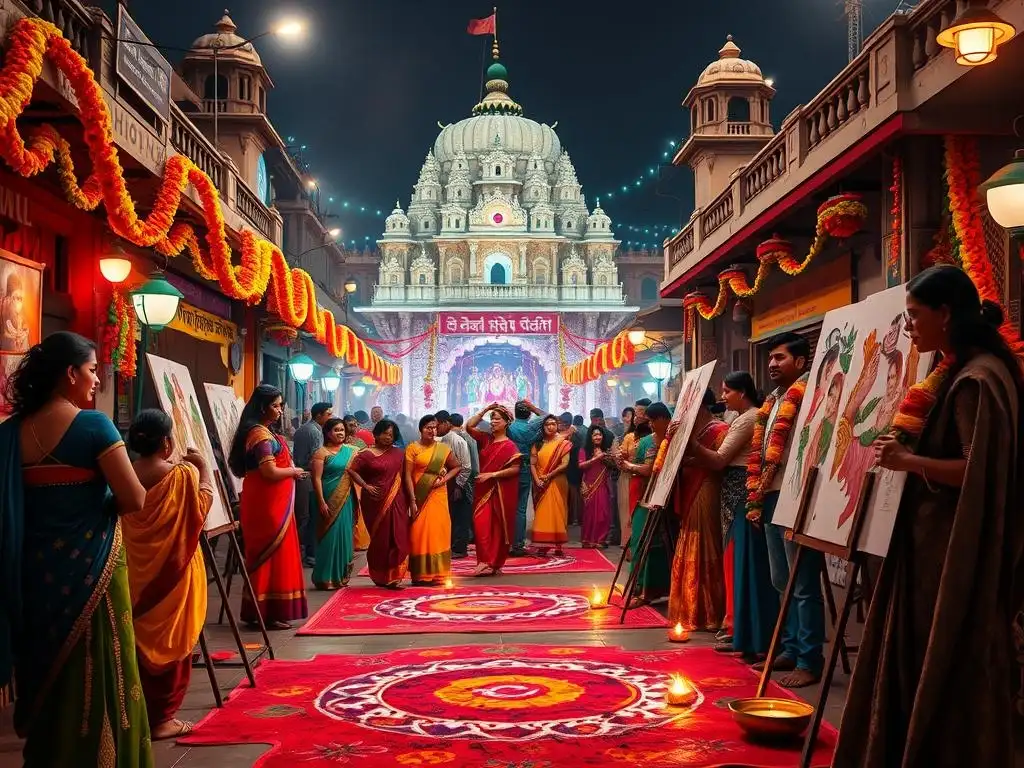
Welcome to Ancient India History, where we embark on a fascinating journey through the rich tapestry of India’s past! In this exploration, we delve into the vibrant Indian festivals and art history, uncovering how these celebrations have not only shaped cultural identity but also inspired some of the most remarkable artistic expressions throughout the ages. Are you ready to discover the intricate connections between festivity and creativity in ancient Indian civilization? Let’s dive deeper into the significance of festivals and their profound impact on the world of art and architecture!
- Introduction to Indian Festivals and Art History
- Historical Context of Festivals in India
- Major Indian Festivals That Inspire Art
- Artistic Forms Influenced by Indian Festivals
- The Role of Rituals in Shaping Indian Art
- Contemporary Reflections of Festivals in Indian Art
- Conclusion: The Lasting Legacy of Indian Festivals in Art History
-
Frequently Asked Questions
- What is the significance of festivals in Indian art history?
- How do festivals influence artistic expressions in India?
- Can you name some Indian festivals that have impacted art history?
- How are Indian festivals represented in ancient art?
- Why is it important to study the connection between Indian festivals and art history?
- Final Reflection: The Enduring Legacy of Indian Festivals in Shaping Art
- Ignite Your Creativity Through Indian Festivals!
Introduction to Indian Festivals and Art History
The rich tapestry of Indian culture is intricately woven with the threads of its diverse festivals, each celebrating unique traditions, beliefs, and values. From the vibrant colors of Holi to the harmonious melodies of Diwali, festivals in India are not just occasions for celebration; they are deep-rooted expressions of the country's historical and cultural identity.
This article delves into the significance of festivals in inspiring Indian art, highlighting how these jubilant occasions have influenced various art forms throughout history. By examining the interplay between Indian festivals and art history, we aim to uncover the profound impact of these celebrations on the creative expressions of ancient and modern artisans.
Overview of Indian Festivals
Indian festivals are a kaleidoscope of customs, rituals, and practices that vary significantly across regions and communities. Some of the most prominent festivals include:
- Diwali: The Festival of Lights, symbolizing the victory of light over darkness.
- Holi: The Festival of Colors, celebrating love and the arrival of spring.
- Eid: A significant Islamic festival marked by prayers and feasting.
- Pongal: A harvest festival celebrated primarily in Tamil Nadu.
- Navratri: A nine-night festival honoring the goddess Durga.
These festivals not only mark the passage of time but also serve as a reminder of the ancient traditions and beliefs that have shaped Indian society over millennia. Each festival is characterized by its own set of rituals, practices, and artistic expressions, creating a vibrant mosaic of cultural heritage.
Importance of Festivals in Indian Culture
Festivals in India play a pivotal role in fostering community spirit and strengthening social bonds. They are occasions for families and friends to come together, share joy, and participate in collective rituals. Beyond the social aspect, festivals hold significant spiritual meaning, allowing individuals to connect with their faith and cultural roots.
The importance of festivals can be summarized as follows:
- Cultural Preservation: Festivals are vital in preserving and transmitting cultural heritage through generations.
- Community Bonding: They foster unity and collaboration among diverse communities.
- Spiritual Renewal: Festivals provide opportunities for spiritual reflection and devotion.
- Economic Boost: Many festivals stimulate local economies through trade, tourism, and artisan crafts.
Connection Between Festivals and Art
The connection between Indian festivals and art is profound and multifaceted. Artistic expressions during festivals manifest in various forms, including traditional dances, music, visual arts, and crafts. For instance:
- Rangoli: Colorful patterns created on the floor during celebrations, reflecting artistic creativity and cultural symbolism.
- Murals and Paintings: Temples and homes are often adorned with intricate artworks that depict mythological stories related to the festival.
- Dance and Theatre: Festivals often feature traditional performances that showcase regional dance forms, such as Kathak, Bharatanatyam, and Garba, each imbued with historical significance.
Through these artistic expressions, festivals not only celebrate cultural identity but also inspire contemporary artists to draw from ancient styles and techniques, ensuring that the legacy of Indian art continues to flourish. As we explore the significance of festivals in inspiring Indian art, we uncover a rich narrative that bridges the past with the present, illuminating the enduring influence of culture on creativity.
Historical Context of Festivals in India
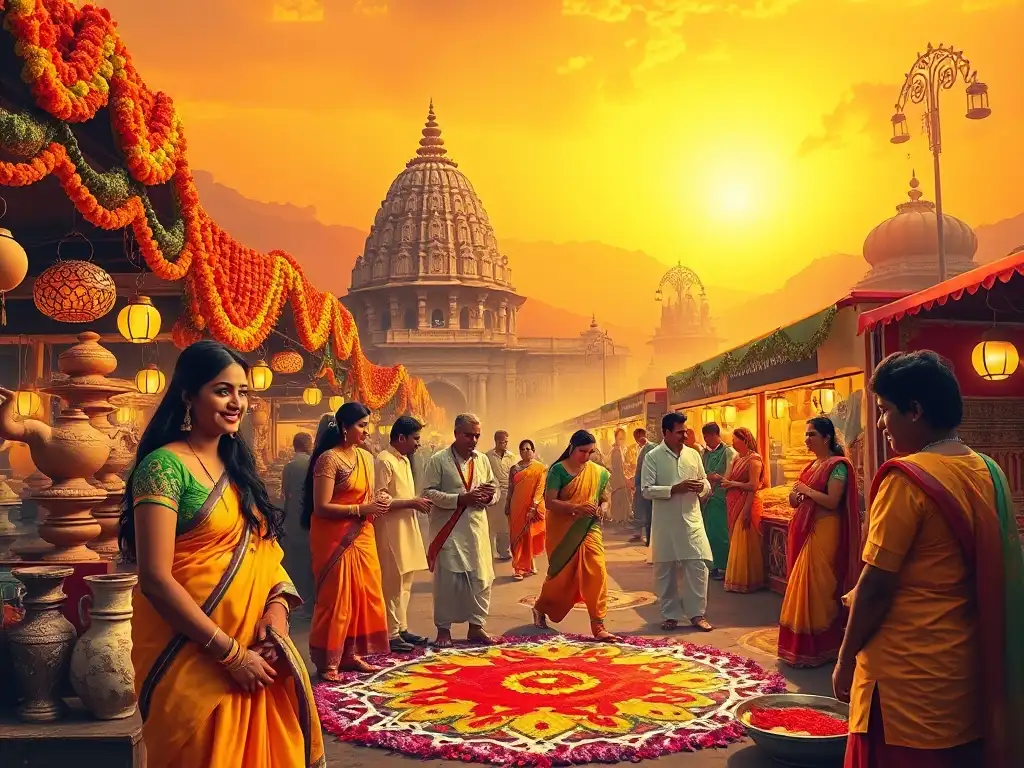
Festivals in India have a profound historical significance, serving not only as cultural markers but also as vital expressions of the socio-political climate, religious beliefs, and artistic inclinations of various periods. From the early agrarian societies to the sophisticated urban centers of ancient civilizations, festivals were intricately woven into the fabric of daily life.
Festivals in Ancient Indian Civilizations
In ancient India, festivals were closely linked to agricultural cycles, seasonal changes, and religious observances. The Indus Valley Civilization (c. 3300–1300 BCE), for example, showcased evidence of ritualistic practices that likely included festive celebrations, although detailed records are scarce. The remnants of seals and pottery suggest a reverence for deities associated with fertility and nature.
As Indian society evolved, so did its festivals. Vedic texts (c. 1500–500 BCE) highlight various seasonal festivals such as Makar Sankranti and Pongal, which celebrated the harvest and the sun's journey. These early celebrations were characterized by offerings to gods and elaborate rituals, indicating a burgeoning connection between spirituality and community.
- Key Features of Festivals in Ancient India:
- Agricultural Significance: Celebrated during harvest seasons.
- Religious Rituals: Offerings to deities, often involving elaborate ceremonies.
- Community Involvement: Gatherings that fostered social cohesion and cultural identity.
Evolution of Festivals Through the Ages
The evolution of festivals in India reflects the dynamic changes in society, economy, and politics. During the Maurya Empire (c. 322–185 BCE), festivals began to incorporate royal patronage, linking artistic expression to the state. The Ashoka Pillars and other inscriptions indicate that festivals served to unify the empire under shared cultural practices.
With the rise of the Gupta Empire (c. 240–550 CE), festivals became more elaborate, often associated with the flourishing of art and literature. The Bharatnatyam and Kathak dance forms, which are still prevalent today, have roots in the religious and festive practices of this era. Temples became central to festival celebrations, showcasing intricate sculptures and paintings that depicted mythological themes and narratives.
- Milestones in the Evolution of Festivals:
- Maurya Empire: Integration of state and festival practices.
- Gupta Era: Flourishing of performing arts and temple architecture.
- Medieval Period: Introduction of new festivals due to diverse cultural influences, including those from the Mughal era.
Impact of Festivals on Artistic Expression
The interplay between Indian festivals and art history is profound, with each festival inspiring a rich tapestry of artistic forms. Festivals have historically provided a platform for artists to showcase their talents and creativity, leading to the development of distinctive regional art styles.
- Visual Arts: Festivals often inspired intricate artworks, such as Madhubani paintings, which depict mythological scenes and celebrate natural beauty. The vibrant colors and detailed patterns reflect the festive spirit and cultural narratives.
- Performing Arts: Dance and music forms, integral to festivals, evolved through ritualistic performances. For instance, Raas Leela, a dance-drama depicting the life of Lord Krishna, is a product of the festive atmosphere surrounding Janmashtami.
- Craftsmanship: Festivals also spurred advancements in craftsmanship, evident in the creation of decorative items for rituals. The art of making diyas (oil lamps) and rangoli (decorative floor designs) showcases the intersection of utility and artistic expression.
The significance of festivals in inspiring Indian art is undeniable. They serve not only as occasions for celebration but also as catalysts for artistic innovation, reflecting the diverse and rich cultural heritage of India. As we delve deeper into the nuances of Indian festivals and their impact on art history, it becomes clear that these celebrations are fundamental to understanding the broader narrative of Indian civilization.
Major Indian Festivals That Inspire Art
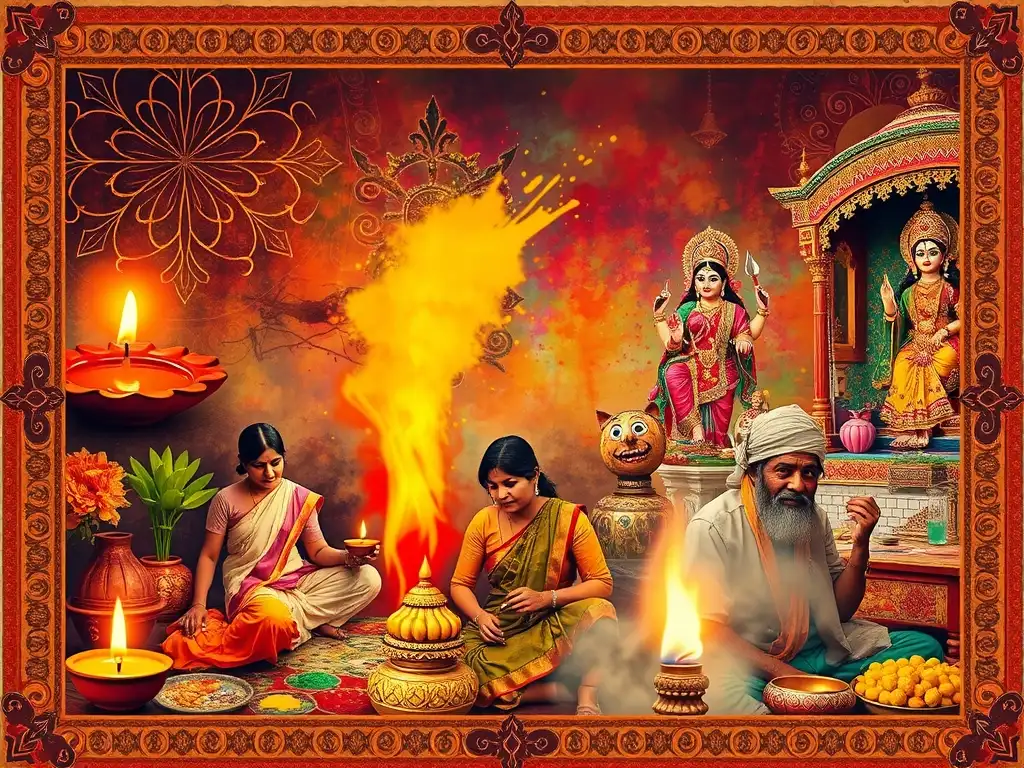
Indian festivals are not just occasions for celebration but are also profound sources of inspiration for various art forms. From intricate craftsmanship to vibrant performances, the essence of these festivals is often captured in the artistic expressions that arise from them. The interplay between culture and creativity during these celebrations leads to a rich tapestry of artistic heritage that reflects the diversity and depth of Indian traditions. Below, we explore three major festivals that have significantly influenced Indian art history.
Diwali: The Festival of Lights and Its Artistic Influence
Diwali, known as the Festival of Lights, marks the triumph of light over darkness and good over evil. This festival has inspired a plethora of artistic expressions, including:
- Rangoli Designs: Colorful patterns created on the ground using colored powders, rice, or flour. These designs often feature intricate motifs that symbolize prosperity and welcome guests.
- Diyas and Candles: Artisans craft beautiful earthen lamps (diyas) and candles, often adorned with intricate designs and vibrant colors, which illuminate homes and public spaces during the festival.
- Paintings and Murals: Many artists create thematic paintings that depict the various stories associated with Diwali, such as the return of Lord Rama to Ayodhya or the worship of Goddess Lakshmi.
The artistic elements of Diwali not only enhance the aesthetic appeal of the celebrations but also serve to educate the younger generations about cultural narratives and values.
Holi: The Festival of Colors and Its Creative Expressions
Holi, often referred to as the Festival of Colors, celebrates the arrival of spring and the victory of love and devotion. This exuberant festival has left an indelible mark on Indian art through various forms:
- Colorful Artworks: Artists use vibrant colors inspired by the festive spirit to create paintings, sculptures, and crafts. The use of bright hues captures the essence of joy and togetherness that Holi represents.
- Textile Patterns: The colors of Holi influence textile designs, with many artisans incorporating bright colors and playful patterns into their fabrics. This trend can be seen in traditional clothing and home décor items.
- Performance Arts: Folk dances and music performances during Holi often feature vibrant costumes and props, showcasing the artistic flair of local communities. Traditional forms like 'Raaslila' and 'Dandiya Raas' highlight not just the celebration, but also the exquisite craftsmanship involved.
Holi's artistic expressions serve as a reminder of the unity and vibrancy of Indian culture, transcending regional and linguistic boundaries.
Navratri, a festival dedicated to the worship of Goddess Durga, spans nine nights of celebration, marked by dance, music, and cultural performances. The artistic heritage inspired by Navratri includes:
- Garba and Dandiya: These traditional dance forms are characterized by colorful attire and rhythmic music. The costumes, often adorned with intricate embroidery and mirror work, reflect the rich craftsmanship of various regions.
- Mural Art: The depiction of goddess Durga and her various forms in murals and paintings is a common artistic expression during Navratri. These artworks often convey deep spiritual meanings and showcase the artistic styles of different regions.
- Traditional Instruments: The music of Navratri, played with traditional instruments like the dhol and nagada, is not just auditory but also a form of visual art, with musicians often dressed in vibrant attire that highlights their cultural identity.
Navratri serves as a significant platform for artists to express their creativity, fostering a sense of community and cultural pride through the celebration of traditions.
These festivals, with their unique customs and artistic influences, play a crucial role in shaping Indian art history. They not only provide a canvas for artistic expression but also preserve and promote the rich cultural heritage of India through generations. The synergy between Indian festivals and art forms continues to inspire artists, ensuring that the vibrant legacy of these celebrations endures.
Pongal: Agricultural Festivities and Traditional Crafts
Pongal, celebrated primarily in the southern state of Tamil Nadu, is a vibrant harvest festival that reflects the agricultural heritage of India. It typically occurs in mid-January and spans four days, with each day dedicated to specific customs and rituals that honor the sun god, agricultural deities, and the bounty of the harvest. This festival not only marks a time of gratitude but also serves as a stimulus for various forms of artistic expression that resonate through the region's culture.
One of the most significant aspects of Pongal is the preparation of the traditional dish called "Pongal," made from freshly harvested rice, milk, and jaggery. The cooking process itself becomes an art form, often accompanied by elaborate rituals that involve the entire family. The pot used for cooking is adorned with intricate kolams (rice flour designs) drawn on the floor, showcasing the artistic sensibilities of the region. These geometric patterns are not merely decorative; they are believed to invite prosperity and auspiciousness into the home.
In addition to culinary arts, Pongal inspires a multitude of traditional crafts. Artisans create vibrant clay pots and decorative items used during the festivities. The process of making these crafts often involves age-old techniques passed down through generations, including pottery, weaving, and metalwork. For instance, the intricate designs on brass and bronze vessels reflect the skilled craftsmanship of local artisans, who draw inspiration from the themes of nature and fertility, which are central to the festival.
Moreover, the celebration of Pongal serves as a platform for folk arts, such as dance and music. Traditional dances like "Kummi" and "Kolattam" are performed in groups, often accompanied by folk songs that tell stories of harvest and gratitude. These performances not only entertain but also serve as a medium for passing down cultural narratives and artistic traditions to younger generations.
Pongal's significance in inspiring Indian art history can be observed in the way it encapsulates the essence of community, sustainability, and creativity. The interplay of agricultural practices and artistic expressions during this festival underscores the deep-rooted connection between nature and culture in Indian society, making it a vital subject for exploration in the study of Indian festivals and art history.
Artistic Forms Influenced by Indian Festivals
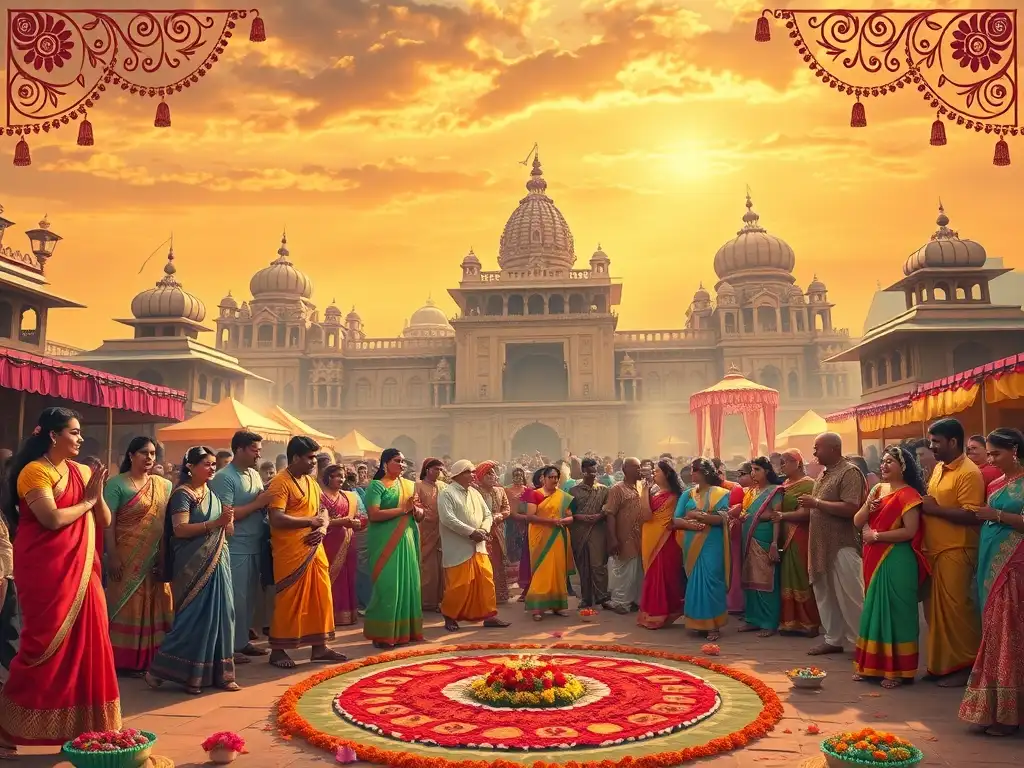
Indian festivals have long served as a wellspring of inspiration for various artistic forms, reflecting the rich tapestry of culture and spirituality embedded in these celebrations. The vibrancy and diversity of Indian festivals not only bring communities together but also act as a catalyst for artistic expression. Artists across different mediums have drawn upon the themes, colors, and narratives of festivals to create works that resonate with the spirit of the occasion. This section delves into the artistic forms influenced by Indian festivals, particularly in traditional painting, sculpture and architecture, and textile arts.
Traditional Painting Styles Inspired by Festivals
Traditional Indian painting styles are deeply intertwined with the celebratory nature of festivals. Each festival often inspires unique motifs and themes that artists incorporate into their work.
- Madhubani Paintings: Originating from the Mithila region of Bihar, Madhubani paintings are characterized by intricate patterns and vibrant colors. They often depict scenes from Hindu mythology, festivals, and rituals. For instance, during the festival of Chhath, artists commonly portray the Sun God and elements of nature, celebrating the bond between humans and the divine.
- Warli Art: This tribal art form from Maharashtra features simple, monochromatic figures that depict daily life and seasonal festivities. Warli paintings frequently illustrate community celebrations, agricultural cycles, and the interplay between nature and human existence, making them a vivid record of the cultural ethos surrounding festivals.
- Pattachitra: Hailing from Odisha, Pattachitra paintings are known for their intricate details and storytelling elements. These artworks often recount the tales of deities celebrated during festivals like Rath Yatra, showcasing the journey of Lord Jagannath and his siblings. The vibrant colors and mythological themes capture the essence of the festival's significance.
Traditional Indian painting styles harness the vibrancy of festivals, channeling their energy into art that not only decorates spaces but also preserves cultural narratives.
Sculpture and Architecture: Celebrating Festivities
Sculpture and architecture in India have historically been influenced by the themes of various festivals, with monuments and sculptures serving as both artistic expressions and spiritual embodiments.
- Temples as Artistic Statements: Many ancient temples were constructed to commemorate significant festivals. For example, the architectural marvel of the Brihadeeswarar Temple in Thanjavur is intricately designed to celebrate the Pongal festival, with sculptures that depict the harvest and rituals associated with it. The temple's carvings and frescoes narrate stories of divine celebrations, linking art directly to the festive spirit.
- Festivals in Sculpture: Sculptors often create figurines and idols specifically for festivals. The Durga Puja festival in West Bengal sees artisans crafting elaborate idols of Goddess Durga, showcasing a range of artistic styles and techniques. These idols become focal points of community celebrations, reflecting the artistic prowess and cultural heritage of the region.
- Public Art Installations: Modern interpretations of festival themes can be seen in public art installations during major celebrations like Diwali or Holi. Artists use contemporary materials and styles to create installations that engage the public and encourage participation, thereby bridging traditional art with modern expressions.
In essence, sculpture and architecture not only celebrate festivals but also serve as a canvas for storytelling, embodying the cultural significance of these occasions through artistic expression.
Textile Arts: Weaving the Spirit of Festivals
Textile arts in India are profoundly influenced by festivals, with fabrics and designs often reflecting the essence of various celebrations. The intricate textiles created for festivals not only serve functional purposes but also carry deep cultural meanings.
- Sarees and Costumes: Festivals like Diwali and Navratri inspire the creation of exquisite sarees and traditional costumes adorned with vibrant colors and intricate patterns. The use of rich fabrics like silk and brocade, often embellished with zardozi or mirror work, encapsulates the festive spirit, making the attire an essential part of the celebrations.
- Block Printing and Tie-Dye: Techniques such as block printing and tie-dye (bandhani) have regional significance, often used to create garments for festivals. For instance, the tie-dye textiles of Gujarat are particularly popular during Navratri, as they embody the festive colors and exuberance of the dance celebrations (Garba).
- Embroidered Textiles: Regions like Punjab and Rajasthan are renowned for their embroidered textiles, which often feature motifs inspired by local festivals. Phulkari, a traditional Punjabi embroidery, showcases floral patterns that are a nod to the vibrant nature of the Baisakhi harvest festival, symbolizing abundance and prosperity.
Textile arts are a profound expression of the spirit of Indian festivals, weaving together the threads of culture, tradition, and artistry into a vibrant tapestry that celebrates life and community.
The Role of Rituals in Shaping Indian Art
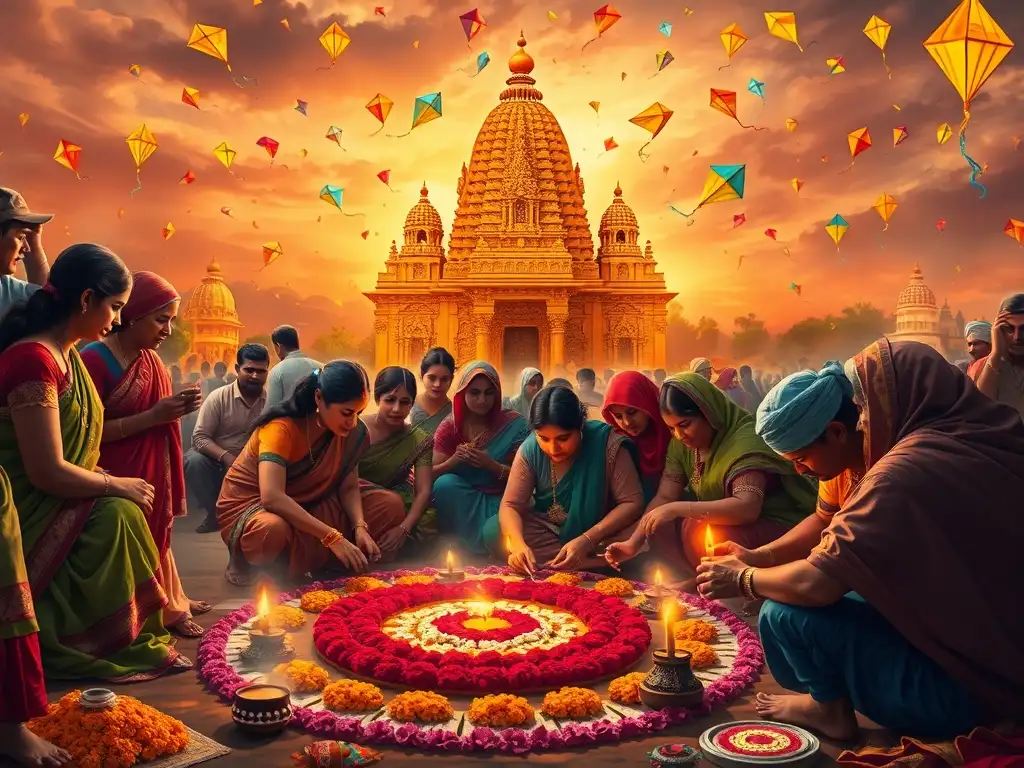
The intricate relationship between rituals and art in India is profound, with festivals serving as a backdrop for a myriad of artistic expressions. Indian festivals are not merely celebratory occasions; they are deeply embedded in the cultural and spiritual fabric of society. As rituals unfold, they inspire and influence various art forms, reflecting the values, beliefs, and historical narratives of the time. This section will delve into the ways in which ritualistic practices shape Indian art, focusing on their representation, significance of offerings, and the artistic expressions found in dance and music.
Ritualistic Practices and Their Artistic Representation
Ritualistic practices are central to Indian festivals, encompassing a range of activities from pujas (worship ceremonies) to processions. Each ritual often incorporates specific artistic elements that enhance the experience and deepen the cultural significance of the event.
- Visual Arts: Rituals often inspire various visual art forms, including:
- Mandalas: Intricate designs created during religious ceremonies, symbolizing the universe.
- Rangoli: Colorful patterns made with powdered colors, adorning thresholds to welcome deities and guests.
- Murals: Depictions of gods, goddesses, and mythological tales are painted on temple walls, serving both decorative and educational purposes.
- Sculpture: Statues and idols crafted for worship are not only functional but also represent the pinnacle of artistic creativity. The detailed carvings reflect the craftsmanship and aesthetic sensibilities of the period, often narrating stories from ancient texts.
- Textiles: Fabrics used in rituals, such as sarees and dupattas, are often adorned with traditional motifs that carry specific meanings related to the festival. This textile art serves both as a functional garment and as a medium of artistic expression.
These artistic representations are not static; they evolve with time while retaining their cultural significance, thus reflecting the dynamic nature of Indian art history.
The Significance of Offerings in Art Forms
Offerings play a crucial role in rituals, serving as a medium to express devotion and gratitude. The artistic representation of these offerings is significant in the context of Indian festivals:
- Food Offerings: The preparation and presentation of prasad (sacred food) is an art form in itself. The aesthetic arrangement of colorful sweets, fruits, and flowers reflects the celebratory spirit of the festival. This culinary art signifies abundance and is often depicted in paintings and sculptures, highlighting its importance in ritualistic practices.
- Floral Decorations: The use of flowers in offerings is not just a ritualistic act but also an artistic expression. The art of garland-making (mala) involves intricate designs that are visually stunning and spiritually meaningful. Different flowers symbolize various deities and are often used to decorate idols and altars during festivals.
- Artistic Utensils: The vessels used for offerings, crafted from clay, brass, or bronze, often feature intricate designs. The craftsmanship of these utensils reflects regional styles and artistic traditions, showcasing the diversity of Indian art.
The interplay between offerings and art forms emphasizes the cultural richness of Indian festivals, where every element contributes to the overall aesthetic and spiritual experience.
Dance and Music as Artistic Expressions of Festivals
Dance and music are integral components of Indian festivals, acting as vibrant forms of artistic expression that convey cultural narratives and emotions.
- Traditional Dances: Each festival is often accompanied by specific dance forms that embody the theme and spirit of the celebration. Examples include:
- Bharatanatyam: A classical dance form from Tamil Nadu that narrates stories of gods and goddesses through intricate footwork and expressive gestures.
- Garba: A folk dance from Gujarat performed during Navratri, characterized by energetic movements and colorful attire.
- Music: The musical traditions associated with festivals range from devotional songs (bhajans) to folk music that narrates historical tales. Instruments such as the tabla, dhol, and sitar create an auditory landscape that enhances the festive atmosphere. The combination of melody and rhythm serves to unite communities in celebration.
- Festive Performances: Many festivals feature dramatic performances that reinterpret mythological stories. These performances, such as Ramlila during Dussehra, combine elements of theater, dance, and music, creating a multi-dimensional artistic expression that engages audiences.
Through these artistic expressions, festivals become a canvas for cultural storytelling, allowing the rich traditions of Indian art to be experienced and appreciated in a communal setting.
The rituals associated with Indian festivals play a pivotal role in shaping various art forms, from visual arts to performing arts. The significance of offerings and the vibrant expressions of dance and music not only enrich the festival experience but also contribute to the broader tapestry of Indian art history. By understanding these connections, we gain insight into the cultural heritage that continues to inspire and influence contemporary artistic practices in India.
Contemporary Reflections of Festivals in Indian Art
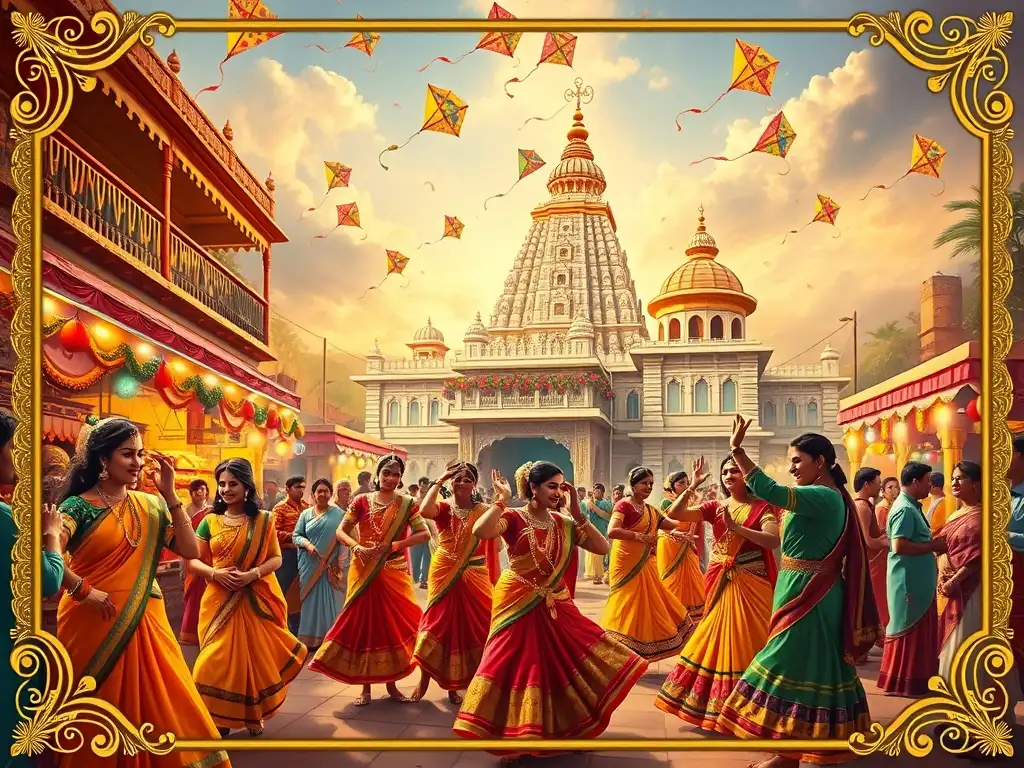
Modern Artists Inspired by Traditional Festivals
The vibrant tapestry of Indian festivals has long served as a wellspring of inspiration for contemporary artists. Many modern creators draw upon the rich symbolism and cultural narratives embedded in traditional celebrations, using them as a foundation for innovative expressions.
- Ritual and Symbolism: Artists often explore the ritualistic elements of festivals, such as the intricate designs of Rangoli or the vibrant colors of Holi powders, which are not only visually stunning but also steeped in meaning. For example, artist Subodh Gupta integrates the themes of celebration and community into his installations, often using everyday materials that evoke the festive spirit.
- Representation of Culture: Festivals like Diwali and Durga Puja are depicted in various art forms, highlighting the cultural significance behind them. The works of Mithila artists, who depict mythological stories associated with these festivals, serve as a bridge between tradition and modernity. Their intricate patterns and vivid colors reflect both the historical context and the evolving nature of these celebrations.
- Social Commentary: Some contemporary artists utilize festival themes to comment on societal issues. For instance, artist Nikhil Chopra draws on the ceremonial aspects of festivals to address themes of identity and community, showcasing how traditional practices can illuminate contemporary struggles.
Fusion of Traditional and Contemporary Art in Festivals
The fusion of traditional and contemporary art forms during festivals creates a dynamic dialogue that enriches both realms. This synthesis not only showcases the evolution of Indian art but also highlights the resilience of cultural practices.
- Collaboration of Styles: Artists are increasingly collaborating with traditional craftsmen to produce hybrid artworks that merge modern techniques with classic motifs. This collaboration is evident in the Pattachitra style, where contemporary artists incorporate modern narratives alongside traditional storytelling, allowing for a fresh interpretation of age-old tales.
- Interactive Installations: Festivals have become a backdrop for interactive art installations that engage audiences in unique ways. For example, during the Ganesh Chaturthi, artists create immersive experiences that invite festival-goers to participate in the artistic process, transforming the celebration into a collective art-making event.
- Use of Technology: The advent of technology has allowed artists to reinterpret traditional themes through digital mediums. Digital art exhibits during festivals showcase the adaptability of Indian art forms, allowing for a broader reach and engagement with younger audiences. Artists like Dharam Kaur utilize augmented reality to bring traditional festival stories to life, merging the digital with the physical.
The Global Influence of Indian Festivals on Art
Indian festivals are not only significant within the subcontinent but have also made a mark on the global art scene. The influence of these celebrations extends beyond borders, inspiring artists worldwide.
- Cultural Exchange: Festivals like Diwali and Holi have gained international recognition, leading to cultural exchanges that inspire artists from different backgrounds. In cities such as New York and London, exhibitions celebrating these festivals often feature works by artists from diverse cultures, showcasing how Indian festivals can foster global dialogue.
- Artistic Collaborations: International artists have begun to incorporate elements of Indian festivals into their work, creating a fusion that celebrates diversity. For instance, Yayoi Kusama’s polka dot motifs have been likened to the colorful aesthetics of Rangoli, demonstrating how different cultures can inspire and inform each other.
- Global Festivals and Art: The celebration of Indian festivals abroad has led to the creation of art that reflects a blend of traditions. Events like the Holi Festival of Colors in the U.S. not only celebrate the festival but also inspire local artists to create works that resonate with the themes of color, joy, and community, showcasing the universal appeal of Indian cultural practices.
The significance of Indian festivals in inspiring art is profound and multifaceted. From modern artists drawing inspiration from traditional celebrations to the global influence these festivals wield, the interplay between culture and creativity continues to thrive, ensuring that the rich heritage of Indian art remains vibrant and relevant.
Conclusion: The Lasting Legacy of Indian Festivals in Art History
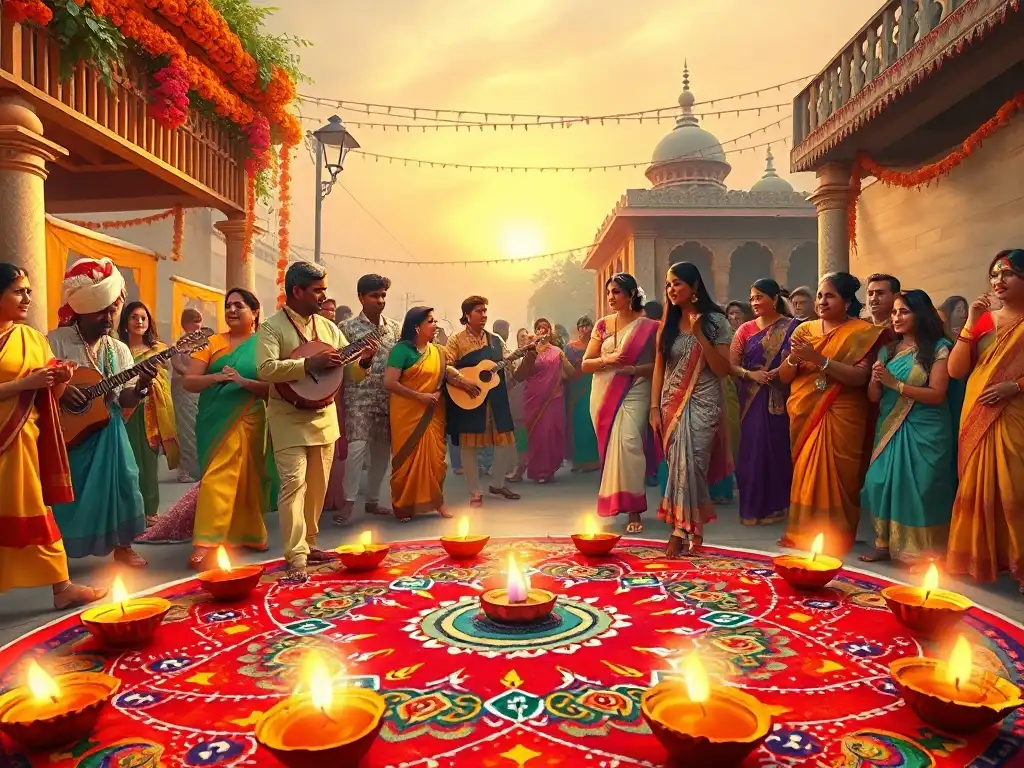
The vibrant tapestry of Indian festivals has significantly shaped the landscape of Indian art history, leaving an indelible mark on the cultural heritage of the subcontinent. These festivals not only serve as occasions for celebration but also act as catalysts for artistic expression, influencing various art forms from painting and sculpture to dance and music. By examining the intricate relationship between festivals and art, we can appreciate how these cultural events have fostered creativity and innovation across generations.
Summary of Key Insights
Indian festivals like Diwali, Holi, and Durga Puja are deeply ingrained in the socio-cultural fabric of India, inspiring a plethora of artistic endeavors. Key insights into their significance in art history include:
- Cultural Narratives: Each festival embodies unique narratives and mythologies that artists convey through their works. For instance, the intricate designs of Rangoli during Diwali reflect the artistic skills passed down through generations.
- Artistic Techniques and Styles: Festivals have birthed distinctive artistic styles, such as the vibrant colors of Pattachitra paintings associated with the Rath Yatra, showcasing the interplay between religious devotion and artistic skill.
- Community Engagement: Festivals foster community participation in artistic creation, as seen in collaborative murals and sculptures that celebrate communal identity and shared heritage.
- Preservation of Traditions: Many festivals encourage the preservation of ancient art forms, such as Madhubani and Warli painting, ensuring that traditional techniques continue to thrive in contemporary society.
- Evolving Interpretations: The interpretation of festival themes in art evolves with time, reflecting modern sensibilities while respecting traditional motifs. This adaptability ensures that Indian art remains relevant and resonates with contemporary audiences.
The Future of Festivals and Their Impact on Indian Art
As India continues to modernize, the future of festivals and their influence on Indian art seems poised for transformation. Several trends are emerging that could shape this relationship:
- Digital Art and Festivals: With the rise of digital technology, artists are exploring new mediums to depict festival themes. Innovations like virtual reality installations and digital storytelling are becoming popular avenues for artistic expression during festivals.
- Global Influence: Indian festivals are gaining international recognition, encouraging cross-cultural collaborations that blend Indian and global art forms. This fusion can lead to new interpretations and artistic styles that enrich the existing art landscape.
- Sustainable Practices: A growing awareness of sustainability is prompting artists to incorporate eco-friendly practices into their work. Festivals that emphasize environmental consciousness, such as eco-friendly Ganesh Chaturthi celebrations, are inspiring artists to create works that reflect these values.
- Revival of Folk Art: There is a renewed interest in folk art forms that celebrate festival themes, providing opportunities for artisans to showcase their work. This revival can help preserve endangered art forms and promote their relevance in current times.
- Educational Initiatives: Workshops and educational programs centered around festivals can foster artistic skills among younger generations, ensuring that the rich heritage of Indian festivals continues to inspire future artists.
The interplay between Indian festivals and art history is a dynamic and evolving relationship that holds significant cultural importance. By celebrating this legacy, we can continue to inspire creativity and innovation within the realm of Indian art.
Frequently Asked Questions
What is the significance of festivals in Indian art history?
Festivals play a crucial role in shaping Indian art by providing themes and motifs that artists explore. They often reflect the cultural values and religious beliefs of society.
How do festivals influence artistic expressions in India?
Festivals inspire various forms of artistic expression, including painting, dance, and music. They serve as catalysts for creativity, leading to the creation of vibrant artworks that celebrate traditions.
Can you name some Indian festivals that have impacted art history?
Prominent festivals like Diwali, Holi, and Durga Puja have deeply influenced artistic practices. Each festival showcases unique art forms such as rangoli, murals, and traditional crafts.
How are Indian festivals represented in ancient art?
In ancient art, festivals are depicted through sculptures, paintings, and temple carvings. These artworks often illustrate mythological narratives and rituals associated with festivals, highlighting their cultural significance.
Why is it important to study the connection between Indian festivals and art history?
Understanding the connection between Indian festivals and art history offers insights into the socio-cultural dynamics of ancient civilizations. It helps preserve and appreciate the rich heritage of Indian artistry.
Final Reflection: The Enduring Legacy of Indian Festivals in Shaping Art
The exploration of Indian festivals reveals their profound significance in inspiring and nurturing the rich tapestry of Indian art. Today, as we navigate a world increasingly driven by technology and globalization, the essence of these festivals remains a vital thread that connects us to our cultural roots. They serve not only as celebrations of tradition but also as catalysts for artistic expression, reminding us that art is a living dialogue between the past and present.
The influence of festivals on Indian art is not merely historical; it continues to resonate in contemporary society. From the vibrant colors of Holi to the intricate patterns of Diwali rangoli, these celebrations infuse daily life with creativity and inspiration. As artist Anjolie Ela Menon once said, Art is a way of survival,
and in this context, the survival of our artistic heritage is intricately linked to the festivals that breathe life into it. Each festival offers a unique opportunity for artists to reinterpret and innovate, ensuring that the spirit of Indian art evolves while remaining anchored in its traditions.
As you reflect on the significance of festivals in your own life, consider how these celebrations can inspire your creativity and connection to culture. Embrace the lessons of resilience, community, and artistic expression that festivals embody. Let them motivate you to explore your own artistic journey, whether through painting, music, dance, or any other form of expression. By engaging with the vibrant legacy of Indian festivals, you not only honor your heritage but also contribute to the ongoing narrative of art and culture that shapes our world today.
Ignite Your Creativity Through Indian Festivals!
Thank you for taking the time to explore the profound influence of festivals on Indian art. Your interest in this vibrant intersection of culture and creativity opens doors to endless inspiration. Now, let’s turn this insight into action!
- Immerse Yourself: Attend a local festival or explore online exhibitions to experience the vivid art forms firsthand.
- Create: Channel your newfound inspiration into your own artistic project, drawing from the elements that resonate with you from various festivals.
- Share Your Journey: Use social media to showcase your creations and connect with communities that celebrate Indian art, sparking meaningful discussions.
How has a particular festival inspired your creativity or artistic expression? We would love to hear your story!