
The Rise of Feminine Power in the Gupta Empire: Key Figures and Contributions

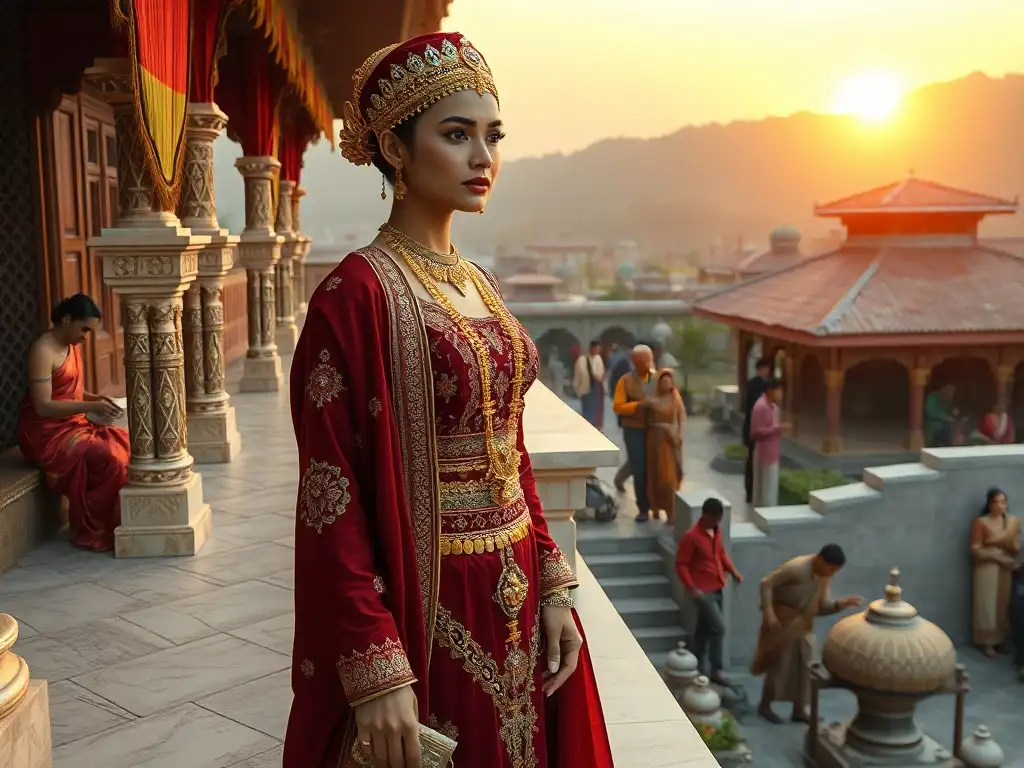
Welcome to Ancient India History, where we embark on a fascinating journey through the rich tapestry of ancient Indian civilizations! Today, we delve into the intriguing topic of feminine power in the Gupta Empire, exploring the key figures who shaped this remarkable era and their profound contributions to society. As we uncover the stories of these influential women, you'll discover how their strength and wisdom played a pivotal role in the cultural and political landscape of ancient India. Prepare to ignite your curiosity and dive deeper into the legacy of feminine power that continues to inspire today!
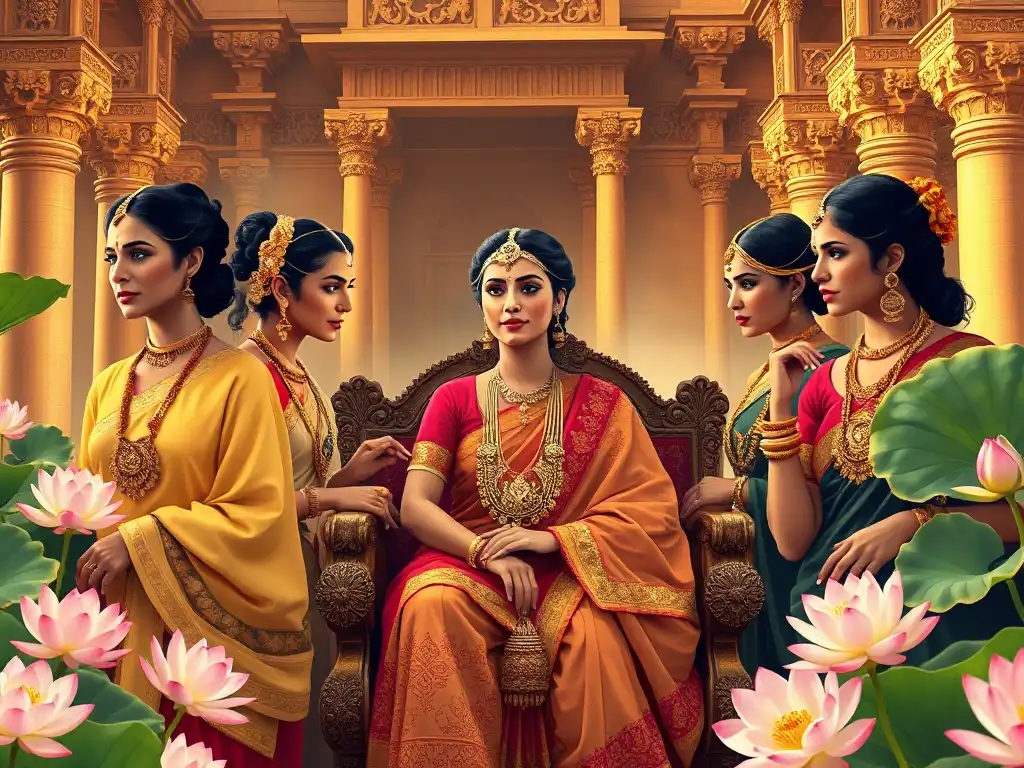
Introduction to Feminine Power in the Gupta Empire
The Gupta Empire, often heralded as a golden age of Indian civilization, was not only marked by remarkable achievements in science, mathematics, and the arts but also represented a significant era for women's roles and contributions. During this period, which spanned from approximately 240 to 550 CE, women began to occupy essential positions within society, challenging previous norms and asserting their influence across various domains. The concept of feminine power in the Gupta Empire is pivotal to understanding how these women's roles were integral to the empire's cultural and political landscape.
Overview of the Gupta Empire
The Gupta Empire, founded by Maharaja Sri Gupta, was characterized by extensive territorial expansion and a flourishing of cultural and intellectual pursuits. With its capital at Pataliputra, the empire encompassed vast regions, including parts of present-day India, Bangladesh, and Pakistan. This period is often credited with significant advancements in various fields, including:
- Mathematics: Introduction of the concept of zero and the decimal system.
- Astronomy: Notable works by astronomers like Aryabhata.
- Art and Architecture: The construction of magnificent temples and sculptures that still stand today.
Despite its many achievements, the role of women during this time was multifaceted, extending beyond domestic confines into realms of governance, scholarship, and artistic expression.
Significance of Women's Roles in Gupta Society
Women's roles in Gupta society were diverse and complex. While traditional norms often dictated a domestic sphere, historical records suggest that many women transcended these limitations. They participated in:
- Political Affairs: Some women held positions of influence, acting as regents or advisors to kings.
- Cultural Development: Women contributed to the arts, literature, and philosophy, shaping the cultural fabric of the empire.
- Education: Increased access to education allowed women to emerge as scholars and thinkers, fostering intellectual growth.
The acknowledgment of these roles reinforces the understanding that feminine power was not merely a peripheral aspect but a core component of Gupta society.
Introduction to Key Figures and Their Contributions
In exploring the rise of feminine power during the Gupta Empire, it is essential to highlight key figures whose contributions significantly impacted various sectors. These figures, ranging from empresses and queens to scholars and artists, exemplified the strength and influence of women in this era. Their stories not only illuminate the historical landscape of the Gupta Empire but also inspire contemporary discussions about women's roles in society.
Key Figures of Feminine Power in the Gupta Empire
Empresses and Queens
The Gupta Empire was home to several powerful empresses and queens who wielded considerable influence. These women not only participated in governance but also played crucial roles in the diplomatic and military affairs of the empire.
Scholars and Thinkers
Women in the Gupta period also made remarkable contributions to philosophy, literature, and science. They were instrumental in the intellectual discourse of the time, often challenging patriarchal boundaries.
Artists and Cultural Contributors
The artistic achievements of women during the Gupta Empire cannot be overlooked. Many female artists and cultural contributors left an indelible mark on the artistic heritage of India, producing works that celebrated beauty, spirituality, and cultural narratives.
Through examining these key figures, we can gain a deeper appreciation for the feminine power in the Gupta Empire and its lasting impact on the history and culture of ancient India.
Contributions of Women to Society in the Gupta Empire
The Gupta Empire, often regarded as a golden age in Indian history, witnessed significant contributions from women across various spheres. Women played crucial roles in shaping the economic, social, and religious landscapes of the empire. Their influence extended beyond the confines of the household, allowing them to participate actively in the broader societal framework. This period celebrated not only the achievements of men but also recognized the vital contributions of women, laying the groundwork for future generations.
Economic Contributions of Women
Women in the Gupta Empire were integral to the economy, engaging in both domestic and commercial activities. Many women participated in agricultural work, assisting in planting and harvesting crops, which were vital for sustenance and trade. Additionally, women were involved in cottage industries, producing textiles, pottery, and handicrafts that contributed to local economies.
Some women also managed family businesses, overseeing trade and commerce, particularly within urban centers. This not only allowed them to gain financial independence but also provided them with a degree of autonomy within their households. Women from affluent families often had access to wealth, enabling them to invest in trade and support artisans, further stimulating the economy.
Social Contributions of Women
Socially, women in the Gupta Empire played a pivotal role in maintaining cultural traditions and fostering community ties. They were responsible for the transmission of knowledge, values, and ethical teachings to the younger generations, thereby shaping societal norms. Women's gatherings, often centered around domestic spaces, facilitated discussions on social issues and cultural practices.
Moreover, women were active participants in festivals and rituals, serving as custodians of cultural heritage. They played essential roles in organizing community events, which not only strengthened social bonds but also promoted a sense of identity and belonging within the society. Notably, women like Vasanti and Dhrupadi are celebrated in historical texts for their contributions to literature and the arts, showcasing women's influence in cultural expression.
Religious and Spiritual Influence of Women
The spiritual life of the Gupta Empire was significantly enriched by the contributions of women. Many women were revered as spiritual leaders, engaging in religious rituals and practices that held great importance within their communities. They participated in temple activities, serving as priestesses and guardians of sacred traditions.
Women also played a crucial role in the promotion of various religious philosophies, including Hinduism and Buddhism. Their involvement in religious discourses and practices facilitated the spread of spiritual knowledge and fostered a sense of community among followers. Additionally, the emergence of female saints and poets during this period highlighted the important role of women in spiritual and intellectual pursuits.
Challenges Faced by Women in the Gupta Empire
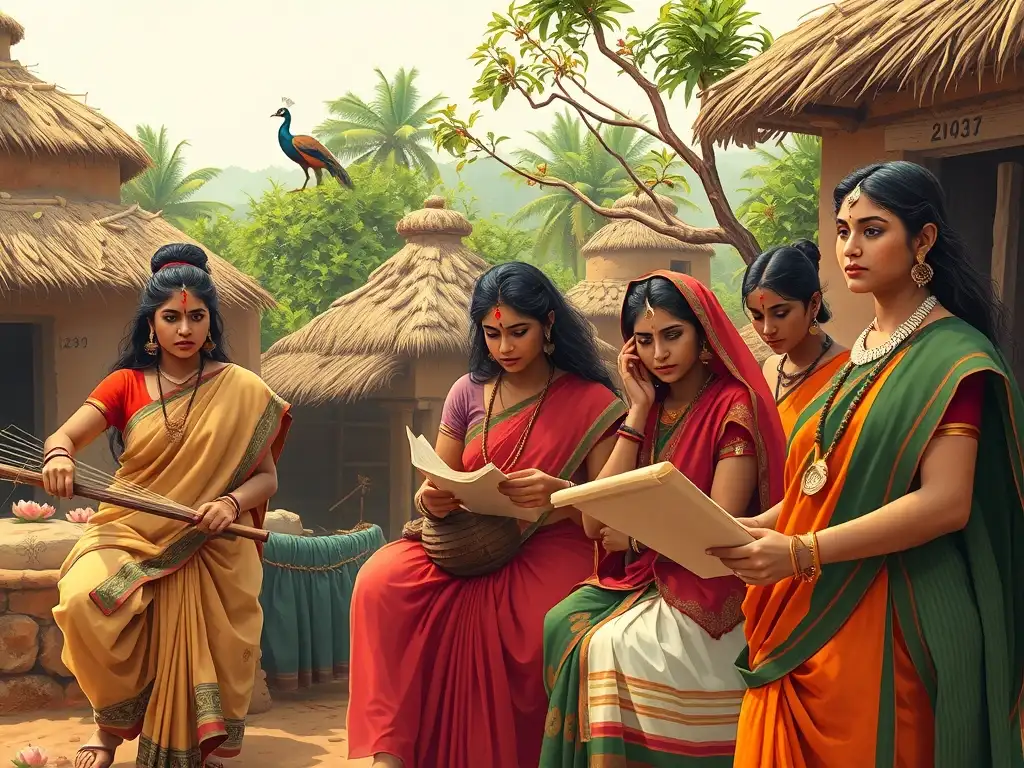
Despite their contributions, women in the Gupta Empire encountered numerous challenges stemming from societal norms and patriarchal structures. These challenges shaped their experiences and influenced their roles within the empire.
Societal Limitations and Gender Roles
The Gupta Empire was characterized by distinct gender roles that often limited women's opportunities for personal and professional growth. While some women held significant influence, the majority were confined to domestic duties, expected to prioritize family responsibilities over individual aspirations. The ideal of the devoted wife and mother was prevalent, often overshadowing women's achievements outside the home.
Moreover, societal expectations imposed restrictions on women's mobility and autonomy. Many women were discouraged from seeking education or engaging in public life, which hindered their ability to contribute to society fully. The emphasis on traditional roles often meant that women's contributions went unrecognized and undervalued.
The Impact of Patriarchy on Women’s Empowerment
Patriarchal norms deeply influenced women's status in the Gupta Empire, often curtailing their rights and freedoms. The legal system was largely male-dominated, with women having limited rights regarding property ownership and inheritance. This lack of legal agency made it challenging for women to assert themselves economically and socially.
The cultural narrative during this period often glorified masculinity while relegating femininity to secondary status. Women were frequently portrayed in literature and art as symbols of virtue, rather than as active agents of change, which further perpetuated their marginalization within society.
Resistance and Resilience of Women in the Gupta Empire
Despite the challenges, women in the Gupta Empire displayed remarkable resilience and resistance. Many women found ways to navigate the limitations imposed on them, using their influence within the household to advocate for their rights and the rights of others. Some women became vocal about social injustices, challenging the status quo and demanding greater recognition for their contributions.
Notable historical figures, such as the poetess and philosopher Aryabhata's mother, exemplified this resistance by advocating for education and intellectual pursuits for women. Their legacies serve as testaments to the strength and determination of women in the Gupta Empire, highlighting their role not only as contributors to society but also as pioneers of change in a patriarchal world. Through their actions, they laid the foundation for future movements toward gender equality and empowerment in subsequent eras.
Legacy of Feminine Power in the Gupta Empire
The Gupta Empire, often heralded as a golden age in Indian history, witnessed significant advancements in various fields, including art, science, and literature. Equally remarkable was the emergence of feminine power during this period, which left a lasting legacy that shaped the social fabric of Indian society. Women in the Gupta Empire were not merely passive figures; they actively participated in political, economic, and cultural spheres. Notable queens and influential women often played crucial roles in governance, diplomacy, and patronage of the arts.
One of the most prominent examples of feminine power was the queen, often referred to as the "Shakti" or divine feminine energy, who was seen as essential in maintaining harmony within the kingdom. The legacy of these women can be traced in various historical texts and inscriptions that acknowledge their contributions and the respect they commanded. This period set a precedent for the acknowledgment of women as formidable figures in governance and cultural development, an idea that would resonate in later Indian history.
Long-term Effects of Women’s Contributions on Indian Society
The contributions of women during the Gupta Empire had profound effects that extended beyond the empire's boundaries and time. Their involvement in governance and cultural patronage fostered an environment where women's roles were increasingly recognized and valued. As a result, the ideals of feminine power began to permeate societal norms, encouraging future generations to view women as contributors to both political and cultural landscapes.
In the long term, these contributions influenced the status of women in subsequent Indian dynasties, leading to varying degrees of empowerment and restrictions. For instance, while some later periods saw a decline in women's status, the legacy of the Gupta era provided a foundation for women’s rights movements in India. The recognition of women's roles in ancient texts and historical narratives continues to inspire contemporary feminist movements, promoting the idea that women have always played a pivotal role in shaping society.
The Evolution of Women’s Roles Post-Gupta Empire
Following the decline of the Gupta Empire, women's roles underwent significant transformations influenced by changing political and social conditions. The subsequent medieval period saw a shift where women's visibility in public life diminished, and patriarchal norms became more pronounced. However, the legacy of the Gupta era persisted, serving as a reference point for future generations.
In various regions of India, women found ways to assert their presence, often through spiritual and religious avenues, maintaining a connection to the past. The Bhakti movement, for instance, allowed women to engage in devotional practices and express their spirituality freely. This evolution illustrates a complex relationship between the legacies of feminine power in the Gupta Empire and the fluctuating status of women in subsequent historical contexts.
Modern Interpretations of Feminine Power in Ancient India
Modern scholarship has begun to re-evaluate the roles of women in ancient India, particularly during the Gupta Empire, recognizing their contributions as essential components of history. Feminist historians and researchers have sought to highlight the significance of these figures, encouraging a broader understanding of feminine power beyond traditional narratives.
Through archaeological discoveries, literary analysis, and critical examinations of historical texts, contemporary interpretations aim to shed light on the multifaceted roles women played in shaping the Gupta Empire. This renewed focus not only enriches the historical narrative but also empowers current discussions around gender roles and equality in Indian society.
Conclusion: The Enduring Impact of Feminine Power in the Gupta Empire
The Gupta Empire's legacy of feminine power serves as a vital chapter in the history of women’s roles and contributions in India. The period highlighted the significant influence women held within society, challenging preconceived notions of gender roles and societal expectations.
Summary of Key Contributions and Figures
Key figures such as queens and influential women in the Gupta Empire, including specific roles in governance and culture, exemplified the potential of feminine power. Their contributions spanned various domains, from the arts to politics, establishing a robust framework for future generations to build upon.
Reflection on the Importance of Recognizing Women’s Roles in History
Recognizing the roles women played in the Gupta Empire is crucial for a comprehensive understanding of history. It highlights the importance of inclusivity in historical narratives, ensuring that the contributions of all members of society are acknowledged. By understanding the past, we can better appreciate the ongoing struggles for gender equality in the present, fostering a society that values and empowers all individuals, regardless of gender.
- Introduction to Feminine Power in the Gupta Empire
- Key Figures of Feminine Power in the Gupta Empire
- Contributions of Women to Society in the Gupta Empire
- Challenges Faced by Women in the Gupta Empire
- Legacy of Feminine Power in the Gupta Empire
- Conclusion: The Enduring Impact of Feminine Power in the Gupta Empire
Frequently Asked Questions
What was the role of women in the Gupta Empire?
Women in the Gupta Empire held significant roles, often seen as influential figures in family and society, contributing to culture and arts, while also participating in religious and economic activities.
Who were some key female figures in the Gupta Empire?
Prominent women like Vasavadatta, a queen, and Prabhavati, a royal patron of arts, showcased feminine power through their political influence and cultural contributions.
How did the Gupta Empire influence the status of women?
The Gupta Empire marked a period where women began to gain greater autonomy and opportunities in education and the arts, reflecting a shift towards increased recognition of women's roles.
What contributions did women make to the arts during the Gupta period?
Women were significant in shaping literature, dance, and sculpture, contributing to the cultural richness of the Gupta period, with many being patrons or performers in various artistic fields.
How does the concept of feminine power manifest in Gupta literature?
Gupta literature often depicts women as strong characters who exhibit intellect, strength, and virtue, showcasing a nuanced portrayal of feminine power that was celebrated alongside male achievements.
Final Reflection: Embracing Feminine Power in the Gupta Empire
The exploration of feminine power in the Gupta Empire is not just a historical inquiry; it is a profound reminder of the strength and influence women have wielded throughout time. In an era often overshadowed by male achievements, the contributions of key female figures illuminate the vital roles women played in shaping society, culture, and governance. Today, as we confront ongoing discussions about gender equality and women's rights, the stories of these remarkable women resonate with renewed urgency and relevance.
The legacy of feminine power in the Gupta Empire continues to inspire contemporary movements advocating for women's voices and leadership. The narratives of women like Chandragupta II's queens and the influential poetess, Banabhatta's mother, reveal that the empowerment of women is not a modern phenomenon but a historical constant that has shaped civilizations. Women are the real architects of society.
– Harriet Beecher Stowe. This quote encapsulates the essence of feminine power, reminding us that the contributions of women are foundational to societal progress and cultural richness.
As we reflect on the lessons from the Gupta Empire, let us commit to recognizing and amplifying the voices of women in our own lives and communities. Consider how you can support and uplift the women around you, whether through mentorship, advocacy, or simply by acknowledging their contributions. The past teaches us that when women thrive, societies flourish, and it is our collective responsibility to ensure that this truth continues to guide our future.
Unveil the Legacy of Feminine Power!
Thank you for diving into the inspiring world of the Gupta Empire and exploring the remarkable contributions of its key figures. Your interest helps keep the rich history of Ancient India alive, and now it’s time to take action!
Here are some impactful ways you can continue your journey of discovery:
- Join a local history group or online forum to discuss the role of women in ancient societies and share insights about the Gupta Empire.
- Write a blog post or a social media update highlighting the achievements of a notable female figure from this era, encouraging others to join the conversation and spread awareness.
- Plan a visit to a museum or historical site featuring artifacts from the Gupta period, allowing you to reconnect with the past in person.
What insights from the female figures of the Gupta Empire inspire you to make changes or take action in your community today?