
Ancient Indian Metallurgy: Lessons for Modern Material Science

Welcome to Ancient India History, where we embark on a fascinating journey through the remarkable tapestry of ancient Indian civilizations. From the ingenuity of the Indus Valley to the brilliance of the Gupta Empire, this site is dedicated to exploring the rich history and cultural contributions that have shaped our world. In today's article, we delve into Ancient Indian metallurgy techniques, uncovering time-honored practices that not only revolutionized material science but also hold valuable lessons for modern innovation. Prepare to be intrigued as we unveil the secrets of the past that continue to inspire the future!
- Introduction to Ancient Indian Metallurgy
- Historical Context of Metallurgy in Ancient India
- Techniques of Ancient Indian Metallurgy
- Innovations and Contributions of Ancient Indian Metallurgy
- Lessons for Modern Material Science
- Conclusion
-
Frequently Asked Questions
- What are ancient Indian metallurgy techniques?
- How did ancient Indian metallurgy influence modern material science?
- What materials were primarily used in ancient Indian metallurgy?
- Which ancient Indian civilization is known for its advanced metallurgy?
- How can modern engineers learn from ancient Indian metallurgy?
- Final Reflection: Embracing Ancient Wisdom for Modern Innovation
- Unveil the Secrets of Ancient Metallurgy Today!
Introduction to Ancient Indian Metallurgy
Ancient Indian metallurgy represents a remarkable chapter in the annals of technological advancement, showcasing the ingenuity and resourcefulness of early Indian civilizations. From the sophisticated urban centers of the Indus Valley to the flourishing empires of the Gupta period, metallurgy played a pivotal role in shaping not only the economy but also the cultural and artistic expressions of these societies. The techniques developed during these eras not only influenced contemporary practices but also laid the groundwork for future innovations in material science.
This article delves into the intricate world of ancient Indian metallurgy techniques, exploring their historical context, methodologies, and implications for modern material science. By examining the rich contributions of ancient Indian metallurgists, we can glean valuable lessons that resonate with today's technological challenges, particularly in the realm of sustainable materials and innovative manufacturing processes.
Overview of Ancient Indian Metallurgy Techniques
Ancient Indian metallurgy was characterized by a variety of techniques that were both sophisticated and diverse, reflecting the region's abundant natural resources and the intellectual advancements of its people. Key techniques included:
- Copper and Bronze Casting: The use of lost-wax casting methods enabled artisans to create intricate sculptures and artifacts. This technique, exemplified by the famous bronze statues from the Chola dynasty, demonstrates a high level of skill and artistry.
- Iron Production: The advent of iron metallurgy marked a significant technological leap. The production of high-quality iron, including the renowned Wootz steel, involved advanced techniques such as carburization, which enhanced the strength and durability of the material.
- Gold and Silver Crafting: Ancient Indian goldsmiths employed techniques such as granulation and filigree, allowing for the creation of exquisite jewelry and decorative items that were both aesthetically pleasing and culturally significant.
- Alloying Techniques: The understanding of alloy compositions played a crucial role in enhancing the properties of metals. For instance, the addition of tin to copper produced bronze, which was superior in strength and corrosion resistance compared to its parent metals.
These techniques not only highlight the technological prowess of ancient Indian civilizations but also their ability to innovate and adapt to their environment.
Significance of Metallurgy in Ancient Indian Civilizations
The significance of metallurgy in ancient Indian civilizations extends far beyond mere technological advancement; it was intertwined with social, economic, and cultural dimensions.
- Economic Impact: The production and trade of metal goods contributed significantly to the economy. Artisans specialized in metallurgy formed a crucial part of the socio-economic structure, facilitating trade with neighboring regions and enhancing wealth.
- Cultural Expression: Metallurgy allowed for the creation of art and artifacts that held cultural and religious significance. For example, the casting of metal idols for worship not only demonstrated technical skill but also reflected the spiritual beliefs of the time.
- Military Advantages: The development of superior weapons, such as swords and armor made from high-quality iron and steel, provided ancient Indian kingdoms with military advantages, influencing the dynamics of power and territorial expansion.
- Technological Legacy: The innovations in metallurgy laid the foundation for future technological developments in India and beyond. The knowledge and techniques developed during these periods have influenced modern material science, providing insights into alloy production, sustainable practices, and more.
Ancient Indian metallurgy is not merely a historical curiosity; it offers valuable lessons for contemporary material science, underscoring the importance of understanding historical methodologies in the pursuit of modern technological advancements.
Historical Context of Metallurgy in Ancient India
The history of metallurgy in ancient India is a fascinating narrative that reflects the ingenuity and resourcefulness of its civilizations. Metalworking techniques were not merely utilitarian but were also infused with cultural significance, artistry, and technological advancement. Ancient Indian metallurgy techniques evolved significantly over time, driven by the interplay of trade, cultural exchanges, and local innovations.
Timeline of Metallurgical Developments
The development of metallurgy in ancient India can be segmented into distinct periods, each marked by breakthroughs and advancements:
- Indus Valley Civilization (c. 3300 – 1300 BCE): The earliest evidence of metallurgy in India appears during this period, where copper was widely used. Artifacts such as tools, ornaments, and seals demonstrate advanced techniques in casting and alloying. The famous Dholavira site yielded evidence of copper production, showcasing the civilization’s sophisticated mining and smelting skills.
- Vedic Period (c. 1500 – 500 BCE): This period saw the introduction of iron metallurgy, which revolutionized agricultural practices and warfare. The Rigveda mentions various metals, including iron, reflecting its growing importance. The emergence of wrought iron tools and weapons marked a significant turning point, as the ability to forge iron led to stronger tools and implements.
- Maurya and Post-Mauryan Period (c. 322 – 185 BCE): The Mauryan Empire further advanced metallurgy with the large-scale production of iron, including the famous Iron Pillar of Delhi, which stands as a testament to the high level of skill achieved in metalworking. This period also experienced an increase in trade, which facilitated the exchange of metallurgical knowledge.
- Gupta Period (c. 240 – 550 CE): This era is often referred to as the Golden Age of India, and metallurgy reached new heights. The Guptas developed sophisticated techniques in gold and silver metallurgy, producing exquisite coins and jewelry. The use of zinc was also noted during this time, showcasing the diversity of metal usage.
- Medieval Period (c. 600 – 1200 CE): The introduction of new techniques, such as damasked steel, emerged during this period, particularly in the production of weapons. The art of sword-making became prominent, with intricate designs and superior strength.
Key Civilizations Contributing to Metallurgy
Several ancient Indian civilizations made significant contributions to the field of metallurgy, each bringing unique innovations and techniques:
- Indus Valley Civilization: Known for its early use of copper, the Indus Valley craftsmen were skilled in casting and alloying. Their techniques laid the foundation for future metallurgical advancements.
- Vedic Civilization: The shift from copper to iron during this era marked a significant evolution in tools and weapons, changing agricultural and military practices dramatically.
- Maurya Empire: Under the Mauryas, metallurgy expanded significantly, with advancements in large-scale iron production. The Iron Pillar of Delhi, known for its rust-resistant properties, exemplifies the advanced metallurgical knowledge of the time.
- Gupta Empire: The Guptas excelled in precious metalwork, producing intricate jewelry and coins. Their contributions to metallurgy included the early use of alchemical techniques, which were pivotal in the development of new alloys.
- Medieval Kingdoms: Various regional kingdoms contributed to metallurgy, with innovations in weapon-making and decorative metalwork. The art of producing high-quality steel, such as wootz steel, gained prominence during this time.
Through these epochs, ancient Indian metallurgy techniques demonstrated not only technological advancement but also cultural significance, influencing both the economy and social structures of the time. The legacy of these innovations continues to inspire modern material science and engineering practices today.
Techniques of Ancient Indian Metallurgy
Overview of Key Metallurgical Techniques
Ancient Indian metallurgy is characterized by a variety of innovative techniques that not only advanced the field of metallurgy in the region but also contributed significantly to the global metallurgical practices. Among the most notable techniques are:
- Copper Metallurgy: The use of copper dates back to the Indus Valley Civilization, where artisans mastered the art of casting and alloying. They produced high-quality copper tools and ornaments through techniques such as lost-wax casting.
- Bronze Production: The alloying of copper with tin led to the creation of bronze, which was widely used for tools, weapons, and ceremonial objects. The advanced knowledge of alloying was pivotal in the development of bronze artifacts.
- Iron Smelting: One of the most remarkable achievements in ancient Indian metallurgy was the production of wrought iron. This technique involved smelting iron ore at high temperatures, resulting in a strong and malleable material that surpassed the quality of iron produced in other regions.
- Zinc Metallurgy: Ancient Indians were also pioneers in zinc production, particularly in the region of Zawar, Rajasthan. They developed techniques to distill zinc from its ores, a process that was not replicated in Europe until much later.
These techniques not only illustrate the technological prowess of ancient Indian civilizations but also highlight their ability to innovate and adapt materials for various applications.
Iron Smelting in Ancient India
Iron smelting in ancient India represents a significant technological advancement, particularly during the early centuries CE. The ability to extract and work with iron changed the landscape of tools and weaponry, leading to enhanced agricultural productivity and military strength.
Process of Iron Production
The process of iron production in ancient India involved several key steps:
- Mining and Sourcing of Iron Ore: Iron ore was sourced from abundant deposits, often found in sedimentary rocks. The ores typically contained iron oxides, which were ideal for smelting.
- Preparing the Furnace: Ancient metallurgists constructed furnaces, often referred to as bloomeries, using clay and stone. These furnaces were designed to withstand high temperatures and were equipped with air supply systems, such as bellows, to increase combustion efficiency.
- Smelting Process: The iron ore was mixed with charcoal and placed in the furnace. The charcoal served as both fuel and a reducing agent, helping to convert iron oxides into metallic iron. The temperature in the furnace needed to exceed 1,200°C (2,192°F) to achieve proper smelting.
- Bloom Formation: After smelting, the product was a mass of spongy iron known as a bloom. This bloom contained impurities, which needed to be removed through further heating and hammering.
- Refining and Forging: The bloom was then heated and hammered to remove slag and impurities, resulting in wrought iron. This final product was strong, malleable, and suitable for a variety of applications.
Tools and Techniques Used
The tools and techniques employed in ancient Indian iron metallurgy reflect a high level of craftsmanship:
- Furnace Designs: The design of bloomeries allowed for efficient heat retention and airflow, which were crucial for successful smelting.
- Bellows for Air Supply: The use of bellows, often operated by foot or hand, increased the airflow into the furnace, thus elevating temperatures needed for smelting.
- Hammers and Anvils: Once a bloom was obtained, artisans used specialized hammers and anvils to shape and refine the iron. This process not only enhanced its strength but also allowed for the creation of intricate designs.
- Quenching Techniques: The practice of quenching, or rapidly cooling hot iron in water, was employed to harden the metal, making it more suitable for tools and weaponry.
Through these techniques, ancient Indian metallurgists achieved remarkable advancements, setting a foundation for the future of material science while contributing to the rich legacy of technological innovation in the region.
Copper Metallurgy in Ancient India
Copper metallurgy holds a prominent place in the history of ancient Indian civilizations, showcasing a blend of innovation and artistry. The use of copper dates back to the Indus Valley Civilization (c. 3300–1300 BCE), where it was utilized for various purposes ranging from tools to decorative items. The advancement of copper metallurgy in ancient India not only reflects the technological prowess of the time but also underscores the cultural significance of this metal in daily life.
The techniques employed in copper metallurgy evolved over centuries, demonstrating an understanding of the properties of metals and the capabilities for extraction and alloying. Copper artifacts from ancient India exhibit high levels of craftsmanship, highlighting the skills of artisans who worked with this versatile material. The techniques developed during this period laid the groundwork for subsequent metallurgical advancements, influencing future generations of metallurgists and artisans.
Methods of Copper Extraction
Ancient Indian metallurgists utilized several methods for extracting copper, with the most common being the smelting of copper ores. The primary ores used included malachite and chalcopyrite, which were abundant in various regions of India. The extraction process generally involved the following steps:
- Mining: Ores were mined from surface deposits or shallow pits. Evidence of ancient mining activities has been found in regions like Rajasthan and Madhya Pradesh.
- Crushing and Grinding: The extracted ores were crushed into smaller pieces and then ground to increase the surface area for enhanced smelting efficiency.
- Smelting: The ground ore was mixed with charcoal and heated in furnaces. These furnaces were often constructed with clay and had a design that allowed for higher temperatures. The process of smelting involved the reduction of copper oxides to produce metallic copper.
- Refining: The molten copper was poured into molds to create ingots or tools. Additional refining techniques were employed to improve the purity of copper, often involving re-melting and the removal of impurities.
These methods reflect a sophisticated understanding of metallurgy, showcasing the ingenuity of ancient Indian artisans in producing high-quality copper products.
Applications of Copper in Ancient Society
Copper played a crucial role in various aspects of ancient Indian society. Its applications were diverse and included:
- Tools and Weapons: Copper was widely used to manufacture tools such as axes, knives, and plows, as well as weapons like swords and spears. These items were essential for agriculture, warfare, and daily tasks.
- Artifacts and Jewelry: The aesthetic qualities of copper made it a popular choice for decorative items and jewelry. Artisans crafted intricate ornaments, including earrings, bracelets, and necklaces, often adorned with semi-precious stones.
- Coins: The introduction of copper coins in trade facilitated economic transactions. These coins were stamped with symbols and images, serving as a medium of exchange and reflecting the socio-political landscape of the time.
- Religious and Cultural Significance: Copper artifacts were also associated with religious practices, with copper vessels and images being used in rituals and ceremonies.
The multifaceted applications of copper in ancient Indian society underscore its significance as a material that contributed to technological advancements and cultural richness.
Gold and Silver Metallurgy
Gold and silver metallurgy in ancient India exemplifies the advanced skills and artistic achievements of craftsmen. The use of these precious metals can be traced back to the Harappan period, where they were crafted into exquisite jewelry and decorative items. The techniques and artistry associated with gold and silver metallurgy not only highlight the economic importance of these metals but also their role in cultural and social expressions.
Techniques for Goldsmithing
Goldsmithing in ancient India involved several intricate techniques that showcased the craftsmanship of artisans. Some of the notable methods included:
- Alloying: Goldsmiths often alloyed gold with other metals, such as copper and silver, to enhance its durability and alter its color. The resulting alloys were used to create a variety of jewelry pieces with unique properties.
- Casting: The lost-wax casting technique was prevalent in ancient India. Artisans crafted a wax model of the desired item, encased it in clay, and then heated it to melt the wax, leaving a mold for pouring molten gold.
- Filigree Work: This technique involved twisting fine gold wires into intricate designs, creating delicate patterns that adorned jewelry. Filigree work was a hallmark of ancient Indian craftsmanship, exemplifying the artistic capabilities of goldsmiths.
- Granulation: This method involved fusing tiny gold beads onto a surface to create decorative patterns. Granulation added texture and visual interest to jewelry, showcasing the skill of the artisan.
These techniques not only illustrate the technological advancements in metallurgy but also reflect the cultural significance of goldsmithing in ancient Indian society.
Importance of Precious Metals in Trade
Precious metals, particularly gold and silver, played a vital role in trade and economic transactions in ancient India. Their importance can be summarized as follows:
- Medium of Exchange: Gold and silver coins were widely used as currency, facilitating trade both locally and with foreign regions. The adoption of standardized weights and measures for these coins enhanced economic interactions.
- Symbol of Wealth and Status: The possession of gold and silver was often seen as a symbol of wealth and social status. Elite members of society adorned themselves with elaborate jewelry, showcasing their affluence and cultural identity.
- Cultural Exchange: The trade of precious metals fostered cultural exchanges between ancient India and other civilizations, such as the Roman Empire and regions in Southeast Asia. These interactions led to the sharing of techniques, ideas, and artistic styles.
- Religious Offerings: Gold and silver were frequently used in religious contexts, with temples often receiving donations in the form of these metals. This practice underscored the spiritual significance attributed to precious metals in ancient Indian culture.
The metallurgy of gold and silver not only enriched the economy of ancient India but also played a crucial role in shaping its cultural and social fabric.
Innovations and Contributions of Ancient Indian Metallurgy
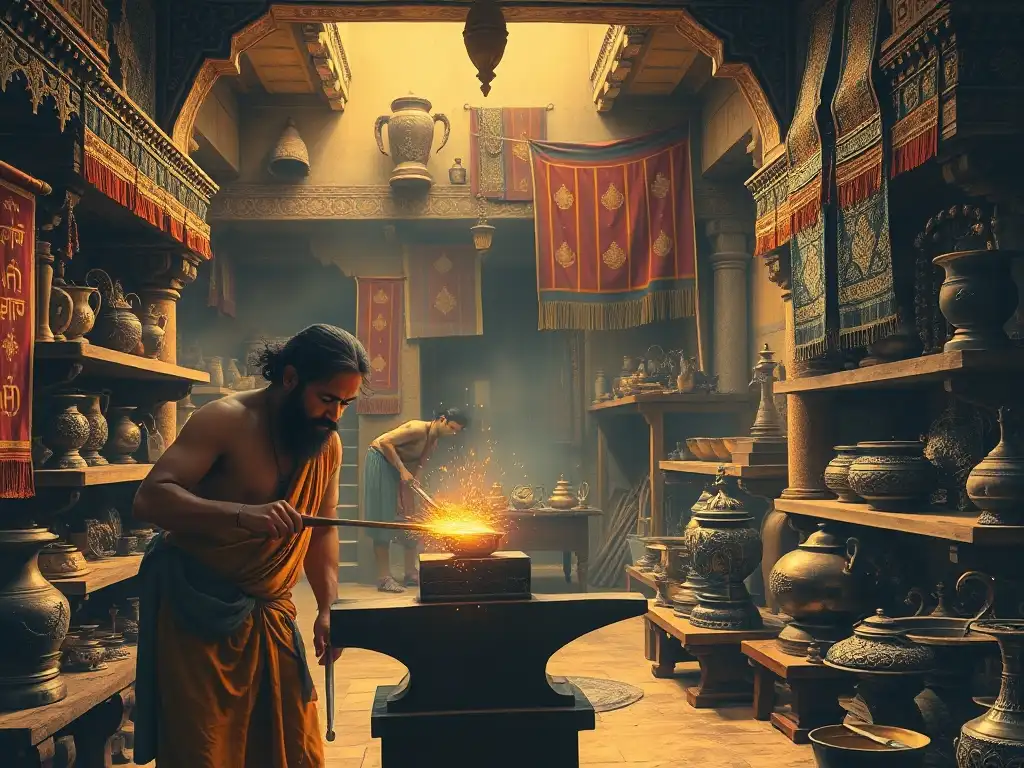
Ancient Indian metallurgy is renowned for its innovative techniques and contributions that significantly influenced both regional and global practices. Various civilizations, particularly from the Indus Valley to the Gupta Empire, developed sophisticated methods that not only served practical purposes but also showcased artistic prowess. These innovations laid the groundwork for metalworking techniques that are still relevant in modern material science.
During the early centuries, Indian metallurgists mastered the extraction and processing of metals, notably copper, bronze, iron, and later, precious metals. The techniques used in alloying and smelting were advanced for their time, employing strategic methods to enhance the properties of metals, such as strength and malleability. For example, the use of high-temperature furnaces allowed for the effective smelting of iron ore, leading to the production of superior iron tools and weapons.
Moreover, ancient texts and archaeological findings reveal that the Indian subcontinent was home to groundbreaking innovations, such as the Wootz steel production, which became famous for its durability and sharpness. Wootz steel, discovered around the 3rd century BCE, was characterized by its unique pattern welding technique, producing blades that were highly sought after in markets around the world, particularly in the Middle East and Europe.
Influence on Global Metallurgy Practices
The influence of ancient Indian metallurgy practices extended far beyond the subcontinent, shaping metallurgical techniques across various cultures. The trade routes established during ancient times facilitated the exchange of materials, knowledge, and technologies. Indian Wootz steel, for instance, found its way to regions such as Persia and Rome, where it was revered for its quality. This exchange led to cross-cultural metallurgical advancements, as techniques were adapted and integrated into local practices.
The impact of Indian metallurgical techniques can also be seen in the use of alloys, particularly the creation of brass and bronze. Indian artisans employed a unique method of combining copper with zinc to produce brass, which was later adopted by other civilizations. This innovation not only improved the strength and corrosion resistance of materials but also provided new opportunities for artistic expression through intricate metalwork.
Additionally, the ancient Indian approach to panchaloha, a sacred alloy of five metals (gold, silver, copper, iron, and zinc), reflects a deep understanding of metallurgy that combined both scientific and spiritual principles. This alloy was used in religious artifacts and temple constructions, demonstrating how metallurgy was intricately woven into the cultural fabric of ancient Indian society.
Unique Features of Indian Metallurgical Techniques
Ancient Indian metallurgy is distinguished by several unique features that set it apart from contemporary practices. Firstly, the method of cold working was extensively utilized, where metal was shaped at room temperature to enhance its strength. This technique involved hammering and pressing, which not only improved the metal's physical properties but also allowed artisans to create intricate designs.
Another notable aspect was the attention to purity and quality in metal production. Ancient Indian metallurgists employed meticulous methods for refining metals, ensuring high purity levels that were crucial for both functionality and aesthetic appeal. The practice of using furnaces with controlled atmospheres played a significant role in achieving this purity.
Moreover, ancient Indian artisans demonstrated a remarkable understanding of metallurgical properties and their applications. They recognized the importance of alloying different metals to achieve desired characteristics, such as corrosion resistance and malleability. This knowledge was crucial in producing various tools, weapons, and ornamental items that were both functional and beautiful.
| Technique | Description | Impact |
|---|---|---|
| Wootz Steel Production | Advanced method of creating high-quality steel with unique patterns | Influenced global steel production |
| Cold Working | Shaping metals at room temperature to improve strength | Enhanced durability and design |
| Panchaloha Alloy | Sacred blend of five metals for religious artifacts | Merged spirituality with technology |
The distinct features of ancient Indian metallurgy techniques not only highlight the craftsmanship of its time but also offer valuable insights for modern material science. The blend of innovation, purity, and cultural significance of these methods continues to inspire metallurgists and materials scientists today.
Lessons for Modern Material Science
Relevance of Ancient Techniques in Contemporary Research
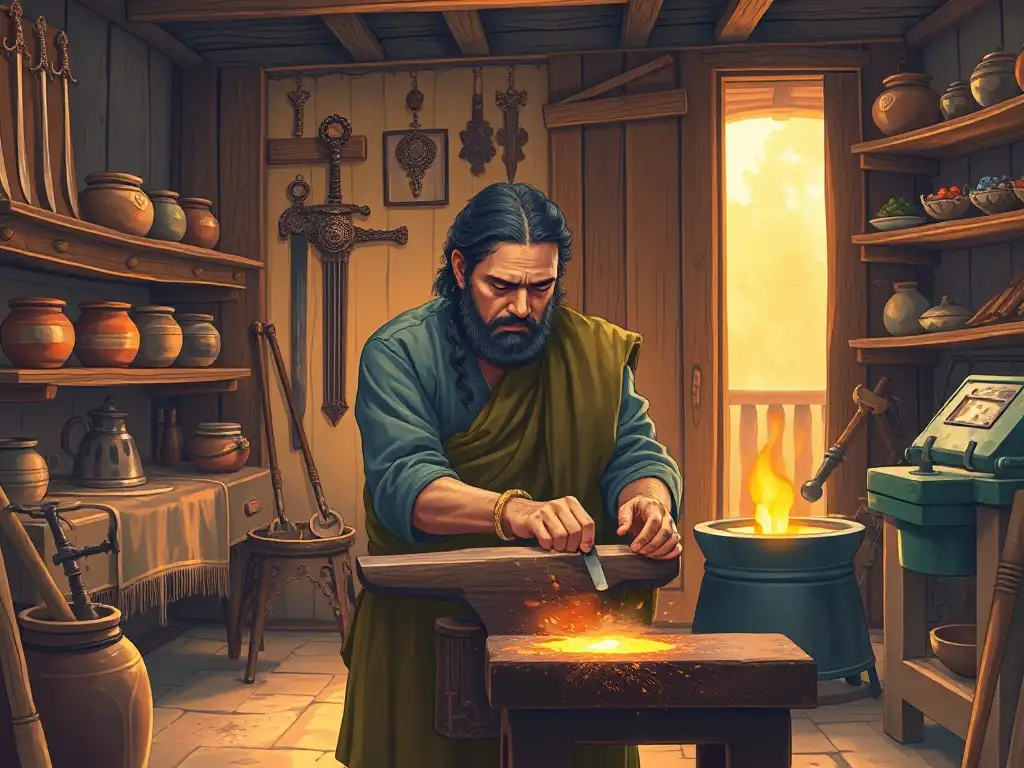
Ancient Indian metallurgy techniques have garnered significant attention in contemporary research due to their innovative approaches and sustainable practices. Researchers are increasingly recognizing that many of the methods developed centuries ago can inform modern material science in various ways. For instance, the use of natural resources and local materials in ancient metallurgy allowed for the creation of alloys that were not only durable but also environmentally friendly.
One notable example is the production of Wootz steel, a high-quality steel known for its durability and ability to be forged into intricate shapes. Wootz steel was made using iron and carbon and involved careful control of the carbon content during the smelting process. Modern metallurgists are studying this ancient technique to enhance the properties of contemporary steels. By replicating the exact conditions of ancient furnaces, researchers are discovering new ways to improve the strength and flexibility of modern steel.
Additionally, the ancient Indian practice of using clay crucibles for melting metals has been revisited by researchers who aim to minimize the environmental impact of metal production today. These crucibles allowed for precise temperature control and reduced contamination, leading to purer metal products. The principles behind these ancient methods are being integrated into current metallurgical practices to create more efficient and sustainable production processes.
Sustainable Practices from Ancient Indian Metallurgy
The sustainability of ancient Indian metallurgy is a key lesson for modern material science. Ancient metallurgists employed techniques that were inherently eco-friendly, relying on local resources and minimizing waste. For instance, the recycling of metals was a common practice. Old tools and artifacts were melted down and reformed into new products, a practice that resonates with today’s emphasis on recycling and resource conservation.
Moreover, the Indus Valley Civilization showcased remarkable advancements in metallurgy, utilizing copper, bronze, and lead with a keen understanding of their properties. Their ability to produce metals with minimal environmental impact demonstrates a sophisticated approach to resource management. The ancient practice of smelting in small, localized furnaces allowed communities to produce metallic materials without the extensive energy demands of large-scale industrial processes seen today.
The integration of biomass fuels in ancient Indian metallurgy also offers valuable insights. Utilizing renewable resources such as wood and agricultural waste for smelting not only reduced reliance on fossil fuels but also provided a sustainable energy source. Modern researchers are now investigating how these ancient fuel sources can be effectively applied to contemporary metallurgical processes, reducing carbon footprints and promoting sustainability.
Comparative Analysis with Modern Metallurgical Techniques
A comparative analysis of ancient Indian metallurgy techniques with modern practices reveals both similarities and opportunities for improvement. While modern metallurgy often relies on advanced technologies and large-scale operations, the principles of craftsmanship and localized production in ancient methods hold potential advantages.
| Feature | Ancient Indian Metallurgy | Modern Metallurgical Techniques |
|---|---|---|
| Resource Utilization | Local materials and natural resources | Global supply chains, often energy-intensive |
| Production Scale | Small-scale, community-based | Large-scale industrial production |
| Environmental Impact | Minimal waste and recycling practices | Significant waste generation and emissions |
| Control over Quality | Manual control leading to high-quality products | Automated processes with potential quality loss |
Ancient techniques such as alloying and heat treatment were employed with a deep understanding of material properties, often passed down through generations. In contrast, modern techniques utilize complex machinery and algorithms, which can sometimes overlook the subtle craftsmanship that ancient methods perfected.
For instance, the ancient art of damascening, which involves forge-welding different types of steel to create intricate patterns, is an area of interest for modern metallurgists looking to enhance the aesthetic and functional qualities of metals. This technique not only produced visually striking results but also combined various properties of the metals involved, creating superior tools and weapons.
While modern metallurgy has made significant advancements through technology, the ancient Indian metallurgy techniques provide a wealth of knowledge that can enhance sustainability, resource efficiency, and craftsmanship in contemporary material science. By learning from these ancient practices, modern researchers can pave the way for innovations that respect both the environment and the art of metallurgy.
Conclusion
Recap of Ancient Indian Metallurgy Techniques
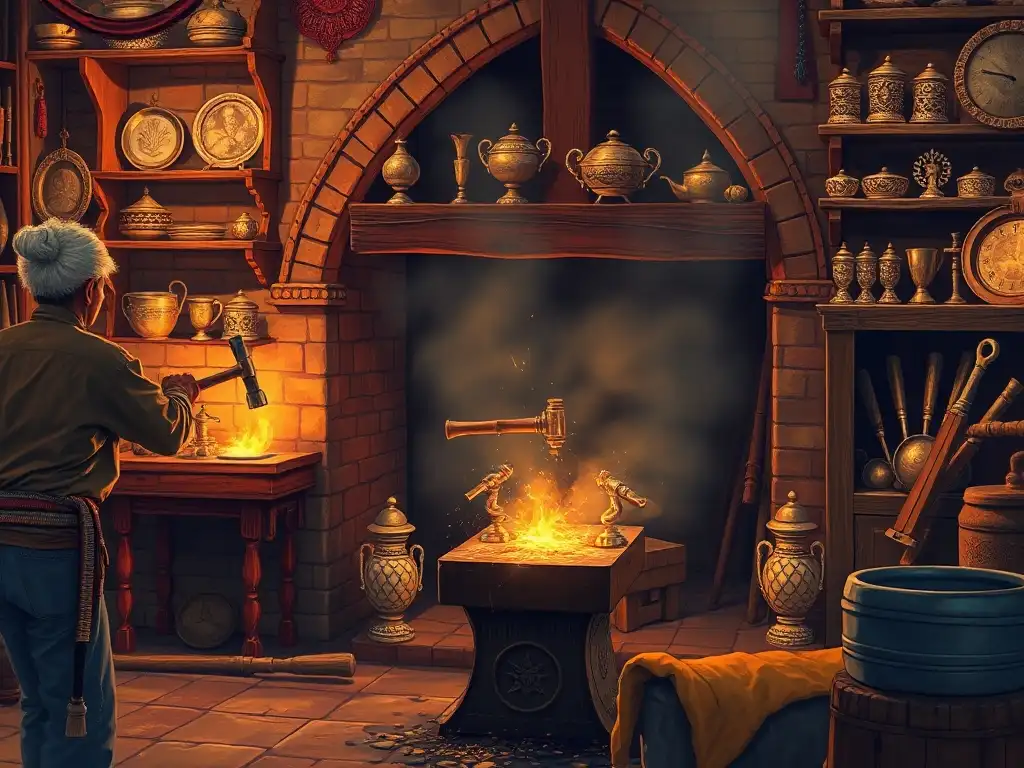
Ancient Indian metallurgy techniques were remarkable for their sophistication and innovation, laying the groundwork for many modern material science principles. The metallurgical practices of ancient civilizations, particularly during the Indus Valley and the subsequent eras, showcased a profound understanding of metal extraction and alloying.
- Key Techniques:
- Copper Smelting: The Indus Valley civilization is noted for its early copper smelting techniques, which involved the use of furnaces capable of reaching high temperatures, allowing for effective metal production.
- Bronze Casting: The lost-wax casting method, employed in the creation of bronze artifacts, exemplifies advanced techniques in alloying copper with tin and other elements to produce durable and aesthetically pleasing objects.
- Iron Production: The transition to iron metallurgy marked a significant technological leap, with the production of wrought iron through direct reduction processes, which was pivotal for tools and weaponry.
- Materials Used:
- Alloys: The skillful combination of metals, such as the creation of brass by alloying copper with zinc, demonstrated an advanced knowledge of material properties.
- Specialized Techniques: Techniques like carburizing, used to harden iron, indicate that ancient metallurgists were experimenting with material properties to enhance performance.
- Cultural Significance:
- The artifacts produced, such as the famous Iron Pillar of Delhi, not only showcase the technical prowess but also reflect the cultural and artistic values of the time.
- These techniques were often intertwined with religious and societal practices, influencing various aspects of daily life and craftsmanship.
The legacy of these ancient practices continues to resonate in modern material science, providing insights into sustainable materials, alloy development, and innovative processing techniques.
Final Thoughts on Their Impact on Modern Material Science
The contributions of ancient Indian metallurgy are invaluable to contemporary material science, offering lessons that are both practical and philosophical. The intricate knowledge of metal properties, processing methods, and the use of sustainable practices has much to teach today's scientists and engineers.
- Sustainability: Ancient techniques often utilized locally sourced materials and methods that minimized waste, a principle that modern material science is increasingly adopting in the quest for sustainability.
- Innovative Techniques: The ancient practices of alloying and metalworking are echoed in today’s approaches to developing new materials. The understanding of how different metals interact and the creation of alloys for specific applications, such as high-strength steel, can trace their roots back to these ancient methodologies.
- Cultural Legacy: The deep cultural roots of metallurgy in ancient India serve as a reminder of the interconnectedness of science, technology, and society. This holistic view can inspire modern approaches to innovation, emphasizing the importance of cultural context in technological advancement.
The ancient Indian metallurgy techniques not only highlight the ingenuity of past civilizations but also provide a rich source of knowledge that can inform and elevate contemporary material science practices. By studying these techniques, modern researchers can gain insights that may lead to breakthroughs in sustainability, efficiency, and material performance.
Frequently Asked Questions
What are ancient Indian metallurgy techniques?
Ancient Indian metallurgy techniques include processes such as smelting, casting, and alloying metals like iron, copper, and bronze, showcasing advanced skills and knowledge.
How did ancient Indian metallurgy influence modern material science?
The innovative methods and materials developed in ancient India have contributed significantly to modern material science by providing insights into sustainable practices and metal properties.
What materials were primarily used in ancient Indian metallurgy?
Ancient Indian metallurgists primarily worked with copper, bronze, iron, and gold, each having specific uses in tools, weapons, and ornamentation.
Which ancient Indian civilization is known for its advanced metallurgy?
The Indus Valley Civilization is renowned for its sophisticated metallurgy, particularly in producing copper and bronze artifacts, demonstrating remarkable skill and technology.
How can modern engineers learn from ancient Indian metallurgy?
Modern engineers can learn from ancient Indian metallurgy by studying traditional techniques, understanding material properties, and applying eco-friendly practices in contemporary engineering solutions.
Final Reflection: Embracing Ancient Wisdom for Modern Innovation
Ancient Indian metallurgy techniques are not merely relics of the past; they are a testament to human ingenuity that resonates profoundly in today's technological landscape. As we navigate an era defined by rapid advancements and material innovations, the lessons gleaned from ancient practices remind us that the foundations of modern science are often built upon the wisdom of those who came before us. The intricate methods and sustainable practices of ancient metallurgists challenge us to rethink our approach to material science and sustainability in a world increasingly burdened by environmental concerns.
Cultural heritage and scientific progress are intertwined in ways that shape our present and future. The techniques developed by ancient Indian metallurgists not only showcase their remarkable craftsmanship but also highlight a deep understanding of materials that remains relevant today. As we explore the intersection of tradition and innovation, we find that these ancient practices can inspire contemporary solutions. The past is not dead; it is not even past.
This quote by William Faulkner encapsulates the idea that our historical achievements can inform and enhance our current pursuits, urging us to look back as we forge ahead.
As we reflect on the insights offered by ancient Indian metallurgy, I invite you to consider how these lessons can be applied in your own life and work. Whether you are a scientist, an engineer, or simply someone passionate about sustainability, let the ingenuity of the past inspire you to innovate responsibly and thoughtfully. Embrace the challenge of integrating ancient wisdom into modern practices, and together, we can create a future that honors our heritage while advancing toward a more sustainable world.
Unveil the Secrets of Ancient Metallurgy Today!
Thank you for exploring the fascinating world of ancient Indian metallurgy! We hope you discovered valuable insights that reveal how historical practices can inspire modern material science. Now it's time to take action and apply these lessons to your own journey.
Here’s how you can dive deeper into this enriching topic:
- Start a DIY metallurgy project: Experiment with local materials to recreate ancient techniques. Share your findings and connect with fellow enthusiasts!
- Join a forum or community group focused on material science or ancient technologies. Exchange ideas and broaden your understanding.
- Write a blog post or article about your insights on how ancient techniques can inform today’s technology. Engage with others and spark meaningful discussions!
What ancient technique or discovery do you believe holds the key to solving a modern material challenge? We invite you to share your thoughts in the comments!