
Ashoka's Governance: How the Maurya Empire Redefined Political Authority


Welcome to Ancient India History, where we embark on an enlightening journey through the rich tapestry of ancient Indian civilizations. Delve into the fascinating world of the Maurya Empire and discover how Ashoka's governance not only shaped political authority but also left an indelible mark on the principles of leadership and ethics. What secrets of power and innovation does this remarkable era hold? Join us as we unfold the captivating narrative of political authority in one of history's most influential empires, inviting you to explore the profound contributions that continue to resonate today.
The Maurya Empire, which flourished from 322 to 185 BCE, represents one of the most significant chapters in ancient Indian history. At the helm of this vast empire was Ashoka the Great, whose reign marked a transformative period in the political landscape of the Indian subcontinent.
The term political authority during this era underwent a redefinition, characterized by Ashoka's unique blend of governance that emphasized moral principles alongside traditional power dynamics. This article delves into how Ashoka's governance not only consolidated the Maurya Empire's territorial dominion but also redefined the very essence of political authority, intertwining it with ethical considerations that influenced governance then and beyond.
Overview of Ashoka's Reign
Ashoka ascended to the throne following a period of military conquests that expanded the Maurya Empire to unprecedented territorial heights. Initially known for his fierce military strategies, particularly in the Kalinga War, Ashoka's perspective on governance underwent a profound transformation post-war. The bloodshed and suffering witnessed during this conflict prompted Ashoka to embrace the principles of Dharma, or righteousness, which became central to his administration.
- Dharma and Governance: Ashoka's commitment to Dharma reshaped the political framework of the Maurya Empire. He promulgated edicts that advocated for non-violence, tolerance, and the welfare of his subjects, positioning moral leadership as a cornerstone of political authority.
- Administrative Innovations: Under Ashoka's rule, the Maurya Empire saw advancements in administrative practices. He established a network of officials tasked with implementing his policies, ensuring that his vision of humane governance permeated throughout the empire.
Ashoka’s legacy is immortalized in the Rock Edicts, which served as public declarations of his policies and ethical principles. These inscriptions not only reinforced his authority but also provided insight into the governance model that merged moral responsibility with political power.
Understanding political authority in ancient India requires an appreciation of its multifaceted nature. In the context of the Maurya Empire, political authority was not merely about exerting control; it represented a social contract between the ruler and the ruled, where the legitimacy of power rested on the ruler's ability to uphold justice and promote the welfare of the populace.
- Legitimacy through Ethics: Ashoka's reign exemplified how ethical governance could enhance political authority. By prioritizing the well-being of his subjects and promoting moral values, Ashoka established a sense of loyalty and respect among the people, thereby legitimizing his rule.
- Influence on Successors: The political authority framework established by Ashoka had lasting implications, influencing subsequent rulers and shaping the governance models in later Indian civilizations. His emphasis on ethics and welfare can be seen as a precursor to later political philosophies in the region.
Ashoka's governance profoundly shaped the Maurya Empire's political authority, illustrating the interplay between power and ethics. His reign serves as a pivotal study of how ancient Indian political thought evolved, setting a precedent for future governance that resonates even in contemporary discussions on authority and leadership.
- Introduction to the Maurya Empire Political Authority
- Overview of Ashoka's Reign
- Importance of Political Authority in Ancient India
- What was the significance of Ashoka's reign in the Maurya Empire?
- How did the Maurya Empire influence political structures in ancient India?
- What methods did Ashoka use to promote his policies?
- How did Ashoka's approach differ from his predecessors?
- What legacy did Ashoka leave on subsequent Indian rulers?
The Foundations of Maurya Empire Political Structure
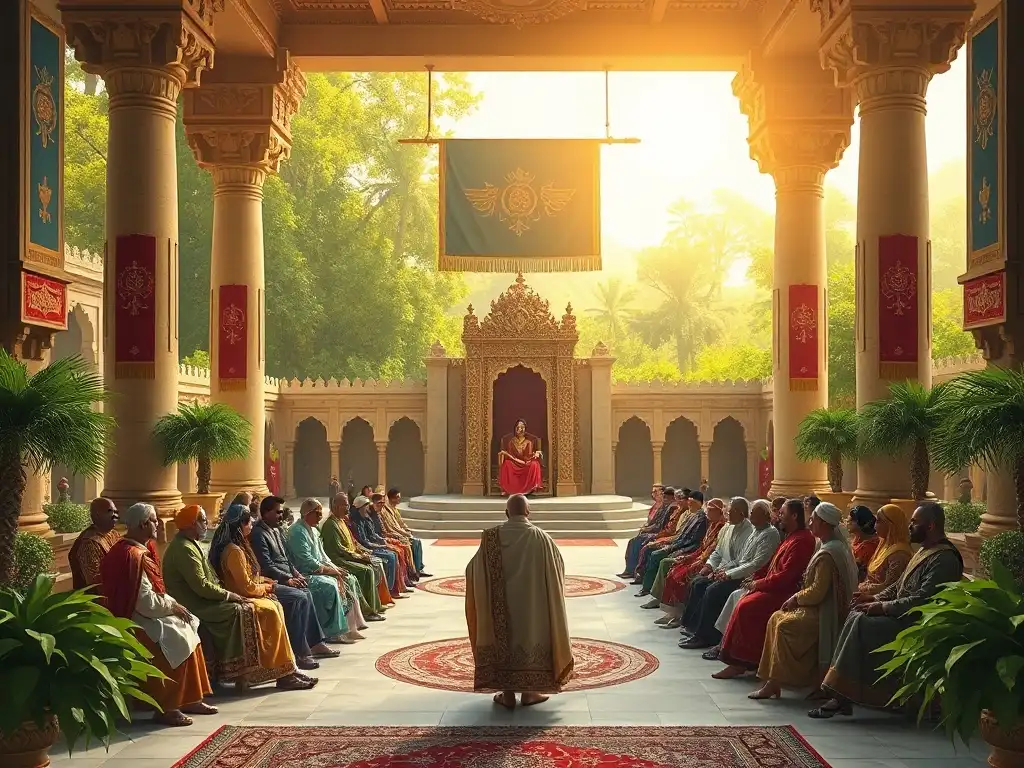
The Emergence of the Maurya Empire
The Maurya Empire, which flourished from approximately 322 to 185 BCE, marked a significant turning point in the political landscape of ancient India. Founded by Chandragupta Maurya, the empire emerged in the wake of the fragmented kingdoms that characterized the subcontinent after the fall of the Nanda dynasty. This period witnessed the unification of various regions under a centralized rule, laying the groundwork for a sophisticated political authority that would later be epitomized by Ashoka the Great.
The rise of the Maurya Empire was not merely a result of military conquest; it was also influenced by a combination of political acumen, strategic alliances, and the effective use of resources. Chandragupta, with the help of his advisor Chanakya (Kautilya), utilized guerrilla warfare tactics and garnered support from local populations to dismantle the existing power structures. This strategic maneuvering allowed the Maurya Empire to incorporate diverse cultural and geographical elements, setting a precedent for a centralized political authority that could accommodate various local customs and laws.
Key Features of Maurya Empire Governance
The governance of the Maurya Empire was characterized by several key features that collectively facilitated a cohesive political authority. These features included:
- Centralized Power: The Mauryan emperors wielded supreme authority, with Ashoka being the most notable figure in this regard.
- Bureaucratic Administration: A well-organized bureaucracy supported the emperor's decisions, ensuring the effective implementation of policies.
- Legal Framework: The establishment of a codified legal system provided a foundation for governance, which was crucial for maintaining order and justice.
- Economic Management: The Maurya Empire emphasized economic prosperity through trade, agriculture, and taxation, which were vital for sustaining its vast territory.
Centralized Authority in the Maurya Empire
Centralized authority was a hallmark of the Maurya Empire's political structure. The emperor stood at the apex of this hierarchy, with Ashoka exemplifying the ideal ruler who embraced a moral and ethical approach to governance. Under Ashoka’s reign, the concept of Dharma (moral law) became integral to the political authority of the empire.
- Imperial Edicts: Ashoka issued a series of edicts, known as the Rock Edicts, inscribed on pillars throughout the empire. These edicts not only conveyed his policies but also reflected his commitment to social welfare, non-violence, and religious tolerance.
- Public Welfare Initiatives: The central authority under Ashoka was also characterized by initiatives aimed at public welfare, such as the establishment of hospitals, wells, and rest houses for travelers, demonstrating a ruler who prioritized the well-being of his subjects.
The centralized nature of governance allowed for the swift implementation of laws and policies across the vast territory of the empire, enhancing the efficiency of political authority.
The Role of Bureaucracy in Ashoka's Administration
The bureaucracy of the Maurya Empire played a pivotal role in the administration under Ashoka, ensuring that the emperor’s vision was translated into action throughout the empire. This system was marked by:
- Division of Responsibilities: The administration was structured with various departments handling specific functions, such as revenue collection, justice, and infrastructure development.
- Local Governance: Despite the centralized authority, local officials (known as Amatyas) were appointed to oversee the governance of provinces, ensuring that local needs and customs were respected while upholding imperial edicts.
- Merit-Based Appointments: Ashoka's administration emphasized meritocracy, with officials selected based on their capabilities rather than solely their social status. This focus on competence helped create a more effective and responsive governance structure.
The Maurya Empire’s bureaucratic system exemplified a sophisticated approach to governance that enabled Ashoka to maintain control over a diverse and expansive realm while promoting the welfare and moral development of its subjects. The legacy of this political structure would influence subsequent Indian empires, underscoring the lasting impact of Maurya Empire political authority.
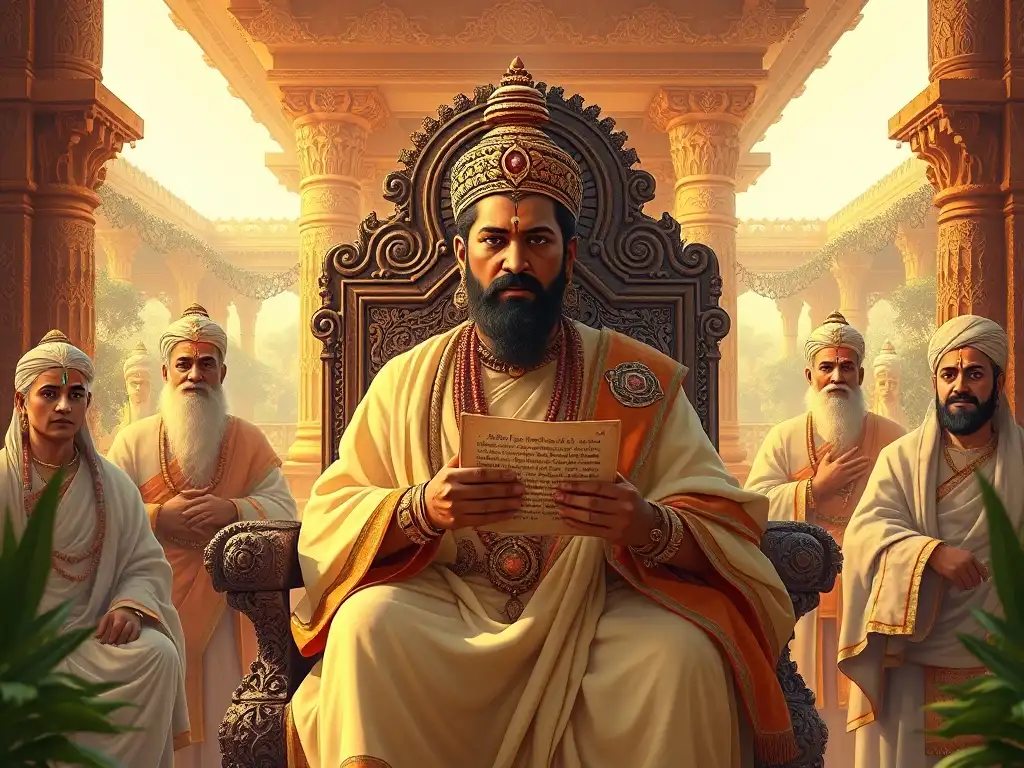
Ashoka the Great, the third ruler of the Maurya Empire, is renowned for his transformative approach to governance, which significantly redefined political authority in ancient India. His reign, which lasted from approximately 268 to 232 BCE, marked a pivotal shift from militaristic dominance to ethical governance rooted in Buddhist principles. This section explores Ashoka's innovative contributions to political authority, focusing on his edicts, promotion of Dhamma, and the lasting influence of his governance on Indian society.
The Edicts of Ashoka: A New Political Philosophy
One of Ashoka's most significant contributions to political authority was the issuance of the Edicts of Ashoka, a series of inscriptions carved on rocks and pillars throughout his empire. These edicts are recognized as some of the earliest expressions of a new political philosophy emphasizing morality and ethical conduct.
- Content and Purpose: The edicts cover various topics, including:
- Moral Conduct: Ashoka urged his subjects to adhere to principles of honesty, compassion, and tolerance.
- Religious Tolerance: He promoted respect for all religions, encouraging harmony among diverse beliefs.
- Social Welfare: The edicts emphasized the importance of caring for the poor, promoting health, and providing for the welfare of animals.
The Rock Edicts, particularly, serve as a testament to Ashoka's commitment to establishing a governance model based on ethical principles rather than brute force. This marked a significant departure from the traditional authoritarian rule, positioning the emperor as a moral guide for his people.
Promoting Dhamma: The Ethical Governance of Ashoka
Central to Ashoka's governance was the promotion of Dhamma, a concept derived from Buddhist teachings that embodies righteousness, moral law, and ethical living. Ashoka's interpretation of Dhamma influenced the political landscape of the Maurya Empire in several ways:
- Ethical Leadership: Ashoka positioned himself as a ruler who prioritized the welfare of his subjects, advocating for policies that aligned with the principles of Dhamma.
- Administrative Reforms: The implementation of Dhamma required the establishment of a bureaucracy that was not only efficient but also moral. Officials were instructed to operate with integrity and compassion, ensuring that justice and fairness prevailed.
- Cultural Integration: By promoting Dhamma, Ashoka facilitated the integration of diverse cultures within his empire, fostering a sense of unity despite the empire’s vast expanse and heterogeneous population.
Ashoka's commitment to ethical governance through Dhamma fundamentally altered the nature of political authority in the Maurya Empire, establishing a model that other rulers would look to emulate.
The Influence of Ashoka’s Governance on Indian Society
The impact of Ashoka's governance extended far beyond the confines of political authority; it profoundly influenced Indian society in several critical areas:
- Cultural Renaissance: Ashoka’s patronage of Buddhism led to the religion’s spread across the Indian subcontinent, fostering a cultural renaissance that emphasized art, philosophy, and ethics.
- Social Harmony: By promoting religious tolerance and ethical behavior, Ashoka helped to cultivate a society characterized by social harmony and mutual respect among different communities.
- Legacy of Governance: The principles introduced by Ashoka continued to resonate in subsequent Indian political systems. His model of governance emphasized the ruler's responsibility towards the welfare of the people, setting a precedent for future dynasties.
Ashoka's contributions to political authority not only redefined the nature of governance in the Maurya Empire but also left a lasting legacy that shaped the cultural and ethical framework of Indian society for centuries to come. His innovative approach, rooted in the ideals of Dhamma, serves as a powerful example of how rulers can effectively wield political authority in service of the greater good.
Comparison of Ashoka's Governance with Previous Rulers
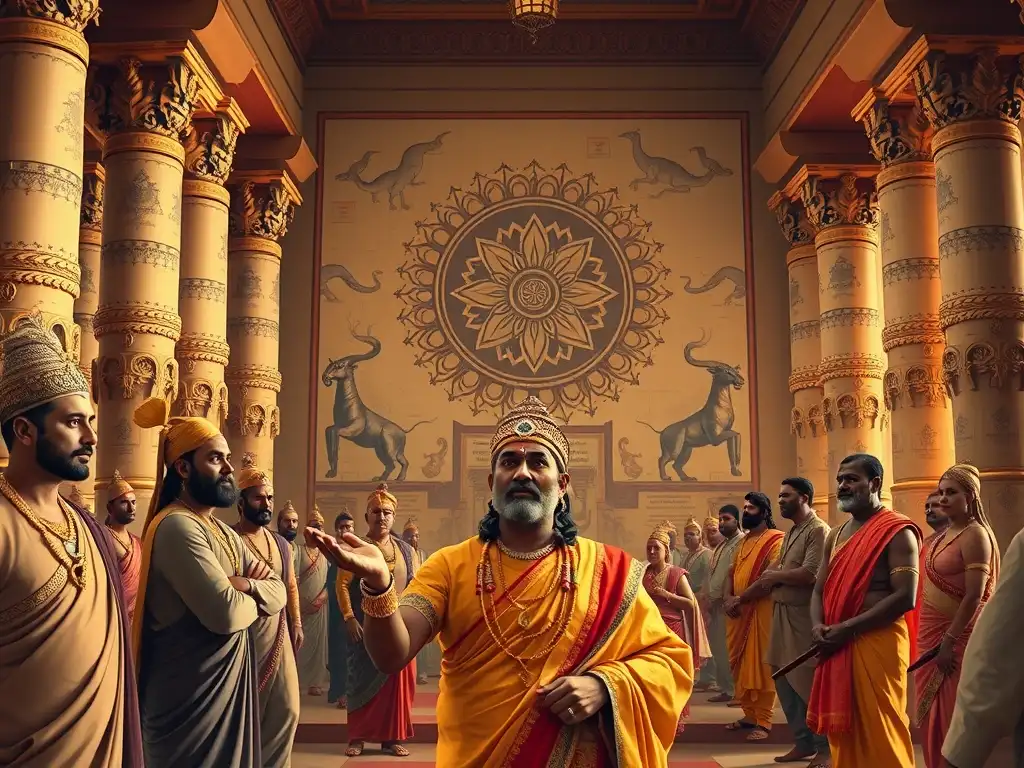
Ashoka the Great, the third emperor of the Maurya Empire, is often celebrated for his transformative approach to governance, which marked a significant departure from the political authority established by his predecessors. Understanding Ashoka's governance requires a detailed comparison with previous rulers, particularly focusing on the political authority of Chandragupta Maurya and the distinctive elements that set Ashoka apart.
Chandragupta Maurya, the founder of the Maurya Empire, established a centralized and autocratic form of governance that laid the groundwork for the empire's expansion. His political authority was characterized by:
- Militaristic Leadership:
- Chandragupta relied heavily on military power to consolidate his rule. His successful campaigns against the Nanda dynasty and later conflicts with Alexander the Great exemplify his aggressive approach to authority.
- Centralization of Power:
- The political structure under Chandragupta was highly centralized, with power concentrated in the hands of the emperor. Regional governors were appointed to maintain control over vast territories, but their authority was derived from and closely monitored by the emperor.
- Legal Framework:
- The Arthashastra, attributed to Kautilya (Chanakya), provided a pragmatic legal and administrative framework for governance. It emphasized realpolitik, focusing on statecraft, espionage, and military strategy.
Chandragupta's reign established a model of governance based on strength and control, which would influence subsequent rulers, including his grandson Ashoka.
Differences in Governance between Ashoka and His Predecessors
Ashoka’s reign, particularly after his conversion to Buddhism following the Kalinga War, marked a pivotal shift in the governance style of the Maurya Empire. Key differences include:
- Philosophical Shift:
- Unlike Chandragupta, Ashoka embraced a philosophy of peace and non-violence. His governance was influenced by Buddhist principles, promoting compassion and moral conduct among his subjects.
- Decentralization of Authority:
- Ashoka implemented a more decentralized form of governance. He appointed officials known as Dhamma Mahamatras, whose primary role was to spread the teachings of Dhamma (moral law) and ensure the welfare of the people, emphasizing administrative roles beyond strict enforcement of laws.
- Public Welfare Initiatives:
- Ashoka focused on public works, such as the construction of hospitals, roads, and rest houses for travelers. His edicts, inscribed on pillars and rocks, communicated his policies and ethical guidelines directly to the populace, fostering a sense of accountability.
- Legal and Ethical Framework:
- While Chandragupta’s governance was rooted in the Arthashastra's pragmatic approach, Ashoka’s policies were influenced by Buddhist ethics. His edicts emphasized moral conduct, respect for all life, and the importance of social justice, reshaping the notion of authority from coercive control to ethical governance.
Ashoka’s governance represented a radical shift from the Maurya Empire political authority established by Chandragupta. This transition from militaristic autocracy to a more benevolent, ethical form of rule exemplified a unique approach to political authority that sought not just to govern but to uplift and guide the populace towards a moral and harmonious society.
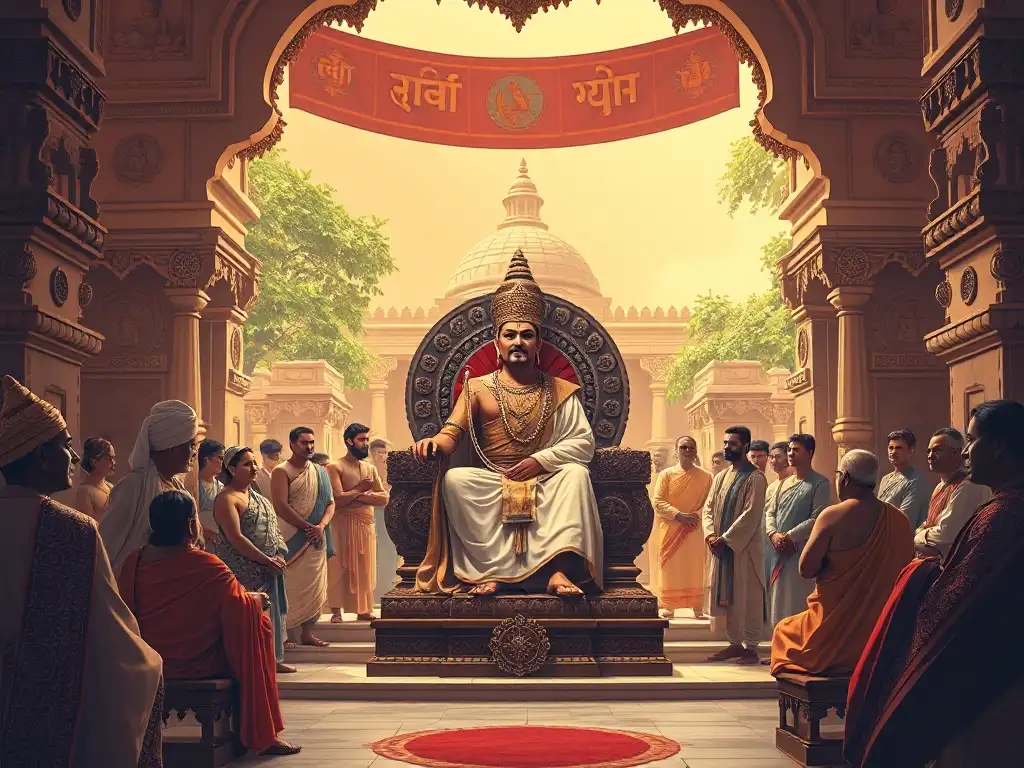
Administrative Reforms and Their Effects
Ashoka's reign marked a significant transformation in the administrative framework of the Maurya Empire, characterized by policies that redefined political authority and governance. His administrative reforms were designed to enhance efficiency, maintain order, and promote welfare across the vast empire.
One of the most notable reforms was the establishment of a centralized bureaucracy that allowed for more effective governance. Ashoka implemented a system of district administration by dividing the empire into provinces, each governed by appointed officials known as Mahamatras. These officials were responsible for law enforcement, tax collection, and the implementation of the king's edicts. The introduction of this bureaucratic hierarchy ensured that the emperor's directives reached even the most remote areas, thereby reinforcing his political authority.
Additionally, Ashoka's focus on infrastructure development played a crucial role in his administrative reforms. He commissioned the construction of roads, rest houses, and irrigation systems, which not only facilitated trade and travel but also strengthened the economic backbone of the empire. This infrastructure connected various regions, enhancing communication and the dissemination of the emperor’s policies.
| Reform | Description | Impact on Political Authority |
|---|---|---|
| Centralized Bureaucracy | Establishment of Mahamatras in provinces | Enhanced control and efficiency in governance |
| Infrastructure Development | Construction of roads and irrigation systems | Improved trade, communication, and loyalty |
| Legal Reforms | Codification of laws and justice systems | Strengthened rule of law and citizen trust |
These administrative reforms were not merely about governance; they were a means to cultivate a sense of loyalty and belonging among the subjects. By promoting welfare through public works and social services, Ashoka increased the legitimacy of the Mauryan political authority, fostering a stable environment where citizens were more likely to support their ruler.
Religion played a pivotal role in shaping Ashoka's political authority and governance style. After the Kalinga War, Ashoka experienced a profound transformation, leading him to embrace Buddhism as a guiding philosophy for his reign. This shift was not only personal but strategic, as it allowed him to utilize religious principles to legitimize his authority and unify his diverse empire.
Ashoka’s Edicts, inscribed on pillars and rocks throughout the empire, reflect his commitment to Dharma—a concept encompassing moral law, righteousness, and duty. These edicts communicated the principles of non-violence, compassion, and tolerance, which resonated deeply with the populace. By promoting these values, Ashoka sought to foster a moral society, and in doing so, he reinforced his position as a benevolent ruler who prioritized the welfare of his subjects.
Moreover, the patronage of Buddhism helped Ashoka establish a cultural identity that transcended regional boundaries. He commissioned the construction of numerous stupas, monasteries, and educational institutions, thereby promoting not only the religion but also the cultural cohesion of the empire. This religious patronage acted as a unifying force, which, in turn, strengthened his political authority by creating a shared identity among his subjects.
Ashoka's embrace of Buddhism was not merely a spiritual journey; it was a calculated move to unify and govern a diverse empire under a cohesive moral framework.
Ashoka’s integration of religious principles into his governance model served as a cornerstone of his political authority. By intertwining Dharma with statecraft, he created a legacy that underscored the importance of ethical leadership while enhancing the stability and cohesion of the Maurya Empire. The influence of his policies and religious governance continues to resonate in discussions about political authority in ancient India.
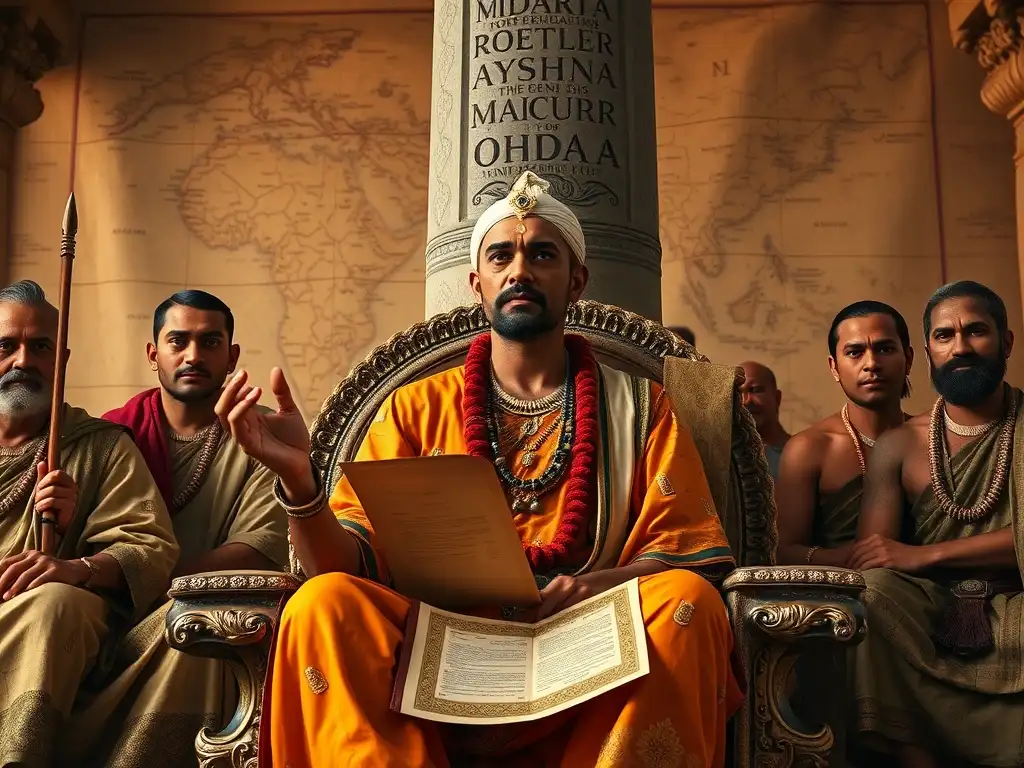
The governance of Ashoka, the third Mauryan emperor, was characterized by a series of challenges that tested his ability to maintain political authority. Despite his significant contributions to the Maurya Empire, Ashoka faced both internal and external pressures that could destabilize his regime. Understanding these challenges provides insight into how Ashoka navigated the complexities of leadership during a transformative period in ancient India.
Internal Conflicts and Dissent
One of the key challenges Ashoka encountered was the internal dissent arising from various factions within the empire. The vastness of the Maurya Empire, which stretched from the northwestern regions of India to the southern parts, created a diverse populace with differing interests and grievances.
- Noble Rivalries: The nobility, comprised of local rulers and aristocrats, often harbored ambitions for greater power. These rivalries sometimes led to conflicts that undermined Ashoka's authority.
- Religious Discontent: Ashoka's conversion to Buddhism and subsequent promotion of its values sometimes alienated other religious communities, particularly the Brahmins, who felt their influence waning. This religious tension occasionally manifested as dissent against his policies.
- Economic Strains: The implementation of Ashoka's welfare policies, aimed at improving the lives of his subjects, required substantial resources. Some regions struggled with the economic burden of these initiatives, leading to unrest among local populations who felt overtaxed or neglected.
In addressing these internal conflicts, Ashoka adopted a multifaceted approach. He implemented policies of Dhamma, promoting moral governance and ethical behavior, which aimed to unify his subjects under a common set of values. Additionally, he sought to engage local leaders through dialogue and compromise, fostering a sense of inclusion rather than exclusion.
External Threats to the Maurya Empire
In addition to internal strife, Ashoka faced significant external threats that posed risks to the stability of the Maurya Empire. These threats were primarily due to the geopolitical landscape of ancient India, which was marked by the presence of neighboring kingdoms and emerging powers.
- Invasions and Military Confrontations: Although Ashoka is best known for his commitment to non-violence following the Kalinga War, the threat of invasion was a constant concern. The empire had to be vigilant against potential incursions from rival kingdoms and nomadic tribes that sought to exploit any sign of weakness.
- Diplomatic Relations: The Maurya Empire's borders were not static; they required constant negotiation and diplomacy. Ashoka's efforts to promote peace through alliances were sometimes challenged by aggressive neighbors, such as the Seleucid Empire to the west.
- Cultural Assimilation: The diverse cultures within the empire posed a challenge for maintaining a cohesive identity. Ashoka's attempts to promote Buddhism had to contend with the strong presence of Hinduism, Jainism, and other local beliefs, which could lead to tensions with neighboring regions that adhered to different traditions.
To counter these external threats, Ashoka emphasized diplomacy and cultural exchange, believing that fostering mutual respect and understanding would mitigate potential conflicts. His efforts to send Buddhist missionaries across Asia not only spread the religion but also reinforced the Maurya Empire's influence, creating a network of alliances that transcended mere military might.
Ashoka's reign was marked by significant challenges in maintaining political authority. By addressing internal conflicts through moral governance and navigating external threats with diplomacy, he redefined the role of political authority in the Maurya Empire, laying the foundation for a legacy that would resonate throughout history.
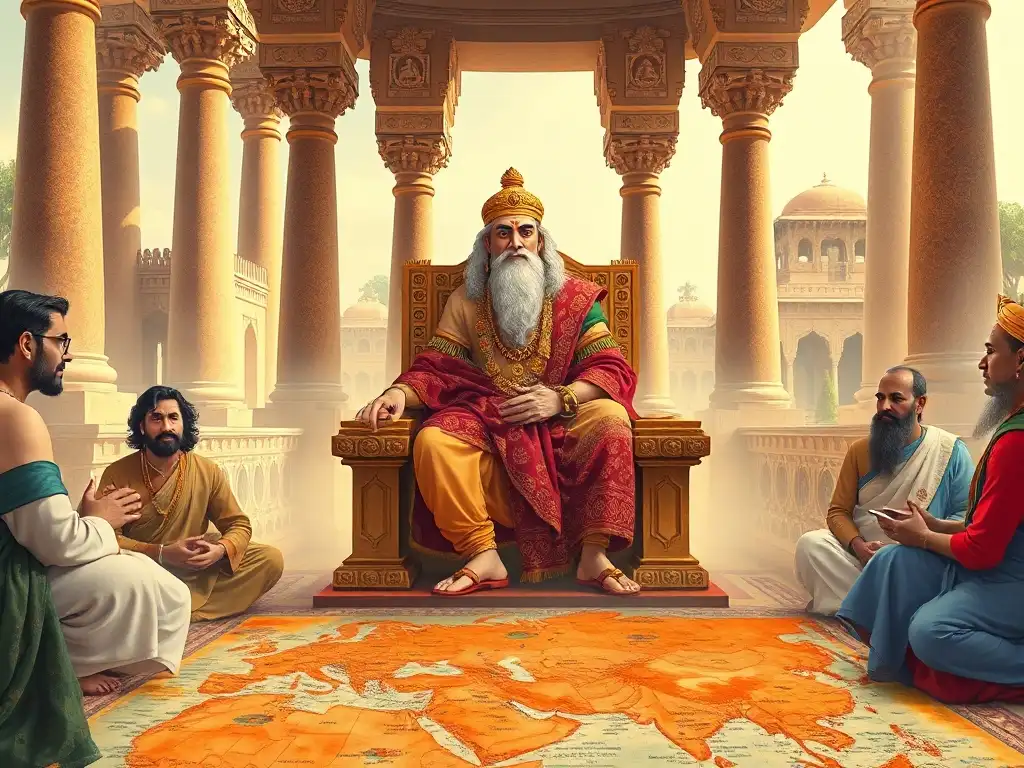
The legacy of Ashoka’s political authority is a pivotal chapter in the history of the Maurya Empire, marking a significant transition in governance and political philosophy. Ashoka, the grandson of Chandragupta Maurya, ascended to the throne around 268 BCE and ruled until approximately 232 BCE. His reign is distinguished not only by territorial expansion but also by a profound commitment to ethical governance and social welfare.
One of the most notable aspects of Ashoka's political authority is his embrace of Dharma (righteousness or moral law) as a guiding principle of governance. He propagated the idea that political power should be exercised with compassion, justice, and respect for all living beings. This ideological shift is vividly illustrated in his edicts, which were inscribed on pillars and rocks throughout his empire. These edicts emphasized non-violence, tolerance, and the promotion of welfare, thereby redefining the relationship between the ruler and the ruled.
The adoption of Buddhism as a state philosophy further solidified Ashoka's legacy. By promoting Buddhist values, Ashoka sought to foster a sense of unity and moral responsibility among his subjects. His efforts to spread Buddhism beyond the Indian subcontinent, including missions to regions such as Sri Lanka and Central Asia, showcased his desire to influence not just political authority but also cultural and spiritual dynamics in a broader context.
Influence on Subsequent Indian Empires
The impact of Ashoka's governance extended far beyond his reign, influencing subsequent Indian empires in several profound ways:
- Political Philosophy: Ashoka's integration of Dharma into governance set a precedent for later rulers. For instance, the Gupta Empire, which succeeded the Mauryas, adopted similar principles of ethical governance, emphasizing the moral responsibilities of kingship.
- Administrative Reforms: The structures implemented during Ashoka's rule, such as the establishment of Provincial Governance and Local Administration, became templates for future states. His emphasis on bureaucracy and the establishment of local officials to oversee various regions ensured a more organized and effective administration.
- Cultural Integration: Ashoka's promotion of Buddhism facilitated cultural exchanges across regions. Subsequent empires, including the Kushan Empire, embraced this legacy, furthering the spread of Buddhism and contributing to a shared cultural heritage that transcended political boundaries.
- Legal Frameworks: The edicts of Ashoka introduced a form of legal governance that emphasized ethical behavior and social justice. This legal foundation influenced later dynasties, who recognized the importance of law as a tool for maintaining order and promoting welfare.
Ashoka’s Governance in Historical Context
Ashoka's governance must be understood within the broader historical context of the Maurya Empire. Following the tumultuous period of conquest and consolidation initiated by his grandfather, Ashoka faced the challenge of maintaining control over a vast and diverse empire. His early reign was marked by military campaigns, including the bloody Kalinga War, which profoundly affected his worldview.
The aftermath of the Kalinga War prompted a significant transformation in Ashoka's approach to governance. The heavy toll of the conflict led him to reconsider the efficacy of violence as a means of rule. His subsequent shift towards non-violence and diplomacy not only redefined his own rule but also the political landscape of ancient India.
In this context, Ashoka's governance can be seen as a turning point, where the alignment of ethical principles with statecraft became a model for future leaders. The emphasis on social welfare, public health, and infrastructure development during his reign laid the groundwork for a more humane approach to governance, which resonated throughout Indian history.
Ashoka's political authority represents a pivotal redefinition of governance in ancient India. His legacy is characterized by a unique blend of military prowess, ethical leadership, and cultural promotion, distinguishing the Maurya Empire as a model of enlightened rule. The principles established during his reign not only influenced his contemporaries but also resonated through subsequent Indian empires, shaping the political and cultural frameworks of the region.
The Maurya Empire's political authority, under Ashoka, redefined the expectations of rulers and the role of governance in society, establishing a lasting impact that continues to be studied and revered in the history of ancient Indian civilizations. Through his commitment to Dharma and social welfare, Ashoka exemplified how political authority could be wielded for the greater good, a lesson that remains relevant even in contemporary governance discussions.
Frequently Asked Questions
What was the significance of Ashoka's reign in the Maurya Empire?
Ashoka's reign is significant for its prominent focus on governance based on Buddhist principles, promoting peace and non-violence, which redefined political authority in ancient India.
How did the Maurya Empire influence political structures in ancient India?
The Maurya Empire established a centralized administration that integrated various regions, setting a precedent for future political authority structures in India, influencing governance models for centuries.
What methods did Ashoka use to promote his policies?
Ashoka utilized edicts inscribed on pillars and rocks to disseminate his policies, emphasizing moral governance and social welfare, which were integral to his vision of political authority.
How did Ashoka's approach differ from his predecessors?
Unlike earlier rulers, Ashoka embraced a non-violent approach to governance, prioritizing ethical rule and the welfare of his subjects over conquest, thus redefining the concept of political authority.
What legacy did Ashoka leave on subsequent Indian rulers?
Ashoka’s emphasis on dharma and ethical governance influenced many later rulers, who sought to emulate his blend of political authority with moral responsibility, shaping the future of Indian leadership.
The lessons drawn from Ashoka's governance remain profoundly relevant today, as they challenge us to rethink the foundations of political authority in our own societies. In an era where leadership is often equated with power and control, Ashoka's approach—rooted in compassion, ethical governance, and social welfare—serves as a striking reminder that true authority lies in the ability to uplift and unite. His reign exemplifies how a ruler can wield influence not through fear, but through moral integrity and a commitment to the greater good.
The impact of Ashoka's principles transcends time, continuing to resonate in contemporary discussions about governance and civic responsibility. His emphasis on dharma and the welfare of his subjects has inspired countless leaders and movements throughout history. As we navigate the complexities of modern governance, we can draw from Ashoka's legacy to foster a political culture that prioritizes empathy and justice. The greatest among you will be your servant.
This quote encapsulates the essence of Ashoka's leadership, reminding us that authority is most powerful when it is exercised with humility and service.
As we reflect on the implications of Ashoka's governance, I invite you to consider how these timeless principles can be integrated into your own life and community. How can you embody the spirit of ethical leadership in your daily interactions? Whether through acts of kindness, advocacy for social justice, or simply by being a voice for the voiceless, each of us has the potential to redefine authority in our spheres of influence. Let us carry forward the torch of Ashoka's vision, striving to create a world where political authority is synonymous with compassion and collective well-being.
Unveil the Legacy of Ashoka and Take Action Today!
Thank you for exploring the remarkable governance of Ashoka and the transformative impact he had on the Maurya Empire. Understanding these historical shifts not only enriches our knowledge but also inspires us to reflect on the nature of leadership in our current times.
Now, it's time to channel that inspiration into action! Here are a few ways you can continue exploring Ashoka's legacy:
- Dive into Ashoka's Edicts: Read and analyze his edicts online to see how they resonate with today’s principles of governance and social justice.
- Share Your Insights: Discuss Ashoka's methods with friends or on social media using the hashtag #AshokasLegacy to spark meaningful conversations about moral leadership.
- Join a Historical Forum: Connect with scholars and enthusiasts on various platforms dedicated to ancient history to exchange ideas and explore different perspectives on his influence.
What does effective and compassionate governance look like in your community today? How can we draw inspiration from Ashoka’s reign to foster positive change?