
The Role of Artisans in Ancient Indian Society: Craftsmen of Culture

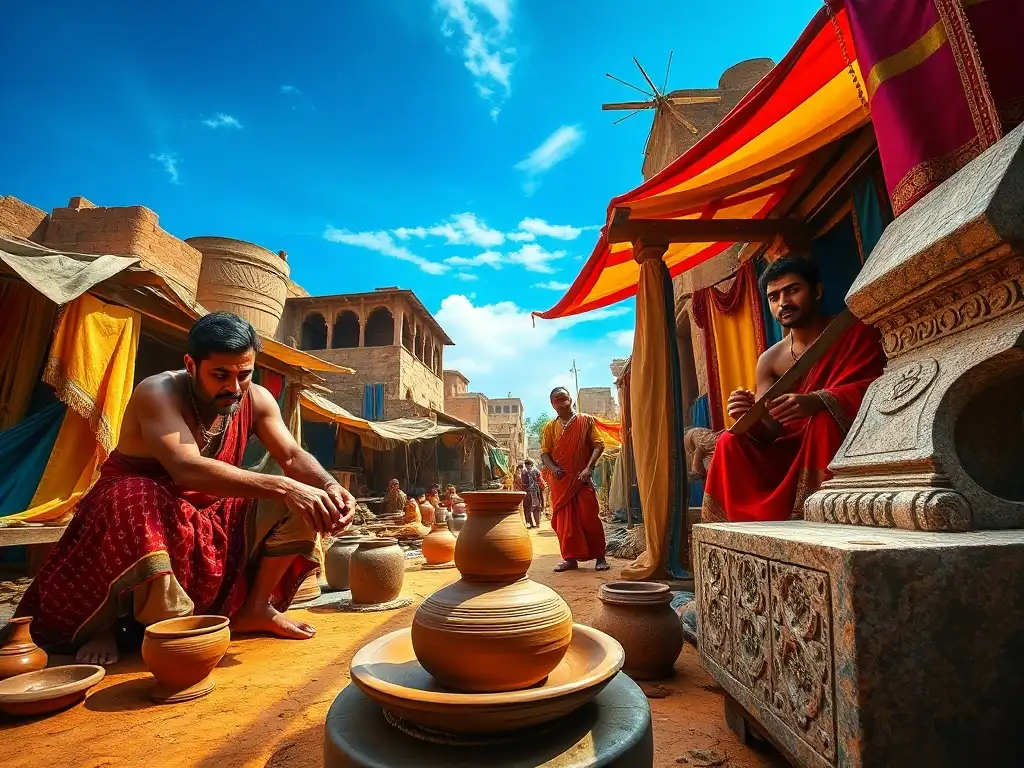
Welcome to Ancient India History, where we embark on a journey through the captivating tapestry of India's rich heritage. In this exploration, we shine a light on the artisans in ancient India, those skilled craftsmen who not only shaped the physical landscape through their artistry but also wove the very fabric of culture and society.
Discover how these talented individuals contributed to the grandeur of civilizations from the Indus Valley to the Gupta Empire. Join us as we unravel the stories of creativity and innovation that have left an indelible mark on history, and prepare to be intrigued by the hidden gems of ancient craftsmanship waiting to be uncovered in our featured article, "The Role of Artisans in Ancient Indian Society: Craftsmen of Culture."
Introduction to Artisans in Ancient India
Artisans played a pivotal role in shaping the cultural and economic landscape of ancient India. These skilled craftsmen were not just creators of beautiful objects but also vital contributors to the social fabric of their time. From the intricate pottery of the Indus Valley Civilization to the elaborate textiles of the Gupta Empire, artisans in ancient India embodied creativity, tradition, and innovation. Their work was deeply intertwined with the customs and practices of the society they lived in, reflecting the rich tapestry of beliefs, values, and aesthetics that characterized ancient Indian civilization.
Artisans were organized into guilds, known as shrenis, which served as both professional associations and community support systems. These guilds provided training, maintained quality standards, and facilitated trade, ensuring that the skills and knowledge of artisans were passed down through generations. Furthermore, the diverse range of crafts, such as metalworking, woodworking, weaving, and stone carving, not only catered to local needs but also contributed to the flourishing of trade networks, both domestically and internationally.
Importance of Artisans in Ancient Indian Civilization
The significance of artisans in ancient Indian society can be understood through their multifaceted contributions across various domains:
- Cultural Preservation: Artisans were the custodians of traditional crafts and techniques, ensuring that the unique cultural heritage of different regions was preserved. Their works often reflected local traditions, rituals, and stories, serving as a visual narrative of the society's history.
- Economic Contributions: The craftsmanship of artisans contributed significantly to the economy of ancient India. They engaged in both local markets and long-distance trade, with their goods being sought after for their quality and artistry. This economic activity supported the livelihoods of many families and stimulated growth in urban centers.
- Architectural Marvels: Many artisans specialized in building and sculpting, playing a crucial role in the construction of temples, palaces, and public works. Their skills in stone masonry and decorative arts resulted in architectural wonders that showcased the ingenuity and artistic sensibility of ancient Indian civilization.
- Social Structure: Artisans occupied a distinct place in the social hierarchy. While they often belonged to lower castes, their skills granted them a degree of respect and recognition within their communities. This complex relationship highlights the nuances of social stratification in ancient India.
- Innovation and Adaptation: Throughout history, artisans demonstrated remarkable adaptability, responding to changing demands in society and marketplace. Their ability to innovate—whether through new techniques or materials—enabled them to remain relevant and vital to the cultural and economic life of ancient India.
In essence, artisans in ancient India were more than mere craftsmen; they were the lifeblood of culture, economy, and society. Their legacy continues to influence contemporary arts and crafts, reminding us of the profound impact they had on the development of Indian civilization.
- What was the significance of artisans in ancient India?
- How did artisans contribute to the economy of ancient India?
- What types of crafts did artisans specialize in during ancient India?
- Were artisans organized into guilds or associations?
- How did the patronage of rulers affect artisans in ancient India?
Types of Artisans in Ancient India
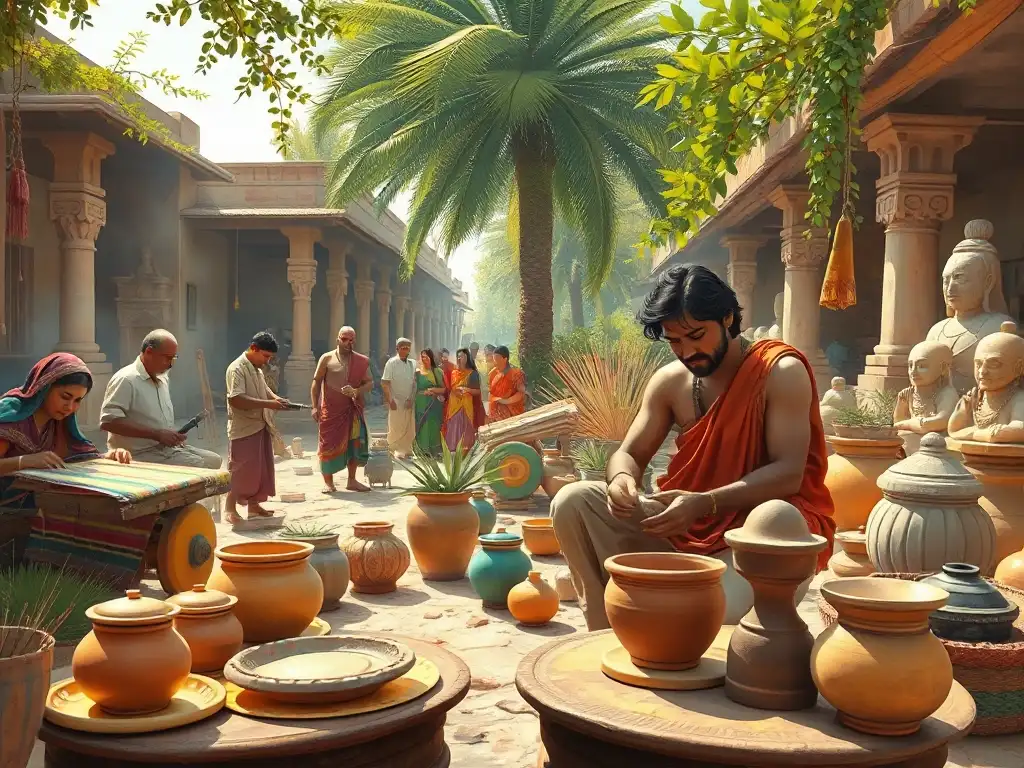
Weavers: Masters of Fabric and Textiles
Weavers in ancient India played a crucial role in the textile industry, which was one of the most significant aspects of the economy and culture. The skill of weaving was not merely a craft; it was an art form that involved intricate techniques passed down through generations.
- Materials Used: Various natural fibers were utilized, including cotton, silk, and wool. Each material required different techniques and tools, showcasing the versatility of Indian weavers.
- Regional Specialties:
- Kanchipuram: Known for vibrant silk sarees.
- Banaras: Famous for brocade and intricate gold weaving.
The vibrant colors and patterns of textiles often had cultural and religious significance, embodying the identity of different communities. For example, the use of specific motifs was deeply tied to local folklore and spiritual beliefs.
The fabric of society is woven by the hands of its artisans.
- Unknown
Potters: Craftsmen of Clay and Ceramics
Potters were vital contributors to everyday life in ancient India, creating utilitarian objects as well as artistic pottery. The craft of pottery dates back to the Indus Valley Civilization, where artisans showcased their skills in creating sophisticated ceramic items.
- Types of Pottery:
- Terracotta: Used for figurines and household items.
- Glazed Pottery: Known for its decorative appeal and durability.
The techniques employed in pottery varied across regions, with some artisans practicing wheel-throwing while others relied on hand-building methods. Pottery was not just functional; it also served as a canvas for artistic expression. Designs often reflected local culture, mythology, and daily life.
| Type of Pottery | Characteristics |
|---|---|
| Terracotta | Unglazed, often decorated with motifs |
| Glazed Pottery | Smooth finish, vibrant colors |
Pottery also had a ceremonial aspect, with certain pieces reserved for religious rituals and offerings. This dual role of pottery—functional and ceremonial—highlighted the importance of potters in the societal structure.
Metalworkers: The Art of Shaping Metal
Metalworkers in ancient India were among the most skilled artisans, known for their ability to manipulate metals such as gold, silver, copper, and iron. Their craftsmanship not only served practical purposes but also contributed significantly to artistic endeavors.
- Craftsmanship Techniques:
- Lost-wax Casting: A method used to create intricate sculptures and jewelry.
- Forging and Chiseling: Techniques for creating weapons, tools, and decorative items.
Metalwork products included a wide range of items, from everyday tools to elaborate jewelry and temple decorations. The quality of metalwork in ancient India was so advanced that it was often sought after in international markets.
The finest metal reflects the skill of the craftsman.
- Unknown
Moreover, metalworkers were often associated with specific communities, and their work played a significant role in trade. Artifacts like the famous Iron Pillar of Delhi stand as a testament to their expertise and the technological advancements of the time.
The artisans in ancient India—be they weavers, potters, or metalworkers—were not merely craftsmen; they were vital contributors to the cultural and economic fabric of society. Their skills and artistry have left an indelible mark on India's rich historical legacy.
Stone Carvers: Architects of Heritage
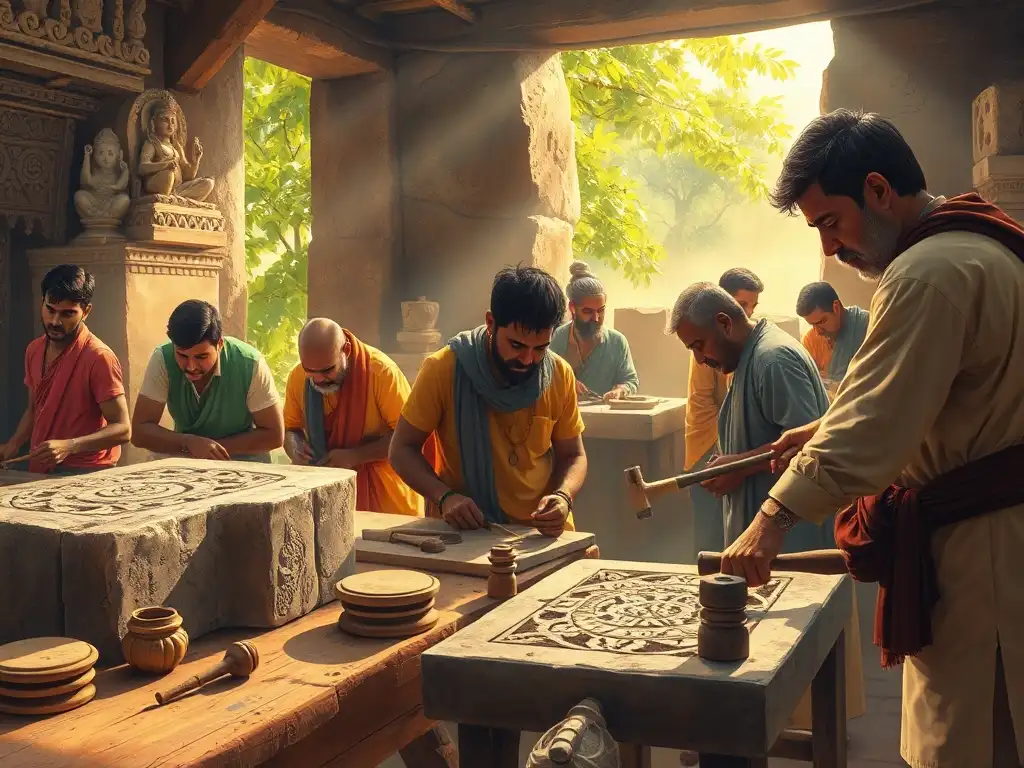
Stone carvers played a pivotal role in ancient Indian society, transforming raw stone into intricate sculptures, architectural marvels, and sacred spaces. They were not merely craftsmen; they were the architects of heritage, responsible for some of the most iconic monuments that define India's cultural landscape today.
The techniques employed by these artisans varied widely, influenced by regional styles and available materials. For instance, in northern India, the use of sandstone was prevalent, while southern regions favored granite. The Chola and Pallava dynasties are particularly notable for their exquisite stone carvings, which adorned temples and public buildings, depicting divine figures, mythological narratives, and everyday life.
Stone carvers often belonged to hereditary guilds, passing down their skills through generations. This lineage ensured the preservation of traditional techniques while allowing for innovation. Notable sites, such as the Ajanta and Ellora Caves, showcase the extraordinary talent of these artisans, whose meticulous work has withstood the test of time. The carvings and sculptures found within these caves not only serve as artistic expressions but also provide insights into the religious and social life of the period.
In addition to religious structures, stone carvers contributed to the construction of forts, palaces, and public monuments, thus shaping the architectural identity of ancient India. The legacy of these artisans is evident in the enduring beauty of their work, which continues to inspire contemporary artists and architects.
Woodworkers: Artisans of Timber and Craft
Woodworkers in ancient India were essential to the creation of both functional and decorative items, showcasing their skills in craftsmanship and artistry. They utilized a variety of timber types, including teak and rosewood, to craft everything from intricate furniture to sacred idols and architectural elements.
The craftsmanship of woodworkers was often characterized by detailed carvings, inlays, and the use of vibrant colors. Items such as chests, doors, and window frames were not just utilitarian; they were adorned with motifs that reflected the cultural and spiritual beliefs of the time. For instance, the Kalinga style of woodwork, known for its elaborate floral and faunal designs, has left a significant mark on India's artistic heritage.
Woodworkers frequently collaborated with other artisans, such as metalworkers and stone carvers, to create integrated works of art. This collaborative spirit fostered a rich exchange of techniques and ideas, resulting in unique pieces that embodied the cultural synthesis of the period. The famous Mysore Dasara celebrations, for example, saw woodworkers creating elaborate chariots adorned with intricate carvings that celebrated local deities.
Moreover, the woodworkers’ guilds played a crucial role in the preservation of woodworking techniques and traditions. These guilds not only trained new generations but also ensured that the craft evolved in response to changing tastes and technologies. The legacy of ancient Indian woodworkers can be seen in contemporary craftsmanship, where traditional techniques still resonate in modern designs.
The artisanship of woodworkers reflects the creativity and resourcefulness of ancient Indian culture, contributing significantly to the diverse tapestry of Indian art forms. Their work continues to be celebrated, reminding us of the essential role these craftsmen played in shaping the societal and cultural landscape of ancient India.
Skills and Techniques of Ancient Indian Artisans
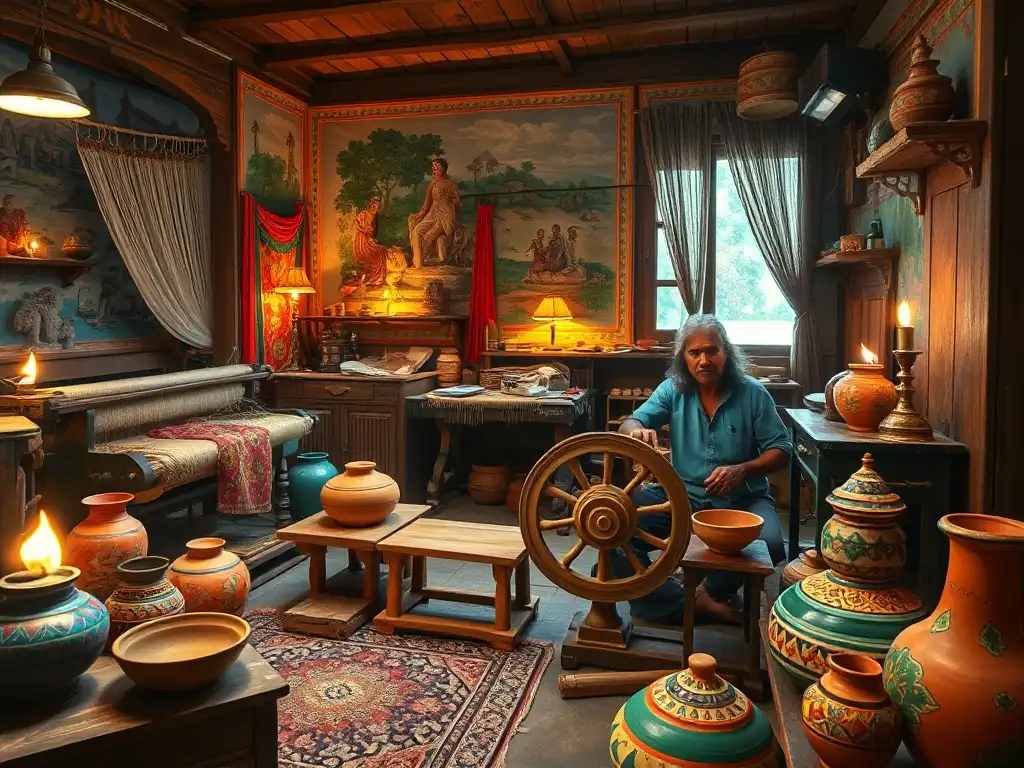
Traditional Craft Skills Passed Down Through Generations
Ancient Indian artisans were the custodians of a rich tapestry of craft skills that were meticulously passed down through generations. These skills, often acquired through family lineage or community apprenticeship, reflected a deep understanding of local resources and traditional methods. For instance, textile weaving in regions like Varanasi was not merely a craft but an intricate art form, where each family specialized in specific patterns and techniques, such as the famed Banarasi sarees distinguished by their elaborate brocade work.
Moreover, pottery techniques varied significantly across regions, with artisans in the Indus Valley Civilization showcasing advanced kiln designs and glazing methods that were pivotal in creating durable and decorative wares. The earthenware produced by these craftsmen was often adorned with intricate motifs that narrated stories of daily life and spirituality, underscoring the cultural significance imbued in their craftsmanship.
Innovations in Craft Techniques and Tools
As societies evolved, so did the artisans' skills and techniques. Ancient Indian artisans were not just preservers of tradition; they were also innovators who adapted to changing demands and materials. For example, the metalworking techniques, particularly in iron and bronze, saw significant advancements during the Vedic period. Artisans developed methods for casting, forging, and alloying that enabled them to create tools, weapons, and intricate sculptures.
The art of stone carving, particularly during the Mauryan and Gupta empires, exhibited remarkable innovation. Craftsmen utilized tools made of harder materials to achieve finer details in sculptures and architectural designs. The famous Ashoka pillars, with their polished surfaces and in-depth carvings, exemplify the skillful techniques that artisans employed, merging utility with beauty.
The Role of Guilds in Artisan Training and Development
Guilds, known as shrenis, were pivotal in the development and training of artisans in ancient India. These organizations functioned as both trade unions and educational institutions, ensuring that skills were preserved and enhanced. Membership in a guild often required rigorous training and adherence to specific standards of production, which maintained the quality and integrity of various crafts.
The guilds facilitated the sharing of techniques, tools, and resources among artisans, creating a collaborative environment that fostered innovation and efficiency. For instance, in the metalwork guilds, members would share knowledge about new alloys or refining processes, leading to improvements in the durability and aesthetics of their products.
Additionally, guilds played a crucial role in the economic aspects of craftsmanship. They regulated prices, managed supply chains, and provided support during times of economic hardship, thus ensuring the sustainability of artisan communities. The intertwining of artistry with commerce through guilds significantly contributed to the flourishing of various art forms in ancient India, making them not just skilled workers but also vital contributors to the cultural and economic landscape of their time.
Cultural Significance of Artisans in Ancient Indian Society
Artisans as Bearers of Cultural Heritage
Artisans in ancient India played a pivotal role in preserving and transmitting cultural heritage through their skilled craftsmanship. Each artisan community specialized in distinct crafts, such as pottery, weaving, metalwork, and sculpture, weaving a rich tapestry of cultural expression. Their work was not merely functional; it embodied the traditions, beliefs, and values of the society.
For instance, potters utilized techniques passed down through generations, creating intricate designs that often reflected local myths and stories. These designs served as visual narratives, linking the community to its past. Similarly, weavers produced textiles that were not only practical but also symbolized social status and identity. The vibrant colors and patterns were often inspired by regional folklore, thereby reinforcing a collective cultural memory.
Moreover, artisan guilds, known as shrenis, acted as custodians of knowledge, ensuring that skills and techniques were preserved and enhanced. These guilds provided a platform for artisans to collaborate, innovate, and share their craft, fostering a sense of community and identity among craftsmen. This collective effort contributed significantly to the continuity of cultural practices and the transmission of heritage through generations.
The Influence of Religion and Rituals on Artisan Work
Religious beliefs and rituals greatly influenced the work of artisans in ancient India. Many crafts were directly linked to religious practices, with artisans creating objects necessary for rituals and ceremonies. For example, sculptors were commissioned to carve idols for temples, embodying the divine in stone, wood, or metal. This not only required technical skill but also a deep understanding of iconography, as each figure had specific attributes that conveyed particular meanings.
Artisans also crafted everyday objects—such as pottery and textiles—that held religious significance. These items were often used in domestic rituals, thus blurring the line between the sacred and the mundane. The metalworkers who produced ceremonial vessels or the jewelers who crafted sacred ornaments for deities demonstrated the intertwining of artistry and spirituality, emphasizing the belief that beauty and utility could elevate the divine experience.
Furthermore, festivals and religious gatherings provided a platform for artisans to showcase their work. The elaborate decorations, sculptures, and ceremonial attire contributed to the visual splendor of these occasions, further reinforcing the artisans' role as key players in the cultural narrative.
Artisans in the Context of Ancient Indian Economy
Artisans were integral to the economic fabric of ancient Indian society, contributing not only through their crafts but also by fostering trade and commerce. They formed a crucial part of the guild system, which organized craftsmen into trade associations that regulated quality, pricing, and production methods. This structure enabled artisans to maintain their livelihoods while ensuring a steady supply of goods for local and regional markets.
The flourishing of trade routes, both overland and maritime, facilitated the exchange of artisan goods. For instance, textiles from the Deccan region were highly sought after in distant markets, while metalwork from northern India was prized for its intricate designs. This trade not only boosted the economy but also enhanced cultural exchanges, as artisans incorporated influences from various regions into their work.
Artisans also played a significant role in agricultural societies. They produced tools and implements that supported farming, thereby enhancing productivity. The blacksmiths, for example, crafted plows and other agricultural tools that were essential for cultivation, making them vital contributors to the agrarian economy.
Artisans in ancient India were not merely craftsmen but vital contributors to society's cultural, religious, and economic life. Their work encapsulated the essence of ancient Indian civilization, reflecting its diversity and richness while ensuring the continuity of traditions and practices through generations.
The Impact of Artisans on Ancient Indian Art Forms
Contributions to Sculpture and Architecture
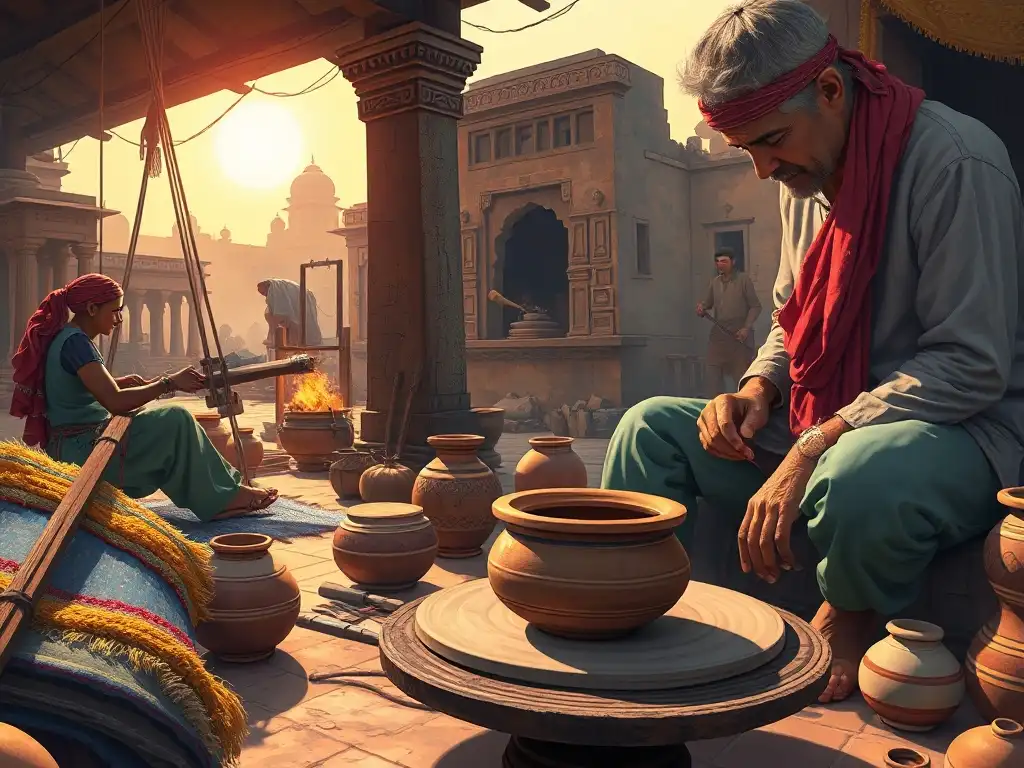
Artisans in ancient India played a pivotal role in the development of sculpture and architecture, creating works that not only served functional purposes but also expressed the cultural and spiritual ethos of their time. The craftsmanship of these artisans can be observed in various historical sites, from the intricate carvings of the Indus Valley Civilization to the magnificent temples of the Gupta Empire.
- Sculptural Techniques: Artisans employed advanced techniques such as chisel work, casting, and carving to produce detailed sculptures. Stone, bronze, and terracotta were the primary materials used. For instance, the Buddhist stupas, such as those at Sanchi, showcase the artisans' ability to convey complex narratives through stone reliefs.
- Architectural Innovations: The artisans were instrumental in the architectural advancements of their time. The Mauryan period saw the introduction of the Ashoka Pillars, which combined aesthetic appeal with engineering prowess. The intricate designs and inscriptions on these pillars reveal the artisans' skill in merging art with public messaging.
- Cultural Significance: Each sculpture and architectural piece was imbued with religious significance. Temples, such as the Brihadeeswarar Temple in Thanjavur, exemplify how artisans integrated spirituality with artistry, creating spaces for worship that were as much about aesthetics as they were about devotion.
Influence on Decorative Arts and Everyday Objects
Artisans in ancient India were not limited to monumental works; they also impacted the realm of decorative arts and everyday objects. Their skills and creativity manifested in various forms that enriched daily life and cultural practices.
- Pottery and Textiles: The artisans' expertise in pottery led to the creation of beautifully designed vessels, often adorned with intricate motifs. The painted pottery of the Chalcolithic period is a testament to their artistry. Similarly, textiles woven by artisans featured elaborate patterns and dyes, reflecting the local flora and fauna.
- Jewelry and Metalwork: The production of jewelry was another area where artisans excelled. Skilled in techniques such as filigree, granulation, and casting, they created exquisite pieces that were not only decorative but also held social significance. The use of gold, silver, and semi-precious stones in jewelry highlights the artisans' mastery of materials.
- Functional Art: Everyday objects, including tools and utensils, were crafted with an artistic touch. The blend of utility and beauty is evident in items like brass lamps and copper vessels, which showcased artisans' ability to elevate mundane objects into works of art.
The Role of Artisans in Festivals and Celebrations
Artisans were central to the vibrant tapestry of festivals and celebrations in ancient India, contributing to the cultural richness and communal spirit of these events. Their work not only enhanced the aesthetics of celebrations but also fostered a sense of identity and continuity.
- Festival Decorations: During festivals such as Diwali and Holi, artisans crafted elaborate decorations, including rangoli designs made from colored powders and flower petals. These art forms were not only visually appealing but also symbolized the auspiciousness of the celebrations.
- Processional Art: Artisans created processional items such as idols and chariots for religious festivals. The craftsmanship involved in producing these items was crucial, as they served as focal points for devotion and community gatherings. The Jagannath Rath Yatra is a prime example, where beautifully decorated chariots are pulled through the streets, showcasing the artisans' skills.
- Cultural Expression: The work of artisans during festivals also reflected regional diversity. Different regions in India displayed unique styles and techniques, enriching the cultural landscape. For example, the mask-making tradition in Kerala during the Onam festival highlights the local artisans' creativity and their role in preserving cultural narratives.
The artisans in ancient India were not just craftsmen; they were vital contributors to the cultural, spiritual, and social fabric of their society. Their legacy is evident in the art forms that continue to inspire and inform contemporary practices today. Their skills, creativity, and attention to detail shaped the artistic heritage of India, making them an integral part of its history.
The Position of Artisans in the Caste System
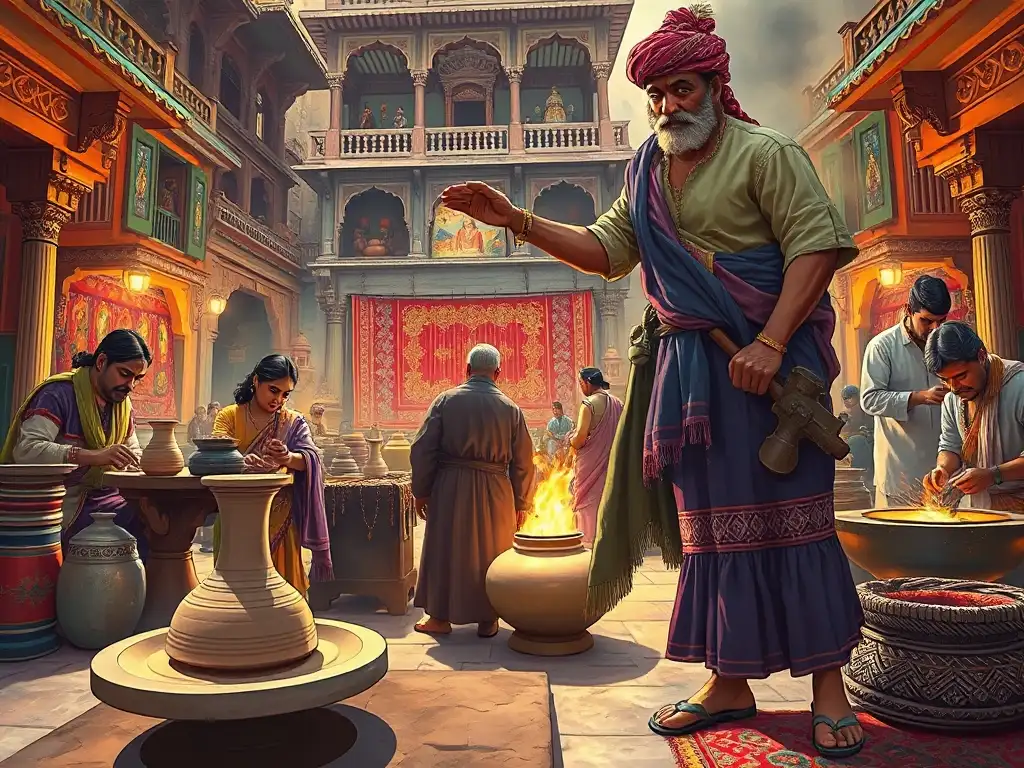
In ancient India, the social structure was predominantly hierarchical, with the caste system playing a central role in determining an individual's social standing and occupation. Artisans in ancient India were primarily classified under the Shudra varna, which was the lowest tier in the four-tier caste system. This classification, however, does not fully encapsulate the role and significance of artisans within society.
Artisans were skilled craftsmen responsible for producing a wide array of goods, from pottery and textiles to metalwork and jewelry. Their work was essential for both everyday life and ceremonial occasions. Although they belonged to the Shudra category, which was often marginalized, they still enjoyed a degree of respect due to their craftsmanship. In many regions, the expertise of certain artisans, such as those involved in temple architecture or intricate textile weaving, elevated their status, allowing them to gain social recognition.
Despite their contributions, artisans faced challenges within the caste system. Many artisans inherited their trades, leading to a rigid social mobility where occupation was largely predetermined. This hereditary aspect meant that while a skilled artisan could gain some prestige, their children were often confined to the same profession, perpetuating a cycle of social stratification.
The collaboration between artisans and other social classes was a defining feature of ancient Indian society. Artisans often worked closely with merchants, who provided the necessary materials and a marketplace for their goods. This synergy facilitated not only economic growth but also cultural exchange. For instance, the trade routes connecting India to regions such as Persia and the Mediterranean facilitated the spread of techniques and styles, enriching the craftsmanship of artisans across the subcontinent.
Artisans also collaborated with priests and nobles, particularly in the creation of religious artifacts and architectural marvels. Temples, which were the focal points of spiritual life, required skilled artisans for their construction and decoration. The intricate carvings, sculptures, and frescoes found in temples were not merely artistic expressions; they were also essential for religious practices. This collaboration emphasized the artisans' role in the social fabric, as their work was integral to the cultural and spiritual identity of the community.
Moreover, during periods such as the Maurya and Gupta empires, state patronage became significant for artisans. The rulers recognized the importance of skilled craftsmen in enhancing the empire's wealth and cultural heritage. As a result, many artisans were commissioned to produce elaborate works, leading to advancements in techniques and styles that would influence generations.
Gender Roles of Artisans in Ancient Indian Society
The role of gender in the artisan community of ancient India presents a complex picture. While the majority of artisans were male, women also played a crucial part in various crafts. In many households, women were involved in textile production, pottery, and other crafts, often working alongside their male counterparts. This collaboration was not only a means of economic contribution but also a way to pass down skills and traditions through generations.
However, the visibility and recognition of female artisans were often limited. Women artisans typically operated within the domestic sphere, and their work was often undervalued compared to that of their male counterparts. Despite this, there are notable examples of women who excelled in their crafts, particularly in textiles and embroidery. Some regions, such as Rajasthan, became renowned for their intricate patterns and techniques, many of which were developed and maintained by women.
In the context of the broader societal norms, women's roles as artisans were often influenced by the prevailing patriarchal structures. While they contributed significantly to the economy, their contributions were frequently overshadowed by male artisans. Nonetheless, the resilience of women artisans and their ability to preserve and innovate in crafts serves as a testament to their integral role in the vibrant tapestry of ancient Indian society.
Artisans in ancient India occupied a distinctive position within the social structure, characterized by their craftsmanship and collaboration with various social classes. Despite the challenges posed by the caste system and gender roles, artisans contributed significantly to the cultural and economic landscape of ancient India, shaping its rich history.
Decline of Artisan Traditions in Ancient India
Factors Leading to the Decline of Craftsmanship
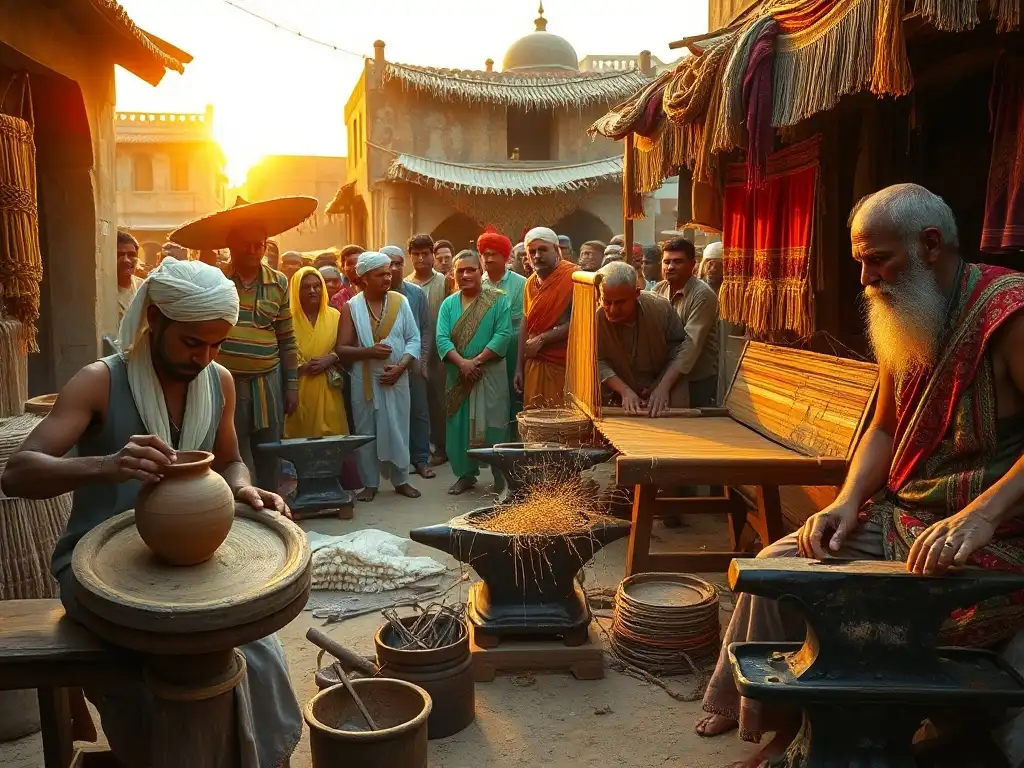
The decline of artisan traditions in ancient India can be attributed to several interrelated factors that significantly altered the socio-economic landscape. One primary factor was the influx of foreign invasions and rule, particularly during the medieval period. The establishment of foreign dynasties often led to the imposition of new styles and techniques, which overshadowed local craftsmanship and traditions.
- Economic Shifts: The introduction of colonial policies and the rise of a cash-based economy marginalized traditional barter systems that artisans relied on. As foreign powers prioritized their own industries, local craftsmanship faced severe competition, leading to a decline in demand for indigenous products.
- Urbanization and Industrialization: The growth of urban centers and the subsequent move towards industrial production diminished the role of traditional artisans. Factories began to produce goods on a mass scale, which resulted in cheaper prices for products that craftspeople could no longer compete with.
- Cultural Assimilation: As new cultural influences permeated Indian society, many traditional crafts began to lose their significance. Artisans found it increasingly challenging to maintain their unique identities and techniques in the face of homogenizing external influences.
Historical Events Impacting Artisans' Roles
The historical context of ancient India reveals various events that reshaped the roles of artisans within society. Notably, the following events had profound effects:
- The Mauryan Empire (322-185 BCE): Under the patronage of Emperor Ashoka, artisans flourished, benefiting from state support in architecture and sculpture. However, following the decline of the Mauryan Empire, artisans faced instability and a loss of royal patronage, leading to diminished opportunities.
- The Arrival of the Mughals (1526): The Mughal Empire initially provided a renaissance for artisans, who were commissioned for intricate work in architecture and textiles. However, as Mughal power waned, economic instability ensued, negatively impacting artisan communities.
- Colonial Rule (18th-20th Century): The British colonial period marked a significant decline in artisan roles. Policies that favored British imports and the dismantling of traditional guild systems marginalized local craftsmen. The introduction of mechanized production methods further eroded the artisan's position in society.
Preservation Efforts for Ancient Crafts
Despite the decline, there have been significant efforts aimed at preserving the rich traditions of artisans in ancient India. Various initiatives focus on reviving and sustaining these crafts:
- Government Initiatives: The Indian government has implemented schemes such as the Geographical Indications (GI) Act, which seeks to protect the unique identity of traditional crafts. Programs like Crafts Council of India promote awareness and support for artisans.
- NGO Contributions: Numerous non-governmental organizations have dedicated resources to revitalize traditional crafts. They provide training, market access, and financial support to artisans, helping them adapt to contemporary demands while preserving their heritage.
- Cultural Festivals: Events like Dastkar Melas and various state-sponsored art fairs celebrate traditional crafts, providing artisans with platforms to showcase their work and connect with potential buyers. These festivals not only promote awareness but also celebrate the cultural significance of craftsmanship in ancient India.
- Educational Programs: Institutions and cultural organizations are increasingly integrating traditional crafts into educational curricula, ensuring that younger generations appreciate and learn these skills. Workshops and training sessions are established to pass on knowledge from seasoned artisans to apprentices.
These combined efforts demonstrate a commitment to preserving the invaluable contributions of artisans in ancient India, ensuring that their legacy continues to thrive in contemporary society.
Conclusion: The Legacy of Artisans in Ancient Indian Society
The legacy of artisans in ancient Indian society is a testament to the profound impact they had on the cultural, social, and economic fabric of their time. These skilled craftsmen not only contributed to the production of various goods but also played a pivotal role in shaping the identity and heritage of ancient India. Through their artistry, they preserved traditions, fostered innovation, and reflected the values of their communities.
Artisans were the backbone of ancient Indian civilization, as they were responsible for creating intricate textiles, elaborate sculptures, stunning pottery, and exquisite jewelry. These creations were not merely functional items but also conveyed deep symbolism and aesthetic beauty. The craftsmanship of these artisans left an indelible mark on the cultural landscape, influencing subsequent generations of artists and craftsmen.
Moreover, artisans in ancient India were often organized into guilds, which provided structure and support for their trades. These guilds facilitated the transfer of skills and knowledge, ensuring that traditional techniques were passed down through the ages. This continuity has allowed elements of ancient craftsmanship to endure and remain relevant in contemporary society.
Reflection on the Cultural Contributions of Artisans
The contributions of artisans in ancient India go beyond mere craftsmanship; they were vital in the transmission of cultural narratives and spiritual beliefs. Each piece created told a story, whether it was a beautifully painted mural depicting a mythological scene or a finely carved temple idol representing a deity. These artworks served as a bridge between the material and spiritual worlds, enriching the cultural life of communities.
Artisans also played a significant role in the socio-economic landscape of ancient India. They were integral to trade, both within the subcontinent and with foreign lands. Their goods, often renowned for their quality and artistry, found their way into markets across Asia and beyond, fostering economic exchange and cultural interactions. This trade not only enhanced the artisans' livelihoods but also facilitated the spread of ideas and artistic influences.
The skills and techniques utilized by these artisans often reflected the regional diversity of ancient India. For instance, the intricate woodwork of the western regions contrasted with the vibrant textiles of the south, showcasing the rich tapestry of local traditions and cultural identities. This diversity has enriched the collective heritage of India, making it a melting pot of artistic expression.
The Continued Relevance of Ancient Crafts in Modern India
Today, the influence of artisans in ancient India can still be observed in contemporary craft practices. Many traditional crafts have seen a resurgence, as artisans strive to preserve age-old techniques while adapting to modern sensibilities. The revival of these crafts not only honors the legacy of ancient artisans but also provides sustainable livelihoods for numerous families.
Craft fairs, exhibitions, and government initiatives are instrumental in promoting these ancient art forms, allowing artisans to showcase their work and connect with a wider audience. The appreciation for handmade goods has grown, with consumers increasingly valuing the craftsmanship and cultural significance behind each piece.
Furthermore, the skills of artisans are being recognized as vital to the preservation of cultural heritage. Efforts to document and train new generations in traditional crafts are underway, ensuring that the knowledge and artistry of ancient artisans continue to thrive. This revitalization of crafts not only enriches the cultural landscape of modern India but also fosters a sense of pride and identity among communities.
References for Further Reading on Artisans in Ancient India
- "The Artisans of Ancient India" by [Author Name]: This book provides an in-depth exploration of the various crafts and the artisans behind them in ancient Indian society.
- "Craft Traditions of India" by [Author Name]: A comprehensive overview of the diverse craft forms across different regions of India, highlighting their historical significance.
- "Glimpses of Indian Art and Culture" by [Author Name]: This text discusses the intersection of art, culture, and society in ancient India, focusing on the role of artisans.
- "The Guilds of Ancient India" by [Author Name]: A detailed study of the guild system among artisans and its impact on trade and craftsmanship.
- "Heritage Crafts of India" by [Author Name]: An exploration of the contemporary relevance and revival of traditional crafts in modern India.
Frequently Asked Questions
What was the significance of artisans in ancient India?
Artisans played a crucial role in ancient Indian society, contributing to the cultural and economic development through their craftsmanship, which included textiles, pottery, and metalwork.
How did artisans contribute to the economy of ancient India?
The work of artisans fostered trade and commerce, as their high-quality goods were highly sought after both locally and internationally, enhancing the economic prosperity of ancient Indian civilizations.
What types of crafts did artisans specialize in during ancient India?
Artisans specialized in various crafts, including weaving, pottery, metalwork, and woodwork. Each specialty reflected the rich cultural heritage and regional diversity of ancient India.
Were artisans organized into guilds or associations?
Yes, artisans were often organized into guilds or associations that regulated their trades, provided training, and ensured the quality and standards of their crafts across regions.
How did the patronage of rulers affect artisans in ancient India?
The patronage of rulers significantly impacted artisans, as royal commissions often led to innovations and advancements in their crafts, while providing them with financial stability and recognition in society.
Final Reflection: The Enduring Legacy of Artisans in Ancient India
The role of artisans in ancient India is not merely a historical footnote; it is a vital thread woven into the fabric of our cultural identity today. As we navigate a world increasingly driven by technology and mass production, the craftsmanship and artistry of ancient Indian artisans remind us of the profound connection between creativity and culture. Their skills were not just about creating objects; they were about expressing identity, tradition, and community, illuminating the importance of preserving these legacies in our modern society.
The influence of these artisans continues to resonate in contemporary culture, shaping our appreciation for handmade goods and traditional techniques. As we witness a resurgence of interest in sustainable and artisanal practices, it becomes clear that the values embodied by these craftsmen are more relevant than ever. Art is not a thing; it is a way,
said Elbert Hubbard, emphasizing that the essence of artistry lies in the process and the passion behind it. This perspective invites us to recognize that the contributions of ancient artisans extend beyond their time, inspiring current and future generations to cherish and uphold the artistry that defines us.
As we reflect on the significance of artisans in ancient India, I encourage you to consider how you can incorporate the lessons of their craftsmanship into your own life. Take a moment to appreciate the artistry around you, whether in handmade items, local crafts, or even in your creative pursuits.
By valuing and supporting artisans today, we not only honor the legacy of those who came before us but also contribute to a richer, more diverse cultural landscape for the future. Let us celebrate and nurture the spirit of craftsmanship, ensuring that the stories and skills of artisans continue to thrive in our ever-evolving world.
Unleash Your Inner Artisan and Celebrate Traditional Crafts!
Thank you for diving into the fascinating world of ancient Indian artisans! Your interest in their pivotal role not only enriches your understanding but also honors the craftsmanship that shaped cultures. Now, it’s time to take that inspiration and transform it into action!
Here are some practical steps you can take to embrace and celebrate this rich heritage:
- Explore Local Craft Fairs or Workshops: Engage with artisans in your community and learn the traditional techniques they use to create their beautiful work.
- Share Your Learnings: Talk about the incredible stories of these artisans with friends or on social media to spread awareness and appreciation for their craft.
- Try Your Hand at Crafting: Choose a traditional craft that interests you and dedicate some time to create your own piece—your mini homage to the ancient artisans!
What unique craftsmanship have you discovered that resonates with you, and how would you like to incorporate it into your life?