
What is Brahman? Understanding the Ultimate Reality in Hindu Belief

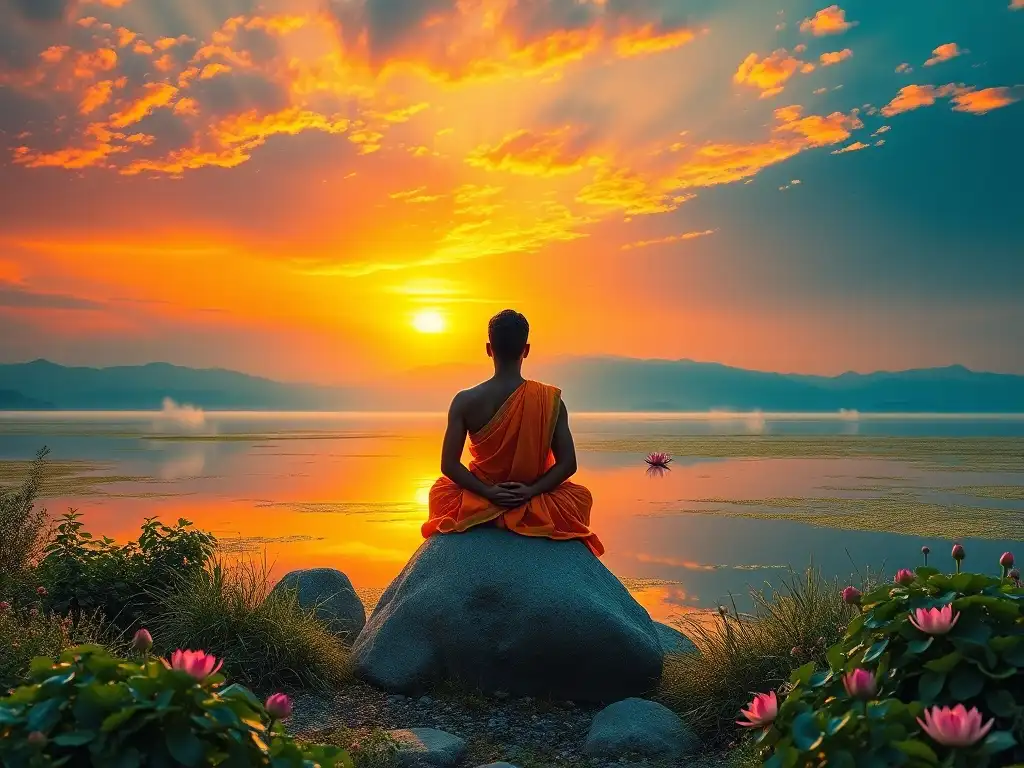
Welcome to Ancient India History, where we delve into the captivating tapestry of India’s past! In this exploration, we invite you to unravel the profound concept of Brahman in Hindu philosophy—a cornerstone of Hindu belief that embodies the ultimate reality. What does it mean to comprehend Brahman, and how has this idea shaped the spiritual landscape of ancient Indian civilizations? As you journey through our insights, prepare to uncover the layers of meaning, culture, and philosophy that have influenced countless generations. Join us and discover how this ancient wisdom continues to resonate today!
-
What is Brahman in Hindu Philosophy? Understanding the Ultimate Reality
- Introduction to Brahman
- The Concept of Ultimate Reality in Hinduism
- Brahman: Attributes and Characteristics
- The Philosophical Schools of Thought on Brahman
- Brahman in Sacred Texts
- The Experience of Brahman: Spiritual Practices
- The Relevance of Brahman in Modern Hindu Thought
- Contemporary Interpretations of Brahman in Hindu Philosophy
- Brahman and Its Influence on Hindu Spirituality Today
- Conclusion: The Importance of Understanding Brahman
- Further Reading and Resources on Brahman in Hindu Philosophy
- Frequently Asked Questions
- Final Reflection: Embracing the Essence of Brahman in Our Lives
- Unveil the Mysteries of Brahman!
What is Brahman in Hindu Philosophy? Understanding the Ultimate Reality

Introduction to Brahman
Brahman is a foundational concept in Hindu philosophy, representing the ultimate reality that transcends the material world. It serves as the bedrock of various philosophical discussions and spiritual practices within Hinduism. Understanding Brahman is essential for comprehending the broader context of Hindu beliefs, particularly regarding the nature of existence, the universe, and the self. This exploration delves into the multifaceted nature of Brahman, highlighting its significance and the various interpretations that have emerged over centuries.
Definition of Brahman in Hindu Belief
In Hindu belief, Brahman is often described as the infinite, unchanging reality that underlies all that exists. Unlike deities who personify specific aspects of life and nature, Brahman is formless and beyond human comprehension, representing the essence of the universe itself. It is characterized by several attributes:
- Nirguna (without attributes): Brahman is beyond all qualities and limitations.
- Saguna (with attributes): In some interpretations, Brahman can manifest with qualities, leading to the conception of gods and goddesses.
This duality allows practitioners to approach Brahman through both abstract contemplation and personal devotion, enriching their spiritual experience.
Significance of Brahman in Hindu Philosophy
Brahman's significance extends beyond mere definition; it is central to various philosophical schools within Hinduism, including Vedanta, Samkhya, and Yoga. Its understanding influences key concepts such as:
- Atman: The individual self or soul which, according to Hindu philosophy, is ultimately one with Brahman.
- Moksha: The liberation from the cycle of birth and death (samsara), which is achieved through the realization of one's unity with Brahman.
- Cosmology: Brahman serves as the source of the universe, maintaining cosmic order (Rta) and sustaining all life.
This profound relationship between Brahman and the individual self encourages seekers to explore their own nature and purpose, fostering a deeper connection to the cosmos.
The Concept of Ultimate Reality in Hinduism
The concept of ultimate reality in Hinduism is intricately tied to the understanding of Brahman. It encompasses various interpretations and philosophies that have evolved over time, shaping the spiritual and intellectual landscape of ancient India.
Understanding Ultimate Reality: Definitions and Interpretations
Ultimate reality in Hinduism is not monolithic; it encompasses a spectrum of beliefs and interpretations. Some key perspectives include:
- Advaita Vedanta: This non-dualistic school posits that there is no distinction between Atman and Brahman, emphasizing the oneness of all existence.
- Dvaita Vedanta: In contrast, this dualistic philosophy maintains a distinction between the individual soul and Brahman, emphasizing devotion (bhakti) to a personal god.
These differing views illustrate the richness of Hindu philosophical thought and the diverse ways in which Brahman is understood and experienced.
The Role of Brahman in Cosmic Order
Brahman plays a pivotal role in maintaining the cosmic order, known as Rta. This principle of natural order underpins the functionality of the universe, ensuring harmony and balance among all beings. Key aspects of Brahman's role in cosmic order include:
- Creation: Brahman is often viewed as the source from which the universe emanates, initiating the process of creation.
- Sustenance: Brahman sustains the universe, allowing life to flourish and evolve.
- Dissolution: At the end of a cosmic cycle, Brahman is believed to absorb all existence back into itself, demonstrating the cyclical nature of reality.
Through these functions, Brahman is not only the ultimate reality but also the driving force behind the universe's continual evolution, illustrating the profound interconnectedness of all existence in Hindu belief.
Brahman: Attributes and Characteristics
Brahman is a central concept in Hindu philosophy, representing the ultimate reality and the source of all existence. It embodies the essence of the universe, transcending all forms, names, and attributes. Brahman is often described using several key attributes, which help clarify its nature and significance within the philosophical framework of Hinduism:
- Eternal: Brahman is considered timeless and beyond the constraints of birth and death. It exists independently and continuously, without any beginning or end.
- Infinite: Brahman is limitless and boundless, encompassing all that exists. It cannot be confined to any single form or concept.
- Unchanging: Unlike the material world, which is subject to change and impermanence, Brahman remains constant and unaltered.
- Immanent and Transcendent: Brahman is both within the universe (immanent) and beyond it (transcendent). This dual aspect allows Brahman to manifest in various forms while retaining its ultimate nature.
- Consciousness: Brahman is often equated with pure consciousness, beyond the dualities of subject and object. This consciousness is the foundation of all awareness and existence.
These attributes form the core understanding of Brahman in Hindu philosophy, establishing it as a profound and multifaceted concept that invites deeper contemplation and exploration.
The Nature of Brahman: Nirguna vs. Saguna
In Hindu philosophy, Brahman can be understood through two different perspectives: Nirguna and Saguna.
- Nirguna Brahman refers to the concept of Brahman as formless, attributeless, and beyond human comprehension. This aspect emphasizes the ineffable nature of ultimate reality, suggesting that Brahman cannot be described through any qualities or characteristics. It represents the abstract essence of existence that transcends all limitations and distinctions.
- Saguna Brahman, on the other hand, denotes Brahman with attributes. This perspective allows for personification and visualization of Brahman in various forms, such as deities like Vishnu, Shiva, and Devi. Saguna Brahman is approachable and relatable, often serving as a focal point for devotion and worship. It reflects the belief that while Brahman is the source of all, it can also engage with the world in a tangible and accessible manner.
The interplay between Nirguna and Saguna Brahman highlights the complexity of understanding the ultimate reality within Hindu philosophy. Both concepts coexist, offering different pathways for seekers to explore and connect with the divine.
Exploring the Infinite and Transcendent Aspects of Brahman
The infinite and transcendent nature of Brahman invites deep philosophical inquiry and spiritual exploration. Brahman, as the ultimate reality, is beyond the limitations of time, space, and causation. In this context, it becomes essential to consider how this understanding affects human perception and the pursuit of knowledge.
- Unity of Existence: The transcendent aspect of Brahman emphasizes the interconnectedness of all beings and phenomena. This unity suggests that individual souls (Atman) and the material world are manifestations of the same underlying reality.
- Spiritual Liberation: Realizing the infinite nature of Brahman is often seen as the path to liberation (moksha). By understanding that the self (Atman) is not distinct from Brahman, individuals can transcend the cycle of birth and rebirth (samsara), achieving ultimate freedom.
- Meditative Practices: Many spiritual practices in Hinduism aim to facilitate the experience of Brahman's infinite nature. Techniques such as meditation, chanting, and yoga encourage practitioners to quiet the mind, allowing for a deeper connection with the transcendent reality.
- Philosophical Inquiry: Scholars and philosophers within the Hindu tradition have engaged in extensive discourse regarding the implications of Brahman’s infinite nature. Texts such as the Upanishads and the Bhagavad Gita explore these themes, providing insights into the nature of existence, consciousness, and the cosmos.
Through these explorations, the infinite and transcendent aspects of Brahman become a focal point for understanding the deeper truths of existence and the nature of ultimate reality in Hindu philosophy.
The Philosophical Schools of Thought on Brahman
The concept of Brahman has been interpreted in various ways across different philosophical schools within Hinduism. Each school presents unique perspectives on the nature of Brahman and its relationship with the individual soul (Atman).
Advaita Vedanta: Non-Dualism and the Identity of Atman and Brahman
Advaita Vedanta, founded by the philosopher Adi Shankaracharya, is a non-dualistic school of thought that posits the fundamental unity of Atman and Brahman. According to this perspective:
- Non-Dualism: Advaita asserts that there is no real distinction between the individual soul and the ultimate reality. The phrase "Tat Tvam Asi" (That Thou Art) encapsulates this teaching, emphasizing that the essence of the individual is the same as that of Brahman.
- Illusion of Separateness: The perceived duality of existence, where individuals see themselves as separate from the universe, is regarded as Maya (illusion). Advaita teaches that realizing the oneness of Atman and Brahman is the key to liberation (moksha).
- Path to Realization: The practice of self-inquiry, meditation, and study of sacred texts is essential in Advaita Vedanta. Through these methods, individuals can transcend ignorance and experience their true nature as Brahman.
Advaita Vedanta's non-dual philosophy emphasizes the ultimate reality of oneness, challenging followers to awaken to their inherent divinity.
Dvaita Vedanta: Dualism and the Relationship between God and Soul
In contrast to Advaita, Dvaita Vedanta, established by Madhvacharya, advocates a dualistic view of existence. This school emphasizes the distinction between the individual soul and the supreme being (Brahman):
- Dualism: Dvaita posits that Atman and Brahman are fundamentally different entities. Brahman is seen as a personal deity, often identified with Vishnu, who is distinct from the individual souls that inhabit the universe.
- Dependence on God: In this framework, individual souls are considered dependent on Brahman for their existence and salvation. Devotion to the personal god is emphasized as the means to attain liberation.
- Relationship Dynamics: Dvaita Vedanta explores the relationship between the devotee and God, highlighting the importance of surrender and grace. The interaction between the individual soul and Brahman is characterized by love, devotion, and service.
This dualistic perspective provides a contrasting approach to understanding the divine, focusing on the personal relationship with God while acknowledging the distinctness of individual souls. Each philosophical school contributes to the rich tapestry of Hindu thought surrounding the concept of Brahman, offering varied pathways for understanding the ultimate reality.
Brahman in Sacred Texts
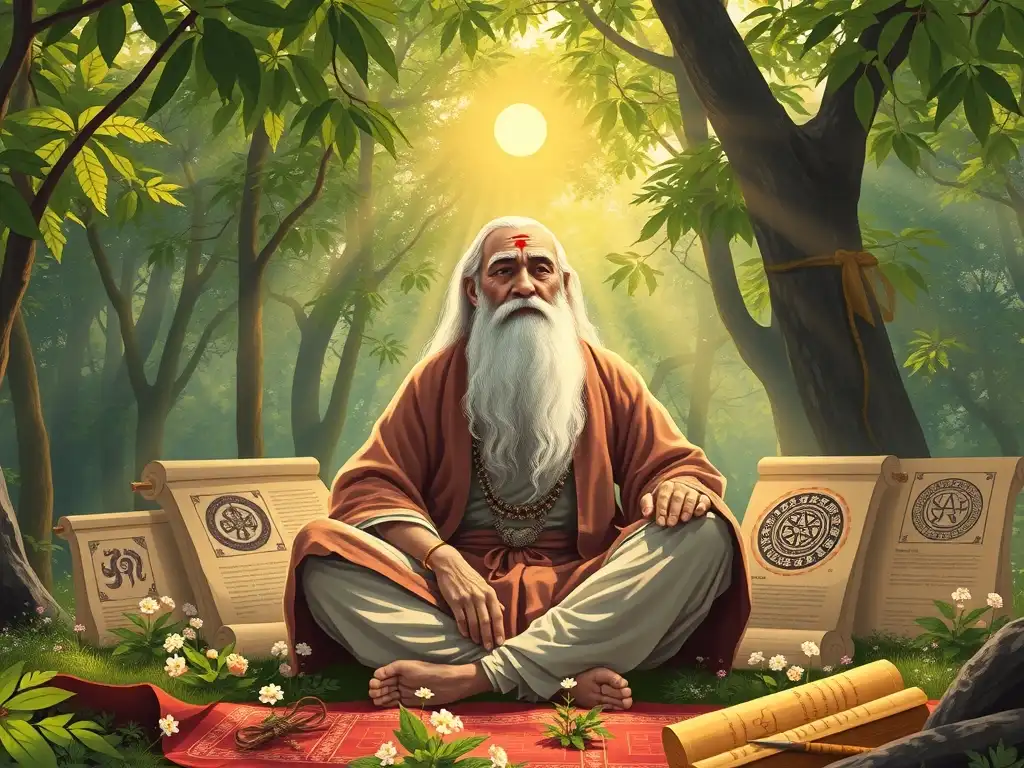
Brahman, the ultimate reality in Hindu philosophy, is a core concept elaborated upon in various sacred texts. These texts not only provide a philosophical understanding of Brahman but also guide adherents in their spiritual practices and rituals. The idea of Brahman transcends the material universe and embodies an all-encompassing essence that connects all aspects of existence. Let's delve into the significant texts that articulate the nature of Brahman and its implications for human life and spiritual pursuit.
The Upanishads and Their Teachings on Brahman
The Upanishads, a collection of ancient Indian texts, are among the most critical sources for understanding Brahman. They explore the relationship between the individual self (Atman) and the universal self (Brahman), emphasizing the idea that realizing this connection is the path to liberation (Moksha).
- Key Teachings:
- Tat Tvam Asi: This famous Mahavakya (great saying) translates to "That Thou Art," signifying the fundamental unity between Atman and Brahman.
- Neti Neti: Meaning "Not this, Not that," this teaching encourages seekers to go beyond the limitations of sensory experiences and intellectual concepts to grasp the true essence of Brahman.
The Upanishads assert that Brahman is formless, infinite, and eternal, often described with terms like Sat (truth), Chit (consciousness), and Ananda (bliss). Through deep contemplation and philosophical inquiry, the Upanishads guide individuals towards an experiential understanding of Brahman.
The Bhagavad Gita: Insights into Brahman and Duty
The Bhagavad Gita, a revered text within the Mahabharata, presents a synthesis of various philosophical ideas, including the concept of Brahman. In this dialogue between Lord Krishna and the warrior Arjuna, profound insights into duty (Dharma) and the nature of reality unfold.
- Key Concepts:
- Brahman as the Ultimate Cause: Krishna explains that Brahman is the source of all creation, emphasizing that everything in the universe is an expression of this ultimate reality.
- Karma Yoga: The Gita introduces the idea of selfless action as a means to realize Brahman. Through performing one’s duty without attachment to the results, individuals can align themselves with the divine essence of Brahman.
The Gita reinforces that understanding Brahman is not merely an intellectual pursuit but also involves living a life of righteousness and devotion, contributing to the holistic view of existence.
The Experience of Brahman: Spiritual Practices
While sacred texts provide the philosophical framework for understanding Brahman, spiritual practices play a crucial role in experiencing this ultimate reality. The journey towards realizing Brahman often involves meditation, contemplation, and various rituals that facilitate a deeper connection with the divine.
Meditation and Contemplation: Pathways to Understanding Brahman
Meditation is a fundamental practice in Hindu philosophy that aids seekers in their quest to understand Brahman. Through focused attention and introspection, individuals can transcend the distractions of the mind and experience a state of unity with the universe.
- Types of Meditation:
- Dhyana: This form of meditation emphasizes concentration and mindfulness, allowing practitioners to quiet their minds and focus on the essence of Brahman.
- Guided Contemplation: Many practitioners utilize guided meditations that draw upon the teachings of the Upanishads or the Bhagavad Gita to deepen their understanding of Brahman.
By engaging in these practices, individuals can cultivate a direct experience of Brahman, moving beyond intellectual concepts to an embodied realization of the ultimate reality.
Rituals and Their Connection to the Concept of Brahman
Rituals in Hinduism often symbolize the relationship between the individual and the cosmic order, with Brahman at its center. These practices serve as expressions of devotion and pathways to connect with the ultimate reality.
- Significance of Rituals:
- Puja: The act of worship, or puja, is a ritual that acknowledges the presence of Brahman in various forms. Through offerings and prayers, devotees express their reverence and seek a deeper connection with the divine.
- Sacred Sounds: Mantras, particularly the sound "Om," are believed to resonate with the frequency of Brahman. Chanting these mantras is a common ritualistic practice that helps individuals attune themselves to the ultimate reality.
These rituals, infused with meaning and intention, not only enhance one's spiritual experience but also reinforce the understanding of Brahman as the underlying essence of all existence.
The Relevance of Brahman in Modern Hindu Thought
Brahman remains a central concept in contemporary Hindu thought, influencing various aspects of spirituality, philosophy, and cultural practices. In modern times, the understanding of Brahman has expanded beyond traditional interpretations, allowing for diverse perspectives that resonate with today's seekers of truth. Many contemporary Hindus view Brahman not only as the ultimate reality but also as a personal and accessible presence in their lives, bridging the gap between the abstract and the experiential.
The relevance of Brahman in modern Hinduism can be observed through various movements and philosophies that emphasize its core principles. For instance, the Neo-Vedanta movement, which emerged in the late 19th and early 20th centuries, has reinterpreted Brahman to align with a more universal and philosophical understanding, promoting ideas of unity, oneness, and the interconnectedness of all beings. This shift has allowed Brahman to be seen as a source of inspiration for social reform, personal growth, and spiritual awakening.
Contemporary Interpretations of Brahman in Hindu Philosophy
Contemporary interpretations of Brahman in Hindu philosophy often reflect the interplay of ancient texts and modern contexts. Philosophers and spiritual leaders today explore Brahman through various lenses, including metaphysical, phenomenological, and existential frameworks.
- Metaphysical Lens: This approach emphasizes Brahman as the ultimate reality that transcends the physical world. Many scholars argue that understanding Brahman in this way fosters a sense of purpose and encourages individuals to seek deeper meanings in life.
- Phenomenological Lens: This interpretation focuses on the lived experience of Brahman, highlighting personal encounters with the divine. Spiritual practices such as meditation, yoga, and devotional worship serve as pathways for individuals to connect with Brahman on a personal level.
- Existential Lens: Existential interpretations of Brahman raise questions about identity, existence, and the nature of reality. This perspective encourages individuals to reflect on their relationship with Brahman, leading to a greater understanding of self and the universe.
Brahman and Its Influence on Hindu Spirituality Today
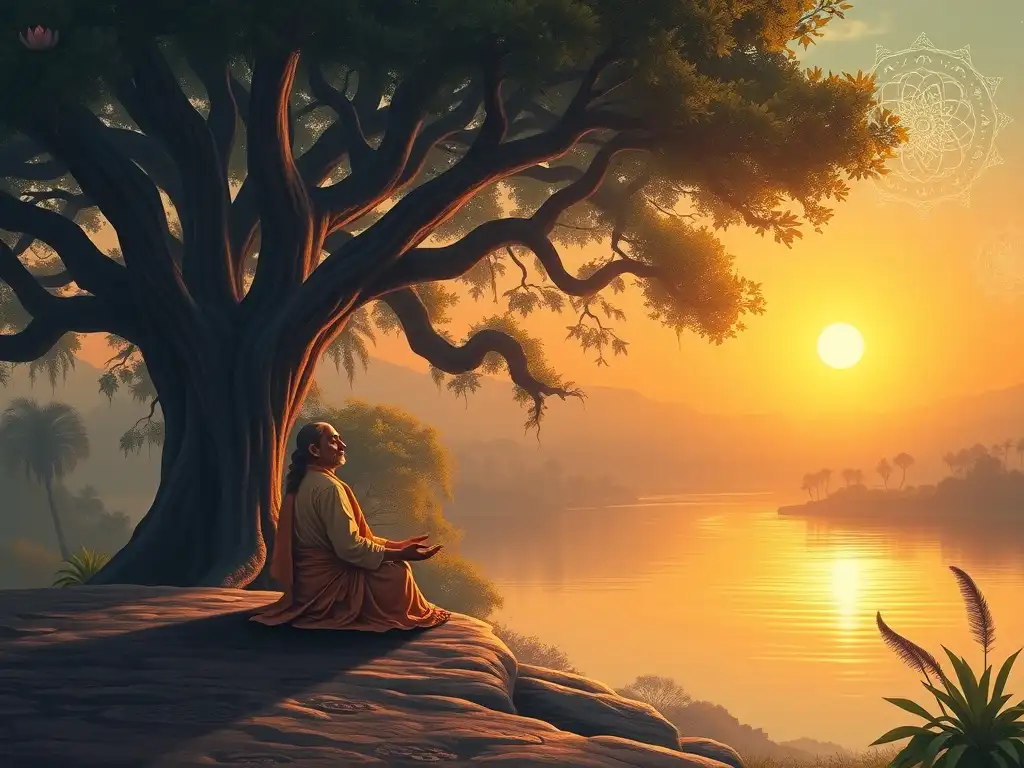
The concept of Brahman profoundly influences Hindu spirituality today, shaping practices, rituals, and beliefs among practitioners. Many modern spiritual movements draw upon the idea of Brahman as an all-encompassing reality, fostering a sense of unity and interconnectedness among diverse religious traditions. This inclusivity is evident in various practices such as:
- Meditation and Mindfulness: Many contemporary Hindus engage in meditation practices that aim to connect with the essence of Brahman, promoting inner peace and self-realization.
- Interfaith Dialogues: The understanding of Brahman as a universal principle has led to increased interfaith dialogues, where spiritual leaders and practitioners share insights about the nature of divinity and existence across different traditions.
- Social Activism: Inspired by the idea of Brahman as the underlying essence of all life, many modern Hindus participate in social activism, advocating for justice, equality, and environmental sustainability.
Conclusion: The Importance of Understanding Brahman
Understanding Brahman is crucial not only for practitioners of Hinduism but also for those interested in exploring the philosophical underpinnings of spirituality and existence. The concept encourages individuals to delve into profound questions about the nature of reality, self, and the universe.
Summary of Key Concepts Related to Brahman in Hindu Philosophy
- Ultimate Reality: Brahman is perceived as the ultimate, unchanging reality that transcends the physical world.
- Unity and Interconnectedness: The philosophy of Brahman emphasizes the oneness of all existence, urging individuals to recognize their connection to the universe.
- Personal Experience: Contemporary interpretations highlight the importance of personal experiences and practices in realizing the essence of Brahman.
Final Thoughts on the Pursuit of Understanding Brahman
The pursuit of understanding Brahman is a lifelong journey that invites individuals to explore the depths of their consciousness and the cosmos. As modern interpretations continue to evolve, the significance of Brahman remains a beacon of wisdom and inspiration, guiding seekers toward greater awareness and spiritual fulfillment. Engaging with this concept not only enriches individual lives but also fosters a deeper appreciation for the rich tapestry of Hindu philosophy and spirituality. Through this understanding, we can cultivate a more harmonious existence, embracing the interconnectedness of all life.
Further Reading and Resources on Brahman in Hindu Philosophy
To gain a deeper understanding of Brahman in Hindu philosophy, it is essential to explore various texts and resources that delve into the intricate concepts surrounding this ultimate reality. The following sections provide recommendations for both traditional texts and modern online resources that can enhance your knowledge of Brahman.
Recommended Texts and Authors on Brahman
- Upanishads:
- The Upanishads are among the most significant texts in Hindu philosophy, containing profound discussions on the nature of Brahman. Key Upanishads, such as the Chandogya Upanishad and the Brihadaranyaka Upanishad, specifically address the concept of Brahman, emphasizing its formless, eternal, and omnipresent characteristics.
- Bhagavad Gita:
- A central text of Hindu philosophy, the Bhagavad Gita offers insights into the relationship between the individual self (Atman) and Brahman. Chapters 13 through 18 particularly focus on the nature of reality and the essence of the ultimate truth.
- Adi Shankaracharya's Writings:
- Adi Shankaracharya, an influential philosopher and theologian, played a crucial role in the development of Advaita Vedanta. His commentaries on the Upanishads, Brahma Sutras, and the Bhagavad Gita provide in-depth interpretations of Brahman and its implications for understanding the self.
- Swami Vivekananda’s Lectures:
- Swami Vivekananda’s writings and lectures on Vedanta discuss the practical implications of understanding Brahman in daily life. His works emphasize the unity of all existence and encourage readers to seek the divine within themselves.
- "The Essence of the Bhagavad Gita" by Swami Satchidananda:
- This book offers a modern interpretation of the Bhagavad Gita, focusing on the concept of Brahman and its relevance in contemporary spirituality.
Online Resources for Deepening Understanding of Brahman
- Stanford Encyclopedia of Philosophy:
- The entry on "Hindu Philosophy" provides a comprehensive overview of the various schools of thought, including detailed discussions on Brahman and its philosophical implications.
- Internet Sacred Text Archive:
- This online archive hosts a wealth of translated texts, including the Upanishads and the Bhagavad Gita, allowing readers to access primary sources and explore the original contexts of these teachings.
- YouTube Lectures and Talks:
- Various scholars and spiritual leaders have shared lectures on Brahman and related concepts. Channels like "The Vedanta Society" offer recorded talks that explain complex ideas in an accessible manner.
- Coursera and edX Courses:
- These platforms often feature courses on Hindu philosophy and religion that cover topics related to Brahman. Look for courses led by reputable universities or professors specializing in Eastern philosophy.
- Podcasts on Hindu Philosophy:
- Podcasts such as "The Hindu Philosophy Podcast" delve into different aspects of Hindu thought, including episodes specifically focused on Brahman and its significance in the spiritual landscape of Hinduism.
By exploring these texts and resources, readers can gain a more nuanced understanding of Brahman in Hindu philosophy, enriching their knowledge of one of the most profound concepts in ancient Indian thought.
Frequently Asked Questions
What is Brahman in Hindu philosophy?
Brahman is considered the ultimate reality and the source of all existence in Hindu philosophy, representing the universal spirit that transcends the material world.
How does Brahman relate to Atman?
In Hindu belief, Atman refers to the individual soul, while Brahman signifies the universal soul. The realization of their unity is a key aspect of Hindu spirituality.
What are the characteristics of Brahman?
Brahman is described as eternal, infinite, and unchanging. It is beyond human comprehension and is often represented in a formless state in various texts.
How does Brahman influence Hindu practices?
Understanding Brahman encourages practices aimed at achieving self-realization and spiritual enlightenment, guiding individuals towards moksha, or liberation from the cycle of rebirth.
What texts discuss the concept of Brahman?
The concept of Brahman is primarily discussed in the Upanishads, which are ancient texts that explore the nature of reality and the relationship between Atman and Brahman.
Final Reflection: Embracing the Essence of Brahman in Our Lives
In exploring the concept of Brahman in Hindu philosophy, we uncover a profound understanding of the ultimate reality that transcends individual existence and connects all beings. Today, as we navigate a world filled with division and chaos, the teachings surrounding Brahman remind us of our shared essence and the interconnectedness of all life. This realization is not just an ancient belief; it is a guiding principle that can foster unity and peace in our modern society.
The influence of Brahman extends beyond religious doctrine; it permeates our cultural and social landscapes, inviting us to reflect on our place within the universe. As we grapple with our identities and the complexities of life, the notion of Brahman encourages us to seek a deeper understanding of ourselves and our relationships with others. The ultimate goal of life is to realize the oneness of all beings in the infinite Brahman.
This perspective not only enriches our spiritual journeys but also inspires a collective consciousness that can lead to greater compassion and empathy in our interactions.
As we conclude this exploration of Brahman, I invite you to reflect on how this concept can shape your personal journey. Consider the ways in which recognizing the interconnectedness of all life can transform your relationships and enhance your sense of purpose. Let the essence of Brahman inspire you to cultivate a deeper awareness of the world around you, fostering a life that honors the unity and divinity inherent in every being. Embrace this wisdom and carry it forward, as we all strive to live in harmony with the ultimate reality that binds us together.
Unveil the Mysteries of Brahman!
Thank you for diving into the profound world of Brahman with us! Your curiosity about this ultimate reality enriches your understanding of Hindu beliefs. Now, it's time to transform that knowledge into action.
Here are a few steps to deepen your exploration of Brahman:
- Immerse yourself in further readings: Delve into classic texts such as the Upanishads and the Bhagavad Gita to grasp the nuances of Brahman.
- Join a discussion group or online community: Engage with others to share insights and learn from different perspectives on spiritual matters.
- Practice mindfulness or meditation: Reflect on the concept of Brahman to cultivate a personal connection with this ultimate reality.
How do you plan to incorporate your understanding of Brahman into your spiritual journey? We invite you to share your thoughts below!