
The Artistic Techniques That Defined Gupta Craftsmanship

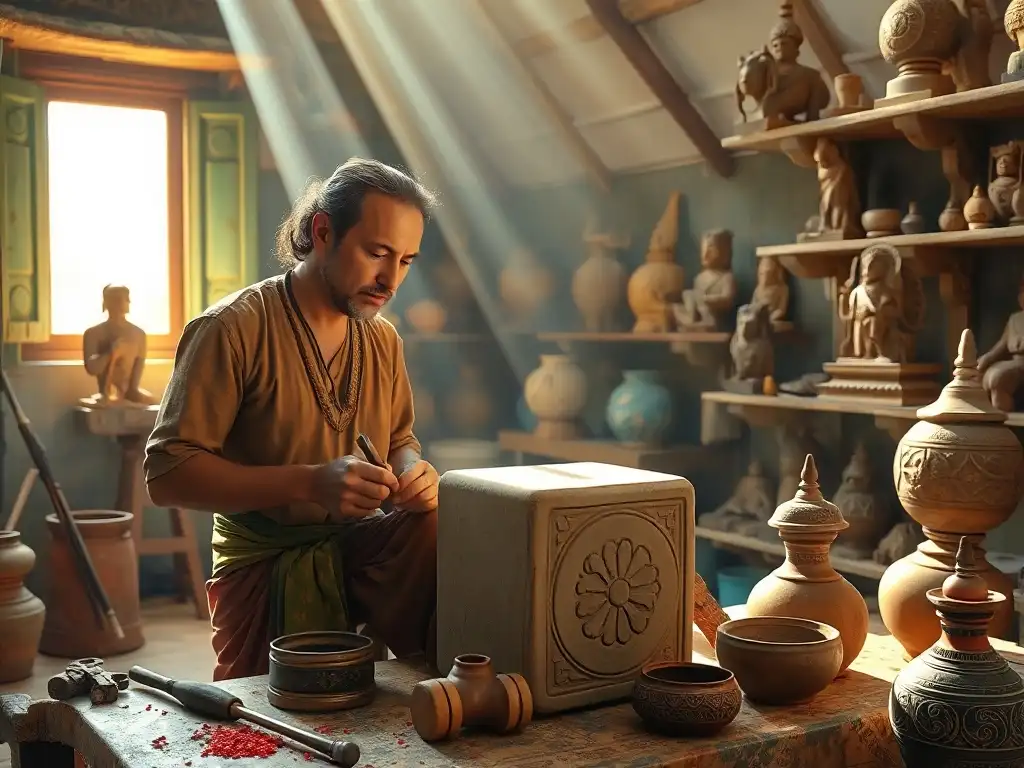
Welcome to Ancient India History, where we embark on a fascinating journey through the vibrant tapestry of ancient Indian civilizations. Today, we delve into the artistic techniques that defined Gupta craftsmanship, revealing the innovative methods and cultural nuances that flourished during this remarkable era. What secrets do the exquisite artifacts of the Gupta Empire hold? Join us as we uncover the artistry and ingenuity that not only shaped a civilization but also left an indelible mark on the world. Prepare to be inspired and intrigued as you explore the depths of India's ancient heritage!
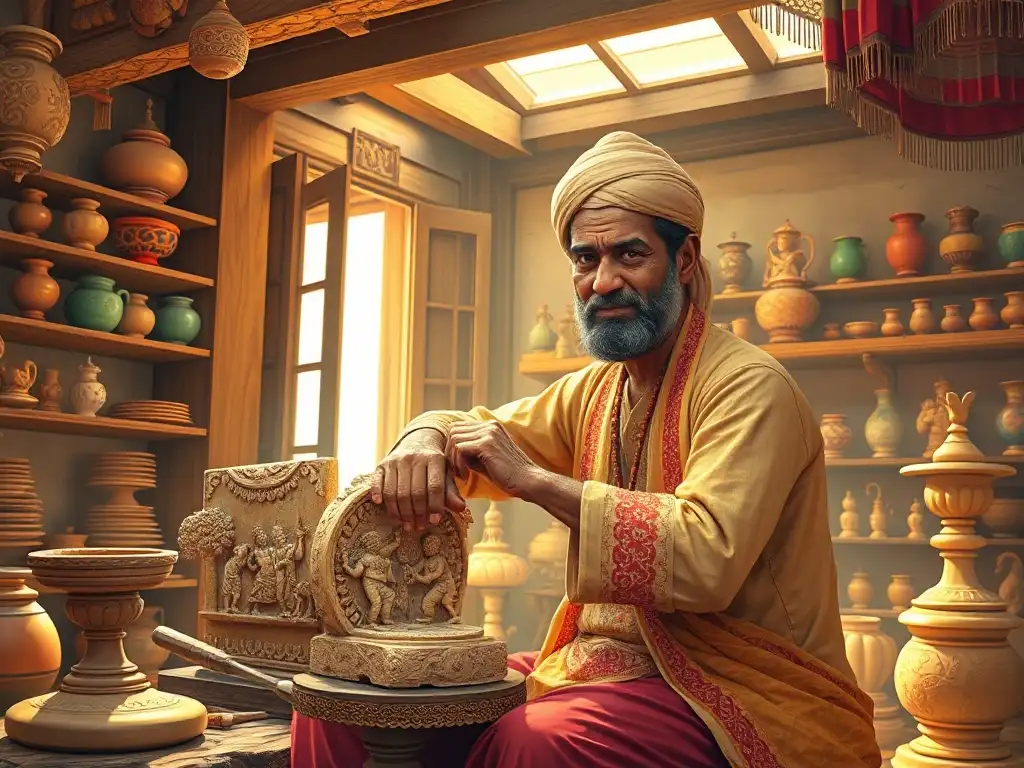
Introduction to Gupta Empire Artistic Techniques
The Gupta Empire, which flourished from approximately 320 to 550 CE, is often hailed as a golden age of Indian culture, marked by significant advancements in art, science, and literature. The artistic techniques that emerged during this period not only reflect the aesthetic sensibilities of the time but also embody the philosophical and spiritual depth of Gupta society. This article delves into the distinctive artistic techniques that defined Gupta craftsmanship, exploring how these methods contributed to the creation of enduring works of art that continue to influence Indian culture today.
Overview of the Gupta Empire and Its Cultural Significance
The Gupta Empire was characterized by a remarkable integration of various cultural influences, leading to a unique synthesis of art forms. With its capital at Pataliputra, the empire extended across much of northern India, encompassing regions that were vital to trade and cultural exchange.
- Cultural Flourishing: The period saw the rise of significant literary works, advancements in mathematics, and groundbreaking contributions to astronomy.
- Patronage of the Arts: Wealthy patrons, including royal families and affluent merchants, played a crucial role in fostering artistic endeavors, leading to the establishment of vibrant schools of art and craft.
This rich cultural milieu laid the groundwork for the sophisticated artistic techniques that would emerge during the Gupta period.
Importance of Artistic Techniques in Gupta Craftsmanship
Artistic techniques in the Gupta Empire were not merely methods of creation; they were essential avenues for expressing the beliefs, values, and identities of the time.
- Symbolism: Many artistic forms were imbued with religious and philosophical symbolism, often connected to Hinduism and Buddhism.
- Skill and Innovation: The mastery of various techniques, including sculpture, painting, and textile weaving, showcased the high level of craftsmanship and innovation that artisans achieved during this era.
These artistic techniques were instrumental in producing works that were not only beautiful but also deeply meaningful, reflecting the complexity of Gupta society.
Key Artistic Techniques in Gupta Craftsmanship
Exploring the artistic techniques that defined Gupta craftsmanship reveals a rich tapestry of creativity and skill. Each medium employed unique methods that contributed to the distinctiveness of Gupta art.
Sculpture Techniques in the Gupta Empire
Sculpture during the Gupta period achieved remarkable sophistication, characterized by intricate detailing and expressive forms.
- Materials Used: Common materials included stone, metal, and terracotta, with sandstone being particularly favored for its workability.
- Techniques:
- Carving and Chiseling: Artisans employed meticulous carving techniques to create lifelike figures and deities.
- Iconography: Sculptures often depicted religious figures, and the attention to anatomical proportions and expressions was revolutionary.
The sculptures from this era not only served religious purposes but also acted as narratives of the socio-political and spiritual life of the Gupta people.
Painting and Mural Techniques of the Gupta Period
Painting flourished as a significant art form in the Gupta Empire, with numerous techniques employed to create vibrant murals and manuscripts.
- Fresco Techniques: Artists used wet plaster to apply colors, a method that allowed for the creation of vivid and long-lasting images.
- Symbolic Color Use: Colors were often symbolic, with specific hues representing various themes and deities.
The Ajanta Caves serve as a prime example of Gupta painting, showcasing elaborate narratives that reflect the spiritual and cultural ethos of the time.
Textile and Weaving Techniques in Gupta Art
Textiles during the Gupta period demonstrated advanced weaving techniques and a rich palette of colors and patterns.
- Materials: Cotton and silk were prevalent, with artisans creating intricate designs that often included religious motifs.
- Techniques:
- Dyeing Methods: The use of natural dyes resulted in vibrant textiles that were both visually appealing and durable.
- Embroidery: Detailed embroidery techniques added layers of texture and artistry to clothing and decorative items.
These artistic techniques in textiles not only catered to aesthetic sensibilities but also played a vital role in trade and cultural exchange across regions within the empire.
Through the exploration of these artistic techniques, we gain insight into the remarkable craftsmanship that defined the Gupta Empire, revealing a legacy that continues to resonate in the realms of art and culture today.
Influences on Gupta Artistic Techniques
The artistic techniques of the Gupta Empire, which flourished from approximately 320 to 550 CE, were shaped by a multitude of influences. These influences included religious ideologies, philosophical thoughts, and interactions with neighboring cultures. The synthesis of these elements contributed to the distinct and sophisticated craftsmanship that characterized Gupta art, often regarded as a golden age in Indian art history. This period saw a remarkable evolution in various artistic forms, including sculpture, painting, and architecture, each reflecting the complexities of the society and its values.
Religious and Philosophical Influences on Gupta Art
Religion played a pivotal role in shaping artistic expression during the Gupta period. The flourishing of Hinduism, Buddhism, and Jainism created a vibrant tapestry of spiritual and philosophical themes that were intricately woven into the art.
- Hinduism: The Gupta era witnessed the creation of numerous temple sculptures and carvings depicting deities like Vishnu, Shiva, and Durga. The artistic representation of gods was not only meant for worship but also aimed to convey moral and spiritual narratives that guided the devotees. The intricate details and expressive forms in these sculptures convey the theological sophistication of the period.
- Buddhism: The period also saw the emergence of beautiful representations of the Buddha and Bodhisattvas. The use of dry plaster techniques in murals, especially in sites like Ajanta, showcases the skillful blend of vibrant colors and intricate detailing, which were used to illustrate Jataka tales—stories of the Buddha’s previous lives.
- Jainism: Jain artistry during this time emphasized simplicity and precision. The crafting of intricate carvings in Jain temples, such as those at Dilwara, reflected the community's emphasis on non-violence and asceticism, demonstrating a unique aesthetic approach that differed from its Hindu and Buddhist counterparts.
Cross-Cultural Exchanges and Their Impact on Gupta Craftsmanship
The Gupta Empire was a hub for trade and cultural exchanges, which significantly influenced its artistic techniques. The empire's strategic location along trade routes facilitated interactions with various cultures, including the Greeks, Persians, and Central Asians.
- Trade and Cultural Exchange: The influx of ideas and artistic styles from these diverse cultures led to the incorporation of new motifs and techniques in Gupta art. For instance, the influence of Hellenistic styles can be seen in the depiction of human forms, characterized by naturalistic proportions and dynamic poses.
- Silk Road Influence: The Silk Road not only facilitated the exchange of goods but also allowed for the transfer of artistic knowledge. Gupta artisans adopted and adapted techniques from far-off lands, enriching their own artistic vocabulary. This blend of local and foreign styles created a unique artistic identity that reflected the cosmopolitan nature of Gupta society.
Legacy of Gupta Empire Artistic Techniques
The artistic techniques developed during the Gupta Empire left an indelible mark on the trajectory of Indian art and culture. Their influence extended far beyond the empire's boundaries, shaping subsequent artistic movements and preserving the essence of Gupta craftsmanship for future generations.
Influence on Subsequent Indian Art Movements
The techniques and styles established during the Gupta period laid the groundwork for various subsequent Indian art movements.
- Post-Gupta Developments: The ornate sculptures and architectural styles of the Gupta era influenced later dynasties, such as the Rashtrakutas and the Chalukyas. The emphasis on intricate carvings and detailed iconography can be seen in the rock-cut temples of Ellora and the elaborate sculptures of Khajuraho.
- Regional Styles: As the Gupta Empire fragmented, regional artistic styles emerged, drawing heavily from Gupta techniques. This resulted in a rich diversity of art forms across India, including the development of distinct painting styles in the Pahari and Rajput schools, which retained elements reminiscent of Gupta artistry.
Preservation and Modern Appreciation of Gupta Artistic Techniques
The legacy of Gupta artistic techniques endures in contemporary culture through various means of preservation and appreciation.
- Archaeological Discoveries: Ongoing excavations and archaeological studies continue to uncover significant Gupta art pieces, helping historians and art enthusiasts understand the complexity of this period. Sites like Ajanta and Ellora remain key to studying Gupta craftsmanship, providing insights into the artistic practices of the time.
- Modern Art Movements: Today, many contemporary Indian artists draw inspiration from Gupta techniques, incorporating elements of sculpture, painting, and design into their works. The revival of interest in traditional crafts and techniques has led to exhibitions and art shows celebrating Gupta artistry, fostering a renewed appreciation for this golden age of Indian art.
The Gupta Empire's artistic techniques not only defined an era of rich artistic expression but also laid the foundation for a vibrant cultural legacy that continues to resonate in modern Indian art and beyond.
Conclusion: The Enduring Impact of Gupta Empire Artistic Techniques
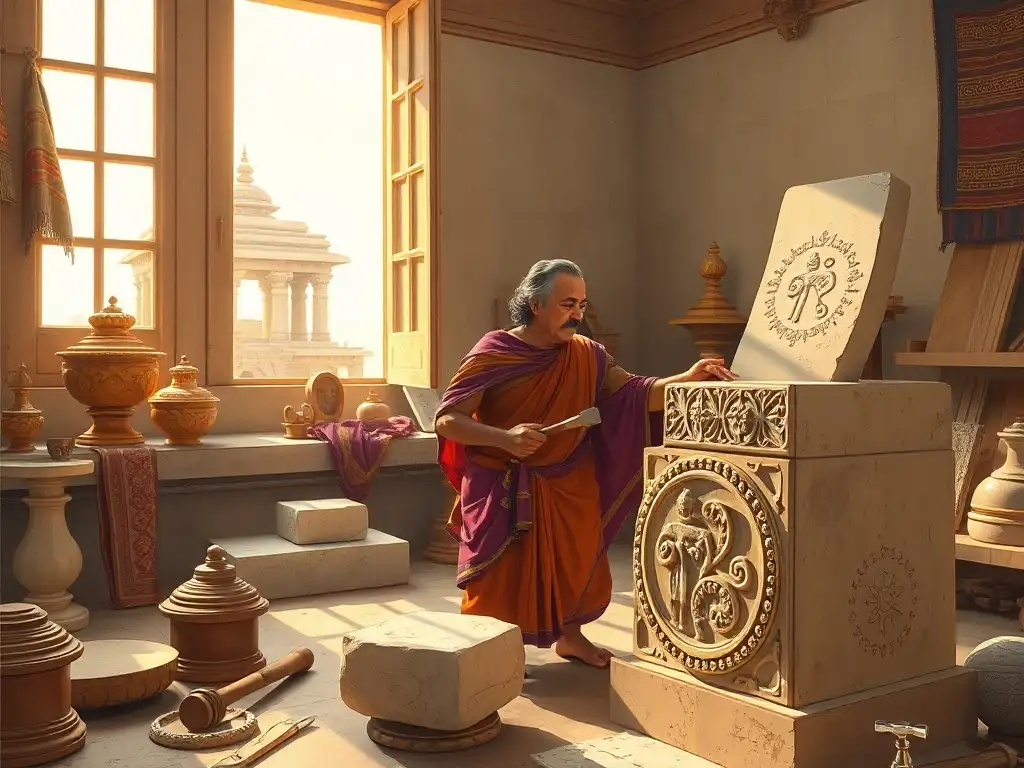
The Gupta Empire, often referred to as the Golden Age of India, is renowned for its remarkable contributions to art and culture, particularly in the realm of craftsmanship. The artistic techniques developed during this era not only reflect the aesthetic sensibilities of the time but also serve as a testament to the sophisticated skills of artisans. These techniques, ranging from intricate sculpture carving to vibrant mural painting, have left an indelible mark on the cultural heritage of India.
The legacy of Gupta artistic techniques continues to influence contemporary art forms and practices. Many of the methods and styles established during this period can be seen in various regional art forms across India today. Moreover, the emphasis on naturalism and the human experience in Gupta art has paved the way for future generations of artists to explore and innovate within these established frameworks.
Summary of Key Points
- Sculptural Excellence: The Gupta period is distinguished by its advanced techniques in sculpture, characterized by detailed carvings and an emphasis on grace and movement. The famous sculptures found in sites like Sarnath and Udayagiri exemplify this artistry.
- Mural Painting: The use of vibrant colors and intricate designs in mural paintings, as seen in the Ajanta Caves, showcases the Gupta artisans' ability to convey narratives and emotions through visual storytelling.
- Metalwork and Jewelry: Gupta craftsmen excelled in metalwork, producing exquisite items such as coins and jewelry that display both technical skill and artistic flair. The use of gold and silver not only highlighted the wealth of the empire but also its artistic sophistication.
- Architectural Innovations: The architectural techniques of the Gupta Empire, including the introduction of brick temples and stupas, represent a significant advancement in construction methods that influenced subsequent architectural styles in India.
- Cultural Syncretism: Gupta artistic techniques often blended indigenous styles with influences from surrounding cultures, leading to a rich tapestry of artistic expression that celebrated diversity and innovation.
Reflection on the Importance of Gupta Craftsmanship in Ancient Indian History
Gupta craftsmanship is a crucial chapter in the narrative of ancient Indian history, representing a period where art flourished alongside advancements in science, philosophy, and governance. The techniques developed during this time not only enhanced the visual landscape of India but also played a significant role in the cultural and spiritual lives of its people.
Artisans of the Gupta Empire were not merely creators; they were custodians of culture, embedding religious and philosophical themes into their works. This integration of art and ideology fostered a deeper understanding of human experiences and narratives, allowing future generations to connect with their heritage.
Moreover, the resilience and adaptability of Gupta artistic techniques underscore their importance in the broader context of Indian civilization. As these techniques evolved and merged with other cultural influences, they contributed to the rich and diverse tapestry of Indian art that continues to inspire and resonate today. The study of Gupta craftsmanship thus provides invaluable insights into the artistic achievements of this period and serves as a reminder of the enduring legacy of ancient Indian civilizations.
- Introduction to Gupta Empire Artistic Techniques
- Key Artistic Techniques in Gupta Craftsmanship
- Influences on Gupta Artistic Techniques
- Legacy of Gupta Empire Artistic Techniques
- Conclusion: The Enduring Impact of Gupta Empire Artistic Techniques
- Summary of Key Points
- Reflection on the Importance of Gupta Craftsmanship in Ancient Indian History
- What are the key characteristics of Gupta Empire artistic techniques?
- How did the Gupta Empire influence modern art?
- What materials were commonly used in Gupta craftsmanship?
- In what ways did religion impact artistic techniques during the Gupta period?
- How can I explore more about the art of the Gupta Empire?
Frequently Asked Questions
What are the key characteristics of Gupta Empire artistic techniques?
The artistic techniques of the Gupta Empire are characterized by intricate sculptures, vibrant frescoes, and detailed metalwork. These techniques reflected the spiritual and cultural richness of the period.
How did the Gupta Empire influence modern art?
The Gupta Empire laid the foundation for many artistic styles that influenced subsequent Indian art forms. Techniques such as stone carving and temple architecture can still be seen in modern practices.
What materials were commonly used in Gupta craftsmanship?
Gupta craftsmanship prominently featured materials like stone, terracotta, and metals. Artists utilized these materials to create durable and exquisite works that still survive today.
In what ways did religion impact artistic techniques during the Gupta period?
Religion played a crucial role in shaping artistic techniques during the Gupta period, as many artworks were created for temple decoration and religious rituals, reflecting the dominance of Hinduism and Buddhism.
How can I explore more about the art of the Gupta Empire?
To explore more about the art of the Gupta Empire, consider visiting museums that showcase ancient Indian artifacts, reading scholarly articles, or accessing online resources dedicated to Indian history and art.
Final Reflection: The Enduring Legacy of Gupta Empire Artistic Techniques
The artistic techniques that flourished during the Gupta Empire are not merely relics of the past; they are a testament to the profound creativity and innovation that continue to resonate in contemporary art and culture. As we explore the intricate craftsmanship of this golden age, we uncover a rich tapestry of skills and styles that have shaped artistic expression throughout history. The legacy of Gupta craftsmanship reminds us that art is a living dialogue, bridging the past and the present, and inspiring future generations.
The influence of Gupta artistic techniques is palpable in today's cultural landscape, where traditional methods are often reinterpreted and celebrated in modern forms. From intricate sculptures to vibrant paintings, the essence of Gupta artistry can be seen in various contemporary art movements that seek to honor and revive ancient practices. As the renowned artist Anish Kapoor once said, Art is a bridge between the past and the future, a way to connect with our heritage while forging new paths.
This connection underscores the importance of preserving and understanding the artistic techniques that have shaped our cultural identity.
As we reflect on the remarkable achievements of the Gupta Empire, I invite you to consider how these artistic techniques can inspire your own creative journey. Take a moment to explore the beauty of craftsmanship in your surroundings and let it ignite your imagination. Whether you are an artist, a historian, or simply an admirer of art, embrace the lessons of the past and allow them to inform your present and future endeavors. The artistic legacy of the Gupta Empire is not just a story of history; it is an invitation to engage with creativity in all its forms.
Unleash Your Creativity & Dive Deeper into Gupta Art!
Thank you for exploring the intricate world of Gupta craftsmanship with us! We hope you gained valuable insights into the artistic techniques that shaped this remarkable era. Now, let’s bring that inspiration to life!
Here are some actions you can take right now:
- Create Your Own Art: Choose a technique you learned, gather some materials, and start crafting a piece inspired by the artisans of the Gupta period.
- Share Your Journey: Showcase your creation on social media using the hashtag #GuptaArtChallenge and connect with fellow art enthusiasts.
- Join a Discussion: Engage in our community forum to share your thoughts on Gupta craftsmanship and exchange ideas with others who are passionate about ancient art.
What artistic technique will you explore first, and how do you envision it influencing your own work?