
The Rise and Fall of the Maurya Empire in Eastern India: A Historical Analysis

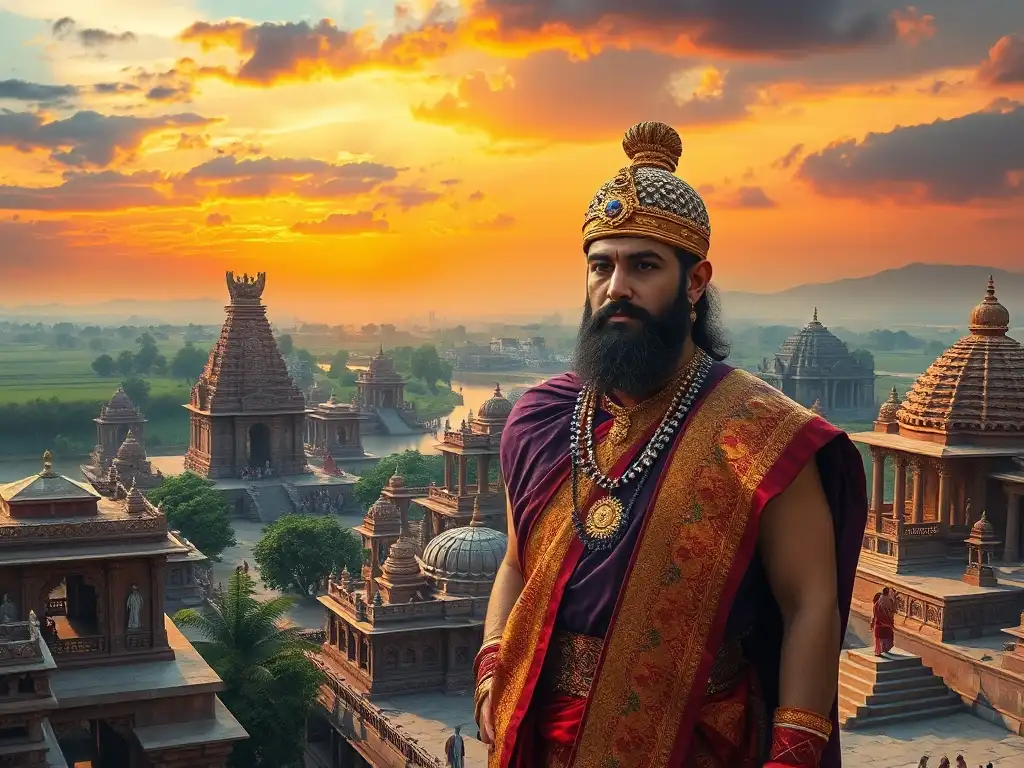
Welcome to Ancient India History, where we embark on a captivating journey through the rich tapestry of ancient Indian civilizations. In our featured article, "The Rise and Fall of the Maurya Empire in Eastern India: A Historical Analysis," we delve deep into the remarkable saga of one of the subcontinent's most influential empires. Discover the complexities of power, culture, and the forces that shaped this illustrious era.
Prepare to be intrigued as we unravel the mysteries behind the rise and eventual decline of the Maurya Empire—an exploration that promises to enlighten and inspire your understanding of India's profound heritage. Dive in and let the history unfold!
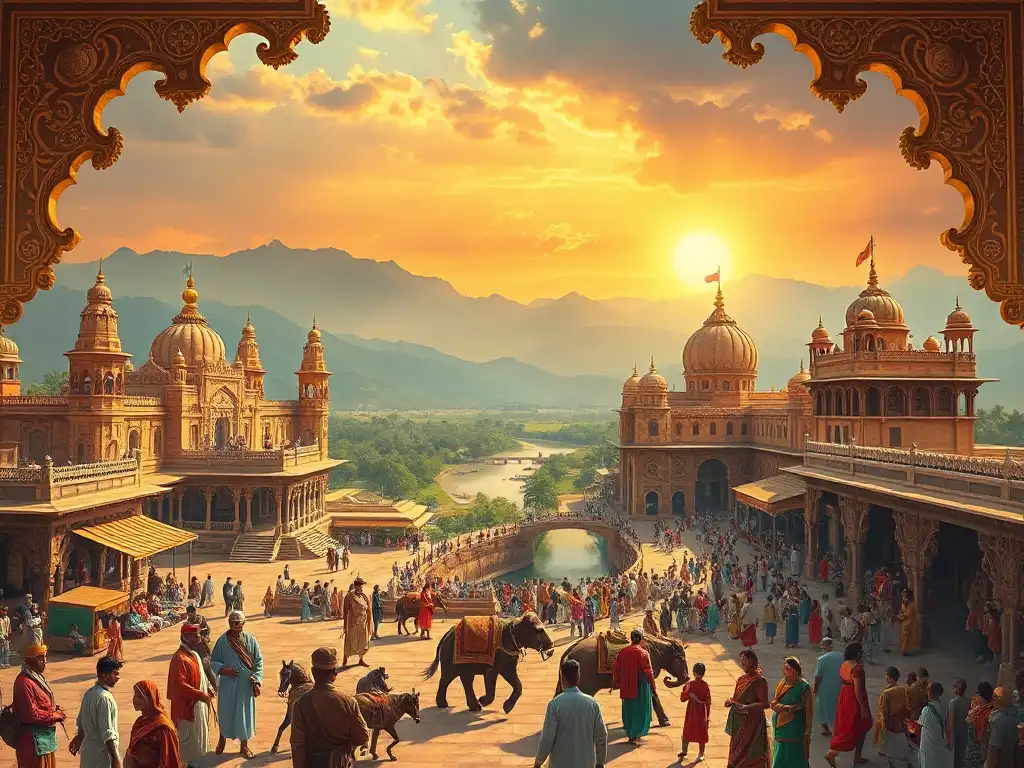
The Maurya Empire stands as one of the most significant and influential empires in the history of Eastern India, marking a pivotal period that shaped the region's cultural, political, and economic landscape. Spanning from approximately 322 BCE to 185 BCE, the empire is renowned for its remarkable achievements in administration, military strategy, and philosophical thought.
This article delves into the complex narrative of the rise and fall of the Maurya Empire, examining its origins, key figures, and eventual decline. Through a detailed historical analysis, we aim to provide insights into how this empire not only unified a significant part of the Indian subcontinent but also laid the groundwork for future civilizations.
Introduction to the Maurya Empire
Overview of the Maurya Empire's Significance in Eastern India
The Maurya Empire is often credited with establishing one of the first centralized and bureaucratically structured states in ancient India. Its significance in Eastern India can be encapsulated in several key aspects:
- Political Unification: The empire played a crucial role in consolidating various smaller kingdoms, fostering a sense of unity among diverse cultures and communities.
- Cultural Flourishing: Under Mauryan rule, there was a notable advancement in art, architecture, and literature, which has left a lasting legacy in Indian culture.
- Economic Development: The Maurya Empire facilitated trade and commerce, enhancing economic prosperity in the region through well-maintained roads and trade routes.
Key Phases in the Rise and Fall of the Maurya Empire
The history of the Maurya Empire can be divided into distinct phases that highlight its dynamic journey:
- The Founding Phase (322-297 BCE): Led by Chandragupta Maurya, this period marked the establishment of the empire and its initial expansion.
- The Consolidation Phase (297-232 BCE): Under the rule of Ashoka the Great, the empire reached its zenith, characterized by political stability and cultural advancements.
- The Decline Phase (232-185 BCE): Following Ashoka's reign, the empire faced challenges that led to its gradual disintegration and eventual fall.
The Rise of the Maurya Empire
Historical Context Leading to the Maurya Empire
Before the rise of the Maurya Empire, Eastern India was fragmented into numerous independent kingdoms and republics. This period was marked by political instability, frequent wars, and cultural diversity. The socio-political landscape of Northern India created the perfect breeding ground for a unifying power, setting the stage for the emergence of the Maurya dynasty.
Chandragupta Maurya: The Founder of the Empire
Chandragupta Maurya, the empire's founder, is a figure of great historical importance. His leadership qualities and strategic acumen enabled him to overthrow the Nanda dynasty and establish the Maurya Empire. Key achievements during his reign include:
- Military Conquests: Chandragupta expanded his territory through a series of successful military campaigns.
- Administrative Innovations: He implemented a robust administrative system that laid the foundation for effective governance.
The Role of Chanakya in the Rise of the Maurya Empire
Chanakya, also known as Kautilya, was an influential philosopher and strategist who played a crucial role in the rise of the Maurya Empire. His contributions included:
- Political Guidance: Chanakya provided Chandragupta with the necessary counsel to navigate the political landscape and consolidate power.
- Writings on Governance: His work, the Arthashastra, is a seminal text on statecraft and economic policy that offers insights into the governance principles of the time.
Through this analysis, we will uncover the intricate details surrounding the rise and fall of the Maurya Empire, shedding light on its remarkable contributions to Eastern India’s history.
Expansion of the Maurya Empire
The expansion of the Maurya Empire is a significant chapter in the history of Eastern India, marked by strategic conquests and diplomatic maneuvers. Founded by Chandragupta Maurya in the late 4th century BCE, the empire quickly grew to encompass a vast territory that extended across northern and central India. This expansion was not solely military; it involved the incorporation of various regions through alliances and negotiations. The Mauryan dynasty utilized both military prowess and astute diplomacy to extend its influence, effectively unifying diverse cultures and practices under one administration.
Chandragupta's initial campaigns focused on subduing the Nanda Empire, which had been a dominant force in the region. Following this, Chandragupta turned his attention to the northwest, where he faced the formidable forces of Alexander the Great's successors. The strategic positioning of the Maurya Empire allowed it to capitalize on the power vacuum left by the Hellenistic influence in the region. Through a series of battles, Chandragupta secured territories that included parts of present-day Afghanistan and Pakistan.
The empire further expanded under the reign of his son, Bindusara, and later his grandson, Ashoka. Ashoka's conquests were particularly notable, as they not only extended the empire's reach but also transformed its governance and cultural identity. By the time of Ashoka's reign, the Maurya Empire had become one of the largest empires in the ancient world, stretching from the Deccan Plateau in the south to the Himalayas in the north.
The Conquests of Bindusara and Ashoka
Bindusara, the son of Chandragupta Maurya, continued the legacy of expansion initiated by his father. His reign saw the consolidation of power over much of the Indian subcontinent, including the annexation of territories in present-day Maharashtra and parts of South India. Notably, Bindusara maintained a relatively peaceful approach to governance, focusing on strengthening the administrative systems that would later benefit Ashoka.
Ashoka's conquests marked a pivotal moment in the history of the Maurya Empire. After ascending to the throne around 268 BCE, Ashoka embarked on ambitious military campaigns, most famously the conquest of Kalinga. This campaign was significant not only for its military success but also for its profound impact on Ashoka's worldview. The brutalities of the Kalinga War deeply affected him, leading to his conversion to Buddhism and a commitment to non-violence and moral governance.
Ashoka’s military strategies relied heavily on the use of war elephants, infantry, and a well-organized supply chain, which enabled him to exert control over distant territories. His efforts in expanding the Maurya Empire are reflected in the numerous edicts and inscriptions that he left behind, which communicated his policies and philosophies to his subjects. These inscriptions have become crucial historical sources for understanding the extent and nature of his rule.
Cultural and Economic Developments During the Rise

The rise of the Maurya Empire was accompanied by significant cultural and economic developments that laid the groundwork for a thriving civilization. The integration of diverse cultures under the Mauryan administration fostered a rich exchange of ideas, art, and commerce. Cities such as Pataliputra became bustling urban centers, characterized by advanced infrastructure, including roads, irrigation systems, and public buildings.
Economically, the Maurya Empire benefited from its extensive trade networks, which connected it to regions as far as the Mediterranean and Southeast Asia. The use of a standardized currency facilitated trade, while the empire’s strategic location at the crossroads of various trade routes allowed for the flourishing of commerce. Agriculture also thrived under Mauryan rule, supported by state-sponsored irrigation projects that optimized crop yields.
Culturally, the Maurya Empire witnessed the patronage of arts and education. Ashoka's embrace of Buddhism led to the construction of stupas and monasteries, which became centers of learning and cultural exchange. The spread of Buddhism under Ashoka’s reign not only influenced religious practices but also contributed to the evolution of Indian philosophy and art. The period is marked by remarkable achievements in sculpture, architecture, and literature, reflecting the diverse influences that shaped the empire.
The Fall of the Maurya Empire
The decline of the Maurya Empire was a complex process influenced by various internal and external factors. By the end of Ashoka’s reign, the empire faced significant challenges that would ultimately lead to its fragmentation. The vastness of the empire made it increasingly difficult to govern effectively, leading to administrative inefficiencies and regional unrest. Following Ashoka's death, the lack of a strong central authority created a power vacuum, encouraging local leaders to assert their autonomy.
Additionally, the economic strain of maintaining such an expansive empire began to take its toll. As trade routes shifted and competition with emerging powers intensified, the Maurya Empire struggled to sustain its economic base. This decline in trade and revenue contributed to social unrest and dissatisfaction among the populace, which further weakened the central authority.
Factors Leading to the Decline of the Maurya Empire
Several key factors contributed to the decline of the Maurya Empire. The vast size of the empire posed significant challenges to governance, leading to difficulties in communication and administration. As local governors began to exercise more power, loyalty to the central authority diminished, resulting in a fragmented political landscape.
Moreover, the succession of weak rulers after Ashoka's death eroded the stability of the empire. The lack of a clear succession plan resulted in infighting among royal factions, which further weakened the political structure. Additionally, external pressures from emerging regional powers, such as the Shunga dynasty, exploited the Mauryan Empire's vulnerabilities, leading to territorial losses.
Economic decline also played a crucial role in the empire's downfall. The disruption of trade routes and the decline in agricultural productivity due to natural disasters diminished the empire's revenue. With a weakened economy, the state struggled to maintain its military and administrative apparatus, ultimately leading to its fragmentation.
The Role of Ashoka's Policies in the Empire's Downfall
Ashoka’s policies, while initially a source of strength, inadvertently contributed to the Maurya Empire’s decline. His commitment to Buddhism and non-violence shifted the focus from military expansion to moral governance, which alienated segments of the military and aristocracy that had thrived under previous militaristic policies. The shift in priorities led to a reduction in military funding and defense capabilities, leaving the empire vulnerable to external threats.
Furthermore, Ashoka’s efforts to promote Buddhism and ethical governance sometimes conflicted with the traditional political and social structures of the time. While his edicts preached tolerance and welfare, they also may have diminished the power of existing religious and social institutions, creating friction among different sects and communities within the empire.
As a result, the very policies that aimed to unify and elevate the Maurya Empire contributed to its fragmentation. The empire's eventual disintegration into smaller kingdoms and regional powers marked the end of an era, showcasing the complex interplay between governance, culture, and social dynamics in the historical narrative of Eastern India.
Legacy of the Maurya Empire
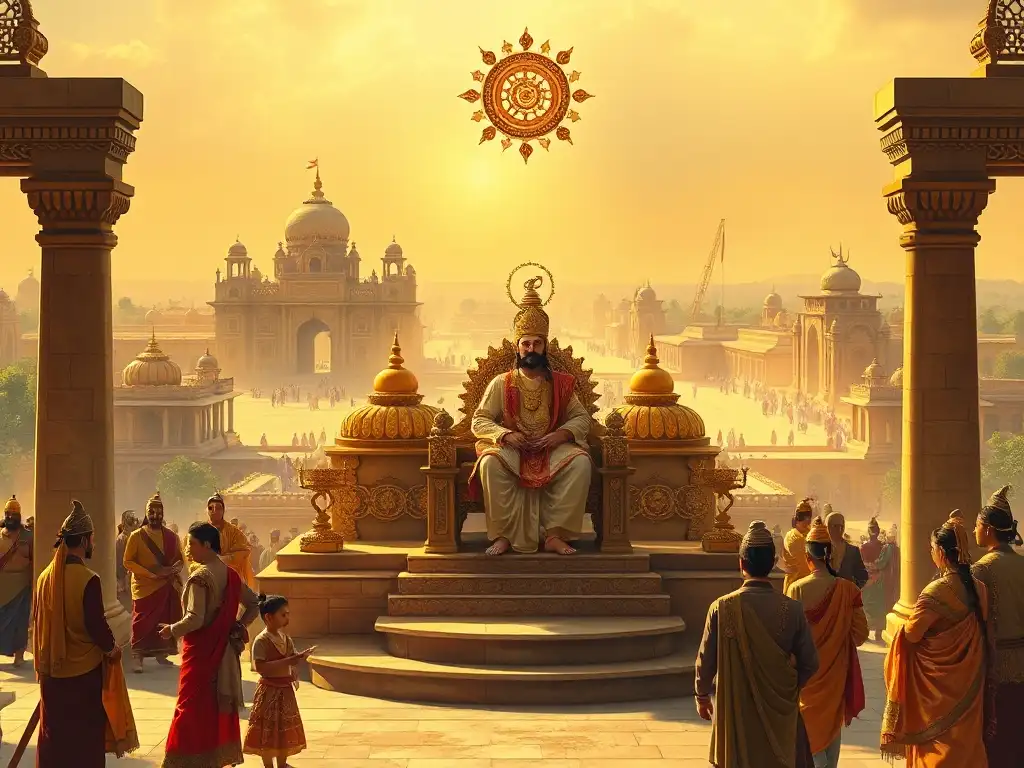
The Maurya Empire, which flourished from 322 BCE to 185 BCE, left an indelible mark on the fabric of Indian history. As one of the largest empires in ancient India, its legacy is multifaceted, influencing political, cultural, and economic frameworks for centuries to come. The centralized governance model established by the Mauryas set a precedent for future Indian states, promoting a sense of unity amidst the vast diversity of the subcontinent.
Moreover, the Maurya Empire's commitment to trade and commerce facilitated the establishment of robust economic networks that connected various regions, thus enhancing cultural exchanges. The empire's administrative efficiency and infrastructure, such as roads and irrigation systems, contributed significantly to agricultural productivity and trade, laying the groundwork for future economic prosperity in Eastern India.
Influence on Subsequent Indian Empires
The political and administrative innovations introduced during the Maurya Empire profoundly influenced subsequent Indian empires, notably the Gupta Empire. The Mauryan practice of appointing governors to oversee different regions provided a blueprint for later administration, ensuring local governance while maintaining central control.
Furthermore, the Mauryan embrace of Buddhism under Emperor Ashoka significantly shaped the spiritual landscape of India and beyond. The spread of Buddhist philosophy and ethics during this period can be seen as a catalyst for the rise of later dynasties that incorporated Buddhist principles into their governance and cultural practices. As such, the legacy of the Maurya Empire is evident in the political structures, religious practices, and cultural developments of subsequent Indian empires.
Cultural Contributions and Historical Significance
The cultural contributions of the Maurya Empire are pivotal in understanding ancient Indian civilization. The period witnessed a flourishing of art, literature, and architecture. The construction of stupas, such as the Sanchi Stupa, exemplifies the architectural prowess of the era, serving both as religious monuments and symbols of the empire’s Buddhist patronage.
In literature, the Arthashastra, attributed to Kautilya (Chanakya), remains a foundational text on statecraft and economic policy, influencing political theory throughout history. The Maurya Empire also fostered an environment where diverse philosophical and religious thoughts coexisted, promoting dialogues that would shape Indian spirituality for generations. This cultural richness and historical significance underscore the empire's role as a crucial chapter in the narrative of Eastern India.
Conclusion: Reflections on the Rise and Fall of the Maurya Empire
The rise and fall of the Maurya Empire offer profound insights into the dynamics of power, governance, and cultural evolution in ancient India. The empire's initial expansion and consolidation reflect a remarkable achievement in unifying a diverse array of groups under a centralized authority. However, its eventual decline highlights the complexities of sustaining such an expansive empire amidst challenges like political fragmentation, economic pressures, and social unrest.
Lessons Learned from the Maurya Empire's History
The history of the Maurya Empire instructs modern observers on the importance of adaptability and local governance in maintaining unity within a diverse population. The empire's reliance on a strong administrative framework and effective communication systems were critical to its success, showing that well-structured governance can facilitate growth and integration.
Moreover, the Mauryan experience underscores the necessity of addressing internal dissent and economic disparities. The factors contributing to its decline resonate with contemporary governance challenges, suggesting that the lessons of the past remain relevant for present and future leaders.
The Enduring Legacy of the Maurya Empire in Eastern India
The Maurya Empire's legacy endures in Eastern India through its lasting impact on culture, religion, and governance. The region continues to reflect the architectural and artistic styles that originated during this period, while the philosophical and ethical frameworks established by figures like Ashoka resonate in contemporary Indian society.
Moreover, the principles of governance and administration developed during the Maurya Empire serve as historical touchstones for understanding the evolution of regional politics in Eastern India. As such, the Maurya Empire remains a vital part of the historical narrative, enriching the cultural tapestry of India and providing a foundation upon which future civilizations were built.
References
The study of the Maurya Empire is enriched through various historical texts, archaeological findings, and scholarly interpretations. These references provide a foundation for understanding the complexities surrounding the rise and fall of this significant empire in Eastern India. Key works and resources are highlighted below, offering insights into the political, cultural, and economic aspects of the Maurya period.
Suggested Readings on the Maurya Empire
-
"The Maurya Empire: A History" by Romila Thapar
This book provides a comprehensive overview of the Maurya Empire, focusing on its establishment, expansion, and eventual decline. Thapar's analysis incorporates archaeological evidence and historical texts, making it an essential read for understanding the political dynamics of the period.
-
"Ashoka: The Search for India's Lost Emperor" by Charles Allen
Allen delves into the life of Emperor Ashoka, one of the most prominent rulers of the Maurya Empire. The book explores his transformation from a warrior to a proponent of Buddhism, offering insights into the cultural and spiritual dimensions of the empire.
-
"The Mauryan Empire" by R. S. Sharma
This work examines the administrative structure and economic systems of the Maurya Empire, providing a detailed account of its governance and societal organization.
-
"History of Ancient India" by V. R. S. Rao
Rao's book places the Maurya Empire within the broader context of ancient Indian history, making connections with preceding and subsequent civilizations. It serves as a valuable resource for understanding the empire's legacy.
-
"The Great Empires of the Ancient World" by David M. Schiller
This book includes a chapter dedicated to the Maurya Empire, comparing its rise and fall with other great empires. It provides a comparative perspective that enriches the understanding of the Maurya's historical significance.
Key Historical Sources and Texts
-
Arthashastra by Kautilya (Chanakya)
This ancient treatise on statecraft and military strategy contains valuable insights into the political and economic policies that underpinned the Maurya Empire. Kautilya's work is crucial for understanding the governance and administrative practices of the time.
-
Indica by Megasthenes
Written by the Greek ambassador to the Maurya court, this text offers a foreign perspective on the empire, detailing its culture, society, and economy. Megasthenes' observations provide a unique view of the interactions between Eastern and Western civilizations during the Maurya period.
-
Puranas
These ancient texts, particularly the Vishnu Purana and the Bhagavata Purana, contain references to the Maurya Empire and its rulers. They provide insights into the religious and mythological aspects of the period, contributing to the understanding of the empire's cultural context.
-
Jataka Tales
Although primarily Buddhist literature, these fables contain stories that reflect the socio-political environment of the time, including the influence of the Maurya Empire on Buddhist thought and practice.
-
Inscriptions of Ashoka
The edicts inscribed by Emperor Ashoka across his empire serve as primary sources documenting his policies, particularly his promotion of Buddhism and moral governance. These inscriptions are critical for understanding the ideological shifts during the Maurya Empire.
These references and suggested readings form a robust framework for exploring the rise and fall of the Maurya Empire, highlighting its historical significance in Eastern India and its lasting impact on the region's cultural landscape.
- Introduction to the Maurya Empire
- The Rise of the Maurya Empire
- Expansion of the Maurya Empire
- The Conquests of Bindusara and Ashoka
- Cultural and Economic Developments During the Rise
- The Fall of the Maurya Empire
- Factors Leading to the Decline of the Maurya Empire
- The Role of Ashoka's Policies in the Empire's Downfall
- Legacy of the Maurya Empire
- Conclusion: Reflections on the Rise and Fall of the Maurya Empire
- References
Frequently Asked Questions
What was the Maurya Empire and its significance in ancient India?
The Maurya Empire was a powerful ancient Indian empire that existed from 322 to 185 BCE, known for its political unification and influential leaders like Chandragupta Maurya and Ashoka.
What factors contributed to the rise of the Maurya Empire?
The rise of the Maurya Empire was largely due to military conquests, effective administration, and the strategic leadership of Chandragupta Maurya, which allowed for the unification of India.
What were the key achievements during the Maurya Empire?
Key achievements include the establishment of a centralized administration, advancements in trade, the spread of Buddhism under Ashoka, and the creation of a vast network of roads and infrastructure.
What led to the fall of the Maurya Empire?
The fall of the Maurya Empire resulted from a combination of weak leadership, internal strife, economic decline, and invasions, leading to its disintegration by the end of the 2nd century BCE.
How did the Maurya Empire influence later Indian civilizations?
The Maurya Empire laid the foundation for future Indian empires through its administrative practices, promotion of religion, and cultural developments, influencing the political landscape for centuries to come.
Final Reflection: The Enduring Legacy of the Maurya Empire
The rise and fall of the Maurya Empire serves as a powerful reminder of the complexities of power, governance, and cultural evolution. In today’s world, where empires and nations continue to rise and fall, the lessons from the Maurya Empire resonate profoundly. The intricate tapestry of its achievements and eventual decline offers insights into the cyclical nature of history and the factors that contribute to the sustainability of great civilizations. As we navigate our own societal challenges, understanding these historical patterns can guide us toward more informed decisions.
The Maurya Empire's influence on the cultural and social landscape of India is still palpable today. From the spread of Buddhism to advancements in governance and trade, the legacy of this great empire continues to shape contemporary Indian society. The lessons learned from its rise and fall remind us of the importance of unity, vision, and adaptability in leadership. As historian Romila Thapar once said, "> History is not just about the past; it is a guide to the present and future." This perspective encourages us to reflect on how the past informs our current realities and future possibilities.
As we conclude this exploration of the Maurya Empire, I invite you to reflect on your own life and the empires you build—be they personal, professional, or communal. Consider what lessons from the rise and fall of the Maurya Empire can be applied to your own journey. Embrace the idea that every rise carries the potential for a fall, and every fall offers a chance for rebirth. Let the legacy of the Maurya Empire inspire you to strive for greatness while remaining grounded in the values that sustain enduring success.
Unveil the Legacy of the Maurya Empire!
Thank you for diving into the fascinating journey of the Maurya Empire with us! You've explored the triumphs and tribulations of this remarkable civilization, uncovering valuable insights into its historical impact. Now, it's time to take your intrigue further and engage with this rich legacy.
Here are a few powerful next steps you can take:
- Join our online discussion forum to connect with fellow history enthusiasts and share your thoughts on the Maurya Empire's influence on modern India.
- Explore additional resources related to ancient Indian civilizations by visiting our resource page for articles, documentaries, and interactive content.
- Challenge yourself by researching a lesser-known figure from the Maurya period and sharing your findings with our community!
What aspects of the Maurya Empire resonate with you the most, and how do you believe its history continues to shape our world today?