
The Legacy of the Chola Dynasty: A Case Study in Artistic and Cultural Exchange

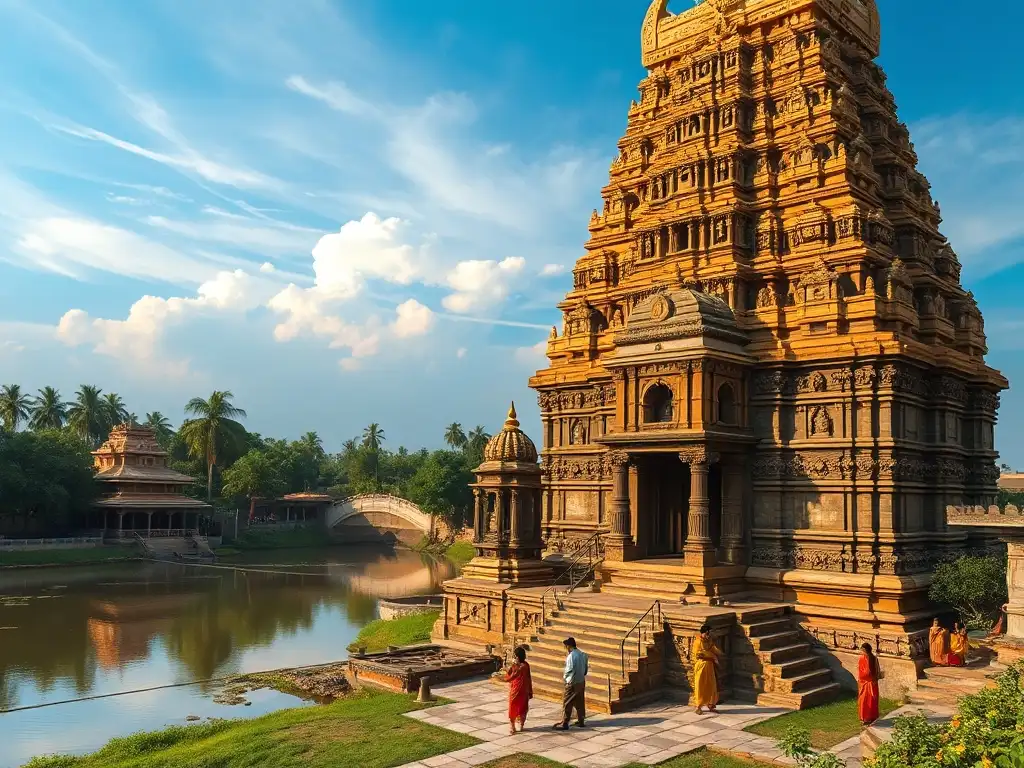
Welcome to Ancient India History, where we embark on a fascinating journey through the rich tapestry of India's past. In this exploration, we delve into the Chola Dynasty, a remarkable period noted for its profound cultural contributions and artistic innovations. Discover how the Chola rulers not only shaped their own empire but also facilitated dynamic exchanges that influenced regions far beyond their borders.
Join us as we unpack the legacy of the Chola Dynasty in our featured article, "The Legacy of the Chola Dynasty: A Case Study in Artistic and Cultural Exchange," and uncover the enduring impact of this illustrious civilization on the world stage. Your adventure into the depths of ancient history starts here!
Introduction to the Chola Dynasty
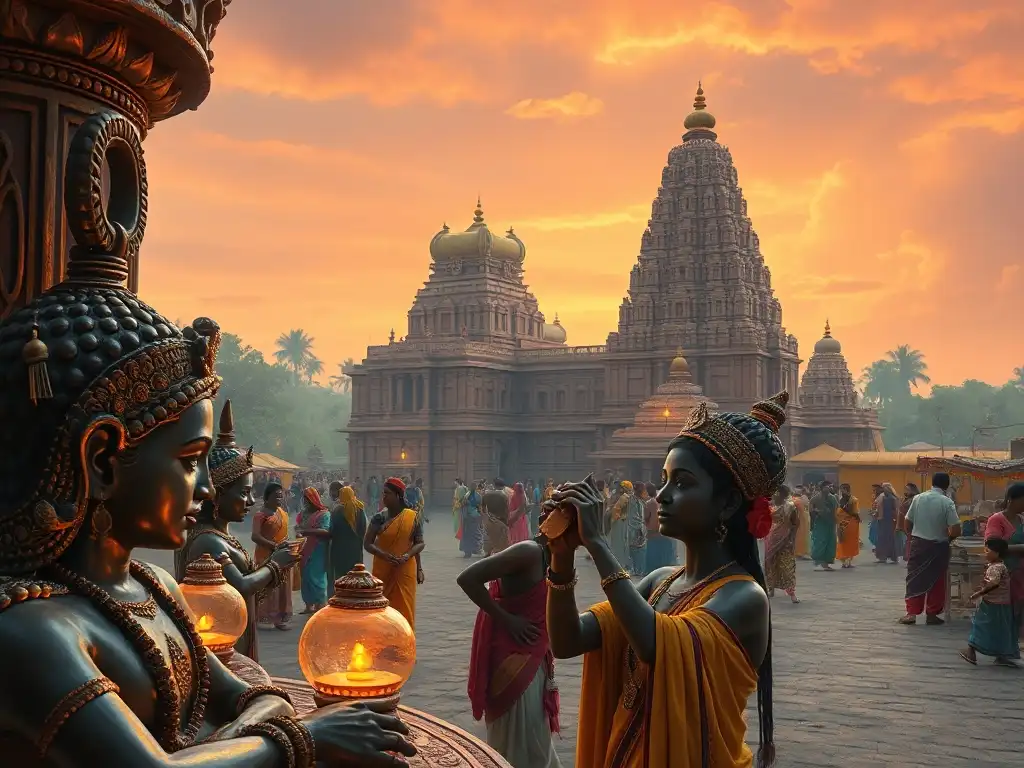
The Chola Dynasty, one of the longest-ruling dynasties in South Indian history, is renowned for its remarkable contributions to art, culture, and architecture that have profoundly influenced the Indian subcontinent. Spanning from approximately the 9th to the 13th centuries, the Chola Empire not only expanded its territorial reach across southern India but also fostered a vibrant cultural milieu characterized by artistic innovation and cultural syncretism.
This period witnessed the flourishing of various art forms that were instrumental in shaping the cultural landscape of ancient India. In this article, we will explore the Chola Dynasty's cultural contributions, focusing on their artistic endeavors and the exchange of ideas that transcended regional boundaries.
Overview of the Chola Dynasty and Its Timeline
The Chola Dynasty's roots can be traced back to the early medieval period, with its prominence rising during the reign of Rajaraja Chola I (985–1014 CE) and continuing under his successors, including Rajendra Chola I. The dynasty was characterized by:
- Territorial Expansion: The Cholas extended their influence beyond the Deccan Plateau, reaching parts of Southeast Asia, including modern-day Indonesia and Malaysia.
- Political Structure: A well-organized administrative system allowed for effective governance, facilitating trade and cultural exchanges.
- Military Prowess: The Chola navy was one of the most formidable in the region, enabling maritime trade and cultural interaction.
This timeline not only highlights the political achievements of the Chola rulers but also sets the stage for understanding their substantial cultural impact.
Importance of Cultural Contributions in Ancient India
Cultural contributions during ancient times were pivotal in shaping the identity and heritage of civilizations. The Chola Dynasty exemplifies this through its artistic endeavors that served as a medium for expressing religious devotion, societal values, and regional identity. Key aspects include:
- Art as a Reflection of Society: The intricate artistry found in Chola temple architecture and sculpture reflects the socio-religious beliefs of the time.
- Cultural Exchange: The interactions between various cultures facilitated the sharing of artistic techniques, styles, and philosophical ideas, enriching the overall cultural tapestry of ancient India.
- Legacy of Influence: The Chola artistic style has had a lasting impact on subsequent generations, influencing regional art forms and architectural styles across India and beyond.
Artistic Contributions of the Chola Dynasty
The artistic contributions of the Chola Dynasty are notable for their sophistication and innovation, with particular emphasis on temple architecture and sculpture. These forms of art not only served religious purposes but also acted as symbols of the dynasty's power and cultural richness.
Temple Architecture and Design
Chola temple architecture is distinguished by its grand scale and intricate design, characterized by:
- Dravidian Style: The temples exhibit a unique blend of Dravidian architectural elements, featuring towering vimanas (temple towers) and elaborate mandapas (pillared halls).
- Notable Temples: The Brihadeeswarar Temple at Thanjavur, a UNESCO World Heritage Site, stands as a testament to the architectural prowess of the Cholas, showcasing their ability to integrate functionality with aesthetic appeal.
- Symbolism and Artistry: Temples were often adorned with intricate carvings depicting deities, mythological scenes, and daily life, reflecting both religious devotion and artistic talent.
Sculpture and Bronze Work
The Chola Dynasty is particularly acclaimed for its mastery in sculpture and bronze work, which played a significant role in their cultural contributions:
- Bronze Statues: The Cholas perfected the technique of lost-wax casting, allowing for the creation of exquisite bronze sculptures, such as the famous Nataraja (dancing Shiva) that symbolizes the cosmic dance of creation and destruction.
- Sculptural Detail: The attention to detail and fluidity in the sculptures demonstrate the artisans' skills and the dynasty's rich cultural heritage.
- Cultural Significance: These artworks not only served religious purposes but also acted as mediums for storytelling, conveying narratives that resonate with both historical and contemporary audiences.
The legacy of the Chola Dynasty, particularly in terms of its cultural contributions, continues to inspire admiration and study, highlighting the profound impact of artistic and cultural exchanges in ancient India.
Cultural Exchange During the Chola Dynasty
The Chola Dynasty, which thrived from the 9th to the 13th centuries CE in southern India, was a pivotal force in fostering cultural exchange across regions. Their expansive empire, which extended to parts of Southeast Asia, facilitated interactions with various cultures, leading to a rich tapestry of artistic and cultural syncretism. The Cholas were not only formidable warriors but also astute traders and patrons of the arts, which allowed them to absorb and disseminate diverse cultural elements.
This period of cultural exchange was characterized by the amalgamation of local traditions with influences from foreign lands, particularly through trade and conquest. The Chola rulers actively engaged in maritime trade, establishing connections with regions such as Southeast Asia, China, and the Arabian Peninsula. This not only enhanced their economic stature but also opened avenues for cultural dialogue, resulting in unique artistic expressions that reflected a blend of indigenous and external influences.
Trade Routes and Economic Influence
The Chola Dynasty's control over key trade routes was instrumental in their economic success and cultural interactions. The dynasty's navy dominated the South Indian seas, facilitating trade with regions like the Malay Archipelago, Sri Lanka, and beyond. This maritime prowess allowed them to import exotic goods, ideas, and artistic influences, which were then integrated into their local practices.
For instance, the flourishing trade of spices, textiles, and precious stones attracted merchants from various cultures, leading to the establishment of vibrant trading ports such as Nagapattinam and Kaveripattinam. These ports became melting pots of cultural exchange, where ideas about art, architecture, and religion intermingled. The wealth generated from these trade activities also enabled the Chola kings to commission monumental temples and sculptures that reflected both local aesthetics and foreign stylistic elements.
The economic influence of the Chola Dynasty extended beyond mere trade; it fostered a cultural milieu that embraced diversity and innovation. As merchants and travelers from different regions settled in Chola territory, they brought with them distinct customs and artistic traditions, further enriching the cultural landscape.
Influence of Other Cultures on Chola Art
Chola art is a testament to the dynasty's openness to external influences, particularly from Southeast Asia and other neighboring cultures. The intricate bronze sculptures, known as "Chola bronzes," are celebrated for their exquisite craftsmanship and dynamic forms, often depicting Hindu deities such as Shiva and Parvati. These sculptures exhibit stylistic features that suggest influences from South-East Asian artistic traditions.
Moreover, the Chola temples, with their towering gopurams (gateway towers) and elaborate carvings, reflect a synthesis of architectural styles. The influence of Dravidian architecture is evident, yet elements reminiscent of Khmer and other Southeast Asian designs can also be observed. The use of narrative reliefs in temple sculptures often drew inspiration from stories and motifs prevalent in neighboring cultures, illustrating the Cholas' ability to adapt and incorporate various artistic expressions into their own canon.
This cultural exchange was not a one-way street; as the Chola art style permeated other regions, it also inspired local artists in Southeast Asia, particularly in the Khmer Empire, where Chola motifs can be seen in temple architecture and sculpture. This reciprocal influence highlights the Chola Dynasty's significant role in the broader context of cultural transmission and artistic evolution.
The Role of Religion in Chola Cultural Contributions
Religion was a cornerstone of the Chola Dynasty's cultural contributions, significantly influencing their artistic endeavors and societal structure. The Cholas were staunch patrons of Hinduism, which became a central theme in their art and architecture. The dynasty’s relationship with religion not only shaped its cultural identity but also facilitated interactions with other religious traditions, resulting in a rich confluence of ideas and artistic expressions.
Hinduism and Its Artistic Manifestations
Hinduism flourished under the Chola reign, leading to the construction of magnificent temples that served both as places of worship and as showcases of artistic achievement. The Brihadeeswarar Temple in Thanjavur, a UNESCO World Heritage Site, epitomizes the architectural brilliance of the Chola period. Its grand scale and intricate sculptures convey deep religious narratives, illustrating the dynasty's devotion to Hindu deities.
The artistic manifestations of Hinduism during the Chola Dynasty are notable for their dynamism and expressiveness. The bronze sculptures, often used in temple rituals, exemplify the technical mastery of Chola artisans. These works not only served religious purposes but also reflected the socio-political power of the dynasty, as kings commissioned grand representations of divine figures to assert their divine right to rule.
Moreover, the Cholas utilized art as a means to propagate religious narratives, with temple inscriptions and carvings depicting mythological stories and hymns. This emphasis on Hindu themes facilitated a sense of communal identity and spiritual connectivity, reinforcing the cultural fabric of the Chola Empire.
Buddhism and Jainism Influence
While Hinduism was the dominant religion, Buddhism and Jainism also played significant roles in shaping Chola cultural contributions. The Chola rulers, particularly during the early phases of their dynasty, showed a degree of tolerance towards these religions, which is evident in the art and architecture of the period.
Buddhist influence can be seen in some of the rock-cut caves and sculptures commissioned during the Chola era. The artistic techniques used in these works, such as intricate carvings and serene depictions of Buddha, demonstrate the blending of Buddhist iconography with traditional Chola styles. Additionally, the Chola dynasty's engagement with Buddhist traders and monks further facilitated cultural exchange, enriching the artistic landscape.
Jainism also left its mark on Chola art, particularly in the form of stone sculptures and temples dedicated to Jain Tirthankaras. The presence of Jain communities within the Chola territory contributed to a rich dialogue between Hindu and Jain artistic traditions, leading to a unique synthesis that characterized the period.
The Chola Dynasty's cultural contributions were deeply intertwined with their religious practices, enabling a vibrant exchange of ideas, artistic forms, and traditions. This dynamic interplay between Hinduism, Buddhism, and Jainism not only shaped the Chola artistic landscape but also left a lasting legacy that continues to inspire and inform the understanding of ancient Indian civilization today.
The Legacy of Chola Dynasty Cultural Contributions
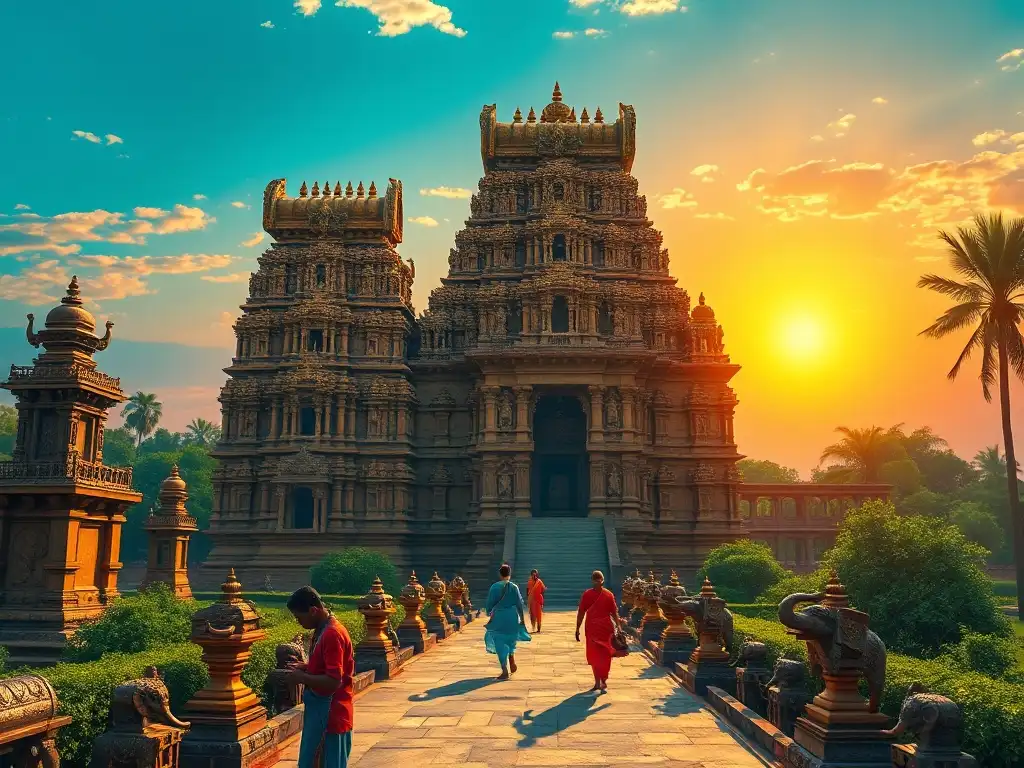
The Chola Dynasty, which flourished in Southern India from the 9th to the 13th centuries, is renowned for its remarkable contributions to art, architecture, literature, and culture. This dynasty not only advanced the political landscape of ancient India but also played a crucial role in fostering artistic and cultural exchanges across regions. The Chola rulers were known for their patronage of the arts, which led to a unique synthesis of local and foreign influences, resulting in a rich cultural legacy that has endured for centuries.
Through their extensive maritime trade networks, the Cholas engaged with Southeast Asia, particularly with regions like present-day Indonesia, Malaysia, and Thailand. This interaction facilitated the dissemination of Indian cultural practices, religious beliefs, and artistic styles, creating a reciprocal influence that shaped both Indian and Southeast Asian cultures. The Chola legacy is encapsulated in their exquisite temple architecture, bronze sculptures, literature, and the promotion of dance and music, all of which reflect a blend of indigenous and external elements.
Lasting Impact on Indian Art and Architecture
The Chola Dynasty is particularly celebrated for its architectural achievements, with the Brihadeeswarar Temple in Thanjavur serving as a prime example. Completed in 1010 CE, this UNESCO World Heritage Site showcases the grandeur of Dravidian architecture, characterized by towering vimanas (temple spires), intricate carvings, and expansive courtyards. The temple not only stands as a testament to the engineering prowess of the Cholas but also illustrates the artistic fervor that pervaded their era.
In addition to temple architecture, the Cholas excelled in bronze sculpture, creating lifelike representations of deities, which became a hallmark of South Indian art. The "Nataraja" statue, depicting the dancing Shiva, is one of the most iconic representations of this genre, symbolizing the dynamic nature of creation and destruction. These bronze sculptures are not merely artistic endeavors; they also reflect spiritual beliefs and serve ceremonial purposes, thereby embedding religious narratives within the artistic tradition.
The Chola influence extended beyond their borders, impacting the architectural styles and artistic practices in Southeast Asia. Temples built in places like Cambodia and Indonesia exhibit Chola architectural elements, signifying the dynasty’s far-reaching cultural impact.
Preservation of Chola Heritage
The preservation of Chola heritage is evident in the continued reverence for their temples and art forms. Many Chola temples remain active places of worship, where rituals and festivals are performed, maintaining the cultural practices established during the dynasty. Furthermore, traditional art forms such as Bharatanatyam, a classical dance that evolved under Chola patronage, continue to thrive today, reflecting the dynasty's enduring influence on the performing arts.
Scholarly research and cultural organizations have also played a vital role in documenting and preserving Chola contributions. Museums and academic institutions focus on the study of Chola art and architecture, ensuring that the legacy of this remarkable dynasty is not only preserved but also celebrated in contemporary discourse.
Conclusion
The Chola Dynasty's cultural contributions represent a critical chapter in the history of artistic and cultural syncretism in ancient India. Their achievements in art, architecture, and literature have left an indelible mark on the Indian cultural landscape.
Summary of the Chola Dynasty's Cultural Contributions
The Chola Dynasty’s cultural contributions encompass a dynamic interplay of local traditions and external influences. Their architectural innovations, particularly the construction of monumental temples and exquisite bronze sculptures, are testaments to their artistic legacy. Moreover, the dynasty's engagement with Southeast Asia facilitated a vibrant exchange of ideas and practices, enriching both Indian and regional cultures.
The Importance of Understanding Artistic and Cultural Exchange in Ancient India
Understanding the artistic and cultural exchanges during the Chola Dynasty is crucial for grasping the complexity of ancient Indian civilization. Such exchanges highlight the fluidity of cultural boundaries and the ways in which societies adapt and transform through interaction. By studying these contributions, we gain insight into the interconnectedness of ancient cultures and the enduring impact of the Chola Dynasty on the artistic and cultural heritage of India and beyond. Recognizing these legacies fosters a greater appreciation for the rich tapestry of human civilization and the role of cultural exchange in shaping collective identities.
References
The Chola Dynasty, renowned for its cultural contributions and artistic legacy, has been extensively studied across various platforms. The following references provide valuable insights into the dynasty's impact on art, architecture, and cultural exchanges:
-
Books
-
"The Chola Dynasty: A Cultural History" by R. Nagaswamy
This comprehensive book delves into the artistic achievements and cultural practices of the Chola period, offering an in-depth analysis of their contributions to temple architecture and sculpture.
-
"Chola: The Art of the Tamil Kings" by K. R. Srinivasan
This work focuses on the artistic expressions during the Chola reign, highlighting their influence on contemporary and future art forms.
-
-
Journals
-
"Journal of South Asian Studies"
This journal often features articles on the Chola Dynasty, exploring topics ranging from political history to cultural interactions with Southeast Asia.
-
"Artibus Asiae"
An international journal that publishes research on Asian art, including significant studies on Chola art and its cultural implications.
-
-
Online Resources
-
Digital South Asia Library
This platform offers a wealth of primary sources, images, and scholarly articles related to the Chola Dynasty, facilitating research into its cultural contributions.
-
The Archaeological Survey of India
The official website provides access to reports and findings related to archaeological sites from the Chola period, shedding light on their artistic and architectural advancements.
-
-
Documentaries and Lectures
-
"Chola Temples: A Journey Through Time" (Documentary)
This documentary provides visual insights into the architectural marvels created during the Chola era, emphasizing their significance in cultural exchange.
-
"Cultural Heritage of the Chola Dynasty" (Lecture Series)
A series of lectures available online that discuss the various aspects of Chola culture, including art, architecture, and trade.
-
Suggested Readings and Resources on the Chola Dynasty and Cultural Exchange
For those interested in further exploring the Chola Dynasty and its cultural contributions, the following readings and resources are recommended:
-
"Chola Sculpture: The Splendor of the Divine" by Vidya Dehejia
This book presents a detailed examination of Chola sculpture, focusing on divine representations and their significance in the cultural landscape.
-
"The Influence of Indian Art on Southeast Asia" by John Guy
This text provides a broader context of how the Chola Dynasty influenced regional artistic traditions, particularly in Southeast Asia, highlighting the cultural syncretism that occurred.
-
"Trade and Cultural Exchange in the Chola Empire" by K. V. Rao
This scholarly article discusses the economic and cultural exchanges facilitated by the Chola Dynasty, revealing how trade routes contributed to the dissemination of artistic ideas.
-
Online Collections
-
National Museum, New Delhi
The museum's online collection features artifacts from the Chola period, including sculptures and inscriptions that reflect the artistic advancements of the time.
-
Asian Art Museum
The museum hosts exhibitions and digital resources related to Chola art, providing a global perspective on its influence and legacy.
-
These resources collectively offer a comprehensive understanding of the Chola Dynasty's cultural contributions and their role in fostering artistic and cultural exchange both within India and beyond.
- Introduction to the Chola Dynasty
- Artistic Contributions of the Chola Dynasty
- Cultural Exchange During the Chola Dynasty
- The Role of Religion in Chola Cultural Contributions
- The Legacy of Chola Dynasty Cultural Contributions
- Conclusion
- References
- What are the major cultural contributions of the Chola Dynasty?
- How did the Chola Dynasty influence artistic exchange in ancient India?
- What role did temple architecture play in Chola culture?
- How did the Chola Dynasty contribute to the spread of languages and literature?
- In what ways did the legacy of the Chola Dynasty impact subsequent Indian cultures?
Frequently Asked Questions
What are the major cultural contributions of the Chola Dynasty?
The Chola Dynasty is renowned for its artistic advancements, particularly in temple architecture and bronze sculptures, which greatly influenced later Indian art forms.
How did the Chola Dynasty influence artistic exchange in ancient India?
The Chola Dynasty facilitated cultural exchange through their extensive trade networks, which promoted the sharing of artistic techniques and styles with neighboring regions, especially Southeast Asia.
What role did temple architecture play in Chola culture?
Temple architecture was central to the Chola Dynasty, showcasing their religious devotion and serving as a medium for artistic expression, with temples like the Brihadeeswarar Temple exemplifying their grandeur.
How did the Chola Dynasty contribute to the spread of languages and literature?
The Chola Dynasty supported the development of Tamil literature and promoted the use of Sanskrit, leading to a flourishing of poetry and philosophy during their reign.
In what ways did the legacy of the Chola Dynasty impact subsequent Indian cultures?
The cultural contributions of the Chola Dynasty laid the groundwork for future Indian dynasties, influencing art, architecture, and literature, and continuing to inspire cultural practices in modern India.
Final Reflection: Embracing the Cultural Tapestry of the Chola Dynasty
The Chola Dynasty's cultural contributions resonate profoundly in today's globalized world, reminding us that artistic and cultural exchange is not merely a historical phenomenon but a continuous thread that weaves through our modern identities. The legacy of the Chola Dynasty serves as a powerful testament to the enduring impact of cultural interactions, illustrating how creativity knows no boundaries and can flourish across diverse societies.
Celebrating the Chola Dynasty's artistic achievements encourages us to appreciate the rich tapestry of cultural influences that shape our world today. The intricate dance forms, architectural marvels, and exquisite bronze sculptures are not just relics of the past; they are living reminders of a time when art transcended borders and fostered connections. As the historian R. Nagaswamy aptly stated, "The Chola period was a golden age of cultural synthesis, where the arts flourished through the exchange of ideas and traditions."
As we reflect on the Chola Dynasty's legacy, let us be inspired to embrace our own roles as conduits of cultural exchange. Consider how you can contribute to the ongoing dialogue between cultures in your community. Whether through art, music, or shared experiences, each of us has the power to honor the past while shaping a more interconnected future. Engage with the world around you, and remember that every interaction is an opportunity to enrich the cultural landscape we inhabit together.
Unleash the Legacy: Embrace Chola Culture Today!
Thank you for diving into the fascinating world of the Chola Dynasty with us! You've explored a rich tapestry of artistic and cultural exchange that has shaped not only India but also the global heritage. Now, it’s time to take that knowledge and turn it into action.
Here are a few exhilarating steps you can take to immerse yourself deeper into this incredible legacy:
- Explore local museums or exhibitions featuring Chola art and culture to witness its beauty firsthand.
- Share your newfound knowledge with friends—host a discussion or a small gathering to unveil the intriguing stories of the Chola Dynasty.
- Consider trying your hand at traditional Chola art forms, such as bronze casting or temple architecture, through online workshops or community art classes.
What aspect of Chola culture are you most excited to discover or share with others?