
The Importance of Oral Traditions in Preserving India’s Artistic Heritage

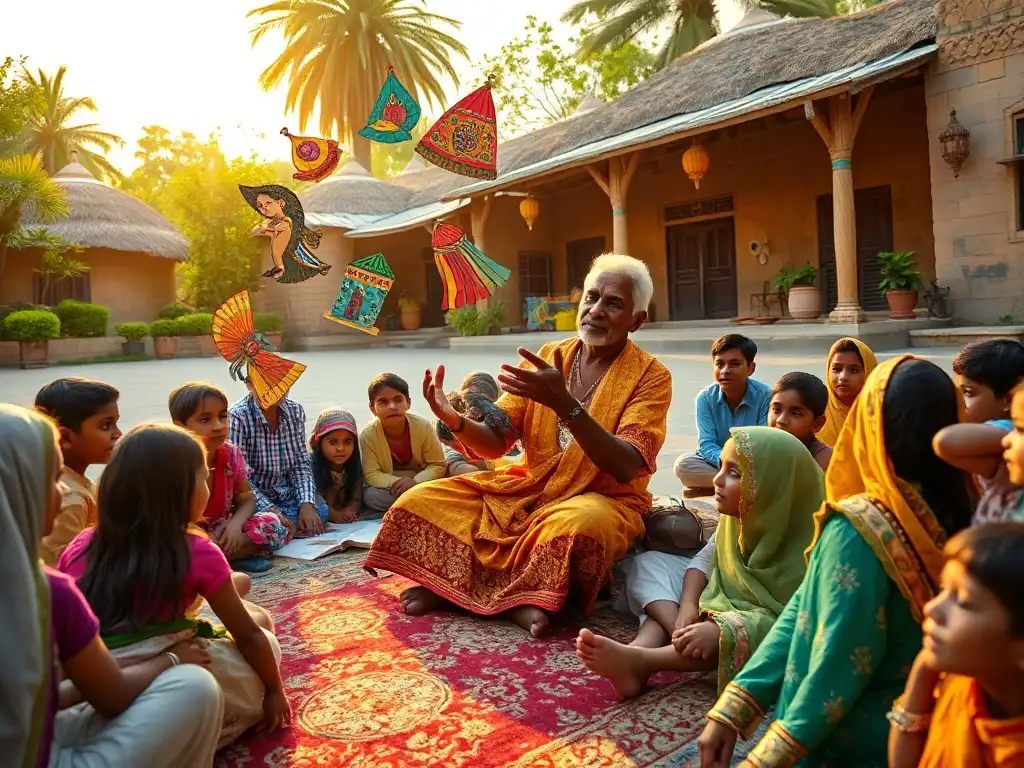
Welcome to Ancient India History, where we embark on a captivating journey through the rich tapestry of India’s past. Here, you will uncover the fascinating role of oral traditions in Indian art, a vital thread that weaves together the narratives, emotions, and heritage of ancient civilizations. As we delve into the importance of these traditions in preserving artistic legacies, you’ll discover how stories and expressions have transcended time and continue to shape cultural exchanges.
Join us as we explore the vibrant history that has influenced generations and sparked creativity across the ages. Dive deeper to reveal how these age-old traditions still resonate in today's artistic landscape!
Introduction to Oral Traditions in Indian Art
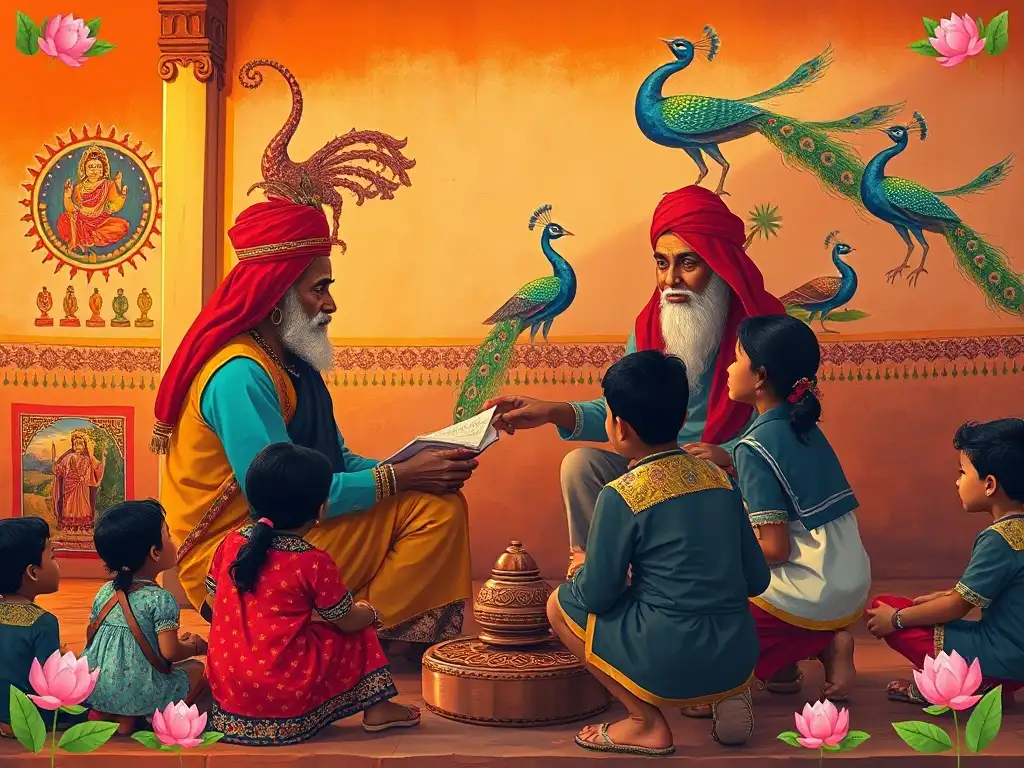
Oral traditions play a crucial role in preserving the rich tapestry of India's artistic heritage, serving as a bridge between generations and cultures. These traditions encompass a wide array of practices, including storytelling, music, dance, and various forms of visual art that have been handed down verbally through countless generations.
In the context of Indian art, these oral traditions not only encapsulate the aesthetic values and cultural narratives of diverse communities but also contribute to the broader understanding of India's historical and cultural identity. By delving into the significance of these traditions, we can appreciate how they shape and influence the artistic expressions that define India's vibrant heritage.
Definition of Oral Traditions
Oral traditions refer to the practices of passing down stories, beliefs, songs, and art forms through spoken word rather than written texts. This method of transmission is integral to many cultures worldwide, particularly in societies where literacy rates may be low or where oral storytelling is deeply embedded in community life. In India, oral traditions encompass a myriad of genres, including folklore, folk songs, and traditional narratives that encapsulate moral lessons, historical events, and cultural values.
Significance of Oral Traditions in Cultural Context
The significance of oral traditions in the cultural context of India cannot be overstated. They serve as a repository of collective memory, preserving the wisdom and experiences of ancestors. Oral traditions foster community bonds, as storytelling often takes place in communal settings, reinforcing social cohesion. Moreover, these traditions are dynamic; they evolve with each retelling, allowing them to adapt to contemporary contexts while maintaining their core essence. Thus, they play a vital role in sustaining cultural identity, particularly in the face of globalization.
Overview of Indian Artistic Heritage
Indian artistic heritage is a rich amalgamation of various influences, styles, and techniques that have evolved over millennia. From the intricate carvings of ancient temples to the vibrant folk paintings of rural communities, Indian art reflects the diverse cultural landscape of the subcontinent. The contributions of different civilizations, such as the Indus Valley, Maurya, Gupta, and Mughal empires, have left an indelible mark on India's artistic expressions. Oral traditions not only enrich this heritage but also ensure its continuity by passing down knowledge of techniques, symbolism, and cultural significance.
Historical Context of Oral Traditions in Indian Art
Evolution of Oral Traditions from Ancient Times
The evolution of oral traditions in Indian art can be traced back to ancient times when storytelling and artistic expression were integral to religious and cultural practices. Early forms of literature, such as the Vedas and Puranas, were composed orally before being transcribed, highlighting the historical reliance on oral transmission. Furthermore, various art forms, including classical dance and music, have roots in oral traditions, with techniques and performances passed down through generations.
Influence of Oral Traditions on Artistic Expressions
Oral traditions have profoundly influenced artistic expressions across India. For instance, the folk narratives that accompany traditional painting styles such as Warli and Madhubani are often rooted in oral storytelling. These art forms serve not only as decorative expressions but also as visual storytelling mediums that convey cultural myths, social messages, and historical events. The interplay between oral narratives and visual arts helps to create a holistic understanding of Indian culture, where each enhances the other.
Key Historical Figures in Oral Art Forms
Throughout history, numerous figures have played pivotal roles in the preservation and evolution of oral traditions in Indian art. Notable poets, storytellers, and musicians have contributed significantly to the richness of this heritage. For example, Tulsidas, a 16th-century poet-saint, is renowned for his epic poem "Ramcharitmanas," which has been transmitted orally in various forms, influencing countless artists and performers.
Similarly, the legendary folk singer, Gurdas Maan, has revitalized Punjabi folk music, drawing inspiration from oral traditions and ensuring their relevance in contemporary society. These figures exemplify the enduring nature of oral traditions and their vital role in fostering artistic creativity in India.
The Role of Oral Traditions in Artistic Practices
Oral traditions play a fundamental role in the artistic practices of India, serving as vessels for cultural transmission and creative expression. These traditions encompass storytelling, music, dance, and other forms of performance that are passed down orally through generations. The vibrancy of Indian art is deeply intertwined with these oral accounts, which not only preserve historical narratives but also inspire contemporary artistic expressions. By engaging with oral traditions, artists can connect with their cultural roots, ensuring that the essence of their heritage is maintained and celebrated.
The oral transmission of knowledge allows for the dynamic evolution of art forms, enabling them to adapt to changing societal contexts while retaining core themes and motifs. This fluidity enhances the richness of Indian art, as artists draw from a vast reservoir of stories, melodies, and rhythms—each reflecting the diverse experiences and identities within the subcontinent. Thus, oral traditions are not merely relics of the past; they are living practices that continue to shape the artistic landscape of India.
Storytelling as an Artistic Medium
Storytelling in India transcends mere narration; it is an intricate art form that combines various elements such as performance, music, and visual arts. This multifaceted approach transforms stories into immersive experiences, captivating audiences and fostering a deep emotional connection. Traditionally, storytellers—known as "kathakars"—utilize a range of techniques, from vocal intonation to physical gestures, to convey the richness of their narratives.
In many regions, storytelling is accompanied by visual aids, such as shadow puppetry or traditional paintings, which help illustrate the tale being told. These visual components not only enhance the storytelling experience but also serve as artistic expressions in their own right. For instance, the art of "Patua" from West Bengal employs scroll paintings that depict stories from mythology or folklore, merging oral tradition with visual artistry. This synergy between storytelling and visual arts exemplifies the holistic nature of Indian artistic practices, where each element enriches the other.
Oral Narratives in Traditional Indian Dance
Dance forms in India, such as Bharatanatyam, Kathak, and Odissi, are deeply rooted in oral traditions. These classical dance styles often convey narratives derived from mythology, epics, and folklore, transforming oral stories into a visual and kinetic experience. The choreography is intricately linked to the rhythms and themes of the accompanying music, which is often based on traditional poetic forms.
For example, Bharatanatyam dancers use hand gestures (mudras) to depict specific characters and emotions, effectively narrating a story without words. This unique integration of oral narratives into dance not only preserves the stories themselves but also offers a means for cultural expression and identity. As dancers perform these traditional narratives, they keep the stories alive, passing them on to future generations while infusing their performances with personal interpretation and contemporary relevance.
Music and Oral Traditions in Indian Art
Music serves as a crucial component of oral traditions in Indian art, providing a rich tapestry of sounds that encapsulate cultural narratives. Various genres of Indian music, from classical to folk, are deeply embedded in storytelling and ritualistic practices. These musical forms often draw upon historical events, mythological tales, or social customs, creating an auditory representation of cultural heritage.
In many folk traditions, songs are sung during festivals, weddings, and other communal gatherings, reinforcing collective identity and shared history. The interplay between music, lyrics, and performance allows for a dynamic exploration of themes such as love, valor, and spirituality. For instance, the "Baul" music of Bengal conveys profound spiritual messages through simple yet poignant lyrics, highlighting the connection between oral traditions and artistic expression.
Types of Oral Traditions and Their Impact on Indian Art
The diversity of oral traditions across India has a profound impact on its artistic expressions. These traditions can be classified into various types, each contributing uniquely to the rich tapestry of Indian art. Understanding these categories helps to appreciate how they inform and inspire visual and performing arts.
Folk Tales and Their Artistic Representations
Folk tales are an essential facet of Indian oral traditions, often featuring local heroes, moral lessons, and mythical creatures. These narratives are frequently illustrated in art forms such as paintings, textiles, and sculptures. Each region of India has its distinct style of storytelling, which is reflected in the artistic representations of these tales.
For example, the "Madhubani" paintings of Bihar often depict scenes from folk tales, using vibrant colors and intricate patterns to bring the stories to life. These artistic representations not only preserve the narratives but also promote cultural identity and continuity, as they are shared and celebrated through generations.
Myths and Legends in Visual Arts
Myths and legends form a significant part of India's cultural fabric, influencing various visual art forms. From ancient sculptures in temples to modern interpretations in contemporary art, these stories are depicted through diverse mediums. The narratives often explore themes of creation, destruction, and the human experience, providing a rich source of inspiration for artists.
For instance, the intricate carvings found in Khajuraho temples illustrate tales from the "Mahabharata" and "Ramayana," encapsulating moral and philosophical themes. Such artworks serve not only as religious symbols but also as historical records of the cultural values and beliefs that shaped ancient Indian society.
Rituals and Performative Arts as Oral Traditions
Rituals in Indian culture are often accompanied by performative arts that rely heavily on oral traditions. These rituals, which can be religious or secular in nature, provide a platform for artistic expression through dance, music, and drama. Each performance is a re-enactment of stories that are orally transmitted, reinforcing the significance of these narratives in communal life.
For example, the "Ramlila," a traditional performance depicting the life of Lord Rama, incorporates drama, dance, and music, engaging the audience in a spiritual and cultural experience. This performative art not only entertains but also educates and strengthens communal bonds, showcasing the enduring legacy of oral traditions in preserving India’s artistic heritage.
Case Studies of Oral Traditions Preserving Artistic Heritage
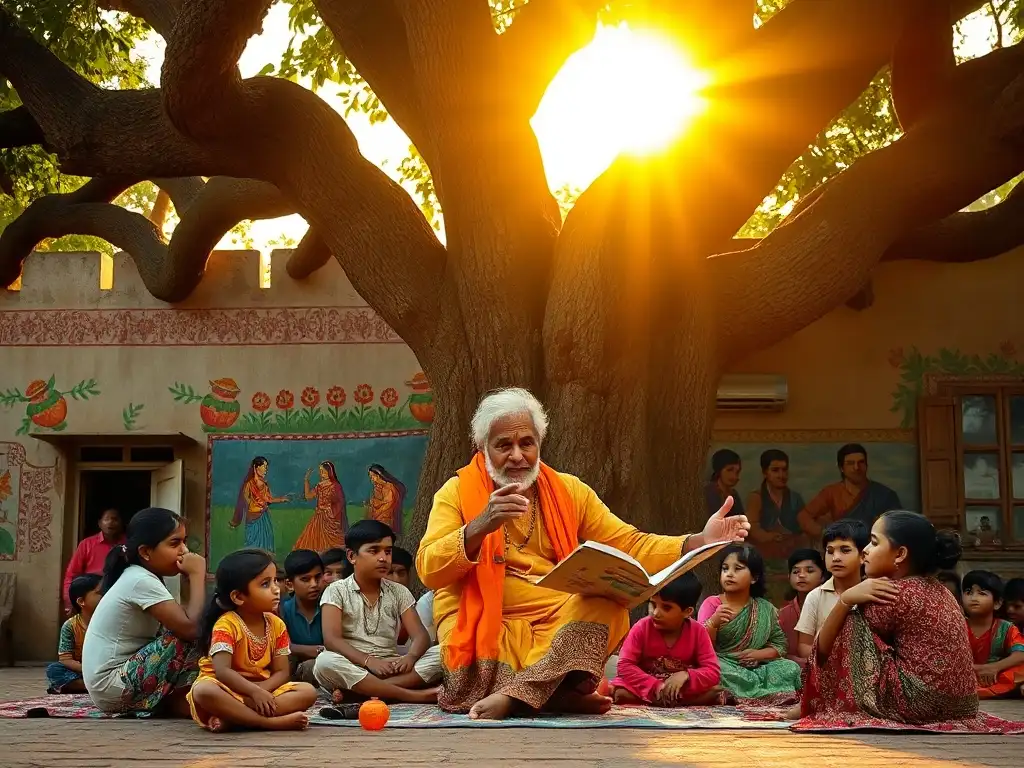
Oral traditions have played a pivotal role in the preservation of India's artistic heritage, serving as a bridge between generations. Case studies from various regions of India illustrate how these traditions have sustained artistic practices, ensuring that they remain vibrant and relevant in contemporary society. For example, the Warli tribal community of Maharashtra relies heavily on oral storytelling to pass down their unique style of painting, which depicts daily life, nature, and the cosmos. Elders share tales that not only teach the younger generation about their heritage but also inspire new artworks that reflect both tradition and contemporary themes.
Another significant case study is seen in the Madhubani paintings of Bihar, where artists draw upon oral narratives from folklore and mythology. These stories are often recited during the painting process, creating a dynamic interplay between narrative and visual art. This integration of oral tradition ensures that the themes prevalent in Madhubani art remain connected to the cultural identity of the community.
Analysis of Specific Art Forms (e.g., Warli Painting)
Warli painting, an indigenous art form practiced by the Warli tribe, exemplifies the significance of oral traditions in artistic expression. These paintings, characterized by their use of simple geometric shapes, depict scenes from everyday life, rituals, and nature. The stories narrated alongside the creation of these artworks convey deep cultural meanings and serve as a means of education for the younger members of the tribe.
The artistic process is often communal, with elders guiding the youth through the stories and techniques involved in the painting. This not only fosters a sense of community but also ensures that the oral traditions surrounding Warli painting are kept alive. As the artists innovate and incorporate contemporary themes, they continue to draw upon the rich tapestry of oral narratives, showcasing the adaptability of this art form while preserving its roots.
Examples of Regional Variations in Oral Traditions
India's vast cultural landscape gives rise to regional variations in oral traditions that significantly influence artistic practices. For instance, in the Pahari region of Himachal Pradesh, the Gaddi community employs oral storytelling to enhance their folk paintings, which often feature vibrant colors and intricate designs reflecting local legends and folklore.
In contrast, the Pattachitra art form of Odisha is deeply intertwined with the oral recitation of mythological stories. Artists are trained in both visual techniques and the art of storytelling, allowing them to create works that are not only visually stunning but also rich in narrative depth. These regional variations highlight how oral traditions adapt to local contexts, enriching the artistic heritage of India while preserving unique cultural identities.
Impact of Oral Traditions on Contemporary Art Forms
The influence of oral traditions extends into contemporary art forms, where artists draw inspiration from the narratives passed down through generations. Many modern artists are reinterpreting traditional themes and techniques, infusing them with contemporary perspectives while honoring the oral histories that inform their work.
For example, artists like Subodh Gupta and Bharti Kher blend traditional motifs with modern artistic practices, creating pieces that resonate with both historical significance and contemporary relevance. This fusion not only keeps oral traditions alive but also allows for a broader dialogue about identity, culture, and history in the modern world.
Challenges Facing Oral Traditions in Indian Art
Despite their importance, oral traditions in Indian art face numerous challenges that threaten their continuity and relevance.
Modernization and Its Effects on Traditional Practices
The rapid pace of modernization has led to significant changes in lifestyle, particularly in rural communities where oral traditions thrive. Urban migration and the influence of technology have resulted in a dilution of traditional practices, as younger generations may prioritize modern forms of entertainment and communication over their cultural heritage. This shift can lead to a loss of the storytelling traditions that underpin many artistic expressions.
Loss of Oral Narratives in Contemporary Society
As societies evolve, the oral narratives that once played a crucial role in community bonding and cultural education are at risk of being forgotten. The decline in the use of indigenous languages and the dominance of global languages can diminish the transmission of stories, leading to a disconnection from the artistic practices that these narratives support. This loss poses a significant threat to the richness of Indian art, as many art forms are deeply rooted in the oral traditions of the communities from which they originate.
Efforts to Revitalize Oral Traditions
Recognizing the importance of oral traditions, various initiatives are underway to revitalize these practices. Organizations focused on cultural preservation are working to document oral histories and promote traditional storytelling through workshops and community events. Additionally, artists and educators are collaborating to create programs that bring younger generations into contact with their cultural heritage, ensuring that the oral narratives continue to flourish alongside artistic expressions.
Efforts such as these not only aim to preserve the traditions but also encourage a renewed appreciation for the role of oral storytelling in the continued evolution of Indian art, reinforcing the ties between past and present.
Conclusion: The Future of Oral Traditions in Preserving Indian Artistic Heritage
The future of oral traditions in preserving Indian artistic heritage appears to be a blend of hope and challenge. As globalization and rapid technological advancement continue to shape the world, the relevance of oral traditions must be reassessed. These traditions hold profound significance in maintaining cultural identity and continuity, yet they face the risk of being overshadowed by modern forms of communication and entertainment. Emphasizing the value of oral narratives can stimulate interest among younger generations, ensuring that these rich traditions do not fade away.
Efforts to integrate traditional storytelling methods with contemporary mediums—such as digital platforms and social media—can enhance accessibility and engagement. By fostering collaborations between artists, scholars, and community leaders, the vibrancy of oral traditions can be celebrated and revitalized, creating a dynamic interplay between the past and present. The continuity of these practices will ultimately depend on our collective commitment to nurturing and valuing the oral heritage that serves as the backbone of Indian artistic expression.
The Importance of Documentation and Preservation
Documentation and preservation of oral traditions are crucial for safeguarding the rich tapestry of Indian art. Recording these stories, songs, and performance practices allows for a tangible representation of cultural heritage that can be passed down through generations. This process not only helps in capturing the nuances and variations of oral narratives but also provides a resource for future scholars and artists.
Modern technology offers innovative tools for documenting oral traditions, such as audio and video recordings, which can capture the emotional depth and contextual richness of performances. Additionally, the creation of databases and archives dedicated to oral histories can facilitate research and education on Indian art forms. By institutionalizing the preservation of oral traditions, we can ensure that they remain a living part of cultural discourse, actively shaping artistic practices for years to come.
Encouraging Intergenerational Transmission of Oral Traditions
Intergenerational transmission of oral traditions is vital to maintaining the link between past and present in Indian art. Encouraging elders to share their knowledge with younger generations fosters a sense of identity and belonging among community members. This exchange not only enriches the cultural fabric of society but also instills a sense of pride in one’s heritage.
Community workshops, storytelling festivals, and educational programs can serve as platforms for this intergenerational dialogue. By involving schools and cultural institutions in these efforts, we can create opportunities for youth to engage with their artistic heritage actively. Moreover, integrating oral traditions into formal education can help instill appreciation and understanding of their significance in the broader context of Indian culture.
Final Thoughts on the Role of Oral Traditions in Cultural Syncretism
Oral traditions play a pivotal role in the cultural syncretism that characterizes India's diverse heritage. Through the blending of different narratives, styles, and practices, oral traditions foster a unique artistic expression that reflects the multicultural essence of Indian society. They act as a bridge, connecting various cultural influences and creating a tapestry of shared experiences.
Recognizing the fluidity of oral traditions allows us to appreciate their dynamic nature. They are not static relics of the past but living expressions that evolve over time. By valuing and nurturing these traditions, we can celebrate the interwoven histories that contribute to the richness of Indian art, ultimately promoting a deeper understanding of cultural diversity and unity.
References
Suggested Readings on Oral Traditions and Indian Art
- "Oral Traditions and Their Role in Cultural Heritage" - A comprehensive study exploring the significance of oral histories in preserving cultural identities.
- "The Art of Storytelling: Oral Traditions in India": - An insightful book that examines various storytelling forms and their impact on Indian culture and art.
- "Cultural Continuity and Change: Oral Traditions in Indian Society": - This resource discusses how oral traditions adapt in contemporary contexts while maintaining their core values.
Academic Journals and Articles on Cultural Heritage
- Journal of Indian Art History - A peer-reviewed journal focusing on the intersections of art, culture, and heritage in India.
- International Journal of Heritage Studies - This journal publishes articles that address the preservation and documentation of cultural heritage, including oral traditions.
- Art & Cultural Heritage in India - A collection of articles that delve into the various aspects of Indian art, including the role of oral traditions in shaping artistic practices.
- Introduction to Oral Traditions in Indian Art
- Historical Context of Oral Traditions in Indian Art
- The Role of Oral Traditions in Artistic Practices
- Types of Oral Traditions and Their Impact on Indian Art
- Case Studies of Oral Traditions Preserving Artistic Heritage
- Analysis of Specific Art Forms (e.g., Warli Painting)
- Examples of Regional Variations in Oral Traditions
- Impact of Oral Traditions on Contemporary Art Forms
- Challenges Facing Oral Traditions in Indian Art
- Conclusion: The Future of Oral Traditions in Preserving Indian Artistic Heritage
- References
- What are oral traditions in the context of Indian art?
- How do oral traditions contribute to artistic expression in India?
- Why are oral traditions considered vital for cultural preservation?
- In which forms of Indian art are oral traditions most evident?
- How have oral traditions influenced the Gupta Empire's artistic achievements?
Frequently Asked Questions
What are oral traditions in the context of Indian art?
Oral traditions refer to the passing down of stories, myths, and cultural practices verbally, which play a crucial role in preserving artistic heritage in India.
How do oral traditions contribute to artistic expression in India?
These traditions provide a framework for artists, allowing them to draw upon historical narratives and cultural themes, which enrich their creative expression and connect with audiences.
Why are oral traditions considered vital for cultural preservation?
Oral traditions serve as a link between generations, ensuring that cultural values, art forms, and techniques are transmitted and maintained over time.
In which forms of Indian art are oral traditions most evident?
Oral traditions are prominent in folk art, dance, and music, where storytelling and mythological themes are often conveyed through performative expressions.
How have oral traditions influenced the Gupta Empire's artistic achievements?
During the Gupta Empire, oral traditions helped in the development of iconography and themes in sculpture and painting, reflecting the societal values and religious beliefs of the time.
Final Reflection: The Enduring Legacy of Oral Traditions in Indian Art
Oral traditions in Indian art are not merely relics of the past; they are vibrant threads woven into the fabric of contemporary culture. As we navigate a rapidly changing world, the significance of these traditions becomes increasingly apparent. They serve as a bridge connecting generations, ensuring that the rich tapestry of India's artistic heritage remains alive and relevant. The power of storytelling and oral transmission is a testament to the resilience and adaptability of culture, reminding us that art is not just created but also shared and celebrated through communal experiences.
The influence of oral traditions extends far beyond the confines of history; it shapes our present and future cultural landscape. These traditions foster a sense of identity and belonging, allowing communities to express their unique narratives and artistic expressions. As we witness a resurgence of interest in indigenous art forms and storytelling practices, it is clear that oral traditions are not just surviving; they are thriving. Art is the most beautiful of all lies.
– Claude Debussy. This quote encapsulates the essence of how oral traditions breathe life into artistic expressions, making them resonate with authenticity and emotional depth.
As we reflect on the importance of oral traditions in preserving India's artistic heritage, I invite you to consider how these lessons can be applied in your own life. Embrace the stories that shape your identity and share them with others. Whether through art, music, or personal narratives, let us honor the past while actively participating in the ongoing dialogue of culture. By doing so, we not only preserve our heritage but also contribute to a richer, more diverse artistic landscape for future generations.
Thank you for exploring the vital role of oral traditions in preserving India's artistic heritage! Your interest in this topic enriches our understanding and appreciation of our cultural roots. Now, let's take action to celebrate and safeguard these invaluable narratives.
Here are a few steps you can take to contribute:
- Join a local storytelling group or workshop to experience and share oral traditions firsthand.
- Record and share a personal story or a local legend with friends or on social media to keep the tradition alive.
- Explore the diverse cultures within your community by attending festivals or cultural events that honor oral storytelling.
What story from your own heritage would you love to pass down and share with future generations?