
Precious versus SemiPrecious: Understanding India’s Gemstone Classification

Welcome to Ancient India History, where we embark on a fascinating journey through the vibrant tapestry of ancient Indian civilizations. In this exploration, we delve into the intricate gemstone classification history of India, revealing the captivating distinctions between precious and semi-precious stones that have adorned our culture for centuries. What secrets do these gems hold about our past? Join us as we uncover the significance of these treasures and their enduring legacy in the realms of jewelry and craftsmanship. Your adventure into the depths of India's rich heritage begins here!
-
Understanding India’s Gemstone Classification History
- Introduction to Gemstone Classification in India
- The Basics of Gemstone Classification in India
- Precious Gemstones: Features and Historical Significance
- Major Types of Precious Gemstones in India
- The Role of Precious Gemstones in Ancient Indian Culture
- Semi-Precious Gemstones: Features and Cultural Relevance
- Common Semi-Precious Gemstones Found in India
- The Evolution of Semi-Precious Gemstone Usage
- Comparative Analysis: Precious vs. Semi-Precious Gemstones
- Key Differences Between Precious and Semi-Precious Gemstones
- Advantages and Disadvantages of Each Category
- The Impact of India’s Gemstone Classification on Modern Jewelry
- Conclusion: The Legacy of India’s Gemstone Classification History
- References and Further Reading
-
Frequently Asked Questions
- What is the difference between precious and semi-precious gemstones in India?
- How did ancient Indian civilizations contribute to gemstone classification?
- What is the historical significance of gemstones in Indian culture?
- How has the gemstone trade evolved in India over the centuries?
- What are some notable regions in India known for gemstone mining?
- Final Reflection: The Timeless Value of India's Gemstone Classification
- Unveil the Mysteries of Gemstone Classification!
Understanding India’s Gemstone Classification History
India has long been recognized as a treasure trove of exquisite gemstones, each with its own unique story and significance. The classification of these gemstones into precious and semi-precious categories is not merely a modern commercial practice; it has deep historical roots that reflect the evolving understanding and appreciation of these natural wonders.
This article delves into the rich tapestry of India's gemstone classification history, exploring the criteria that distinguish precious stones from their semi-precious counterparts, and offering insights into how these classifications have changed over time. By tracing the journey from the ancient civilizations of the Indus Valley to the opulent courts of the Gupta Empire, we will uncover the cultural and economic importance of gemstones in Indian society.
Introduction to Gemstone Classification in India
In ancient India, gemstones were not only prized for their beauty but also revered for their perceived spiritual and healing properties. The classification of gemstones was influenced by various factors, including cultural beliefs, trade practices, and technological advancements in lapidary arts. Understanding how gemstones were categorized provides valuable insight into the historical context of Indian civilization, revealing the significance that these stones held in both daily life and ceremonial practices.
The Basics of Gemstone Classification in India
India’s gemstone classification is primarily divided into two categories: precious and semi-precious gemstones. This distinction is based on several criteria, including rarity, beauty, durability, and market demand.
What Are Precious and Semi-Precious Gemstones?
- Precious Gemstones: These are typically rare, highly valued, and possess exceptional beauty and durability. Notable examples include:
- Diamonds: Renowned for their brilliance and hardness.
- Emeralds: Valued for their deep green color and clarity.
- Rubies: Celebrated for their vibrant red hues.
- Sapphires: Known for their variety of colors, with blue being the most sought after.
- Semi-Precious Gemstones: While still beautiful and valued, these stones are more abundant and thus less expensive. Examples include:
- Amethyst: A purple variety of quartz.
- Citrine: A yellow to orange variety of quartz.
- Turquoise: A blue-green mineral often used in jewelry.
- Garnet: Available in a range of colors and widely used in decorative pieces.
The distinction between precious and semi-precious gemstones is not just a matter of aesthetics; it encompasses cultural significance and historical context as well.
Historical Perspective on Gemstone Classification in India
The history of gemstone classification in India can be traced back to ancient texts and scriptures that outlined the properties and uses of various stones. For instance, texts like the Ratna Shastra (Science of Gems) provided guidelines on identifying and categorizing gemstones based on their physical and metaphysical properties.
- Indus Valley Civilization: Archaeological findings suggest that gemstones such as carnelian, agate, and lapis lazuli were traded extensively, indicating a sophisticated understanding of gemstone valuation.
- Vedic Period: During this era, gemstones were associated with astrology and spirituality, leading to specific gems being linked to various deities and planetary influences.
- Gupta Empire: The artistry in gemstone cutting and setting reached new heights, and gemstones became symbols of wealth and power among the elite, further refining their classification.
As we explore the intricate world of India's gemstone classification history, we will uncover how these stones have shaped cultural practices, trade routes, and even social hierarchies throughout the ages.
Precious Gemstones: Features and Historical Significance
Precious gemstones have captivated human civilization for millennia, particularly in India, where their beauty and rarity have imbued them with significant cultural, spiritual, and economic value. The primary characteristics that distinguish precious gemstones include their exquisite color, clarity, cut, and carat weight. Among the most notable precious gemstones are diamonds, rubies, emeralds, and sapphires. Each of these stones not only possesses unique physical properties but also a rich historical narrative that intertwines with Indian heritage.
Historically, precious gemstones were often associated with royalty and wealth. The Indian subcontinent was a major hub for gemstone trade, attracting merchants and jewelers from across the globe. This vibrant trade network facilitated the exchange of not only gems but also cultural ideas and artistic techniques, leading to an illustrious tradition of gemstone craftsmanship that flourished in various regions, particularly in Rajasthan and Gujarat.
Major Types of Precious Gemstones in India
India is renowned for several types of precious gemstones, each with its own set of distinct characteristics:
- Diamonds: Often regarded as the king of gemstones, diamonds have been mined in India for centuries, especially in the Golconda region. The famous Koh-i-Noor diamond is among the most legendary.
- Rubies: Known for their deep red hue, rubies symbolize passion and power. India has been a significant source of rubies, with historical references linking them to ancient trade routes.
- Emeralds: With their rich green color, emeralds have held cultural significance in India, often being associated with fertility and rebirth. The Mughals particularly prized them, integrating them into ornate jewelry.
- Sapphires: Available in a range of colors, sapphires are revered for their beauty and durability. They have been used in various royal adornments throughout India's history.
The Role of Precious Gemstones in Ancient Indian Culture
Precious gemstones have played a pivotal role in ancient Indian culture, serving not only as adornments but also as symbols of status and spirituality. In Hinduism, gemstones are believed to possess divine qualities, often associated with specific deities and planets. For example, rubies are linked to the Sun, while emeralds are associated with Mercury.
In addition to their spiritual significance, precious gemstones were integral to the art of jewelry making, which reached remarkable heights during various dynasties, including the Maurya and Gupta empires. Jewelers utilized intricate techniques, such as enameling and filigree, to create masterpieces that were not only beautiful but also held deep cultural meanings. Moreover, royal courts would often feature elaborate displays of gemstones, serving as both a visual spectacle and a testament to wealth and power.
Semi-Precious Gemstones: Features and Cultural Relevance
Semi-precious gemstones, while often overlooked in comparison to their precious counterparts, are equally significant in both history and culture. These gemstones are classified based on their abundance and perceived value, and they encompass a wide variety of stones, including amethyst, garnet, turquoise, and lapis lazuli. The defining features of semi-precious gemstones include their diverse colors, patterns, and affordability, which have made them accessible to a broader audience throughout history.
In ancient India, semi-precious gemstones were widely used in everyday jewelry, amulets, and ceremonial objects. They served not only decorative purposes but also practical functions, as they were believed to offer protection and enhance one’s well-being. The rich tapestry of semi-precious gemstones reflects the diverse cultural practices in India, where each stone can carry its own unique symbolism and significance.
Common Semi-Precious Gemstones Found in India
India is home to a plethora of semi-precious gemstones that have been valued for their beauty and utility:
- Amethyst: Known for its striking purple hue, amethyst is often associated with tranquility and clarity of mind. It has been used in various forms of jewelry throughout history.
- Garnet: This stone, available in a variety of colors, is often linked with vitality and strength. Garnets have been utilized in traditional Indian jewelry, particularly in bridal adornments.
- Turquoise: Prized for its vibrant blue-green color, turquoise is considered a protective stone. It has been a popular choice for jewelry among various cultures, including in India.
- Lapis Lazuli: Revered for its deep blue color, lapis lazuli has historical significance in Indian art and jewelry. It is often associated with wisdom and enlightenment.
The Evolution of Semi-Precious Gemstone Usage
The usage of semi-precious gemstones in India has evolved considerably over the centuries, shaped by cultural shifts, trade dynamics, and technological advancements. In ancient times, semi-precious stones were primarily used in religious artifacts and personal adornments, reflecting the beliefs and practices of the time.
During the medieval period, the Mughal Empire's influence brought about an increased appreciation for colorful and intricate designs, leading to the incorporation of semi-precious stones in elaborate jewelry that adorned both the elite and common folk. The rise of local artisans and their skills further enriched the tradition, allowing for a diverse range of styles and expressions.
In contemporary India, semi-precious gemstones have found new avenues in fashion and design, moving beyond traditional settings to be featured in modern jewelry. The growing global interest in sustainable and ethically sourced materials has also revived interest in these gems, allowing them to regain prominence in the market while retaining their historical and cultural significance. The ongoing evolution of semi-precious gemstone usage underscores their enduring appeal and importance in the tapestry of Indian history.
Comparative Analysis: Precious vs. Semi-Precious Gemstones
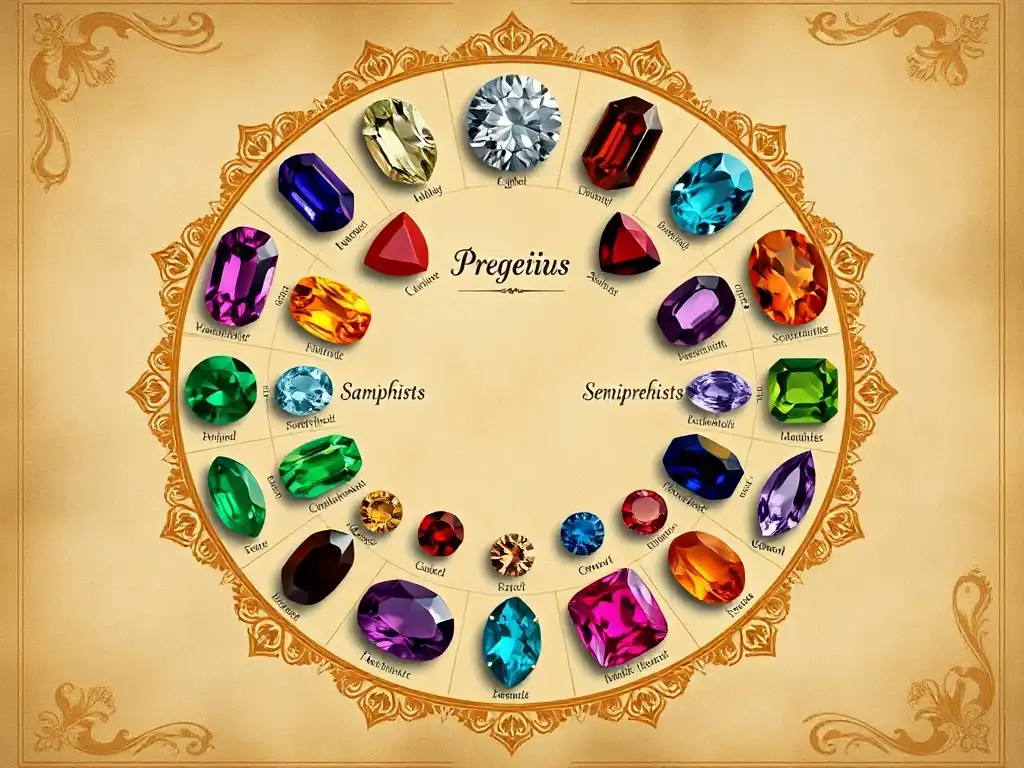
India’s rich history of gemstones has long fascinated scholars, jewelers, and enthusiasts alike. The classification of gemstones into precious and semi-precious categories is not merely a modern convention; it reflects centuries of cultural significance, trade practices, and aesthetic preferences that have evolved over time. Understanding these classifications provides insight into their value, rarity, and uses in jewelry.
Precious gemstones, traditionally considered to be the most valuable, include diamonds, rubies, sapphires, and emeralds. These stones are prized for their rarity, beauty, and durability. On the other hand, semi-precious gemstones encompass a broader range of stones, including amethyst, turquoise, garnet, and aquamarine. While they may not carry the same high status as precious stones, they are valued for their unique colors, patterns, and affordability, catering to diverse tastes and budgets.
Key Differences Between Precious and Semi-Precious Gemstones
The distinctions between precious and semi-precious gemstones are primarily based on several criteria:
- Rarity: Precious gemstones are rarer and typically found in fewer locations globally. Semi-precious stones are more abundant, often sourced from various regions, including India’s diverse geological formations.
- Value: Precious gemstones generally command higher prices due to their scarcity and demand in the luxury market. Semi-precious stones are more affordable, making them accessible to a broader audience.
- Durability: Precious gemstones usually possess greater hardness on the Mohs scale, indicating they are less prone to scratching and damage. Semi-precious stones vary widely in durability, with some being quite soft and requiring careful handling.
- Cultural Significance: Precious gemstones have been associated with wealth, power, and status throughout history, often featured in royal adornments. Semi-precious stones, while not always linked to social status, have rich cultural meanings and are often used in spiritual practices.
These differences are essential not only for collectors and jewelers but also for understanding the cultural heritage of gemstones in Indian society.
Advantages and Disadvantages of Each Category
When considering precious and semi-precious gemstones, each category presents its own set of advantages and disadvantages:
Advantages of Precious Gemstones
- Value Retention: Precious stones tend to maintain or increase in value over time, making them wise investments.
- Timeless Appeal: Their enduring beauty and status ensure they remain in demand in high-end jewelry markets.
- Cultural Heritage: Often associated with historical significance, precious gemstones carry a legacy that adds to their allure.
Disadvantages of Precious Gemstones
- Cost: The significant investment required can limit accessibility for many consumers.
- Ethical Concerns: Issues surrounding mining practices and labor conditions can raise ethical questions regarding sourcing.
Advantages of Semi-Precious Gemstones
- Affordability: Their lower prices allow more people to enjoy and wear beautiful stones.
- Variety: A vast array of colors and types means there’s something for everyone, catering to diverse preferences.
- Versatility: Semi-precious stones can be incorporated into various styles, from casual to elegant.
Disadvantages of Semi-Precious Gemstones
- Lower Resale Value: They typically do not retain value as well as precious stones, which may deter investors.
- Perceived Status: Some may view semi-precious stones as less prestigious, impacting their desirability in luxury markets.
The Impact of India’s Gemstone Classification on Modern Jewelry
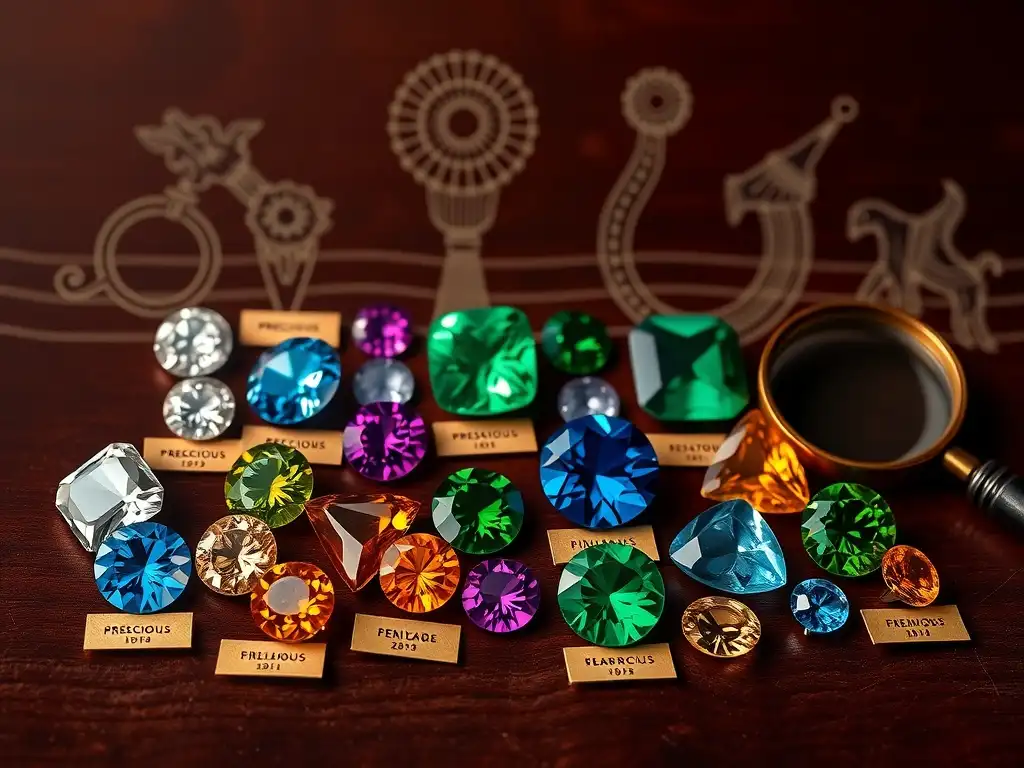
The historical classification of gemstones in India has significantly influenced contemporary jewelry design and market trends. Traditional classifications have informed the way gemstones are perceived, valued, and ultimately used in jewelry-making today.
How Historical Classification Influences Contemporary Designs
Modern jewelers often draw inspiration from ancient practices, incorporating both precious and semi-precious stones into their creations. The fusion of these classifications allows for:
- Innovative Designs: By blending various stones, artisans can create unique pieces that appeal to a wider audience.
- Cultural Resonance: Utilizing historically significant stones enhances the cultural narrative of modern jewelry, connecting consumers to India’s rich heritage.
- Sustainable Practices: Increasingly, designers are focusing on ethically sourced semi-precious stones, reflecting a growing awareness of responsible consumption.
The interplay of tradition and modernity continues to shape the landscape of Indian jewelry, revealing the lasting impact of gemstone classification.
The Future of Gemstone Classification in India
As the gem and jewelry industry evolves, so too does the classification of gemstones in India. The future may witness several trends:
- Increased Awareness: Consumers are becoming more informed about the origins and characteristics of gemstones, leading to a shift in demand towards ethically sourced materials.
- Evolving Definitions: The lines between precious and semi-precious may blur as new materials and innovations emerge, challenging traditional classifications.
- Sustainability Focus: A growing emphasis on sustainable practices may reshape gemstone sourcing and classification, promoting environmentally friendly choices in the jewelry industry.
Understanding the history and classification of gemstones in India not only enhances appreciation for their beauty but also fosters responsible consumption and cultural awareness in the jewelry market.
Conclusion: The Legacy of India’s Gemstone Classification History
The classification of gemstones in India has a profound legacy that intertwines with the country's rich cultural and historical tapestry. From the ancient civilizations of the Indus Valley, where gemstones were used in trade and ornamentation, to the intricate craftsmanship seen during the Mughal era, gemstones have always held significant value in Indian society.
India's gemstone classification system has not only influenced local traditions but has also impacted global perceptions of gemstones. The distinction between precious and semi-precious stones, initially based on rarity and beauty, continues to shape how these gems are valued today. For instance, diamonds, rubies, emeralds, and sapphires are revered as precious stones, often associated with wealth and status, while semi-precious stones like amethyst, garnet, and lapis lazuli, although less coveted, possess their own unique beauty and significance.
Moreover, the enduring legacy of gemstone classification is evident in contemporary practices. Today, India remains one of the largest producers and exporters of gemstones, with a vibrant market that respects ancient classifications while embracing modern trends. This juxtaposition of tradition and innovation ensures that India's gemstone heritage continues to thrive, influencing jewelry design and gemstone appreciation worldwide.
As we reflect on the history of gemstone classification in India, it becomes clear that these stones are more than mere objects of beauty; they are symbols of cultural significance, historical depth, and craftsmanship that have transcended time. This legacy will undoubtedly continue to inspire future generations, ensuring that the rich history of India's gemstones remains an integral part of the country's cultural identity.
References and Further Reading
- "The History of Indian Gemstones" - A comprehensive look at the development of gemstone trade in India, detailing the evolution of classifications and cultural significance.
- "Gemstones of India: A Cultural Perspective": - An exploration of how gemstones have influenced traditions, rituals, and various facets of Indian life throughout the centuries.
- "The Craftsmanship of Indian Jewelers" - Insights into the skills and techniques employed by artisans in the gemstone industry, highlighting the blend of ancient methods with contemporary practices.
- "Precious and Semi-Precious Stones in Ancient Texts" - An examination of ancient Indian texts and scriptures that reference gemstones, providing context to their classifications and uses.
- "The Role of Gemstones in Indian Mythology" - An analysis of the significance of various gemstones in Indian mythology and how these stories have shaped their classifications over time.
- "Modern Trends in Indian Gemstone Market" - A study of how current market dynamics interact with traditional classifications, reflecting changes in consumer preferences and global trade.
These resources provide further insights into the complex and fascinating history of gemstone classification in India, enriching our understanding of this enduring legacy.
Frequently Asked Questions
What is the difference between precious and semi-precious gemstones in India?
Precious gemstones are considered rare and valuable, including diamonds, rubies, sapphires, and emeralds. In contrast, semi-precious gemstones are more abundant and include stones like amethyst, garnet, and turquoise.
How did ancient Indian civilizations contribute to gemstone classification?
Ancient Indian civilizations played a crucial role in developing gemstone classification systems based on color, clarity, and cut. These classifications influenced trade and cultural practices throughout history.
What is the historical significance of gemstones in Indian culture?
Gemstones have held symbolic significance in Indian culture, representing wealth, power, and protection. They are often used in religious rituals and are believed to possess healing properties.
How has the gemstone trade evolved in India over the centuries?
The gemstone trade in India has evolved from local craftsmanship in ancient times to a global industry today. Factors such as technological advances and globalization have contributed to this transformation.
What are some notable regions in India known for gemstone mining?
Key regions for gemstone mining in India include Rajasthan, known for its colored gemstones, and Karnataka, famous for its precious gems like diamonds. These areas have a rich history of gemstone extraction and trade.
Final Reflection: The Timeless Value of India's Gemstone Classification
Understanding the nuances of gemstone classification in India is not just an academic pursuit; it is a reflection of our cultural heritage and economic significance. The distinction between precious and semi-precious stones has shaped not only the jewelry industry but also the very identity of Indian craftsmanship. As we navigate a world increasingly driven by consumerism, it is crucial to recognize the enduring value these classifications hold in preserving tradition and promoting sustainable practices.
The classification of gemstones has transcended mere aesthetics to become a vital part of our social and cultural fabric. From ancient texts to contemporary markets, the way we perceive and value these stones speaks volumes about our history and aspirations. The ongoing fascination with gemstones in India is encapsulated in the words of renowned gemologist Richard Hughes: Gemstones are not just beautiful objects; they are the embodiment of human creativity and cultural expression.
This perspective invites us to appreciate not only the beauty of these stones but also the stories and traditions they carry with them.
As we reflect on the significance of India's gemstone classification, I encourage you to consider how these lessons can be applied in your own life. Take a moment to explore the stories behind the objects you cherish, whether they are gemstones or other artifacts. By understanding their origins and meanings, we can foster a deeper connection to our culture and history, ensuring that the legacy of India's rich gemstone heritage continues to shine brightly for generations to come.
Unveil the Mysteries of Gemstone Classification!
Thank you for diving into the fascinating world of gemstone classification! Now that you've explored the distinctions between precious and semi-precious stones, it's time to enhance your understanding and deepen your appreciation for these incredible gems.
Here are some engaging actions you can take right now:
- Explore a local gem and mineral show or exhibition to see these stunning stones firsthand and connect with knowledgeable experts.
- Join groups or online forums dedicated to gemstone enthusiasts to share your insights and learn from fellow gem lovers.
- Share your newfound knowledge with friends or on social media—let others discover the beauty and significance of gemstones!
What gemstone has captivated your interest the most and why? We would love to hear your thoughts in the comments below!