
Captivating Colors: The Science Behind India's Vibrant Gemstones

Welcome to Ancient India History, where we embark on a journey through time to uncover the rich tapestry of ancient Indian civilizations. Our latest exploration, titled "Captivating Colors: The Science Behind India's Vibrant Gemstones," delves deep into the significance of ancient Indian gemstones, revealing not just their breathtaking beauty but also their profound cultural and historical importance.
Prepare to be fascinated as we unveil stories woven into the very fabric of India's heritage, igniting your curiosity about the treasures that shaped a civilization. Join us as we explore the dazzling world of gemstones and their role in the grandeur of ancient India!
The fascinating world of ancient Indian gemstones is a tapestry woven with rich history, cultural significance, and scientific intrigue. From the mesmerizing hues of rubies and emeralds to the enigmatic allure of diamonds and sapphires, gemstones have played a pivotal role in the civilizations that flourished across the Indian subcontinent. These vibrant treasures were not merely adornments; they held profound meanings and were often associated with power, spirituality, and social status.
Understanding the significance of these gemstones provides a glimpse into the social, economic, and spiritual fabric of ancient Indian society, revealing how these natural wonders shaped both individual lives and broader cultural practices. This exploration delves into the scientific aspects of these gemstones, their historical relevance, and the enduring legacy they have left on Indian culture.
Introduction to Ancient Indian Gemstones Significance
The significance of gemstones in ancient India extends far beyond their aesthetic appeal. Historically, gemstones have been revered for their supposed metaphysical properties and their ability to influence various aspects of life. Many ancient texts, including the Vedas and Puranas, highlight the importance of specific gemstones in rituals and astrology, linking them to the planets and their influence on human destiny.
- Symbolism and Power: Each gemstone was believed to represent not only a specific planet but also virtues and powers. For instance:
- Ruby: Symbol of passion and energy, associated with the Sun.
- Emerald: Linked to knowledge and wisdom, associated with Mercury.
- Diamond: Representing purity and invincibility, connected to Venus.
- Cultural Practices: Gemstones were often embedded in royal insignia, armor, and religious artifacts, reflecting their importance in governance and spirituality. The usage of gemstones was prevalent among various social strata, from the ruling classes to common folk, who would wear them for protection and good fortune.
- Trade and Economy: The trade of gemstones contributed to the economic prosperity of ancient Indian civilizations, with routes extending to the Middle East and beyond. The demand for Indian gemstones in foreign markets established India as a significant player in global trade.
As we delve deeper into the captivating world of ancient Indian gemstones, we will uncover their scientific properties, cultural roles, and the legacy they continue to hold in contemporary society. Through this exploration, we can appreciate not only the beauty of these stones but also their profound significance throughout history.
The Historical Context of Gemstones in Ancient India
The use and significance of gemstones in ancient India can be traced back to some of the earliest civilizations on the subcontinent. Gemstones were not merely decorative; they were deeply embedded in the cultural, spiritual, and economic fabric of Indian society. This section explores the historical context surrounding these precious stones, focusing on two critical aspects: the trade practices of the Indus Valley Civilization and the symbolic meanings attributed to gemstones throughout ancient Indian history.
The Indus Valley Civilization and Gemstone Trade
The Indus Valley Civilization (c. 3300–1300 BCE) is renowned for its advanced urban planning and sophisticated trade networks, which included the exchange of various goods, including gemstones. Archaeological excavations at sites such as Harappa and Mohenjo-Daro have unearthed evidence of gemstone craftsmanship and trade.
Key Aspects of Gemstone Trade in the Indus Valley:
- Diverse Gemstones: The people of the Indus Valley utilized a variety of gemstones, such as carnelian, lapis lazuli, turquoise, and agate. These stones were often fashioned into beads, seals, and amulets, showcasing the artisans' skill in lapidary work.
- Trade Routes: The civilization established extensive trade routes that connected them with regions as far away as Mesopotamia and Persia. This trade facilitated not only the exchange of gemstones but also cultural interactions that influenced their craftsmanship and design.
- Evidence of Trade: The discovery of weights and measures, as well as seals depicting animals and inscriptions, indicates a regulated trade system. Gemstones were likely traded alongside other commodities like textiles and spices, reflecting their value in the society.
- Cultural Exchange: The influx of foreign gemstones, such as lapis lazuli from Afghanistan, reveals the extent of trade networks and the cross-cultural exchanges that enriched the Indus Valley's artistic and material culture.
The significance of gemstones during this era was not solely limited to their monetary value; they played crucial roles in rituals and social status, marking the beginning of a long-standing tradition that continued through subsequent Indian civilizations.
Symbolism and Spiritual Significance of Ancient Gemstones
In ancient India, gemstones were imbued with profound spiritual and symbolic meanings, often associated with various deities, astrological beliefs, and healing practices. Each gemstone was thought to possess unique properties that could influence the wearer's fate and well-being.
Key Symbolic Aspects of Ancient Gemstones:
- Astrological Beliefs: Gemstones were linked to the nine celestial bodies in Hindu astrology, or Navagraha. Each planet was associated with specific gemstones believed to enhance positive energies and mitigate negative influences. For example, ruby was associated with the Sun, while emerald was linked to Mercury.
- Spiritual Significance: Many gemstones were considered sacred and were often used in religious ceremonies. For instance, diamonds, known as "vajra" in Sanskrit, symbolized strength and invincibility and were associated with the divine.
- Healing Properties: Ancient texts, such as the "Brihat Samhita" and "Sharangadhara Samhita," discussed the medicinal properties of gemstones. They were believed to cure ailments, enhance physical strength, and promote mental clarity.
- Social Status: The ownership and adornment of gemstones were also markers of social status and wealth. Royals and nobility adorned themselves with intricate jewelry crafted from precious stones, showcasing their power and prestige.
The rich historical context of gemstones in ancient India reveals their significance beyond mere aesthetics. They were integral to trade, culture, spirituality, and social hierarchy, reflecting the complex interplay between material culture and human experience in ancient Indian civilizations.
Types of Ancient Indian Gemstones and Their Unique Properties
Ancient India was a treasure trove of exquisite gemstones, each with its own unique properties and cultural significance. The vibrant colors and intrinsic qualities of these stones not only adorned the royalty but also played a pivotal role in trade and spiritual practices. Below, we explore three of the most significant types of gemstones that have captivated the hearts and minds of ancient Indian civilizations.
Diamonds: The "King of Gems" in Ancient India
Diamonds, revered as the "king of gems," have a storied history in ancient India, especially during the time of the Maurya and Gupta empires. These gemstones were not only coveted for their unparalleled brilliance but also for their believed mystical properties.
- Cultural Significance:
- Diamonds were associated with strength, invincibility, and purity. They were often worn by warriors and kings, symbolizing power and prosperity.
- Ancient texts, including the Arthashastra, mention diamonds as a form of wealth and status, often used in royal jewelry and ceremonial adornments.
- Unique Properties:
- Hardness: Diamonds are the hardest known natural material, rated 10 on the Mohs scale. This property made them ideal for engraving and crafting intricate designs.
- Optical Properties: The ability of diamonds to refract light creates a unique sparkle, increasing their desirability in jewelry.
- Famous Locations:
- The Golconda mines in present-day Telangana were the primary source of diamonds in ancient India, producing some of the world's most famous diamonds, such as the Koh-i-Noor.
Rubies: The Stone of Kings
Rubies, often referred to as the "stone of kings," held immense significance in ancient Indian culture. Their deep red color was associated with love, passion, and courage, making them a popular choice among royalty.
- Cultural Significance:
- Rubies were deemed to bring prosperity and protection. They were frequently embedded in royal crowns and armor to enhance the wearer's strength and vitality.
- In Ayurveda, rubies were believed to have health benefits, promoting blood circulation and overall well-being.
- Unique Properties:
- Color: The rich crimson hue of rubies is due to the presence of chromium, making them one of the most valuable colored gemstones.
- Hardness: With a hardness of 9 on the Mohs scale, rubies are exceptionally durable and suitable for everyday wear.
- Famous Locations:
- The mines of Myanmar were renowned for producing the finest rubies, but India was also significant in the gem trade, with historical references to ruby deposits in the region of Kashmir.
Sapphires: The Celestial Stone
Sapphires, often called the "celestial stone," were highly esteemed in ancient India for their striking blue color and believed spiritual properties.
- Cultural Significance:
- Sapphires were believed to have protective qualities, warding off negative energies and bringing peace and harmony to their wearers.
- They were often associated with the divine and were used in various religious ceremonies, highlighting their spiritual importance.
- Unique Properties:
- Color Variations: While blue sapphires are the most recognized, they can also be found in various colors, each carrying different meanings. For example, yellow sapphires were linked to wealth and prosperity.
- Hardness: With a hardness of 9 on the Mohs scale, sapphires are incredibly resilient, making them ideal for intricate jewelry designs.
- Famous Locations:
- Kashmir was famed for its stunning blue sapphires, often regarded as the finest in the world, contributing to their legendary status in ancient jewelry.
The exploration of these ancient Indian gemstones reveals not only their aesthetic allure but also their profound significance in the cultural and spiritual fabric of Indian civilization. Their properties and the rich history surrounding them continue to intrigue gem enthusiasts and historians alike.
Emeralds: The Gem of Love and Compassion
Emeralds, known for their captivating green hue, have held a significant place in ancient Indian culture and society. Revered as a symbol of love, compassion, and rebirth, this gemstone has not only adorned the jewelry of royals but has also been associated with various spiritual and healing properties.
Historical Significance
In ancient India, emeralds were highly prized and often referred to as the "Stone of Successful Love." They were believed to bring harmony to relationships, making them a popular choice for couples. The ancient texts, including the "Ratnapariksha," highlight the emerald's association with the planet Mercury, which is said to influence communication and intellect. This connection made emeralds particularly valued among scholars and poets.
Unique Properties
The vibrant green color of emeralds is attributed to the presence of chromium and vanadium. This unique coloring not only enhances its aesthetic appeal but also contributes to its symbolism of fertility and new beginnings. Emeralds are often characterized by their clarity, with the most valuable stones displaying a rich, deep green and minimal inclusions.
When it comes to healing properties, emeralds are believed to possess calming energies that help alleviate stress and promote emotional balance. Many practitioners of Ayurveda have historically recommended emeralds for their purported ability to enhance one’s intuition and promote mental clarity.
Cultural Impact
Emeralds are frequently mentioned in Hindu mythology and are believed to be sacred stones. They are associated with the goddess Parvati, symbolizing love and devotion. In addition, emeralds were often embedded in the crowns and ornaments of Indian royalty, signifying power and prestige.
The craftsmanship involved in cutting and setting emeralds has also evolved throughout history, with artisans creating intricate designs that further enhance the beauty of these stones. Many ancient Indian texts include guidelines for the proper care and use of emeralds, emphasizing their importance in both everyday life and ceremonial practices.
Conclusion
Emeralds have played a multifaceted role in ancient Indian history, symbolizing love, compassion, and wisdom. Their unique properties and rich cultural significance continue to captivate gemstone enthusiasts and historians alike, making emeralds an integral part of India’s vibrant heritage.
The Science of Colors in Gemstones
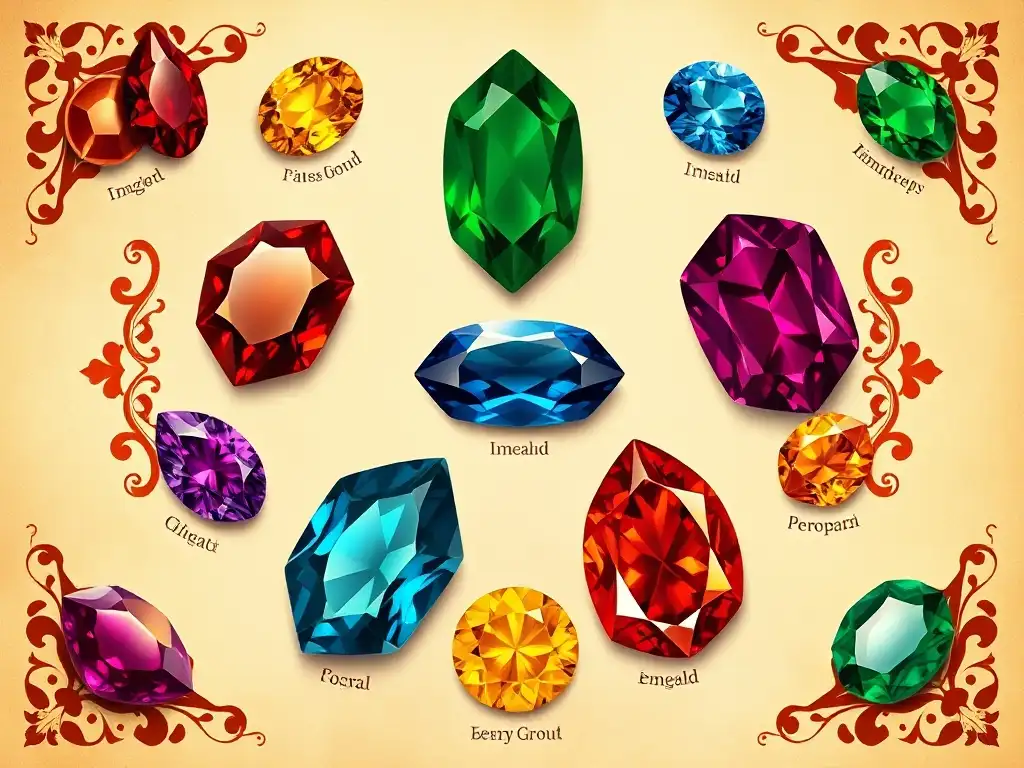
The study of gemstones is intricately linked to the science of colors, which plays a crucial role in determining their value, appeal, and significance. The captivating colors of gemstones result from various factors, including their chemical composition, crystal structure, and the presence of impurities. Understanding how these elements interact helps to appreciate the beauty and significance of ancient Indian gemstones, which were not only prized for their aesthetic qualities but also their cultural and spiritual meanings.
The color of a gemstone is primarily influenced by the wavelengths of light that are absorbed and reflected by its material. For instance, a gemstone's specific hue is determined by the presence of trace elements. For example, the vivid blue of sapphires is due to the presence of iron and titanium, while the deep green of emeralds results from chromium and vanadium. The interplay of these elements results in the rich palette of colors that ancient Indian gemstones are renowned for.
Understanding Color in Gemstones: A Scientific Perspective
The science behind the color of gemstones is rooted in the principles of physics and chemistry. Gemstones are primarily composed of minerals, and their color arises from the way these minerals interact with light. Here are the key factors that contribute to the color of gemstones:
- Chemical Composition:
- The presence of specific elements can impart distinct colors to gemstones.
- For instance:
- Ruby: Contains chromium, giving it a striking red hue.
- Amethyst: The purple color is due to iron impurities and natural radiation.
- Crystal Structure:
- The arrangement of atoms in a crystal affects how light passes through it.
- Different crystal structures can lead to variations in colors even among the same mineral type.
- Light Interaction:
- The way light is absorbed, transmitted, or reflected by a gemstone determines its visible color.
- Color absorption: Gemstones absorb certain wavelengths of light while reflecting others, which creates their characteristic colors.
- Inclusions and Impurities:
- Inclusions can scatter light, leading to unique optical effects such as asterism (star-like patterns) or chatoyancy (cat's eye effect).
- Lighting Conditions:
- The perception of color can change based on the lighting. For example, a gemstone may appear different under natural sunlight compared to artificial light.
Understanding these factors not only enhances appreciation for the beauty of ancient Indian gemstones but also sheds light on their cultural significance, as different colors were often associated with various meanings and beliefs in ancient Indian society.
The Psychology of Color: Why Gemstone Colors Matter
The psychological impact of color plays an essential role in how gemstones are perceived and valued. Different colors evoke different emotions and associations, making them significant in various contexts, including spirituality, health, and personal identity. Here’s how the psychology of color relates to ancient Indian gemstones:
- Cultural Significance:
- In ancient India, colors were imbued with meaning. For instance:
- Red: Symbolized power and passion, often associated with the goddess Durga.
- Green: Represented prosperity and fertility, linked to the goddess Lakshmi.
- Blue: Associated with wisdom and tranquility, often connected to Lord Krishna.
- In ancient India, colors were imbued with meaning. For instance:
- Healing Properties:
- Certain colors were believed to possess healing properties. For example:
- Blue gemstones: Thought to promote calmness and clarity of thought.
- Green gemstones: Seen as healing stones, associated with rejuvenation and growth.
- Certain colors were believed to possess healing properties. For example:
- Personal Identity:
- Gemstones were often worn as talismans, with colors chosen to reflect the wearer’s personality or aspirations. For example:
- A person seeking stability might choose earthy tones like browns and greens.
- Someone desiring creativity might opt for vibrant shades of orange or yellow.
- Gemstones were often worn as talismans, with colors chosen to reflect the wearer’s personality or aspirations. For example:
- Symbolism in Jewelry:
- The placement and combination of different colored gemstones in jewelry can create powerful symbols. Ancient Indian jewelry often featured intricate designs with a variety of gemstones, each contributing its own meaning to the piece.
By understanding the psychological implications of gemstone colors, we gain insight into their significance within ancient Indian culture and how they were used to express identity, aspirations, and spiritual beliefs. The rich history surrounding ancient Indian gemstones is not just about their physical beauty but also their deep-rooted cultural and emotional connections.
The Craftsmanship Behind Ancient Indian Gemstones
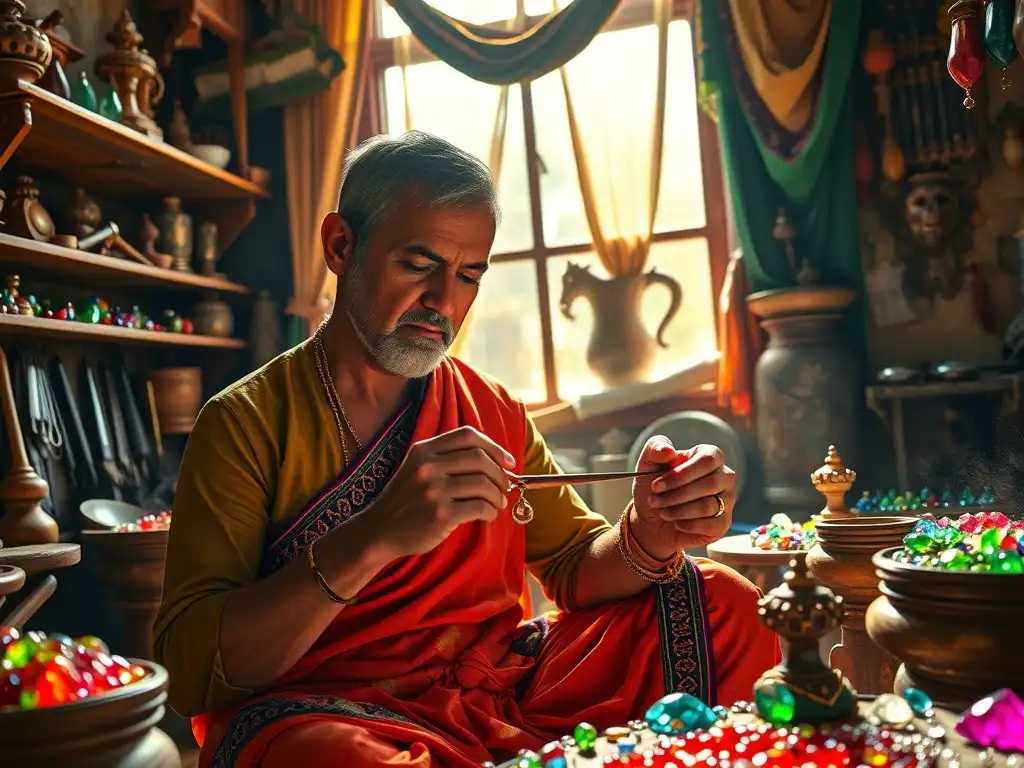
Techniques Used in Gemstone Cutting and Polishing
The artistry of gemstone cutting and polishing in ancient India was an intricate process that combined both skill and tradition. Artisans utilized various techniques that evolved over centuries, reflecting the cultural richness of the time. Some prominent methods included:
- Cabochon Cutting: This technique involved shaping gemstones into smooth, rounded forms. The flat base allowed for easier setting into jewelry, while the polished dome showcased the stone's natural beauty.
- Faceting: Faceting became prevalent during the later periods, particularly with the advent of the Mughal Empire. This method involved creating multiple flat surfaces (facets) on a gemstone to enhance its brilliance and sparkle. The skillful arrangement of these facets played a crucial role in maximizing light reflection.
- Drilling and Inlay Work: Ancient artisans employed drilling techniques to create holes in gemstones, enabling them to be strung together as necklaces or set into intricate designs. Inlay work, where smaller stones were set into a base of another material, was also a hallmark of Indian craftsmanship.
- Polishing Techniques: The polishing of gemstones was achieved using natural abrasives such as powdered quartz and garnet. The artisans would rub these materials against the stones, gradually enhancing their luster.
The combination of these techniques not only highlighted the aesthetic appeal of the gemstones but also showcased the technological innovations of ancient Indian civilizations.
Famous Gemstone Artisans and Their Contributions
Several notable artisans have left an indelible mark on the history of gemstone craftsmanship in ancient India. Their legacies are celebrated for their intricate designs and unparalleled skills. Below are some of the most influential figures:
- Mughal Gemstone Artisans: During the Mughal era, particularly under emperors like Akbar and Shah Jahan, gemstone artisans flourished. They were known for their exceptional lapidary skills, producing intricate inlays for royal thrones and jewelry pieces. The "Koh-i-Noor" diamond, which was famously cut and polished by these artisans, remains one of the most renowned gemstones globally.
- The Jaipur Gemstone Artisans: Jaipur emerged as a significant center for gemstone cutting and polishing during the 17th century. Artisans in this region specialized in creating exquisite jewelry adorned with sapphires, emeralds, and rubies. Their techniques were passed down through generations, ensuring the city’s status as a hub of gem craftsmanship.
- Kutch and Gujarat Artisans: The regions of Kutch and Gujarat are known for their unique approach to gemstone work, particularly in the art of bead making. The artisans here utilized local materials and employed traditional methods, creating beautiful necklaces and ornaments that were highly sought after.
The contributions of these artisans not only enriched the cultural fabric of ancient India but also significantly impacted the global gemstone market. Their mastery over techniques and commitment to quality set high standards that resonate in the industry to this day.
The craftsmanship behind ancient Indian gemstones is a testament to the ingenuity and artistry of its people, with techniques and artisans that are celebrated for their historical significance and ongoing influence in the world of jewelry and gemstones.
Conclusion: The Ongoing Legacy of Ancient Indian Gemstones
The legacy of ancient Indian gemstones is not just a historical narrative but a continuing journey that intertwines itself with India's cultural and artistic expressions. From the mesmerizing hues of rubies and emeralds to the spiritual symbolism of diamonds and sapphires, these gemstones have shaped societal norms, artistic endeavors, and even trade routes. The historical significance of ancient Indian gemstones reflects a profound understanding of nature and craftsmanship, which continues to influence modern practices in jewelry design and gemstone trading.
The Continued Significance of Ancient Gemstones Today
The importance of ancient Indian gemstones has transcended time, finding relevance in contemporary society. These gemstones are not merely ornamental; they embody cultural heritage, spiritual beliefs, and economic value. For instance, many gemstones are still believed to possess astrological significance, influencing personal and professional decisions within various communities.
- Cultural Symbolism:
- In various regions of India, gemstones are integral to traditional rituals and ceremonies. They are often used in weddings, religious ceremonies, and festivals, where they symbolize prosperity, purity, and good fortune.
- Specific stones, such as the ruby and emerald, are associated with particular deities and believed to grant blessings and protection to their wearers.
- Economic Impact:
- The gemstone trade remains a crucial sector in India’s economy. Historical trade routes established during ancient times continue to influence modern trade practices, with cities like Jaipur and Surat being vital centers for gemstone processing and export.
- The economic significance is further highlighted by the fact that India is one of the world's largest producers and exporters of cut and polished gemstones.
- Artistic Influence:
- Ancient techniques of gemstone cutting and setting are still employed by artisans today. The craftsmanship that has been passed down through generations showcases the intricate artistry that characterizes Indian jewelry.
- The aesthetic values established in ancient times continue to inspire contemporary designs, merging traditional motifs with modern styles.
- Spiritual and Healing Properties:
- Many gemstones are believed to possess healing properties, a belief rooted in ancient practices. For instance, the amethyst is thought to promote calmness and clarity, while turquoise is associated with protection and healing.
- This spiritual significance has garnered interest beyond India, with people worldwide seeking these gemstones for their purported metaphysical benefits.
Exploring the Rich Heritage of Indian Gemstones
The history of Indian gemstones is rich and varied, marked by their use in royal adornments and sacred rituals. The ancient civilizations of India, particularly during the Indus Valley period, exhibited a remarkable appreciation for gemstones and jewelry.
- Indus Valley Civilization:
- Archaeological findings reveal that the Indus Valley people were adept in bead-making from materials such as carnelian, agate, and lapis lazuli. These beads were not only decorative but often held significant social status.
- The craftsmanship displayed in these ancient artifacts indicates a sophisticated understanding of materials and aesthetics.
- Maurya and Gupta Empires:
- During the Maurya and Gupta periods, gemstones were highly valued and often used to signify power and wealth. The emperors adorned themselves with elaborate jewelry embedded with precious stones.
- Literature from this era, including texts like the Arthashastra, highlights the importance of gemstones in trade and diplomacy.
- Regal Influences:
- The Mughal Empire, in particular, was known for its opulent use of gemstones, with emperors like Akbar and Shah Jahan commissioning exquisite pieces that incorporated diamonds, emeralds, and pearls.
- The Koh-i-Noor diamond and the Hope Diamond are just a couple of examples that illustrate the historical significance and allure of Indian gemstones on the global stage.
- Modern Rediscovery:
- Today, there is a renewed interest in the historical significance of gemstones, with many people seeking to reconnect with their cultural heritage through jewelry that reflects ancient traditions.
- Educational initiatives and exhibitions are increasingly focusing on the rich history of Indian gemstones, aiming to preserve and celebrate this invaluable aspect of cultural heritage.
The significance of ancient Indian gemstones extends beyond their physical beauty, embodying layers of cultural, spiritual, and economic value that continue to resonate in contemporary society. The exploration of this rich heritage not only enriches our understanding of ancient civilizations but also celebrates the enduring legacy of India's vibrant gemstones.
Frequently Asked Questions
What is the significance of ancient Indian gemstones?
Ancient Indian gemstones were valued not only for their beauty but also for their cultural and spiritual significance. They were believed to possess various healing properties and were often used in jewelry, rituals, and as symbols of power.
How did ancient Indian civilizations use gemstones?
Ancient Indian civilizations utilized gemstones in various ways, including in ornaments, amulets, and tools. Their use extended to astrology and medicine, reflecting their multifaceted role in society.
What are some popular gemstones from ancient India?
Some popular gemstones from ancient India include diamonds, rubies, sapphires, and emeralds. Each of these gemstones has its own unique historical significance and was often associated with royalty and wealth.
How did trade influence the gemstone industry in ancient India?
Trade routes, such as the Silk Road, significantly impacted the gemstone industry in ancient India, facilitating the exchange of gemstones with other cultures. This interaction enriched the knowledge and craftsmanship surrounding gemstone cutting and design.
What role do gemstones play in modern perceptions of ancient Indian culture?
In modern times, gemstones continue to symbolize heritage and tradition in Indian culture. Their historical significance and aesthetic appeal contribute to a deeper appreciation of ancient Indian civilizations and their artistic achievements.
Final Reflection: The Enduring Significance of Ancient Indian Gemstones
The allure of ancient Indian gemstones transcends time, embodying a rich tapestry of cultural heritage and scientific marvel. Today, as we navigate a world increasingly driven by technology, the significance of these vibrant stones remains profound, reminding us of our connection to history and the natural world. The intricate relationship between these gemstones and their historical context not only enriches our understanding of ancient civilizations but also highlights the timeless beauty that continues to inspire and captivate.
The impact of ancient Indian gemstones is woven into the very fabric of our cultural and social landscape. From traditional jewelry to modern fashion, these stones symbolize wealth, power, and spirituality, influencing artistic expression and personal identity. As we admire their brilliance, we are reminded of the words of the renowned gemologist, “Gemstones are not just minerals; they are the embodiment of stories, emotions, and legacies.” > This quote encapsulates the essence of how gemstones serve as a bridge between the past and present, inviting us to explore their significance in our lives today.
As we reflect on the vibrant legacy of ancient Indian gemstones, I encourage you to embrace the lessons they impart. Consider how these stones can inspire you to appreciate the beauty in your own life and the stories that shape your identity. Whether through personal adornment or a deeper appreciation for cultural heritage, let the captivating colors of these gemstones remind you of the richness of history and the potential for beauty that exists in every moment. Take a moment to explore your own connection to the past and how it can illuminate your path forward.
Awaken Your Curiosity – Dive Deeper into India's Gemstone Stories!
Thank you for exploring the illuminating world of India's vibrant gemstones! We hope you enjoyed uncovering the captivating science and rich significance behind these natural wonders. Now, it’s time to take your interest even further and engage with the beauty of gemstones in practical ways!
Here are some exciting actions you can take:
- Visit a local gem and mineral show or exhibition to experience these stunning colors firsthand and learn from experts in the field.
- Join a community of gemstone enthusiasts online or in person, where you can share your passion, make new friends, and exchange insights about your favorite stones.
- Challenge yourself by trying your hand at gemstone photography—capture their beauty and showcase your artistic creations on social media!
What gemstone has captured your heart, and how do you plan to incorporate it into your life or collection? We’d love to hear your thoughts below!