
The Gupta Empire and the Renaissance of Sculpture

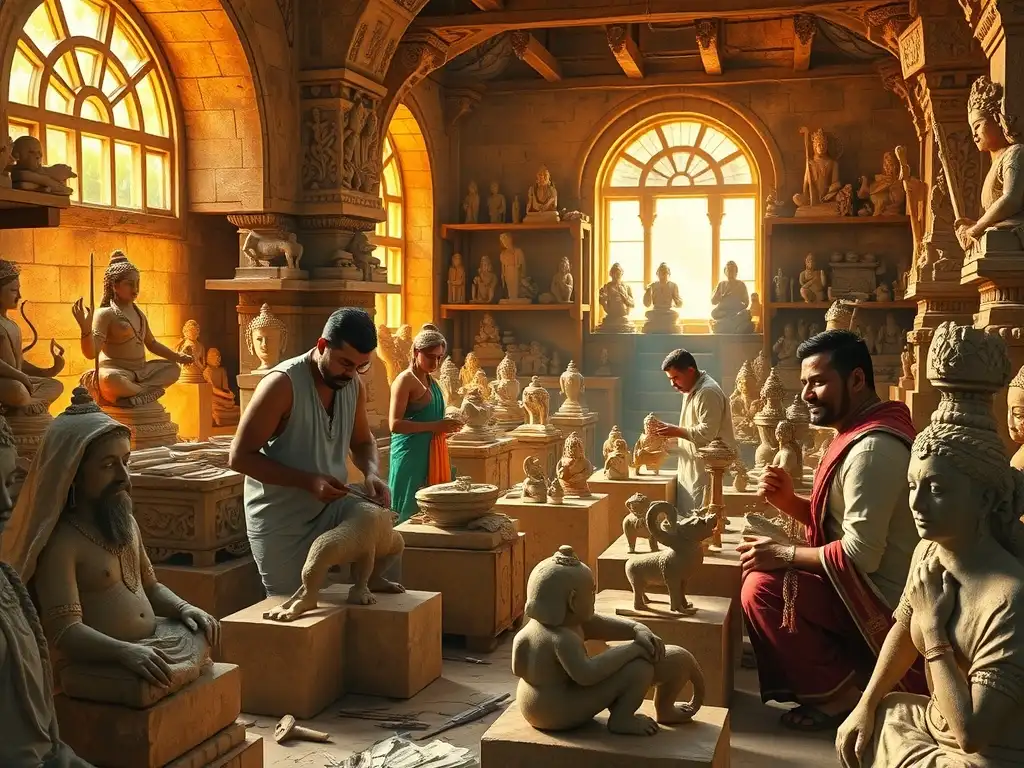
Welcome to Ancient India History, where we embark on a fascinating journey through time to uncover the rich tapestry of ancient Indian civilizations. In our featured article, we delve into the intriguing world of Gupta Empire sculpture history, exploring how this remarkable era ignited a renaissance in artistic expression and creativity.
Prepare to be captivated by the stories behind the sculptures that not only adorned temples but also reflected the spiritual and cultural ethos of the time. Join us as we unravel the mysteries and masterpieces of the Gupta Empire, and let your curiosity guide you deeper into the remarkable legacy of ancient India!
-
The Gupta Empire Sculpture History: A Renaissance of Art
- Introduction to the Gupta Empire
- Historical Context of Gupta Empire Sculpture
- Characteristics of Gupta Sculpture
- Stylistic Features of Gupta Sculptures
- Iconography in Gupta Sculpture
- Materials and Techniques Used in Gupta Sculpture
- Major Contributions to Sculpture During the Gupta Period
- Prominent Sculptors of the Gupta Empire
- Notable Sculptural Works from the Gupta Era
- Temples and Monuments: Architectural Integration with Sculpture
- Themes and Subjects in Gupta Sculpture
- The Legacy of Gupta Sculpture
- Conclusion
- Further Reading and Resources
- Frequently Asked Questions
- Final Reflection: The Enduring Legacy of Gupta Empire Sculpture
- Embrace the Artistry: Ignite Your Passion for Sculpture!
The Gupta Empire Sculpture History: A Renaissance of Art
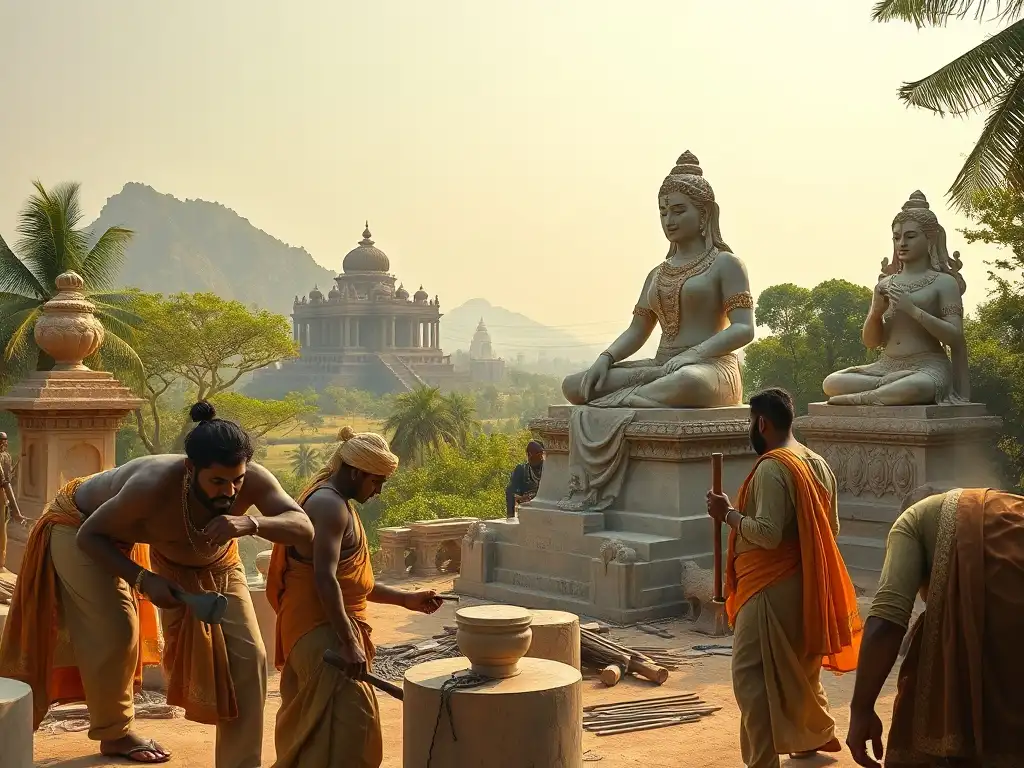
The Gupta Empire, often referred to as a golden age of Indian civilization, marks a significant epoch in the history of art and culture, particularly in the realm of sculpture. Flourishing from approximately 320 to 550 CE, this period saw remarkable advancements in artistic expression, leading to the creation of intricate sculptures that reflected the spiritual, cultural, and societal values of the time.
The Gupta Empire sculpture history is characterized by a renaissance of artistic techniques and styles, which not only drew from the rich heritage of earlier Indian traditions but also laid the groundwork for future artistic endeavors. This article delves into the profound impact of the Gupta Empire on sculpture, exploring its historical context, cultural significance, and the lasting legacy it has left behind.
Introduction to the Gupta Empire
Overview of the Gupta Empire
The Gupta Empire emerged as a powerful force in northern India, unifying a vast region under a centralized administration that encouraged trade, commerce, and cultural exchange. Established by Chandragupta I around 320 CE, the empire reached its zenith under rulers like Samudragupta and Chandragupta II. This era is often celebrated for significant developments in various fields, including mathematics, astronomy, literature, and, notably, the arts. The Gupta period witnessed the rise of a distinctive style of sculpture characterized by its elegance, naturalism, and spiritual depth.
Importance of Sculpture in Gupta Culture
Sculpture during the Gupta period was not merely a decorative art; it served as a vital medium for religious expression and communication of cultural values. Temples adorned with exquisite sculptures of deities, mythological figures, and narratives from Hindu epics became central to Gupta society, reflecting the deep spiritual and philosophical ethos of the era. The intricate carvings and sculptures played a crucial role in enhancing the aesthetic appeal of temples and public spaces, fostering a sense of community and devotion among the populace.
Historical Context of Gupta Empire Sculpture
The Rise of the Gupta Empire
The Gupta Empire's rise to prominence can be attributed to a combination of military prowess, strategic alliances, and effective governance. The establishment of a stable political environment allowed for the flourishing of arts and culture. As trade routes expanded, contact with diverse cultures introduced new ideas and techniques, further enriching the artistic landscape of the time. This period marked a shift from earlier artistic traditions, paving the way for a new style that emphasized grace and proportion.
Influence of Previous Indian Sculptural Traditions
The Gupta period did not exist in isolation; it was profoundly influenced by earlier Indian sculptural traditions, particularly those from the Mauryan and post-Mauryan periods. The intricate carvings of the Ashokan era, along with the narrative reliefs found in the rock-cut caves of Ajanta and Ellora, provided a foundation upon which Gupta artisans built. The synthesis of these influences resulted in a unique Gupta style that combined realism with spiritual symbolism, striking a balance between form and content.
Key Historical Events Impacting Sculpture Development
Several key historical events shaped the evolution of sculpture during the Gupta Empire. The patronage from Gupta rulers, who were known for their support of the arts, played a pivotal role in the proliferation of sculptural works. The construction of monumental temples, such as those at Udaigiri and Sanchi, showcased the empire's artistic achievements. Additionally, the spread of Buddhism and Hinduism during this period inspired a wealth of sculptural themes, resulting in rich iconography that conveyed religious narratives and philosophical ideas.
As we further explore the Gupta Empire's contributions to sculpture, we will uncover the intricate details of its artistic legacy and how it continues to influence modern Indian art and culture.
Characteristics of Gupta Sculpture
The Gupta Empire, often referred to as the Golden Age of India, marked a significant renaissance in the field of sculpture. During this period, the sculptures produced reflected remarkable advancements in artistic techniques, styles, and themes. One of the defining characteristics of Gupta sculpture is its emphasis on naturalism. Artists sought to create lifelike representations of human figures, which were often depicted with graceful proportions and serene expressions. This was a departure from the more rigid and stylized forms of earlier periods, allowing for a greater emotional connection with the viewer.
Another notable characteristic is the intricate detailing that adorned Gupta sculptures. From elaborate hairstyles to ornate jewelry, each element was crafted with precision, enhancing the overall aesthetic appeal. The use of drapery in clothing also played a crucial role, as it contributed to the depiction of movement and fluidity. Additionally, Gupta sculptures often showcased a balance between idealism and realism, merging divine qualities with human attributes, which was particularly evident in the representation of deities.
Stylistic Features of Gupta Sculptures
Gupta sculptures exhibit distinctive stylistic features that set them apart from preceding artistic traditions. One of the most prominent features is the emphasis on smooth, polished surfaces, which added to the lifelike quality of the sculptures. The artists employed techniques that allowed for finer details, such as delicate facial features and intricate patterns on clothing, which contributed to the overall elegance of the pieces.
Moreover, the Gupta style is characterized by a harmonious blend of various influences, including those from Hellenistic art and indigenous Indian traditions. This fusion created a unique visual language that resonated across different regions. The postures of figures in Gupta sculpture often convey a sense of calm and serenity, with gentle curves that enhance the overall gracefulness. Typical poses include the standing figure with a slight bend in the knee or the seated figure in a meditative pose, portraying spiritual tranquility.
Iconography in Gupta Sculpture
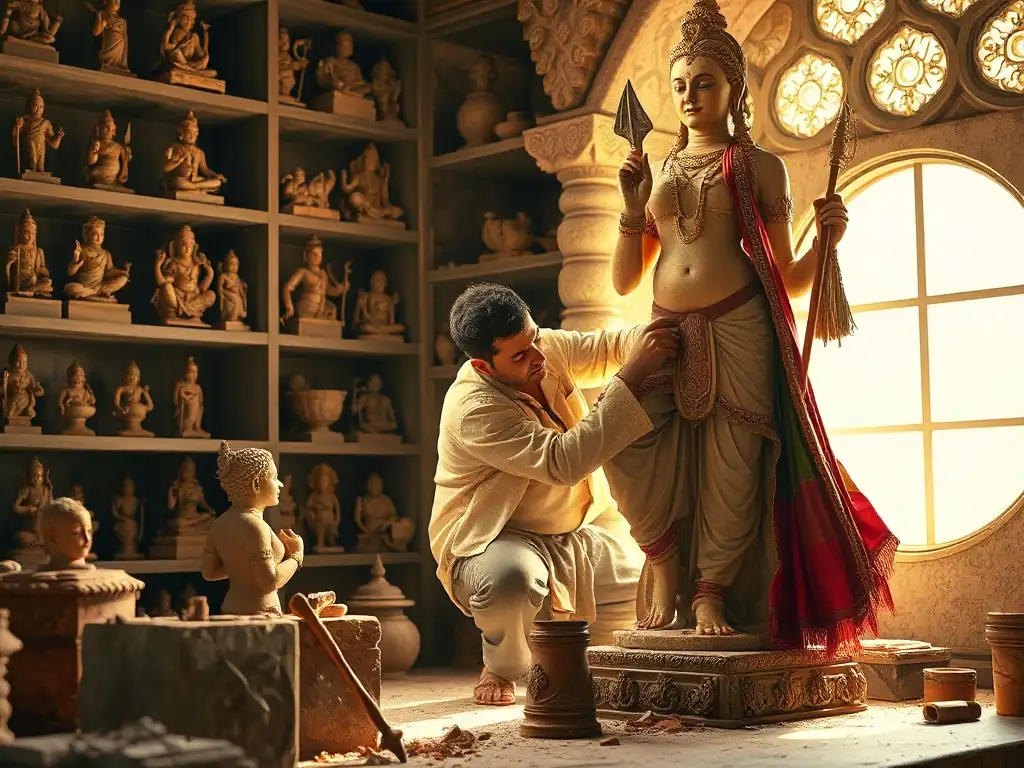
Iconography in Gupta sculpture reveals a rich tapestry of religious and cultural themes prevalent during the era. Hinduism, Buddhism, and Jainism were the primary religions that influenced the iconographic choices of sculptors. Deities such as Vishnu, Shiva, and the Buddha were commonly represented, each embodying specific attributes that conveyed their divine roles. For instance, Vishnu is often depicted with a conch shell and discus, symbolizing his role as the preserver of the universe.
In addition to divine figures, Gupta sculptures frequently illustrated scenes from mythology and religious texts. These narratives were depicted through intricate carvings that told stories, such as the Ramayana and Mahabharata, making the sculptures not just artistic expressions but also educational tools. The use of symbolic motifs, including lotus flowers and mandalas, further enriched the iconography, representing purity and spiritual enlightenment.
Materials and Techniques Used in Gupta Sculpture
The Gupta sculptors utilized a variety of materials, with stone, particularly sandstone and granite, being the most common. These materials were favored for their durability and ability to be finely carved, allowing for intricate detailing. In addition to stone, metal sculptures were also produced, often using bronze, which allowed for casting techniques that created detailed and expressive forms.
The techniques employed by Gupta artists included both subtractive and additive methods. The subtractive method involved chiseling away stone to create the desired forms, while the additive method was prominent in metal casting, where molten metal was poured into molds. Furthermore, the use of polychromy (the practice of painting sculptures in multiple colors) was prevalent during this period, which added vibrancy and life to the sculptures, enhancing their visual impact.
Major Contributions to Sculpture During the Gupta Period
The Gupta period stands out for its substantial contributions to the art of sculpture, setting a benchmark for quality and innovation. This era saw the emergence of large-scale sculptures, often integrated into temples and public spaces, that conveyed both religious devotion and artistic excellence. The development of new techniques in stone carving allowed artists to achieve greater levels of detail and realism, pushing the boundaries of artistic expression.
Another significant contribution was the establishment of sculpture as a means of communicating religious narratives. The visual storytelling in sculptures helped to disseminate religious teachings and cultural values among the populace, bridging the gap between the divine and the earthly. The period also marked the rise of regional styles, as local artisans began to incorporate local traditions into their work, resulting in a diverse array of sculptures that celebrated both universal themes and localized expressions of faith.
Prominent Sculptors of the Gupta Empire
While specific names of individual sculptors from the Gupta Empire may not be well-documented, the period is known for a collective of highly skilled artisans and craftsmen who contributed to its artistic legacy. These sculptors were often associated with royal patronage, working in the courts of emperors such as Chandragupta II and Kumaragupta I. Their collaborative efforts allowed for the flourishing of a distinct Gupta style, characterized by its elegance and sophistication.
In addition to court artists, many sculptures were created by regional craftsmen who infused local styles and techniques into their work. This blending of influences led to the emergence of various regional schools of sculpture, each contributing to the overall richness of Gupta art. The anonymity of many sculptors is a testament to the collaborative nature of art during this period, where the focus was often on the collective achievement rather than individual recognition.
Notable Sculptural Works from the Gupta Era
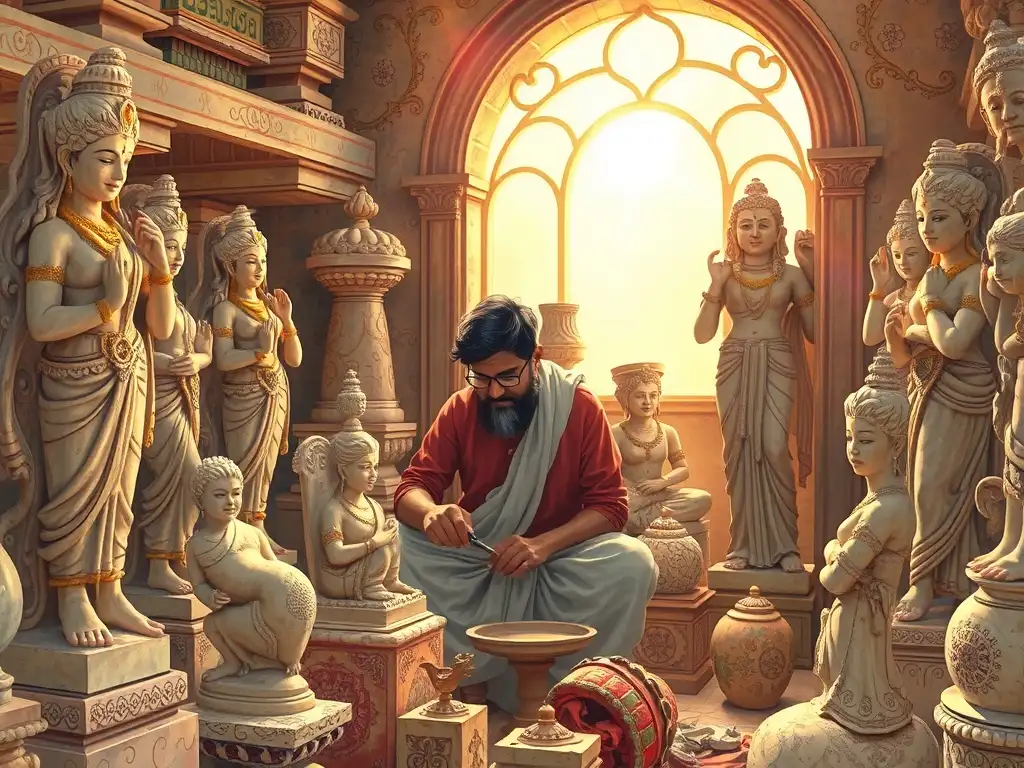
Several notable sculptures from the Gupta era exemplify the artistic brilliance of this period. One of the most iconic is the statue of the seated Buddha from Sarnath, which displays the serene demeanor characteristic of Gupta sculpture. This piece, along with others found in various locations, reflects the high level of craftsmanship and the spiritual depth of the time.
Additionally, the sculptures adorning the temples at Ajanta and Ellora are remarkable examples of Gupta artistry. These sites feature intricate carvings that depict scenes from Buddhist Jataka tales, showcasing the narrative quality of Gupta sculpture. The presence of both large-scale and smaller, detailed sculptures in these sites underscores the versatility and depth of artistic expression during the Gupta period.
Temples and Monuments: Architectural Integration with Sculpture
Gupta sculpture was often not created in isolation but was intricately linked to the architectural context in which it was placed. Temples built during this period, such as those at Khajuraho and Udayagiri, exemplify the harmonious integration of sculpture with architecture. The exteriors of these temples are adorned with detailed carvings that not only serve decorative purposes but also narrate religious stories and convey spiritual messages.
The architectural design of Gupta temples often featured intricate friezes, column carvings, and relief sculptures that enhanced the overall visual experience. This integration of sculpture and architecture created spaces that were both functional and deeply symbolic, inviting worshippers to engage with the divine through art. The careful planning of these sites reflects the sophisticated understanding of aesthetics and spirituality that characterized the Gupta period, establishing a lasting legacy in the history of Indian art.
Themes and Subjects in Gupta Sculpture
Gupta sculpture is characterized by a rich tapestry of themes and subjects that reflect the cultural and religious milieu of the time. Predominantly, the sculptures illustrate a seamless blend of spirituality and the natural world, showcasing the era's philosophical depth. Common themes include:
- Religious Devotion: Many sculptures were created for temples and shrines, serving as both decorative and devotional art.
- Mythology: The sculptures often depict stories from Hindu epics, such as the Ramayana and the Mahabharata, illustrating the narratives in a visually compelling manner.
- Nature: Artists drew inspiration from the natural environment, portraying flora and fauna alongside human figures, which signifies the interconnectedness of life.
This thematic diversity not only reflects the religious sentiments of the Gupta period but also highlights the artisans' skill in capturing intricate details and emotions within their works.
Religious Influences on Gupta Sculpture
The religious landscape of the Gupta Empire was predominantly influenced by Hinduism, Buddhism, and Jainism. This multi-religious environment significantly shaped the themes and styles of Gupta sculpture:
- Hindu Influence: Deities such as Vishnu, Shiva, and Durga became central figures in Gupta art, often depicted with a sense of grace and fluidity. Iconic sculptures, like those of the dancing Shiva, showcase an unparalleled mastery of form and devotion.
- Buddhist Influence: The period saw a resurgence of Buddhist art, particularly in the regions of Mathura and Sarnath. The serene and meditative representations of the Buddha, as well as the intricate reliefs of Jataka tales, illustrate the spiritual teachings of Buddhism.
- Jain Influence: Jain sculptures from this era highlight the Tirthankaras (spiritual teachers), often emphasizing non-violence and the pursuit of truth, reflecting the community's values.
These religious influences are evident in the iconography, style, and techniques used in Gupta sculptures, which served as a means of both worship and artistic expression.
Depictions of Daily Life and Nature in Gupta Art
In addition to religious themes, Gupta sculpture frequently portrayed scenes from daily life, providing a glimpse into the socio-cultural context of the time. These representations often included:
- Occupations and Trades: Sculptures depict artisans, musicians, and farmers, showcasing the diversity of professions and the importance of each in society.
- Festivals and Rituals: Artistic renderings of celebrations and religious ceremonies reflect the communal spirit and cultural vibrancy of the Gupta period.
- Nature: Elements of nature, such as flora and fauna, are incorporated into the sculptures, indicating a deep appreciation for the environment. The attention to detail in portraying animals and plants exemplifies the artists' observational skills.
This focus on daily life and nature not only adds depth to Gupta art but also serves as an essential historical record of the era's social and cultural dynamics.
Representation of Deities and Mythological Figures
Gupta sculptures are renowned for their sophisticated representations of deities and mythological figures, which hold significant importance in the religious landscape of the time. Key aspects include:
- Anatomical Precision: Sculptors demonstrated remarkable skill in creating lifelike forms, with attention to proportion and expression. This is particularly evident in the serene faces and intricate clothing of the deities.
- Symbolism: Each figure is laden with symbolism, such as the lotus representing purity or the conch shell denoting the divine sound. This imbues the sculptures with layers of meaning and invites deeper contemplation.
- Narrative Context: Many sculptures are not standalone pieces but part of larger narratives, often depicting scenes from the epics or significant events in the lives of the gods. This storytelling aspect enriches the viewer's experience.
The representation of deities and mythological figures in Gupta sculpture is not only an artistic achievement but also a reflection of the cultural and spiritual ethos of the Gupta Empire.
The Legacy of Gupta Sculpture
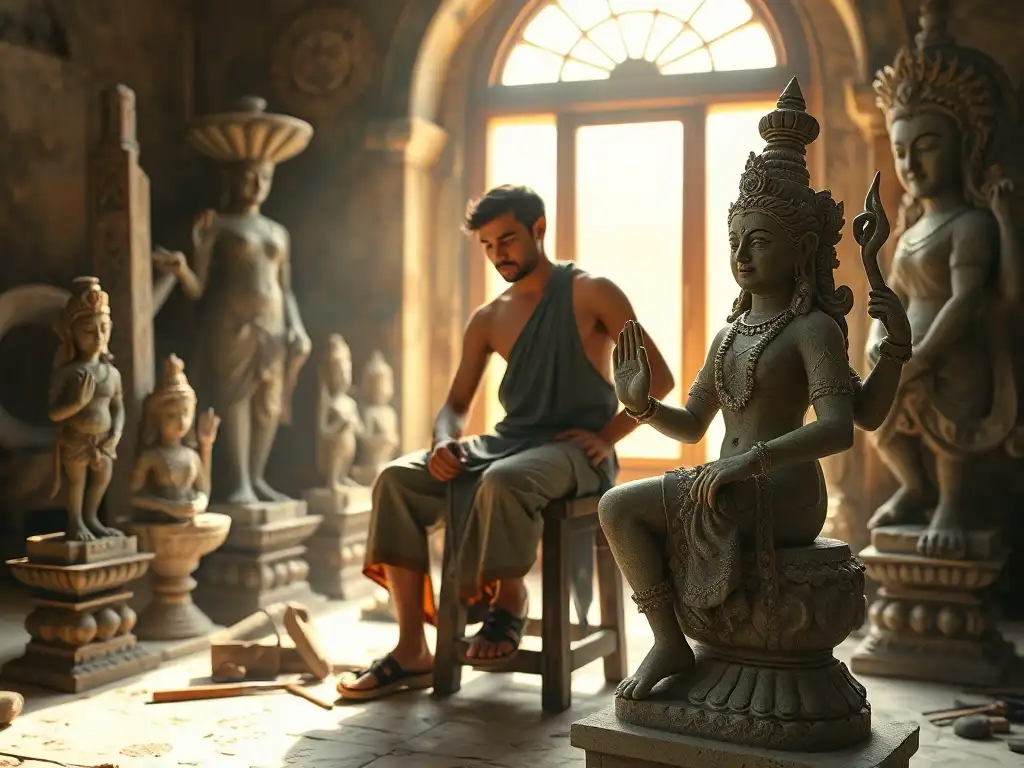
Gupta sculpture left an indelible mark on the art world, influencing various artistic movements and practices both regionally and globally. Its legacy is evident in numerous aspects:
Influence on Subsequent Indian Art Movements
The artistic techniques and styles developed during the Gupta Empire laid the groundwork for subsequent Indian art movements. Key influences include:
- Medieval Indian Art: The stylistic elements of Gupta sculpture continued to inspire artists in the medieval period, particularly in the development of temple architecture and sculpture.
- Regional Styles: Different regions adopted and adapted Gupta techniques, leading to the emergence of distinctive styles, such as the Chola and Rajput schools of sculpture.
- Iconographic Traditions: Many iconographic conventions established during the Gupta period endure in contemporary Indian art, especially in religious contexts.
The innovative approaches to form, proportion, and iconography found in Gupta sculpture have had a lasting influence on Indian art, ensuring its place in the cultural canon.
Preservation and Rediscovery of Gupta Sculptures
The preservation and rediscovery of Gupta sculptures are crucial for understanding their historical significance. Efforts have included:
- Archaeological Excavations: Significant sites, such as Mathura and Sarnath, have yielded numerous Gupta sculptures, providing insights into the artistic practices of the era.
- Museums and Collections: Many Gupta sculptures are housed in museums around the world, where they are studied and appreciated for their artistic and historical value.
- Conservation Efforts: Ongoing conservation projects aim to preserve these artifacts for future generations, ensuring that the rich heritage of Gupta sculpture remains accessible.
These efforts highlight the importance of Gupta art and its relevance to contemporary society, fostering appreciation and understanding of ancient Indian culture.
Gupta Sculpture's Impact on Global Art History
The impact of Gupta sculpture extends beyond the borders of India, influencing global art history in several ways:
- Cross-Cultural Exchange: The Gupta period was marked by trade and cultural exchange, facilitating the spread of artistic ideas across Asia. Gupta sculptures influenced Buddhist art in Southeast Asia, particularly in places like Cambodia and Thailand.
- Western Artistic Movements: The revival of interest in classical forms during the Renaissance saw European artists drawing inspiration from Indian art, including Gupta sculpture, as they sought to reimagine and reinterpret classical ideals.
- Global Recognition: Today, Gupta sculptures are celebrated worldwide for their artistic merit, contributing to a broader understanding of the history of art and its diverse expressions.
Through these avenues, Gupta sculpture has solidified its place in the narrative of global art history, showcasing the interconnectedness of cultures and the timeless nature of artistic expression.
Conclusion
The Gupta Empire stands as a monumental period in the history of Indian art, particularly in sculpture. The advancements during this era not only reflect a remarkable fusion of artistic techniques but also embody the spiritual and philosophical ethos of the time.
The sculptures produced during the Gupta period are characterized by their intricate detail, naturalistic forms, and profound expressiveness, marking a significant renaissance in Indian art. As we reflect on the significance of Gupta sculpture, it becomes evident that this artistic heritage is not merely a collection of artifacts but a vital connection to the cultural and historical narrative of ancient India.
Summary of the Gupta Empire Sculpture History
The Gupta Empire, often referred to as the Golden Age of India, witnessed a flourishing of the arts, particularly sculpture, from approximately the 4th to the 6th centuries CE. This period is marked by the emergence of a unique artistic style that emphasized gracefulness, detailed ornamentation, and a deep spiritual connection. Sculptors during this time were influenced by earlier traditions while also innovating new forms and techniques.
Key characteristics of Gupta sculpture include:
- Naturalism: Sculptures displayed realistic proportions and lifelike postures, which were a departure from the more rigid forms of previous periods.
- Iconography: Depicting a variety of deities and mythological figures, Gupta sculptures served both religious and decorative purposes.
- Material Use: Artists utilized a range of materials, including stone, bronze, and terracotta, showcasing their versatility and skill.
Notable sites such as Ajanta and Ellora caves exemplify the grandeur of Gupta sculpture, with intricate carvings and frescoes that narrate religious stories and depict the daily lives of people during that era. The legacy of Gupta sculpture continues to inspire contemporary artists and remains a subject of great academic interest and admiration.
The Importance of Preserving Gupta Artistic Heritage
Preserving the artistic heritage of the Gupta Empire is crucial for several reasons. First, these sculptures offer invaluable insights into the cultural, religious, and social dynamics of ancient India. They serve as tangible connections to the past, allowing us to understand the values and beliefs that shaped the lives of people during the Gupta period.
Moreover, the preservation of Gupta sculptures contributes to the broader understanding of art history. The techniques and styles developed during this time influenced subsequent generations of artists and remain significant in the study of Indian art. Efforts to conserve and restore these works are essential not only for historical scholarship but also for cultural identity, as they foster a sense of pride and continuity among Indian communities.
In recent years, various initiatives have been undertaken to safeguard these treasures, including digital archiving and public awareness campaigns. However, ongoing support and funding are necessary to ensure that Gupta artistic heritage is preserved for future generations.
Further Reading and Resources
To delve deeper into the rich history of Gupta Empire sculpture, a variety of books, articles, and online resources are available for enthusiasts and scholars alike. These materials provide comprehensive analyses, historical context, and artistic interpretations of the sculptures from this pivotal era.
Books and Articles on Gupta Sculpture
-
"The Art of Ancient India: Buddhist, Hindu, Jain" by Benjamin Rowland
This book offers an extensive overview of Indian art, including a detailed exploration of Gupta sculpture.
-
"Indian Sculpture: Origins and Development" by Naman P. Ahuja
A comprehensive study that traces the evolution of Indian sculpture, with significant focus on the Gupta period.
-
Journal Articles:
Scholarly articles in journals such as the Journal of the Society of Architectural Historians and Artibus Asiae often feature in-depth studies and analyses of Gupta sculptures.
Museums and Exhibitions Featuring Gupta Art
Many museums around the world house collections of Gupta art, allowing visitors to appreciate the craftsmanship and historical significance of these sculptures firsthand. Some notable institutions include:
- National Museum, New Delhi: Home to a vast collection of Gupta sculptures, offering insights into the artistic achievements of the period.
- British Museum, London: Features a selection of Gupta-era artifacts, highlighting the empire's cultural exchanges.
- Metropolitan Museum of Art, New York: Regularly hosts exhibitions that include Gupta sculptures, alongside other artifacts from ancient India.
These resources and institutions play a vital role in promoting awareness and appreciation of Gupta Empire sculpture history, ensuring that this remarkable artistic heritage continues to inspire and educate future generations.
Frequently Asked Questions
What was the significance of the Gupta Empire in the history of sculpture?
The Gupta Empire is often referred to as the Golden Age of Indian art, particularly in sculpture, where it saw a resurgence in creativity, style, and technique.
How did Gupta sculptures differ from earlier Indian art forms?
Gupta sculptures showcased realism and expressiveness, moving away from the more rigid styles of earlier periods, emphasizing naturalism and spiritual themes.
What are some famous examples of Gupta Empire sculpture?
Notable examples include the rock-cut caves of Ajanta, which feature intricate figures and narratives, and the stunning Buddha statues that reflect the era's artistic excellence.
How did religion influence Gupta Empire sculpture?
Religion played a crucial role, with many sculptures depicting Hindu deities and Buddhist themes, serving both artistic and devotional purposes.
What techniques were used in Gupta sculpture?
Artists of the Gupta Empire employed techniques like carving, chisel work, and polishing, which enabled them to create detailed and lifelike representations in stone.
Final Reflection: The Enduring Legacy of Gupta Empire Sculpture
The Gupta Empire's remarkable contributions to sculpture history resonate profoundly in today's cultural landscape. As we explore the intricate artistry and profound symbolism of this era, we uncover not only the aesthetic brilliance of the sculptures but also their ability to convey deep philosophical and spiritual narratives. The Gupta period serves as a testament to the transformative power of art, reminding us that creativity can transcend time and continue to inspire generations.
The influence of Gupta Empire sculpture extends far beyond its historical context, shaping the artistic expressions and cultural identities of societies around the world. The intricate carvings and statues from this period have sparked a renewed interest in traditional craftsmanship, encouraging contemporary artists to draw inspiration from ancient techniques and themes. As the renowned art historian John Onians once stated, Art is a reflection of society, and the Gupta sculptures encapsulate the ideals and aspirations of their time, offering a mirror through which we can understand our own cultural narratives.
As we conclude this exploration of the Gupta Empire and its sculptural legacy, I invite you to reflect on the power of art in your own life. Consider how the themes of beauty, spirituality, and cultural identity expressed through these ancient sculptures can inspire your personal journey.
Whether you are an artist, a historian, or simply an admirer of culture, let the lessons of the Gupta Empire encourage you to seek out and celebrate the artistic expressions that resonate with your own experiences and aspirations. Embrace the beauty of creativity, and allow it to shape your understanding of the world around you.
Embrace the Artistry: Ignite Your Passion for Sculpture!
Thank you for diving into the fascinating world of the Gupta Empire and its breathtaking renaissance of sculpture. We hope you’ve uncovered the beauty and historical significance that these masterpieces hold! Now, let’s take that inspiration a step further and explore how you can connect even more with this artistic legacy.
- Start creating! Grab some clay or sculpting materials and try your hand at making your own small sculpture inspired by Gupta artistry.
- Join a local art class or an online workshop focused on sculpture techniques to enhance your skills and meet like-minded individuals.
- Share your thoughts! Discuss your newfound appreciation for sculpture in our comments section or on social media; tag us to continue the conversation.
What aspect of Gupta sculpture inspires you the most, and how will you express that inspiration in your own creative journey?