
The Most Iconic Indian Jewelry Designs and How to Purchase Them Authentically

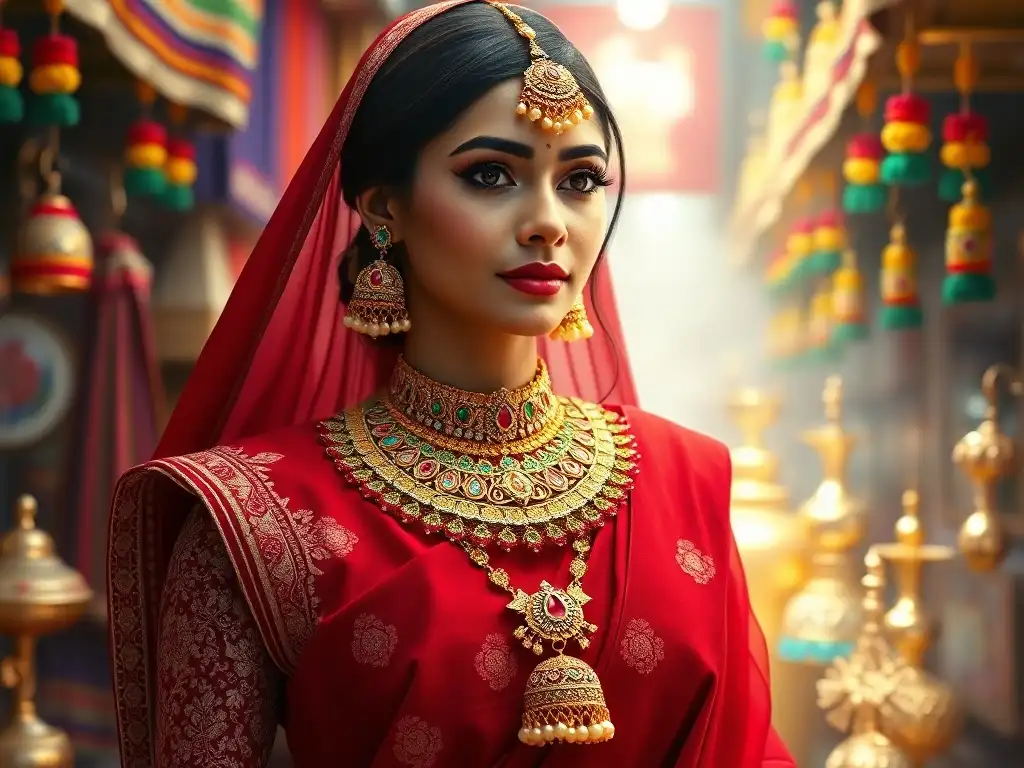
Welcome to Ancient India History, where we embark on a captivating journey through the rich tapestry of Indian civilization. Here, you will uncover the intriguing stories of ancient cultures, from the awe-inspiring Indus Valley to the remarkable Gupta Empire. In our featured article, "The Most Iconic Indian Jewelry Designs and How to Purchase Them Authentically," we delve into the exquisite world of authentic Indian jewelry designs.
Discover the artistry and heritage behind these timeless pieces, and learn how to acquire them with confidence. Prepare to be inspired as you explore the elegance and significance of jewelry that has adorned generations. Dive in and let the exploration begin!
- Understanding Authentic Indian Jewelry Designs
- Historical Significance of Indian Jewelry
- Popular Types of Authentic Indian Jewelry Designs
- How to Purchase Authentic Indian Jewelry
- Conclusion: Embracing the Beauty of Authentic Indian Jewelry Designs
- Frequently Asked Questions
- Final Reflection: Embracing Authenticity in Indian Jewelry Designs
- Unveil the Beauty of Indian Jewelry: Take Action Today!
Understanding Authentic Indian Jewelry Designs
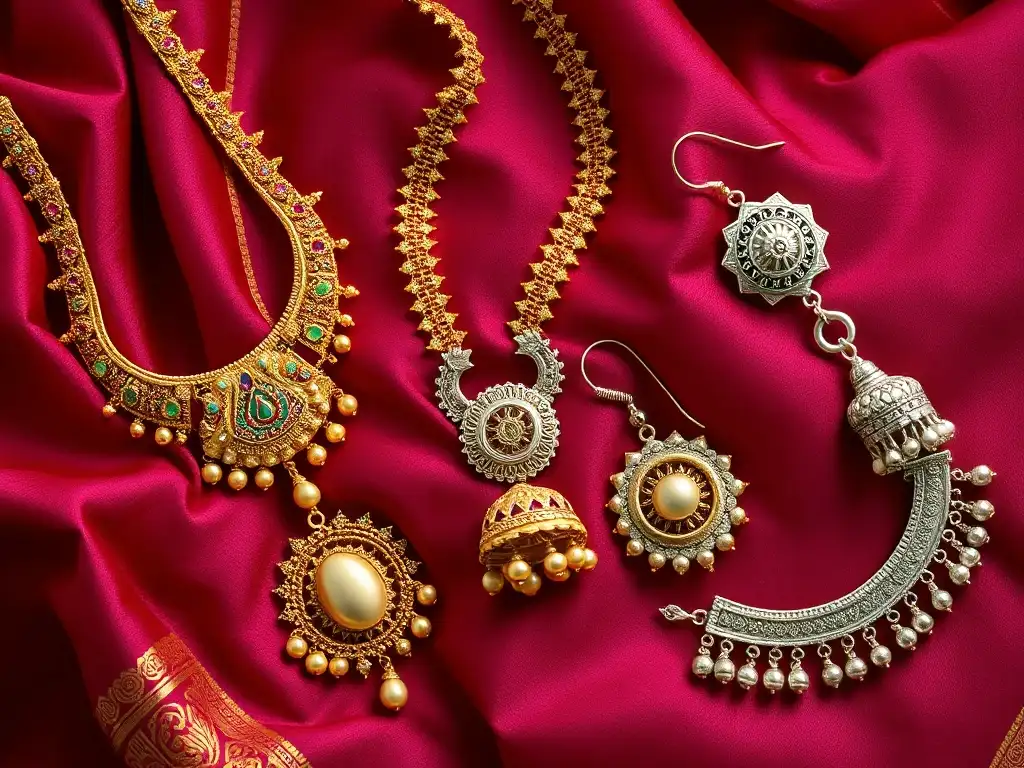
Exploring the vast tapestry of ancient Indian civilizations reveals a treasure trove of artistic expressions, particularly in the realm of jewelry. From the intricate craftsmanship of the Indus Valley to the regal adornments of the Gupta Empire, the legacy of Indian jewelry is as diverse as the cultures that shaped it.
In this article, we will delve into the most iconic Indian jewelry designs and guide you on how to purchase them authentically. Understanding the significance of authenticity in Indian jewelry not only enhances your appreciation of these timeless pieces but also ensures that you are investing in genuine artifacts that reflect the rich heritage and artistry of India.
What is Authentic Indian Jewelry?
Authentic Indian jewelry can be defined as pieces that are crafted using traditional techniques and materials that have been passed down through generations. These pieces often showcase the unique aesthetic sensibilities and cultural narratives of various regions in India.
- Materials Used: Authentic jewelry is typically made from precious metals such as gold, silver, and platinum, often adorned with semi-precious stones like turquoise, garnet, and jade.
- Techniques: Traditional methods such as Kundan, Meenakari, and Jadau highlight the craftsmanship involved in creating these exquisite pieces.
- Cultural Significance: Jewelry often holds symbolic meanings, representing status, identity, and even religious beliefs, making each piece a story in itself.
The Importance of Authenticity in Indian Jewelry
Ensuring the authenticity of Indian jewelry is crucial for several reasons:
- Cultural Heritage: Authentic pieces preserve the rich cultural heritage of India, allowing future generations to connect with their roots.
- Value Appreciation: Genuine jewelry holds intrinsic and historical value, often appreciating over time, unlike replicas that can depreciate.
- Ethical Considerations: Purchasing authentic jewelry supports local artisans and communities, promoting sustainable practices and preserving traditional craftsmanship.
Key Features of Iconic Indian Jewelry Designs
When exploring iconic Indian jewelry designs, certain features stand out, reflecting the diversity and intricacy of this art form:
- Intricate Detailing: Many designs showcase elaborate patterns and detailed workmanship, often inspired by nature and mythology.
- Vibrant Colors: The use of colorful gemstones and enamel work adds vibrancy, making each piece visually striking.
- Symbolic Motifs: Common motifs include floral patterns, peacock designs, and religious symbols, each carrying its own meaning.
- Variety of Styles: From the regal Kundan sets of Rajasthan to the delicate Temple Jewelry of South India, each style tells a different story.
By appreciating these features, you can better understand the significance of each piece and make informed choices when purchasing authentic Indian jewelry.
Historical Significance of Indian Jewelry
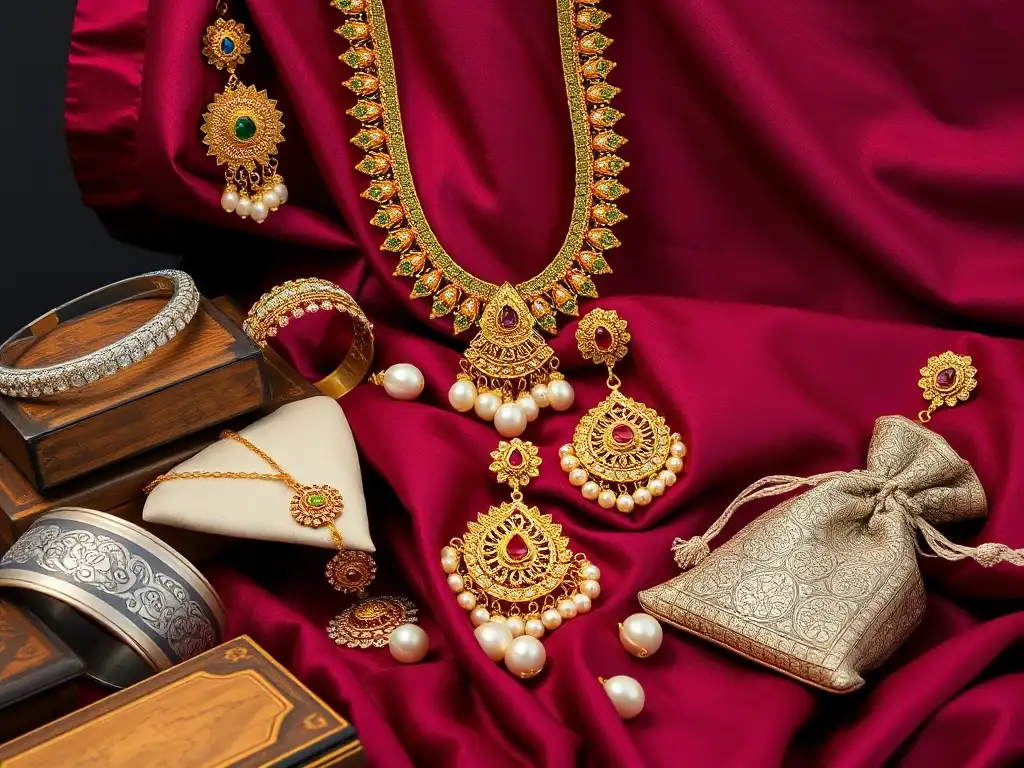
Indian jewelry is not merely an adornment; it has been integral to the social, cultural, and economic fabric of the subcontinent for millennia. The significance of jewelry in India can be traced back to ancient times, where it served various purposes beyond decoration. It was used in rituals, as a status symbol, and as a form of wealth storage. Jewelry often played a pivotal role in significant life events such as marriages, childbirth, and festivals, reflecting the rich heritage and diverse traditions of various communities.
The Evolution of Indian Jewelry Through the Ages
The evolution of Indian jewelry can be categorized into several distinct periods, each characterized by unique styles and materials:
- Indus Valley Civilization (c. 3300–1300 BCE):
- The earliest evidence of jewelry comes from the Indus Valley, where artisans crafted beads, bangles, and necklaces from materials like gold, silver, and semi-precious stones.
- Notable materials: Carnelian, agate, and shell were commonly used, showcasing the advanced craftsmanship of the time.
- Vedic Period (c. 1500–500 BCE):
- Jewelry in this era was influenced by religious beliefs, with pieces often adorned with motifs representing deities and nature.
- Key designs: Necklaces and armlets were popular, often made from rudimentary materials.
- Maurya and Gupta Empires (c. 322 BCE–550 CE):
- This period saw a flourishing of arts and crafts, with jewelry becoming more intricate and diverse.
- Innovative styles: Gold became the prominent metal, and the use of gemstones like diamonds and pearls began to rise.
- Medieval Period (c. 600–1700 CE):
- The introduction of various cultural influences, including Persian and Mughal styles, transformed jewelry designs.
- Exquisite craftsmanship: Techniques such as enamel work and the use of intricate filigree became popular.
- Colonial Era to Modern Day (c. 1700–Present):
- The British colonial influence led to the fusion of Western styles with traditional Indian designs.
- Contemporary trends: Modern Indian jewelry now incorporates global styles while retaining a sense of cultural identity.
Influences of Different Indian Cultures on Jewelry Design
Indian jewelry is a tapestry woven from the influences of various cultures, regions, and communities. Each culture has contributed distinct elements to the design and craftsmanship of jewelry:
- Mughal Influence: Renowned for its elaborate and ornate styles, Mughal jewelry often features intricate floral patterns and the use of large gemstones. Pieces like the "jhumka" (earrings) and "kundan" (gemstone setting) are quintessential examples of this influence.
- Regional Styles:
- Kolkata: Known for its traditional "shankh" (conch shell) bangles, symbolizing auspiciousness.
- South India: Gold jewelry, especially temple jewelry, is characterized by heavy designs adorned with intricate carvings of deities.
- Rajasthan: Known for its colorful and vibrant jewelry, often embellished with mirrors and enamel work.
- Tribal Influence: Various tribes in India have their own unique jewelry styles, often using natural materials like beads, shells, and metals. These pieces reflect the community's identity and heritage.
Iconic Symbols and Motifs in Indian Jewelry
Indian jewelry is replete with symbols and motifs that convey deep cultural meanings and beliefs. Some iconic symbols include:
- Lotus: A representation of purity and beauty, the lotus is commonly found in necklace designs and earrings.
- Peacock: Symbolizing grace and beauty, peacock motifs are often incorporated into jewelry, especially in South Indian designs.
- Om and Swastika: Sacred symbols in Hinduism, these motifs are often engraved or embossed on pendants and rings.
- Tree of Life: Representing growth and interconnectedness, this motif is increasingly popular in modern designs.
These symbols not only enhance the aesthetic appeal of the jewelry but also carry significant spiritual and cultural meanings, making the pieces deeply personal and meaningful to the wearer.
Understanding the historical significance, cultural influences, and iconic motifs of Indian jewelry is essential for anyone looking to purchase authentic Indian jewelry designs. This knowledge not only enriches the buying experience but also fosters a deeper appreciation for the artistry and heritage that each piece embodies.
Popular Types of Authentic Indian Jewelry Designs
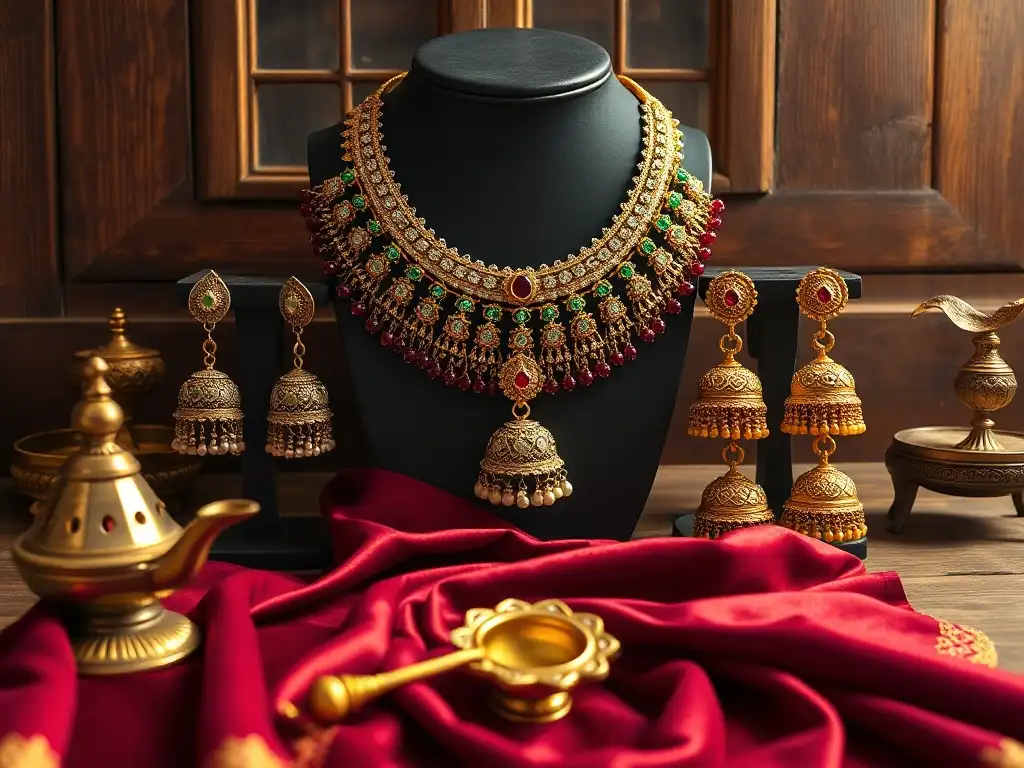
The rich tapestry of Indian culture is reflected in its jewelry, which showcases a blend of artistry, tradition, and innovation. Authentic Indian jewelry designs are highly revered for their intricate craftsmanship and historical significance. Among the myriad forms, three prominent categories stand out: traditional gold jewelry, Kundan jewelry, and more. Let’s explore some of these iconic designs in detail.
Traditional Gold Jewelry: A Timeless Classic
Gold jewelry has held a special place in Indian culture for centuries, symbolizing wealth, status, and prosperity. The use of gold in jewelry is not just an adornment but also a reflection of tradition and heritage.
Types of Gold Jewelry: Necklaces, Bangles, and Earrings
- Necklaces: Traditional gold necklaces come in various styles, including:
- Collars: Close-fitting and often adorned with intricate designs.
- Long Chains: Typically worn with pendants, these add elegance and grace.
- Rani Haar: A royal piece that drapes beautifully, often featuring layers of gold.
- Bangles:
- Chudi: These are traditional bangles that can be stacked and worn on both hands.
- Kadas: Thick bangles that are often ornately designed, symbolizing strength.
- Earrings:
- Jhumkas: Bell-shaped earrings that can be simple or heavily embellished.
- Studs: Often featuring precious stones, these are a subtle yet elegant choice.
The craftsmanship of traditional gold jewelry varies significantly across regions in India, reflecting local customs and styles. For instance, South Indian jewelry often features temple motifs, while North Indian jewelry showcases intricate filigree work.
Kundan Jewelry: The Art of Setting
Kundan jewelry is a hallmark of Indian craftsmanship, characterized by its unique setting technique where stones are set in gold foil. This art form originated in the royal courts of Rajasthan and Gujarat, and it continues to be popular today for its exquisite designs.
Features and Unique Benefits of Kundan Designs
- Intricate Detailing: Kundan pieces often feature detailed craftsmanship, including floral patterns and geometric designs. The use of colorful gemstones enhances their visual appeal.
- Versatility: Kundan jewelry can be worn for various occasions, from weddings to festive celebrations. Its adaptability makes it a favorite among jewelers and collectors alike.
- Cultural Significance: Each piece of Kundan jewelry tells a story, often inspired by historical events or royal patronage, making it not just an accessory but a piece of art.
- Durability: The setting technique used in Kundan jewelry ensures that the stones are securely held in place, offering longevity and durability.
Authentic Indian jewelry designs offer a glimpse into the country’s rich heritage and artistic prowess. Whether you choose traditional gold jewelry or the ornate Kundan pieces, each design carries a piece of history, making it a valuable addition to any collection.
Meenakari Jewelry: Colorful and Intricate Elegance
Meenakari jewelry is a traditional Indian art form that showcases vibrant colors and intricate designs, making it one of the most sought-after types of jewelry in the country. Originating from the Mughal era, this unique craftsmanship involves the application of colorful enamels onto metal surfaces, predominantly gold and silver. The artistry behind Meenakari jewelry is not just about aesthetics; it also reflects the cultural heritage and history of India, with motifs inspired by nature, mythology, and intricate geometric patterns.
The piece often features a combination of vibrant colors such as blue, green, red, and yellow, which are carefully blended to create stunning visual effects. Meenakari jewelry can be found in various forms, including earrings, necklaces, bangles, and rings. Each piece tells a story and showcases the artisan's skills, making it a cherished item for collectors and jewelry enthusiasts alike.
In recent years, Meenakari jewelry has gained international recognition, appreciated for its artistic value and the meticulous craftsmanship involved. As a result, it has become a popular choice for weddings and festive occasions, symbolizing not just beauty but also a connection to rich Indian traditions.
The Process of Creating Meenakari Jewelry
The creation of Meenakari jewelry is a labor-intensive process that involves several detailed steps. Here’s an overview of the process:
- Designing: It begins with the creation of a design, often inspired by traditional motifs, floral patterns, and cultural symbols. This design is sketched on paper before being transferred to the metal surface.
- Base Preparation: The chosen metal, usually gold or silver, is shaped into the desired form—be it a pendant, ring, or earring. The surface is polished to ensure it is smooth for the application of enamel.
- Enamel Application: The enamel, made from finely powdered glass, is mixed with various colorants. The artisans then apply this mixture to the metal surface, filling in the designs.
- Firing: The jewelry is then fired in a kiln at high temperatures, allowing the enamel to fuse with the metal. This step is crucial as it sets the color and adds durability to the piece.
- Finishing Touches: Once cooled, the piece is polished again, and any excess enamel is removed. Additional embellishments, like gemstones or gold plating, may also be added at this stage.
- Quality Check: Finally, the finished piece undergoes a quality check to ensure that it meets the standards of craftsmanship expected from authentic Meenakari jewelry.
This intricate process is what makes Meenakari jewelry not only beautiful but also a testament to the skill and dedication of Indian artisans.
Antique Jewelry: A Glimpse into the Past
Antique jewelry is more than just an accessory; it is a piece of history that reflects the artistry and cultural significance of its time. In India, antique jewelry often features unique designs, intricate craftsmanship, and the use of traditional materials such as gold, silver, and precious stones. These pieces are usually characterized by their age, typically being over 100 years old, and they carry stories from different eras, including Mughal, Rajput, and colonial periods.
What sets antique jewelry apart is its historical value and the craftsmanship that has stood the test of time. Each piece is often handmade, showcasing techniques that have been passed down through generations. As a result, antique jewelry is not only cherished for its beauty but also for its connection to India's rich heritage.
Collectors and enthusiasts seek out antique jewelry for various reasons, including investment potential, uniqueness, and the emotional connection it fosters. Wearing such pieces can evoke a sense of nostalgia and appreciation for the cultural narratives embedded within them.
How to Identify Genuine Antique Indian Jewelry
Identifying genuine antique Indian jewelry requires careful observation and knowledge of specific characteristics. Here are some key aspects to consider when assessing authenticity:
- Age and Patina: Genuine antique jewelry typically shows signs of age, such as a natural patina that develops over time. Look for subtle discolorations or wear that speaks to its history.
- Craftsmanship: Examine the craftsmanship closely. Authentic pieces will often display detailed workmanship, such as intricate engravings, hand-hammered surfaces, and unique designs that are not mass-produced.
- Materials Used: Antique jewelry is often made from high-quality materials, such as solid gold or silver, rather than plated metals. A hallmark or stamp may indicate the metal's purity.
- Style Characteristics: Familiarize yourself with the styles and motifs typical of different historical periods in India. For example, Mughal jewelry often features floral motifs and is embellished with gemstones, while Rajput jewelry may include larger, bolder designs.
- Documentation: If possible, request any provenance documents or certificates that can authenticate the piece's historical significance and ownership.
- Expert Consultation: When in doubt, seek the opinion of an expert or appraiser who specializes in antique jewelry. Their knowledge can provide invaluable insights and help determine authenticity.
By understanding these aspects, collectors and enthusiasts can make informed decisions when purchasing antique Indian jewelry, ensuring they acquire pieces that are not only beautiful but also rich in history.
How to Purchase Authentic Indian Jewelry
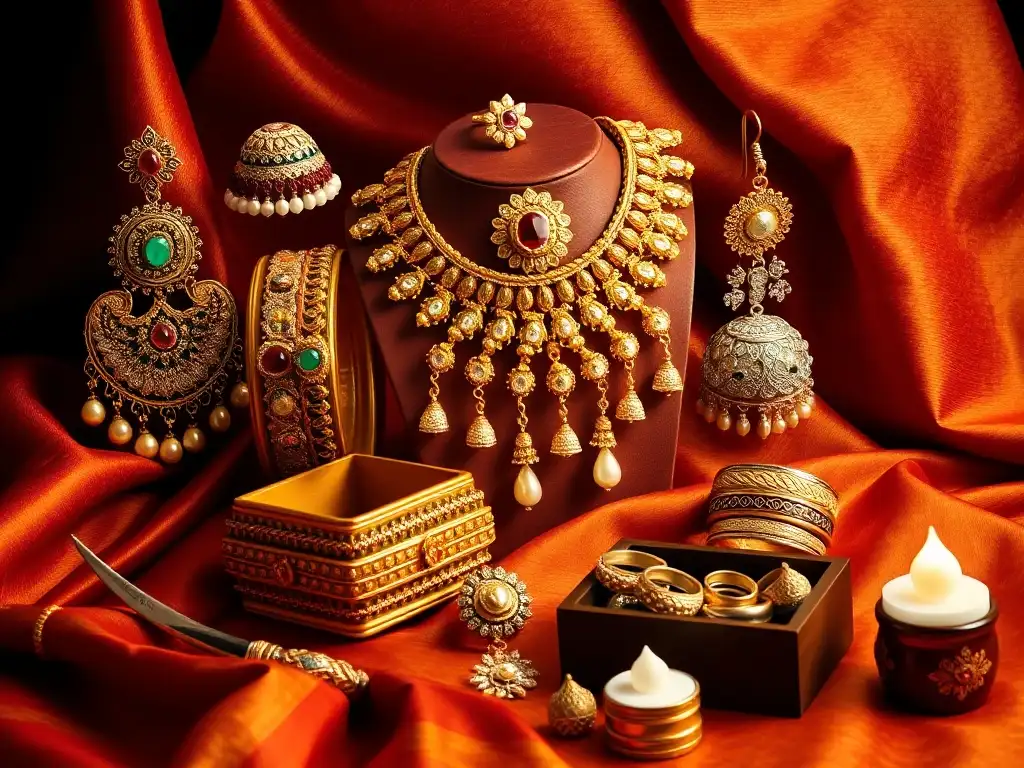
Purchasing authentic Indian jewelry involves understanding its rich history, intricate designs, and the cultural significance behind each piece. To ensure that you are making a worthwhile investment, it is crucial to approach your purchase with diligence and knowledge. Here are the key aspects to consider when purchasing authentic Indian jewelry.
Researching Reputable Jewelers and Online Stores
When looking for authentic Indian jewelry, the importance of researching reputable jewelers and online stores cannot be overstated. The market is filled with options, and while many offer genuine products, some may sell imitation or mass-produced items. Here are a few steps to help you identify trustworthy sources:
- Check Reviews and Ratings:
- Look for customer reviews on platforms like Google, Facebook, and jewelry-specific forums. Positive feedback from previous customers is a good indicator of reliability.
- Be cautious of stores with consistently negative reviews or unresolved complaints.
- Visit Physical Stores:
- If possible, visit local jewelers known for their Indian jewelry. This allows you to inspect the quality and craftsmanship of the pieces firsthand.
- Engaging with the store staff can provide insights into the authenticity and uniqueness of the designs.
- Ask About Sourcing:
- Reputable jewelers should be transparent about where their materials come from and the artisans behind their products.
- Inquire if they have direct relationships with craftspeople in India, as this often ensures authenticity.
Top Online Retailers for Authentic Indian Jewelry
Here are some renowned online retailers known for their collection of authentic Indian jewelry:
| Retailer Name | Specialization | Shipping Policies |
|---|---|---|
| Jaypore | Ethnic and traditional jewelry | International shipping available |
| Craftsvilla | Handcrafted and artisan jewelry | Worldwide shipping |
| Amazon India | Wide range including antique and modern styles | Extensive shipping options |
| Tanishq | Contemporary and traditional designs | Global delivery options |
| Gems and Jewelry | Custom jewelry and gemstones | Varies by location |
These retailers have built a reputation for authenticity and quality, making them reliable options for your jewelry purchases.
Understanding Certifications and Hallmarks
When purchasing jewelry, particularly precious metals and gemstones, it's essential to understand certifications and hallmarks. These serve as indicators of authenticity and quality, protecting consumers from counterfeit products.
- Certification:
- Look for certifications from recognized organizations that validate the quality of the jewelry. For instance, certifications for diamonds might include GIA (Gemological Institute of America) or IGI (International Gemological Institute).
- Hallmarks:
- Hallmarks are official marks stamped on jewelry that indicate the purity of the metal. For Indian jewelry, common hallmarks include those that denote the percentage of gold (like 22K, 18K).
- Familiarizing yourself with these marks can help ensure you are purchasing genuine items.
The Role of BIS (Bureau of Indian Standards) in Jewelry Authentication
The Bureau of Indian Standards (BIS) plays a crucial role in the standardization and certification of jewelry in India. Here’s how they contribute to the authenticity of Indian jewelry:
- Gold Hallmarking:
- BIS provides a hallmarking system for gold jewelry, ensuring that the gold content is as stated. This is critical for consumers wanting to ensure they receive the quality they are paying for.
- A BIS hallmark consists of a logo, the purity of gold, and a unique identification number of the jeweler.
- Consumer Protection:
- The BIS framework helps protect consumers against fraud. By purchasing jewelry with a BIS hallmark, you can be assured of the quality and authenticity of the metal.
- Promoting Trust:
- The presence of a BIS hallmark increases consumer trust in the authenticity of the product, encouraging more people to invest in traditional Indian jewelry.
Understanding the landscape of purchasing authentic Indian jewelry involves thorough research and knowledge of certifications. By following these guidelines, you can confidently acquire pieces that reflect the rich heritage and artistry of Indian craftsmanship.
Tips for Buying Jewelry at Local Markets
When venturing into local markets to purchase authentic Indian jewelry, it's crucial to be well-prepared and informed. Here are some essential tips to enhance your buying experience:
- Research Before You Go: Familiarize yourself with the different types of Indian jewelry, such as Kundan, Meenakari, and Jadau. Understanding the materials and craftsmanship involved will help you identify authentic pieces.
- Know the Value: Have a general idea of the prices for various types of jewelry. This will enable you to spot a fair deal and avoid being overcharged. Prices can vary significantly based on the craftsmanship, materials, and region.
- Bargaining Skills: In many local markets, haggling is not just accepted; it's expected. Approach the negotiation process respectfully, and don't hesitate to walk away if the price doesn't feel right. This can often lead to better offers.
- Inspect the Jewelry: Always examine the jewelry closely. Look for signs of quality craftsmanship, such as intricate detailing and solid construction. Check for authenticity marks or certificates when available.
- Ask About the Seller: Take the time to learn about the seller's background. A reputable seller will have a good understanding of their products and be transparent about the sourcing and materials used.
- Trust Your Instincts: If something feels off about a piece or the seller, it's perfectly fine to walk away. Authenticity is key, and there are plenty of other options available.
- Consider Cultural Significance: Some jewelry pieces have deep cultural meanings or traditional significance. Understanding these aspects can enhance your appreciation of the jewelry and guide your purchasing decisions.
Best Local Markets for Authentic Indian Jewelry
Exploring local markets is one of the best ways to find authentic Indian jewelry. Here are some of the top markets renowned for their exceptional craftsmanship and variety:
- Johari Bazaar, Jaipur
- Overview: Known as the hub of traditional jewelry, Johari Bazaar is famous for its Kundan and Meenakari jewelry. The vibrant market is filled with shops that showcase exquisite craftsmanship.
- Tip: Visit during the early hours to avoid crowds and get the best deals.
- Chandni Chowk, Delhi
- Overview: This historic market offers a vast selection of jewelry, from antique pieces to contemporary designs. Chandni Chowk is especially known for its silver jewelry and intricate gold work.
- Tip: Explore the narrow lanes for hidden gems and shop from established jewelers for authenticity.
- Lajpat Nagar Market, Delhi
- Overview: This bustling market is a treasure trove for those seeking traditional and modern Indian jewelry. You can find a variety of pieces, including oxidized and fashion jewelry.
- Tip: Don't shy away from bargaining to get the best prices.
- Bada Bazaar, Jodhpur
- Overview: Known for its colorful bazaars, Bada Bazaar is an excellent place to find authentic Rajasthani jewelry, including silver and semi-precious stone pieces.
- Tip: Look for unique tribal designs that reflect the local culture.
- Paharganj Market, Delhi
- Overview: This market is popular among tourists for its eclectic mix of jewelry, including handmade and traditional pieces. It's a great place to find bohemian-style jewelry.
- Tip: Engage with local artisans for personalized and unique pieces.
- Bishop Cotton Market, Shimla
- Overview: This quaint market is known for its handmade jewelry. The charm of Shimla adds to the experience of shopping for authentic pieces.
- Tip: Enjoy the scenic beauty while shopping to make the experience memorable.
By exploring these markets and following the tips provided, you can confidently purchase authentic Indian jewelry that reflects the rich cultural heritage of the country.
Conclusion: Embracing the Beauty of Authentic Indian Jewelry Designs
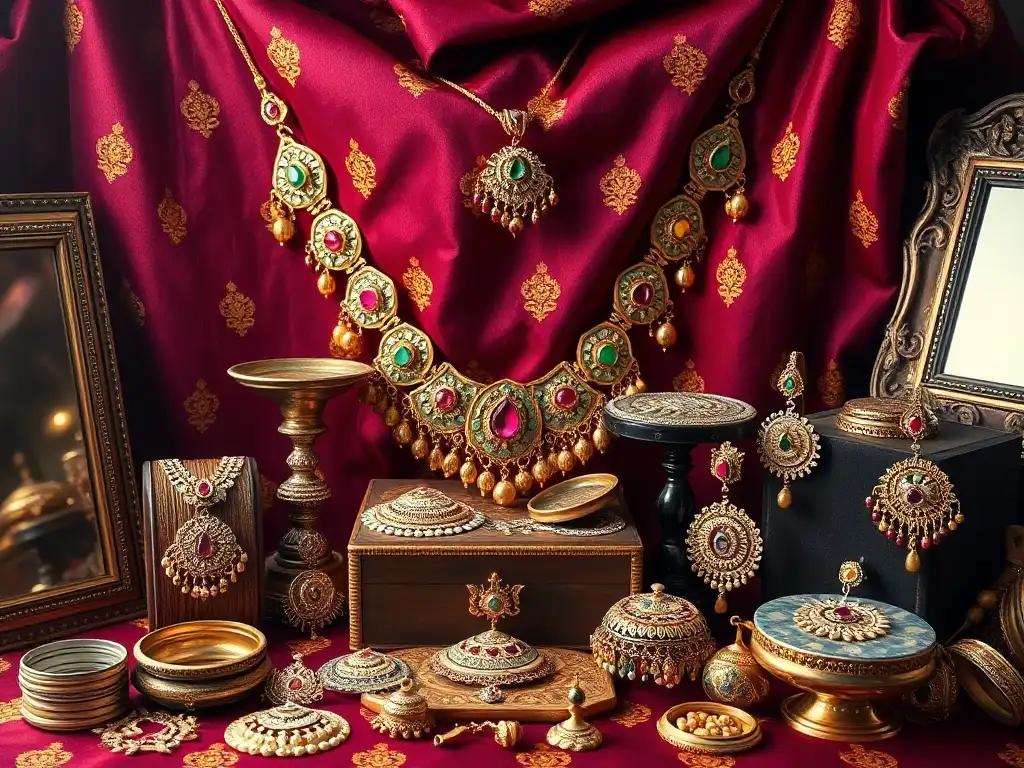
The allure of authentic Indian jewelry designs lies not only in their intricate craftsmanship but also in the rich cultural narratives they embody. From the ancient Indus Valley civilization to the opulent courts of the Gupta Empire, jewelry has been a significant aspect of Indian heritage, symbolizing status, spirituality, and artistry. As you embark on your journey to purchase authentic pieces, it is essential to appreciate the history and meanings behind these designs, ensuring that your choice resonates with both personal significance and cultural authenticity.
Final Recommendations for Authentic Purchase
When considering the purchase of authentic Indian jewelry, keep the following recommendations in mind:
- Research Reputable Sellers: Look for established jewelers who specialize in traditional Indian designs. Check for reviews and testimonials from previous customers to gauge their credibility.
- Verify Certifications: Ensure that the jewelry comes with a certification of authenticity, especially for high-value pieces. Certifications from recognized gemological laboratories can provide peace of mind regarding the quality and origin of the materials used.
- Understand the Craftsmanship: Familiarize yourself with various regional styles, such as Kundan, Meenakari, or Jadau. Each design has its unique techniques and cultural significance. This knowledge will help you make informed decisions and appreciate the artistry involved.
- Ask About Materials: Authentic Indian jewelry often features specific materials, such as gold, silver, or precious gemstones. Inquire about the quality and source of these materials to ensure you are purchasing a genuine piece.
- Consider Customization: Many jewelers offer customization options. This allows you to create a personalized piece that reflects your style while maintaining traditional elements.
- Be Wary of Pricing: While authentic jewelry may come with a higher price tag due to its craftsmanship and materials, be cautious of prices that seem too good to be true. If a deal appears excessively low, it may indicate a lack of authenticity.
Celebrating Indian Culture Through Jewelry
Jewelry in India serves as a reflection of the country's rich cultural tapestry. Each piece tells a story, representing local traditions, festivals, and historical events. Here are some ways in which Indian jewelry celebrates culture:
- Cultural Significance: Specific designs are often associated with particular regions or communities. For instance, Nath (nose rings) are traditionally worn by brides in many Indian cultures, symbolizing marital status and beauty.
- Festivals and Celebrations: Jewelry plays a pivotal role in Indian festivals. During occasions like Diwali or weddings, traditional jewelry is worn to celebrate and enhance the festive spirit.
- Artistry and Techniques: The diversity of techniques used in Indian jewelry—such as intricate filigree work or gemstone inlay—showcases the artistic talent passed down through generations. This craftsmanship is a source of pride and identity.
- Modern Interpretations: Contemporary designers are now blending traditional motifs with modern aesthetics, allowing a new generation to appreciate and wear Indian jewelry. This fusion maintains cultural relevance while catering to evolving tastes.
Embracing authentic Indian jewelry designs is not merely about adorning oneself; it is an opportunity to connect with a legacy of artistry, culture, and tradition. By making informed choices and understanding the significance behind each piece, you can celebrate the beauty of Indian heritage while enhancing your own style.
Frequently Asked Questions
What are some iconic Indian jewelry designs?
Iconic Indian jewelry designs include Kundan, Meenakari, and Jadau. These styles showcase intricate craftsmanship and are often adorned with precious stones and metals.
How can I ensure I'm buying authentic Indian jewelry?
To purchase authentic Indian jewelry, look for certificates of authenticity, buy from reputable dealers, and check for hallmarks that indicate quality and origin.
What should I consider when purchasing Indian jewelry?
When buying Indian jewelry, consider the design, materials used, and cultural significance. It's also important to understand the craftsmanship and the region it comes from.
Are there specific festivals where Indian jewelry is prominently featured?
Yes, Indian jewelry is prominently featured during festivals like Diwali, Karva Chauth, and weddings. These occasions often showcase traditional designs and elaborate pieces.
How has the design of Indian jewelry evolved over time?
The design of Indian jewelry has evolved from ancient times, influenced by various cultures and dynasties. Today, modern interpretations blend traditional motifs with contemporary styles to create unique pieces.
Final Reflection: Embracing Authenticity in Indian Jewelry Designs
The allure of authentic Indian jewelry designs transcends mere aesthetics; it embodies a rich tapestry of culture, history, and craftsmanship that resonates deeply in today's globalized world. As we navigate through a marketplace flooded with imitations, the importance of recognizing and valuing authentic pieces has never been more critical. In an era where individuality and heritage are celebrated, understanding the significance behind each design allows us to connect with our roots while making meaningful choices.
Cultural heritage is not just a relic of the past; it is a living, breathing entity that shapes our identity and influences our present. The intricate artistry of Indian jewelry tells stories of tradition, spirituality, and regional diversity that continue to inspire contemporary fashion. As we wear these pieces, we become part of a larger narrative that honors the artisans who dedicate their lives to preserving these age-old techniques. Jewelry is like the perfect spice; it always complements what’s already there.
– Diane Von Furstenberg. This sentiment rings true as we recognize that authentic jewelry enhances not only our appearance but also our connection to a vibrant cultural legacy.
As you reflect on the insights shared in this article, I invite you to take a moment to consider how you can incorporate authenticity into your own life. Seek out pieces that resonate with your personal story, and support artisans who pour their heart and soul into their craft. By choosing authentic Indian jewelry designs, you not only adorn yourself with beauty but also contribute to the preservation of a rich heritage that deserves to be celebrated. Embrace the journey of discovery, and let your choices reflect the values of authenticity and respect for tradition.
Unveil the Beauty of Indian Jewelry: Take Action Today!
Thank you for diving into the world of iconic Indian jewelry designs! You’ve gained insights into their rich history and authentic purchasing methods. Now, it’s time to take the next step in your own journey of discovery and appreciation.
- Explore local markets or artisan fairs to find unique pieces that truly speak to you.
- Share your newfound knowledge with friends and family by hosting a small jewelry showcase to display your favorite finds.
- Join online communities that focus on Indian craftsmanship, allowing you to connect with like-minded enthusiasts and share your experiences!
What is the first piece of Indian jewelry you are excited to add to your collection, and what makes it particularly inspiring for you?