
The Art of Negotiation: Tips for Buying Authentic Indian Jewelry in Local Markets

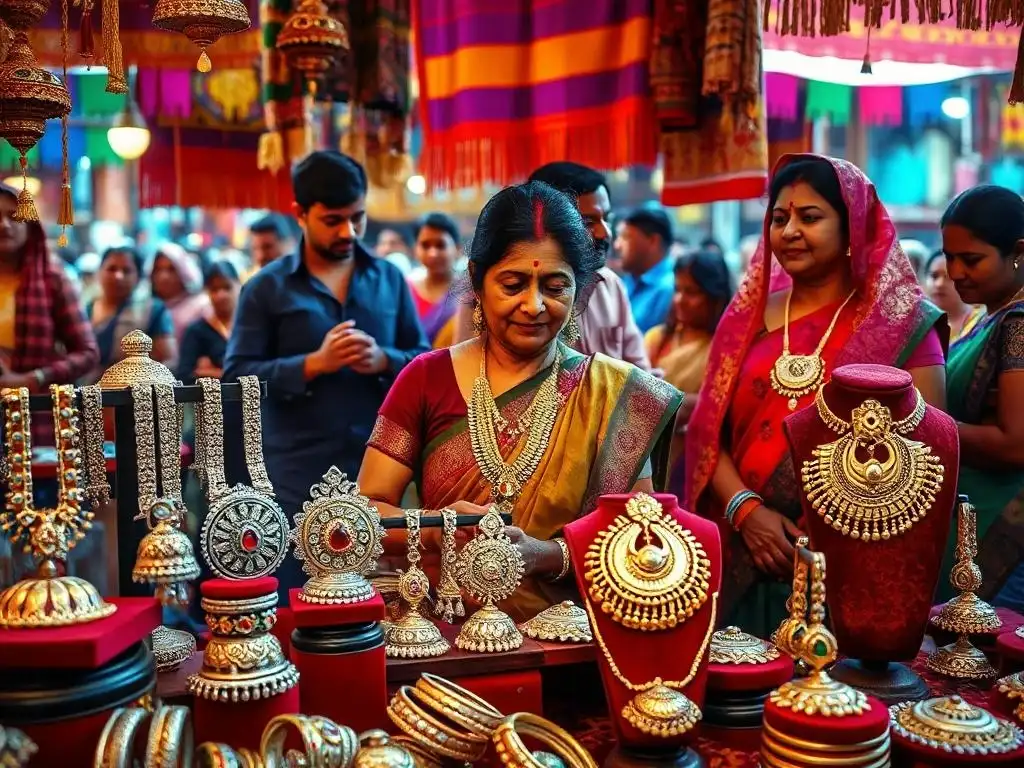
Welcome to Ancient India History, where we embark on a journey through the rich tapestry of India's remarkable past. Dive into the captivating world of Authentic Indian jewelry buying tips, and discover how to navigate local markets like a true connoisseur. From the intricate designs of the Indus Valley to the opulent styles of the Gupta Empire, each piece tells a story waiting to be uncovered. Are you ready to unlock the secrets of negotiation and elevate your jewelry collection? Let’s delve deeper into the art of acquiring treasures that echo the elegance of ancient civilizations!
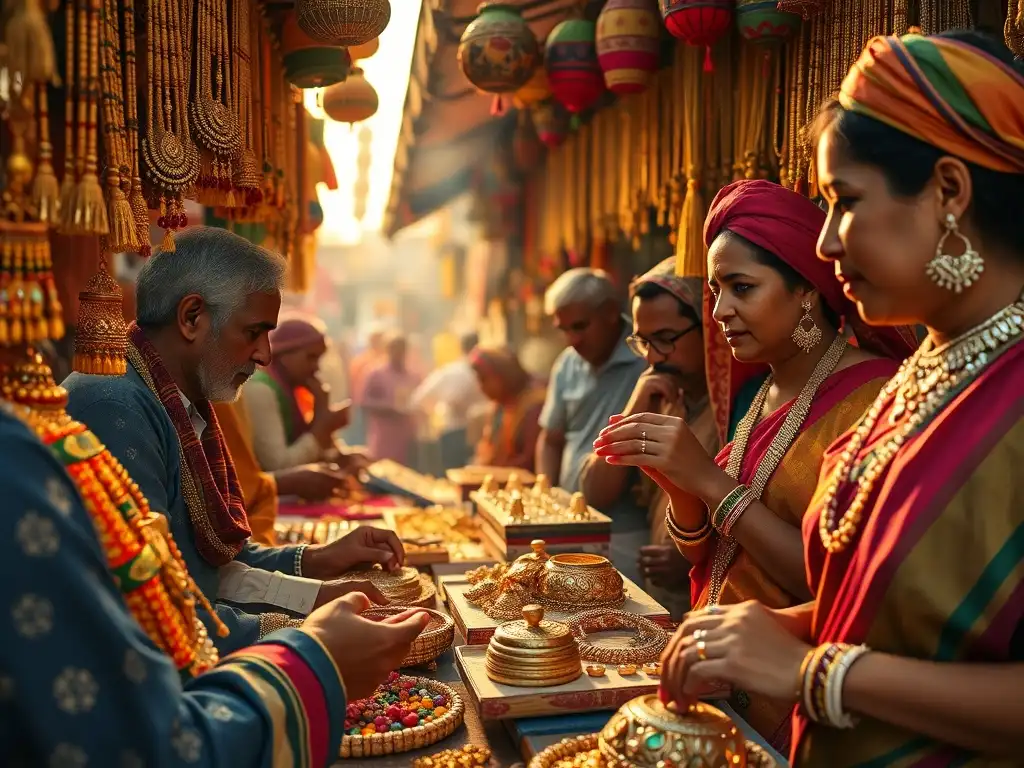
When it comes to purchasing authentic Indian jewelry, the experience can be as rich and rewarding as the pieces themselves. India boasts a vibrant tapestry of cultural heritage, and its jewelry reflects this diversity, showcasing intricate craftsmanship, unique designs, and historical significance. However, navigating local markets to find genuine items can sometimes feel overwhelming, particularly for those unfamiliar with the nuances of Indian jewelry.
In this guide, we will explore essential tips for buying authentic Indian jewelry, focusing on negotiation strategies that will not only help you secure the best prices but also enrich your understanding of the craftsmanship involved. From understanding what constitutes authentic Indian jewelry to recognizing the historical context behind each piece, this article provides a comprehensive approach to making informed purchases. Whether you're a seasoned collector or a first-time buyer, these insights will enhance your shopping experience and ensure that you bring home a genuine piece of India's artistic legacy.
Understanding Authentic Indian Jewelry
What is Authentic Indian Jewelry?
Authentic Indian jewelry encompasses a wide range of styles, materials, and techniques that have evolved over centuries, influenced by the diverse cultures and traditions within India. This jewelry is characterized by its high-quality craftsmanship, often made from precious metals like gold and silver, and adorned with semi-precious and precious gemstones. Each piece tells a story, reflecting the artistry and cultural significance of the region it originates from.
The History and Cultural Significance of Indian Jewelry
The history of Indian jewelry dates back thousands of years, with archaeological evidence from the Indus Valley Civilization showcasing the early use of beads and ornaments. Over time, different regions of India developed their unique styles, influenced by local customs, religious beliefs, and historical events. Jewelry in India is not merely an adornment; it holds cultural significance and is often associated with important life events, such as weddings and festivals. For instance, traditional bridal jewelry typically includes intricate pieces that symbolize prosperity and good fortune.
Distinguishing Between Authentic and Imitation Jewelry
In local markets, distinguishing authentic Indian jewelry from imitation pieces can be challenging. To ensure you are purchasing genuine items, pay attention to the following factors:
- Material: Authentic jewelry is often made of high-quality metals and stones. Check for hallmarks or certifications.
- Craftsmanship: Look for intricate designs and attention to detail, which are hallmarks of genuine craftsmanship.
- Seller Reputation: Buy from reputable sellers who can provide information about the origin and authenticity of their pieces.
Essential Authentic Indian Jewelry Buying Tips
Research Local Markets for Authentic Indian Jewelry
Before venturing into local markets, conducting thorough research can significantly enhance your shopping experience. Identify well-known markets that specialize in authentic Indian jewelry, such as those in Jaipur, Delhi, or Mumbai. Reading reviews and seeking recommendations from fellow travelers or online forums can help you pinpoint reputable vendors. Familiarize yourself with the types of jewelry available in each region, as certain areas are renowned for specific styles, such as Kundan in Rajasthan or Temple jewelry in South India.
Set a Budget for Your Jewelry Purchase
Having a clear budget in mind is crucial when shopping for authentic Indian jewelry. Prices can vary widely based on the craftsmanship, materials, and rarity of the piece. Setting a budget not only helps you narrow down your options but also allows you to negotiate effectively. Remember to leave some flexibility in your budget to accommodate for unexpected finds or unique pieces that may catch your eye.
Mastering the Negotiation Process
Negotiation is an essential skill when it comes to purchasing authentic Indian jewelry in local markets. The vibrant bazaars and bustling shops often have a culture of bargaining, which can significantly influence the final price you pay. Mastering the negotiation process not only helps you secure a fair deal but also enriches your shopping experience, allowing you to engage with local artisans and understand their craft better.
To begin with, it's crucial to establish a respectful rapport with the seller. A friendly demeanor can go a long way in creating a positive negotiating atmosphere. Additionally, being well-prepared with knowledge about the jewelry's market value can empower you during discussions. This preparation includes researching common prices for specific items and being aware of the different styles and materials used in authentic Indian jewelry.
Practicing patience is another key element; rushing through the process can lead to unfavorable outcomes. Take your time to explore various stalls, compare prices, and show genuine interest in the pieces you like. Ultimately, negotiation in local markets is not just about getting the lowest price but also about appreciating the artistry and culture behind each item.
Why Negotiation is Important in Local Markets
Negotiation plays a pivotal role in local markets for several reasons. First, many vendors expect bargaining as part of the purchasing process, making it a cultural norm rather than a mere transaction. Engaging in negotiation respects this tradition and fosters a deeper connection with local merchants.
Moreover, prices in local markets are often flexible and can vary based on factors such as demand, seasonality, and the seller's need to make a sale. This flexibility means that buyers can often secure a better deal through effective negotiation. Additionally, negotiating allows buyers to understand the value of the jewelry, as sellers are likely to share insights about the craftsmanship, materials, and cultural significance of their products.
Lastly, the art of negotiation can enhance your overall shopping experience. It creates an opportunity for storytelling and personal interaction, enriching your understanding of the item you are purchasing and the traditions surrounding it.
Effective Negotiation Techniques for Buyers
When negotiating for authentic Indian jewelry, employing effective techniques can make a significant difference. Here are several strategies to consider:
- Start Low, But Be Reasonable: Begin your negotiation with a price lower than what you are willing to pay. This gives you room to move up while still aiming for a good deal.
- Show Interest in Multiple Items: By expressing interest in several pieces, you may encourage the seller to offer discounts for a bulk purchase, increasing your chances of getting a better deal.
- Use Silence to Your Advantage: After making an offer, remain silent. This can create discomfort for the seller, often prompting them to counter with a better price.
- Be Prepared to Walk Away: If negotiations stall, show that you are willing to walk away. This tactic can sometimes lead the seller to reconsider their price to keep the sale.
- Compliment the Craftsmanship: Acknowledge the skill involved in creating the jewelry. This not only builds rapport but may also make the seller more willing to negotiate favorably.
Recognizing Quality in Indian Jewelry
Recognizing quality is crucial when purchasing authentic Indian jewelry, as the market can be flooded with imitations or lower-quality pieces. High-quality jewelry often reflects the skill of its artisans and the authenticity of its materials. Understanding what to look for can help you make informed decisions.
Key Features of High-Quality Authentic Indian Jewelry
When assessing the quality of Indian jewelry, there are several key features to consider:
- Craftsmanship: Observe the detailing and finish. High-quality pieces will show meticulous attention to detail, with clean lines and precise craftsmanship.
- Materials: Authentic Indian jewelry often uses high-grade materials such as sterling silver, gold, and genuine gemstones. Familiarize yourself with the properties of these materials to distinguish them from fakes.
- Design: Traditional Indian designs often feature intricate patterns and symbolic motifs. A well-executed design is a hallmark of quality jewelry.
- Weight: High-quality metal jewelry usually has a substantial weight. If a piece feels too light, it may be made from inferior materials.
- Patina: For antique or vintage pieces, a natural patina can indicate authenticity and age, adding to the item's appeal.
Verifying Authenticity Before Purchase
To ensure that you are buying authentic Indian jewelry, take the following steps for verification:
- Ask for Certifications: Reputable sellers often provide certifications for their pieces, especially when it comes to gemstones and precious metals. Don't hesitate to request this documentation.
- Inquire About the Seller's Background: Researching the seller's reputation can help you gauge their authenticity. Look for reviews or testimonials from previous customers.
- Examine the Hallmarks: Authentic jewelry often bears hallmarks indicating the metal content. Familiarize yourself with common hallmarks used in Indian jewelry.
- Seek Expert Opinions: If possible, consult with a knowledgeable friend or a local expert who understands the nuances of Indian jewelry.
- Trust Your Instincts: If something feels off about the piece or the deal, trust your instincts and take your time before making a purchase. It's always better to walk away than to regret a hasty decision.
Recommended Types of Authentic Indian Jewelry to Buy
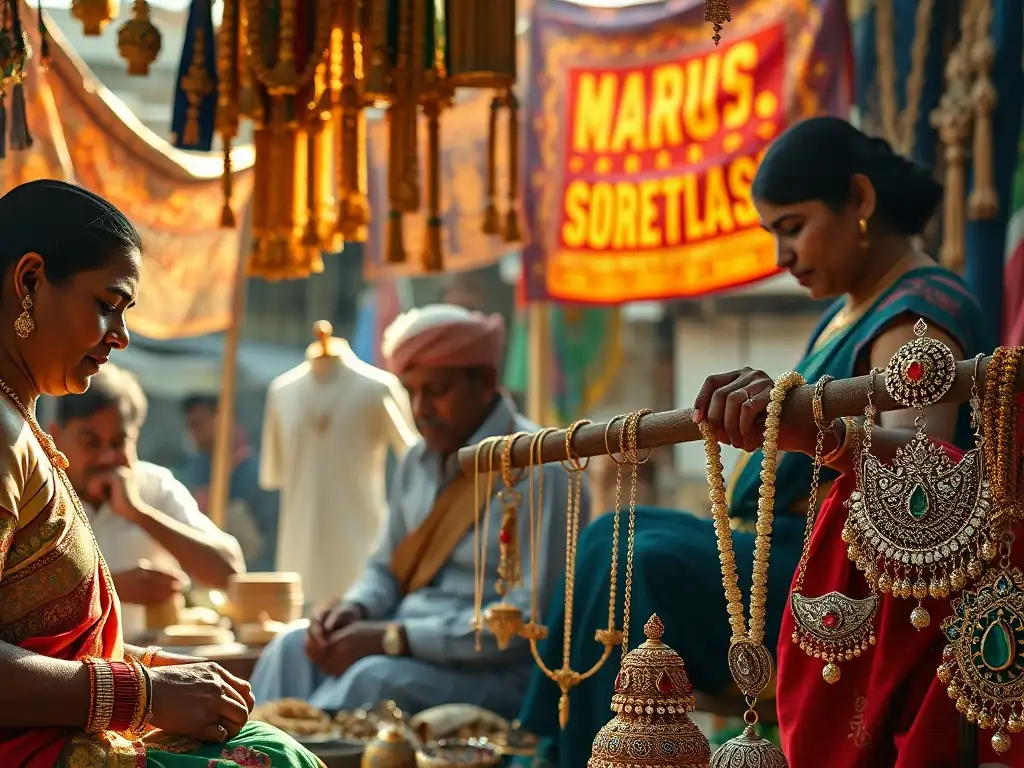
When exploring the vibrant markets of India, the sheer variety of jewelry can be overwhelming. To make the most of your experience, it's essential to know what types of authentic Indian jewelry to look for. Here, we delve into some recommended categories, each offering a unique glimpse into India's rich cultural heritage.
Traditional Handmade Jewelry
Traditional handmade jewelry is a cornerstone of Indian craftsmanship, often reflecting centuries of artistry and cultural significance. Many pieces are crafted using age-old techniques passed down through generations. Here are some key aspects to consider:
- Materials: Look for jewelry made from materials such as gold, silver, and copper, often embellished with intricate designs and gemstones.
- Styles: Popular styles include Kundan, Meenakari, and Jadau, each with distinct characteristics. For example, Kundan jewelry features gemstones set in gold foil, while Meenakari showcases vibrant enamel work.
- Cultural Significance: Many traditional pieces are associated with specific regions or communities, making them not just decorative items but also collectibles that tell a story.
Modern Interpretations of Classic Designs
As Indian jewelry continues to evolve, many artisans and designers are creating modern interpretations of classic designs. This fusion of tradition and contemporary aesthetics allows for unique pieces that appeal to a broader audience. Here are some notable features:
- Innovative Designs: Expect to see classic motifs reimagined in contemporary styles, incorporating elements like geometric patterns and minimalistic designs.
- Versatility: Modern interpretations can be worn on various occasions, from everyday wear to formal events, making them highly versatile.
- Sustainability: Many modern artisans are embracing sustainable practices, using ethically sourced materials and eco-friendly production methods.
Gemstone Jewelry: A Rich Selection of Options
India is renowned for its rich selection of gemstones, and purchasing gemstone jewelry is an exciting way to bring home a piece of the country's natural beauty. Here are some tips to keep in mind:
- Variety of Gemstones: From traditional favorites like diamonds, rubies, and emeralds to lesser-known stones like labradorite and moonstone, the choices are vast.
- Quality Assessment: When buying gemstone jewelry, pay attention to the clarity, cut, color, and carat weight. High-quality stones will exhibit brilliance and vibrancy.
- Certification: Look for pieces that come with certification from recognized gemological institutes to ensure authenticity and quality.
Final Tips for a Successful Purchase
When navigating the bustling local markets for authentic Indian jewelry, having a few final tips can enhance your buying experience and ensure you make informed decisions.
Best Practices for Buying Authentic Indian Jewelry in Local Markets
- Research: Familiarize yourself with the types of jewelry available and their cultural significance before visiting. Understanding what you want can help you negotiate better.
- Bargaining: Bargaining is a common practice in Indian markets. Start with a lower offer and be prepared to negotiate, as this can lead to significant savings.
- Inspect the Jewelry: Always examine the craftsmanship, weight, and overall quality of the jewelry before making a purchase. Look for signs of authenticity, such as hallmarks or certifications.
- Trust Your Instincts: If something feels off about the seller or the jewelry, don’t hesitate to walk away. Trust your instincts to avoid potential pitfalls.
Post-Purchase Considerations
After you've made your purchase, there are a few considerations to keep in mind to ensure your jewelry remains in excellent condition:
- Care Instructions: Each type of jewelry may require specific care. For example, avoid exposing delicate gemstone jewelry to harsh chemicals or prolonged sunlight.
- Storage: Store your jewelry in a cool, dry place, preferably in a soft pouch or separate compartment to prevent scratches.
- Documentation: Keep any purchase receipts and certificates in a safe place. This can be helpful for insurance purposes or future resale.
By following these tips and being well-informed, you'll enhance your experience of buying authentic Indian jewelry, ensuring that each piece you select is a treasured addition to your collection.
Conclusion: Embrace the Art of Negotiation for Authentic Indian Jewelry
Negotiating is not just a practical approach to purchasing authentic Indian jewelry; it is also an integral part of the cultural experience in local markets. By honing your negotiation skills, you can ensure you get not only the best price but also a deeper connection to the pieces you are buying. The art of negotiation allows you to appreciate the craftsmanship and stories behind the jewelry, enriching your overall shopping experience.
Recap of Key Tips and Techniques
To effectively navigate the vibrant markets of India and secure genuine jewelry at a fair price, consider the following essential tips:
- Do Your Research: Familiarize yourself with the types of authentic Indian jewelry you are interested in, including their traditional significance, materials used, and market value. Knowledge empowers you in negotiations.
- Build Rapport: Establishing a friendly relationship with the seller can foster a more favorable negotiation atmosphere. A smile and genuine interest can go a long way.
- Start Low, But Reasonable: Begin your negotiation with a price lower than what you are willing to pay, allowing room for the seller to counteroffer. This tactic can lead to a more satisfying agreement for both parties.
- Be Prepared to Walk Away: If the price does not meet your expectations, don’t hesitate to walk away. This strategy often prompts sellers to reconsider their offers.
- Understand the Cultural Context: Recognizing the cultural significance of the jewelry can enhance your appreciation and strengthen your negotiation position. Sellers often value buyers who understand their craft.
- Inspect Before You Negotiate: Examine the jewelry closely and ask questions about its origin, craftsmanship, and authenticity. This not only informs your negotiation but also shows the seller you are an informed buyer.
- Be Patient: Negotiation is often a slow process. Take your time, and don’t rush into a deal. A thoughtful approach can lead to better outcomes.
Encouragement to Explore Local Markets
Embarking on a journey through local markets in India offers a unique opportunity to not only acquire beautiful jewelry but also to immerse yourself in the rich tapestry of Indian culture. These markets are often bustling with life, showcasing not just jewelry but also textiles, spices, and traditional crafts. By exploring local markets, you can engage with artisans and understand their techniques, which adds value to your purchase.
Moreover, every piece of jewelry tells a story—be it the intricate designs of Kundan, the vibrant colors of Meenakari, or the elegance of antique silver. Each interaction with a seller can provide insights into the cultural heritage of the jewelry, making your buying experience all the more enriching.
So, as you set out to purchase authentic Indian jewelry, remember to embrace the art of negotiation. Not only will you enhance your shopping experience, but you will also bring home more than just beautiful pieces; you will carry stories and traditions that transcend time. Happy shopping!
- Understanding Authentic Indian Jewelry
- Essential Authentic Indian Jewelry Buying Tips
- Mastering the Negotiation Process
- Recognizing Quality in Indian Jewelry
- Recommended Types of Authentic Indian Jewelry to Buy
- Final Tips for a Successful Purchase
- Conclusion: Embrace the Art of Negotiation for Authentic Indian Jewelry
Frequently Asked Questions
What are the key tips for negotiating when buying authentic Indian jewelry?
When negotiating for authentic Indian jewelry, it's essential to research prices, understand the value of materials, and be ready to walk away if the price doesn't meet your expectations.
How can I identify authentic Indian jewelry?
To identify authentic Indian jewelry, look for craftsmanship, unique designs, and hallmarks that signify quality. Additionally, buying from reputable sellers can ensure authenticity.
What types of authentic Indian jewelry should I consider?
Consider exploring traditional pieces like Kundan, Meenakari, and Temple jewelry. Each type has its own cultural significance and showcases the diverse artistry of Indian craftsmanship.
Is bargaining common in Indian markets for jewelry?
Yes, bargaining is a common practice in Indian markets. Vendors expect customers to negotiate, so don’t hesitate to offer a lower price and find a middle ground.
What should I avoid when buying jewelry in local markets?
Avoid purchasing from unreliable vendors, and be cautious of items that seem too cheap. Also, steer clear of jewelry without certificates of authenticity, as these may indicate lower quality.
Final Reflection: Embracing the Art of Negotiation in Authentic Indian Jewelry Buying
The art of negotiation is not just a skill; it is a vital tool that empowers us to navigate the vibrant world of authentic Indian jewelry. In today's global marketplace, where authenticity and craftsmanship often intertwine, understanding how to negotiate effectively can transform a simple purchase into a meaningful experience. As we immerse ourselves in local markets, the ability to engage in respectful dialogue not only enhances our shopping experience but also fosters a deeper connection with the culture and artisans behind the jewelry.
Cultural exchange is at the heart of every negotiation, especially when it comes to authentic Indian jewelry. The intricate designs and stories woven into each piece reflect the rich heritage of India, making every transaction a celebration of artistry and tradition. By honing our negotiation skills, we not only secure better deals but also honor the craftsmanship and dedication of local artisans.
As Mahatma Gandhi once said, "> A nation's greatness is measured by how it treats its weakest members." This sentiment resonates deeply in the context of supporting local artisans through fair negotiations, ensuring their work is valued and appreciated.
As you embark on your journey to buy authentic Indian jewelry, I invite you to reflect on the power of negotiation as a bridge between cultures. Consider how each piece you acquire carries a story, a history, and a connection to the people who created it. Let your approach to negotiation be guided by respect and curiosity, allowing you to not only enrich your collection but also contribute positively to the communities you engage with. Embrace the art of negotiation, and may it lead you to treasures that resonate with both beauty and meaning.
Unveil Your Negotiation Skills Today!
Thank you for immersing yourself in the art of negotiation and exploring the vibrant world of authentic Indian jewelry! You've gained valuable insights that can empower your market experience. Now, it’s time to take action and transform those tips into a rewarding adventure.
- Visit a local market: Seek out a nearby Indian jewelry market and put your newfound negotiation skills to the test—discover something beautiful at a fantastic price!
- Share your experience: Invite friends or family to join you, and discuss your negotiation strategies together. You might uncover new techniques and insights!
- Join a community: Connect with online forums or social media groups that focus on jewelry shopping or Indian culture—share your stories, tips, and discoveries with fellow enthusiasts!
What negotiation strategy will you try first on your next shopping adventure?