
Ayurveda's Contribution to Skin Care: Ancient Secrets for Radiant Skin

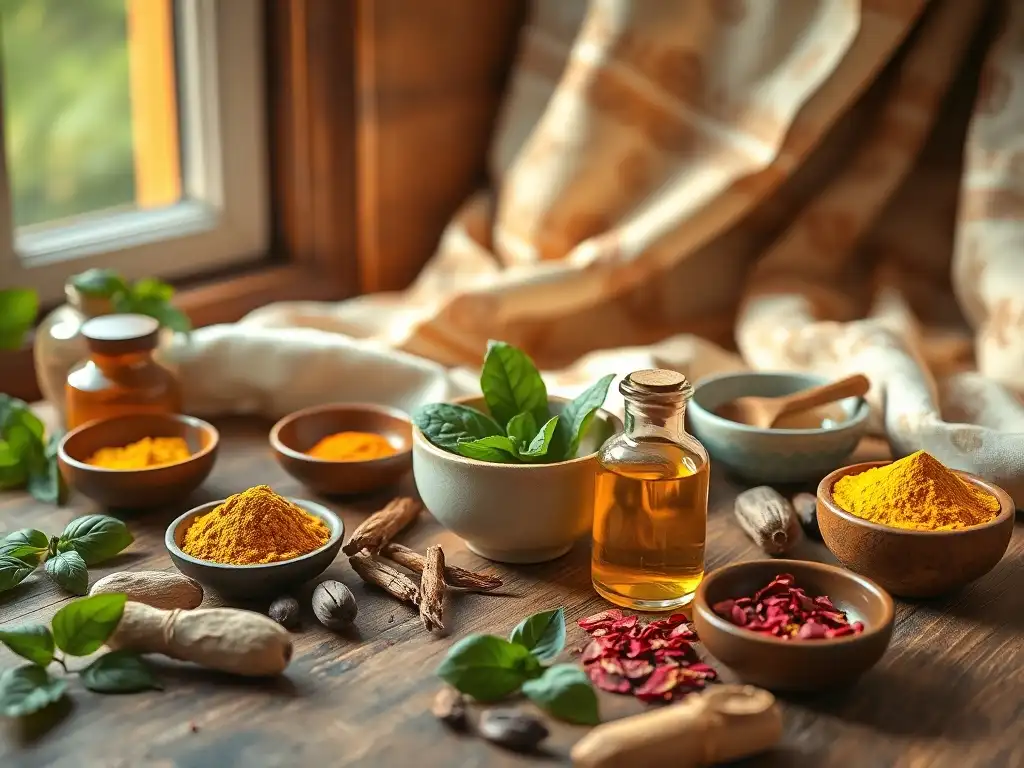
Welcome to Ancient India History, where we embark on a fascinating journey through the rich tapestry of India’s past. Today, we delve into the enigmatic world of ancient Indian skin care secrets, revealing how the wisdom of Ayurveda has shaped beauty rituals for centuries. As you explore our latest article, "Ayurveda's Contribution to Skin Care: Ancient Secrets for Radiant Skin," prepare to uncover time-tested techniques and ingredients that promise to illuminate your understanding of wellness and beauty. Join us as we unlock the mysteries of the past and inspire your journey towards radiant skin!
The ancient Indian practice of Ayurveda offers a treasure trove of knowledge and wisdom regarding health and wellness, particularly in the realm of skin care. Rooted in a holistic approach, Ayurveda emphasizes the balance of mind, body, and spirit, recognizing that radiant skin is a reflection of overall well-being.
As we delve into the rich traditions of Ayurvedic skin care, we uncover time-honored techniques and natural remedies that have been passed down through generations, showcasing the profound understanding of skin health possessed by ancient Indian civilizations. This article will explore the ancient Indian skin care secrets that not only enhance beauty but also promote lasting vitality, drawing connections between the natural elements, herbal remedies, and the philosophy of balance that underpin Ayurveda.
The Foundations of Ayurvedic Skin Care
Ayurveda categorizes individuals based on their unique constitution, or prakriti, which influences their skin type and needs. Understanding these foundational principles is crucial for unlocking the secrets of effective skin care as per Ayurvedic practices.
- The Three Doshas: Ayurveda identifies three primary doshas—Vata, Pitta, and Kapha—that govern an individual's physical and emotional characteristics. Each dosha is associated with specific skin traits:
- Vata: Typically leads to dry and sensitive skin.
- Pitta: Often results in oily and inflamed skin.
- Kapha: Generally produces thick and moist skin.
- Balancing the Doshas: Ayurvedic skin care aims to restore balance among these doshas through tailored treatments, dietary adjustments, and lifestyle changes.
Natural Ingredients in Ayurvedic Skin Care
Nature provides a wealth of ingredients that Ayurveda utilizes for nourishing and rejuvenating the skin. These natural elements not only possess medicinal properties but also work in harmony with the body’s systems.
- Turmeric: Known for its anti-inflammatory and antimicrobial properties, turmeric helps in reducing skin blemishes and enhancing complexion.
- Aloe Vera: A powerful moisturizer, aloe vera soothes irritated skin and promotes healing.
- Sandalwood: Often used for its cooling effects, sandalwood helps in combating acne and enhancing skin tone.
- Neem: Renowned for its purifying qualities, neem is effective in treating various skin conditions, including acne and eczema.
Time-Honored Practices for Radiant Skin
Ancient Indian civilizations developed numerous practices that have stood the test of time, offering insights into achieving and maintaining healthy skin.
- Daily Rituals: The Ayurvedic approach emphasizes the importance of daily skin care rituals, including cleansing, exfoliating, and moisturizing with natural ingredients.
- Herbal Pastes and Masks: Customized herbal pastes made from ground herbs, fruits, and other natural ingredients are often applied to the skin for rejuvenation and nourishment.
- Diet and Hydration: A balanced diet rich in fruits, vegetables, and hydration is essential for skin health, as Ayurveda believes that what we consume directly impacts our skin’s appearance.
Conclusion
Incorporating Ayurvedic principles into modern skin care regimens not only honors ancient wisdom but also provides a pathway to achieving radiant skin naturally. By embracing these time-tested practices and ingredients, individuals can unlock the secrets of ancient Indian skin care, paving the way for a healthier, more vibrant complexion. As we continue to explore these ancient practices, we will gain insights that can enhance our understanding of beauty and wellness in today’s world.
- The Foundations of Ayurvedic Skin Care
- Natural Ingredients in Ayurvedic Skin Care
- Time-Honored Practices for Radiant Skin
- Conclusion
Introduction to Ayurveda and Skin Care

Ayurveda, a holistic healing system that originated in ancient India over 5,000 years ago, emphasizes the balance between body, mind, and spirit. As a comprehensive approach to health, Ayurveda extends its principles to skin care, revealing ancient Indian skin care secrets that have stood the test of time. By understanding the connection between internal health and external beauty, Ayurveda offers a unique perspective on achieving radiant skin through natural means. This section delves into the foundational philosophies of Ayurveda, its cultural significance regarding skin care, and the ancient secrets that can enhance modern skincare routines.
Overview of Ayurveda's Philosophy
At the heart of Ayurveda lies the concept of doshas, which are the three fundamental energies that govern all physiological and psychological processes in the body. These doshas— Vata, Pitta, and Kapha—represent combinations of the five elements: earth, water, fire, air, and space.
- Vata is associated with air and space, governing movement and communication.
- Pitta, linked to fire and water, regulates digestion and metabolism.
- Kapha embodies earth and water, providing structure and stability.
Balancing these doshas is essential for maintaining overall health, including the health of the skin. Ayurvedic texts emphasize that skin issues often arise from imbalances in these energies, and by aligning one's lifestyle with their unique dosha, individuals can promote not only physical health but also enhance their skin's appearance.
Furthermore, Ayurveda incorporates the use of natural ingredients derived from herbs, minerals, and plant extracts. These ingredients are believed to nourish the skin, restore balance, and provide protective benefits against environmental factors.
Importance of Skin Care in Ancient Indian Culture
In ancient Indian culture, skin care was not merely a beauty concern; it was an integral part of daily life and wellness practices. The ancient texts—like the Charaka Samhita and Sushruta Samhita—detail various treatments and rituals for skin health, demonstrating how revered the skin was as a reflection of one's inner health and vitality.
- Rituals and Practices: Daily rituals often included the application of herbal pastes, oils, and creams designed to cleanse, nourish, and protect the skin. These practices were deeply embedded in social customs and were often passed down through generations.
- Natural Ingredients: Ingredients such as turmeric, aloe vera, neem, and sandalwood were commonly used for their medicinal properties. For instance, turmeric, known for its anti-inflammatory and antimicrobial properties, was used to treat blemishes and enhance skin tone.
- Connection to Spirituality: Skin care was also linked to spiritual practices, with certain treatments believed to purify not just the body but the soul. The use of fragrant oils and powders during rituals was thought to invoke a sense of peace and connection to the divine.
This cultural reverence for skin care underscores the belief that maintaining healthy skin is a vital aspect of overall well-being, making ancient Indian skin care secrets relevant even in contemporary wellness discussions.
Introduction to Ancient Indian Skin Care Secrets
Ancient Indian skin care secrets are a treasure trove of knowledge that offers insights into achieving healthy and radiant skin using natural remedies. These practices focus on the holistic approach of Ayurveda, addressing both external application and internal balance.
- Herbal Pastes: Many ancient formulations include herbal pastes made from a combination of ground herbs, grains, and oils. For example, a paste made from chickpea flour (besan) and turmeric not only cleanses the skin but also acts as an exfoliant, making it a popular choice for achieving a glowing complexion.
- Oil Massage (Abhyanga): The practice of Abhyanga, or self-massage with warm herbal oils, is pivotal in Ayurvedic skin care. This technique improves circulation, nourishes the skin, and helps in detoxification. Oils such as sesame and coconut are often used, each selected based on one's dosha for optimal benefits.
- Dietary Considerations: Ayurveda teaches that what we consume directly impacts our skin health. A diet rich in antioxidants, healthy fats, and hydration is recommended to support skin vitality. Spices like turmeric and cinnamon are encouraged for their anti-inflammatory properties.
- Regular Cleansing Rituals: Cleansing the skin with natural ingredients like milk and honey not only removes impurities but also moisturizes and nourishes the skin. This practice highlights the importance of maintaining a daily skincare routine that aligns with Ayurvedic principles.
By integrating these ancient practices into modern skincare routines, individuals can benefit from the wisdom of Ayurveda, embracing a holistic approach that promotes not just external beauty but also internal harmony. The ancient Indian skin care secrets continue to inspire and guide those seeking radiant skin today.
Understanding Skin Types in Ayurveda

Ayurveda, the ancient Indian system of medicine, provides a holistic approach to health and well-being, including skin care. Central to Ayurveda is the concept of doshas, which are the three fundamental energies believed to govern physical and mental processes in the body. Understanding these doshas is essential for identifying skin types and tailoring skin care routines to achieve radiant skin.
The Three Doshas: Vata, Pitta, and Kapha
In Ayurveda, the three doshas are Vata, Pitta, and Kapha, each representing distinct qualities and characteristics:
- Vata:
- Elements: Air and Space
- Qualities: Dry, light, cool, irregular, and mobile
- Skin Characteristics: Vata skin tends to be dry, thin, and prone to flakiness and premature aging. Individuals with a predominance of Vata may also experience sensitivity and rough texture.
- Pitta:
- Elements: Fire and Water
- Qualities: Hot, sharp, light, oily, and intense
- Skin Characteristics: Pitta skin is often characterized by a warm, oily complexion. It can be prone to acne, redness, and inflammation. Those with a Pitta constitution may notice that their skin reacts strongly to heat and certain foods.
- Kapha:
- Elements: Earth and Water
- Qualities: Heavy, slow, solid, cold, and oily
- Skin Characteristics: Kapha skin is typically thick, smooth, and well-hydrated. However, it can be prone to conditions such as excess oiliness and clogged pores, leading to breakouts.
How Doshas Influence Skin Health
Each dosha not only affects the physical attributes of the skin but also influences its overall health and resilience. Here’s how:
- Vata Skin Health:
- Vata skin requires hydration and nourishment. Herbal oils and moisturizing creams with ingredients like sesame or almond oil can help maintain moisture levels.
- Incorporating warm, nourishing foods and herbal teas can also enhance skin elasticity and vitality.
- Pitta Skin Health:
- Cooling and soothing treatments are essential for Pitta skin. Ingredients like aloe vera, cucumber, and rosewater can help alleviate heat and inflammation.
- A diet rich in cooling fruits and vegetables can support skin calmness and reduce breakouts.
- Kapha Skin Health:
- Kapha skin benefits from regular exfoliation to prevent clogged pores. Scrubs made with natural ingredients like sugar or oatmeal can be effective.
- A light diet that includes spices such as ginger and turmeric can help balance Kapha, promoting clearer skin.
Identifying Your Skin Type According to Ayurveda
Determining your skin type according to Ayurveda involves assessing both physical characteristics and emotional tendencies. Here’s a simple guide to help identify your dosha:
- Physical Characteristics:
- Vata: Look for dryness, fine lines, and sensitivity.
- Pitta: Check for oiliness, redness, and acne.
- Kapha: Notice thickness, shine, and potential breakouts.
- Emotional Characteristics:
- Vata: Often feels anxious and restless.
- Pitta: Tends to feel irritable or hot-tempered.
- Kapha: May experience lethargy or attachment.
- Lifestyle Habits:
- Vata: May prefer stimulating activities.
- Pitta: Often drawn to competitive environments.
- Kapha: Generally enjoys routine and stability.
By understanding your unique dosha, you can tailor your skin care regimen with ancient Indian skin care secrets, utilizing natural remedies and practices that align with your body's constitution. This personalized approach not only enhances skin health but also promotes overall well-being.
Ancient Indian Ingredients for Skin Care
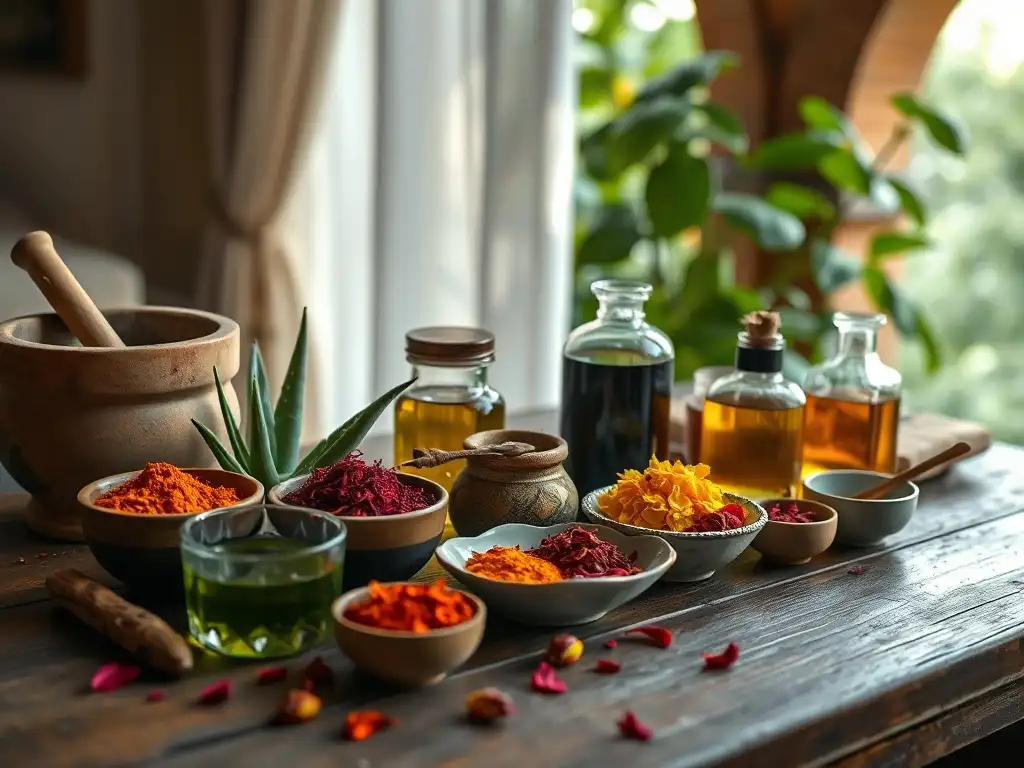
Herbs and Plants Used in Ayurvedic Skin Treatments
The foundation of ancient Indian skin care secrets lies in the use of natural ingredients, particularly herbs and plants that have been revered for their healing properties. These botanicals have been utilized for centuries in Ayurveda, emphasizing a holistic approach to beauty and wellness. Below are some key herbs and plants integral to Ayurvedic skin treatments:
Turmeric: The Golden Spice for Radiance
Turmeric, known as Curcuma longa, is often referred to as the "golden spice" due to its vibrant yellow hue and potent healing properties. This herb is celebrated for its anti-inflammatory and antioxidant qualities, which help to combat skin issues such as acne and pigmentation.
- Key Benefits:
- Anti-inflammatory: Reduces redness and swelling, making it ideal for sensitive skin.
- Antioxidant: Protects the skin from free radicals, promoting a youthful appearance.
- Brightening: Regular use can enhance skin radiance and even out skin tone.
To harness turmeric's benefits, it can be mixed with yogurt or honey to create face masks that nourish and brighten the skin.
Sandalwood: A Cooling and Soothing Agent
Sandalwood, or Santalum album, is another revered ingredient in Ayurvedic practices. Known for its calming aroma and cooling effects, sandalwood is widely used to treat various skin conditions, including dryness and irritation.
- Key Benefits:
- Hydrating: Provides moisture, making it suitable for dry skin types.
- Antiseptic: Helps in treating acne and blemishes by preventing infection.
- Aromatic: Its fragrance soothes the mind and promotes relaxation.
Sandalwood powder can be combined with rose water to form a paste that can be applied to the skin for a refreshing and hydrating effect.
Neem: Nature's Antiseptic
Neem, scientifically known as Azadirachta indica, is often called nature's antiseptic due to its powerful antibacterial properties. This herb has been used in various Ayurvedic formulations to treat skin ailments.
- Key Benefits:
- Antimicrobial: Effectively fights bacteria and fungi, making it ideal for acne-prone skin.
- Detoxifying: Purifies the blood, helping to clear up skin issues from within.
- Anti-inflammatory: Reduces redness and irritation, promoting a calm complexion.
Neem leaves can be boiled to create a soothing infusion, which can be used for cleansing the skin or as a base for face masks.
The Role of Essential Oils in Ayurvedic Skin Care
Essential oils play a crucial role in the realm of ancient Indian skin care secrets, enhancing the benefits of herbs and plants while adding aromatic properties to skin care routines. These concentrated extracts are often derived from flowers, leaves, and other plant parts, known for their therapeutic effects.
Rose Oil: Hydration and Aromatherapy
Rose oil, extracted from Rosa damascena, is highly prized in Ayurveda for its hydrating properties and uplifting fragrance. It is particularly beneficial for dry and sensitive skin types.
- Key Benefits:
- Moisturizing: Provides hydration, preventing dryness and flakiness.
- Aromatherapy: Its floral scent promotes relaxation and emotional well-being.
- Anti-aging: Rich in antioxidants, it helps diminish the appearance of fine lines.
Incorporating rose oil into a daily skin care routine can be as simple as adding a few drops to a carrier oil like jojoba or coconut oil for a nourishing facial massage.
Coconut Oil: Nourishment and Moisturization
Coconut oil, derived from the fruit of the coconut palm ( Cocos nucifera), has been a staple in Ayurvedic skin care for its rich moisturizing properties. Its versatility makes it a favorite among practitioners of ancient Indian skin care.
- Key Benefits:
- Emollient: Deeply nourishes the skin, making it soft and supple.
- Antimicrobial: Contains lauric acid, which combats bacteria and fungi.
- Barrier Protection: Forms a protective layer, preventing moisture loss.
Coconut oil can be used as a cleanser, moisturizer, or even as a base for homemade scrubs, showcasing its adaptability in various skin care rituals.
Incorporating these ancient Indian ingredients into modern skin care routines not only honors traditional practices but also harnesses the powerful benefits of nature for achieving radiant skin.
Ayurvedic Practices for Radiant Skin
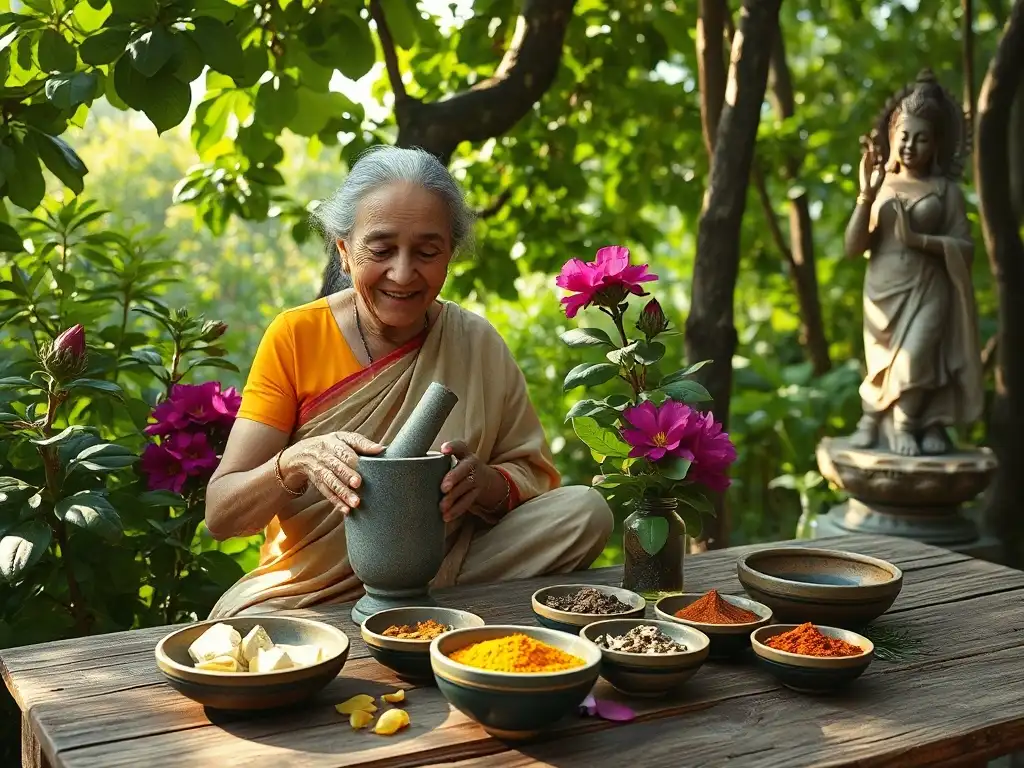
Daily Routines and Rituals for Healthy Skin
In the realm of ancient Indian skin care secrets, Ayurveda emphasizes the importance of daily routines that harmonize the body, mind, and spirit to achieve radiant skin. These practices are designed to not only enhance skin health but also improve overall well-being. The primary focus is on balancing the doshas (Vata, Pitta, and Kapha), which are essential for maintaining skin vitality.
Abhyanga: The Art of Self-Massage
Abhyanga, or self-massage, is a cornerstone of Ayurvedic skin care. This practice involves using warm herbal oils to nourish the skin deeply and promote circulation. The benefits of Abhyanga include:
- Enhanced Blood Circulation: Increases the flow of oxygen and nutrients to the skin, promoting a healthy glow.
- Detoxification: Helps in flushing out toxins (ama) from the body, contributing to clearer skin.
- Moisture Retention: The oils create a protective barrier, preventing moisture loss and keeping the skin hydrated.
To perform Abhyanga effectively:
- Choose the Right Oil: Select an oil based on your dosha. For instance, sesame oil is excellent for Vata, while coconut oil suits Pitta.
- Warm the Oil: Gently heat the oil before application to maximize absorption.
- Massage Technique: Use circular motions on the face and long strokes on limbs. Spend extra time on dry areas.
Ubtan: Traditional Ayurvedic Exfoliation
Ubtan is another essential practice within Ayurvedic skin care rituals. This natural scrub, made from a blend of herbs and grains, serves to exfoliate and rejuvenate the skin. Common ingredients include chickpea flour, turmeric, sandalwood, and milk. The benefits of Ubtan include:
- Natural Exfoliation: Removes dead skin cells, revealing a smoother and more radiant complexion.
- Brightening Effect: Ingredients like turmeric and sandalwood have natural brightening properties.
- Improved Skin Texture: Regular use can lead to a significant improvement in skin texture and tone.
To prepare and use Ubtan:
- Mix Ingredients: Combine chickpea flour, turmeric, and other herbs with water or milk to form a paste.
- Application: Apply the mixture evenly on the skin, allowing it to dry for about 15-20 minutes.
- Rinse Off: Gently scrub the paste off with warm water for a refreshing clean.
Seasonal Skin Care Adjustments in Ayurveda
Ayurveda recognizes that seasonal changes significantly impact skin health. Adjusting skin care routines according to the seasons ensures that the skin remains balanced and radiant throughout the year.
Winter Regimens for Dry Skin
During winter, the cold and dry air can lead to increased dryness and sensitivity in the skin. Ayurvedic practices recommend:
- Use of Heavier Oils: Opt for oils like almond or sesame to provide extra moisture.
- Hydrating Masks: Incorporate masks made with avocado or coconut milk to nourish the skin.
- Warm Baths: Taking warm baths infused with essential oils can help maintain skin hydration.
Summer Care for Oily Skin
In contrast, summer can exacerbate oiliness and lead to breakouts. To combat these issues, Ayurveda suggests:
- Light, Cooling Oils: Use lighter oils like jojoba or coconut to balance excess oil.
- Frequent Cleansing: Incorporate gentle herbal cleansers that include neem or tulsi to purify the skin.
- Cooling Ubtan: Use a cooling ubtan with ingredients like sandalwood and rosewater for a refreshing effect.
By adapting these routines according to the seasons, individuals can harness the full potential of ancient Indian skin care secrets, ensuring lasting beauty and health for their skin.
The Science Behind Ayurveda and Skin Health

Ayurveda, the ancient Indian system of medicine, emphasizes the interconnectedness of the mind, body, and spirit, which fundamentally shapes its approach to skin health. According to Ayurvedic principles, skin conditions are often manifestations of internal imbalances and can be treated by addressing the root causes rather than merely the symptoms.
How Ayurvedic Practices Promote Skin Health
Ayurvedic practices employ a variety of techniques and remedies to promote skin health, focusing on balancing the three doshas: Vata, Pitta, and Kapha. Each dosha correlates with specific skin types and conditions:
- Vata types often experience dryness and fine lines. Remedies include:
- Oils: Application of warm sesame or almond oil for hydration.
- Diet: Incorporation of creamy foods and warm herbal teas.
- Pitta types may have oily skin or conditions like acne. Suitable practices include:
- Cooling herbs: Aloe vera and sandalwood to soothe inflammation.
- Hydration: Drinking coconut water to balance internal heat.
- Kapha types might suffer from congestion or dullness. Recommendations involve:
- Exfoliation: Use of gram flour mixed with turmeric for a natural scrub.
- Lightening foods: Incorporating spices like ginger and black pepper to stimulate digestion.
These practices emphasize the importance of using natural, non-toxic ingredients to rejuvenate the skin, aligning with the broader Ayurvedic philosophy of harmony and balance.
Modern Research Supporting Ancient Indian Skin Care Secrets
Recent studies have started to validate many Ayurvedic skin care practices, showcasing their relevance in modern dermatology. For instance:
- Turmeric (Curcuma longa): Known for its anti-inflammatory properties, studies have shown that curcumin, the active compound in turmeric, can significantly reduce acne and other skin irritations.
- Aloe Vera: Commonly used in Ayurveda for its soothing properties, modern research supports its efficacy in promoting wound healing and reducing skin irritation.
- Neem (Azadirachta indica): Traditionally used for its purifying qualities, neem has been found to possess antibacterial and antifungal properties, making it a valuable ingredient in addressing skin infections.
The integration of these ancient ingredients into contemporary formulations underscores the validity of ancient Indian skin care secrets, providing a bridge between traditional wisdom and modern science.
The Holistic Approach: Mind, Body, and Skin Connection
Ayurveda's holistic philosophy extends beyond topical treatments, emphasizing the connection between mental health and skin wellness. Stress, anxiety, and emotional imbalances can exacerbate skin conditions, leading to a vicious cycle of deterioration.
Key aspects of this connection include:
- Meditation and Yoga: These practices not only reduce stress but also enhance blood circulation, which is crucial for skin health.
- Diet and Lifestyle Choices: Ayurveda advocates for a balanced diet tailored to individual dosha types, which plays a vital role in maintaining healthy skin. Incorporating antioxidant-rich foods can combat oxidative stress, a factor that contributes to skin aging.
- Daily Routines (Dinacharya): Establishing a daily routine that includes proper sleep, nutrition, and self-care rituals helps foster overall well-being, reflecting positively on the skin.
The ancient Indian skin care secrets rooted in Ayurveda offer a comprehensive approach that intertwines physical, mental, and emotional health, promoting not just radiant skin, but overall vitality.
Conclusion: Embracing Ancient Indian Skin Care Secrets
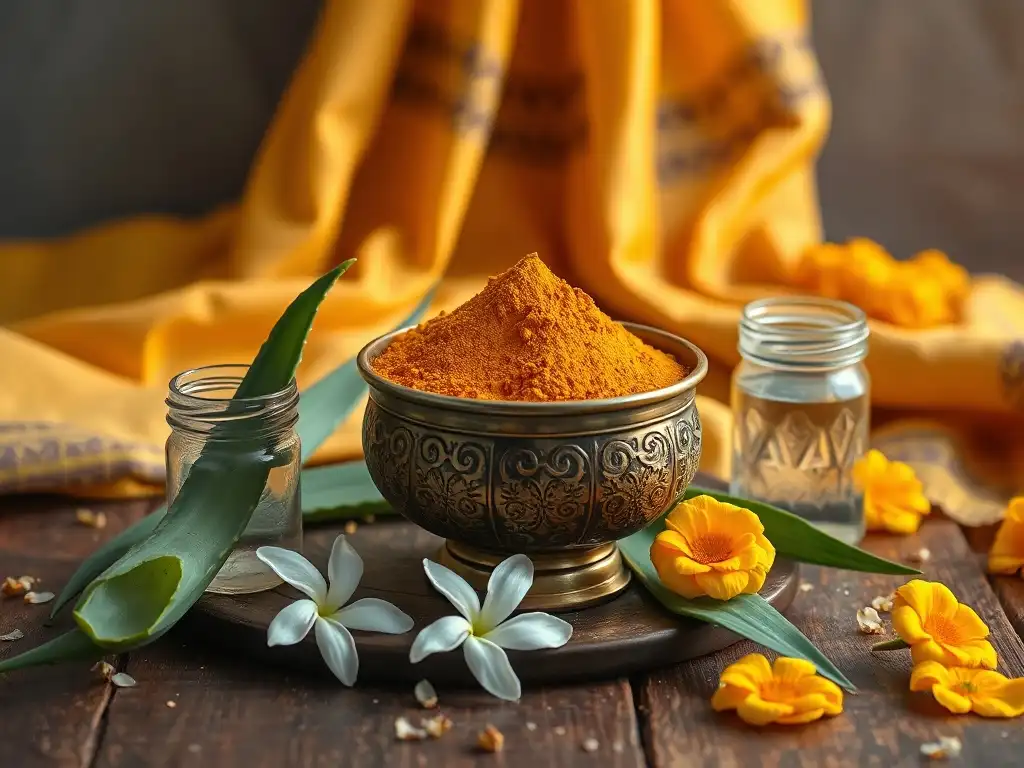
The secrets of ancient Indian skin care, particularly those rooted in Ayurveda, offer a treasure trove of wisdom that remains invaluable in today's world. As modern skincare regimens often prioritize synthetic ingredients and quick fixes, Ayurveda emphasizes a holistic approach that nurtures the skin from within. By integrating these ancient practices, individuals can not only enhance their skin's appearance but also promote overall wellness and balance.
The Relevance of Ayurveda in Today's Skin Care Regimens
In contemporary society, the resurgence of interest in natural and organic products has paved the way for Ayurveda to regain its prominence in skin care. Here are several reasons why ancient Indian skin care secrets are particularly relevant today:
- Holistic Approach: Ayurveda approaches skin care by considering the individual’s unique constitution (Prakriti), which encompasses physical, emotional, and spiritual aspects. This personalized method ensures that skincare treatments are tailored to the specific needs of each person, promoting balance and harmony.
- Natural Ingredients: Ayurvedic skin care relies on natural ingredients such as herbs, oils, and minerals known for their therapeutic properties. For example:
- Turmeric: Renowned for its anti-inflammatory and antibacterial properties, turmeric can help reduce acne and improve skin tone.
- Aloe Vera: A staple in Ayurvedic practice, it soothes and hydrates the skin, making it ideal for sunburns and dry skin.
- Sesame Oil: Used for centuries, sesame oil is rich in antioxidants and serves as an excellent moisturizer, enhancing skin elasticity.
- Preventive Care: Unlike many modern treatments that focus solely on addressing issues after they arise, Ayurveda promotes preventive care. This includes lifestyle changes, dietary adjustments, and regular self-care rituals such as Abhyanga (oil massage), which enhances circulation and detoxification.
- Mind-Body Connection: Ayurveda recognizes the strong connection between mental and physical health. Stress management techniques, such as yoga and meditation, are integral to Ayurvedic practices, contributing to healthier skin by reducing stress-induced conditions like acne and eczema.
Final Thoughts on Integrating Ayurvedic Principles for Radiant Skin
Integrating Ayurvedic principles into daily skin care routines can transform not only one's skin but also their overall health and well-being. Here are some actionable steps to embrace these ancient Indian skin care secrets:
- Identify Your Skin Type: Understanding your Prakriti can help in selecting the most suitable products and treatments. This involves observing skin characteristics and any tendencies toward dryness, oiliness, or sensitivity.
- Incorporate Herbal Remedies: Use Ayurvedic herbs and oils as part of your regular skin care routine. For instance, creating a face mask with a blend of chickpea flour (besan) and turmeric can provide a natural glow and help clear blemishes.
- Establish a Routine: Consistency is key in any skincare regimen. Consider incorporating daily practices such as:
- Abhyanga: A daily self-massage with warm oil tailored to your skin type.
- Detoxifying: Drink herbal teas like neem or mint to support skin health from the inside out.
- Mindfulness Practices: Engage in yoga and meditation to reduce stress and promote a positive mindset, which can significantly improve skin conditions.
The ancient Indian skin care secrets of Ayurveda provide a rich foundation for achieving radiant skin. By embracing these time-tested principles and integrating them into modern skincare routines, individuals can unlock the potential for not only beautiful skin but also enhanced overall health and vitality.
Frequently Asked Questions
What is Ayurveda and its significance in skin care?
Ayurveda is an ancient Indian holistic healing system that emphasizes the balance of mind, body, and spirit. It plays a crucial role in providing natural remedies and techniques for achieving radiant skin.
How did ancient Indian civilizations contribute to skin care?
Ancient Indian civilizations, particularly during the Indus Valley and Gupta Empire, developed various herbal formulations and practices that focused on maintaining skin health and beauty based on natural ingredients.
What are some popular ancient Indian skin care secrets?
Some popular secrets include the use of turmeric for its anti-inflammatory properties, neem for its antibacterial effects, and milk for moisturizing, all of which are celebrated in Ayurvedic practices.
How does Ayurveda differ from modern skin care?
Ayurveda emphasizes a holistic approach, focusing on individual body types and natural ingredients, while modern skin care often relies on chemical formulations and topical treatments without considering overall health.
Can anyone incorporate Ayurvedic skin care practices today?
Yes, anyone can incorporate Ayurvedic skin care practices into their routine! By using natural ingredients and following personalized regimens based on their skin type, individuals can achieve healthier, more radiant skin.
Final Reflection: Embracing Ancient Indian Skin Care Secrets for Modern Radiance
Ayurveda's timeless wisdom offers profound insights into skin care that resonate deeply in today's world. As we navigate a landscape filled with synthetic products and fleeting beauty trends, the enduring principles of Ayurveda remind us of the importance of holistic well-being and natural remedies. The ancient Indian skin care secrets not only promote external beauty but also emphasize the harmony between body, mind, and spirit, which is crucial in our fast-paced lives.
The influence of Ayurveda on contemporary beauty practices is undeniable and continues to grow as more individuals seek authentic and sustainable solutions. By integrating these ancient practices into our daily routines, we can cultivate a deeper connection with ourselves and our environment. As Mahatma Gandhi once said, “It is health that is real wealth and not pieces of gold and silver.” This sentiment underscores the essence of Ayurveda, where true beauty is derived from a state of balance and health rather than mere appearance.
As you reflect on the insights shared in this article, consider how you can incorporate these ancient Indian skin care secrets into your own life. Take a moment to explore natural remedies, embrace self-care rituals, and prioritize your overall well-being. By doing so, you not only honor the wisdom of the past but also pave the way for a more radiant and fulfilling future. Let the journey toward healthy skin be a celebration of your unique beauty, guided by the age-old teachings of Ayurveda.
Unlock Your Skin's Natural Glow!
Thank you for joining us on this enlightening journey through Ayurveda's time-honored secrets for radiant skin! You've discovered valuable insights on holistic skin care that can elevate your beauty routine and deepen your self-care practices. Now, let’s transform this knowledge into action!
Here are some practical steps you can take right now:
- Start Your Ayurvedic Skin Care Routine: Choose one or two herbal remedies or oils and incorporate them into your daily regimen for at least a week.
- Share Your Journey: Post about your Ayurvedic skin care experience on social media, tagging friends who might benefit from this ancient wisdom!
- Join a Community: Look for local workshops or online groups focused on Ayurvedic practices to expand your knowledge and connect with others on this journey.
What Ayurvedic practice are you most excited to try, and how do you think it will enhance your skin care routine? Let's chat in the comments!