
Unraveling the Myths: What Makes Indian Jewelry Truly Authentic?

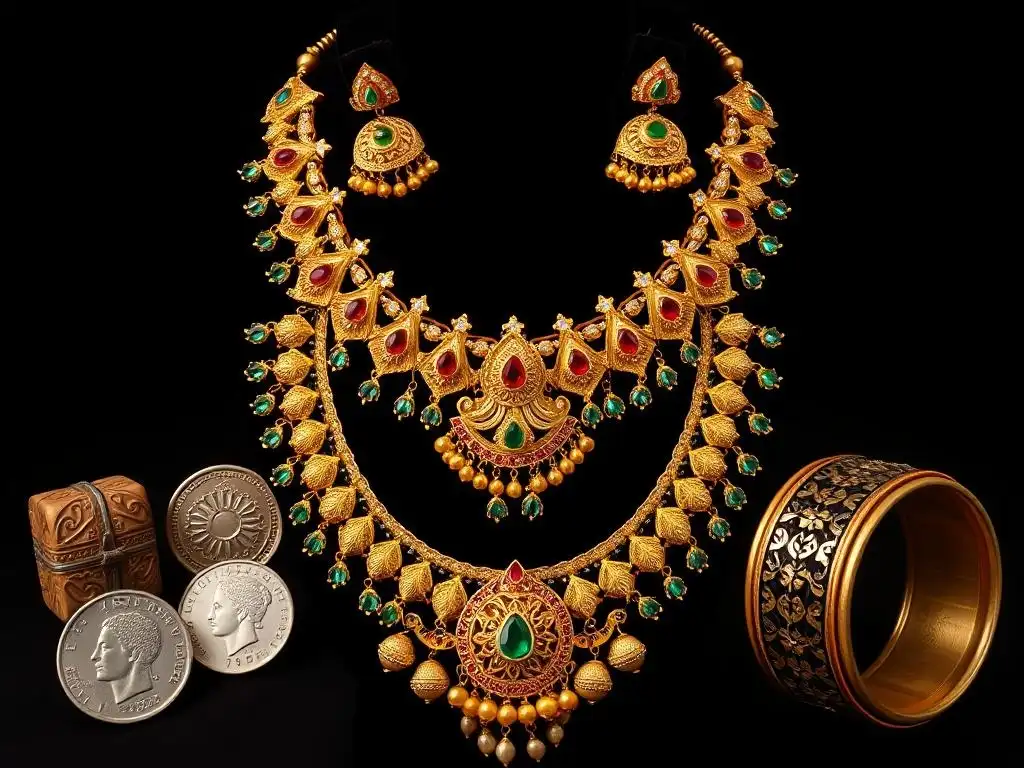
Welcome to Ancient India History, where we delve deep into the rich tapestry of India's past, exploring its vibrant cultures and remarkable contributions. Today, we invite you to uncover the fascinating world of authentic Indian jewelry history. What makes this jewelry truly unique? Join us as we unravel the myths and reveal the secrets behind these exquisite adornments, steeped in tradition and artistry. Prepare to be captivated by stories that span centuries and connect us to the legacies of ancient Indian civilizations. Your journey into the opulence of the past begins here!
Introduction to Authentic Indian Jewelry History
Indian jewelry holds a profound significance that transcends mere adornment; it is a vibrant tapestry woven with threads of history, culture, and artistry. With roots deeply embedded in the ancient civilizations of India, such as the Indus Valley and continuing through the illustrious periods of the Maurya and Gupta Empires, the evolution of jewelry reflects the socio-economic and cultural shifts of the times. This rich heritage has given rise to distinct styles, techniques, and materials that characterize what is often referred to as authentic Indian jewelry.
From intricate gold and silver designs to the use of precious gemstones like diamonds, emeralds, and rubies, the artistry of Indian jewelry is a testament to the skilled craftsmanship passed down through generations. Many of these pieces carry stories of the past, representing not only individual beauty but also the cultural identity and traditions of various communities.
As we delve deeper into the history of authentic Indian jewelry, we aim to unravel the myths surrounding its creation, significance, and what truly defines its authenticity. Understanding these elements is essential for anyone looking to appreciate, collect, or purchase genuine Indian jewelry. Throughout this guide, we will explore the historical context, regional variations, and the craftsmanship that make Indian jewelry a unique and treasured art form. Whether you are a seasoned collector or a novice enthusiast, this journey into the authentic Indian jewelry history will enrich your understanding and appreciation of these timeless pieces.
Common Myths About Authentic Indian Jewelry
Myth 1: All Indian Jewelry is Gold
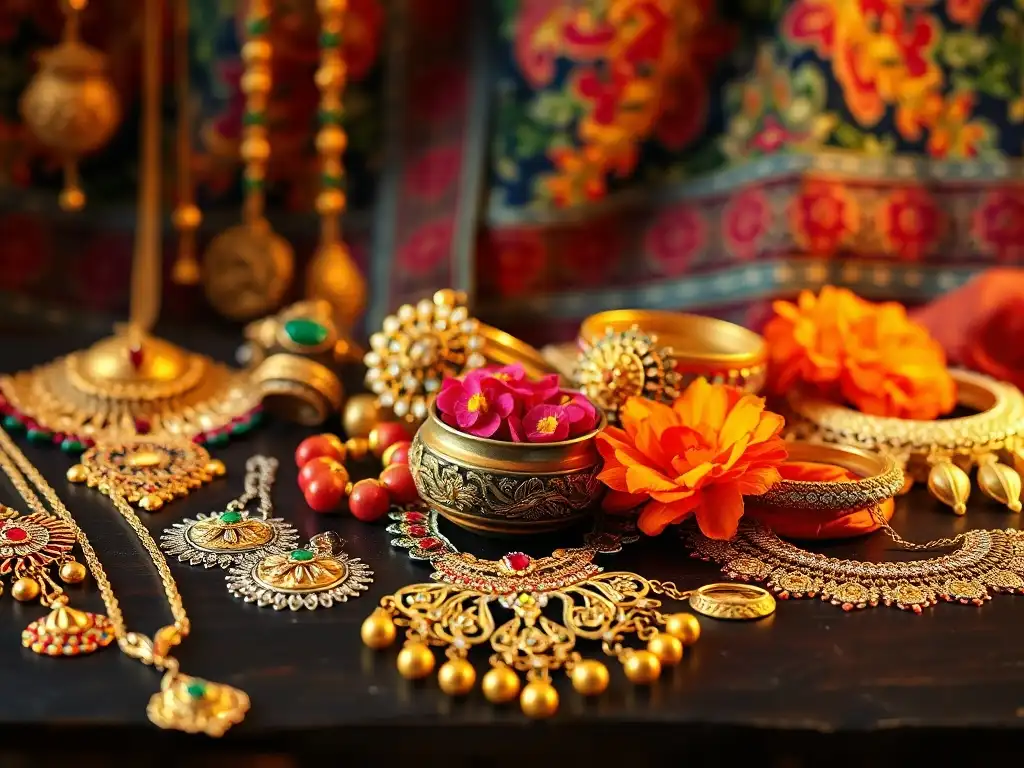
One of the most pervasive myths surrounding authentic Indian jewelry history is the belief that all Indian jewelry is made of gold. While gold has been a favored metal in Indian culture for millennia, it is far from the only precious metal used in traditional jewelry making.
- Diverse Materials: Authentic Indian jewelry is crafted from a variety of materials, including:
- Silver: Particularly in regions like Rajasthan and Gujarat, silver jewelry is not only common but also integral to cultural practices.
- Copper: Often used in tribal and folk jewelry, copper reflects the artistic traditions of indigenous communities.
- Bronze: This alloy has historical significance and is used in many traditional pieces.
"Jewelry in India serves not just as adornment but as a symbol of wealth, status, and cultural identity."
Moreover, with the advent of contemporary jewelry-making techniques, there is an increasing prevalence of costume jewelry that incorporates a mix of metals and synthetic materials, broadening the spectrum of what constitutes authentic Indian jewelry.
Myth 2: Authentic Indian Jewelry is Only for Special Occasions
Another common misconception is that authentic Indian jewelry is reserved solely for special occasions. While it is true that extravagant pieces featuring intricate designs and gemstones are often worn during weddings and festivals, daily wear jewelry is equally significant in Indian culture.
- Everyday Jewelry: Many artisans create beautiful pieces suitable for casual wear. For example:
- Simple Silver Chains: Often adorned with minimalist pendants, these are popular among women for daily use.
- Bangles and Ear Tops: Lightweight and less ornate designs are worn regularly and can reflect one’s personal style without being overly extravagant.
- Cultural Significance: Jewelry has practical uses as well, such as:
- Identifying Social Status: Certain pieces indicate community affiliation or marital status, worn in everyday life.
In essence, the idea that authentic Indian jewelry is only for special occasions overlooks the rich tapestry of daily adornment that is just as authentic and culturally significant.
Myth 3: Modern Designs Lack Authenticity
The notion that modern designs lack authenticity is a myth rooted in misunderstanding. While traditional designs have their own charm and historical significance, modern interpretations are not necessarily devoid of authenticity.
- Fusion of Styles: Many contemporary Indian jewelers blend traditional craftsmanship with modern aesthetics, resulting in:
- Unique Designs: Combining traditional motifs with modern shapes, these pieces appeal to a broader audience.
- Sustainable Practices: Modern artisans often embrace eco-friendly materials and ethical sourcing, making their jewelry both stylish and responsible.
- Revival of Techniques: There is a growing trend to revive ancient techniques, such as:
- Kundan and Meenakari: These traditional methods are being used in modern designs, ensuring that the rich history of Indian jewelry is preserved while adapting to contemporary tastes.
The authenticity of Indian jewelry can be found across both traditional and modern designs, showcasing the versatility and evolving nature of this art form. Authentic Indian jewelry history is not confined to the past but is a living tradition that continues to thrive and adapt.
The Reality: What Defines Authentic Indian Jewelry?
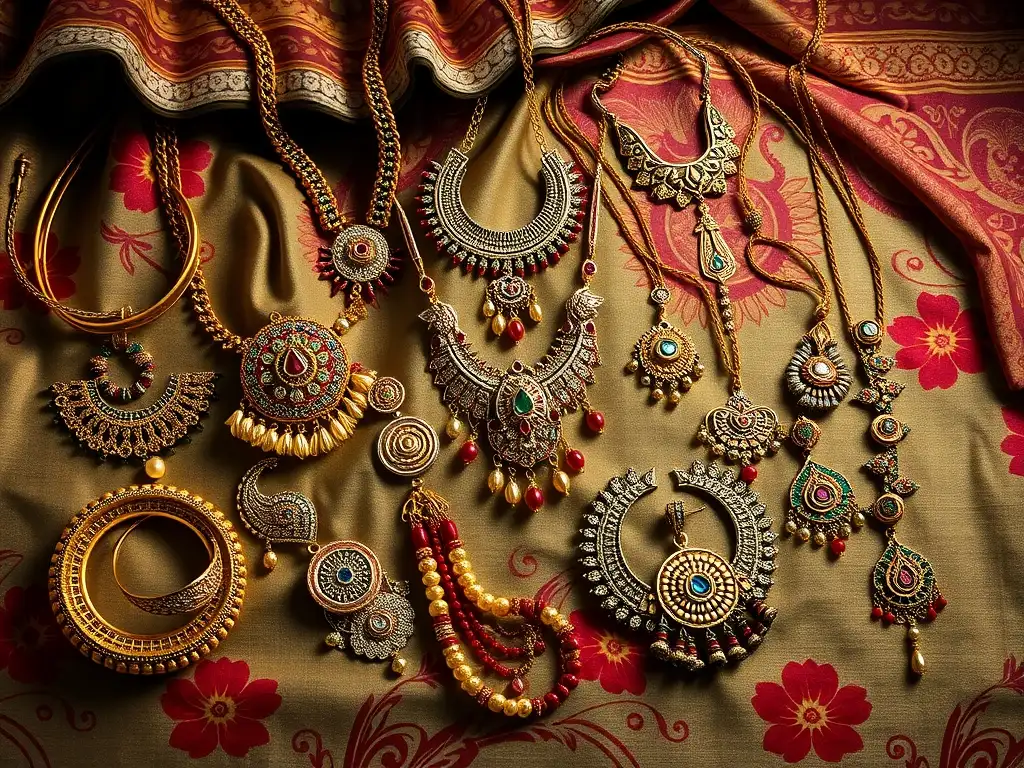
Authentic Indian jewelry is a testament to the country's rich cultural heritage, intricate craftsmanship, and historical significance. To define what makes Indian jewelry truly authentic, we must delve into various elements such as its historical context, traditional techniques, and cultural symbolism.
Historical Significance of Indian Jewelry
Indian jewelry has a history that dates back thousands of years, with its roots deeply embedded in the ancient civilizations of the Indus Valley. Archaeological findings reveal that jewelry was not merely ornamental; it served various purposes, from religious rituals to social status indicators.
- Indus Valley Civilization: The earliest known jewelry was found in sites like Mohenjo-Daro and Harappa, showcasing the use of materials like gold, silver, and semi-precious stones. This jewelry often featured intricate designs that reflected the artisans' skills and the cultural beliefs of the time.
- Vedic Period: During this era, jewelry became more symbolic, often associated with femininity and fertility. The Rigveda mentions various ornaments, indicating their importance in rituals and daily life.
- Medieval to Mughal Influence: The Mughal Empire greatly influenced Indian jewelry, introducing opulent designs and the use of precious stones like diamonds, emeralds, and rubies. This period saw the emergence of intricate techniques such as jadau and meena work, which are hallmark features of authentic Indian jewelry.
- Regional Styles: Different regions of India developed their unique styles, such as Kundan from Rajasthan, Temple jewelry from South India, and the intricate silver work of the Himachal region. Each style tells a story of the local culture, beliefs, and traditions, further emphasizing the jewelry's authenticity.
Key Characteristics of Authentic Indian Jewelry
To identify authentic Indian jewelry, one must look for specific characteristics that set it apart from imitations. Here are some key features:
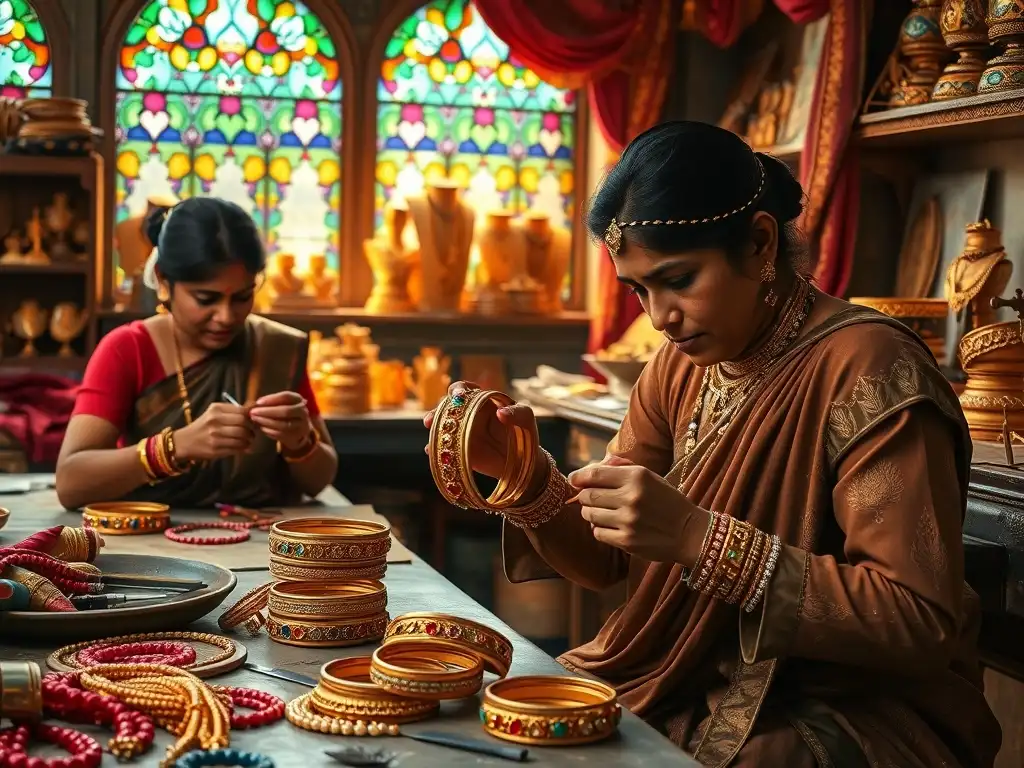
- Craftsmanship: Authentic Indian jewelry is handcrafted by skilled artisans who follow traditional methods passed down through generations. The attention to detail and intricate designs reflect the craftsmanship's cultural significance.
- Materials Used: Genuine pieces are often made from high-quality metals such as gold, silver, and brass, alongside semi-precious and precious stones. The sourcing of materials often has cultural and historical importance, adding to the piece's authenticity.
- Design Elements: Traditional motifs and designs play a crucial role in defining authenticity. Common themes include floral patterns, geometric shapes, and religious symbols that are deeply rooted in Indian culture.
- Cultural Relevance: Authentic jewelry often holds cultural significance and is used in various ceremonies, festivals, and rites of passage. For example, bridal jewelry is typically rich in symbolism and is an integral part of Indian weddings.
- Patina and Wear: Over time, authentic jewelry develops a unique patina that adds character. The signs of wear can indicate the piece's age and history, distinguishing it from mass-produced items.
Understanding the historical significance and key characteristics of authentic Indian jewelry is essential for anyone looking to appreciate or purchase these exquisite pieces. By recognizing the craftsmanship, materials, and cultural context, one can truly appreciate the beauty and heritage encapsulated in Indian jewelry.
How to Identify Authentic Indian Jewelry
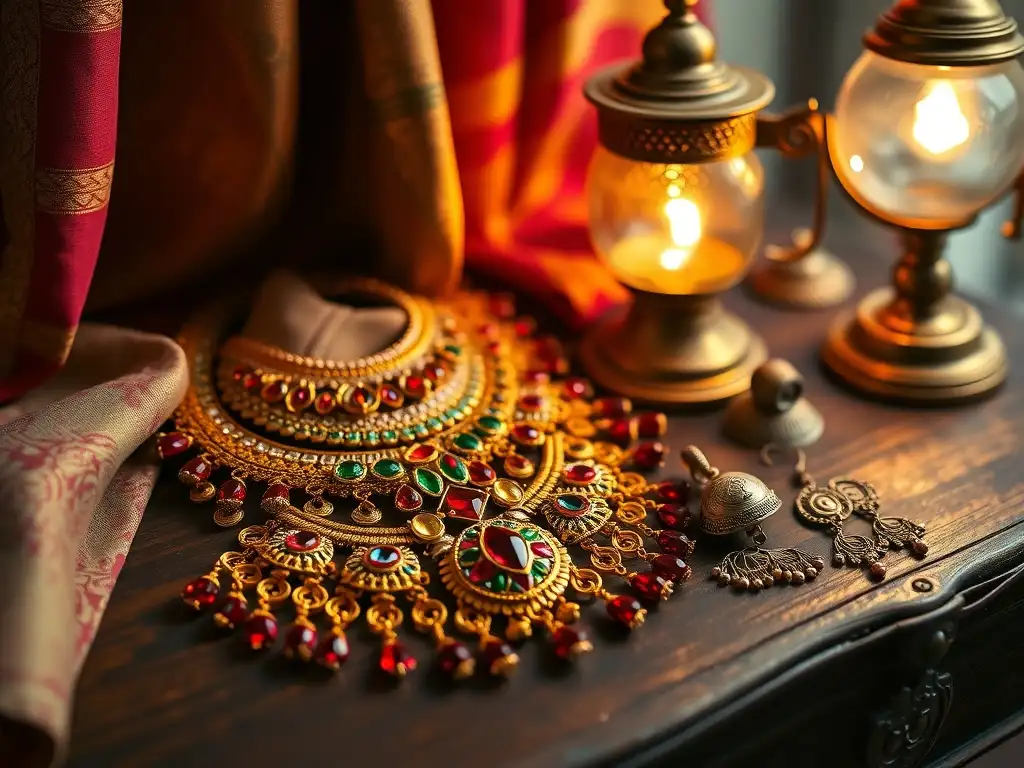
Identifying authentic Indian jewelry is essential for anyone looking to invest in this exquisite art form. The rich tapestry of Indian jewelry is steeped in history, culture, and craftsmanship, making it vital to discern genuine pieces from imitations. Here are some key elements to consider when determining the authenticity of Indian jewelry.
Tips for Recognizing Authenticity
-
Material Composition
Authentic Indian jewelry often uses high-quality materials such as gold, silver, and precious gemstones. Look for:
- Hallmarks: Genuine gold and silver jewelry will have a hallmark indicating its purity (e.g., 22K for gold).
- Gemstone Quality: Natural stones like diamonds, emeralds, and rubies should be examined for clarity and color. Synthetic stones are often more uniform but lack the unique characteristics of natural gems.
-
Craftsmanship
The intricate designs of Indian jewelry are a testament to the skills of the artisans.
- Details Matter: Authentic pieces often feature detailed engravings, filigree work, or meenakari (enamel work). Inspect for imperfections; handmade pieces may have slight variations that enhance their uniqueness.
- Weight: Genuine jewelry tends to be heavier due to the quality of materials used. If a piece feels unusually light, it may not be authentic.
-
Cultural Significance
Understanding the cultural context can aid in identifying authenticity.
- Regional Styles: Different regions of India have distinct styles (e.g., Kundan from Rajasthan, Temple jewelry from Tamil Nadu). Familiarizing yourself with these styles can help in recognition.
- Traditional Motifs: Authentic pieces often incorporate traditional themes, symbols, or motifs that reflect the cultural heritage of India.
-
Documentation and Certification
Always ask for documentation when purchasing high-value jewelry.
- Certificates of Authenticity: Reputable jewelers provide certificates confirming the authenticity of gemstones and precious metals.
- Receipts and Invoices: Ensure the retailer provides a detailed invoice that includes the origin and material details of the jewelry.
-
Seller Reputation
The trustworthiness of the seller is paramount.
- Reviews and Recommendations: Check online reviews or seek recommendations from friends and family who have purchased authentic Indian jewelry.
- Return Policies: Reliable retailers often offer return policies or guarantees, allowing you to feel secure in your purchase.
Trusted Retailers for Authentic Indian Jewelry
Finding reliable retailers is crucial for acquiring authentic Indian jewelry. Here are some recommended options:
| Retailer Name | Specialization | Location |
|---|---|---|
| Tanishq | Gold and diamond jewelry | Nationwide (India) |
| Kalyan Jewellers | Traditional and contemporary designs | Nationwide (India) |
| PC Jeweller | Custom and traditional pieces | Nationwide (India) |
| Amrapali | Ethnic jewelry with handcrafted designs | Jaipur, India |
| Suhana Jewelry | Antique and vintage styles | Online |
When purchasing from these retailers, ensure that you verify their authenticity policies and inquire about the jewelry's provenance. Emphasizing the importance of purchasing from trusted sources will not only enhance your experience but also ensure that you are investing in pieces steeped in the rich history of authentic Indian jewelry.
The Role of Cultural Heritage in Authentic Indian Jewelry
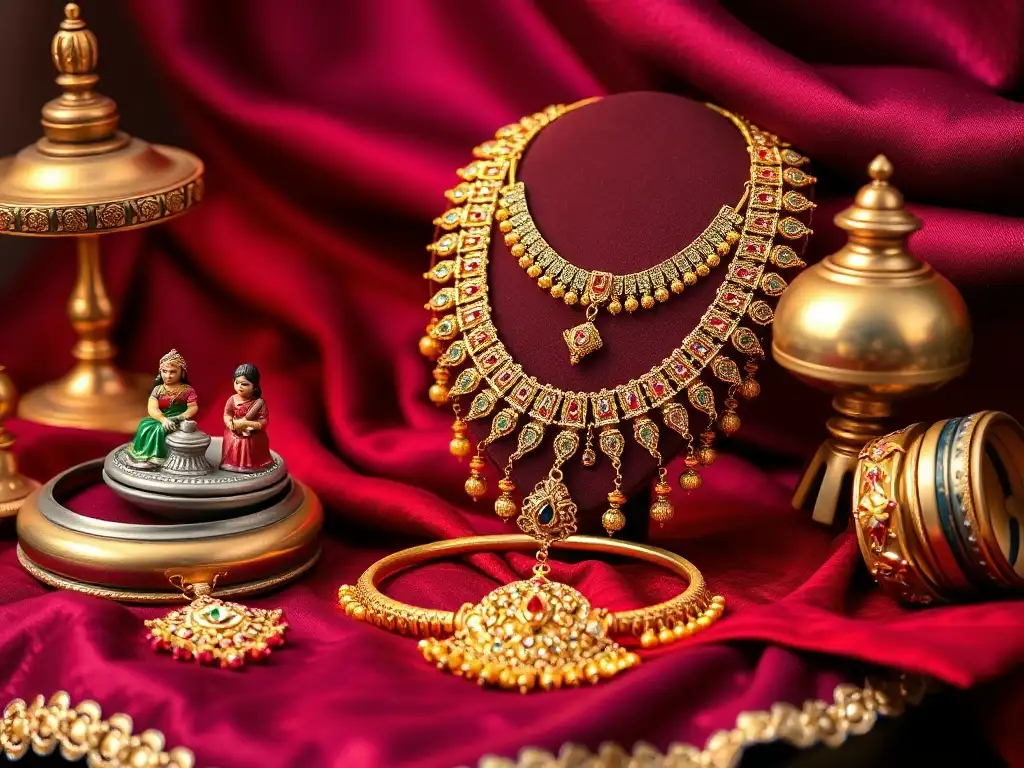
Understanding the Cultural Context
Authentic Indian jewelry is deeply intertwined with the rich tapestry of India's cultural heritage. Each piece tells a story, often linked to the traditions, beliefs, and practices of various communities across the subcontinent. The materials, designs, and crafting techniques used are not merely aesthetic choices; they reflect centuries of history and cultural significance.
Key Cultural Influences
- Religious Significance: Many jewelry pieces are designed for religious ceremonies or festivals. For instance, gold jewelry is often worn during weddings, symbolizing prosperity and auspiciousness. The intricate designs may depict deities or auspicious symbols, highlighting their spiritual importance.
- Regional Variations: India’s diverse cultures yield a vibrant array of jewelry styles. For example:
- Kundan: Originating from Rajasthan, this style uses gemstones set in gold foil to create elaborate designs.
- Meenakari: A form of enamel work, this technique is prevalent in Gujarat and Rajasthan, showcasing vivid colors and intricate motifs.
- Social Status and Identity: Jewelry functions as a marker of social status and identity within various communities. Traditional pieces often signify marital status, regional affiliation, or community belonging, making them significant in both personal and social contexts.
- Craftsmanship: The skills passed down through generations of artisans play a crucial role in creating authentic Indian jewelry. Techniques such as filigree, inlay, and casting have been perfected over centuries, ensuring that each piece is not just ornamentation but also a work of art.
Preserving Authenticity in a Global Market
In today's globalized market, the challenge of maintaining authenticity in Indian jewelry is more pronounced than ever. With mass production and the rise of synthetic materials, discerning genuine pieces from replicas requires an understanding of specific characteristics that define authentic Indian jewelry.
Strategies for Preservation
- Support for Artisans: Engaging with local artisans helps preserve traditional techniques. Many organizations focus on fair trade practices, ensuring that artisans receive fair wages while maintaining their craft's integrity.
- Education and Awareness: Consumers can play a pivotal role in preserving authenticity by educating themselves about the different styles, materials, and historical contexts of Indian jewelry. This knowledge enables buyers to make informed choices and appreciate the cultural significance of their purchases.
- Certification and Documentation: Authentic Indian jewelry often comes with certifications that validate its origin and craftsmanship. Consumers should seek out pieces that include documentation from recognized institutions, ensuring that they are investing in genuine artifacts.
- Sustainable Practices: As the demand for authentic jewelry grows, sustainable sourcing of materials becomes crucial. Ethically sourced gemstones and metals not only contribute to environmental preservation but also support the communities that rely on these resources.
- Promoting Local Markets: Supporting local markets and boutiques that specialize in traditional Indian jewelry ensures that artisans and their crafts remain viable. This promotes cultural exchange and helps maintain the rich heritage associated with authentic Indian jewelry.
By understanding the cultural context and actively participating in the preservation of authenticity, consumers can appreciate and support the legacy of authentic Indian jewelry, ensuring it remains a vibrant part of India's heritage for future generations.
Conclusion: Embracing Authentic Indian Jewelry
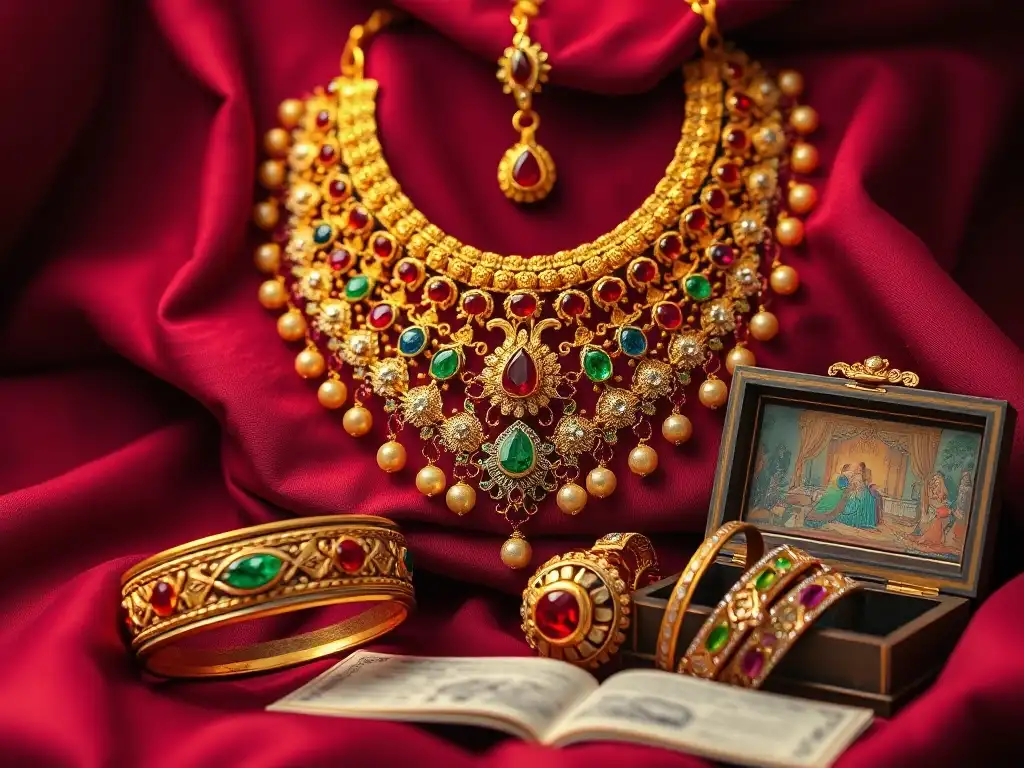
The journey through the history of Authentic Indian jewelry reveals a tapestry woven with cultural significance, artistry, and tradition. From the intricate designs of the Indus Valley civilization to the opulent pieces favored by royalty during the Mughal era, each era has contributed unique styles and techniques that continue to inspire contemporary artisans.
Understanding the historical context of Indian jewelry not only enhances appreciation but also informs purchasing decisions. Authentic pieces often carry stories and craftsmanship that reflect the values and aesthetics of their time. The evolution of materials, techniques, and motifs tell a narrative that is both personal and collective, linking wearers to a rich heritage.
As consumers become more discerning, the demand for authentic Indian jewelry has surged. This has led to a resurgence in traditional craftsmanship, with artisans reviving ancient techniques and designs. Supporting these artisans not only helps preserve these age-old traditions but also ensures that the jewelry purchased is genuine and meaningful.
By embracing authentic Indian jewelry, individuals not only adorn themselves with beauty but also become custodians of a legacy that spans millennia. Each piece serves as a reminder of the cultural and historical richness that defines Indian civilization.
Call to Action
As you explore the world of Authentic Indian jewelry, consider the following steps to ensure your purchases are both meaningful and genuine:
- Research the History: Familiarize yourself with the different styles and their historical significance. Understanding the context can enhance your appreciation and help you make informed decisions.
- Support Artisans: Look for jewelry sourced directly from artisans or reputable dealers who prioritize traditional methods. This supports the craft and ensures authenticity.
- Ask Questions: When purchasing, inquire about the materials used, the techniques employed, and the story behind the piece. Authentic sellers should be knowledgeable and willing to share.
- Attend Workshops: Engage with local artisans by attending workshops or exhibitions. This not only supports the community but also provides insights into the craftsmanship involved.
By taking these steps, you can confidently embrace the beauty and history of Authentic Indian jewelry, making choices that honor both the art and the artist.
Frequently Asked Questions
What defines authentic Indian jewelry?
Authentic Indian jewelry is characterized by its traditional craftsmanship, unique designs, and use of precious materials that reflect the rich cultural heritage of India.
How has the history of Indian jewelry evolved?
The history of Indian jewelry dates back to ancient civilizations, beginning with the Indus Valley, and has evolved through various dynasties, influencing styles and techniques seen today.
What are some key features of traditional Indian jewelry?
Traditional Indian jewelry often includes intricate metalwork, the use of gemstones, and distinctive styles such as Kundan, Meenakari, and Jadau, each with its own cultural significance.
How do cultural influences shape Indian jewelry making?
Cultural influences from regional traditions, historical events, and religious beliefs have shaped Indian jewelry making, leading to diverse styles that represent various communities and their heritage.
Why is authentic Indian jewelry considered valuable?
Authentic Indian jewelry is valued not only for its intricate designs and craftsmanship but also for its cultural significance, often being passed down through generations as a symbol of heritage and identity.
Final Reflection: Embracing the True Essence of Authentic Indian Jewelry
The exploration of authentic Indian jewelry history reveals a tapestry of culture, craftsmanship, and tradition that remains profoundly relevant today. In a world increasingly driven by mass production and fleeting trends, the significance of understanding the roots and stories behind authentic Indian jewelry cannot be overstated. It serves as a reminder that every piece carries with it a legacy, a connection to the past, and a celebration of identity that transcends generations.
Cultural heritage is not just a relic of the past; it is a living, breathing entity that shapes our present and future. The intricate designs and techniques passed down through families and communities continue to influence contemporary fashion and artistry. As we navigate a globalized world, the authenticity of Indian jewelry stands as a testament to the resilience and creativity of its artisans. Jewelry is not just an accessory; it is a reflection of our culture and a symbol of our identity.
This ongoing dialogue between tradition and modernity invites us to appreciate the depth and diversity of Indian craftsmanship.
As you reflect on the insights shared in this article, consider how you can honor and celebrate the authenticity of Indian jewelry in your own life. Take a moment to explore the stories behind the pieces you admire, seek out artisans who uphold these traditions, and embrace the beauty of genuine craftsmanship. By doing so, you not only enrich your own experience but also contribute to the preservation of a vibrant cultural heritage that deserves to be cherished and celebrated.
Discover Your Inner Artisan: Engage with Authentic Indian Jewelry!
Thank you for diving into the fascinating world of Indian jewelry with us! You've explored the intricate myths and truths that make this art form truly unique. Now it's time to connect even deeper with this rich heritage and express your appreciation in creative ways.
Here are some simple yet powerful actions you can take right now:
- Start your own collection: Visit local artisans or reputable online platforms to purchase authentic Indian jewelry pieces, focusing on unique designs that resonate with your personal style.
- Share your knowledge: Discuss the myths and realities of Indian jewelry with friends and family. You could host a small gathering to showcase your collected pieces and share your newfound understanding.
- Join a community: Engage with online forums or social media groups dedicated to Indian jewelry, where you can exchange ideas, tips, and stories with fellow enthusiasts.
Which aspect of Indian jewelry’s authenticity resonates most with you, and how do you plan to express your newfound appreciation for it? Let's spark a conversation!