
Exploring the Dialects of Sanskrit: A Linguistic Diversity


Welcome to Ancient India History, where we embark on a captivating journey through the rich tapestry of India’s past. Delve into the fascinating world of Sanskrit dialects in ancient India, a subject that unveils the linguistic diversity that flourished alongside remarkable civilizations. As you explore this intricate web of language and culture, prepare to uncover how these dialects not only shaped communication but also influenced the very essence of ancient Indian society. Join us as we decipher the echoes of history that resonate through time, igniting your curiosity to learn more about this pivotal aspect of our heritage.
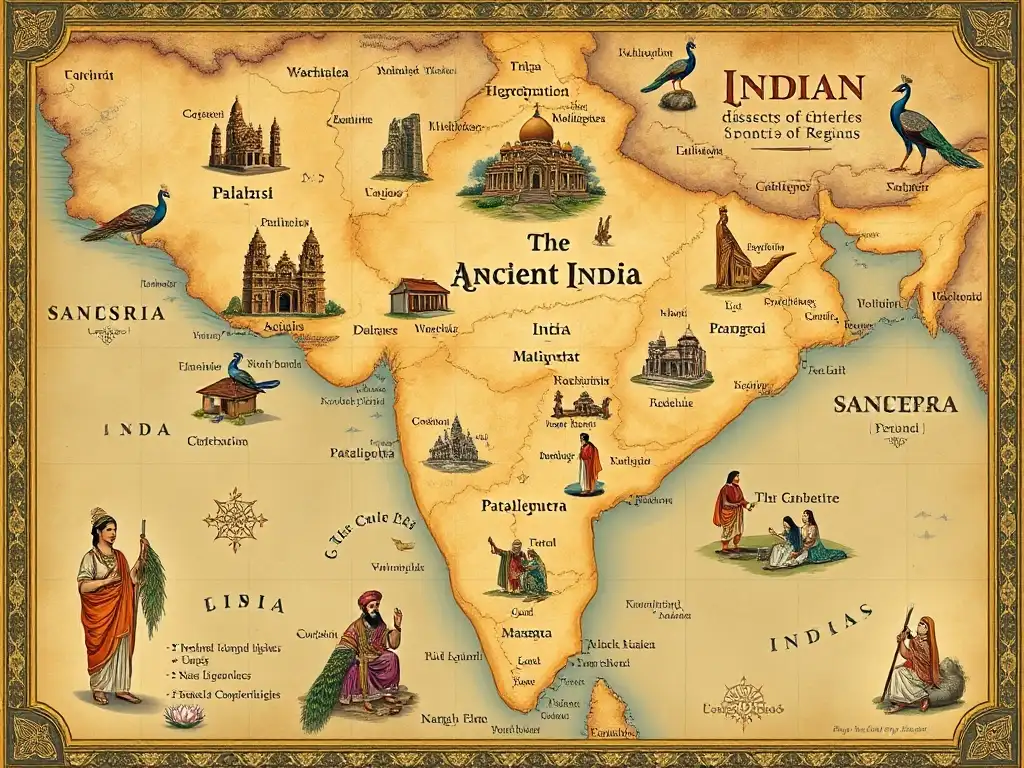
Introduction to Sanskrit Dialects in Ancient India
The study of Sanskrit dialects in ancient India offers a fascinating glimpse into the linguistic diversity that flourished within this remarkable civilization. Sanskrit, as one of the oldest languages known to mankind, has not only shaped the cultural and religious landscape of India but has also played a crucial role in the development of various regional languages.
Understanding the dialects of Sanskrit allows us to appreciate the nuances of communication, literature, and philosophy that thrived in ancient Indian society. This exploration into the dialectical variations of Sanskrit reveals how language served as a vessel for ideas, traditions, and identities across different regions, thus enriching the tapestry of ancient Indian history.
Definition of Sanskrit Dialects
Sanskrit dialects refer to the various regional and contextual variations of the Sanskrit language that emerged as it was used across different areas and among diverse communities in ancient India. These dialects can be broadly categorized into two types:
- Prakrits: These are vernacular languages that evolved from Sanskrit and were spoken by the common people.
- Regional Variants: These include variations that occurred due to geographical, cultural, and social influences, leading to distinct phonological and grammatical features.
Understanding these dialects is essential for deciphering the complexities of ancient texts and inscriptions, which often reflect the linguistic features of their respective regions.
Importance of Dialects in Linguistic Studies
The study of dialects is vital in the field of linguistics for several reasons:
- Cultural Insights: Dialects provide valuable insights into the culture, customs, and daily lives of people in ancient civilizations.
- Linguistic Evolution: Examining dialects helps scholars trace the evolution of languages and their interrelationships.
- Preservation of History: Dialects often carry historical significance, preserving the linguistic heritage of various communities and reflecting the sociopolitical dynamics of their time.
By analyzing the dialects of Sanskrit, researchers can better understand the intricate web of interactions that shaped ancient Indian society and its linguistic landscape.
Historical Context of Sanskrit in Ancient India
Sanskrit has a rich historical context that dates back thousands of years, serving as a pivotal language in ancient Indian literature, philosophy, and religion. Its prominence in sacred texts such as the Vedas and Upanishads signifies its foundational role in Indian culture.
Evolution of the Sanskrit Language
The evolution of Sanskrit can be traced through various stages, including:
- Vedic Sanskrit: The earliest form, found in the Vedas, characterized by a rich oral tradition and complex meter.
- Classical Sanskrit: Standardized around the 4th century BCE, primarily due to the grammar of Panini, which laid the groundwork for formal linguistic studies.
This evolution reflects not only linguistic changes but also the sociocultural shifts within ancient Indian society.
Role of Sanskrit Dialects in Ancient Indian Society
Sanskrit dialects played a crucial role in the daily lives of ancient Indians. They were instrumental in:
- Literary Expression: Different dialects contributed to a vast array of literary works, from poetry to drama, each reflecting the local flavor and cultural ethos.
- Religious Practices: The use of dialects in rituals and religious texts made spirituality more accessible to the masses, bridging the gap between the elite Sanskrit scholars and the general populace.
The dialects of Sanskrit are not merely linguistic variations; they embody the rich cultural and historical narratives of ancient India, showcasing its diversity and depth.
Major Sanskrit Dialects and Their Characteristics
The exploration of Sanskrit dialects in ancient India reveals a rich tapestry of linguistic diversity. These dialects not only reflect the geographic spread of the language but also the cultural and societal influences that shaped them over centuries. Each dialect possesses unique characteristics that differentiate it from others, while still retaining core elements of classical Sanskrit.
Overview of Prominent Sanskrit Dialects
Ancient India was home to several prominent Sanskrit dialects, each associated with specific regions and communities. Some of the most notable dialects include:
- Vedic Sanskrit: The earliest form of Sanskrit, primarily used in the Vedas, this dialect is characterized by its complex phonetics and syntax. It served as the foundation for later developments in the language.
- Classical Sanskrit: Emerging around 500 BCE, Classical Sanskrit is the standardized form of the language, codified by grammarians like Pāṇini. It became the literary language of ancient India, used in poetry, drama, and philosophy.
- Prakrit: While technically not a dialect of Sanskrit, Prakrit languages evolved from it and were widely spoken in ancient India. They are significant for understanding the everyday speech of the time.
- Apabhraṃśa: This transitional dialect emerged later in ancient India, showcasing linguistic evolution and the blending of Sanskrit with regional languages.
Each of these dialects played a crucial role in the transmission of culture, literature, and philosophy throughout ancient India, influencing a myriad of subsequent languages.
Distinct Features of Each Dialect
The distinct features of each Sanskrit dialect can be summarized as follows:
- Vedic Sanskrit:
- Complex syntactical structure
- Use of meter and rhythm in verses
- Rich in metaphors and symbolic language
- Classical Sanskrit:
- Simplified syntax compared to Vedic Sanskrit
- Extensive vocabulary, with influence from various regional languages
- Standardized grammar rules established by Pāṇini
- Prakrit:
- More colloquial and accessible than Sanskrit
- Simplified grammatical structures
- Variants such as Pali and Ardhamagadhi, which were used in Buddhist texts
- Apabhraṃśa:
- Significantly diverges from classical forms
- Incorporation of regional vocabulary and phonetic changes
- Represents a bridge between Sanskrit and modern Indo-Aryan languages
Understanding these distinct features provides insight into how Sanskrit dialects adapted to the needs of their speakers while maintaining a connection to their literary roots.
Geographic Distribution of Sanskrit Dialects
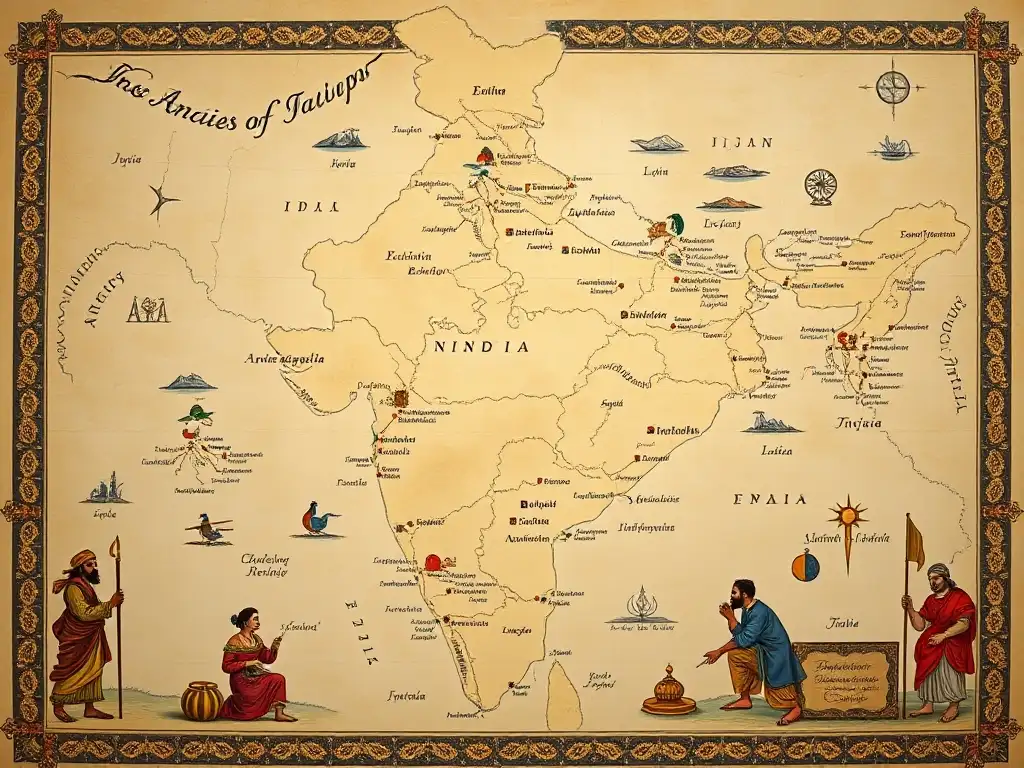
The geographic distribution of Sanskrit dialects across ancient India illustrates the language's extensive reach and influence. Various regions contributed to the development of distinct dialects, reflecting local cultures and traditions.
Regions of Ancient India and Their Dialects
- North India:
- Vedic Sanskrit was predominantly used in the northern regions, particularly in the areas surrounding the Ganges River. It was foundational in the early religious texts and rituals.
- Central India:
- In regions like Madhya Pradesh, Classical Sanskrit emerged as the literary language, influencing the development of local dialects and literature.
- Western India:
- Gujarat and Maharashtra saw the rise of Apabhraṃśa, which integrated local vernaculars into its structure, paving the way for modern languages like Gujarati and Marathi.
- Eastern India:
- In areas such as Bengal and Odisha, Prakrit dialects flourished, heavily influencing the regional languages that evolved from them.
- Southern India:
- The influence of Sanskrit in the Dravidian regions is notable in ancient texts, where it coexisted with Tamil and other Dravidian languages, leading to the emergence of Sanskritized Tamil.
This geographic distribution highlights how Sanskrit dialects in ancient India not only served as a means of communication but also as a vehicle for cultural exchange, shaping the linguistic landscape of the subcontinent.
Cultural Influence of Sanskrit Dialects
Sanskrit dialects have played a pivotal role in shaping the cultural landscape of ancient India. These dialects were not merely variations in speech but were intertwined with the social, religious, and political fabric of the time. The richness of Sanskrit allowed for the expression of diverse thoughts and ideas, making it a medium through which various cultural narratives were articulated. As different regions adapted Sanskrit to their local contexts, the dialects that emerged encapsulated the essence of local traditions, customs, and practices.
The influence of Sanskrit dialects extended beyond spoken language; they impacted literature, philosophy, and religious practices. By incorporating local idioms and expressions, these dialects helped disseminate complex ideas in a manner that was accessible to various strata of society. This adaptability facilitated a deeper connection between the texts and their audiences, ensuring that the wisdom of the ages resonated with the people.
Impact on Literature and Poetry
The impact of Sanskrit dialects on literature and poetry is profound and multifaceted. Classical Sanskrit literature, with its sophisticated structure and rich vocabulary, served as a foundation for various poetic forms and genres. The dialects allowed poets and writers to infuse regional flavor and emotional depth into their works, making literature more relatable and vibrant.
For instance, the use of dialects in folk poetry and songs often conveyed local myths, legends, and societal values. This artistry was not only an expression of creativity but also a means of preserving cultural heritage. The dialects enabled the integration of local themes with larger narrative arcs found in classical texts, such as the Mahabharata and Ramayana. As a result, these dialects contributed to a dynamic literary tradition that celebrated both the individual and the collective identity of communities.
Contribution to Philosophy and Religion
The dialects of Sanskrit also played a crucial role in the development of philosophical and religious thought in ancient India. Texts like the Upanishads, which explored profound metaphysical questions, were accessible to a broader audience due to the influence of regional dialects. This accessibility encouraged diverse interpretations of philosophical concepts, allowing for a rich tapestry of thought that spanned various schools of philosophy.
Moreover, the use of dialects in religious practices and rituals helped in the synthesis of local beliefs with established religious doctrines. This blending not only enriched the spiritual experience but also fostered a sense of belonging among practitioners. The adaptability of Sanskrit dialects facilitated the spread and acceptance of various philosophical ideas, contributing to the evolution of Hindu, Buddhist, and Jain traditions.
Dialects in Folk Traditions and Oral Literature
Folk traditions and oral literature are vital components of cultural identity, and Sanskrit dialects have been instrumental in their preservation and transmission. In ancient India, oral storytelling was a primary means of communication, and dialects provided the necessary tools for narrators to connect with their audiences. The use of local dialects in oral traditions made stories more engaging and relatable, allowing them to resonate with the everyday experiences of the people.
These dialects often encapsulated the values, morals, and communal knowledge of the society, serving as a repository of cultural wisdom. The incorporation of dialects in folk songs, proverbs, and tales contributed to a rich oral heritage that continues to be celebrated in various forms today. As a result, dialects became a bridge connecting the past with the present, ensuring that the legacies of ancient civilizations were passed down through generations.
Linguistic Diversity and Its Significance
Linguistic diversity in ancient India, particularly through the lens of Sanskrit dialects, reveals a complex interplay of culture, identity, and communication. The existence of multiple dialects signifies not only the geographical and social variations of the subcontinent but also the dynamic nature of language as a living entity. Each dialect represents a unique perspective on the world, shaped by the experiences and histories of its speakers.
Acknowledging this diversity is crucial for understanding the broader linguistic and cultural heritage of ancient India. It highlights how language can serve as a vehicle for cultural expression and identity, providing insights into the values and beliefs of different communities.
Understanding the Linguistic Landscape of Ancient India
The linguistic landscape of ancient India was characterized by a multitude of languages and dialects, among which Sanskrit held a prominent position. Sanskrit dialects emerged as a result of geographical, social, and cultural influences that shaped the way people communicated. The coexistence of various dialects contributed to a rich tapestry of linguistic interaction, fostering an environment ripe for intellectual exchange and cultural development.
This diversity allowed for the blending of ideas, facilitating the growth of literature, philosophy, and religious thought. Moreover, it enabled communities to express their unique identities while also participating in a shared cultural heritage. Understanding this linguistic landscape provides a more nuanced view of ancient Indian societies, revealing the interconnectedness of language, culture, and identity.
The Role of Dialects in Cultural Identity
Dialects serve as powerful markers of cultural identity, connecting individuals to their heritage and community. In ancient India, the use of Sanskrit dialects allowed people to express their regional identities while simultaneously engaging with the broader cultural narrative of the subcontinent. This duality enabled communities to assert their uniqueness while also participating in the collective identity of ancient Indian civilization.
The significance of dialects in cultural identity is further underscored by their role in oral traditions, folklore, and everyday communication. By employing local dialects, individuals could convey their experiences, values, and beliefs in a manner that resonated with their peers. As a result, these dialects became a vital component of cultural continuity, ensuring that the stories and traditions of ancient India were preserved and celebrated across generations.
Challenges in Studying Sanskrit Dialects

The study of Sanskrit dialects presents several challenges that can hinder comprehensive understanding and appreciation of this ancient language's diversity. These challenges stem from various factors, including the scarcity of historical documentation, modern interpretations that may misrepresent original meanings, and the evolving linguistic landscape that affects how these dialects are perceived today.
Limited Historical Records
One of the primary obstacles in studying Sanskrit dialects is the limited availability of historical records. Unlike some contemporary languages that have extensive written documentation, the textual corpus of Sanskrit is often fragmented. Many dialects evolved orally before being transcribed, leading to gaps in the historical narrative. This lack of comprehensive records means that linguists and historians must rely on a handful of texts, inscriptions, and references that may not accurately capture the full spectrum of dialectal variations.
Additionally, many ancient manuscripts were lost or damaged over time due to natural disasters, wars, or neglect. As a result, scholars face significant difficulties in reconstructing the phonetics, syntax, and semantics of various dialects. The preservation of dialects, particularly those that were regionally specific or used in local rituals, remains a critical yet challenging aspect of linguistic studies.
Modern Interpretation and Misunderstandings
Modern interpretations of ancient texts can also lead to misunderstandings about Sanskrit dialects. As contemporary linguists and scholars analyze these texts, their interpretations are often influenced by modern linguistic frameworks that may not align with ancient practices. This can result in misrepresentations of dialects, leading to an oversimplified view of Sanskrit’s linguistic diversity.
Moreover, the influence of colonial scholarship has historically shaped the way Sanskrit and its dialects are perceived. Western scholars often approached the language through a Eurocentric lens, which may have distorted the understanding of dialectal nuances and their cultural significance. Consequently, important aspects of linguistic diversity may be overlooked, reducing the richness of Sanskrit dialects to mere academic curiosities rather than vital components of ancient Indian culture.
Conclusion: The Legacy of Sanskrit Dialects in Ancient Indian History
The exploration of Sanskrit dialects is essential for understanding the linguistic and cultural heritage of ancient India. Despite the challenges faced in studying these dialects, they remain a testament to the rich tapestry of human expression and cultural identity in the subcontinent.
Summary of Key Points
The challenges in studying Sanskrit dialects include:
- Limited historical records, which restrict our understanding of dialectal variations.
- Modern interpretations and misunderstandings, which can misrepresent the original meanings and contexts of these dialects.
Addressing these challenges is crucial for a more nuanced appreciation of Sanskrit's linguistic diversity and its implications for ancient Indian history.
The Importance of Preserving Linguistic Diversity
Preserving the linguistic diversity embodied in Sanskrit dialects is vital for several reasons. Firstly, it aids in maintaining cultural heritage, as language is a key carrier of traditions, beliefs, and historical narratives. By recognizing and documenting these dialects, we help ensure that the voices and stories of ancient communities are not lost to time.
Furthermore, linguistic diversity fosters a deeper understanding of human cognition and communication. Each dialect offers unique insights into the ways people in ancient India expressed themselves, interacted, and perceived the world around them. This understanding is not only relevant to linguists but also enriches the fields of anthropology, history, and cultural studies.
Ultimately, the preservation of Sanskrit dialects is an essential endeavor that honors the legacy of ancient Indian civilizations, ensuring that their contributions to language and culture continue to be recognized and appreciated in contemporary society.
Further Reading and Resources on Sanskrit Dialects
Exploring Sanskrit dialects offers a fascinating glimpse into the linguistic diversity present in ancient India. To deepen your understanding, numerous resources are available, including books, articles, and online databases that provide valuable insights into the historical context, usage, and evolution of Sanskrit dialects.
Recommended Books and Articles
-
“The Dialects of Sanskrit: A Historical and Comparative Study” by R. S. Sharma
This comprehensive volume delves into the various dialects of Sanskrit, tracing their development through historical contexts and comparing them with other Indo-Aryan languages. The author provides a thorough analysis of phonological, morphological, and syntactic variations.
-
“Sanskrit Language and Linguistics” by A. K. Singh
This book serves as an excellent introduction to the intricacies of Sanskrit, focusing on its grammatical structures and dialectical variations. It includes discussions on how regional dialects influenced the language's evolution.
-
“A History of Sanskrit Literature” by M. S. H. S. Rangacharya
This work highlights the literary contributions of different Sanskrit dialects, showcasing how they shaped Indian literature over centuries. It includes a discussion of key texts written in various dialects.
-
“Sanskrit Dialects: An Overview” in the Journal of Linguistic Studies
This article presents a scholarly overview of the major dialects of Sanskrit, exploring their geographical distribution and the influence of regional languages.
-
“Sanskrit Syntax and Dialectology” by V. N. Bhatt
Focusing on the syntactic differences across dialects, this book provides case studies that illustrate how dialectal variations can impact overall comprehension and literary style.
Online Databases and Archives
-
Digital South Asia Library (DSAL)
A rich repository of texts and resources related to South Asian languages, including a dedicated section for Sanskrit. This archive includes digitized manuscripts, lexicons, and scholarly articles that provide insight into dialectal variations.
-
Sanskrit Heritage Site
This online platform offers a wealth of resources, including grammar tools, dictionaries, and a collection of texts in various dialects. It is particularly useful for linguists and enthusiasts interested in studying Sanskrit dialects in depth.
-
Archive.org
A comprehensive digital library that houses numerous texts on Sanskrit dialects. You can find historical texts, academic papers, and reference works related to the study of the Sanskrit language and its dialects.
-
India Office Records
Part of the British Library's collection, this archive contains documents and manuscripts that provide context and references to the use of different Sanskrit dialects during the colonial period, offering a unique perspective on their evolution.
These resources are instrumental for anyone looking to explore the rich tapestry of Sanskrit dialects and their contributions to the linguistic heritage of ancient India.
- Introduction to Sanskrit Dialects in Ancient India
- Historical Context of Sanskrit in Ancient India
- Major Sanskrit Dialects and Their Characteristics
- Geographic Distribution of Sanskrit Dialects
- Cultural Influence of Sanskrit Dialects
- Linguistic Diversity and Its Significance
- Challenges in Studying Sanskrit Dialects
- Conclusion: The Legacy of Sanskrit Dialects in Ancient Indian History
- Further Reading and Resources on Sanskrit Dialects
- What are Sanskrit dialects in ancient India?
- How did Sanskrit dialects impact ancient Indian culture?
- What role did the Indus Valley civilization play in the development of Sanskrit?
- How did the Gupta Empire contribute to the prominence of Sanskrit?
- Are there any modern languages that evolved from Sanskrit dialects in ancient India?
Frequently Asked Questions
What are Sanskrit dialects in ancient India?
Sanskrit dialects refer to the various regional variations and forms of the Sanskrit language that developed in ancient India, influenced by local cultures and languages.
How did Sanskrit dialects impact ancient Indian culture?
The diversity of Sanskrit dialects enriched ancient Indian culture by facilitating literature, philosophy, and religious texts, allowing for a broader expression of ideas and beliefs.
What role did the Indus Valley civilization play in the development of Sanskrit?
The Indus Valley civilization laid the groundwork for many linguistic developments in ancient India, influencing the evolution of languages, including the Sanskrit dialects that followed.
How did the Gupta Empire contribute to the prominence of Sanskrit?
During the Gupta Empire, there was a significant revival of Sanskrit, which became the medium for administration, literature, and science, promoting the use of various dialects across the region.
Are there any modern languages that evolved from Sanskrit dialects in ancient India?
Yes, several modern languages in India, such as Hindi, Bengali, and Marathi, have roots in Sanskrit dialects, showcasing the linguistic legacy of ancient Indian civilizations.
Final Reflection: Embracing the Linguistic Tapestry of Sanskrit Dialects
The exploration of Sanskrit dialects in ancient India reveals a profound connection to our cultural heritage and linguistic diversity. Today, as we navigate an increasingly globalized world, understanding the nuances of these dialects becomes essential in appreciating the rich tapestry of human expression. The intricate variations of Sanskrit not only reflect the historical evolution of language but also serve as a reminder of the importance of preserving our linguistic roots in a rapidly changing society.
Sanskrit dialects have significantly shaped the cultural and social landscape of India, influencing literature, philosophy, and even modern languages. The ongoing relevance of these dialects can be seen in contemporary discussions about identity and heritage. As we engage with these ancient forms of communication, we recognize their enduring impact on our understanding of self and community. Language is the road map of a culture. It tells you where its people come from and where they are going.
– Rita Mae Brown. This quote encapsulates the essence of how Sanskrit dialects not only inform us of our past but also guide us toward a more inclusive future.
As we reflect on the significance of Sanskrit dialects, I invite you to consider how language shapes your own identity and the identities of those around you. Take a moment to explore the dialects that resonate with your heritage or to learn a new language that opens doors to different cultures. By embracing the diversity of languages, we can foster deeper connections and appreciation for the myriad ways in which we communicate and understand one another. Let us honor the legacy of Sanskrit and its dialects by actively engaging with the linguistic diversity that enriches our lives today.
Unveil the Richness of Sanskrit Dialects!
Thank you for diving into the fascinating world of Sanskrit dialects with us! We hope you have gained valuable insights into the linguistic diversity that exists within this ancient language. Now, it's time to take the next step and immerse yourself even deeper into this rich heritage.
Here’s how you can connect with the world of Sanskrit:
- Explore further: Consider reading a Sanskrit text or accessing a comprehensive dictionary to embark on your learning journey. The more you engage with the language, the more you’ll appreciate its beauty.
- Join a community: Seek out local or online groups dedicated to the study of Sanskrit. Sharing ideas and experiences can enhance your learning and foster a vibrant connection with others who share your passion.
- Share your discoveries: Write a blog post or create a social media update about your favorite aspect of Sanskrit dialects. Your insights could inspire someone else to explore this intriguing subject!
What aspect of Sanskrit fascinates you the most, and how will you continue your journey into its dialects? We’d love to hear your thoughts!