
The Role of Jainism in the Development of Indian Culture and Identity

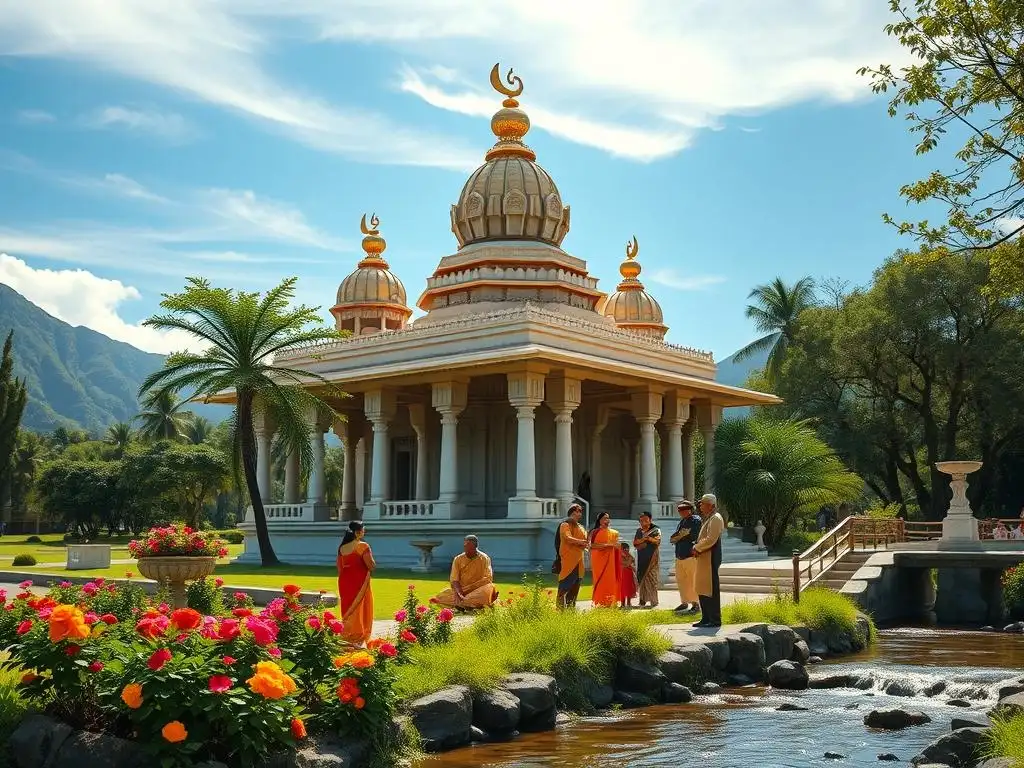
Welcome to Ancient India History, where we embark on a journey through the rich tapestry of ancient Indian civilizations. From the enigmatic Indus Valley to the flourishing Gupta Empire, our exploration unveils the profound influence of various cultures and religions that have shaped India’s identity. In this article, we delve into the role of Jainism—a spiritual force that has intricately woven itself into the fabric of Indian culture.
Discover how its teachings and values continue to resonate through the ages, and prepare to uncover the fascinating connections that make Jainism a cornerstone of India's diverse heritage. Join us as we explore the depths of this captivating topic!

Introduction to Jainism and Its Cultural Significance
Jainism, one of the oldest religions in India, has played a pivotal role in shaping the cultural and philosophical landscape of the subcontinent. The profound influence of Jainism on Indian culture extends beyond its religious tenets, permeating various aspects of art, literature, social structure, and ethical practices.
As a faith that emphasizes non-violence, truth, and asceticism, Jainism has contributed significantly to the moral and ethical fabric of Indian society, fostering a spirit of tolerance and coexistence. Understanding Jainism's influence on Indian culture provides valuable insights into the development of a rich and diverse identity that continues to resonate in contemporary times.
Overview of Jainism as an Ancient Religion
Jainism traces its origins to the teachings of Mahavira, the 24th Tirthankara, who lived in the 6th century BCE. However, the roots of Jain philosophy can be traced even further back to the teachings of earlier Tirthankaras. Jainism is characterized by its distinct beliefs in karma, reincarnation, and the ultimate goal of achieving liberation (moksha) through self-discipline and ethical living. The religion promotes a path of non-violence (ahimsa) towards all living beings, which has significantly influenced the social and cultural norms of Indian society. Notable features of Jainism include:
- Tirthankaras: Spiritual teachers who have achieved liberation and guide others on the path.
- Ahimsa: The principle of non-violence, central to Jain ethics.
- Asceticism: A rigorous lifestyle emphasizing self-discipline and renunciation of worldly pleasures.
Key Principles of Jainism and Their Cultural Impact
The core principles of Jainism have had a profound impact on Indian culture, particularly in shaping ethical practices and promoting social harmony. Key principles include:
- Non-Violence (Ahimsa): This principle has inspired movements for peace and has influenced notable figures like Mahatma Gandhi. It promotes respect for all life forms, fostering a culture of compassion.
- Truth (Satya): The commitment to truthfulness is a fundamental tenet that has shaped the moral compass of Indian society, encouraging integrity in personal and communal relationships.
- Non-Possessiveness (Aparigraha): This principle advocates for detachment from material possessions, promoting a culture of simplicity and sustainability.
As a result, Jainism's principles have permeated various aspects of Indian life, from cuisine choices (vegetarianism) to social justice movements, creating a unique cultural identity that values ethical living.
Historical Context of Jainism in India
Origins of Jainism in Ancient India
The origins of Jainism can be traced back to the ancient Indus Valley Civilization, where early forms of religious practices emphasizing non-violence and asceticism may have existed. By the time of Mahavira, Jainism began to take shape as a distinct religious tradition with a clear set of doctrines and community practices. The religion flourished in the region during the 6th century BCE, coinciding with the emergence of other significant philosophical movements, including Buddhism. Jainism established itself as a leading spiritual force by advocating for individual spiritual development and ethical living.
Evolution of Jainism Through Different Historical Periods
Jainism's evolution is marked by significant historical phases, each contributing to its cultural prominence.
- Mauryan Period (322-185 BCE): The Mauryan Emperor Ashoka's promotion of Buddhism did not overshadow Jainism, which continued to thrive, particularly under the patronage of wealthy merchant classes.
- Gupta Era (c. 320-550 CE): During this period, Jain art and literature flourished, leading to remarkable contributions in sculpture and temple architecture, such as the famous Dilwara Temples.
- Medieval Period: Jainism faced challenges from rising Hindu sects but adapted by emphasizing its philosophical teachings and community cohesion.
Throughout these periods, Jainism not only preserved its core beliefs but also adapted to the changing socio-political landscape of India, ensuring its enduring influence on Indian culture and identity. As a result, Jainism remains a vital part of the tapestry of Indian civilization, illustrating the dynamic interplay between religion and culture throughout history.
Jainism's Influence on Indian Culture
Jainism has played a pivotal role in shaping various facets of Indian culture, establishing a legacy that endures to this day. The principles of non-violence (ahimsa), truth (satya), and asceticism have not only influenced individual behavior but have also permeated societal norms and practices across India. This influence is evident in various aspects, from dietary habits to social interactions, and has intertwined with the broader cultural fabric of the nation.
The teachings of Jainism have contributed significantly to the development of ethical values among individuals and communities. One of the most notable impacts is the widespread adoption of vegetarianism, which is rooted in the Jain philosophy of non-violence towards all living beings. This principle has transcended religious boundaries and is a prominent aspect of Indian culture today. Moreover, Jainism's emphasis on self-discipline and renunciation has inspired many, fostering a culture of introspection and moral integrity.
Jain Philosophy and Ethical Values in Indian Society
The core philosophical tenets of Jainism—ahimsa, aparigraha (non-possessiveness), and anekantavada (many-sidedness)—have profoundly influenced the ethical landscape of Indian society. Ahimsa, in particular, has become a cornerstone of Indian ethics, promoting peace and non-violence in thoughts, words, and deeds. This principle has resonated not only within Jain communities but has also inspired leaders like Mahatma Gandhi, who embraced non-violent resistance as a means of social change.
Additionally, Jain philosophy encourages a lifestyle that values simplicity and minimalism. The concept of aparigraha promotes detachment from material possessions, which has implications for how various Indian communities view wealth and success. This perspective fosters a sense of community and collective well-being, prioritizing the welfare of all living beings over individual greed.
The principle of anekantavada encourages tolerance and open-mindedness, leading to a more harmonious coexistence among diverse groups. This philosophical approach has enabled various religious and cultural traditions within India to thrive alongside one another, fostering a rich tapestry of beliefs and practices.
Jain Contributions to Indian Art and Architecture
Jainism has left an indelible mark on Indian art and architecture, with its unique aesthetic sensibility and intricate craftsmanship. One of the most significant contributions is the development of monumental rock-cut temples, such as those found in Ellora and Ajanta. These temples are characterized by exquisite carvings, detailed sculptures, and elaborate frescoes that depict various aspects of Jain cosmology and philosophy.
The Dilwara Temples in Mount Abu are another prime example of Jain architectural brilliance. Renowned for their stunning marble work and intricate inlay designs, these temples serve as a testament to the artistic achievements of Jain artisans. Jain art often embodies themes of non-violence and spirituality, integrating both religious and cultural narratives into its visual representations.
Moreover, Jain manuscripts, adorned with beautiful illustrations, have played a crucial role in preserving the philosophical teachings and historical accounts of Jainism. These manuscripts are not merely religious texts; they are also valuable works of art that reflect the intellectual and cultural milieu of ancient India.
The Role of Jainism in Shaping Indian Identity

Jainism has been integral to forming a distinct Indian identity by contributing to the moral, ethical, and cultural parameters that define the nation. Its teachings have transcended religious lines, influencing not only its followers but also the broader Indian society. The emphasis on non-violence and tolerance has fostered a culture of peace, which is a defining characteristic of Indian identity.
Furthermore, Jainism's historical presence in various regions of India has led to the establishment of numerous communities that have enriched local cultures through their unique practices, festivals, and contributions to literature and philosophy. This diversity enhances the pluralistic nature of Indian society, helping to forge a unified yet multifaceted national identity.
Jainism's Impact on Indian Social Structures
Jainism has significantly influenced social structures in India, particularly in areas such as community organization and economic practices. The Jain community is known for its emphasis on education and entrepreneurship, leading to the establishment of strong networks that promote economic growth and social welfare. This socio-economic dynamism has contributed to the development of various industries, particularly in trade and commerce.
The community's commitment to philanthropy and social service has also played a vital role in fostering a sense of responsibility towards society. Many Jains have established educational institutions, hospitals, and charitable organizations, reflecting their dedication to the collective good. This spirit of giving has permeated Indian culture, encouraging a broader societal commitment to social responsibility.
Moreover, Jain values have prompted a reevaluation of social hierarchies, promoting egalitarian principles that challenge traditional caste structures. This has led to greater inclusivity and acceptance within Indian society, aligning with the overarching ideals of justice and equality.
Jain Festivals and Their Significance in Indian Culture
Jain festivals are rich in meaning and serve as vital cultural touchstones within Indian society. Key festivals such as Paryushana and Mahavir Jayanti not only commemorate significant events in Jain history but also promote the core values of Jainism.
Paryushana, a period of reflection and penance, encourages Jains to engage in self-examination, seek forgiveness, and practice non-violence towards all living beings. This festival has broader implications, as it invites participation from non-Jains, fostering communal harmony and understanding.
Mahavir Jayanti, which celebrates the birth of Lord Mahavira, is marked by processions, prayers, and community gatherings. The festival highlights the ideals of compassion and truth, resonating with individuals from various backgrounds. This celebration exemplifies how Jainism contributes to the cultural richness of Indian society, promoting values that resonate beyond religious boundaries.
Through these festivals, Jains reinforce their communal identity while simultaneously contributing to the diverse tapestry of Indian culture. The emphasis on non-violence, compassion, and ethical living during these celebrations encourages a collective engagement with the principles of Jainism, allowing for a shared cultural experience that unites people from various walks of life.
Contemporary Relevance of Jainism in Indian Culture
Jainism, one of the oldest religions in India, continues to have a significant impact on the cultural and social fabric of contemporary Indian society. Its principles of non-violence (ahimsa), truth (satya), and asceticism resonate deeply in modern times, shaping various facets of life, including ethics, business practices, and environmental consciousness. As India's society grapples with challenges such as consumerism, environmental degradation, and social injustice, the teachings of Jainism provide a guiding framework for individuals seeking a more balanced and ethical way of living.
The influence of Jainism can be observed in various aspects of Indian culture, from art and architecture to festivals and cuisine. Jain festivals, such as Paryushana and Mahavir Jayanti, not only serve as religious observances but also as platforms for community bonding and cultural expression. Additionally, Jain philosophy encourages the pursuit of knowledge and self-discipline, which have fostered a rich tradition of scholarship and intellectual discourse in Indian society.
The Resurgence of Jain Values in Modern India
In recent years, there has been a noticeable resurgence of Jain values in modern India, reflected in various movements aimed at promoting non-violence and ethical living. This revival is partly attributed to the increasing awareness of ethical consumerism, where individuals seek to make more responsible choices that align with their values. Jain organizations and community leaders actively engage in initiatives that promote social welfare, education, and health, thereby reinforcing the relevance of Jain teachings in contemporary society.
Moreover, the younger generation of Jains is increasingly embracing their heritage, often adopting Jain principles in their professional lives. Many entrepreneurs and business leaders incorporate ethical practices inspired by Jainism, fostering a corporate culture that emphasizes social responsibility, sustainability, and community engagement. This revival of Jain values not only strengthens community ties but also contributes to a broader discourse on ethical practices in Indian society.
Jainism's Role in Promoting Environmental Awareness
Jainism has been at the forefront of promoting environmental awareness long before it became a global concern. The principle of non-violence extends beyond human interactions to encompass all living beings and the environment. Jains believe in the interconnectedness of life and advocate for a lifestyle that minimizes harm to the ecosystem.
In the contemporary context, Jain organizations actively participate in environmental conservation efforts, including tree plantation drives, waste management campaigns, and promoting vegetarianism as a means of reducing ecological footprints. The emphasis on sustainable living and responsible consumption resonates with global movements aimed at addressing climate change and environmental degradation. By integrating traditional Jain values with modern environmental initiatives, Jains contribute significantly to raising awareness and fostering a culture of sustainability in India.
Conclusion: The Lasting Legacy of Jainism on Indian Culture and Identity
The lasting legacy of Jainism on Indian culture and identity is profound, shaping ethical values, social practices, and cultural expressions throughout history. Its core principles of non-violence, truth, and compassion have created a framework that continues to inspire individuals and communities. Jainism's contributions to art, architecture, literature, and philosophy have enriched the cultural landscape of India, making it an integral part of the nation's identity.
Summary of Jainism's Contributions to Indian Civilization
Jainism has made significant contributions to Indian civilization, influencing various domains such as philosophy, literature, and the arts. The promotion of non-violence and ethical living has shaped social norms and practices, fostering a culture of compassion and respect for all living beings. Jain scholars have contributed to the intellectual heritage of India, producing vast literary works that explore metaphysics, ethics, and cosmology.
Furthermore, Jain architecture, particularly the intricately carved temples, stands as a testament to the artistic achievements of this ancient tradition. These architectural marvels not only serve as places of worship but also as symbols of the community's devotion and commitment to their values. The preservation of Jain culture and practices continues to play a crucial role in the ongoing narrative of Indian civilization.
Future Prospects for Jainism and Its Cultural Influence in India
Looking ahead, the future prospects for Jainism and its cultural influence in India appear promising. As societal challenges evolve, the teachings of Jainism offer valuable insights and solutions that can address contemporary issues such as environmental sustainability, social justice, and ethical leadership. The increasing engagement of the Jain community in public life and social initiatives is likely to enhance the visibility and relevance of Jain values in broader Indian society.
Moreover, the dialogue between traditional Jain teachings and modern challenges can foster innovation in various fields, including business, education, and environmental conservation. As Jainism continues to adapt and resonate within the modern Indian context, its influence is expected to endure, promoting a culture of peace, compassion, and sustainability for future generations.
- Introduction to Jainism and Its Cultural Significance
- Historical Context of Jainism in India
- Jainism's Influence on Indian Culture
- The Role of Jainism in Shaping Indian Identity
- Contemporary Relevance of Jainism in Indian Culture
- Conclusion: The Lasting Legacy of Jainism on Indian Culture and Identity
Frequently Asked Questions
What is Jainism and its significance in Indian culture?
Jainism is an ancient Indian religion that emphasizes non-violence, truth, and asceticism. Its principles have played a critical role in shaping various aspects of Indian culture, including art, philosophy, and ethics.
How did Jainism influence Indian art and architecture?
Jainism has significantly influenced Indian art and architecture through the creation of intricate temples and sculptures. The detailed carvings and unique architectural styles reflect the spirituality and dedication of Jain practices.
What are the core principles of Jainism that impacted Indian identity?
The core principles of Jainism, such as ahimsa (non-violence), aparigraha (non-possessiveness), and satya (truthfulness), have deeply influenced the moral and ethical framework of Indian society, contributing to its diverse identity.
How did Jainism contribute to Indian philosophy?
Jainism introduced concepts like relativism and the idea of multiple viewpoints, enriching Indian philosophical discourse. Its emphasis on self-discipline and spiritual development has greatly influenced other philosophical traditions in India.
In what ways does Jainism continue to affect modern Indian culture?
Today, Jainism's teachings on non-violence and sustainable living resonate with contemporary issues, promoting eco-friendly practices and peaceful coexistence. This ongoing influence highlights the timeless relevance of Jain principles in modern India.
Final Reflection: The Enduring Influence of Jainism on Indian Culture
Jainism's profound impact on Indian culture and identity remains strikingly relevant today, as its principles of non-violence, truth, and respect for all living beings resonate deeply in contemporary discussions around ethics and sustainability. In an era where the world grapples with conflict and environmental crises, the teachings of Jainism offer a timeless framework for fostering harmony and compassion. The essence of Jain philosophy encourages us to reflect on our actions and their consequences, urging a collective shift towards a more conscientious way of living.
Culturally, Jainism has woven itself into the very fabric of Indian society, influencing art, architecture, and social values that continue to shape our identity. The reverberations of Jain thought can be seen in the intricate designs of temples, the rich traditions of vegetarianism, and the emphasis on community welfare. As Mahatma Gandhi once said, The greatness of a nation and its moral progress can be judged by the way its animals are treated.
This quote encapsulates the spirit of Jainism, reminding us that our ethical considerations extend beyond human interactions to encompass all forms of life, thus enriching our cultural landscape.
As we reflect on the teachings of Jainism, let us embrace the opportunity to integrate its values into our daily lives. Consider how you can embody the principles of non-violence and respect in your interactions with others and the environment. In a world that often prioritizes individual gain over collective well-being, your commitment to these ideals can inspire change and foster a deeper connection with the rich cultural heritage that Jainism represents. Together, let us carry forward the legacy of Jainism, ensuring its wisdom continues to illuminate our paths in the future.
Embrace the Wisdom of Jainism and Transform Your Understanding!
Thank you for exploring the profound impact of Jainism on Indian culture and identity with us! We hope this article has inspired you to appreciate the values and beliefs that have shaped the rich tapestry of Indian history. Now, it’s your turn to take action and delve deeper into this enlightening journey.
Here are some ways you can connect further with the essence of Jainism and its influences:
- Dive Deeper: Read a book or watch a documentary on Jain philosophy to uncover the layers of wisdom that can enhance your life and deepen your understanding of culture.
- Start a Conversation: Share your insights from this article with friends or on social media. Engaging in discussions can reveal diverse perspectives and enrich your knowledge.
- Experience Jainism Firsthand: Visit a local Jain temple or participate in community events to witness the teachings of Jainism in practice.
As you reflect on the journey through Jainism and its role in shaping India, consider this: How can you incorporate the principles of non-violence and respect for all living beings into your daily choices? We invite you to share your thoughts and join the conversation!