
The Role of Jain Temples in Community Life: Centers of Spiritual and Social Activity

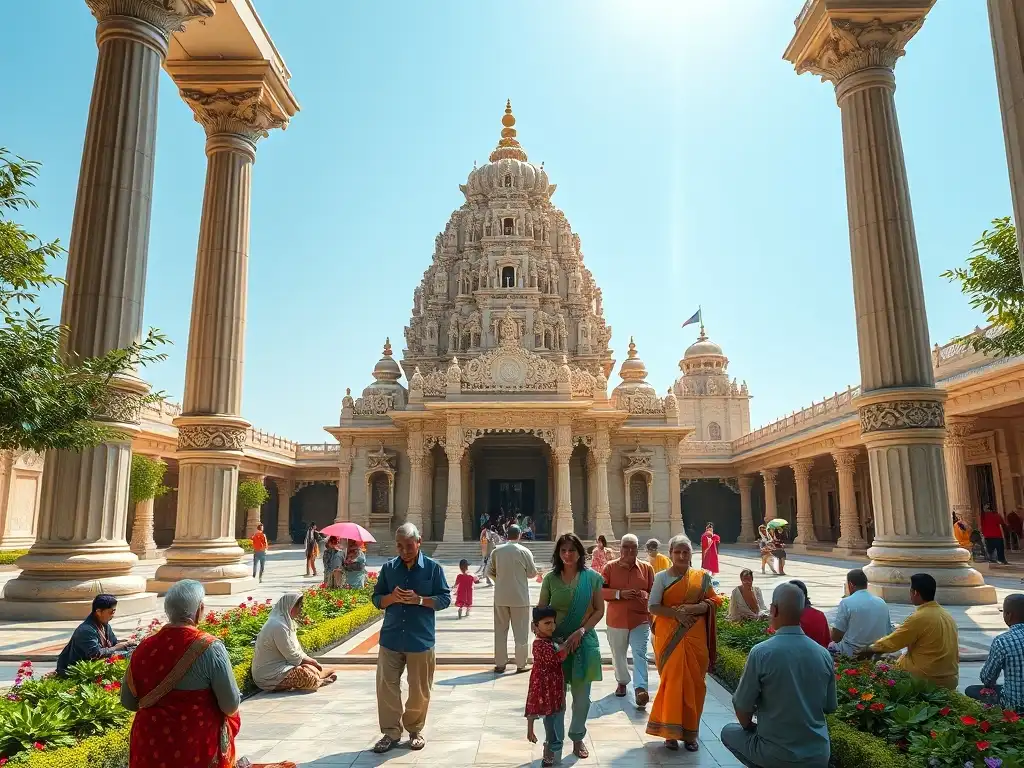
Welcome to Ancient India History, where we embark on a captivating journey through the rich tapestry of India's past. Here, you'll uncover the profound impact of ancient civilizations—from the enigmatic Indus Valley to the illustrious Gupta Empire. In our featured article, "The Role of Jain Temples in Community Life: Centers of Spiritual and Social Activity," we delve into the fascinating world of Jain temples and their pivotal role in shaping community dynamics.
What secrets do these sacred structures hold about the interconnectedness of spirituality and society? Join us as we explore the vibrant history that continues to resonate today, and prepare to be inspired by the enduring legacy of ancient Indian traditions!

Introduction to Jain Temples and Community Life
Jain temples are not merely places of worship; they are vibrant centers of spiritual and social activity that have played a crucial role in the community life of ancient India. As we explore the intricate relationship between Jain temples and the communities surrounding them, we uncover a rich tapestry woven from threads of spirituality, social interaction, and cultural heritage. The significance of these temples extends beyond their architectural grandeur; they served as pivotal hubs for education, charity, and communal gatherings, deeply influencing the social fabric of ancient Indian society.
In this article, we will delve into the historical context of Jainism, the architectural significance of Jain temples, and the ways in which these sacred spaces fostered community engagement and spiritual growth. By understanding the role of Jain temples in community life, we gain insight into the broader aspects of ancient Indian civilization and the enduring legacy of Jainism.
Overview of Jainism and Its Historical Context
Jainism, one of the oldest religions in India, traces its roots back to the 6th century BCE. Founded on the teachings of Mahavira, the 24th Tirthankara, Jainism emphasizes non-violence (ahimsa), truth (satya), and asceticism as core principles. The historical context of Jainism is marked by its emergence during a time of significant spiritual and philosophical exploration in India, alongside contemporaries such as Buddhism.
Throughout the centuries, Jainism has fostered a unique worldview that promotes compassion towards all living beings and advocates for a life of simplicity and self-discipline. As Jain communities flourished, so did the establishment of temples, which became essential for the preservation of their beliefs and practices.
Importance of Jain Temples in Ancient Indian Society
Jain temples served as vital community centers where spiritual and social activities intermingled. They were not just places for individual worship but also venues for communal gatherings, festivals, and educational activities. The temples played a significant role in promoting the values of Jainism, teaching ethical conduct and encouraging charitable endeavors.
Communities would congregate in these sacred spaces for important events such as:
- Religious Festivals: Celebrations such as Paryushana and Mahavir Jayanti brought together devotees, fostering a sense of belonging and shared identity.
- Educational Programs: Temples often hosted teachings and discussions on Jain philosophy, ethics, and scriptures, ensuring the transmission of knowledge across generations.
- Charitable Activities: Jain communities traditionally engaged in philanthropy, with temples acting as organizing bodies for charitable initiatives, including hospitals and food distribution.
The multifaceted importance of Jain temples in ancient Indian society underscores their role as communal anchors, reinforcing the interconnectedness of spiritual and social life.
Architectural Significance of Jain Temples
The architectural style of Jain temples is characterized by intricate craftsmanship and a deep symbolic significance. These structures are not solely designed for aesthetic appreciation; they also reflect the theological and philosophical tenets of Jainism.
Distinctive Features of Jain Temple Architecture
Jain temple architecture is renowned for its remarkable attention to detail and use of high-quality materials. Key features include:
- Elaborate Carvings: Temples are adorned with intricate sculptures depicting Tirthankaras, celestial beings, and motifs that embody Jain values.
- Marble and Stone Construction: Many Jain temples are constructed from white marble, symbolizing purity and the spiritual quest.
- Innovative Designs: The temples often feature a unique layout, with a central sanctum (garbhagriha) housing the idol of the Tirthankara, surrounded by pillared halls and courtyards.
These architectural elements not only enhance the visual appeal of Jain temples but also serve as expressions of devotion and spiritual ideals.
Symbolism in Jain Temple Design and Construction
Every aspect of Jain temple design is imbued with symbolic meaning, reflecting the principles of Jain philosophy. For example:
- Geometric Patterns: The use of geometric shapes in temple layouts symbolizes the order and structure of the universe, aligning with Jain cosmology.
- Light and Space: Temples are designed to maximize natural light, representing the illumination of knowledge and spiritual awakening.
- Sacred Geometry: The construction often adheres to specific mathematical proportions, emphasizing harmony and balance, which are central to Jain beliefs.
Understanding the symbolism in Jain temple design allows us to appreciate the profound connection between architecture, spirituality, and community identity in ancient India.
This exploration of Jain temples reveals their importance not only as religious structures but as vital components of community life, reflecting the intricate relationship between architecture, spirituality, and social engagement in ancient Indian civilization.
Jain Temples as Centers of Spiritual Activity
Jain temples hold a significant place in the spiritual landscape of Jainism, serving as vital centers for worship and devotion. These temples are not merely architectural marvels; they embody the principles of Jain philosophy, emphasizing non-violence, truth, and asceticism. The intricate designs and serene sanctuaries of Jain temples are dedicated to various Tirthankaras, revered spiritual teachers, with the most prominent being Lord Mahavira, the 24th Tirthankara.
The architecture of Jain temples is characterized by its exquisite craftsmanship, featuring detailed carvings and sculptures that reflect the rich symbolism of Jain teachings. Visitors to these temples often experience a profound sense of peace and tranquility, which facilitates spiritual reflection and meditation. The sanctum sanctorum, or garbhagriha, houses the idol of the deity, where devotees perform rituals and offer prayers, reinforcing their connection to the divine.
Rituals and Worship Practices in Jain Temples
Rituals and worship practices in Jain temples are deeply rooted in tradition and serve to enhance the spiritual experience of the community. Daily rituals, known as puja, are conducted by priests and involve offerings of flowers, fruits, and incense to the Tirthankara idols. The rituals often include the chanting of sacred hymns called stotras and mantras, which are believed to purify the mind and soul.
Devotees also participate in communal prayers, known as sangh, fostering a sense of unity and shared purpose. Special rituals are conducted during significant religious occasions, such as Paryushana and Mahavir Jayanti, where the community comes together for extended periods of prayer, fasting, and reflection. These practices not only reinforce individual spiritual growth but also strengthen communal bonds, making the temple a focal point for both personal and collective worship.
Festivals Celebrated in Jain Temples and Their Community Impact
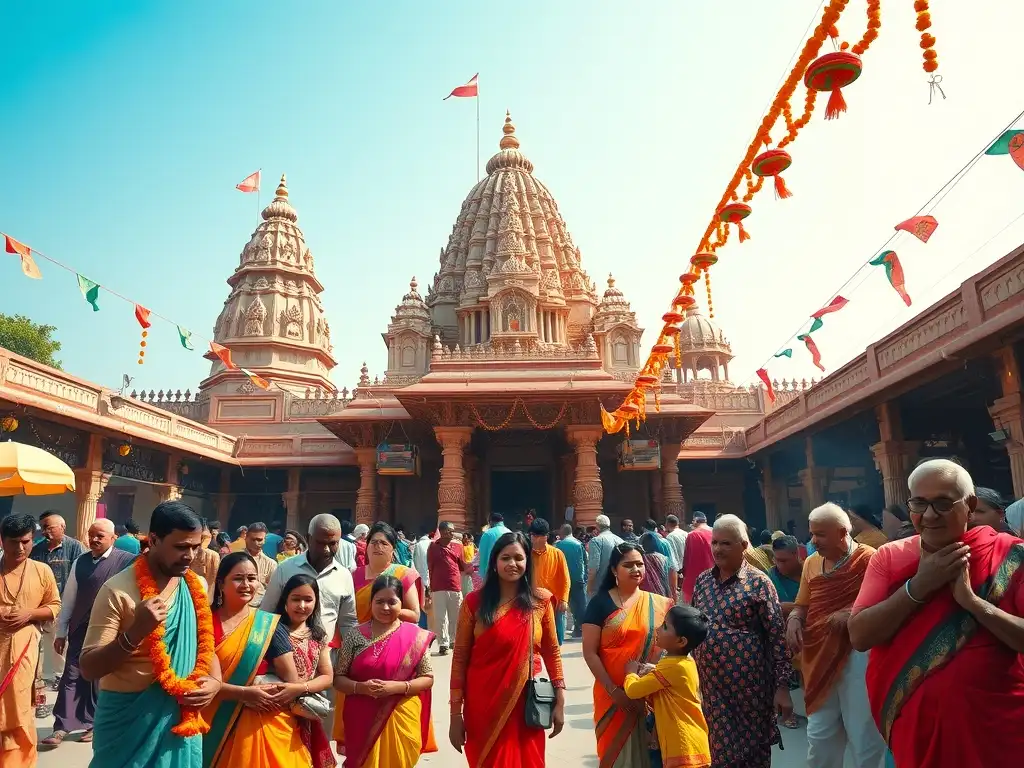
Festivals in Jain temples are vibrant celebrations that play a crucial role in community life. Major festivals like Paryushana, which emphasizes repentance and spiritual renewal, and Diwali, celebrated as the day of Lord Mahavira's nirvana, draw large crowds to temples. These events are marked by elaborate rituals, processions, and communal feasts, creating an atmosphere of joy and togetherness.
The impact of these festivals extends beyond mere celebration; they serve to educate the younger generations about Jain values and traditions. Cultural programs, including dance and drama performances based on Jain teachings, are often organized during these festivals, promoting awareness and appreciation of their rich heritage. By bringing together individuals from different walks of life, these festivities reinforce social cohesion and foster a sense of belonging within the Jain community.
Jain temples fulfill important social functions beyond their spiritual significance. They act as pivotal gathering places where community members come together to discuss social issues, plan charitable activities, and participate in collective decision-making processes. The temples often serve as venues for meetings and discussions on community welfare, thereby fostering civic engagement and responsibility among the devotees.
Jain Temples as Community Gathering Places
The role of Jain temples as community gathering places cannot be overstated. They provide a space for social interaction, where individuals can connect, share experiences, and support one another. Regular gatherings, such as weekly rituals and special events, encourage participation and inclusivity, making the temple a hub for community life.
Moreover, temples often host workshops, seminars, and lectures that address contemporary issues while relating them to Jain philosophy. These activities help strengthen community ties and encourage members to live out Jain principles in their daily lives, promoting a sense of responsibility towards one another.
Role of Jain Temples in Education and Cultural Preservation
Jain temples play a crucial role in education and cultural preservation within the community. Many temples operate schools and educational programs that teach Jain philosophy, ethics, and history, ensuring that future generations are well-versed in their cultural heritage. Through these educational initiatives, children learn about the values of non-violence, compassion, and respect for all living beings.
In addition to formal education, temples are centers for cultural activities that celebrate Jain traditions, such as art, music, and dance. By organizing events that showcase Jain culture, temples contribute to the preservation of unique customs and practices, ensuring that they remain alive and relevant in contemporary society. This commitment to education and cultural preservation highlights the multifaceted role of Jain temples in fostering a vibrant and cohesive community life.
Economic Contributions of Jain Temples to Community Life

Jain temples have historically played a pivotal role in the economic landscape of their surrounding communities. These religious structures were not merely places of worship; they served as hubs of economic activity and social support. The financial resources generated and managed by these temples significantly contributed to the welfare of the local population, fostering both commerce and philanthropy.
From the flourishing trade routes established during ancient times to contemporary local economies, Jain temples facilitated a range of economic activities. They often provided funding for various infrastructural projects, including roads, schools, and health facilities, which benefitted the entire community. The economic contributions of Jain temples thus extend beyond mere financial transactions, intertwining with the social fabric of the community, promoting sustainability, and enhancing quality of life.
Temples as Centers for Trade and Commerce
Jain temples often functioned as vital centers for trade and commerce, particularly in regions where Jain communities were prevalent. These temples not only attracted pilgrims and visitors but also served as venues for local merchants and traders to conduct business. Many temples established weekly or seasonal fairs that drew people from various backgrounds, creating a bustling marketplace atmosphere.
The economic activities surrounding Jain temples included:
- Marketplaces: Temples often hosted markets that allowed local artisans and traders to sell their goods, ranging from textiles to handicrafts.
- Trade Networks: The Jain community's commitment to ethical commerce and non-violence fostered strong trade networks, which connected different regions and facilitated economic exchanges.
- Support for Local Businesses: Many wealthy Jains contributed funds to support local businesses, ensuring that the economic benefits of trade circulated within the community.
In this way, Jain temples not only served spiritual needs but were instrumental in fostering economic resilience and growth.
Philanthropy and Charity Initiatives Led by Jain Temples
Philanthropy is a cornerstone of Jain values, and temples have historically been at the forefront of charitable initiatives. The wealth accumulated by Jain temples often translated into significant philanthropic efforts aimed at uplifting the community.
Key aspects of these initiatives include:
- Food and Shelter: Many Jain temples operated free kitchens (langars) and provided shelter for travelers and the needy, reflecting the core Jain principle of compassion.
- Educational Institutions: Temples frequently sponsored schools and colleges, providing education to underprivileged children and promoting literacy within the community.
- Healthcare Services: Establishing hospitals and clinics has been another vital contribution, ensuring that even the poorest members of society have access to medical care.
These charitable endeavors highlight the commitment of Jain temples to fostering an equitable society, reinforcing their role as vital community centers.
Jain Temples and Interfaith Relations
Jain temples have historically contributed to fostering interfaith dialogue and relationships. Their emphasis on non-violence and respect for all living beings resonates across various religious boundaries, making them natural venues for promoting harmony and understanding among different faiths.
Promoting Tolerance and Understanding Among Religions
The teachings of Jainism, particularly the principles of ahimsa (non-violence) and anekantavada (multiple viewpoints), encourage mutual respect and understanding. Jain temples have often served as spaces for interfaith discussions and events, promoting tolerance among diverse religious groups.
- Cultural Exchange: Temples frequently hosted events that welcomed individuals from different faiths, fostering cultural exchange and dialogue.
- Joint Celebrations: Collaborative festivals and ceremonies have been organized, celebrating the commonalities among religions, thereby strengthening community bonds.
These efforts have positioned Jain temples as beacons of peace and cooperation in a diverse society.
Collaborations with Other Religious Communities
Jain temples have historically engaged in collaborative efforts with other religious communities to address social issues and promote collective welfare. These collaborations often manifest in various forms:
- Community Projects: Joint initiatives, such as clean-up drives or health camps, have been organized to address pressing social needs, showcasing the power of unity in diversity.
- Interfaith Councils: Temples have often been involved in interfaith councils that aim to tackle communal tensions and promote peace.
- Educational Programs: Collaborative educational programs that focus on shared values have been implemented, providing opportunities for mutual learning and respect among different faiths.
These collaborations underscore the integral role of Jain temples in fostering a spirit of cooperation and understanding in the broader community, further enriching the fabric of social life.
Historical Evolution of Jain Temples and Their Community Role
Jain temples have played a pivotal role in the historical and cultural landscape of India, evolving significantly from their inception in the 3rd century BCE. Initially, these temples served as simple shrines dedicated to Tirthankaras, the enlightened beings in Jainism. Over time, they transformed into intricate architectural marvels, reflecting the artistic and spiritual aspirations of the Jain community.
The Indus Valley Civilization (circa 2500–1900 BCE) laid the groundwork for later religious practices, although the explicit establishment of Jain temples is not evidenced until the rise of Jainism in the 6th century BCE. The Mauryan Empire (322–185 BCE) marked a significant period for Jainism, particularly under the patronage of Emperor Ashoka, who, despite being a follower of Buddhism, promoted religious tolerance, allowing Jain communities to flourish.
As Jainism spread across different regions, including Gujarat and Rajasthan, the architectural styles of temples began to diversify. The Solanki Dynasty (11th–13th centuries) saw the construction of numerous grand temples, such as the Shri Adinath Temple in Udaipur, which became focal points for community gatherings and spiritual learning.
Changes in the Function of Jain Temples Over Time
Throughout the centuries, the functions of Jain temples have undergone notable changes, reflecting the evolving needs of the Jain community. Initially, these temples primarily served as places of worship and meditation. However, as communities grew, temples began to assume greater social and educational roles.
- Spiritual Centers: Originally, temples functioned as places for individual worship and prayer, focusing on personal spiritual development. The rituals performed, such as puja (worship) and samyak darshana (right perception), were integral to personal enlightenment.
- Community Hubs: With the growth of the Jain population, temples evolved into community centers where members gathered for festivals, rituals, and religious discourses. Events like Paryushana and Mahavir Jayanti became communal celebrations, fostering unity and shared identity among Jains.
- Educational Institutions: Jain temples increasingly became centers for learning, where monks and scholars taught the principles of Jain philosophy, ethics, and language. The establishment of Bharatiya Jain Sanghatana in the 20th century exemplifies this shift, promoting education and awareness of Jain values.
Case Studies of Notable Jain Temples and Their Community Influence

Several Jain temples stand out not only for their architectural grandeur but also for their significant impact on community life.
- Dilwara Temples, Rajasthan: These exquisite temples, built between the 11th and 13th centuries, are renowned for their stunning marble carvings. They attract thousands of pilgrims annually, fostering a sense of community among visitors who engage in shared rituals and teachings.
- Shikharji, Jharkhand: Considered one of the holiest sites for Jains, Shikharji is a pilgrimage location featuring numerous temples dedicated to Tirthankaras. The annual influx of pilgrims has transformed the area into a vibrant community hub, where spiritual discussions and community service projects flourish.
- Siddhapur Jain Temple, Gujarat: This temple serves as a model of community engagement, where local Jains often gather for charitable activities, promoting education and healthcare initiatives. Its role as a social service center underscores the evolving function of Jain temples in contemporary society.
Conclusion: The Enduring Legacy of Jain Temples in Community Life
The legacy of Jain temples as centers of community life is profound, intertwining spiritual and social dimensions that have persisted through centuries.
Summary of Key Roles Played by Jain Temples in Ancient and Modern Contexts
In ancient times, Jain temples primarily functioned as spiritual havens, providing a space for worship and meditation. As communities developed, these temples adapted, becoming focal points for social interaction, education, and community service. Today, they continue to play critical roles in preserving Jain traditions, fostering communal identity, and promoting social welfare.
Reflection on the Importance of Preserving Jain Temples as Cultural Heritage
Preserving Jain temples is vital not only for maintaining the architectural and artistic heritage of India but also for safeguarding the cultural and spiritual identity of the Jain community. These temples are living monuments that encapsulate centuries of history, philosophy, and community values. Efforts to protect and restore these sites ensure that future generations can continue to draw inspiration from their rich legacy, promoting a deeper understanding of Jainism and its contributions to Indian culture.
References
[List of academic sources, texts, and historical records related to Jain temples and community life]
-
Jain Temples: Architecture and History
- Author: Dr. R. N. Mehta
This comprehensive text explores the architectural styles of Jain temples and their historical significance in the context of Indian culture. It details how these temples served not only as places of worship but also as community hubs.
-
Jainism and Its Role in Indian Society
- Author: Dr. S. L. Jain
This book provides insights into the sociocultural impact of Jainism on Indian society, including the evolution of community life around Jain temples. It emphasizes the temples' roles in fostering social cohesion and ethical living.
-
The Influence of Jain Temples on Local Economies
- Author: Dr. K. P. Sharma
Analyzing the economic contributions of Jain temples, this work discusses how these institutions engaged in community development and supported local artisans through patronage and commerce.
-
Jain Festivals and Community Participation
- Author: Prof. A. B. Gupta
This research paper investigates various Jain festivals celebrated at temples and their significance in enhancing community participation and solidarity among followers.
-
Historical Records of Jain Temples in India
- Editor: Dr. M. C. Pande
A compilation of historical documents and records that detail the establishment and evolution of major Jain temples across India, shedding light on their roles in community life throughout history.
-
The Role of Temples in Jain Education and Ethics
- Author: Dr. N. R. Verma
This scholarly article discusses how Jain temples functioned as centers for education, promoting ethical teachings and community values that are central to Jain philosophy.
-
Architecture of Jain Temples: A Historical Overview
- Author: Dr. P. S. Khanna
This publication provides a detailed overview of the architectural innovations in Jain temples and how they reflect the community's values and spiritual aspirations through the ages.
-
Social Structure and Jain Temples in Ancient India
- Author: Dr. R. S. Bhattacharya
This academic study delves into the social hierarchies and structures that were influenced by Jain temples, examining their role in the broader context of ancient Indian society.
These sources collectively highlight the multifaceted roles that Jain temples have played in community life throughout history, emphasizing their significance beyond mere religious practices.
- Introduction to Jain Temples and Community Life
- Architectural Significance of Jain Temples
- Jain Temples as Centers of Spiritual Activity
- Rituals and Worship Practices in Jain Temples
- Festivals Celebrated in Jain Temples and Their Community Impact
- Social Functions of Jain Temples
- Jain Temples as Community Gathering Places
- Role of Jain Temples in Education and Cultural Preservation
- Economic Contributions of Jain Temples to Community Life
- Jain Temples and Interfaith Relations
- Historical Evolution of Jain Temples and Their Community Role
- Changes in the Function of Jain Temples Over Time
- Case Studies of Notable Jain Temples and Their Community Influence
- Conclusion: The Enduring Legacy of Jain Temples in Community Life
- References
- What is the significance of Jain temples in community life?
- How did Jain temples influence social structures in ancient India?
- What are the main architectural features of Jain temples?
- How did Jain temples contribute to the cultural heritage of India?
- What role do Jain temples play in modern community life?
Frequently Asked Questions
What is the significance of Jain temples in community life?
Jain temples serve as centers of spiritual and social activity, fostering community bonds and providing a space for worship, education, and cultural events.
Jain temples played a crucial role in shaping social structures by promoting values of non-violence, compassion, and cooperation among community members.
What are the main architectural features of Jain temples?
Jain temples are known for their intricate carvings, detailed pillars, and elegant spires, reflecting the rich artistic heritage of ancient Indian civilization.
How did Jain temples contribute to the cultural heritage of India?
Through their rituals, festivals, and educational programs, Jain temples have preserved and promoted the cultural heritage and traditions of the Jain community.
What role do Jain temples play in modern community life?
Today, Jain temples continue to be vital for community life, providing a space for charitable activities, interfaith dialogues, and the promotion of ethical living.
Final Reflection: The Enduring Legacy of Jain Temples in Community Life
The significance of Jain temples in community life transcends mere architectural beauty; they are vital centers of spiritual and social activity that continue to shape the lives of individuals and communities today. As we navigate a world increasingly defined by rapid change and disconnection, the role of these temples as sanctuaries of peace and unity becomes ever more relevant. They remind us of the importance of community bonds and the shared values that sustain them.
The influence of Jain temples extends far beyond their walls, permeating the cultural and social fabric of the communities they serve. These sacred spaces foster a sense of belonging and identity, providing a platform for communal activities, education, and charity. The teachings and practices nurtured within these temples resonate with the timeless wisdom of compassion and non-violence, which are essential in our current societal landscape. The greatness of a community is most accurately measured by the compassionate actions of its members.
– Coretta Scott King.
As we reflect on the teachings and communal spirit that Jain temples embody, I invite you to consider how you can integrate these values into your own life. Take a moment to explore your local community and identify spaces that foster connection and support. Engage with those around you, and seek to cultivate a spirit of compassion and cooperation. By doing so, you not only honor the legacy of Jain temples but also contribute to a more harmonious and interconnected world.
Embrace Your Community: Engage with Jain Temples Today!
Thank you for exploring the pivotal role of Jain temples in shaping community life. We hope you’ve gained valuable insights into their significance as spiritual and social hubs. Now, it's time to take action and delve deeper into this fascinating aspect of India's heritage.
Here are a few ways you can enrich your connection with Jain temples and the vibrant communities around them:
- Visit a local Jain temple to experience its tranquility and community-driven activities firsthand. Observe how these spaces foster both spiritual growth and social interaction.
- Participate in a community event or volunteer opportunity at a nearby temple. Engaging with fellow community members can deepen your appreciation of Jain culture and traditions.
- Share your newfound knowledge! Discuss the impact of Jain temples on community life with friends or on social media to encourage a broader dialogue and raise awareness.
Which aspect of Jain temple life resonated with you the most, and how do you envision contributing to your community's spiritual or social fabric?