
Ancient Indian Ports: Gateways to Global Commerce

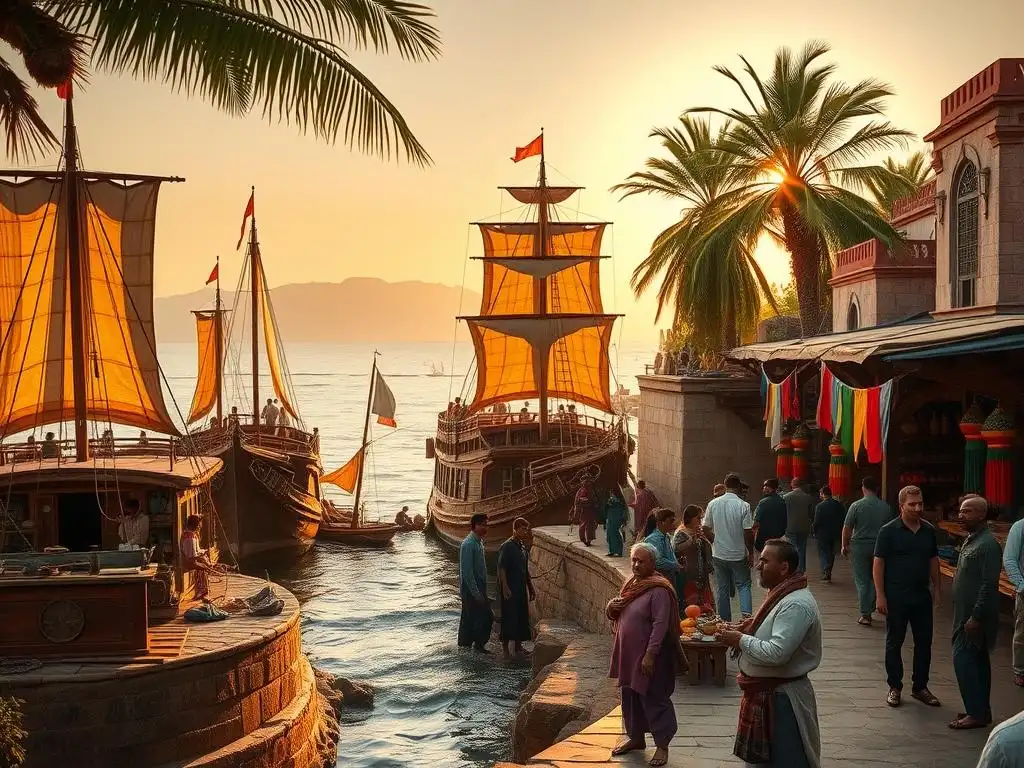
Welcome to Ancient India History, where we embark on a fascinating journey through the rich tapestry of ancient Indian civilizations. In this article, we delve into the captivating world of Ancient Indian trade routes, uncovering how these vital pathways transformed the subcontinent into a bustling hub of commerce and culture. Join us as we explore the remarkable ports that served as gateways to global trade, connecting India to distant lands and fostering a vibrant exchange of goods, ideas, and innovations. Prepare to be intrigued as we unveil the secrets of India’s maritime legacy—your adventure into the past begins now!
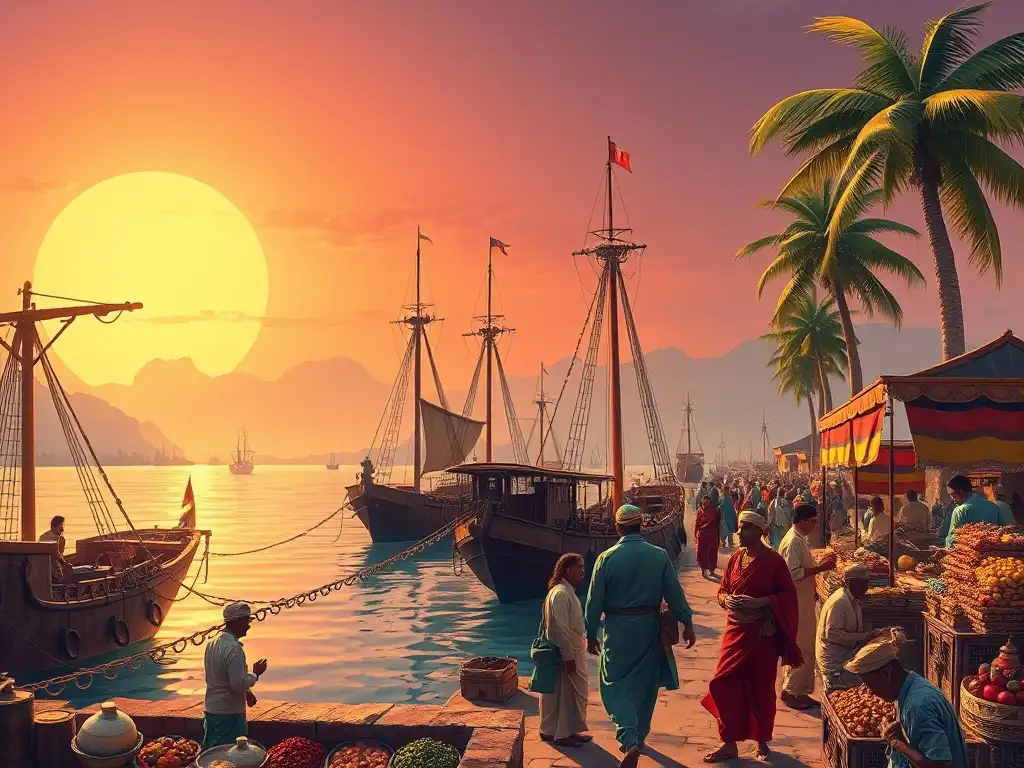
Introduction to Ancient Indian Trade Routes
The history of ancient Indian trade routes is a fascinating journey that reflects the interconnectedness of civilizations, cultures, and economies long before the advent of modern globalization. Ancient Indian ports served as crucial gateways that facilitated not only trade but also cultural exchanges, influencing regions far beyond the subcontinent.
From bustling marketplaces to maritime centers, these ports were integral to the economic prowess of ancient Indian civilizations, notably during the Indus Valley civilization and the subsequent Mauryan and Gupta empires. This article delves into the significance of these trade routes and ports, exploring their historical context, the evolution of trade practices, and the key ports that played a pivotal role in ancient commerce.
Overview of Ancient Indian Trade
Ancient Indian trade was characterized by a rich tapestry of interactions that spanned various regions and cultures. Trade routes connected India to distant lands, including the Middle East, Africa, and Southeast Asia, enabling the exchange of goods such as spices, textiles, precious stones, and metals. Key commodities included:
- Spices: Black pepper, cardamom, and cinnamon
- Textiles: Cotton and silk fabrics
- Metals: Gold, silver, and iron
- Gems: Diamonds, rubies, and emeralds
The trade was not merely economic; it fostered cultural exchanges, technological innovations, and the spread of religious beliefs. Merchants played a vital role in this process, often forming networks that transcended geographical boundaries. The use of a variety of trade routes—both overland and maritime—ensured that goods flowed into and out of the Indian subcontinent.
Importance of Ports in Ancient Indian Economy
Ports were the lifeblood of ancient Indian commerce, serving as bustling hubs of economic activity. They played several key roles:
- Facilitators of Trade: Ports enabled the easy loading and unloading of goods, making trade more efficient.
- Cultural Exchange Centers: They were melting pots where diverse cultures met, leading to the exchange of ideas, art, and religion.
- Economic Growth Catalysts: The prosperity generated by trade contributed to the growth of cities and the advancement of local economies.
Moreover, the strategic locations of these ports allowed ancient Indian traders to capitalize on maritime routes, enhancing their ability to engage in long-distance trade.
Historical Background of Ancient Indian Ports
Evolution of Trade Routes in Ancient India
The evolution of trade routes in ancient India can be traced back to the Indus Valley Civilization (c. 3300–1300 BCE), which had established trade connections with Mesopotamia and other regions. As civilizations progressed, trade routes evolved to accommodate changing political and economic landscapes. By the time of the Mauryan Empire (c. 322–185 BCE), India had developed an extensive network of overland and maritime routes, facilitating trade with countries such as China, Persia, and Egypt.
Key Ancient Indian Ports and Their Locations
Several ports emerged as key players in ancient trade, each with its unique geographical and commercial significance. Some notable ports include:
| Port Name | Location | Historical Significance |
|---|---|---|
| Lothal | Gujarat | Known for its well-planned dockyard; crucial for maritime trade. |
| Surat | Gujarat | Major trading hub during the Mughal era; connected to Europe and Asia. |
| Kaveripattinam | Tamil Nadu | Important port for trade with Southeast Asia; known for spices and textiles. |
| Cochin | Kerala | A significant trade center for spices and other goods; renowned for its shipbuilding. |
These ports, among others, not only contributed to the economy but also shaped the cultural and social fabric of ancient India, leaving a lasting legacy in the annals of history.
In this exploration of ancient Indian ports and trade routes, we will uncover the intricate connections that defined the commerce of ancient civilizations, showcasing how their legacy continues to influence the world today.
Major Ancient Indian Ports

Ancient Indian ports served as crucial nodes in the intricate web of trade networks that connected India to various regions across the globe. These ports facilitated not only the exchange of goods but also cultural and technological interactions. The following ports stand out as significant players in the maritime commerce of ancient India.
Lothal: The Maritime Hub of the Indus Valley
Lothal, located in the present-day state of Gujarat, is one of the most prominent ports of the Indus Valley Civilization, dating back to around 2400 BCE. It is renowned for its well-planned dockyard, which is considered one of the earliest in the world. The dock was designed to withstand the seasonal flooding of the Sabarmati River, allowing ships to dock safely and facilitating trade with distant lands.
Lothal was pivotal in connecting the Indus Valley to the Arabian Sea, enabling trade with civilizations such as Mesopotamia, Persia, and even the regions of modern-day Africa. Archaeological findings suggest that Lothal was a thriving trade center where goods like beads, gems, and textiles were produced and exported. The presence of a sophisticated drainage system and urban planning indicates that Lothal was not only a trade hub but also a significant urban center of its time.
Sopara: Gateway to the Western Trade
Sopara, situated near present-day Nala Sopara in Maharashtra, was another vital ancient port that played a crucial role in India's maritime trade. It served as a gateway to the western trade routes, connecting India with the Persian Gulf and beyond. Historical texts, including the accounts of Greek geographer Ptolemy, highlight Sopara's significance in facilitating trade with the Mediterranean civilizations.
The port was known for its export of textiles, spices, and precious stones, which were in high demand in international markets. Sopara's strategic location allowed merchants to engage in commerce with traders from Arabia, East Africa, and the Mediterranean, fostering a rich exchange of goods and culture. The archaeological remains found at Sopara indicate a flourishing trade ecosystem that thrived on maritime connectivity.
Arikamedu: Connecting India with the Roman Empire
Located near the modern city of Puducherry, Arikamedu was an important port during the early centuries of the Common Era. It is particularly notable for its connections with the Roman Empire, as evidenced by the discovery of Roman artifacts, including amphorae and pottery. Arikamedu served as a bustling trading post where Indian merchants dealt in goods like silk, spices, and precious stones.
The archaeological evidence suggests that Arikamedu was not only a center for trade but also a melting pot of cultures, where Roman and Indian influences coexisted. The vibrant trade networks established through this port allowed for the exchange of ideas, technologies, and cultural practices, enriching the cultural landscape of ancient India.
Kaveripattinam: Trade Link with Southeast Asia
Kaveripattinam, located at the mouth of the Kaveri River in Tamil Nadu, was a significant port city and a crucial trade link between India and Southeast Asia. During the early centuries CE, it emerged as a thriving center for maritime commerce, facilitating trade with regions such as the Malay Archipelago and the East Indies.
The port was known for exporting textiles, especially silks, and spices, while importing goods such as gold, silver, and pottery. Kaveripattinam played a vital role in the establishment of trade routes that connected India to various Southeast Asian kingdoms, leading to a significant exchange of culture and commerce. The interactions through Kaveripattinam contributed to the spread of Indian culture, art, and religion throughout Southeast Asia.
The Role of Ancient Indian Ports in Global Commerce
Ancient Indian ports were not just points of departure and arrival for goods; they were instrumental in shaping the global commerce landscape of their time. These ports facilitated the movement of products, ideas, and cultures across vast distances, making them vital components of the ancient economy.
Trade Goods Exchanged through Ancient Indian Ports
The diversity of trade goods exchanged through ancient Indian ports reflects the rich economic tapestry of the time. Key commodities included:
- Spices: India was famous for its spices, such as black pepper, cardamom, and cinnamon, which were highly sought after in global markets.
- Textiles: Indian textiles, particularly silk and cotton, were exported to various regions, with intricate designs and vibrant colors attracting buyers from far and wide.
- Metals and Gems: Precious stones and metals, including gold and silver, were traded extensively, contributing to the wealth of ancient Indian kingdoms.
These goods were not only valuable commodities but also integral to the cultural exchanges that transpired through trade networks.
Influence of Ancient Indian Ports on Maritime Trade Networks
The influence of ancient Indian ports on maritime trade networks was profound. They served as essential links in the trade routes connecting the East and West, facilitating commerce between diverse cultures. The strategic locations of ports like Lothal, Sopara, and Arikamedu allowed for the establishment of trade routes that became conduits for economic and cultural interactions.
As trade flourished, these ports became melting pots of cultures, where merchants and travelers exchanged not just goods but also ideas, technologies, and religious beliefs. The impact of these interactions can still be observed today in the cultural diversity of regions that were once connected through these ancient trade networks.
Cultural Exchange through Ancient Trade Routes
Cultural exchange was a hallmark of the ancient trade routes associated with Indian ports. The movement of traders and merchants led to the dissemination of cultural practices, art forms, and religious beliefs across regions. For instance, the spread of Buddhism and Hinduism into Southeast Asia can be traced back to the trade interactions facilitated by ports like Kaveripattinam.
Additionally, the artistic influences exchanged through these routes enriched various cultures, leading to the development of new artistic styles and expressions. The blending of Indian and foreign cultures can be seen in architecture, literature, and everyday practices, showcasing the enduring legacy of ancient Indian trade routes and their ports in shaping global cultural landscapes.
Archaeological Evidence of Ancient Indian Ports
The archaeological evidence of ancient Indian ports provides a fascinating glimpse into the trade networks that existed thousands of years ago. These ports served as pivotal points for commerce, cultural exchange, and the dissemination of ideas across vast distances. Archaeological sites, particularly those linked to the Indus Valley Civilization, reveal sophisticated urban planning and infrastructure that supported maritime activities. Excavations have uncovered remnants of docks, warehouses, and living quarters, showcasing the advanced nature of these ancient trade hubs.
Lothal, one of the most prominent ports of the Indus Valley Civilization, stands as a testament to this ancient maritime prowess. Its strategic location near the Gulf of Khambhat enabled it to connect with trade routes extending to Mesopotamia, Persia, and beyond. The layout of Lothal's dockyard, which is considered one of the earliest known in the world, highlights the importance of maritime trade in ancient Indian society.
Excavations and Findings in Lothal and Other Ports
Excavations at Lothal have revealed a well-planned dock that was about 220 meters long and 30 meters wide, demonstrating the advanced engineering skills of the Indus Valley Civilization. The dock was constructed with a precise slope to facilitate the loading and unloading of goods, indicating a sophisticated understanding of port operations. Additionally, the discovery of a grid layout of streets and residential areas around the dock suggests that Lothal was not only a trading center but also a thriving urban settlement.
Other significant ports, such as Sopara and Bharukachchha, have also yielded crucial archaeological findings. These sites revealed extensive trade networks, including seals, pottery, and weights used for trade transactions. The presence of foreign artifacts at these locations underscores the cultural diversity and interactions that took place through maritime routes. These excavations provide valuable insights into the economic and cultural exchanges that characterized ancient Indian trade.
Artifacts Reflecting Trade Practices and Cultural Exchange
Artifacts recovered from ancient Indian ports illustrate the diverse trade practices and cultural exchanges that occurred in these maritime centers. Among the most notable findings are terracotta seals engraved with script and motifs representing various crafts, which were likely used for trade identification and branding. The discovery of pottery, textiles, and jewelry bearing influences from other civilizations points to a rich tapestry of cultural interactions facilitated by trade.
Trade goods such as spices, textiles, and precious stones were not only significant commodities but also symbols of status and cultural identity. The abundance of goods in port settlements suggests that these areas were bustling marketplaces where merchants from different regions converged, sharing knowledge, culture, and technology. This exchange laid the groundwork for a vibrant commercial ecosystem that thrived along ancient Indian trade routes.
Challenges Faced by Ancient Indian Ports
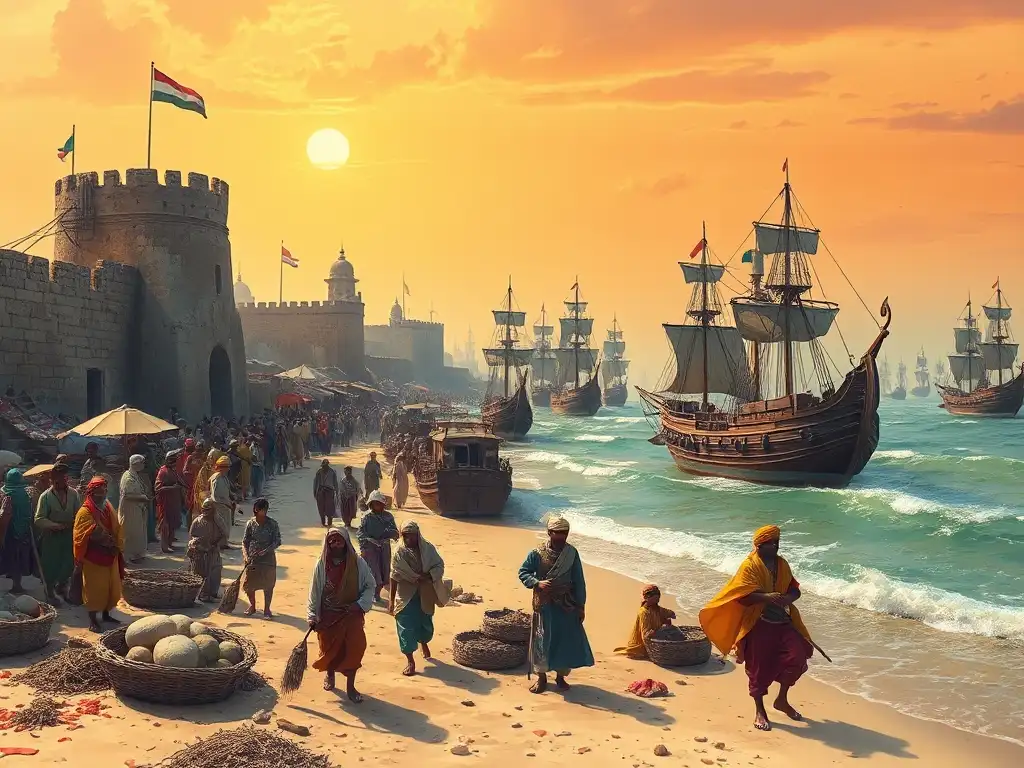
Despite their significance, ancient Indian ports faced numerous challenges that impacted their operations and overall trade activities. These challenges stemmed from both natural and political factors that could disrupt the flow of commerce. Understanding these obstacles is crucial to grasping the complexities of ancient trade networks.
Natural Disasters and Their Impact on Trade
Natural disasters, such as floods, earthquakes, and cyclones, posed significant threats to ancient Indian ports. The coastal locations of these ports made them particularly vulnerable to the ravages of the sea and changing climatic conditions. For instance, the port of Lothal is believed to have been abandoned due to the silting of its dock and the subsequent loss of access to navigable waters, highlighting how environmental factors could directly affect trade viability.
These disasters not only disrupted shipping routes but also led to the destruction of infrastructure and settlements, causing economic decline in the affected areas. The reliance on natural resources and the environment made ancient ports susceptible to fluctuations, emphasizing the need for resilient trade practices and infrastructure to mitigate such risks.
Political Factors Affecting Port Operations
Political factors also played a crucial role in shaping the dynamics of ancient Indian ports. Changes in governance, conflicts, or shifts in trade policies could have profound impacts on port activities. For example, the rise and fall of empires often influenced trade routes and the prominence of specific ports. When a powerful dynasty controlled a port, it could significantly enhance trade opportunities and security, attracting merchants and fostering economic growth.
Conversely, periods of political instability or conflict could lead to the decline of ports as safe havens for traders. The disruption of trade routes due to warfare or rivalries between kingdoms not only affected local economies but also resulted in a broader impact on regional and international trade networks. Understanding these political dynamics is essential for comprehending the historical context of ancient Indian trade routes and their eventual evolution.
Conclusion: The Legacy of Ancient Indian Trade Routes
The ancient Indian trade routes were not merely pathways for the exchange of goods; they were vital arteries of cultural, social, and economic interaction that shaped civilizations across continents. The ports of ancient India, such as Lothal, Sopara, and Kaveripattinam, served as bustling hubs where merchants and travelers converged, facilitating the movement of spices, textiles, precious stones, and even ideas. The legacy of these trade routes extends beyond the physical exchange of commodities; they fostered a sense of interconnectedness among diverse cultures, laying the groundwork for globalization long before the term existed.
The influence of these ancient trade routes can still be observed in contemporary trade practices. By studying the methods and strategies employed by ancient traders, modern economies can gain insights into sustainable practices, multicultural cooperation, and the adaptability required in a global marketplace. The integration of trade with cultural exchanges enriched societies and nurtured advancements in science, technology, and art, making the study of ancient Indian trade routes a crucial element of understanding our shared history.
Lasting Impact on Modern Trade Practices
The ancient Indian trade routes established frameworks that continue to resonate in today's global commerce. The principles of trade, such as the importance of maintaining relationships with various stakeholders, adapting to changing market conditions, and the necessity of effective communication, were all emphasized by ancient Indian merchants.
- Cultural Exchange: The movement of goods also meant the exchange of ideas, philosophies, and technologies. This cultural intermingling enriched local cultures and created a more diverse marketplace, which is still relevant today as businesses operate in a globally interconnected environment.
- Trade Agreements: The concept of trade agreements can be traced back to these ancient routes, where merchants formed alliances and agreements to facilitate the smooth exchange of goods. Modern trade agreements, including tariffs and trade pacts, echo these early practices.
- Logistics and Infrastructure: The development of sophisticated logistics systems—like the ports and shipping routes established by ancient traders—remains a cornerstone of modern supply chain management, ensuring efficient transportation of goods worldwide.
Lessons from Ancient Indian Commerce for Today's Global Trade
The lessons gleaned from ancient Indian commerce are invaluable in navigating the complexities of modern trade. Key takeaways include:
- Adaptability: Ancient traders demonstrated remarkable adaptability in responding to changing conditions, which is crucial in today's fast-paced economic landscape. Flexibility in operations and strategies allows contemporary businesses to thrive amidst uncertainties.
- Cultural Sensitivity: The ancient Indian approach to commerce emphasized respect for local customs and practices. Modern businesses can benefit from this by fostering cultural sensitivity, leading to better relationships and increased success in international markets.
- Sustainable Practices: The ancient trade routes often relied on sustainable practices, with an emphasis on balance with nature. This perspective is increasingly relevant today as businesses strive to adopt sustainable practices that meet consumer demands while protecting the environment.
References
Key Texts and Sources on Ancient Indian Trade Routes
- "The Ancient Indian Economy" by R.C. Dutt - This book provides a comprehensive overview of the economic practices in ancient India, including trade routes and their significance.
- "Trade and Traders in the Roman Empire" by R. A. Hohlfelder - This text discusses the interactions between Indian traders and Roman markets, highlighting the impact of Indian trade.
- "Merchants and Trade in Ancient India" by M. Ramachandran - A detailed analysis of the merchant classes and their role in shaping trade routes in ancient India.
- "The Silk Roads: A New History of the World" by Peter Frankopan: - Although broader in scope, this book offers insights into how Indian trade routes were integral to global commerce.
Further Reading on Ancient Indian Ports and Commerce
- "Ports of Ancient India: A Maritime History" by S. R. Rao: - This book delves into the maritime history of India and the significance of its ancient ports.
- "Ancient Indian Trade and Commerce" by K. R. Cama - A thorough exploration of trade practices, goods exchanged, and the economic systems of ancient India.
- "The Indus Valley Civilization and the Trade Networks of Ancient India" by J. McIntosh - This work examines the trade networks established during the Indus Valley Civilization and their long-lasting effects.
- "Trade Routes of the Indian Ocean" by J. P. O’Neill - This text provides a broader examination of maritime trade routes, including those connected to ancient Indian ports.
- Introduction to Ancient Indian Trade Routes
- Overview of Ancient Indian Trade
- Importance of Ports in Ancient Indian Economy
- Historical Background of Ancient Indian Ports
- Major Ancient Indian Ports
- The Role of Ancient Indian Ports in Global Commerce
- Archaeological Evidence of Ancient Indian Ports
- Challenges Faced by Ancient Indian Ports
- Conclusion: The Legacy of Ancient Indian Trade Routes
- References
Frequently Asked Questions
What were the primary ancient Indian trade routes?
The main trade routes included the Silk Road, maritime paths connecting to the Red Sea, and overland routes to Central Asia, facilitating trade with various civilizations.
How did ports contribute to global commerce in ancient India?
Ports served as crucial gateways for the exchange of goods, ideas, and cultures, enhancing India's role in the global economy during ancient times.
What were the major ancient Indian ports?
Key ports included Lothal, known for its dockyard, Kaveripattinam, a thriving trade center, and Surat, which became prominent during the Mughal era.
What goods were commonly traded through ancient Indian trade routes?
Ancient India exported spices, textiles, and precious stones, while importing goods like silk, metal, and glassware, creating a vibrant trade network.
How did the Gupta Empire influence ancient trade?
The Gupta Empire promoted trade by ensuring political stability, developing infrastructure, and establishing currency systems, which encouraged economic growth and cultural exchange.
Final Reflection: Ancient Indian Trade Routes as Pillars of Global Commerce
The exploration of Ancient Indian trade routes reveals their profound impact on the interconnectedness of civilizations, a relevance that resonates even today. As we navigate an increasingly globalized world, the historical significance of these trade pathways reminds us that commerce has always been a catalyst for cultural exchange and mutual understanding. In a time when international trade shapes economies and societies, the legacy of these ancient ports serves as a striking testament to the enduring power of connectivity.
The influence of ancient trade routes on our cultural and social landscape cannot be overstated. These routes were not merely conduits for goods; they were vibrant arteries of ideas, beliefs, and innovations that shaped societies. The exchange of spices, textiles, and knowledge fostered a rich tapestry of cultural interactions that still reverberate today. Trade is the lifeblood of civilization, and the ancient Indian ports were its heart.
This quote encapsulates the essence of how these routes not only facilitated commerce but also nurtured the growth of civilizations, creating a legacy that continues to inspire our global interactions.
As we reflect on the lessons from the ancient Indian trade routes, I invite you to consider how you can embody the spirit of connectivity in your own life. Embrace the diversity around you, seek out new perspectives, and foster relationships that transcend borders. The pathways forged by our ancestors remind us that trade and exchange are not just economic transactions; they are opportunities for growth, understanding, and unity. Let us carry forward this legacy, ensuring that we remain open to the world and its myriad cultures, just as those ancient traders once did.
Unveil the Secrets of Ancient Commerce!
Thank you for diving into the fascinating world of ancient Indian ports! We hope you’ve gained valuable insights into how these gateways shaped global trade and cultural exchange. Now, it’s time to take action and further explore the rich history that surrounds us.
Here are a few engaging steps you can take:
- Explore Your Local History: Visit a museum or local exhibit that highlights trade routes or maritime history. You might uncover surprising connections to the past in your area!
- Join a Discussion Group: Connect with fellow history enthusiasts online or in-person. Share your thoughts about how ancient trade influences today's economy and commerce.
- Share Your Knowledge: Write a blog post or share on social media about what you learned. Encourage others to discover the significance of ancient ports!
How do you think the trade practices of ancient India continue to shape modern global commerce today? We would love to hear your thoughts!