
The Intersection of Art and Science in the Indus Valley Civilization

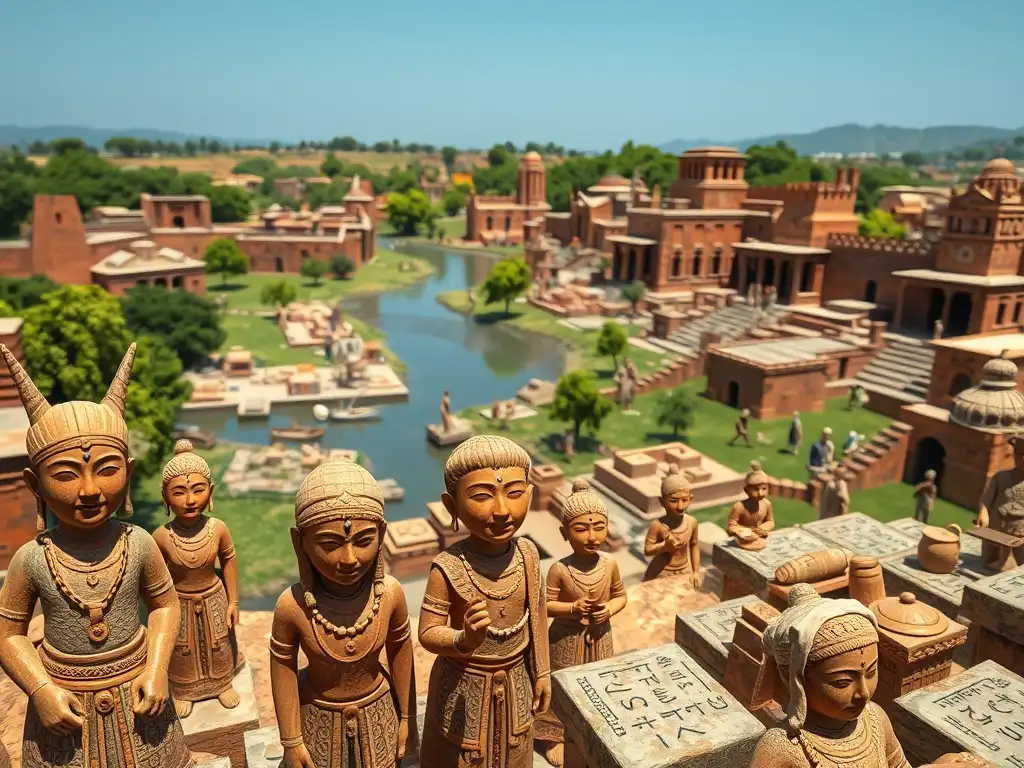
Welcome to Ancient India History, where we embark on a remarkable journey through the rich tapestry of ancient Indian civilizations. Here, we delve into the fascinating interplay of art and science within the enigmatic Indus Valley Civilization. Did you know that this ancient society was not only a cradle of artistic expression but also a hub of scientific innovation?
Join us as we uncover the intricate designs, advanced urban planning, and groundbreaking technologies that laid the foundation for future generations. Prepare to be captivated by the stories that reveal how art and science coexisted harmoniously in this thriving civilization. Dive in to discover more!
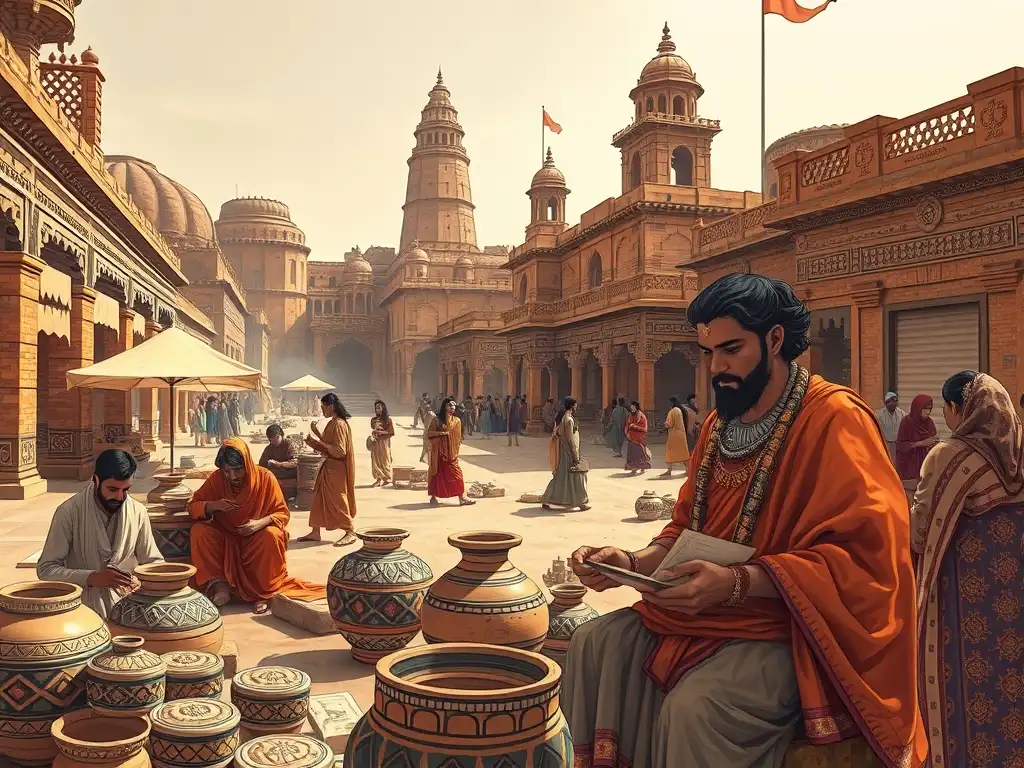
Introduction to Art and Science in Indus Valley
The Indus Valley Civilization (IVC), thriving around 3300–1300 BCE, stands as one of the world's earliest urban cultures, renowned for its remarkable achievements in various domains. This civilization, primarily located in present-day Pakistan and northwest India, is a testament to the intricate relationship between art and science during ancient times.
By exploring this intersection, we gain insight into how the inhabitants of the Indus Valley utilized artistic expression and scientific innovation to enhance their daily lives, social structures, and cultural legacy. In this article, we will examine the diverse artistic practices, the scientific principles underlying their craftsmanship, and how these elements reflect the complexity of their society.
Overview of the Indus Valley Civilization
The Indus Valley Civilization emerged as a sophisticated and highly organized society characterized by advanced urban planning, architecture, and a system of writing that remains undeciphered. Key cities such as Harappa and Mohenjo-Daro featured well-planned streets, sophisticated drainage systems, and impressive public buildings, showcasing their engineering prowess. The civilization's economy was primarily based on agriculture, trade, and crafts, which facilitated the development of specialized skills in both art and science, leading to innovations that would influence future cultures.
Importance of Art and Science in Ancient Cultures
Art and science have always played a pivotal role in shaping civilizations. In ancient cultures, these two domains are not seen as separate entities but rather as interconnected aspects that enrich human experience. Artistic endeavors often reflect the scientific understanding of the world, while scientific advancements can inspire new forms of artistic expression. For the Indus Valley people, their art served not only aesthetic purposes but also practical functions, including religious and social significance that reinforced community identity and cultural continuity.
Artistic Expression in the Indus Valley Civilization
Types of Art: Pottery, Sculpture, and Seals
The artistic repertoire of the Indus Valley Civilization is diverse, encompassing pottery, sculpture, and seals.
- Pottery: The pottery of the Indus Valley is known for its intricate designs and utility. Often decorated with geometric patterns and animal motifs, these vessels served both functional and ritualistic purposes.
- Sculpture: Sculpture in the Indus Valley includes small figurines, often made from terracotta, bronze, or stone. These figures frequently depict animals, deities, and human forms, revealing religious and cultural beliefs.
- Seals: Perhaps the most iconic artifacts are the seals, which were used for trade and administrative purposes. These small, engraved stones often featured animals and script, highlighting the sophistication of their writing system and their economic activities.
Techniques and Materials Used in Indus Valley Art
The artisans of the Indus Valley utilized various materials and techniques to create their art. Common materials included:
- Clay: For pottery and figurines, clay was readily available and easily molded.
- Bronze: The use of bronze for sculpture indicates advanced metallurgical skills, allowing for more durable and intricate designs.
- Stone: Stone carving showcased their skill in manipulating harder materials, producing seals and decorative objects.
Techniques such as wheel-throwing for pottery and lost-wax casting for bronze sculptures demonstrate a deep understanding of physical properties and craftsmanship.
Symbolism and Cultural Significance of Artistic Works
Art in the Indus Valley was laden with symbolism, reflecting the civilization's values, beliefs, and social structure.
- Spirituality: Many artifacts, particularly seals, depict animals and mythological figures, suggesting a connection to spiritual beliefs and practices.
- Social Identity: Artistic expressions often served to delineate social classes and occupational roles within the community.
- Trade and Communication: The intricate designs on pottery and seals facilitated trade relationships, serving as identifiers for merchants and signaling the cultural interconnectedness of the region.
Through this exploration of the intersection of art and science in the Indus Valley Civilization, we can appreciate the complexity and sophistication of one of history's most enigmatic cultures.
Scientific Innovations of the Indus Valley
The Indus Valley Civilization (IVC), flourishing between approximately 3300 and 1300 BCE, is renowned for its remarkable scientific innovations that reflect a sophisticated understanding of various fields. The achievements of the IVC in science and technology are not only impressive but also form the foundation of many modern practices. Key areas of innovation included urban planning, metallurgy, water management, and agricultural techniques, which collectively underscored the civilization's scientific acumen. The integration of these scientific principles into daily life allowed the Indus Valley people to thrive in their environment, showcasing a unique blend of practicality and artistry.
Urban Planning and Architecture: A Scientific Approach
Urban planning in the Indus Valley was characterized by its remarkable organization and foresight, demonstrating a clear understanding of urban science. Cities like Harappa and Mohenjo-Daro were meticulously designed with a grid pattern, featuring streets that intersected at right angles. This systematic layout facilitated efficient movement and organized land use.
The use of standardized fired bricks in construction indicated a sophisticated approach to materials science; these bricks were uniform in size and shape, which not only simplified construction but also enhanced structural integrity. Additionally, the cities were equipped with advanced drainage systems, showcasing the civilization’s engineering prowess. Homes often had private baths and toilets connected to a centralized drainage system, reflecting a profound understanding of hygiene and sanitation.
Advances in Metallurgy and Material Sciences
The Indus Valley Civilization was notable for its advancements in metallurgy, particularly in the production of bronze. The alloying of copper with tin to create bronze enabled the production of stronger tools and weapons, which were essential for agricultural and military purposes.
Moreover, the IVC artisans demonstrated exceptional skill in working with precious metals, creating intricate jewelry and ornaments that portrayed both aesthetic and technological refinement. The use of techniques such as lost-wax casting reveals a deep understanding of material properties and manipulation processes, which would later influence metallurgy in other civilizations.
Water Management: Engineering Marvels of the Indus Valley
Water management in the Indus Valley Civilization represents one of its most impressive scientific achievements. The civilization developed extensive irrigation systems to support agriculture in an otherwise arid region. Canals and reservoirs facilitated the efficient distribution of water to crops, ensuring sustainability and productivity.
The construction of large-scale baths, such as the Great Bath of Mohenjo-Daro, exemplifies the advanced understanding of hydrology and public health. These baths were meticulously engineered to maintain water levels and cleanliness, indicating a sophisticated approach to water management that combined both functionality and social significance. Such innovations not only enhanced agricultural output but also fostered communal and ritualistic practices.
The Interrelationship Between Art and Science
The Indus Valley Civilization exemplifies a profound interrelationship between art and science, where each discipline influenced and enhanced the other. The intricate designs found in artifacts, architecture, and urban planning reveal how scientific principles were artistically expressed, while artistic endeavors were often informed by scientific knowledge.
How Art Influenced Scientific Endeavors
Art played a crucial role in the scientific endeavors of the Indus Valley, acting as both an inspiration and a practical tool. The aesthetic qualities of design and symmetry found in pottery, seals, and sculptures exemplify the application of mathematical principles, such as geometry and proportion.
The artistic representations of animals and nature not only showcased the civilization’s creativity but also served as a means of documenting and sharing scientific observations about the environment. Moreover, the use of various pigments and materials in art reflects an understanding of chemistry and the properties of different substances.
The Role of Scientific Knowledge in Artistic Creation
Conversely, scientific knowledge informed artistic creation in the Indus Valley. The mastery of materials science was evident in the production of vibrant pigments and durable ceramics, which allowed artists to produce long-lasting works of art.
Additionally, the techniques used in sculpting and carving were informed by an understanding of tools and material properties, enabling artisans to create intricate designs that required precision and skill. The fusion of artistic vision with scientific knowledge resulted in a rich cultural heritage that continues to fascinate historians and archaeologists today.
Case Studies of Art and Science Intersections in Indus Valley Artifacts
Several artifacts from the Indus Valley highlight the intersection of art and science. For example, the famous Indus seals, often adorned with intricate motifs and inscriptions, demonstrate precision in engraving techniques, reflecting advanced knowledge of materials and tools.
Another notable case is the terracotta figurines, which reveal a blend of artistic expression and an understanding of human anatomy and proportions. These figurines not only served aesthetic purposes but could also have had ritualistic significance, emphasizing the cultural and scientific dimensions of art in the IVC.
The exploration of art and science in the Indus Valley Civilization unveils a rich tapestry of innovation, creativity, and practical application, underscoring the sophistication of one of history's earliest urban cultures.
The Legacy of Art and Science in the Indus Valley
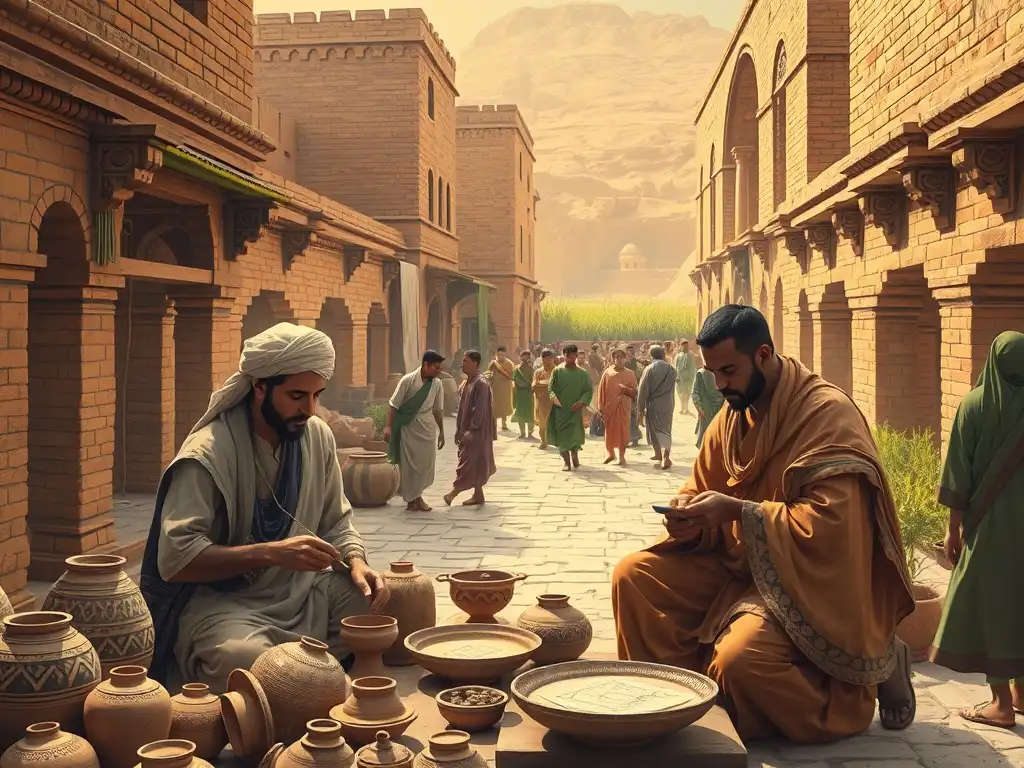
The Indus Valley Civilization (IVC), flourishing around 2500 BCE, represents a remarkable confluence of art and science, a legacy that has significantly influenced subsequent Indian civilizations. The sophistication of the IVC can be seen in its urban planning, architecture, and intricate craftsmanship. Cities like Harappa and Mohenjo-Daro were marvels of engineering, featuring advanced drainage systems and grid layouts that reflect a deep understanding of urban design and public health.
Art in the IVC was not merely decorative but served functional purposes, often imbued with cultural significance. The use of seals, pottery, and figurines highlights a blend of aesthetics and practicality, showcasing the civilization's artistic proficiency alongside scientific ingenuity. The craftsmanship of these artifacts not only illustrates the artistic traditions of the time but also provides insights into trade, religious practices, and social hierarchies.
Furthermore, the integration of science in agriculture, metallurgy, and trade practices underscores the IVC's advancements in various fields. The civilization's ability to cultivate crops, manage water resources, and create tools from bronze and copper exemplifies a profound understanding of natural sciences. This dual legacy of art and science laid a foundation that would resonate throughout Indian history, influencing later cultures and civilizations.
Influence on Later Indian Civilizations
The artistic and scientific advancements of the Indus Valley Civilization had a lasting influence on subsequent Indian cultures. The intricate craftsmanship and artistic motifs seen in Indus seals and pottery can be traced in later Indian art forms, particularly during the Vedic period and beyond. The emphasis on symmetry and proportion in IVC architecture can be observed in the construction of temples and public buildings in later civilizations, highlighting a continuity of design principles.
Moreover, the scientific knowledge developed in the IVC, particularly in urban planning and agricultural practices, set a precedent for future societies. The use of standardized weights and measures, evident in trade practices, influenced the economic systems of later Indian kingdoms, promoting commerce and trade networks across the subcontinent.
The philosophical and cultural ideas that emerged from the IVC also contributed to the broader tapestry of Indian thought. Elements of spirituality, reflected in the figurines and seals, hint at early religious practices that would evolve into the diverse spiritual landscape of ancient and medieval India.
Modern Interpretations of Indus Valley Art and Science
In contemporary scholarship, the art and science of the Indus Valley Civilization are being re-examined through various lenses, including archaeology, anthropology, and art history. Modern interpretations focus on understanding the symbolic meanings behind the art forms, as well as their socio-political implications. The seals, often depicting animals and human figures, are analyzed for their potential religious or cultural significance, suggesting a complex belief system.
Scientific techniques such as radiocarbon dating and chemical analysis are utilized to better understand the materials and methods used in IVC art and craft production. These methods shed light on trade relationships and technological advancements, revealing a civilization that was interconnected with its surroundings.
Additionally, the revival of interest in ancient Indian art has led to a greater appreciation of the Indus Valley's contributions. Contemporary artists draw inspiration from IVC motifs, integrating ancient aesthetics with modern practices, thereby keeping the legacy alive in the current cultural discourse.
Preserving the Heritage of Art and Science
Efforts to preserve the art and scientific heritage of the Indus Valley Civilization are crucial for future generations. Archaeological sites are protected as UNESCO World Heritage Sites, ensuring that the physical remnants of the civilization are safeguarded against natural and human-induced degradation.
Museums and research institutions play a vital role in this preservation, educating the public about the significance of IVC's contributions to art and science. Through exhibitions, educational programs, and publications, these institutions promote awareness and appreciation of the civilization's legacy.
Furthermore, community engagement in heritage conservation is essential. Local initiatives aimed at protecting archaeological sites, coupled with government support, can foster a sense of ownership and pride in the rich history of the Indus Valley, ensuring that its art and scientific achievements are celebrated and preserved.
Conclusion: The Lasting Impact of Art and Science
The art and science of the Indus Valley Civilization left an indelible mark on the course of Indian history. This civilization not only showcased remarkable artistic talent but also demonstrated advanced scientific understanding, creating a legacy that continues to resonate today.
Reflection on the Contributions of the Indus Valley Civilization
Reflecting on the contributions of the IVC, it is evident that the intersection of art and science was pivotal in shaping the cultural and technological landscape of ancient India. The innovations in urban planning, craftsmanship, and trade practices established foundational principles that would influence future generations. The IVC's artistic expressions, rich in symbolism and meaning, provide insight into the civilization's social structures and belief systems.
Future Directions for Research on Art and Science in Ancient Civilizations
Looking ahead, there is a need for continued research to uncover the full extent of the Indus Valley Civilization's contributions to art and science. Interdisciplinary approaches combining archaeology, art history, and cultural studies can yield deeper insights into the complexities of this ancient society. Moreover, the use of advanced technologies, such as GIS mapping and digital modeling, can enhance our understanding of urban layouts and artistic practices, facilitating a more nuanced appreciation of the IVC's legacy.
As scholars and enthusiasts explore the intersections of art and science across ancient civilizations, the Indus Valley serves as a compelling case study, illustrating the profound impact of cultural achievements on human history.
References and Further Reading on Art and Science in Indus Valley
The Indus Valley Civilization, renowned for its remarkable blend of art and science, continues to be a subject of extensive research and exploration. For those interested in delving deeper into this fascinating topic, a variety of resources are available that cover both the artistic achievements and scientific advancements of this ancient civilization. Below are some recommended books, articles, and educational resources that provide valuable insights into the intersection of art and science in the Indus Valley.
Recommended Books and Articles
-
"The Indus Civilization: A Contemporary Perspective" by Gregory L. Possehl
This comprehensive book explores the multifaceted aspects of the Indus Valley Civilization, including its artistic expressions and technological innovations. Possehl's work is grounded in archaeological findings and provides a contemporary viewpoint on the civilization's contributions.
-
"The Archaeology of Early Historic South Asia: The Emergence of Cities and States" by Robin Coningham and Ruth Young
This book offers a broader context of the transformation from the Indus Valley Civilization to later cultures in South Asia. It includes discussions on urban planning and architectural styles that reflect the scientific knowledge of the time.
-
"Indus Valley: The Lost Civilization" by John Marshall
Marshall's classic work provides an in-depth overview of the archaeological discoveries in the Indus Valley. It highlights the artistic artifacts found at various sites and discusses their significance in understanding the civilization's complex society.
-
"Art and Science in the Indus Valley Civilization" - Journal of Indian History
This article presents a scholarly examination of the artistic techniques and scientific knowledge evident in the artifacts and urban planning of the Indus Valley. It serves as a bridge between two fields, illustrating how they influenced each other.
-
"The Cities of the Indus Valley Civilization" - Ancient History Encyclopedia
This online article details the urban planning, architecture, and infrastructure of the Indus cities, emphasizing how these elements reflect the scientific understanding of the civilization's inhabitants.
Educational Resources for Understanding Indus Valley Civilization
-
Online Courses
-
Coursera: "The Indus Valley Civilization"
This course offers an introduction to the Indus Valley Civilization, covering its history, art, and scientific achievements. The course is suitable for both beginners and those with prior knowledge.
-
-
Documentaries
-
"Secrets of the Indus Valley"
This documentary explores the archaeological discoveries in the Indus Valley and provides insights into the daily life, art, and scientific prowess of its people.
-
-
Museum Exhibits
-
National Museum, New Delhi
The museum houses a significant collection of artifacts from the Indus Valley, allowing visitors to explore the artistic and scientific contributions of this ancient civilization firsthand.
-
-
Virtual Exhibitions
-
British Museum: Indus Valley Civilization Exhibition
This online exhibition showcases various artifacts from the Indus Valley, providing educational materials and interactive content that highlight the intersection of art and science.
-
These resources are essential for anyone looking to understand the rich tapestry of art and science in the Indus Valley Civilization, illustrating its lasting impact on subsequent cultures and civilizations in the region.
- Introduction to Art and Science in Indus Valley
- Artistic Expression in the Indus Valley Civilization
- Scientific Innovations of the Indus Valley
- The Interrelationship Between Art and Science
- The Legacy of Art and Science in the Indus Valley
- Conclusion: The Lasting Impact of Art and Science
- References and Further Reading on Art and Science in Indus Valley
- What characterized the art and science of the Indus Valley Civilization?
- How did the Indus Valley Civilization contribute to modern science?
- What role did trade play in the development of art and science in the Indus Valley?
- Are there any notable artifacts that highlight the intersection of art and science in the Indus Valley?
- How did the religion of the Indus Valley Civilization influence its art and science?
Frequently Asked Questions
What characterized the art and science of the Indus Valley Civilization?
The art and science of the Indus Valley Civilization were marked by advanced urban planning, sophisticated drainage systems, and intricate pottery, showcasing their innovative spirit.
How did the Indus Valley Civilization contribute to modern science?
The Indus Valley Civilization laid the groundwork for many scientific principles, including early mathematics and metallurgy, influencing future civilizations and their technological advancements.
What role did trade play in the development of art and science in the Indus Valley?
Trade facilitated cultural exchanges and the spread of artistic techniques and scientific knowledge, enhancing the sophistication of the civilization's achievements.
Are there any notable artifacts that highlight the intersection of art and science in the Indus Valley?
Yes, artifacts like the Dancing Girl statue and seal carvings demonstrate the artistic excellence and advanced understanding of animal representation and symbolism.
How did the religion of the Indus Valley Civilization influence its art and science?
The religion of the Indus Valley Civilization often reflected in their art forms and ritual practices, indicating a blend of spiritual beliefs with their scientific understanding of the natural world.
Final Reflection: The Enduring Legacy of Art and Science in the Indus Valley
The intersection of art and science in the Indus Valley Civilization remains a profound testament to human ingenuity and creativity. Today, as we navigate an increasingly complex world, the lessons from this ancient civilization remind us that the fusion of artistic expression and scientific inquiry can lead to remarkable advancements. The intricate seals, sophisticated urban planning, and advanced metallurgy of the Indus Valley serve as a striking reminder that innovation thrives at the crossroads of diverse disciplines.
The influence of the Indus Valley's artistic and scientific achievements continues to resonate in contemporary culture, inspiring us to seek harmony between creativity and analytical thought. As we explore modern innovations, we can draw parallels to the holistic approach of the Indus Valley, where art and science were not seen as separate entities but as complementary forces that enriched society. Art is the most beautiful of all lies.
This quote encapsulates the essence of how art can convey truths that science alone may struggle to express, highlighting the importance of both in our quest for understanding.
As we reflect on the lessons from the Indus Valley Civilization, I invite you to consider how you can integrate art and science in your own life. Whether through creative problem-solving, interdisciplinary collaboration, or simply appreciating the beauty in scientific discoveries, let us strive to honor the legacy of the Indus Valley by fostering a culture where art and science coexist harmoniously. Embrace the challenge of blending these two realms, and in doing so, contribute to a more innovative and enriched future.
Unveil the Wonders of Art and Science!
Thank you for delving into the fascinating world of the Indus Valley Civilization with us! We hope you’ve uncovered the remarkable connections between art and science that shaped this ancient culture. Now, it’s time to take your exploration further and make these insights come alive!
Here are a few engaging actions you can take:
- Dive deeper: Visit your local museum or explore online resources to find exhibits showcasing artifacts from the Indus Valley. Discover how these masterpieces reflect the scientific understanding of their time!
- Share your knowledge: Discuss what you’ve learned about the intersection of art and science with friends and family. Spark conversations that connect history with modern-day innovations!
- Create something: Try your hand at a craft inspired by the art styles of the Indus Valley or design a simple project that combines artistic and scientific principles. For instance, consider mapping out a garden using ancient geometric designs!
What aspect of the Indus Valley's fusion of art and science intrigued you the most, and how will you explore it further? Your insights could inspire others!