
The Concept of Time in the Indus Valley: Calendars and Daily Routines


Welcome to Ancient India History, where we embark on a fascinating journey through the rich tapestry of India’s past. Here, you'll uncover the remarkable stories of ancient civilizations, each leaving a profound mark on the world. In our featured article, we delve into the intriguing timekeeping practices of the Indus Valley, exploring how these early innovators shaped their calendars and daily routines.
Prepare to be captivated by the ingenuity of a civilization that thrived long ago, and let your curiosity guide you as you discover the remarkable contributions of ancient Indian societies. Keep reading to unlock the secrets of time as understood by the Indus Valley!
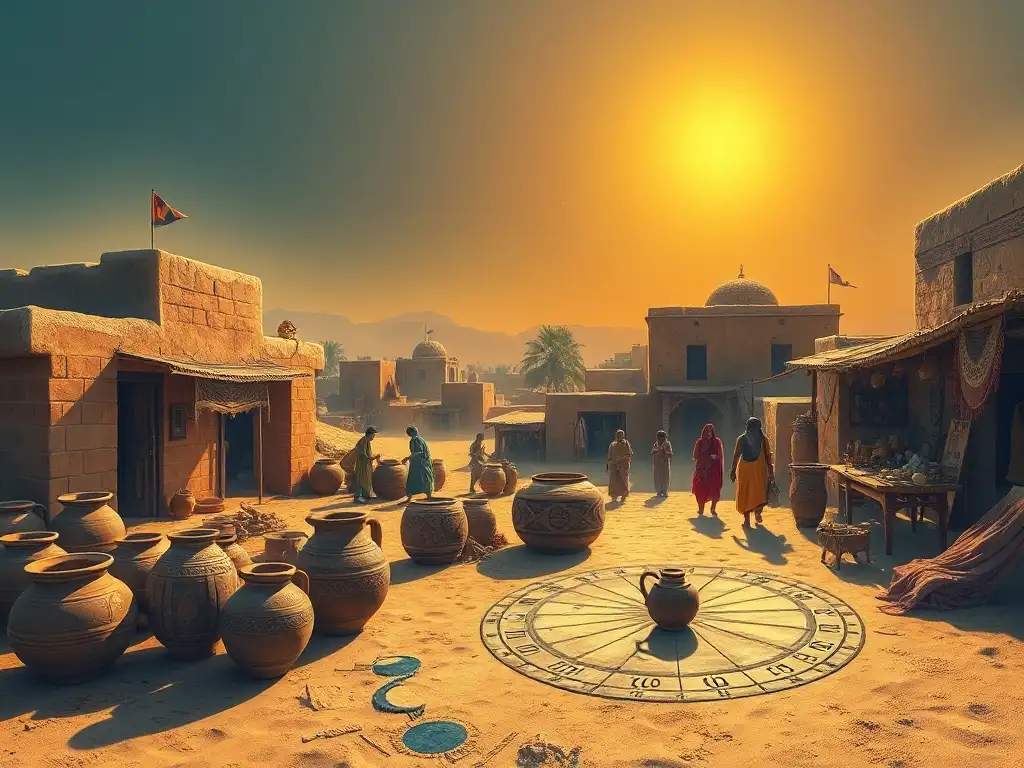
Introduction to Indus Valley Timekeeping Practices
The Indus Valley Civilization, one of the world's earliest urban cultures, thrived between 3300 BCE and 1300 BCE in what is now Pakistan and northwest India. This civilization is renowned for its advanced urban planning, sophisticated craftsmanship, and, notably, its unique timekeeping practices. Understanding the concept of time for the people of the Indus Valley provides valuable insights into their daily lives, social structures, and agricultural cycles.
Timekeeping in the Indus Valley was likely influenced by the natural rhythms of the environment, including the cycles of the moon and the changing seasons. The people of this remarkable civilization devised various methods to measure time, which were essential for coordinating agricultural activities, religious ceremonies, and trade. Through archaeological findings, such as seals, weights, and other artifacts, researchers have begun to piece together the ways in which the Indus Valley inhabitants understood and organized their time.
This article explores the calendars and daily routines of the Indus Valley people, shedding light on their sophisticated approach to timekeeping. By examining how they managed their days and seasons, we can gain a deeper appreciation for their innovative spirit and the cultural significance of time in their society.
Historical Background of the Indus Valley Civilization
The Indus Valley Civilization emerged around 3300 BCE and reached its peak between 2600 and 1900 BCE, encompassing a vast region that included major urban centers like Harappa and Mohenjo-Daro. This civilization is distinguished by its remarkable achievements in various domains, including urban planning, architecture, and trade. The cities were laid out in a grid pattern, with advanced drainage systems and public baths, indicating a high level of organizational skill and social cooperation.
Key Features of the Indus Valley Civilization:
- Urban Planning: Cities were designed with precise layouts, featuring streets, residential areas, and commercial zones.
- Craftsmanship: The people were skilled artisans, producing intricate pottery, jewelry, and textiles.
- Trade Networks: Evidence of trade with neighboring regions suggests a robust economy and cultural exchange.
The understanding of time was critical for the Indus Valley people, particularly in the context of agriculture, which was the backbone of their economy. Seasonal changes dictated the timing of planting and harvesting, underscoring the importance of a reliable calendar system. The study of their timekeeping practices not only illuminates their daily routines but also reflects broader aspects of their social and cultural life.
As we delve deeper into the calendars and daily routines of the Indus Valley civilization, we will uncover how their understanding of time influenced their societal organization and interactions with the environment.
Indus Valley Timekeeping Practices
The Indus Valley Civilization, known for its advanced urban planning and sophisticated social structure, also exhibited a complex understanding of timekeeping practices. The inhabitants of this civilization, which thrived from approximately 3300 BCE to 1300 BCE, relied on various methods to measure time and organize their daily activities. Evidence suggests that they had developed a system that included both solar and lunar observations, which played a crucial role in their agricultural practices, religious observances, and societal functions.
Archaeological findings, such as the remains of weights and measures, point to a systematic approach in timekeeping. The precise alignment of numerous structures, including granaries and public baths, indicates that the Indus people understood the importance of time in relation to agricultural cycles and seasonal changes. Moreover, the discovery of seals and inscriptions suggests that they may have recorded time-related information, although the exact nature of their writing system remains undeciphered.
Calendar Systems Used in the Indus Valley
The calendar systems in the Indus Valley were likely influenced by astronomical events and natural cycles. Evidence suggests that the civilization may have employed a lunisolar calendar, which combines both lunar phases and the solar year to track time. This system would have been essential for agricultural activities, particularly for planting and harvesting crops, as well as for scheduling festivals and rituals.
The alignment of certain archaeological sites with celestial bodies, such as the sun and moon, indicates that the Indus Valley people observed astronomical phenomena. The changing positions of celestial bodies would have guided their calendar, marking important seasonal changes. While specific records of their calendar have not survived, the meticulous construction of their cities and the regularity of their urban planning suggest a robust understanding of time cycles.
Daily Routines Structuring Time in the Indus Valley
Daily life in the Indus Valley was likely governed by a structured routine that revolved around agriculture, trade, and community activities. The agricultural calendar would dictate the timing of planting and harvesting, while trade activities with neighboring regions would require synchronization of time for travel and commerce.
Evidence from excavated sites indicates that the Indus people engaged in various daily activities at specific times. For instance, the presence of large public granaries suggests that food storage and distribution were organized, indicating a schedule that aligned with agricultural productivity. Additionally, the layout of residential areas, complete with wells and bathing facilities, implies that daily routines included hygiene practices, which would have been integrated into their timekeeping methods.
Cultural Significance of Time in the Indus Valley
Time held profound cultural significance in the Indus Valley Civilization, influencing not only agricultural and economic activities but also social and spiritual life. The ways in which the people of this civilization understood and utilized time reflect their values, beliefs, and social organization.
Festivals and Timekeeping
Festivals in the Indus Valley were likely tied to the agricultural calendar, marking important seasonal transitions and harvests. These celebrations would have involved communal gatherings, rituals, and offerings, reinforcing social ties and cultural identity. The timing of these festivals would have depended on precise timekeeping practices that aligned with lunar phases or solar cycles.
The synchronization of festivals with the calendar highlights the importance of time not just as a measure of days and months, but as a framework for community cohesion and spiritual expression. The organization of festivals could also reflect the civilization's understanding of time as a cyclical phenomenon, emphasizing renewal and continuity within their culture.
Religious and Spiritual Aspects of Time
Religious practices in the Indus Valley likely revolved around specific times, as many ancient cultures viewed time as sacred. The alignment of rituals with celestial events, such as solstices and equinoxes, suggests that the Indus people may have imbued time with spiritual significance. The intricately designed seals found at various archaeological sites, adorned with symbols that may represent deities or sacred concepts, indicate a deep connection between their understanding of time and their spiritual beliefs.
Moreover, the potential use of timekeeping in rituals would have served to structure their spiritual lives, establishing regular intervals for worship and reflection. Such practices would have reinforced the importance of time in maintaining harmony with the natural world and the divine, demonstrating how foundational timekeeping was to the overall fabric of Indus Valley society.
Innovations in Indus Valley Timekeeping
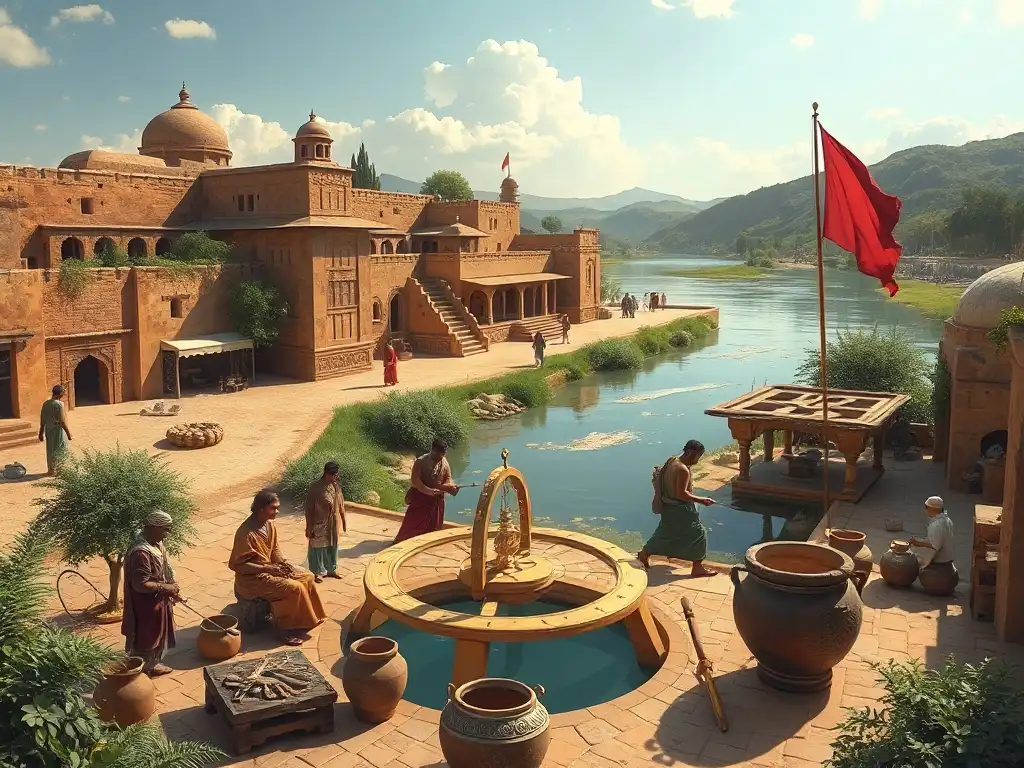
The Indus Valley Civilization, known for its advanced urban planning and sophisticated social structure, also exhibited remarkable innovations in timekeeping practices. Archaeological evidence suggests that the people of the Indus Valley employed various methods to measure time, which were likely integral to their agricultural and social activities.
- Lunar Calendars: The Indus Valley inhabitants likely used lunar cycles to create calendars. The moon's phases would have been observed closely, allowing them to track months and seasons. This method of timekeeping is common among ancient civilizations and would have been essential for agricultural planning, particularly for the timing of sowing and harvesting crops.
- Solar Observations: In addition to lunar calendars, the Indus Valley people may have also made observations based on the sun's position. By tracking the sun’s trajectory, they could have divided the day into segments, influencing daily routines and activities. This practice would have been crucial for scheduling communal tasks and religious observances.
- Water Clocks and Sundials: Although more concrete evidence is still required, some scholars propose that the Indus Valley Civilization could have utilized water clocks or sundials. These early timekeeping devices would allow for more precise measurement of time throughout the day, aiding in both daily activities and ceremonial practices.
- Standardization of Timekeeping: The presence of weights and measures in Indus Valley cities indicates an advanced understanding of standardization, which could have extended to timekeeping. This standardization would have facilitated trade and commerce between the various city-states of the civilization, ensuring that timing was consistent across regions.
Overall, the innovations in timekeeping practices of the Indus Valley Civilization reflect their advanced understanding of astronomy and the importance of time management in societal development.
Conclusion: The Legacy of Indus Valley Timekeeping Practices
The timekeeping practices of the Indus Valley Civilization played a vital role in shaping their daily lives and societal structure. By developing sophisticated methods to measure time, they were able to coordinate agricultural activities, religious rituals, and trade. The impact of these practices can still be seen in contemporary timekeeping methods and calendars used in the region today.
The legacy of their innovations is significant not only for understanding their civilization but also for appreciating how ancient societies adapted to their environments and needs. The integration of lunar and solar observations in their calendars demonstrates a profound connection to the natural world, which is a hallmark of many ancient cultures.
Moreover, the emphasis on standardization in timekeeping likely contributed to the economic prosperity of the Indus Valley cities. By synchronizing activities across different urban centers, they facilitated trade and cooperation, laying the groundwork for future civilizations in the Indian subcontinent.
The Indus Valley timekeeping practices not only reflect the civilization's ingenuity but also their lasting influence on the cultural and economic frameworks of subsequent societies.
References and Further Reading
- Allchin, F. R. (1995). The Archaeology of Early Historic South Asia: The Emergence of Cities and States. Cambridge University Press.
- Chakrabarti, D. (1999). A History of Indian Archaeology from the Beginning to 1947. Munshiram Manoharlal Publishers.
- Kenoyer, J. M. (1998). Ancient Cities of the Indus Valley Civilization. Oxford University Press.
- Possehl, G. (1996). The Indus Civilization: A Contemporary Perspective. Oxford & IBH Publishing Co.
- Wright, R. P. (2010). The Ancient Indus: Urbanism, Economy, and Society. Cambridge University Press.
- Introduction to Indus Valley Timekeeping Practices
- Historical Background of the Indus Valley Civilization
- Indus Valley Timekeeping Practices
- Cultural Significance of Time in the Indus Valley
- Innovations in Indus Valley Timekeeping
- Conclusion: The Legacy of Indus Valley Timekeeping Practices
- References and Further Reading
- What were the timekeeping practices in the Indus Valley?
- Did the Indus Valley have a calendar system?
- How did the concept of time influence daily life in the Indus Valley?
- What evidence supports the idea of timekeeping in the Indus Valley?
- How did the Indus Valley's practices compare to other ancient civilizations?
Frequently Asked Questions
What were the timekeeping practices in the Indus Valley?
The Indus Valley civilization utilized a combination of natural phenomena and astronomical observations to track time, including the phases of the moon and the position of the sun.
Did the Indus Valley have a calendar system?
Yes, the Indus Valley people are believed to have developed a calendar system based on lunar cycles, which helped them in agricultural planning and daily routines.
How did the concept of time influence daily life in the Indus Valley?
The concept of time was integral to daily routines, guiding the scheduling of agricultural activities, trade, and religious practices, ensuring a structured community life.
What evidence supports the idea of timekeeping in the Indus Valley?
Archaeological findings, such as weights and measures, alongside seals depicting celestial bodies, suggest that the Indus Valley civilization had a sophisticated understanding of timekeeping.
How did the Indus Valley's practices compare to other ancient civilizations?
The Indus Valley timekeeping practices were unique but shared similarities with those of other ancient civilizations, particularly in their reliance on astronomy and natural cycles for time measurement.
Final Reflection: The Enduring Legacy of Indus Valley Timekeeping Practices
The exploration of timekeeping practices in the Indus Valley civilization reveals a profound connection between ancient routines and modern life. As we navigate our fast-paced world, the significance of how the Indus Valley people measured time offers us invaluable insights into the rhythms of daily existence. Their sophisticated calendars and time management not only shaped their agricultural and social structures but also resonate with our contemporary understanding of time as a crucial element in organizing life.
Culture is a living tapestry, woven from the threads of history, and the Indus Valley's timekeeping practices continue to influence our perceptions of time today. The meticulous attention to seasonal cycles and daily routines reflects a deep respect for nature and its rhythms, reminding us of the importance of balance in our own lives. Time is what we want most, but what we use worst.
– William Penn. This quote encapsulates the ongoing struggle we face in managing our time effectively, a challenge that the Indus Valley civilization approached with remarkable sophistication.
As we reflect on the lessons from the Indus Valley, I invite you to consider how you can incorporate a more mindful approach to time in your own life. Take a moment to evaluate your daily routines and the significance you place on time. By embracing the wisdom of the past, we can cultivate a deeper appreciation for the present and create a more harmonious relationship with the future. Let the legacy of the Indus Valley inspire you to find balance, purpose, and meaning in the way you navigate your own journey through time.
Unveil the Wonders of Time in the Indus Valley!
Thank you for diving into the fascinating world of the Indus Valley civilization! By exploring their concepts of time, you’ve uncovered insights into their calendars and daily routines that shaped a remarkable society. Now, it’s time to take this knowledge a step further.
Here are some exciting actions you can take:
- Reflect on your own calendar: Consider how your daily routines are influenced by time management. What practices can you adopt from the timekeeping methods of the Indus Valley?
- Explore further: Delve into the connection between time and culture by researching how other ancient civilizations perceived time. Share your findings with friends or on social media!
- Get creative: Design your own calendar inspired by the rhythms of the Indus Valley. What unique events and traditions would you incorporate?
What aspect of the Indus Valley’s understanding of time surprised you the most? Share your thoughts in the comments below!