
The Artistic Legacy of the Indus Valley: Pottery, Sculpture, and Beyond

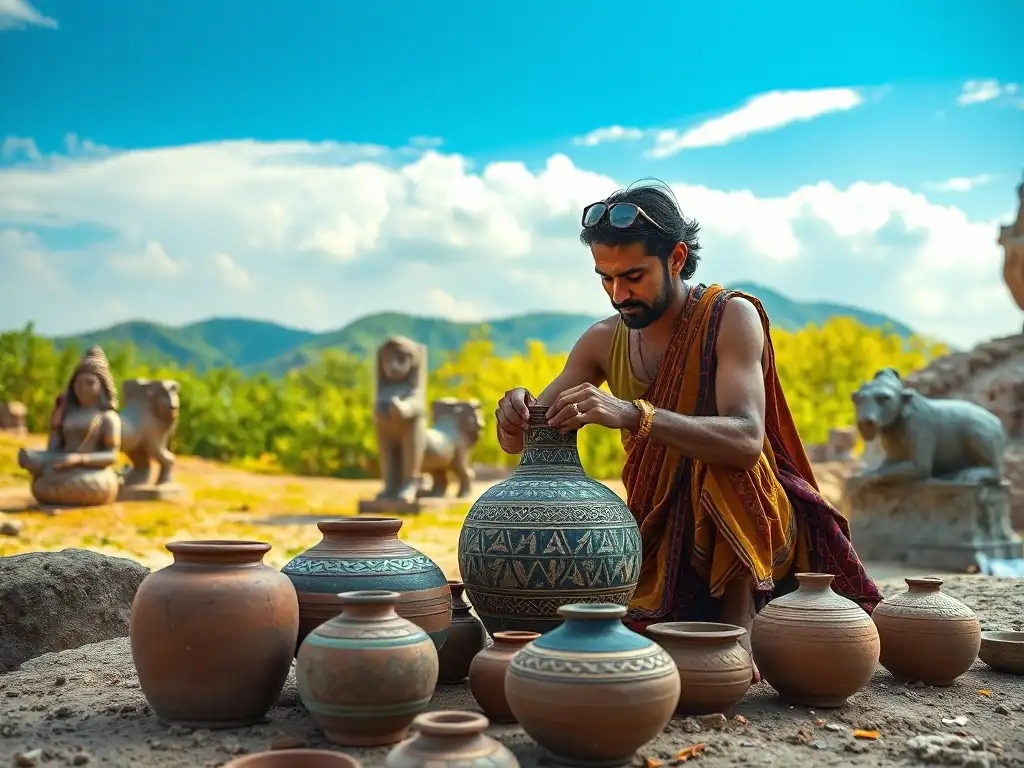
Welcome to Ancient India History, where we embark on an enlightening journey through the vibrant tapestry of ancient Indian civilizations. Here, we delve into the artistic contributions of the Indus Valley, a remarkable era that laid the groundwork for cultural brilliance. From intricate pottery to breathtaking sculptures, the creative legacy of this civilization offers a glimpse into the ingenuity and craftsmanship of a bygone age. Join us as we uncover the stories that shaped not only the Indus Valley but also the very essence of Indian heritage. Ready to explore the artistry that defined a civilization? Let’s dive in!
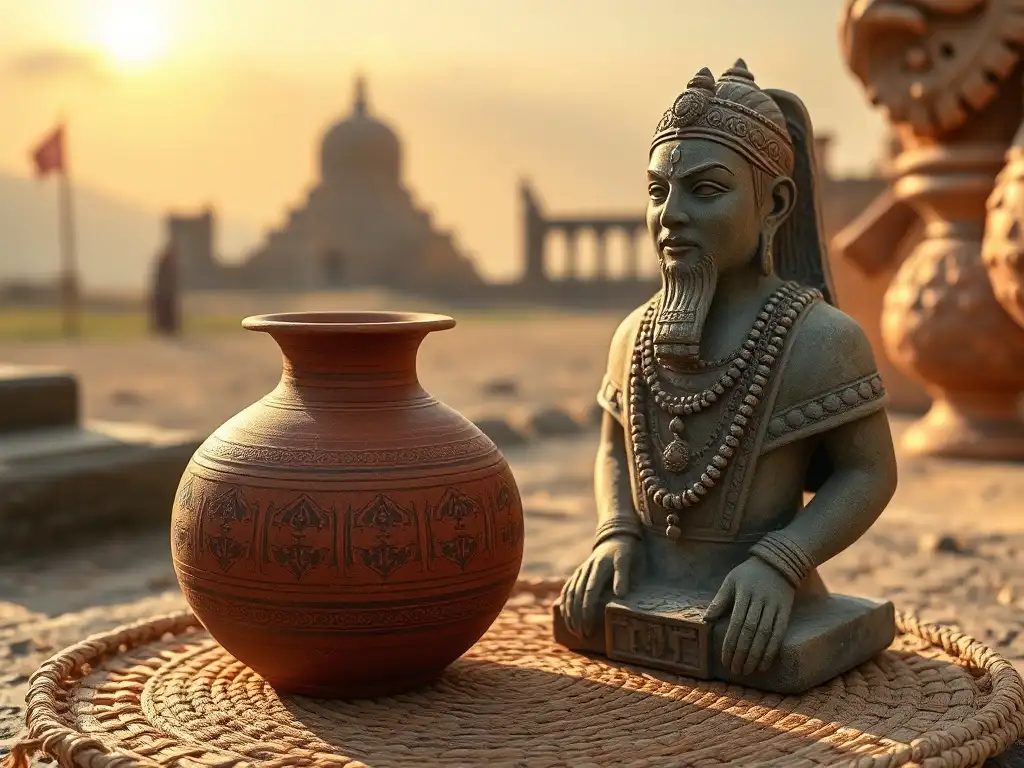
Introduction to Indus Valley Artistic Contributions
The Indus Valley Civilization, which flourished around 2500 BCE in what is today Pakistan and northwest India, is renowned not only for its advanced urban planning and trade systems but also for its remarkable artistic contributions. This era is marked by a flourishing of creativity that found expression in various forms, including pottery, sculpture, and intricate crafts.
The artistic legacy of the Indus Valley offers a glimpse into the cultural and social dynamics of one of the world's earliest civilizations, showcasing the ingenuity and aesthetic sensibilities of its people. Understanding these contributions is crucial for appreciating the broader narrative of ancient Indian history and the foundations laid for future artistic endeavors.
Overview of the Indus Valley Civilization
The Indus Valley Civilization (IVC) is one of the earliest known urban cultures in the world, existing alongside contemporary civilizations such as Mesopotamia and Ancient Egypt. With major cities like Harappa and Mohenjo-Daro, the IVC was characterized by well-planned cities, advanced drainage systems, and a sophisticated economy based on agriculture and trade. The inhabitants of the Indus Valley engaged in a variety of crafts, which included textiles, metalwork, and of course, pottery. This civilization's artistic expressions were deeply integrated into daily life, reflecting both functional needs and aesthetic values.
Significance of Artistic Endeavors in Ancient Cultures
Artistic endeavors in ancient cultures serve as vital indicators of societal values, beliefs, and technological advancements. In the context of the Indus Valley, the art produced not only fulfilled practical purposes but also played a significant role in ritualistic and social practices. The intricate designs found in pottery and sculpture suggest a deep connection to spirituality and community identity. Furthermore, artistic contributions from the Indus Valley have influenced subsequent Indian art forms, making the study of this legacy essential for understanding the evolution of artistic expression in the region.
The Evolution of Pottery in the Indus Valley
Pottery from the Indus Valley Civilization is renowned for its diversity and sophistication. Over the centuries, it evolved significantly, reflecting changes in technology, culture, and trade relations.
Characteristics of Indus Valley Pottery
Indus Valley pottery is characterized by its high-fired, well-crafted forms, often decorated with geometric patterns and motifs. Common types include:
- Red Ware: Known for its fine quality and bright color, often featuring painted designs.
- Black-and-Red Ware: Unique for its contrast and intricate designs, showcasing the skill of artisans.
- Terracotta Figurines: These small sculptures provide insight into the artistic styles and cultural practices of the time.
The pottery often served dual purposes—functional and decorative—indicating its importance in both daily life and ceremonial contexts.
Techniques and Materials Used in Pottery Making
The pottery-making techniques of the Indus Valley were advanced for their time. Artisans utilized several methods, including:
- Wheel-Throwing: The potter's wheel enabled the creation of symmetrical and refined shapes.
- Hand-Modeling: Some pieces were crafted by hand, allowing for unique artistic expressions.
- Glazing and Painting: Natural pigments were used for painting, and some pottery pieces were glazed to enhance their appearance.
Materials such as clay sourced from riverbanks were readily available, contributing to the thriving pottery industry of the region.
The Role of Pottery in Daily Life and Trade
Pottery held a multifaceted role in the daily lives of the Indus Valley people. It was used for:
- Storage: Containers for food, water, and grains, essential for sustaining urban life.
- Trade: Pottery was a significant trade item, with notable exports to neighboring regions, indicating a robust economic network.
- Cultural Expression: Decorative pottery pieces often served as status symbols or were used in religious ceremonies, highlighting the intersection of art and culture.
The evolution of pottery in the Indus Valley not only illustrates the technical advancements of the civilization but also its rich cultural tapestry and interactions with other ancient societies.
Sculpture: An Insight into Indus Valley Artistry
Sculpture in the Indus Valley Civilization (IVC) reflects a sophisticated artistic tradition that has fascinated historians and archaeologists alike. Dating back to around 2500 BCE, the sculptures predominantly feature small figurines made from terracotta, stone, and bronze. The artisans of the Indus Valley showcased remarkable skill in carving and modeling, often depicting human figures, animals, and mythological creatures.
The craftsmanship of Indus Valley sculptures is marked by attention to detail and a sense of realism. Many of these works exhibit intricate features, such as facial expressions and elaborate hairstyles. The artisans utilized various techniques, including the lost-wax method for bronze casting, which allowed for precise and intricate designs. This method enabled the creation of figures that were not only aesthetically pleasing but also conveyed cultural and social significances.
Moreover, the sculptures from the Indus Valley indicate a structured society where art was intertwined with daily life and spirituality. The themes represented in these works often reflect the environmental and sociopolitical context of the time, suggesting a civilization that valued artistry as part of its identity.
Common Themes and Motifs in Indus Valley Sculpture
The themes and motifs prevalent in Indus Valley sculpture reveal much about the civilization's values and beliefs. A significant motif is the depiction of animals, particularly cattle, elephants, and tigers, which likely held symbolic importance, possibly related to agriculture and trade.
Human figures are also common, often portrayed in various poses and attire, suggesting a rich cultural life. Many of these figures appear to be engaged in rituals or daily activities, indicating the integration of art into everyday life. Additionally, many sculptures feature women, which may signify their status and roles within society.
Religious and mythological elements are also present, with certain figures possibly representing deities or spiritual figures. This connection to spirituality underscores the belief systems of the Indus Valley, where art served as a means of expression and communication of cultural narratives.
Notable Sculptural Works and Their Cultural Significance
Among the notable sculptural works from the Indus Valley, the "Dancing Girl" is perhaps the most famous. This bronze figurine, discovered in Mohenjo-Daro, is a testament to the advanced metalworking techniques of the time and represents not only artistic skill but also the cultural significance of dance and music in Indus society.
Another significant work is the "Priest-King" statue, also found in Mohenjo-Daro. This figure, characterized by its elaborate headdress and dignified posture, is believed to represent a leader or priest, highlighting the governance and religious structures of the civilization.
These sculptures serve as cultural artifacts that provide insights into the social hierarchy, religious practices, and daily life of the people in the Indus Valley. They reflect a civilization that valued artistic expression as a means of documenting its history and identity.
The Influence of Religion and Spirituality on Sculpture
Religion and spirituality played a pivotal role in the artistry of the Indus Valley, influencing the themes and subjects depicted in sculptures. Many of the figurines likely served ritualistic purposes or were used in religious practices.
The presence of mother goddess figurines suggests a reverence for fertility and femininity, which may have been integral to their belief systems. Such figures are often characterized by exaggerated features that symbolize fertility and abundance.
Moreover, the sculptures often reflect a duality of the human experience, embodying both the mundane aspects of life and the spiritual aspirations of the society. This interplay suggests a culture deeply connected to its spiritual beliefs, with art serving as a conduit for expressing these complex ideas.
Beyond Pottery and Sculpture: Other Artistic Contributions
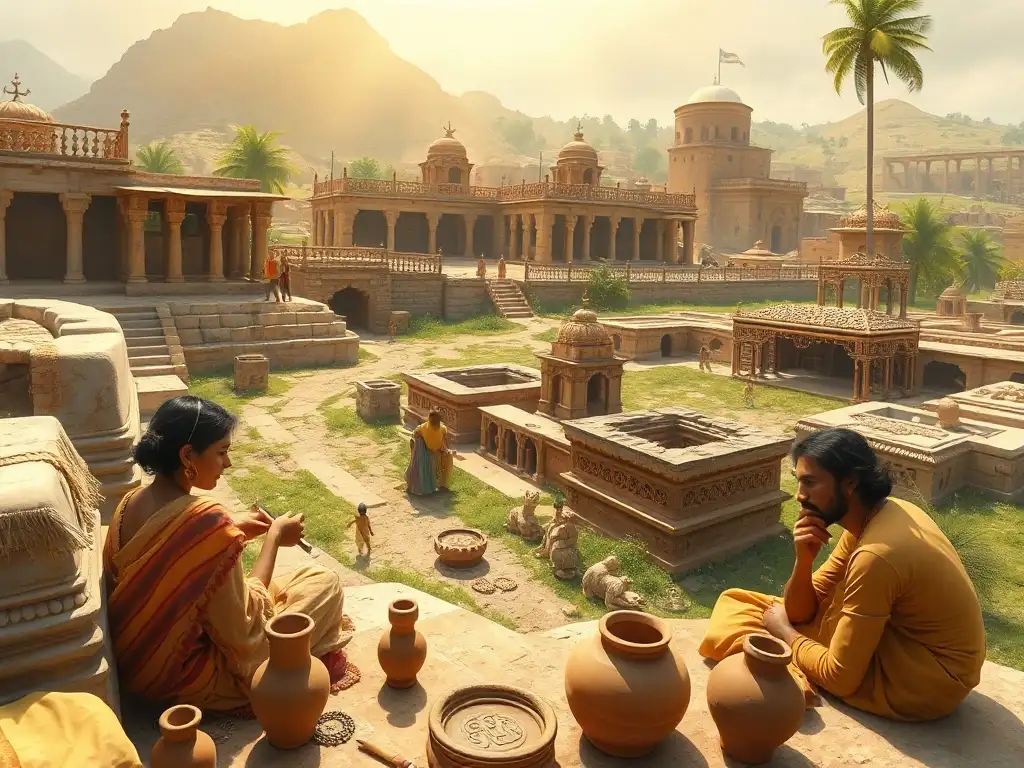
While pottery and sculpture are significant aspects of Indus Valley artistic contributions, other forms of art also flourished, showcasing the civilization's creativity and craftsmanship.
Textile and Weaving Practices of the Indus Valley
Textile and weaving practices in the Indus Valley were highly developed, with evidence suggesting the use of cotton as early as 3000 BCE. The artisans produced intricate fabrics that were dyed using natural materials, leading to vibrant colors and patterns.
The presence of spindle whorls and loom weights at archaeological sites indicates that weaving was a common household activity. The textiles not only served practical purposes but also played a role in social identity, with certain patterns and designs possibly denoting status and community affiliation.
Textiles from this period demonstrate advanced techniques, including embroidery and intricate patterns, which reflect the artistic sensibilities of the time. The significance of textiles extends beyond aesthetics; they were integral to trade, contributing to the economic prosperity of the Indus Valley.
Jewelry and Ornamentation: Craftsmanship and Symbolism
Jewelry from the Indus Valley is another testament to the civilization's artistic contributions. The artisans crafted intricate pieces from materials such as gold, silver, semi-precious stones, and terracotta. The jewelry often featured elaborate designs, including beads, pendants, and rings that showcased the skill of the craftsmen.
Symbolism played a significant role in the jewelry of the Indus Valley. Many pieces were adorned with motifs that held cultural significance, such as representations of animals or geometric patterns. Jewelry was not only a means of adornment but also likely served as status indicators within society, reflecting wealth and social hierarchy.
The craftsmanship involved in creating these pieces illustrates the advanced metallurgy and artistry of the Indus Valley civilization, which contributed substantially to its cultural legacy.
The Importance of Seals and their Artistic Design
Seals from the Indus Valley Civilization are among the most distinctive artistic contributions, featuring intricate designs that provide insights into the society's culture and trade practices. These seals, often made from steatite, were typically engraved with images of animals, deities, and script.
The artistic design of the seals reflects a high level of skill and creativity, with many featuring complex motifs that may have held religious or cultural significance. The use of seals in trade suggests that they played a vital role in economic exchanges, serving as identifiers for merchants and goods.
Moreover, the inscriptions on the seals, though still undeciphered, indicate a form of writing that may have been integral to administration and record-keeping. This aspect of Indus Valley artistry highlights the interconnectedness of art, commerce, and culture, showcasing a civilization that valued both aesthetics and functionality in its artistic contributions.
The Impact of Indus Valley Artistic Contributions on Future Cultures
The artistic contributions of the Indus Valley Civilization (IVC) have had a profound and lasting impact on subsequent cultures across the Indian subcontinent and beyond. This ancient civilization, known for its advanced urban planning and sophisticated craftsmanship, laid the groundwork for various artistic expressions that emerged in later periods. The intricate designs and motifs found in IVC artifacts reveal a deep understanding of aesthetics that would influence not only local traditions but also cross-cultural interactions throughout history.
One of the most significant impacts of Indus Valley artistic contributions is their role in shaping the visual language of subsequent Indian art. As the region evolved through different dynasties and cultures, the motifs and techniques of IVC pottery, sculpture, and terracotta figurines subtly persisted, albeit transformed. For instance, the geometric patterns and naturalistic representations seen in IVC artifacts can be traced in later Indian art forms such as those from the Maurya and Gupta periods.
Moreover, the legacy of Indus Valley art extended beyond the geographical boundaries of ancient India. The trade networks established by the IVC facilitated cultural exchanges with neighboring civilizations, allowing artistic ideas to flow freely. As a result, the influence of Indus Valley aesthetics can be observed in the art and crafts of regions as far as Mesopotamia and Persia, showcasing the interconnectedness of ancient cultures.
Influence on Later Indian Art Forms
The artistic legacy of the Indus Valley Civilization has left an indelible mark on various later Indian art forms, particularly in pottery and sculpture. The use of glazed pottery, a technique perfected by the Indus artisans, can be seen in the ceramics of subsequent Indian cultures. The distinctive shapes and vibrant colors that characterized IVC pottery inspired later artisans to experiment with their own styles, creating unique variations that still echo the original forms.
In sculpture, the naturalistic representations of animals and human figures that emerged from the Indus Valley set a precedent for artistic expression in later periods. The famous "Dancing Girl" statue, for example, exemplifies the IVC's mastery of bronze casting and remains an influence on the depiction of figures in Indian sculpture throughout history. This naturalism would eventually evolve into the stylized forms seen in Gupta art, yet the foundational elements trace back to the artistic innovations of the Indus Valley.
Furthermore, the thematic elements found in Indus Valley art, such as depictions of fertility and nature, resonate in later religious and cultural motifs. The reverence for nature and the symbolic use of animals in IVC art laid the groundwork for the later incorporation of these themes into Hindu and Buddhist iconography, illustrating the continuity of artistic traditions across time.
Cross-Cultural Exchanges and Artistic Legacy
The Indus Valley Civilization was not an isolated entity; it thrived on trade and cultural exchanges with neighboring regions. This interconnectedness played a crucial role in the dissemination of artistic styles and techniques. As traders interacted with distant cultures, they exchanged not only goods but also ideas, leading to a rich tapestry of artistic influences.
For example, the discovery of Indus seals in Mesopotamia highlights the extent of trade networks and cultural interchanges. These seals, often adorned with intricate carvings and script, not only served practical purposes but also acted as carriers of artistic expression that transcended borders. The motifs and styles found on these seals influenced the artistic practices of other civilizations, demonstrating the IVC's role as a conduit for cross-cultural artistic exchanges.
Additionally, the impact of Indus Valley art can be seen in the later emergence of regional styles across the Indian subcontinent. The artistic techniques developed by IVC artisans were adapted and modified by cultures in the Deccan, the Ganges Valley, and beyond. This ongoing dialogue between ancient and emerging cultures contributed to a diverse artistic legacy that continues to be revered and studied today.
Conclusion: The Lasting Influence of Indus Valley Artistic Heritage
The artistic heritage of the Indus Valley Civilization remains a vital chapter in the history of ancient Indian art. Its contributions not only laid the foundation for future artistic practices but also fostered a spirit of creativity and innovation that would characterize the subcontinent's artistic evolution. Understanding the lasting influence of IVC art helps us appreciate the complexities of ancient cultural interactions and the enduring legacy of creativity that has shaped Indian civilization.
Reflection on the Importance of Preserving Ancient Artistic Contributions
Preserving the artistic contributions of the Indus Valley is crucial for understanding the cultural and historical narrative of ancient India. These artifacts, ranging from pottery to sculptures, provide invaluable insights into the social, economic, and spiritual life of the IVC. Efforts to conserve and study these artifacts not only enrich our understanding of ancient art but also promote cultural heritage and identity in contemporary society.
Moreover, as globalization intensifies, the need to protect and celebrate ancient artistic contributions has become more pressing. These artworks are not merely relics of the past; they are living testaments to human creativity and resilience. By preserving them, we ensure that future generations can connect with their heritage and draw inspiration from the artistic legacies of their ancestors.
Future Research Directions in Indus Valley Art History
The study of Indus Valley art is an evolving field, ripe with opportunities for future research. Scholars are increasingly employing advanced technologies such as 3D imaging and chemical analysis to gain deeper insights into the materials and techniques used by IVC artisans. These methods can uncover new information about the production processes and trade networks that influenced artistic practices.
Additionally, interdisciplinary approaches that incorporate anthropology, archaeology, and art history are essential for a comprehensive understanding of the Indus Valley's artistic contributions. Collaborative research efforts can shed light on the cultural significance of art in daily life and its role in societal structures.
As interest in ancient Indian civilizations continues to grow, the exploration of Indus Valley art will undoubtedly expand, revealing new aspects of this rich and vibrant heritage. Future research will help us unravel the complexities of artistic expression in the IVC and its enduring influence on the cultural landscape of India and beyond.
- Introduction to Indus Valley Artistic Contributions
- The Evolution of Pottery in the Indus Valley
- Sculpture: An Insight into Indus Valley Artistry
- Beyond Pottery and Sculpture: Other Artistic Contributions
- The Impact of Indus Valley Artistic Contributions on Future Cultures
- Conclusion: The Lasting Influence of Indus Valley Artistic Heritage
- What are the main artistic contributions of the Indus Valley civilization?
- How did pottery from the Indus Valley differ from other ancient cultures?
- What materials were primarily used in Indus Valley sculpture?
- In what ways did the artistic legacy of the Indus Valley influence later Indian cultures?
- What significance do the artistic contributions of the Indus Valley hold today?
Frequently Asked Questions
What are the main artistic contributions of the Indus Valley civilization?
The Indus Valley civilization is renowned for its intricate pottery, detailed sculptures, and innovative urban planning, reflecting a high level of artistic and technical skill.
How did pottery from the Indus Valley differ from other ancient cultures?
Indus Valley pottery is characterized by its unique designs, including geometric patterns and animal motifs, which set it apart from the pottery of contemporaneous cultures.
What materials were primarily used in Indus Valley sculpture?
The sculptors of the Indus Valley predominantly used materials like terracotta, steatite, and bronze, showcasing their craftsmanship and artistic diversity.
In what ways did the artistic legacy of the Indus Valley influence later Indian cultures?
The artistic techniques and aesthetic values established during the Indus Valley period laid the groundwork for subsequent Indian art forms, influencing styles in later dynasties.
What significance do the artistic contributions of the Indus Valley hold today?
Today, the artistic contributions of the Indus Valley are celebrated for their historical significance and are considered vital in understanding the cultural evolution of ancient India.
Final Reflection: The Enduring Echoes of Indus Valley Artistic Contributions
The artistic contributions of the Indus Valley civilization resonate profoundly in today's world, reminding us of the timeless nature of creativity and cultural expression. As we navigate an era increasingly defined by globalization and technological advancement, the artistry of the Indus Valley serves as a beacon of human ingenuity, showcasing how art transcends time and space. This ancient civilization's pottery, sculpture, and other artistic forms not only reflect their sophisticated society but also inspire contemporary artists and historians alike to explore the depths of human creativity.
Cultural legacies shape our understanding of identity and community, and the Indus Valley's artistic achievements continue to influence modern aesthetics and craftsmanship. The intricate designs and techniques of their pottery and sculpture have sparked a renewed interest in sustainable and traditional art forms. As noted by art historian Dr. Aditi Sharma, The art of the past is not merely a relic; it is a living dialogue that informs our present and shapes our future.
This ongoing conversation encourages us to appreciate the depth of our cultural heritage and recognize the value of artistic expression in fostering connections across generations.
As you reflect on the artistic legacy of the Indus Valley, consider how these ancient contributions can inspire your own creative journey. Embrace the lessons of innovation, resilience, and cultural pride that emerge from their artistry. Whether through creating your own art, supporting local artisans, or simply appreciating the beauty around you, let the spirit of the Indus Valley guide you in recognizing the power of art to unite, inspire, and transform.
Unveil the Secrets of Indus Valley Artistry
Thank you for diving into the rich history of the Indus Valley's artistic legacy! We hope you’ve uncovered the fascinating world of pottery, sculpture, and more, and that the stories of ancient artisans have inspired your curiosity. Now, let’s take that inspiration a step further.
Here’s how you can continue your journey:
- Explore local museums or online exhibits featuring artifacts from the Indus Valley to gain a deeper appreciation of their exceptional craftsmanship.
- Join a community group dedicated to ancient cultures and share your insights about the artistic innovations of the Indus Valley.
- Create your own art inspired by techniques from the Indus Valley—whether it's pottery, drawing, or sculpture, let these ancient influences guide your creativity!
As you reflect on the wonders of the Indus Valley, consider this: How can you incorporate elements of ancient artistry into your modern creative expressions? We invite you to share your thoughts below!