
Stars, Planets, and Time: The Triadic System of Ancient Indian Astronomy


Welcome to Ancient India History, where we take you on a journey through the rich and diverse tapestry of ancient Indian civilizations. From the enigmatic Indus Valley to the magnificent Gupta Empire, we explore the profound cultural contributions that have shaped not only India but the world. In our featured article, “ Stars, Planets, and Time: The Triadic System of Ancient Indian Astronomy,” we delve into the fascinating world of ancient Indian astronomy systems.
What secrets did the stars hold for our ancestors? Join us as we uncover the celestial wisdom that once guided their lives, and prepare to be amazed by the depth of knowledge that has been passed down through the ages. Read on to discover more!
- Introduction to Ancient Indian Astronomy System
- Historical Context of Ancient Indian Astronomy
- Stars in Ancient Indian Astronomy
- Planets in the Ancient Indian Astronomy System
- The Concept of Time in Ancient Indian Astronomy
- Integration of Stars, Planets, and Time
- Contributions of Ancient Indian Astronomy to Global Knowledge
- Conclusion: The Legacy of Ancient Indian Astronomy System
-
Frequently Asked Questions
- What was the Triadic System of Ancient Indian Astronomy?
- How did ancient Indian astronomers measure time?
- What contributions did ancient Indian astronomers make to modern astronomy?
- How did the Indus Valley Civilization influence astronomy?
- What role did the Gupta Empire play in advancing ancient Indian astronomy?
- Final Reflection: The Timeless Legacy of Ancient Indian Astronomy
- Uncover the Cosmos: Take Action Today!
Introduction to Ancient Indian Astronomy System
The Ancient Indian astronomy system is a captivating realm that showcases the profound understanding and innovative contributions of Indian civilizations to the field of astronomy. From the meticulous observations of celestial bodies to the intricate calculations of time and space, ancient Indian scholars developed a triadic system that encompassed the essential elements of stars, planets, and the measurement of time. This system not only served as a framework for understanding the cosmos but also deeply influenced the cultural, religious, and scientific practices of the time.
By exploring this triadic system, we gain insight into how ancient Indians perceived the universe and its impact on daily life, rituals, and broader philosophical inquiries. The following sections will delve deeper into the nuances of this system and its significant role in shaping ancient Indian culture.
Understanding the Triadic System in Astronomy
The triadic system of ancient Indian astronomy is fundamentally structured around three principal components: stars, planets, and time. Each of these elements plays a crucial role in the astronomical framework established by ancient scholars.
- Stars:
- Stars were seen as fixed points in the celestial sphere and served as reference points for navigation and timekeeping.
- Notable star catalogs, such as the Siddhanta texts, meticulously documented various stars and their positions, contributing to a sophisticated understanding of celestial mechanics.
- Planets:
- The ancient Indians identified seven classical planets: the Sun, Moon, Mars, Mercury, Jupiter, Venus, and Saturn.
- Astronomers employed detailed calculations to track the movements of these planets, which were integral to astrological practices and agricultural planning.
- Time:
- Time measurement was intricately linked to the cycles of celestial bodies. The concept of Yugas (ages) and the calculation of Muhurta (auspicious moments) exemplify how time was understood in relation to cosmic phenomena.
- Ancient Indian calendars, such as the Lunar Calendar, were developed to align agricultural activities with celestial events, showcasing the practical application of astronomical knowledge.
Importance of Stars, Planets, and Time in Ancient Indian Culture
The triadic system of astronomy was not merely an intellectual endeavor but a vital aspect of cultural identity and daily life in ancient India.
- Cultural Significance:
- The alignment of celestial events with religious festivals underscores the integration of astronomy with spirituality. For instance, festivals like Diwali and Makar Sankranti are celebrated based on astronomical calculations.
- Agricultural Practices:
- Farmers relied on celestial observations to determine the best times for sowing and harvesting crops, demonstrating the practical application of the ancient Indian astronomy system in sustaining livelihoods.
- Philosophical Insights:
- The exploration of stars and planets led to profound philosophical inquiries about existence and the universe, fostering a rich discourse that integrated science, spirituality, and metaphysics.
Through this exploration of the triadic system, we can appreciate the depth and richness of ancient Indian astronomy, and its enduring legacy in shaping various aspects of Indian civilization.
Historical Context of Ancient Indian Astronomy
Evolution of Astronomical Knowledge in Ancient India
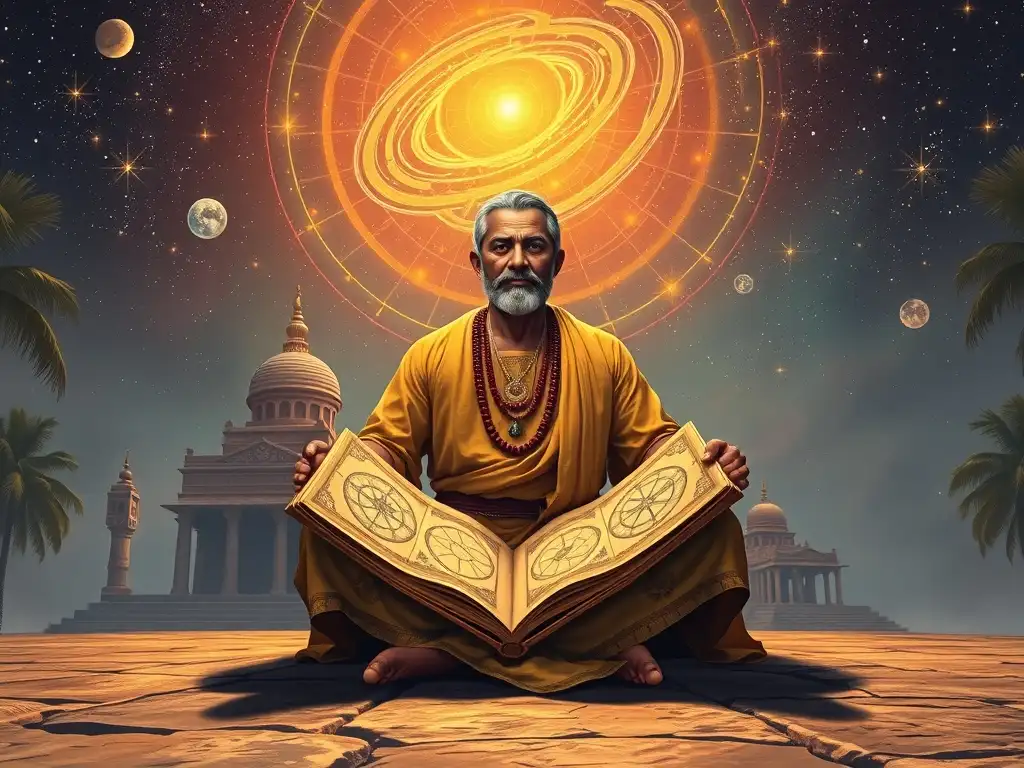
The evolution of astronomical knowledge in ancient India can be traced back to the early Vedic period (circa 1500-500 BCE), where celestial bodies were often associated with deities and natural phenomena. The Rigveda, one of the oldest texts, contains references to astronomical observations, reflecting a burgeoning interest in the movements of stars and planets.
As time progressed, the ancient Indian astronomers began to adopt a more systematic approach. By the 5th century BCE, thinkers like Aryabhata emerged, marking a significant shift towards empirical observation and mathematical calculations. Aryabhata's Aryabhatiya introduced concepts such as the rotation of the Earth on its axis and a heliocentric model of the solar system, challenging contemporary geocentric views.
This evolution continued through the centuries with the integration of Greek astronomical concepts, particularly during the Gupta period (circa 320-550 CE). Scholars like Brahmagupta and Varahamihira synthesized these ideas with indigenous knowledge, leading to advancements in trigonometry and the development of sophisticated astronomical instruments.
- Key Milestones:
- Vedic Period: Celestial associations with mythology.
- Aryabhata (5th Century CE): Introduction of empirical methodologies.
- Gupta Period: Synthesis of Greek and Indian astronomical knowledge.
The systematic study of celestial phenomena laid the groundwork for the later development of the ancient Indian astronomy system, which emphasized precise measurements and calculations, ultimately influencing navigational techniques and agricultural practices.
Key Texts and Manuscripts on Ancient Indian Astronomy
Several key texts and manuscripts are foundational to understanding the ancient Indian astronomy system. These works not only detail astronomical knowledge but also reflect the philosophical and mathematical underpinnings of the discipline.
- Aryabhatiya (circa 499 CE) by Aryabhata:
- This seminal work covers topics such as arithmetic, algebra, and astronomy. Aryabhata proposed that the Earth rotates on its axis, a revolutionary idea for his time. His calculations of solar and lunar eclipses remain influential.
- Brahmasphutasiddhanta (628 CE) by Brahmagupta:
- In this text, Brahmagupta expanded on Aryabhata's work, introducing rules for the calculation of planetary positions and eclipses. He also tackled problems related to arithmetic and geometry.
- Surya Siddhanta (circa 400 CE):
- A comprehensive treatise on astronomy, the Surya Siddhanta includes detailed descriptions of celestial phenomena, calculations of planetary positions, and methods for constructing astronomical instruments. It is considered one of the most important texts in ancient Indian astronomy.
- Panchanga:
- This refers to the traditional Indian calendar system that incorporates astronomical calculations for determining auspicious dates for rituals and agricultural activities. It reflects a practical application of astronomical knowledge in daily life.
These texts not only illustrate the depth of ancient Indian astronomy but also its integration with mathematics and practical applications, highlighting the sophistication of the ancient Indian astronomy system. The legacy of these works continues to influence modern astronomical studies and practices, illustrating the enduring significance of India's contributions to the field.
Stars in Ancient Indian Astronomy
Significance of Stars in Ancient Indian Cosmology
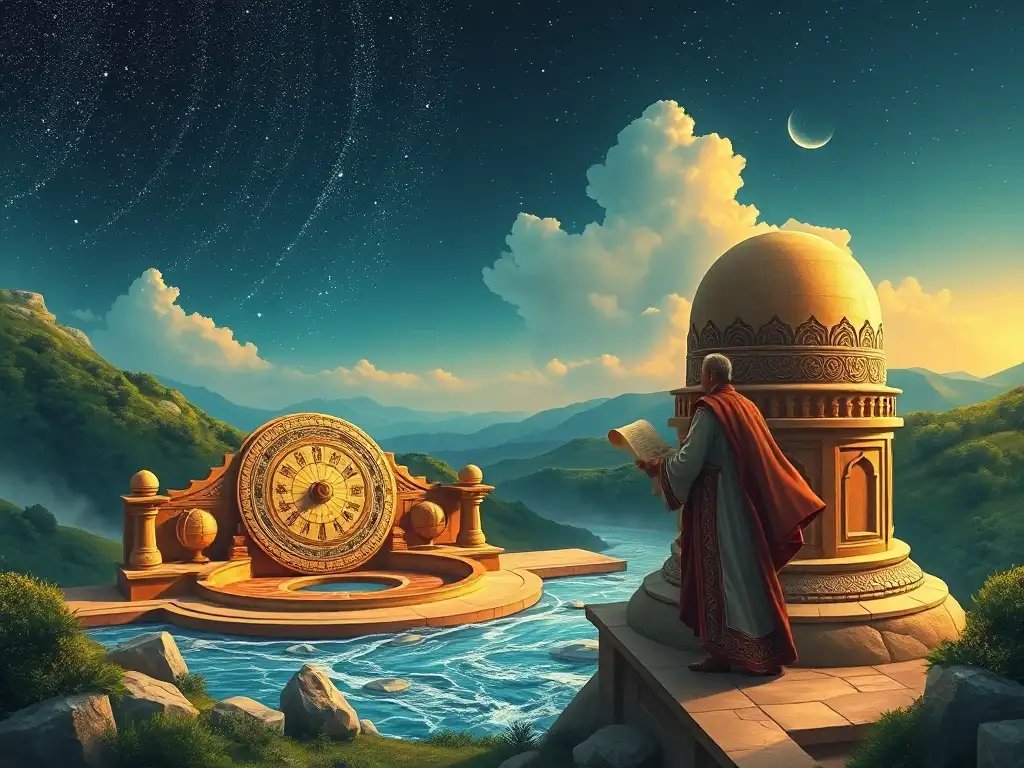
In ancient Indian astronomy, stars were not merely celestial bodies but held profound significance in cosmology and daily life. The ancient texts often reflect the belief that stars were manifestations of divine will and played a crucial role in shaping the universe. The Vedas, particularly the Rigveda, contain references to various stars and their celestial movements, indicating a sophisticated understanding of astronomy that influenced both religious and agricultural practices.
Stars were associated with the concept of Dharma, representing the moral and cosmic order. Their positions in the sky were believed to influence human destiny, guiding rituals and decisions. The daily and seasonal cycles dictated by celestial movements were crucial for agricultural societies, ensuring timely planting and harvesting. This relationship between stars and earthly life underscores the integral role of the ancient Indian astronomy system in fostering a harmonious existence with nature.
The Role of Nakshatras in Timekeeping
The Nakshatras (lunar mansions) represent a significant aspect of the ancient Indian astronomy system. There are 27 Nakshatras, each corresponding to a segment of the lunar calendar, which were crucial for timekeeping and astrological predictions. Each Nakshatra is associated with specific deities, qualities, and characteristics, making them vital for determining auspicious times for various activities, from rituals to marriages.
The Nakshatras serve as a framework for understanding the passage of time, dividing the lunar month into smaller segments. This division allowed astronomers and astrologers to create calendars that were not only precise but also culturally relevant. The influence of Nakshatras extended beyond timekeeping; they were also pivotal in agricultural cycles, helping farmers align their activities with cosmic patterns.
- Key Nakshatras and Their Cultural Significance:
- Ashwini: Represents new beginnings and is linked to healing.
- Rohini: Associated with fertility and prosperity, often used for planting.
- Revati: Signifies completion and is linked to travel and movement.
Constellations and Their Cultural Importance
Constellations in ancient Indian astronomy were deeply woven into the cultural narrative of society. Unlike the Western tradition, which often focuses on shapes formed by stars, ancient Indian astronomy viewed constellations as symbolic representations of deities, mythological events, and life lessons. The ancient texts, including the Surya Siddhanta and Aryabhata, provide insights into how these constellations were categorized and utilized.
Ancient Indian astronomers recognized several prominent constellations, including the Big Dipper (Saptarishi) and Orion (Mriga). Each constellation was imbued with cultural stories and served practical purposes in navigation and agriculture. For example, the appearance of certain constellations in the night sky signaled the changing of seasons and dictated the timing for festivals and agricultural activities.
The cultural importance of constellations extends to art, literature, and folklore. Many traditional stories and dances are based on the positions and movements of these celestial formations, highlighting the deep connection between the heavens and human experience.
- Cultural Significance of Notable Constellations:
- Saptarishi: Represents the seven great sages, crucial for various religious texts.
- Mriga (Orion): Associated with hunting and the seasonal rhythms of nature.
The intricate relationship between stars, Nakshatras, and constellations within the ancient Indian astronomy system underscores the civilization's rich understanding of the cosmos and its influence on cultural practices, timekeeping, and moral philosophy.
Planets in the Ancient Indian Astronomy System
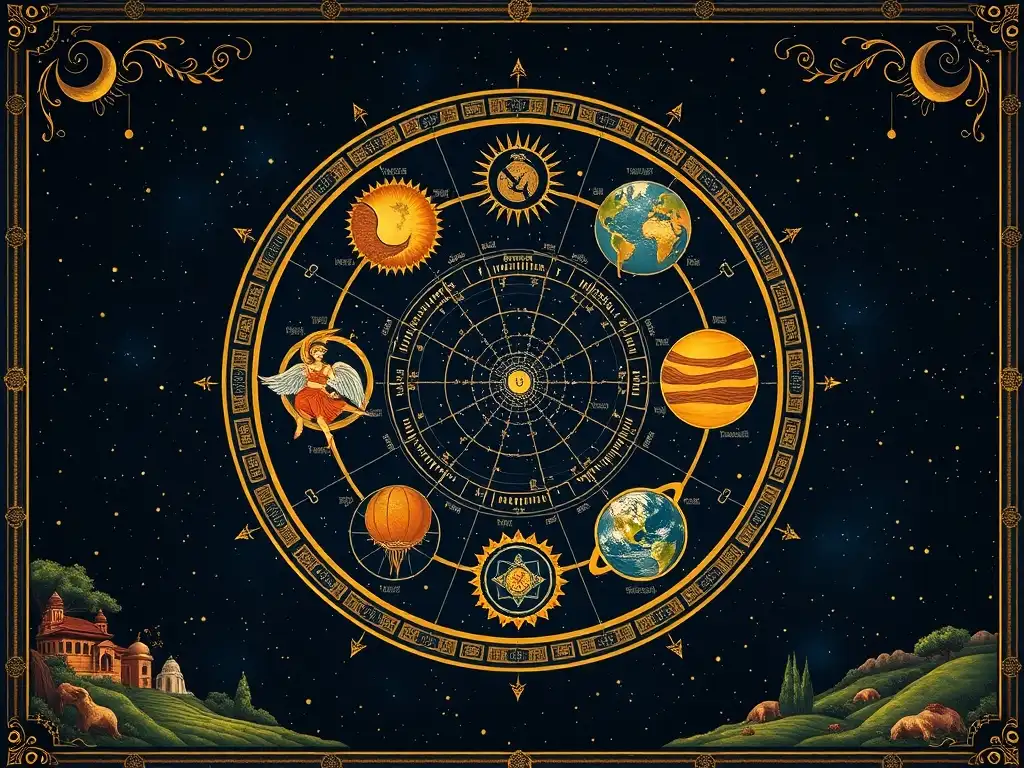
Ancient Indian astronomy is deeply rooted in the cultural and scientific frameworks of the civilizations that flourished across the subcontinent. The ancient Indian astronomy system recognized several celestial bodies, primarily focusing on the seven classical planets that held significant astrological and societal implications.
The Seven Classical Planets in Ancient Indian Texts
The core of the ancient Indian astronomy system revolves around the seven classical planets identified in various texts, including the Surya Siddhanta and Aryabhatiya. These planets were:
- Sun (Surya): The sun was not only a celestial body but also a deity in ancient Indian culture, symbolizing light, knowledge, and power.
- Moon (Chandra): Representing emotions and intuition, the moon played a crucial role in various calendars and rituals.
- Mars (Mangala): Associated with energy and aggression, Mars influenced warfare and agricultural cycles.
- Mercury (Budha): Symbolizing intellect and communication, Mercury was believed to influence trade and diplomatic relations.
- Jupiter (Brihaspati): Known as the teacher of the gods, Jupiter represented wisdom, spirituality, and expansion.
- Venus (Shukra): Venus was associated with love, beauty, and material wealth, impacting relationships and artistic endeavors.
- Saturn (Shani): Often viewed with caution, Saturn represented discipline, structure, and time, and was believed to influence the karma of individuals.
These planets were observed for their movements across the sky, and their positions were meticulously recorded by astronomers of the time.
Planetary Movements and Their Influence on Society
The study of planetary movements was not merely a scientific endeavor; it had profound implications for various aspects of ancient Indian society. The ancient Indian astronomy system incorporated complex calculations to predict the positions of these celestial bodies, which were integral to agriculture, festivals, and religious observances.
- Agriculture: Seasons and agricultural practices were closely tied to the movements of the sun and moon. Farmers would consult astronomical predictions to determine the best times for sowing and harvesting crops.
- Religious Festivals: Many festivals were aligned with lunar cycles, with the full moon and new moon marking significant events in the Hindu calendar.
- Navigation and Timekeeping: Astronomical observations aided in navigation and the measurement of time. The concept of a day was divided into several units based on the positions of celestial bodies.
The societal reliance on these astronomical calculations illustrates the integral role that ancient Indian astronomy played in daily life.
Astrological Implications of Planetary Positions
In addition to their astronomical significance, the positions of planets were believed to have astrological implications, influencing human behavior, relationships, and destinies. The ancient Indian astronomy system encompassed a rich tradition of astrology, or Jyotisha, which served as a guide for individuals seeking to understand their fate.
- Horoscopes: Birth charts were created based on the precise positions of the planets at the time of an individual's birth, determining their characteristics and life path.
- Muhurta: The selection of auspicious times for important events, such as weddings or business ventures, was based on the alignment of planets, aiming to ensure success and prosperity.
- Planetary Dasha: Systems like the Dasha system divided a person’s life into periods ruled by specific planets, each bringing different influences and challenges.
The intricate relationship between planetary positions and human life reflects the deep-seated belief in the interconnectedness of the cosmos and terrestrial existence, a hallmark of the ancient Indian astronomy system.
This exploration of the planets within the ancient Indian astronomy system highlights the sophistication of astronomical knowledge and its profound impact on the civilization's culture, practices, and beliefs. The legacy of these insights continues to resonate in contemporary practices, illustrating the enduring nature of ancient wisdom.
The Concept of Time in Ancient Indian Astronomy
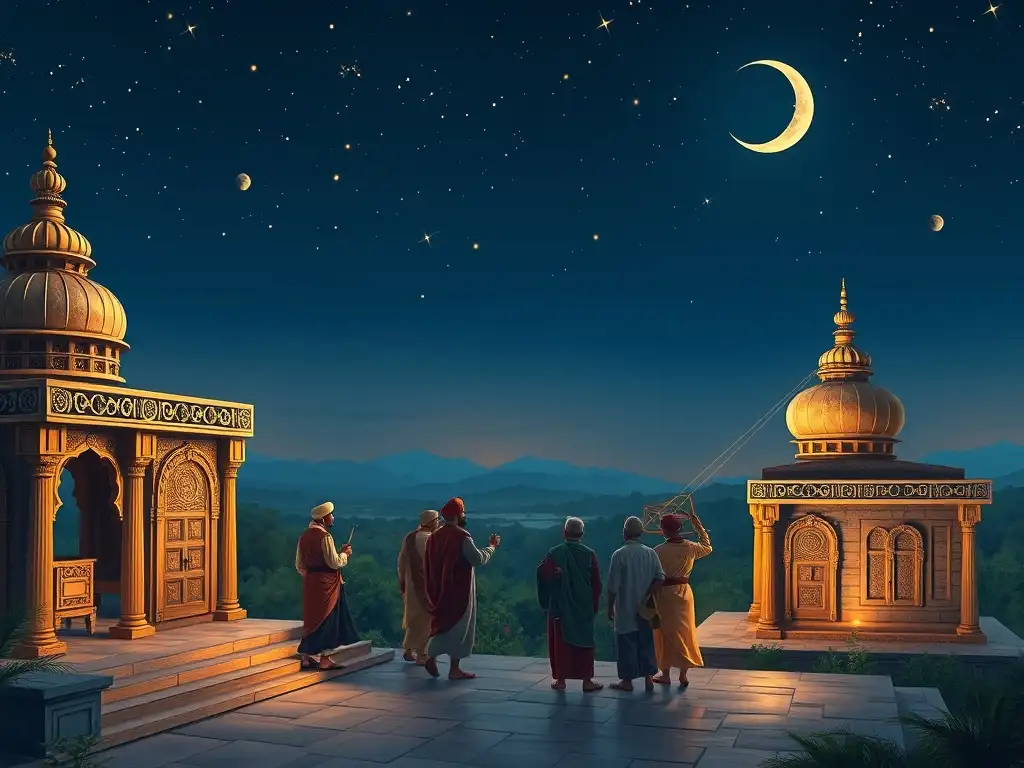
Ancient Indian astronomy was deeply intertwined with the concept of time, reflecting a sophisticated understanding of celestial phenomena. Time was not merely a sequential measure; it was regarded as a cycle, influenced by the movements of celestial bodies. This perspective formed the bedrock of various astronomical practices and calendars in ancient Indian civilizations.
Time Measurement Methods in Ancient India
Ancient Indians devised multiple methods to measure time, utilizing both natural phenomena and mechanical devices. Some key methods included:
- Solar Observations: The movement of the sun across the sky allowed for the creation of sundials. By observing the shadow cast by a gnomon, ancients could determine the time of day.
- Lunar Cycles: The phases of the moon were crucial for timekeeping. The lunar month, consisting of roughly 29.5 days, was a foundational unit for calendars.
- Water Clocks (Jalankan): These were used to measure time intervals by the steady flow of water. The invention of water clocks demonstrated a remarkable understanding of hydraulic principles.
These methods not only helped in daily timekeeping but also played a vital role in agricultural planning and religious observances.
The Relationship Between Time, Stars, and Planets
The connection between time, stars, and planets was central to the ancient Indian astronomy system. The astronomical texts, such as the "Surya Siddhanta," detailed the movements of celestial bodies and their influence on timekeeping. Key relationships included:
- Sidereal and Solar Time: Ancient astronomers distinguished between sidereal time, based on the position of stars, and solar time, based on the sun's position. This duality emphasized the importance of both celestial movements.
- Planetary Movements: The apparent motion of planets across the sky was meticulously recorded. Each planet's position relative to the stars was used to understand astrological influences and to create calendars.
- Tithi and Nakshatra: The lunar day (Tithi) and the lunar mansion (Nakshatra) were vital in defining time segments within the lunar calendar, further integrating celestial observations with time measurement.
This intricate relationship allowed ancient Indian scholars to develop predictions about astronomical events and establish calendars that reflected the cyclical nature of time.
Calendrical Systems and Their Relevance
Ancient Indian civilizations employed various calendrical systems that were essential for societal organization. These systems facilitated agricultural activities, religious festivals, and governance. Some notable aspects included:
- Lunar Calendar: The most widely used calendar was based on lunar cycles, where months were defined by the phases of the moon. This calendar was essential for determining religious observances and agricultural cycles.
- Solar Calendar: In contrast, the solar calendar was used for agricultural purposes, aligning with the harvest cycles. The solar year was divided into two main seasons, with specific festivals marking key agricultural periods.
- Intercalation: To reconcile lunar months with the solar year, intercalation methods were employed. This ensured that the festivals and agricultural activities remained aligned with the seasons.
The calendrical systems of ancient India not only reflect astronomical knowledge but also highlight the civilization's ability to harmonize their understanding of the cosmos with practical life. These systems laid the groundwork for future astronomical studies and continue to influence cultural practices today.
Integration of Stars, Planets, and Time
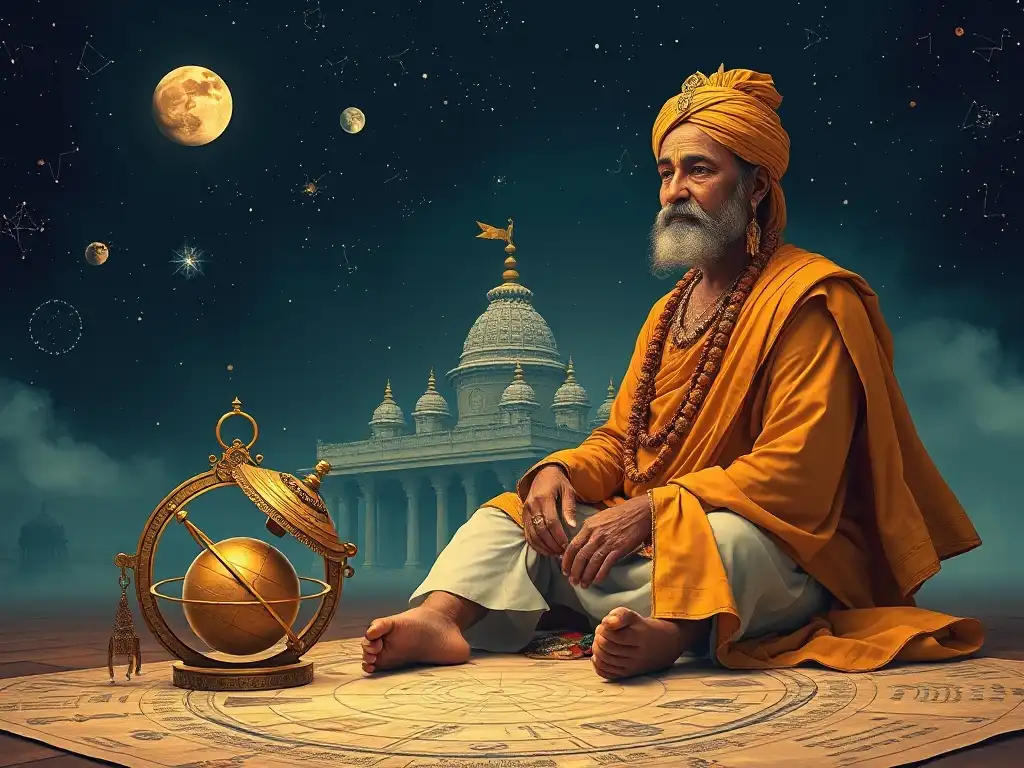
The ancient Indian astronomy system is characterized by its intricate integration of celestial bodies and temporal measurements, forming a cohesive framework that informed various aspects of life. This triadic system, which encompasses stars, planets, and time, reflects the sophisticated understanding that ancient astronomers possessed regarding the cosmos and its influence on terrestrial matters. The interplay between these elements not only facilitated agricultural practices but also guided religious rituals and societal organization.
The ancient Indian astronomers categorized celestial phenomena in relation to three main components: stars, planets, and time. This approach enabled them to construct calendars, predict seasonal changes, and understand cosmic cycles. The significance of this triadic integration is evident in texts such as the Surya Siddhanta, which details astronomical calculations based on the positions of celestial bodies.
The Triadic System: A Holistic Approach to Astronomy
The triadic system of ancient Indian astronomy can be understood through three interconnected pillars:
- Stars:
- Stars served as fixed points in the sky, providing a reference for navigation and timekeeping.
- The Nakshatras, or lunar mansions, were a central feature of this system, dividing the sky into 27 segments that corresponded to specific stars. Each Nakshatra held astrological significance and influenced cultural practices.
- Planets:
- The five classical planets— Mercury, Venus, Mars, Jupiter, and Saturn—were observed for their movement and position relative to the stars.
- Ancient texts describe planetary cycles, which were crucial for astrological predictions and agricultural planning. For instance, the Jyotisha Shastra elaborates on planetary alignments and their impact on earthly events.
- Time:
- Time was perceived through the lens of cosmic cycles, linking celestial movements to earthly timekeeping.
- The ancient Indian calendar was based on lunar and solar cycles, with months and years calculated through the observation of star positions and planetary motions. This system allowed for precise agricultural scheduling and religious observances.
The harmony of stars, planets, and time in ancient Indian astronomy exemplifies a holistic understanding of the universe, where each element influences the others. The interplay of these components not only shaped astronomical knowledge but also reflected the philosophical and spiritual beliefs of the time.
Case Studies: Applications of the Triadic System in Ancient Indian Society
The triadic system of ancient Indian astronomy found practical applications across various facets of society, as illustrated in the following case studies:
- Agricultural Planning:
- Farmers relied heavily on celestial observations to determine the optimal times for planting and harvesting. The alignment of certain stars with seasonal changes signaled the arrival of monsoons, guiding agricultural activities.
- For example, the visibility of the Pleiades constellation (known as Krittika in Sanskrit) marked the beginning of the sowing season.
- Religious Festivals:
- Many religious festivals in ancient India were timed according to astrological calculations that emerged from the triadic system.
- Festivals like Makar Sankranti and Diwali were aligned with specific lunar phases and planetary positions, ensuring that they coincided with auspicious celestial events.
- Architectural Alignments:
- Temples and other significant structures were often aligned with celestial bodies, reflecting the importance of astronomy in ancient Indian architecture.
- For instance, many temples were designed to align with the rising sun during equinoxes, demonstrating the integration of astronomy within cultural and religious practices.
The ancient Indian astronomy system, through its triadic approach, not only advanced astronomical knowledge but also played a vital role in shaping societal practices, beliefs, and cultural traditions. Understanding this integration offers valuable insights into the depth of ancient Indian civilization and its profound connection to the cosmos.
Contributions of Ancient Indian Astronomy to Global Knowledge
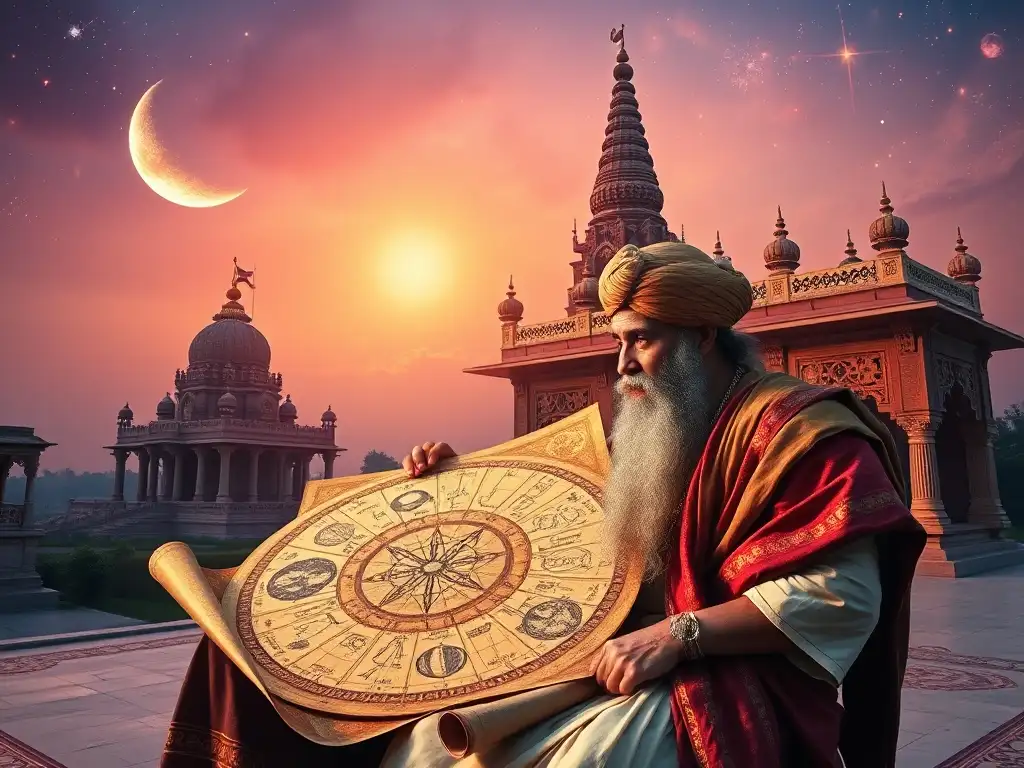
Ancient Indian astronomy is renowned for its profound contributions to the understanding of the cosmos. The Ancient Indian astronomy system combined observational prowess with mathematical sophistication, laying the groundwork for significant advancements in the field. Indian astronomers meticulously documented celestial phenomena, creating foundational texts that would influence subsequent civilizations.
Influence on Later Astronomical Developments
The works of ancient Indian astronomers, particularly texts like the Surya Siddhanta and the Aryabhatiya, not only advanced local understanding but also significantly influenced astronomical thought in other cultures.
- The Surya Siddhanta: This 5th-century text, attributed to Aryabhata, introduced concepts that were later adopted in medieval Islamic astronomy. It provided a systematic approach to calculating planetary positions, eclipses, and the lengths of the year, establishing principles that would resonate through the ages.
- Aryabhata's Innovations: Aryabhata's introduction of the concept of zero and the decimal system was instrumental for astronomical calculations. His method of calculating the circumference of the Earth, which he estimated at 39,968 km, was remarkably accurate and demonstrated a sophisticated understanding of the Earth's size.
- Influence on Islamic Astronomy: The transmission of Indian astronomical texts to the Islamic world in the medieval period is notable. Scholars such as Al-Battani and Al-Khwarizmi built upon these texts, integrating Indian mathematical methods and astronomical observations into their own works. This cross-pollination of ideas led to the refinement of astronomical models, influencing the development of the Islamic Golden Age.
Cross-Cultural Exchanges in Astronomical Knowledge
Ancient Indian astronomy did not develop in isolation; it was part of a broader tapestry of cross-cultural exchanges that enriched astronomical knowledge across civilizations.
- Trade and Cultural Interactions: The trade routes connecting India with the Middle East and Central Asia facilitated the exchange of ideas. Merchants, scholars, and travelers carried astronomical knowledge, sharing Indian innovations with other cultures. For example, the astrolabe, a critical instrument for navigation and astronomy, saw enhancements from Indian mathematical concepts.
- Translation Movements: During the 8th to the 12th centuries, significant translation movements took place, particularly in the Abbasid Caliphate. Indian texts were translated into Arabic, allowing scholars to disseminate this knowledge widely. This period saw the emergence of the Almagest, which integrated Indian astronomical concepts with Greek and Roman ideas.
- Mutual Influence with Chinese Astronomy: Simultaneously, ancient Indian astronomy influenced Chinese astronomy through Buddhist monks and traders. The adoption of Indian methods for calculating eclipses and the use of Indian zodiacal signs in Chinese calendars illustrate this dynamic exchange.
The contributions of ancient Indian astronomy to global knowledge were multifaceted, influencing later astronomical developments and fostering cross-cultural exchanges. The legacy of the ancient Indian astronomy system continues to be felt today, as it laid the groundwork for modern astronomical understanding.
Conclusion: The Legacy of Ancient Indian Astronomy System
Reflection on the Importance of Stars, Planets, and Time
The Ancient Indian astronomy system was deeply intertwined with the cultural, spiritual, and scientific fabric of Indian civilization. The observation of stars and planets was not merely an academic pursuit; it held significant implications for agricultural cycles, religious festivals, and navigation. Ancient Indian astronomers meticulously tracked celestial movements, leading to the development of sophisticated calendars that governed everyday life.
- Calendrical Systems
- The lunar calendar was a cornerstone of ancient Indian society, influencing various aspects such as:
- Agriculture: Planting and harvesting were often aligned with lunar phases.
- Festivals: Many religious events were scheduled according to specific lunar dates.
- The solar calendar complemented the lunar system, marking the seasonal changes critical for agriculture.
- The lunar calendar was a cornerstone of ancient Indian society, influencing various aspects such as:
- Cultural Significance
- Stars and planets were frequently associated with deities and mythological stories, enriching the cultural tapestry of the time.
- Observations of celestial phenomena inspired poetry, art, and philosophical thought, highlighting the integration of science with spirituality.
The Enduring Impact of Ancient Indian Astronomy on Modern Science
The methodologies and findings of the ancient Indian astronomy system have profoundly influenced contemporary scientific thought. The precision of their astronomical calculations laid the groundwork for future developments in astronomy and mathematics, establishing a legacy that resonates even today.
-
Mathematical Innovations
The contributions of ancient Indian scholars, such as Aryabhata and Brahmagupta, introduced concepts like:
- Zero and the decimal system, which revolutionized mathematics globally.
- Trigonometric functions, enabling advancements in both astronomy and navigation.
-
Celestial Mechanics
The ancient texts, such as the Surya Siddhanta, provided insights into the movements of celestial bodies, influencing later astronomers in both the East and West. Their understanding of planetary orbits and eclipses remains foundational in modern astronomy.
-
Philosophical Perspectives
The approach of ancient Indian astronomers to harmonize observation with philosophical inquiry continues to inspire current scientific paradigms, emphasizing the interconnectedness of science, philosophy, and culture.
The ancient Indian astronomy system was not merely a collection of observations but a complex framework that intertwined various aspects of life. Its legacy persists in modern science, reminding us of the profound insights that can be gained from the stars, planets, and the passage of time.
Frequently Asked Questions
What was the Triadic System of Ancient Indian Astronomy?
The Triadic System refers to the threefold approach used by ancient Indian astronomers to understand celestial bodies, time, and their interrelation in various cosmic phenomena.
How did ancient Indian astronomers measure time?
Ancient Indian astronomers utilized various instruments and methods, including shadow clocks and water clocks, to accurately measure time based on the positions of stars and planets.
What contributions did ancient Indian astronomers make to modern astronomy?
They developed sophisticated techniques and mathematical concepts, such as the concept of zero and trigonometry, which laid the foundation for many modern astronomical calculations.
How did the Indus Valley Civilization influence astronomy?
The Indus Valley Civilization had a keen interest in astronomy, as evidenced by their town planning aligned with celestial events and structures that suggest an understanding of seasonal changes.
What role did the Gupta Empire play in advancing ancient Indian astronomy?
The Gupta Empire was a golden age for science, where scholars like Aryabhata made significant advancements in astronomy, including the calculation of planetary motion and the concept of eclipses.
Final Reflection: The Timeless Legacy of Ancient Indian Astronomy
The intricate relationship between stars, planets, and time in the ancient Indian astronomy system continues to resonate in our modern understanding of the cosmos. As we delve into the celestial mechanics that guided ancient scholars, we uncover not just a scientific framework, but a profound philosophical approach to the universe. This ancient wisdom reminds us that our quest for knowledge is timeless, echoing through the ages as we strive to comprehend the vastness of the universe.
Cultural and social landscapes have been shaped significantly by the insights offered by the ancient Indian astronomy system. The meticulous observations and calculations made by astronomers like Aryabhata and Brahmagupta laid the groundwork for future generations, influencing not only science but also art, literature, and spirituality. Their work serves as a testament to the interconnectedness of knowledge across disciplines. Astronomy compels the soul to look upwards and leads us from this world to another.
– Plato. This quote encapsulates the enduring impact of astronomy on human thought and culture, urging us to seek deeper meanings in the cosmos.
As we reflect on the lessons of ancient Indian astronomy, let us invite ourselves to engage with the universe in a more profound way. Consider how the principles of observation, inquiry, and reverence for the cosmos can enrich your life today. Whether through stargazing, studying the sciences, or simply contemplating our place in the universe, we all have the opportunity to connect with the legacy of those ancient astronomers. Embrace this journey of exploration and let it inspire you to seek knowledge and understanding in all aspects of life.
Uncover the Cosmos: Take Action Today!
Thank you for diving into the fascinating world of ancient Indian astronomy with us! Your interest in understanding the intricate connections between stars, planets, and time enriches not only your own knowledge but also our collective appreciation for the wisdom of past civilizations. Now, let's turn that curiosity into action!
Here are some ways you can further explore this captivating subject:
- Delve deeper into the works of ancient astronomers by visiting your local library or online archives— you might discover rare and valuable insights!
- Join a community of astronomy enthusiasts or attend events and lectures to connect with others who share your interests in celestial wonders.
- Share your newfound insights on social media or engage in discussions to inspire others— who knows? You might just spark someone else's passion for the cosmos!
What aspect of ancient astronomy intrigues you the most, and how do you plan to explore it further?