
The Rigveda: Hymns That Shaped the Spiritual Landscape of Ancient India


Welcome to Ancient India History, where we invite you to embark on a captivating journey through time, exploring the rich tapestry of ancient Indian civilizations. From the sophisticated urban planning of the Indus Valley to the profound philosophies of the Gupta Empire, discover the myriad contributions that have shaped our world.
In our featured article, we delve into the spiritual significance of the Rigveda, uncovering the hymns that not only influenced the spiritual landscape of ancient India but continue to resonate with seekers of wisdom today. Prepare to be intrigued as you uncover the layers of history that define our cultural heritage—your adventure through time begins here!
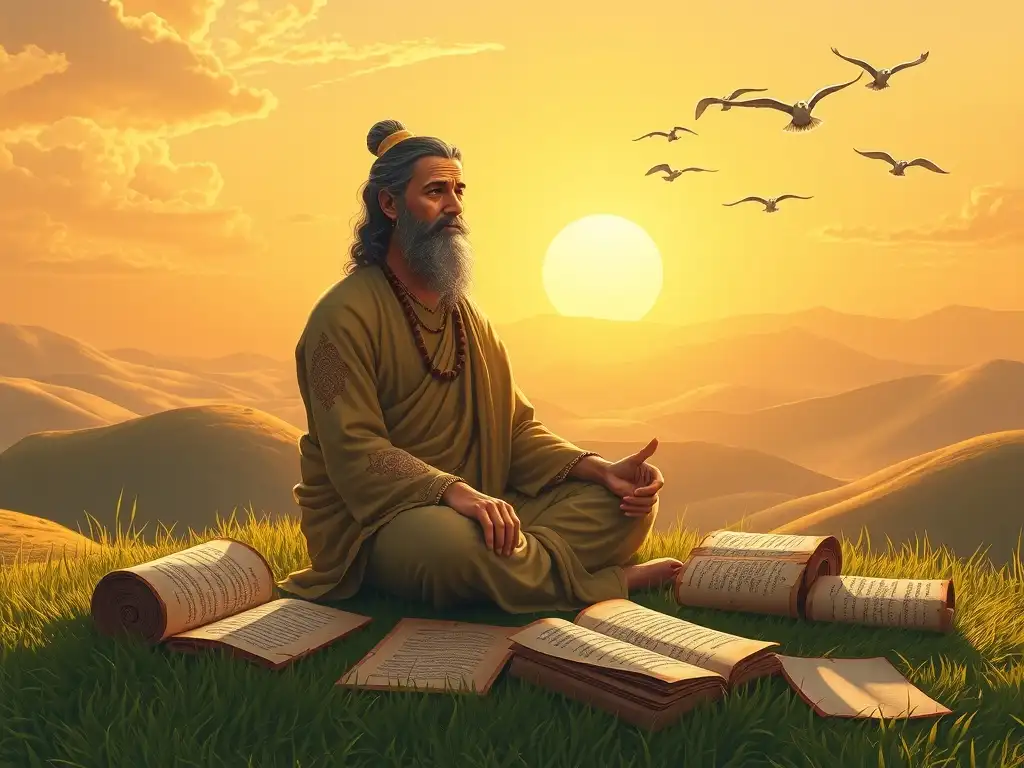
Introduction to the Rigveda
The Rigveda, one of the oldest sacred texts in the world, serves as a cornerstone of ancient Indian spirituality and culture. Composed in Sanskrit, this collection of hymns, prayers, and philosophical musings has profoundly influenced not only the religious practices of Hinduism but also the broader cultural and intellectual fabric of India.
The Rigveda's spiritual significance lies in its exploration of the relationship between humanity and the divine, offering insights into the beliefs, rituals, and societal norms of ancient Indian civilizations. As we delve into the Rigveda, we uncover a text that is rich in history, spirituality, and literary merit, reflecting a time when the cosmos was understood through the lens of divine forces and natural phenomena.
Overview of the Rigveda
The Rigveda consists of 1,028 hymns (sūktas) divided into ten books (maṇḍalas). Each hymn is dedicated to various deities, celebrating their powers and attributes while invoking their blessings. The text is not merely a religious scripture; it also serves as an anthropological record, revealing the thoughts, aspirations, and existential queries of early Indo-Aryans. The Rigveda addresses themes such as creation, nature, and the human condition, creating a rich tapestry of spiritual knowledge that has endured through millennia.
Importance in Ancient Indian Literature
The Rigveda holds a position of unparalleled importance in ancient Indian literature. Often regarded as the foundation of Vedic literature, it has paved the way for later texts, including the Upanishads and the Brahmanas. The hymns are not only poetic masterpieces but also encapsulate philosophical ideas that have influenced various schools of thought in Hindu philosophy, such as Vedanta and Samkhya. The linguistic richness and depth of the Rigveda continue to be studied by scholars, highlighting its enduring legacy in the realm of literature and philosophy.
Context of Composition and Historical Significance
The Rigveda was composed around 1500 BCE during a period of significant social and cultural transformation in the Indian subcontinent. This era saw the migration of Indo-Aryans into the region, which led to the synthesis of various cultural elements. The Rigveda reflects the socio-political dynamics of its time, including the transition from a nomadic lifestyle to settled agricultural communities. Understanding the historical context of the Rigveda is crucial for appreciating its spiritual significance and the development of early Hindu practices.
Spiritual Significance of the Rigveda
The spiritual significance of the Rigveda is profound, as it lays the groundwork for many concepts that permeate Hindu philosophy and religious practice. The hymns offer insights into the nature of divinity, the cosmos, and humanity's place within it, forming a spiritual framework that continues to resonate with followers today.
Core Themes and Concepts in Rigveda Hymns
At the heart of the Rigveda lies a rich array of themes and concepts, including creation, sacrifice (yajna), and the quest for truth (satya). The hymns delve into the mysteries of existence, often posing questions about the origins of the universe and the nature of reality. The Rigveda's exploration of the cosmic order (ṛta) emphasizes the interconnectedness of all beings and the importance of maintaining harmony within the universe.
The Role of Deities in the Rigveda
The Rigveda is populated by a pantheon of deities, each representing different aspects of nature and human experience. Prominent deities such as Agni (the fire god), Indra (the king of gods), and Soma (the divine drink) are celebrated through various hymns, illustrating their significance in both spiritual and daily life. These deities serve as intermediaries between the divine and the mundane, and their worship reflects the ancient Indian reverence for nature and the forces that govern it.
Spiritual Practices and Rituals Derived from Rigveda Teachings
The teachings of the Rigveda have inspired a variety of spiritual practices and rituals that continue to be integral to Hindu worship. Sacrificial rituals (yajnas), chanting of hymns, and meditation are some practices rooted in the Rigvedic traditions. These rituals not only seek to appease the gods but also aim to foster a deeper connection between practitioners and the divine, reinforcing the idea that spirituality is an active and communal pursuit.
The spiritual significance of the Rigveda continues to be explored and celebrated, forming a vital part of the rich tapestry of ancient Indian religions and their lasting impact on contemporary spirituality.
The Structure of the Rigveda
The Rigveda is not only one of the oldest texts in human history but also a foundational scripture of Hinduism. It consists of 1,028 hymns (suktas) that are organized into ten books, known as Mandalas. Each Mandala varies in its content, themes, and stylistic approach, reflecting the diversity of ancient Indian thought and spirituality. The hymns are primarily dedicated to various deities, representing natural and cosmic forces, and they serve multiple functions, from ritualistic to philosophical.
The structure of the Rigveda is intricate, with each hymn composed of verses (richas) that follow specific metrical patterns. This careful arrangement enhances the oral tradition of recitation, allowing for easier memorization and transmission. The use of alliteration, assonance, and rhythmic devices underscores the aesthetic qualities of the text, making it a rich tapestry of sound and meaning that goes beyond mere textual content.
Breakdown of the Four Mandalas
The ten Mandalas of the Rigveda can be broadly categorized, but the first four are particularly significant in understanding its spiritual significance.
- Mandalas 1-4:
- Mandalas 1 and 2: These contain some of the oldest hymns and focus heavily on praising deities like Agni (the fire god) and Indra (the king of gods). The hymns often express a deep reverence for natural forces and the cosmos.
- Mandalas 3 and 4: They delve deeper into philosophical inquiries, exploring themes of creation and the relationship between humans and the divine. Hymns in these Mandalas highlight the importance of meditation and contemplation in understanding the spiritual essence of existence.
- Mandalas 5-10: The subsequent Mandalas continue to develop the philosophical and ritualistic aspects of Vedic thought, with later Mandalas introducing more complex theological concepts and a wider range of deities.
Key Hymns and Their Spiritual Messages
Among the hymns of the Rigveda, several key passages stand out due to their profound spiritual messages. Notably, the Nasadiya Sukta (10.129) contemplates the origins of the universe, questioning the nature of creation and the existence of a singular divine entity. Its philosophical depth has influenced later metaphysical discourses.
Another significant hymn is the Purusha Sukta (10.90), which describes the cosmic sacrifice of the primordial being, Purusha, from whom all creation emanates. This hymn introduces the idea of interconnectedness among all beings and highlights the role of sacrifice in the cosmic order, a theme that permeates later Hindu philosophy.
The Gayatri Mantra (3.62.10) is also central to the Rigveda, representing a call for enlightenment and wisdom. Its spiritual significance transcends its textual context, becoming a core element of Hindu prayer and meditation practices.
Language and Poetic Structure
The Rigveda is composed in Vedic Sanskrit, an ancient form of the language that is both rich and complex. The poetic structure of the hymns is characterized by various meters, such as the Trishtubh and Gayatri, which contribute to their musicality. The interplay of sound and meaning is crucial in Vedic literature, as it emphasizes the sacredness of the text.
The use of metaphors, similes, and vivid imagery in the hymns serves to convey abstract spiritual concepts in a more relatable manner. For instance, the comparison of deities to natural phenomena evokes a sense of awe and reverence for the universe, reinforcing the spiritual significance of the Rigveda in shaping the worldview of ancient Indians.
Historical Impact of the Rigveda on Hinduism

The Rigveda's influence on Hinduism is profound and far-reaching. As one of the earliest texts, it laid the groundwork for many subsequent religious and philosophical developments within the tradition. Its hymns encapsulate the spiritual ethos of ancient India, framing the relationship between humans and the divine.
Influence on Later Hindu Texts and Philosophies
The philosophical ideas presented in the Rigveda directly influenced later texts such as the Upanishads and the Brahmanas, which further explore the nature of reality, the self, and the ultimate purpose of existence. Concepts like Brahman (the ultimate reality) and Atman (the individual soul) find their roots in the hymns of the Rigveda, shaping the discourse of Hindu philosophy for centuries.
Moreover, the narrative structures and mythological themes established in the Rigveda provided a foundation for the epics, Puranas, and other canonical texts that followed. The ongoing dialogue between these texts illustrates the dynamic evolution of Hindu thought and practice.
The Rigveda's Role in Shaping Early Hindu Rituals
Rituals form a crucial aspect of Vedic religion, with the Rigveda serving as a primary source for these practices. The hymns provide guidelines for conducting sacrifices (yajnas) and invoke deities for blessings, prosperity, and protection. This emphasis on ritualistic worship reflects the spiritual significance of the Rigveda in ancient Indian life, as it connects devotees with the divine through tangible actions.
As rituals developed, the principles established in the Rigveda continued to influence the structure and meaning of Hindu worship, leading to a rich tapestry of practices that endure to this day.
Connection to Other Scriptures: Upanishads and Brahmanas
The Rigveda's connection to the Upanishads and Brahmanas is pivotal in understanding the progression of spiritual thought in Hinduism. The Brahmanas, which are prose texts that explain the rituals found in the Vedas, draw heavily from the hymns of the Rigveda, interpreting their meanings and emphasizing their practical applications in ritual contexts.
The Upanishads, on the other hand, mark a shift from ritualistic practices to philosophical inquiry. They build upon the concepts introduced in the Rigveda, delving into the nature of reality, consciousness, and the relationship between the individual soul and the universal spirit. This transition highlights the dynamic interplay between the hymns of the Rigveda and the evolving spiritual landscape of ancient India.
Rigveda and Its Relevance Today
The Rigveda, one of the oldest religious texts in the world, continues to hold profound relevance in contemporary society. Composed around 1500 BCE, this ancient scripture is not only a cornerstone of Hindu philosophy but also serves as a vital link to the spiritual and cultural heritage of India. Its hymns encapsulate a range of themes, such as cosmology, ethics, and the nature of existence, which resonate with modern audiences seeking spiritual guidance. The philosophical inquiries posed in the Rigveda encourage a deeper understanding of oneself and the universe, making it a timeless source of wisdom.
In today's diverse religious landscape, the Rigveda's teachings are often revisited and reinterpreted. Scholars and spiritual seekers alike explore its verses to find relevance in their personal lives and contemporary issues. The hymns emphasize universal values such as truth, righteousness, and harmony with nature, promoting a holistic approach to spirituality that transcends cultural boundaries. This adaptability ensures that the Rigveda remains a living text, continually inspiring new generations.
Contemporary Interpretations of Rigveda Hymns
Modern interpretations of the Rigveda often focus on its philosophical and ethical dimensions, exploring how its hymns can inform contemporary life. Scholars have delved into the metaphysical concepts present in the text, such as the nature of the divine, the interconnectedness of all beings, and the pursuit of knowledge. These interpretations highlight the Rigveda's relevance in addressing modern existential questions and dilemmas.
Furthermore, contemporary spiritual leaders and practitioners draw upon Rigvedic hymns to enhance their meditative practices and rituals. By reciting these ancient verses, they seek to invoke the energies and blessings described within them. This revival of interest in the Rigveda fosters a deeper appreciation for its literary and spiritual richness, encouraging individuals to engage with their heritage and explore the profound meanings embedded in the text.
The Spiritual Legacy of Rigveda in Modern Hinduism
The spiritual legacy of the Rigveda is deeply intertwined with the development of Hinduism. As the foundation of Vedic literature, the Rigveda has profoundly influenced the philosophical and ritualistic traditions that characterize modern Hindu practices. Its hymns are often recited during important rituals and ceremonies, reinforcing the connection between the past and present.
In addition, the Rigveda's emphasis on the relationship between humans and the cosmos has informed contemporary Hindu thought. The notions of dharma (duty), karma (action), and moksha (liberation) can trace their roots back to the ideas articulated in the Rigveda. These concepts remain central to the spiritual lives of millions of Hindus today, illustrating how the Rigveda continues to shape the ethical and philosophical framework of the religion.
Influence on Indian Culture and Art
The Rigveda's impact extends beyond spirituality; it has significantly influenced Indian culture and art throughout the centuries. Literary traditions in Sanskrit and regional languages have drawn inspiration from its verses, leading to a wealth of poetry and prose that reflect its themes and motifs. This literary legacy has enriched Indian literature, making the Rigveda a crucial reference point for writers and poets.
Furthermore, the visual arts have also been shaped by the imagery and symbolism found in the Rigveda. Artists often depict scenes from its hymns in sculptures, paintings, and textiles, bringing to life its rich narratives and divine figures. This artistic expression not only serves as a means of cultural preservation but also allows for the continued exploration of the spiritual themes embedded in the text, fostering a sense of continuity and reverence for ancient traditions.
Conclusion
Summary of the Spiritual Significance of Rigveda
The spiritual significance of the Rigveda lies in its profound exploration of existence, divinity, and the human experience. As a foundational text of Hinduism, it offers insights into the nature of reality and the relationship between the individual and the cosmos. Its hymns encapsulate timeless ethical and philosophical principles that continue to guide spiritual seekers in their quest for understanding and enlightenment.
The Enduring Legacy of the Rigveda in Indian Civilization
The enduring legacy of the Rigveda is evident in the continued reverence it receives within Indian civilization. Its teachings have permeated various aspects of life, from ritual practices to philosophical discourses. The Rigveda not only serves as a historical document but also as a living scripture that inspires spiritual growth and cultural expression. Its hymns contribute to the rich tapestry of Indian civilization, resonating across time and influencing generations.
Final Thoughts on the Importance of Ancient Scriptures in Understanding Hinduism
Ancient scriptures like the Rigveda play a crucial role in understanding the complexities of Hinduism and its evolution over the millennia. By engaging with these texts, individuals can gain valuable insights into the spiritual and philosophical foundations of the religion. The Rigveda, in particular, invites readers to reflect on their own beliefs and practices, fostering a deeper connection to their heritage and spirituality. As we continue to explore these ancient writings, we unveil layers of meaning that enrich our understanding of Hinduism and its timeless relevance in the modern world.
- Introduction to the Rigveda
- Spiritual Significance of the Rigveda
- The Structure of the Rigveda
- Historical Impact of the Rigveda on Hinduism
- Rigveda and Its Relevance Today
- Conclusion
Frequently Asked Questions
What is the Rigveda?
The Rigveda is one of the oldest sacred texts of ancient India, composed around 1500 BCE. It consists of hymns that were recited during rituals and has greatly influenced Indian spirituality and culture.
What is the spiritual significance of the Rigveda?
The spiritual significance of the Rigveda lies in its profound philosophical themes, including the nature of the cosmos, divinity, and human existence. It serves as a foundational text for Hindu philosophy and spirituality.
How did the Rigveda influence other ancient Indian texts?
The Rigveda laid the groundwork for later Vedic texts, shaping their rituals, beliefs, and philosophies. Its hymns were often referenced and elaborated upon in subsequent scriptures like the Upanishads.
What themes are explored in the hymns of the Rigveda?
The hymns of the Rigveda explore themes such as creation, sacrifice, and the relationship between humans and the divine. They reflect the spiritual and philosophical inquiries of the time.
How is the Rigveda relevant to modern spirituality?
The Rigveda continues to be relevant as it addresses timeless questions about existence, morality, and the nature of reality. Its teachings inspire contemporary spiritual practices and philosophical discussions.
Final Reflection: The Enduring Spiritual Significance of the Rigveda
The Rigveda's hymns resonate with profound spiritual significance that continues to shape our understanding of ancient Indian philosophy and culture today. As we navigate a world increasingly disconnected from its roots, the timeless wisdom found within these sacred texts serves as a reminder of the deep spiritual currents that have influenced human thought for millennia. The Rigveda is not merely a historical artifact; it is a living testament to the quest for meaning and connection that transcends time.
Culturally and socially, the Rigveda has left an indelible mark on the spiritual landscape of India and beyond. Its verses invite us to explore the essence of existence, the nature of divinity, and our place within the cosmos. The hymns encourage a dialogue between the past and present, urging us to reflect on our spiritual journeys.
As Mahatma Gandhi once said, "> The best way to find yourself is to lose yourself in the service of others." This sentiment echoes the Rigveda's emphasis on interconnectedness and the pursuit of a higher purpose, reminding us that our spiritual paths are intertwined with those of others.
As we conclude our exploration of the Rigveda's spiritual significance, I invite you to reflect on your own spiritual journey. Consider how the teachings of this ancient text can inspire you to seek deeper connections with yourself and the world around you. Let the wisdom of the Rigveda guide you in your quest for understanding, compassion, and purpose. Embrace the opportunity to integrate these timeless lessons into your life, fostering a sense of unity and reverence for the shared human experience.
Unveil the Wisdom of the Rigveda Today!
Thank you for exploring the profound insights of the Rigveda with us! We hope you've gained a deeper appreciation for these ancient hymns and their monumental impact on spirituality in ancient India. Now, it's time to take the next step in your journey of discovery.
Here are some engaging actions you can take right now:
- Dive deeper into the texts: Explore translations of specific Rigvedic hymns and reflect on their meanings in today’s context.
- Share the knowledge: Discuss your favorite hymn with friends or on social media—help spread the wisdom that has shaped civilization.
- Join a community: Seek out online forums or local groups focused on Vedic studies and connect with like-minded individuals.
Which hymn from the Rigveda resonates most with you, and how do you see its teachings reflected in today's world?