
Ancient Indian Sculpture: A Testament to Cultural Exchange and Artistic Innovation

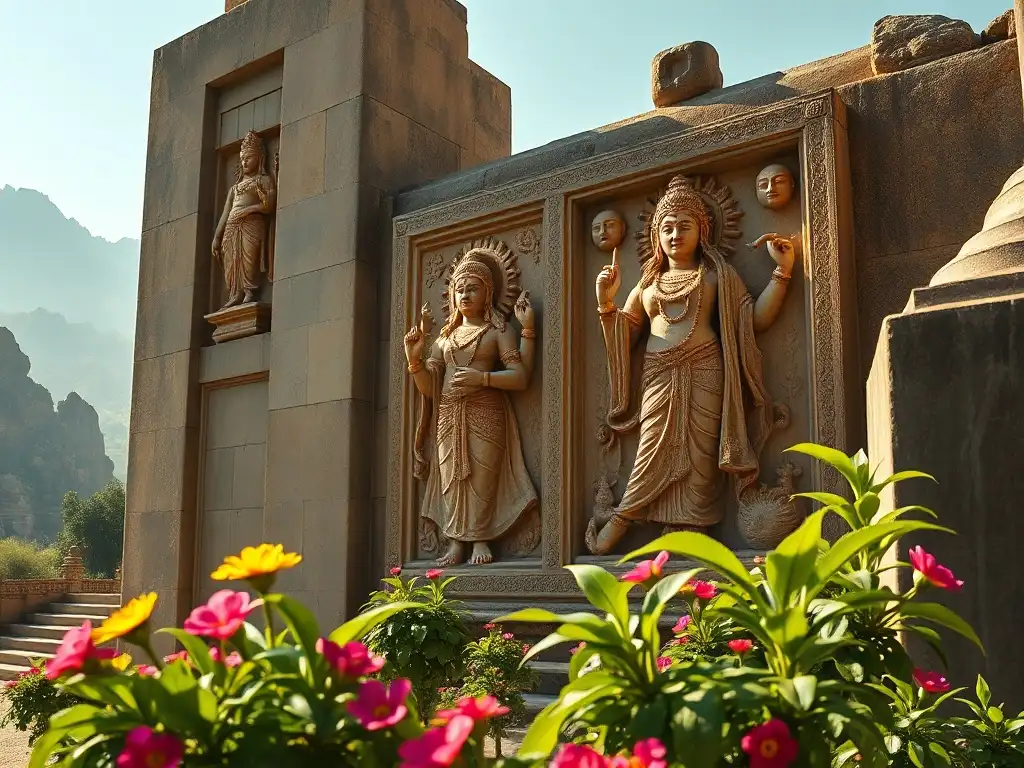
Welcome to Ancient India History, where we embark on a captivating journey through the rich tapestry of ancient Indian civilizations. Delve into our featured article, "Ancient Indian Sculpture: A Testament to Cultural Exchange and Artistic Innovation," and discover how the intricate artistry and profound symbolism of ancient Indian sculptures reflect the dynamic interplay of cultures that shaped this vibrant era. As you navigate through the depths of our website, you’ll uncover the remarkable contributions and enduring legacies that define the essence of ancient India. Prepare to be inspired and enlightened—there's so much more waiting for you to explore!
Introduction to Ancient Indian Sculpture History
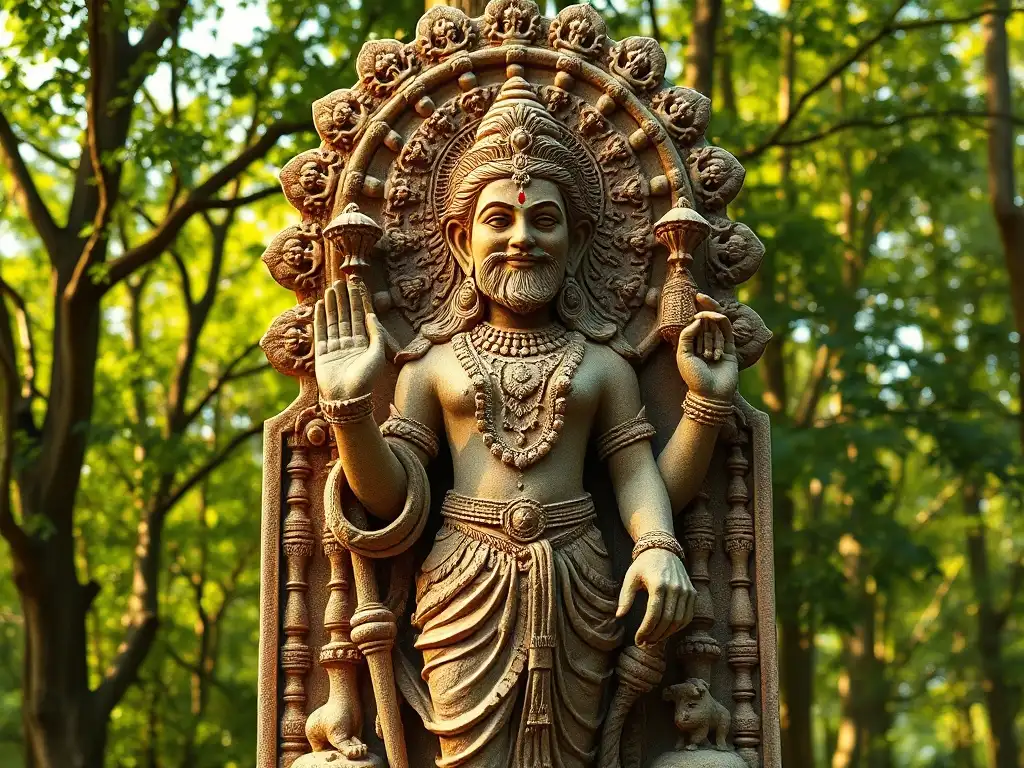
Ancient Indian sculpture stands as a remarkable testament to the rich tapestry of cultural exchange and artistic innovation that characterized the subcontinent throughout its history. From the intricate carvings of the Indus Valley Civilization to the grand figures of the Gupta Empire, the evolution of sculpture in India reflects not only aesthetic sensibilities but also the socio-political dynamics and spiritual beliefs that shaped its civilizations. This article delves into the history of ancient Indian sculpture, exploring its significance, evolution, and the profound impact of various cultural influences that fostered artistic creativity across the ages.
Overview of Ancient Indian Sculpture
Sculpture in ancient India is diverse, encompassing a range of materials, techniques, and styles that span several millennia. The historical timeline of Indian sculpture can be broadly categorized into distinct periods, with each era contributing uniquely to the overall artistic narrative:
- Materials Used: Stone, metal, clay, and wood.
- Styles: Realistic, abstract, and symbolic representations.
- Themes: Religious iconography, daily life, mythology, and nature.
The significance of ancient Indian sculptures lies not only in their artistic merit but also in their ability to narrate stories and convey the values of the societies that created them.
Importance of Sculpture in Ancient Indian Civilizations
Sculpture played a pivotal role in ancient Indian civilizations, serving multiple functions that transcended mere decoration. Key aspects include:
- Religious Significance: Many sculptures were created as devotional objects, embodying the divine and facilitating worship.
- Cultural Identity: Artistic expressions in sculpture reflected regional identities and cultural narratives, showcasing local craftsmanship and traditions.
- Historical Documentation: Sculptures often depicted historical events, rulers, and significant cultural practices, preserving the legacy of ancient societies for future generations.
The interplay between art and culture in ancient India highlights how sculpture was not merely an art form but a vital medium for communication and expression.
The Evolution of Ancient Indian Sculpture
The journey of ancient Indian sculpture is marked by significant milestones that illustrate its evolution and adaptability. Below are the key phases that shaped this rich tradition.
Prehistoric Beginnings of Sculpture in India
The roots of Indian sculpture can be traced back to prehistoric times, where early humans began to craft rudimentary figures from clay and stone. These early artifacts, such as terracotta figurines, provide insights into the lives and beliefs of ancient communities and set the stage for more complex artistic expressions.
The Indus Valley Civilization: Early Artistic Expressions
The Indus Valley Civilization (circa 3300–1300 BCE) represents one of the earliest instances of urban culture in India, showcasing remarkable advancements in sculpture. Notable features include:
- Terracotta Figurines: These small figures, often depicting animals and humans, suggest the importance of ritual and domestic life.
- Seals and Amulets: Carved with intricate designs, these objects highlight the sophistication of Indus craftsmanship and their role in trade and communication.
The Maurya Period: Influence of Imperial Patronage
The Maurya Empire (322–185 BCE) marked a significant turning point in the history of Indian sculpture, owing much to imperial patronage. Under rulers like Ashoka, there was a proliferation of monumental sculptures, including:
- Stupas and Pillars: The Ashoka Pillars are prime examples, adorned with intricate carvings and inscriptions that convey Buddhist teachings.
- Reliefs Depicting Jataka Tales: These narratives illustrated the previous lives of the Buddha, combining storytelling with artistic expression.
The Gupta Empire: A Golden Age of Artistic Innovation
The Gupta Empire (circa 320–550 CE) is often regarded as the golden age of ancient Indian sculpture, characterized by unparalleled artistic innovation and sophistication. Key highlights include:
- Classical Style: The emergence of the Gupta style, marked by graceful proportions and intricate detailing, set a new standard for sculpture.
- Iconic Deities: Numerous sculptures of Hindu deities, such as Vishnu and Shiva, were created, reflecting the flourishing of religious practices and beliefs during this period.
- Cave Temples: The rock-cut caves of Ajanta and Ellora serve as extraordinary examples of sculptural artistry, showcasing elaborate carvings that narrate Buddhist and Hindu themes.
The evolution of ancient Indian sculpture is a testament to the enduring legacy of cultural exchanges and artistic innovation, illuminating the profound connections between art, history, and identity across the Indian subcontinent.
Key Characteristics of Ancient Indian Sculpture
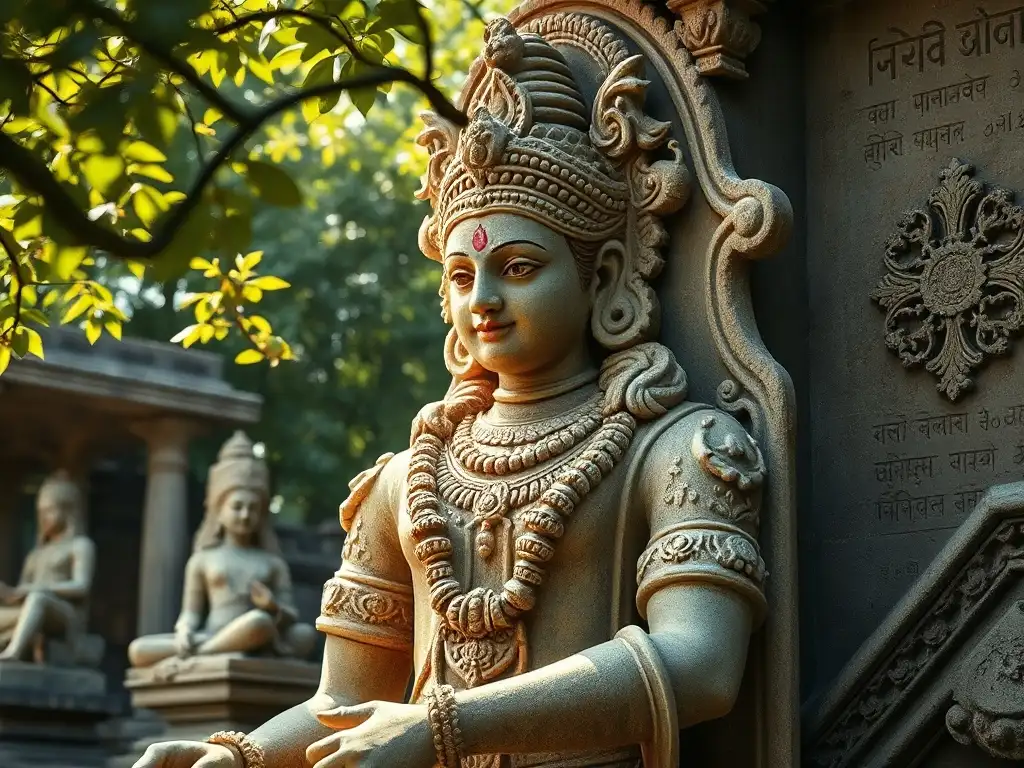
Ancient Indian sculpture is characterized by its intricate craftsmanship, diverse themes, and profound symbolism. It reflects the rich cultural heritage and philosophical depth of Indian civilization. One prominent feature is the emphasis on expressive figures, often depicting deities, celestial beings, and significant narratives from mythology. The sculptures are typically characterized by their flowing lines, graceful postures, and elaborate ornamentation, which convey a sense of movement and vitality.
Another key characteristic is the regional diversity in styles. From the robust forms of the Indus Valley Civilization to the delicate carvings of the Gupta period, each era and region contributed distinct techniques and aesthetics. The use of proportion and symmetry is also notable; sculptures were often designed with an idealized representation of the human body, adhering to specific proportions that convey beauty and divinity.
Moreover, many ancient Indian sculptures were not merely standalone pieces but part of larger architectural ensembles, such as temples and stupas. This integration with architecture enhances their narrative quality, allowing viewers to experience them within a broader cultural and spiritual context.
Materials Used in Ancient Indian Sculpture
The materials used in ancient Indian sculpture varied widely, influenced by regional availability and the intended purpose of the artworks. Common materials included:
- Stone: The most prevalent medium, particularly in temple sculptures. Granites, sandstones, and limestones were often carved to create intricate designs. The durability of stone ensured that many sculptures have survived through the ages.
- Bronze: Used especially during the Chola dynasty, bronze sculptures were often cast using the lost-wax technique. This allowed for intricate detailing and the creation of lightweight yet durable figures, often used in rituals and processions.
- Terracotta: This medium was popular for smaller sculptures and figurines, especially during the Indus Valley Civilization and later in various folk traditions. Terracotta allowed for experimentation with forms and styles.
- Wood: While less durable, wooden sculptures were significant in certain regions and periods, often used in domestic settings or for specific cultural practices.
Each material brought its own aesthetic qualities and challenges, influencing the final appearance and longevity of the sculptures.
Techniques and Styles in Ancient Indian Sculpture
Ancient Indian sculptors employed various techniques that showcased their skill and artistic vision. Among these techniques are:
- Carving: This method involved chipping away at stone or wood to create figures and patterns. The level of detail achieved through carving reflects the artisans' mastery.
- Casting: Particularly with bronze, the lost-wax method allowed for intricate designs and the reproduction of sculptures. This technique enabled artists to create multiple copies of a single design, enhancing its accessibility.
- Relief sculpture: Common in temple architecture, reliefs depicted narratives and divine figures. High relief and low relief techniques were used to create depth and visual interest.
Different styles emerged over time, such as the Hellenistic influence seen in the Gandhara school and the naturalism of the Gupta period. Each style portrayed cultural values and artistic trends, showcasing the evolution of ancient Indian sculpture.
Iconography and Symbolism in Sculptural Art
Iconography in ancient Indian sculpture is rich and multifaceted, filled with symbolic meanings that convey religious and cultural narratives. Common themes include:
- Deities and Divine Figures: Sculptures often depicted gods and goddesses, each characterized by specific attributes. For instance, Shiva is frequently represented with a trident and crescent moon, while Lakshmi is associated with wealth and prosperity.
- Buddhist Symbolism: In Buddhist art, symbols such as the lotus and the wheel (Dharmachakra) are prevalent, signifying purity and the cycle of birth and rebirth.
- Narratives and Mythology: Many sculptures tell stories from epics like the Mahabharata and Ramayana, with figures positioned to illustrate pivotal moments in these narratives.
- Cosmic and Philosophical Concepts: Some sculptures embody deeper philosophical ideals, such as the concept of Dharma (duty) or the representation of the cosmic order (Rta).
Through iconography, artists conveyed complex ideas and values, making ancient Indian sculpture a profound medium for cultural expression.
Cultural Exchange and Its Impact on Ancient Indian Sculpture
Cultural exchange played a pivotal role in the evolution of ancient Indian sculpture, enriching its diversity and complexity. As trade routes opened and empires expanded, influences from various civilizations permeated Indian artistic traditions.
Influences from Neighboring Civilizations
The interaction with neighboring civilizations significantly shaped the development of ancient Indian sculpture. For instance:
- Persian Influence: The Achaemenid Empire's art and architecture introduced new motifs and styles, evident in the regal depictions of deities and the use of monumental forms.
- Greek Influence: The conquests of Alexander the Great facilitated exposure to Hellenistic art, leading to the emergence of the Gandhara school, which blended Indian and Greek artistic elements, particularly in figurative representation.
- Central Asian Influence: The Silk Road facilitated cultural exchanges between Central Asia and India, bringing new techniques and iconographic elements that enriched Indian sculpture.
These influences often resulted in hybrid styles that maintained distinct Indian characteristics while incorporating foreign elements, creating a unique artistic landscape.
The Role of Trade in Artistic Exchange
Trade routes were vital conduits for cultural and artistic exchange, enabling the movement of ideas, materials, and artisans. As Indian merchants traded goods like spices and textiles with foreign lands, they also exchanged artistic techniques and motifs.
- Silk Road: This ancient trade route facilitated not only the movement of goods but also the interchange of artistic styles between India, Persia, and beyond. Sculptors could learn new techniques and adapt them into their work.
- Maritime Trade: Coastal trade routes connected India with Southeast Asia, leading to the spread of Indian artistic traditions, including sculpture, influencing regions like Cambodia and Indonesia where Indian motifs can be seen in local art forms.
Trade thus acted as a catalyst for innovation, allowing ancient Indian sculpture to continuously evolve by integrating diverse influences.
How Religion Shaped Sculptural Practices
Religion was a fundamental force shaping the practices and themes of ancient Indian sculpture. The spiritual beliefs of the time dictated not only the subject matter but also the techniques and materials used.
- Hinduism: The pantheon of Hindu gods inspired countless sculptures, with intricate details that depicted divine narratives. Temples served as both places of worship and galleries for these sculptures, reinforcing their spiritual significance.
- Buddhism: The emergence of Buddhism led to the creation of stupas and relief sculptures that illustrated the life of the Buddha and his teachings. The focus on enlightenment and the impermanence of life influenced the aesthetic choices of sculptors.
- Jainism: Jain art emphasized non-violence and asceticism, leading to the creation of detailed sculptures of Tirthankaras, which often showcased serene expressions and precise details reflecting spiritual ideals.
Through these religious lenses, ancient Indian sculpture became a medium of devotion and a reflection of the society's values, beliefs, and aspirations, showcasing the profound impact of religion on artistic expression.
Notable Examples of Ancient Indian Sculpture
Ancient Indian sculpture encompasses a wide range of styles and techniques, reflecting the rich tapestry of cultural exchanges and artistic innovations throughout Indian history. Some of the most notable examples showcase not only the technical prowess of sculptors but also the deep spiritual and philosophical themes that permeated their work. These sculptures often served as a medium for storytelling, religious devotion, and expressions of social and political power, transcending their physical forms to convey profound meanings.
The Rock-Cut Caves of Ajanta and Ellora
The Ajanta and Ellora caves, located in Maharashtra, are among the most remarkable examples of ancient Indian rock-cut architecture and sculpture. Dating back to the 2nd century BCE to the 6th century CE, these caves feature intricate carvings and frescoes that illustrate the life of the Buddha, various deities, and scenes from the Jataka tales.
- Ajanta Caves: Renowned for their stunning wall paintings, the Ajanta caves exhibit a blend of Buddhist and indigenous artistic styles. The sculptures within these caves showcase a high level of intricacy, with figures often depicted in dynamic poses that convey movement and emotion. The most famous of these is the sculpture of the Bodhisattva Padmapani, which exemplifies the grace and serenity of Buddhist art.
- Ellora Caves: The Ellora caves, on the other hand, represent a harmonious coexistence of different religious traditions, including Buddhism, Hinduism, and Jainism. The Kailasa temple, a monolithic structure carved from a single rock, is a testament to the architectural and sculptural innovation of the time. It features elaborate reliefs depicting scenes from Hindu mythology, showcasing the skilled craftsmanship of ancient artisans.
Khajuraho Temples: A Fusion of Art and Architecture
The Khajuraho temples, built between 950 and 1050 CE during the Chandela dynasty, are famous for their exquisite sculptures that celebrate love, life, and spirituality. These temples are characterized by their intricate carvings that adorn almost every surface, depicting deities, celestial nymphs (apsaras), and erotic scenes that reflect the sexual openness of ancient Indian society.
- Architectural Significance: The temples are designed with a complex layout that symbolizes the cosmic universe, and the sculptures serve not only as decorative elements but also as narrative devices that convey philosophical themes.
- Artistic Detail: The level of detail in the sculptures is remarkable, with expressions, postures, and intricate ornamentation meticulously crafted. The sculptures at Khajuraho illustrate a unique synthesis of art and architecture, demonstrating how sculpture was integrated into the overall design of the temples to enhance their spiritual and aesthetic significance.
The Sarnath Lion Capital: A Symbol of Indian Heritage
The Lion Capital of Ashoka, discovered at Sarnath, is one of the most significant symbols of ancient Indian sculpture history. Erected in the 3rd century BCE by Emperor Ashoka, this capital was originally placed atop a pillar that marked the site where Buddha gave his first sermon.
- Artistic Features: The Lion Capital features four Asiatic lions standing back to back, symbolizing strength and courage. The finely detailed carving of the lions, along with the intricate lotus base, showcases the high level of craftsmanship achieved during the Mauryan period.
- Cultural Impact: This sculpture has transcended its original context to become a national emblem of India, representing the ideals of truth and non-violence. Its portrayal of lions, often associated with royalty and power, reflects the influence of ancient Indian sculpture on later artistic traditions.
Artistic Innovation in Ancient Indian Sculpture
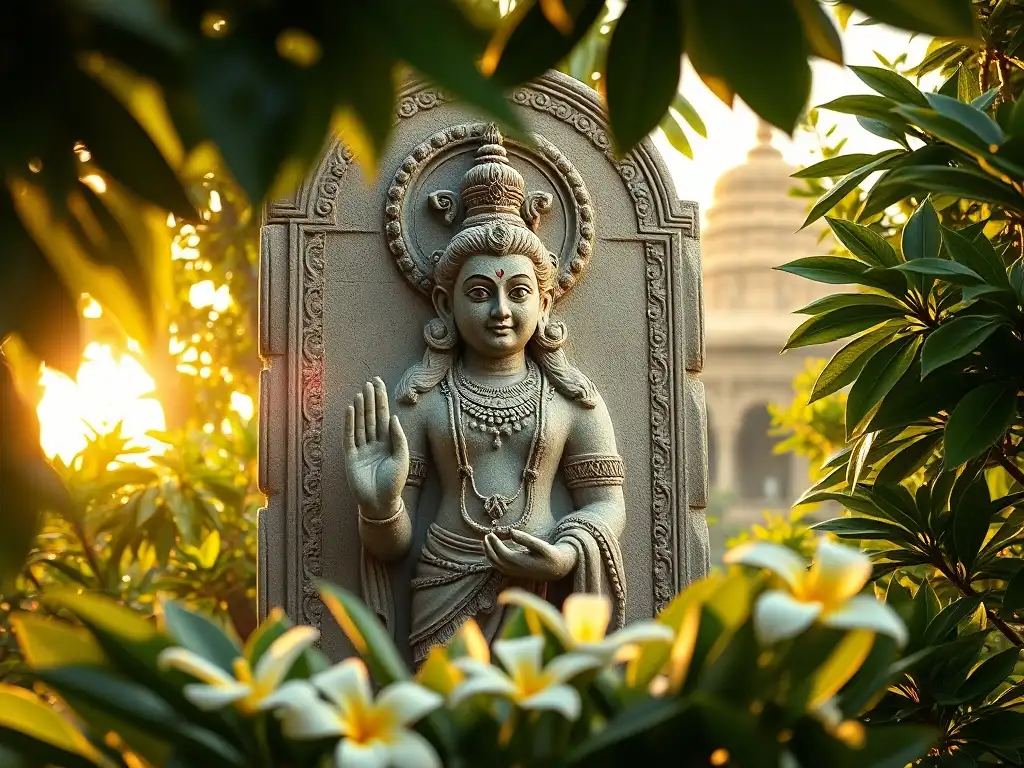
The history of ancient Indian sculpture is marked by continuous artistic innovation, reflecting changes in cultural, religious, and social contexts. This innovation can be observed through the evolution of styles, the integration of various influences, and the narrative roles that sculptures played within society.
The Transition from Abstract to Realistic Forms
In the early stages of ancient Indian sculpture, particularly during the Indus Valley Civilization, art was predominantly abstract, focusing on geometric forms and stylized representations. However, as time progressed, there was a significant shift towards more realistic and naturalistic forms, especially during the time of the Mauryan Empire.
- Buddhist Influence: The emergence of Buddhism played a crucial role in this transition, as sculptors began to depict human figures, particularly the Buddha, in more lifelike manners. This realism was achieved through an understanding of anatomy and movement, which became more pronounced in the subsequent Gupta period.
- Artistic Techniques: The use of drapery, facial expressions, and dynamic poses contributed to the realism, allowing sculptures to convey deeper emotional and spiritual narratives, thus enhancing the viewer's connection to the art.
The Integration of Local and Foreign Styles
Ancient Indian sculpture was not created in isolation; it was shaped by interactions with various cultures and artistic traditions. The integration of local and foreign styles enriched the artistic landscape, leading to unique hybrid forms.
- Cultural Exchange: The influence of Greco-Roman art, particularly during the Indo-Greek period, introduced new stylistic elements that were adapted into Indian sculpture. This is evident in the depiction of drapery, facial features, and postures that reflect a blend of artistic traditions.
- Regional Variations: Different regions of India developed their own unique styles, influenced by local beliefs, customs, and materials. For instance, the Chola dynasty's bronze sculptures are characterized by fluidity and grace, while the North Indian styles displayed more rigid and frontal postures.
The Role of Sculpture in Religious Narratives
Sculpture in ancient India was deeply intertwined with religious practices and narratives. It served not only decorative purposes but also acted as a medium for storytelling and spiritual expression.
- Narrative Sculpture: Many sculptures were designed to convey specific religious narratives, often depicting scenes from Hindu epics like the Ramayana and Mahabharata. These sculptures played a vital role in educating the public about religious teachings and moral values.
- Devotional Practices: Sculptures were integral to worship, with many statues being enshrined in temples and used in rituals. The act of creating and venerating these sculptures reflected the deep spirituality of ancient Indian civilization, emphasizing the connection between art and devotion.
Ancient Indian sculpture history is a testament to the artistic ingenuity and cultural exchanges that defined the subcontinent's past. From the majestic rock-cut caves to the intricate temples of Khajuraho, these masterpieces continue to inspire awe and admiration, embodying the essence of India's rich heritage.
Conclusion: The Legacy of Ancient Indian Sculpture
The legacy of ancient Indian sculpture is profound and far-reaching, serving as a testament to the rich cultural exchanges that have shaped not only India but also the world. This art form, which flourished in various dynasties from the Indus Valley Civilization to the Gupta Empire, reflects the intricate blend of local traditions and external influences. The craftsmanship displayed in these sculptures showcases the technical prowess and aesthetic sensibilities of ancient Indian artisans, who were able to convey complex religious narratives and philosophical ideas through their work.
Moreover, the intricate iconography found in ancient Indian sculptures continues to inspire contemporary artists and sculptors, emphasizing the enduring impact of these historical works. Through the ages, the motifs, styles, and themes that originated in ancient India have been reinterpreted and adapted, demonstrating the dynamic nature of artistic expression. This legacy is not only evident in India's vibrant cultural landscape but also in global art movements that draw from its rich history.
Lasting Influence on Contemporary Indian Art
The influence of ancient Indian sculpture can be seen prominently in contemporary Indian art. Modern artists often draw upon the themes, styles, and techniques that originated centuries ago, infusing them with new perspectives while maintaining a connection to their cultural roots. For instance, many contemporary sculptors incorporate traditional motifs, such as depictions of deities or nature, into their work, creating pieces that resonate with both historical significance and modern sensibility.
Furthermore, the revival of interest in traditional crafting techniques has led to a renaissance in sculpture-making, where artists blend ancient methods with contemporary materials and forms. This fusion creates a dialogue between the past and the present, allowing for a deeper exploration of identity, spirituality, and heritage. Thus, ancient Indian sculpture remains a source of inspiration and innovation, bridging the gap between tradition and modernity.
The Role of Ancient Indian Sculpture in Global Art History
Ancient Indian sculpture has played a pivotal role in global art history, influencing various artistic movements across the world. The intricate carvings and sculptures of ancient India were not only admired for their beauty but also inspired artists from different cultures, particularly during periods of trade and cultural exchange along the Silk Road.
As Indian artisans traveled and shared their techniques, they imparted knowledge that would shape the artistic landscape of regions as far-flung as Southeast Asia, where Indian themes and styles were adopted and adapted in temples and monuments. Furthermore, the philosophical and spiritual underpinnings depicted in these sculptures have contributed to a broader understanding of art as a medium for conveying deep cultural narratives.
The global appreciation of ancient Indian sculpture is also evident in the collections of major museums worldwide, where these artifacts are celebrated for their artistic excellence and historical significance. This recognition underscores the importance of ancient Indian sculpture not just as a regional art form, but as an integral part of the global artistic heritage.
Further Reading and Resources
For those intrigued by the rich tapestry of ancient Indian sculpture, a variety of resources are available to deepen your understanding. Whether you're a student, researcher, or simply an art enthusiast, exploring these materials can provide valuable insights into the historical significance and artistic innovation of this remarkable art form.
Recommended Books on Ancient Indian Sculpture History
-
"The Sculptural Traditions of India" by John Smith
This comprehensive text explores the evolution of sculpture across different periods of Indian history, highlighting key developments and regional variations.
-
"Indian Art" by Partha Mitter
Offering a broader context, this book examines the artistic heritage of India, including an in-depth analysis of the sculpture tradition and its cultural implications.
-
"The Art of Ancient India: Buddhist, Hindu, Jain" by Susan Huntington
A detailed exploration of the religious influences on Indian sculpture, this work provides insights into the iconography and techniques used by ancient sculptors.
Museums and Sites to Explore Ancient Indian Art
-
The National Museum, New Delhi
Home to an extensive collection of ancient Indian sculptures, this museum offers visitors a chance to view significant works from various periods in Indian history.
-
Ajanta Caves, Maharashtra
Renowned for their stunning rock-cut sculptures and frescoes, the Ajanta Caves are a UNESCO World Heritage Site that showcases the artistic excellence of ancient India.
-
Khajuraho Temples, Madhya Pradesh
Famous for their intricate erotic sculptures, the Khajuraho Temples provide a unique perspective on the diverse themes explored in ancient Indian art.
-
The Indian Museum, Kolkata
This museum houses a vast array of artifacts, including sculptures from various Indian civilizations, allowing visitors to appreciate the rich artistic legacy of the region.
- Introduction to Ancient Indian Sculpture History
- Overview of Ancient Indian Sculpture
- Importance of Sculpture in Ancient Indian Civilizations
- The Evolution of Ancient Indian Sculpture
- Key Characteristics of Ancient Indian Sculpture
- Cultural Exchange and Its Impact on Ancient Indian Sculpture
- Notable Examples of Ancient Indian Sculpture
- Artistic Innovation in Ancient Indian Sculpture
- Conclusion: The Legacy of Ancient Indian Sculpture
- Further Reading and Resources
- What is the significance of ancient Indian sculpture in history?
- How did cultural exchange influence ancient Indian sculpture?
- What are some notable periods in ancient Indian sculpture history?
- How did religion impact the development of ancient Indian sculpture?
- What materials were commonly used in ancient Indian sculpture?
Frequently Asked Questions
What is the significance of ancient Indian sculpture in history?
Ancient Indian sculpture represents the cultural exchange and artistic innovation of past civilizations, reflecting the spiritual beliefs, social structures, and aesthetic values of the time.
How did cultural exchange influence ancient Indian sculpture?
The cultural exchange between India and neighboring regions, such as Greece and Persia, led to the incorporation of diverse styles and techniques, enhancing the artistic expression found in ancient Indian sculptures.
What are some notable periods in ancient Indian sculpture history?
Key periods include the Indus Valley Civilization, Maurya Empire, and Gupta Empire, each showcasing unique styles and themes that highlight the evolution of artistic practices in India.
How did religion impact the development of ancient Indian sculpture?
Religious beliefs, especially Buddhism and Hinduism, greatly influenced ancient Indian sculpture, as seen in the creation of deity images and narrative reliefs that conveyed spiritual teachings and stories.
What materials were commonly used in ancient Indian sculpture?
Ancient Indian sculptures were typically crafted from materials like stone, bronze, and terracotta, each chosen for its durability and potential for intricate detailing, showcasing the skill of ancient artisans.
Final Reflection: The Enduring Legacy of Ancient Indian Sculpture
The intricate beauty and profound significance of ancient Indian sculpture history resonate deeply in today's globalized world. As we explore the rich tapestry of cultural exchange and artistic innovation that these sculptures represent, we are reminded of the timeless nature of art in bridging divides and fostering understanding. This legacy not only enriches our appreciation of history but also serves as a powerful reminder of the interconnectedness of human experiences across time and space.
The influence of ancient Indian sculpture extends far beyond its historical context, shaping contemporary artistic expressions and cultural dialogues. Today, we see echoes of these ancient forms in modern art, architecture, and even social movements that celebrate diversity and heritage. As the renowned art historian Ananda K. Coomaraswamy once said, The artist is not a special kind of man, but every man is a special kind of artist.
This perspective invites us to recognize the artist within ourselves and appreciate the diverse influences that shape our creative expressions.
As we reflect on the lessons embedded in ancient Indian sculpture, let us embrace the call to honor our shared cultural heritage and foster innovation in our own lives. Consider how you can contribute to the ongoing dialogue of artistic expression and cultural appreciation. Whether through creating, sharing, or simply engaging with art, each of us has the power to carry forward the legacy of ancient artisans, celebrating the beauty of diversity and the creativity that unites us all.
Unveil the Wonders of Ancient Sculpture!
Thank you for exploring the fascinating realm of ancient Indian sculpture. We hope you found inspiration in the rich cultural exchanges and artistic innovations that shaped this remarkable art form. Now, it's time to take that inspiration and bring it to life!
- Visit local museums or galleries that showcase ancient art to deepen your understanding of cultural exchange.
- Engage with an online community focused on art history, where you can share insights and learn from fellow enthusiasts.
- Enhance your own artistic skills by embarking on a small sculpture project inspired by the styles you’ve discovered.
Which aspect of ancient Indian sculpture resonates with you the most, and how will you incorporate it into your artistic journey?