
The Gupta Era: A Pinnacle of Artistic and Cultural Synthesis

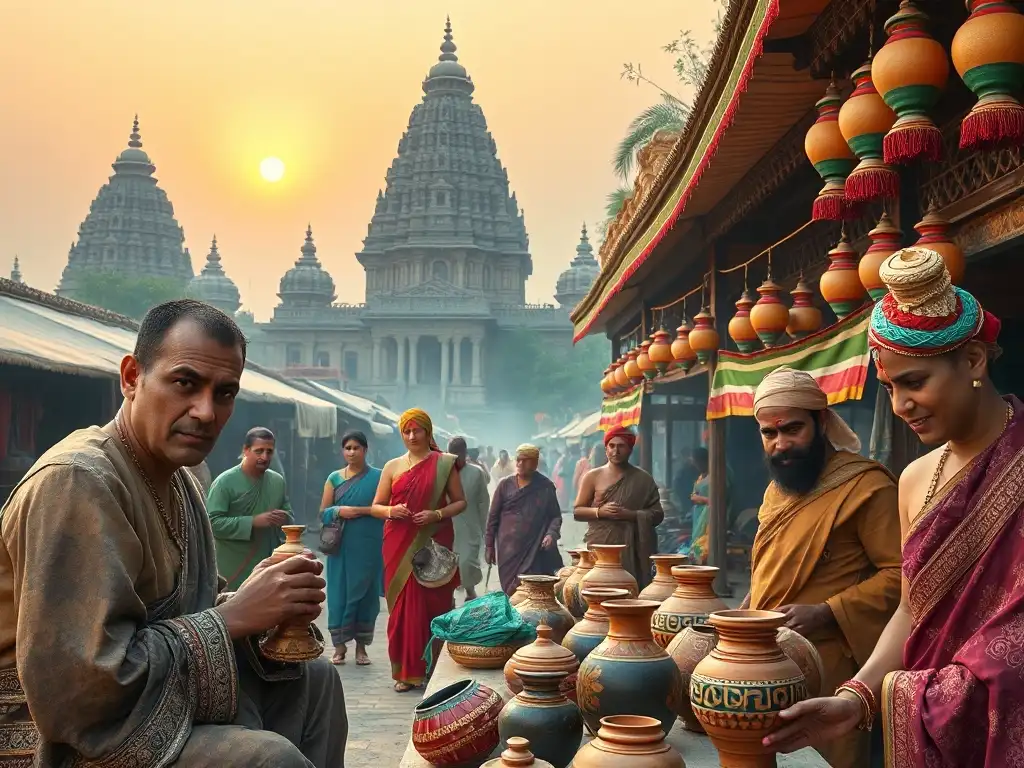
Welcome to Ancient India History, where we embark on a fascinating journey through time to uncover the rich tapestry of India's past. In our latest article, “The Gupta Era: A Pinnacle of Artistic and Cultural Synthesis,” we delve into the Gupta Empire's cultural achievements, a period renowned for its remarkable advancements in art, literature, and science. What made this era a golden age of creativity and innovation?
Join us as we explore the vibrant cultural exchanges that shaped not only ancient India but also had a lasting influence on the world. Your adventure into the depths of history begins now—let's dive deeper!
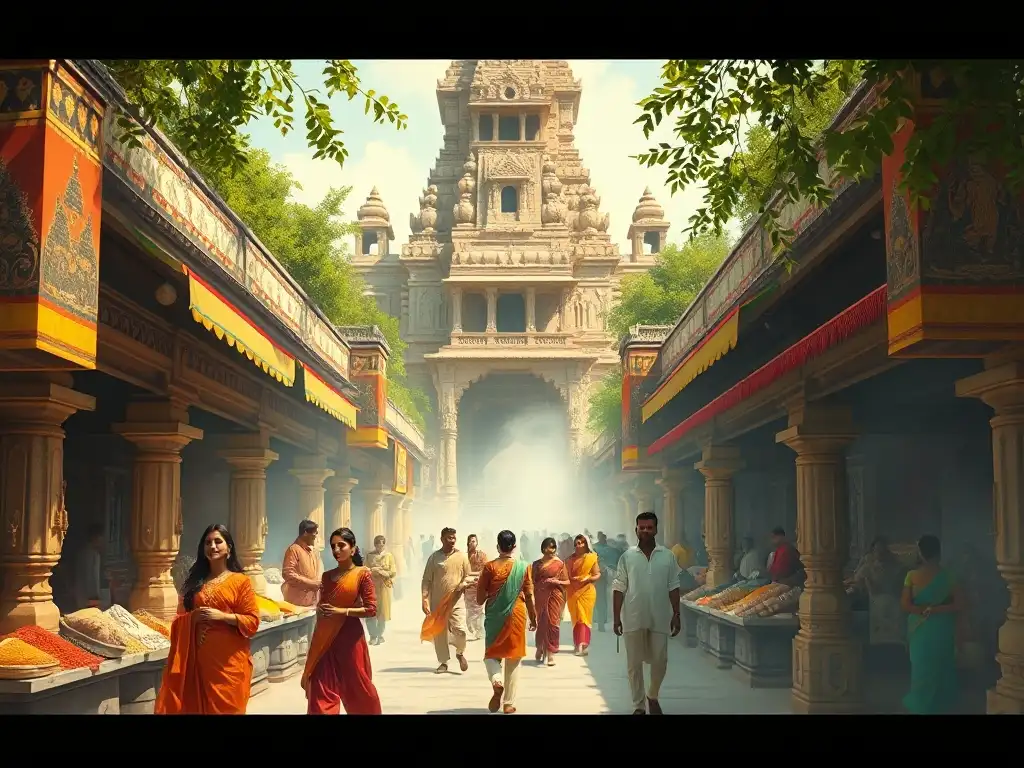
The Gupta Era, often hailed as the Golden Age of Ancient India, represents a remarkable period of artistic and cultural synthesis that flourished from approximately 320 to 550 CE. This era, characterized by a profound intermingling of diverse influences and traditions, played a pivotal role in shaping the cultural landscape of India and beyond.
The Gupta Empire, under its visionary rulers, provided an environment conducive to innovation, intellectual pursuits, and artistic expression, resulting in a legacy that continues to resonate in various facets of contemporary culture. In this article, we will explore the rich tapestry of cultural achievements that emerged during this illustrious period, shedding light on the key features and artistic flourishes that define the Gupta Empire's contributions to global heritage.
Introduction to the Gupta Empire
Overview of the Gupta Empire
The Gupta Empire, founded by Maharaja Sri Gupta, emerged as a dominant power in Northern India around the early 4th century CE. Stretching across vast regions, it encompassed parts of present-day India, Pakistan, and Bangladesh. The empire's strategic location along key trade routes facilitated cultural exchanges with neighboring civilizations, including the Huns and the Persian Empire. Under the reign of notable rulers such as Chandragupta I, Samudragupta, and Chandragupta II, the Gupta Empire witnessed unparalleled advancements in governance, economics, and culture.
This period was marked by a decentralized administration that allowed local rulers to maintain autonomy, fostering a sense of unity while encouraging regional diversity. The Gupta period is also noted for its remarkable achievements in various fields, including mathematics, astronomy, literature, and the fine arts.
Significance of the Gupta Era in Ancient Indian History
The Gupta Era holds immense significance in Ancient Indian history for several reasons. Firstly, it served as a catalyst for intellectual and cultural revival, resulting in groundbreaking contributions that laid the foundation for future generations. The period is particularly renowned for its advancements in the fields of:
- Mathematics: The introduction of the concept of zero and the decimal system.
- Astronomy: Notable astronomers like Aryabhata, who made substantial contributions to understanding planetary motion.
- Literature: The flourishing of Sanskrit literature, with eminent poets and playwrights such as Kalidasa.
Moreover, the Gupta Era played a crucial role in the spread of Buddhism and Hinduism, leading to a synthesis of religious practices, philosophies, and art forms that would influence cultures across Asia.
The Cultural Achievements of the Gupta Empire
Key Features of Gupta Empire Cultural Achievements
The cultural achievements of the Gupta Empire are characterized by a harmonious blend of indigenous traditions and external influences, resulting in a unique synthesis that is evident in various aspects of daily life, art, and philosophy. Some key features include:
- Religious Tolerance: The Gupta rulers promoted an atmosphere of religious pluralism, allowing both Hinduism and Buddhism to thrive.
- Artistic Expression: The era is celebrated for its exquisite sculptures, intricate carvings, and stunning frescoes that adorned temples and monuments.
- Philosophical Thought: The period witnessed a flourishing of philosophical ideas, with significant contributions from thinkers like Varahamihira and Aryabhata, who explored concepts of cosmology and ethics.
Artistic Flourishes During the Gupta Period
Artistic expression during the Gupta period reached unprecedented heights, characterized by intricate craftsmanship and profound symbolism. Notable artistic flourishes include:
- Sculpture: The creation of life-sized statues and reliefs, particularly in rock-cut caves such as those at Ajanta and Ellora, showcasing the mastery of sculptors in depicting human emotions and divine forms.
- Architecture: The construction of grand temples, such as the Dashavatara Temple in Deogarh, which exemplified the architectural ingenuity and aesthetic sensibilities of the time.
- Painting: The vibrant frescoes found in the Ajanta Caves are a testament to the sophisticated techniques and themes that adorned walls, illustrating narratives from Buddhist texts and Hindu epics.
The Gupta Empire's cultural achievements represent a pinnacle of artistic and intellectual synthesis, laying the groundwork for future developments in Indian civilization and influencing cultures beyond its borders. Through the exploration of these achievements, we gain a deeper understanding of how the Gupta Era shaped the cultural identity of ancient India and its enduring legacy.
The Influence of Religion on Gupta Cultural Achievements
The Gupta Empire, flourishing from approximately 320 to 550 CE, is often hailed as a golden age of cultural achievements in ancient India. Central to this period was the profound influence of religion on the arts, literature, and overall cultural development. The Gupta rulers were patrons of Hinduism, Buddhism, and Jainism, which fostered a rich tapestry of artistic expression and intellectual thought. Each religion contributed uniquely to the cultural landscape, leading to significant advancements in various fields.
Hinduism and Its Artistic Expressions
Hinduism played a pivotal role in shaping Gupta artistic achievements. The period saw a resurgence of temple architecture, with intricate carvings and sculptures that depicted deities, celestial beings, and epic narratives from Hindu mythology. Temples such as the ones in Sanchi and Bhitargaon exhibit elaborate stonework and detailed iconography, showcasing the skills of artisans of the time.
The Gupta period is also notable for the development of classical dance and music, which were deeply intertwined with religious practices. The Natya Shastra, an ancient treatise on performing arts attributed to Bharata Muni, gained prominence during this era, establishing a foundation for future artistic expressions. The emphasis on devotion and the divine in Hindu art during the Gupta period highlights the synthesis of spirituality and creativity, making it a defining characteristic of this cultural epoch.
Buddhism's Role in Gupta Cultural Synthesis
Buddhism, too, experienced a renaissance during the Gupta era, significantly influencing art and culture. The Gupta emperors, particularly those like Chandragupta II, were known for their patronage of Buddhist institutions, which led to the construction of stupas and monasteries adorned with exquisite carvings and frescoes. One of the most renowned sites is the Ajanta Caves, which feature stunning murals and sculptures that illustrate the Jataka tales and the life of the Buddha.
The blending of Hindu and Buddhist artistic elements during the Gupta period created a unique cultural synergy. For instance, the depiction of bodhisattvas in art began to incorporate Hindu motifs, reflecting a harmonious coexistence of religious beliefs. This synthesis not only enriched the visual arts but also fostered a broader cultural dialogue that transcended sectarian boundaries.
Jainism and Its Contributions to Gupta Art
Jainism contributed significantly to the artistic achievements of the Gupta era, particularly through its emphasis on non-violence and asceticism. Jain art is characterized by its meticulous detail and devotion to the Tirthankaras, the spiritual teachers in Jain tradition. The period saw the construction of grand temples such as those at Khajuraho and Dilwara, which feature intricate marble carvings and elaborate frescoes.
Jainism's focus on ethical living and the portrayal of serene figures influenced the aesthetics of Gupta art, promoting themes of tranquility and meditation. The integration of Jain motifs into the broader artistic framework of the Gupta Empire highlights a period of rich cultural syncretism, where values and artistic expressions intersected, fostering a diverse cultural heritage.
Educational Advancements and Cultural Syncretism
The Gupta Empire was not only a hub of artistic expression but also a center for learning and intellectual exchange. Educational advancements during this era were pivotal in shaping cultural synthesis, with institutions like Nalanda University at the forefront. The curriculum included a wide range of subjects, from philosophy and religion to sciences and arts, attracting scholars from various regions.
The Role of Nalanda University in Cultural Exchange
Nalanda University emerged as a preeminent center of learning during the Gupta period, symbolizing the era's commitment to education and intellectual discourse. Established in the 5th century CE, it attracted students and scholars from across Asia, including China, Korea, and Tibet, fostering a vibrant environment for cultural exchange.
The university's diverse curriculum facilitated the blending of ideas from different religious and philosophical traditions. It became a melting pot where Hindu, Buddhist, and Jain scholars interacted, debated, and shared knowledge, significantly enriching the intellectual landscape of the Gupta Empire and beyond.
Influence of Gupta Scholars on Art and Science
Gupta scholars made remarkable contributions to various fields, particularly in mathematics, astronomy, medicine, and the arts. The mathematician Aryabhata, for example, introduced concepts such as zero and the decimal system, which had far-reaching implications for science and mathematics globally.
In the realm of art, scholars and artists collaborated to create works that reflected the scientific principles of symmetry and proportion, evident in sculptures and temple architecture. This fusion of scholarship and artistry during the Gupta era laid the groundwork for future generations, influencing both Indian and global cultural developments.
Preservation and Transmission of Knowledge in the Gupta Era
The Gupta period was marked by significant efforts in the preservation and transmission of knowledge. Manuscripts and texts were meticulously copied and preserved, ensuring the survival of important works in philosophy, science, and literature. The invention of paper and the establishment of libraries further facilitated this process.
Moreover, the cultural exchanges that occurred in institutions like Nalanda played a crucial role in the transmission of knowledge. Scholars not only preserved indigenous knowledge but also assimilated ideas from other cultures, creating a rich repository of learning that would influence subsequent civilizations.
The Gupta Empire's cultural achievements were deeply intertwined with the religious, educational, and intellectual currents of the time. The interplay of Hinduism, Buddhism, and Jainism, along with the advancements in education and knowledge preservation, resulted in a flourishing cultural synthesis that defined this remarkable era in ancient Indian history.
The Impact of Trade on Gupta Artistic Expressions
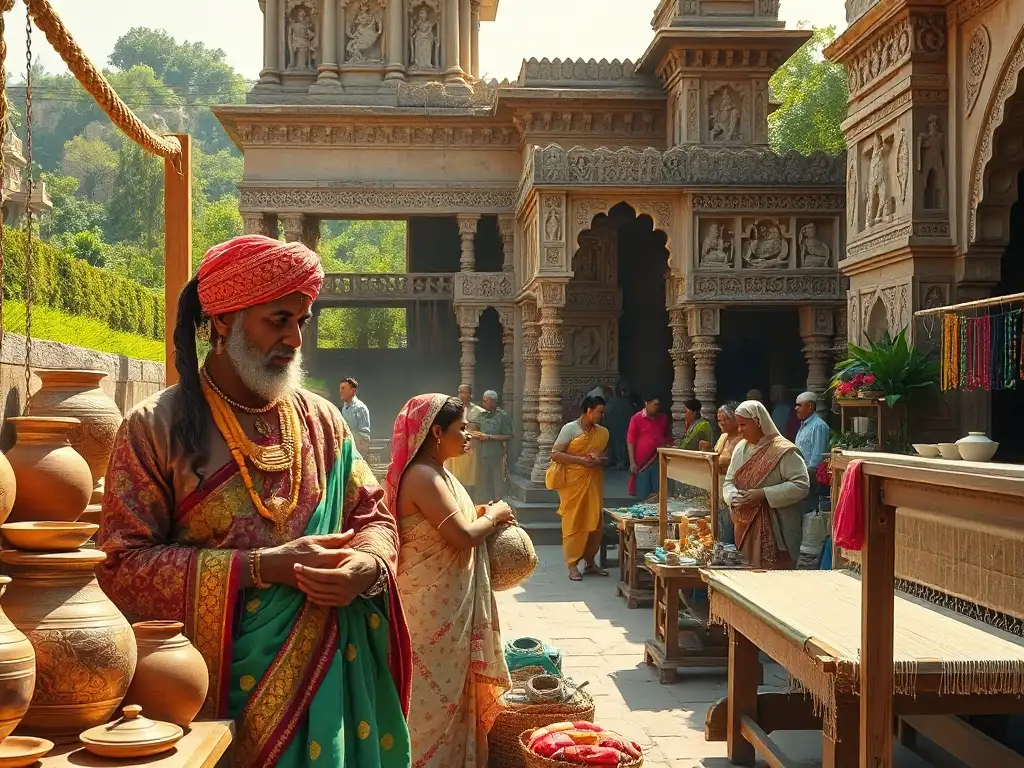
The Gupta Empire, which thrived from approximately 320 to 550 CE, was a period marked by significant developments in art, literature, and culture. One of the crucial factors contributing to the richness of Gupta artistic expressions was trade. The empire's strategic location along vital trade routes facilitated not only the exchange of goods but also a dynamic flow of ideas and cultural practices. Merchants and travelers brought with them diverse influences, which were absorbed and transformed by Gupta artists, leading to a distinctive cultural synthesis.
Trade with regions such as Central Asia, the Middle East, and Southeast Asia allowed for the introduction of new materials and artistic techniques. The availability of foreign goods, such as silk and spices, alongside local materials like terracotta and stone, provided Gupta artisans with an expansive palette for their creations. This cross-cultural interaction fostered innovation in artistic expression, reflected in the intricate sculptures and vibrant murals that characterized the period.
Trade Routes and Cultural Interactions
The Gupta Empire benefitted from an extensive network of trade routes that connected it to various regions, including the Silk Road and maritime routes to Southeast Asia. These pathways facilitated not just economic exchanges but also cultural dialogues. The movement of traders and scholars across these routes led to the dissemination of artistic styles and motifs. For example, the influence of Hellenistic art, owing to earlier interactions with Greek culture through Alexander’s conquests, can be seen in the naturalistic representations and elaborate drapery in Gupta sculptures.
Moreover, cities like Pataliputra emerged as cosmopolitan hubs where diverse cultures converged. This environment encouraged the blending of local traditions with foreign influences, resulting in a unique artistic vocabulary that defined Gupta art. The interactions among different cultures enriched the thematic content of Gupta art, often featuring religious motifs that merged local beliefs with those from Buddhism and Hinduism, reflecting the syncretic nature of this period.
Influence of Foreign Cultures on Gupta Art and Architecture
The Gupta period witnessed a remarkable integration of foreign artistic elements into indigenous styles. The incorporation of Greco-Roman aesthetics, particularly in the representation of human figures, is evident in the sculptures of gods and goddesses. The Gupta artists skillfully adapted these influences while maintaining a distinctly Indian ethos, resulting in a unique amalgamation of form and content.
In architecture, the Gupta era is best known for its temples, which often drew inspiration from various cultural elements. The introduction of stone as a primary building material allowed for more intricate designs, and the use of decorative motifs borrowed from foreign traditions added to the grandeur of these structures. The famous rock-cut temples at Ajanta and Ellora showcase not only the technical prowess of Gupta artisans but also the syncretic nature of their artistry, merging local religious practices with broader artistic trends.
Legacy of Gupta Empire Cultural Achievements
The cultural achievements of the Gupta Empire left an indelible mark on the subsequent history of India. The artistic innovations and literary accomplishments during this era set a standard that influenced later generations of artists and scholars. The Gupta period is often referred to as the "Golden Age" of India, a testament to the vibrant cultural and artistic legacy it bequeathed.
Lasting Influence on Subsequent Indian Art and Culture
The stylistic and thematic innovations of Gupta art profoundly influenced later Indian art forms. The iconography developed during this period became foundational for subsequent artistic expressions in both Hindu and Buddhist contexts. For instance, the representation of the Buddha evolved significantly during the Gupta period, setting precedents for later sculptures and paintings across Asia.
Furthermore, the literary advancements, including the works of Kalidasa and other poets, established a rich literary tradition that continued to inspire writers in subsequent eras. The narratives, themes, and poetic forms from the Gupta period are reflected in later Indian literature, showcasing a continuity of cultural heritage that persists to this day.
How Gupta Era Achievements Shaped Modern Indian Identity
The cultural achievements of the Gupta Empire play a crucial role in shaping modern Indian identity. The synthesis of diverse artistic traditions during this era laid the groundwork for a cohesive cultural narrative that resonates with contemporary Indian society. Elements such as the architectural styles of temples, classical dance forms, and the enduring influence of Sanskrit literature can all trace their roots back to Gupta innovations.
Moreover, the Gupta period's emphasis on inclusive cultural practices set a precedent for the pluralistic nature of Indian society. As a result, the achievements of the Gupta Empire continue to inspire pride in India's rich heritage, fostering a sense of unity amid its diversity. This legacy remains a vital component of India’s cultural identity, reminding present generations of the profound contributions made during this remarkable era.
Conclusion
The Gupta Empire stands as a remarkable chapter in the annals of Indian history, marking a period of unprecedented artistic and cultural synthesis. This era not only fostered the flourishing of various art forms but also facilitated the confluence of diverse cultural influences, leading to a vibrant and dynamic society. The Gupta rulers' patronage of the arts, literature, and sciences played a crucial role in this cultural renaissance. The achievements of this period, including advancements in mathematics, astronomy, and literature, highlight the empire's significant contributions to the intellectual legacy of India and the world.
Summary of Gupta Empire Cultural Achievements
The Gupta Empire, often referred to as the "Golden Age of India," was characterized by a plethora of cultural achievements that have left an indelible mark on the history of the subcontinent. Some of the most notable accomplishments include:
- Literature: The period witnessed the emergence of great literary works, including Kalidasa's plays and poems, which remain timeless classics. The writing of the Puranas and Mahabharata was also significant during this time.
- Mathematics: The Gupta scholars made groundbreaking advancements, including the concept of zero, the decimal system, and significant contributions to algebra and trigonometry, largely credited to mathematicians like Aryabhata.
- Art and Sculpture: Gupta art is renowned for its intricate sculptures and exquisite temple architecture. The Ajanta and Ellora caves exemplify the artistic prowess of this era, showcasing detailed carvings and stunning frescoes.
- Science and Medicine: The period also saw advancements in the fields of medicine and surgery, with texts like Sushruta Samhita detailing surgical techniques and medical practices that were far ahead of their time.
- Philosophy and Religion: The Gupta Era was a time of philosophical inquiry and religious development, with the flourishing of Hinduism and Buddhism. The period saw the compilation of important philosophical texts and discussions that shaped the spiritual landscape of India.
Reflection on the Importance of Cultural Synthesis in Ancient India
Cultural synthesis during the Gupta Empire was pivotal in shaping the social, religious, and artistic landscape of ancient India. This amalgamation of diverse influences fostered a sense of unity and identity among the people, transcending regional and linguistic barriers. The seamless blending of various traditions and practices led to a rich tapestry of culture that enriched everyday life and contributed to the overall ethos of the Gupta society.
Moreover, the Gupta era's emphasis on inclusivity and dialogue among different cultural and religious groups laid the groundwork for future interactions and exchanges. The synthesis of ideas and artistic expressions not only enhanced the cultural richness of India but also positioned it as a significant player on the global stage during ancient times.
The Gupta Empire's cultural achievements and the importance of synthesis reflect a legacy that continues to inspire and resonate in contemporary Indian society. The period serves as a testament to the power of cultural exchange and the enduring impact of collaborative creativity in shaping civilizations.
- Introduction to the Gupta Empire
- The Cultural Achievements of the Gupta Empire
- The Influence of Religion on Gupta Cultural Achievements
- Educational Advancements and Cultural Syncretism
- The Impact of Trade on Gupta Artistic Expressions
- Legacy of Gupta Empire Cultural Achievements
- Conclusion
- What were the key cultural achievements of the Gupta Empire?
- How did the Gupta Empire contribute to the development of mathematics?
- What role did religion play in Gupta cultural achievements?
- How did the Gupta Empire influence literature?
- What were some notable scientific advancements during the Gupta period?
Frequently Asked Questions
What were the key cultural achievements of the Gupta Empire?
The Gupta Empire is renowned for its artistic excellence, particularly in sculpture and painting, as well as advancements in literature and science.
How did the Gupta Empire contribute to the development of mathematics?
During the Gupta period, Indian mathematicians made significant contributions, including the concept of zero and the development of the decimal system, which greatly influenced future mathematics.
What role did religion play in Gupta cultural achievements?
Religion, particularly Hinduism and Buddhism, shaped the art and architecture of the Gupta Empire, leading to the creation of magnificent temples and cave paintings that reflect spiritual themes.
How did the Gupta Empire influence literature?
The Gupta Era produced many notable literary works, including the famous playwright Kalidasa, whose contributions are considered a high point in Sanskrit literature.
What were some notable scientific advancements during the Gupta period?
The Gupta Empire saw advancements in astronomy, with scholars like Aryabhata proposing theories about the earth’s rotation and the solar system, laying groundwork for future scientific inquiry.
Final Reflection: Embracing the Legacy of the Gupta Empire's Cultural Achievements
The Gupta Empire's cultural achievements resonate profoundly in today's world, reminding us of the timelessness of artistic expression and intellectual pursuit. As we navigate an era marked by rapid technological advancement and cultural exchange, the Gupta Era stands as a beacon of how creativity and scholarship can flourish, transcending boundaries and leaving an indelible mark on human history. The artistic and cultural synthesis achieved during this period not only enriched the lives of those in ancient India but continues to inspire contemporary artists, scholars, and thinkers.
Cultural achievements from the Gupta period have woven themselves into the fabric of our modern society, influencing various aspects of art, literature, and philosophy. The legacy of this era serves as a powerful reminder of the potential for cultural synthesis to foster understanding and unity among diverse communities. Art is the most beautiful of all lies.
– Claude Debussy. This quote encapsulates the essence of how the Gupta Empire's artistic endeavors have shaped our perception of beauty and creativity, urging us to appreciate the depth and richness that art brings to our lives.
As we reflect on the Gupta Empire's remarkable contributions, let us take a moment to consider how we can apply these lessons in our own lives. Embrace the spirit of creativity and collaboration in your pursuits, and seek to understand and appreciate the diverse cultural narratives that surround you. By doing so, we not only honor the legacy of the Gupta Era but also contribute to a more vibrant and interconnected world. Let the achievements of the past inspire you to create, innovate, and celebrate the beauty of cultural synthesis in your own journey.
Embrace the Legacy of the Gupta Era!
Thank you for diving into the fascinating world of the Gupta Era with us! We hope you’ve discovered the incredible artistic and cultural advancements that flourished during this golden age of Ancient India. Now, it's time to take what you've learned and put it into action!
Here are some inspiring steps you can take to further explore this enriching history:
- Dive deeper into Gupta art: Visit a local museum or an online gallery to view artifacts from the Gupta period and experience the beauty of this artistic synthesis firsthand.
- Join a community discussion: Share your thoughts by connecting with fellow history enthusiasts on various forums or social media platforms. Consider organizing or participating in a reading group focused on Gupta literature or philosophy.
- Create your own artwork: Channel your creativity by experimenting with techniques inspired by Gupta sculptures or paintings. Don’t hesitate to share your creations with others!
What aspect of the Gupta Era inspires you the most to explore further, and how might you integrate these insights into your daily life?