
The Historical Transmission of Vedic Knowledge: Oral Tradition to Written Texts

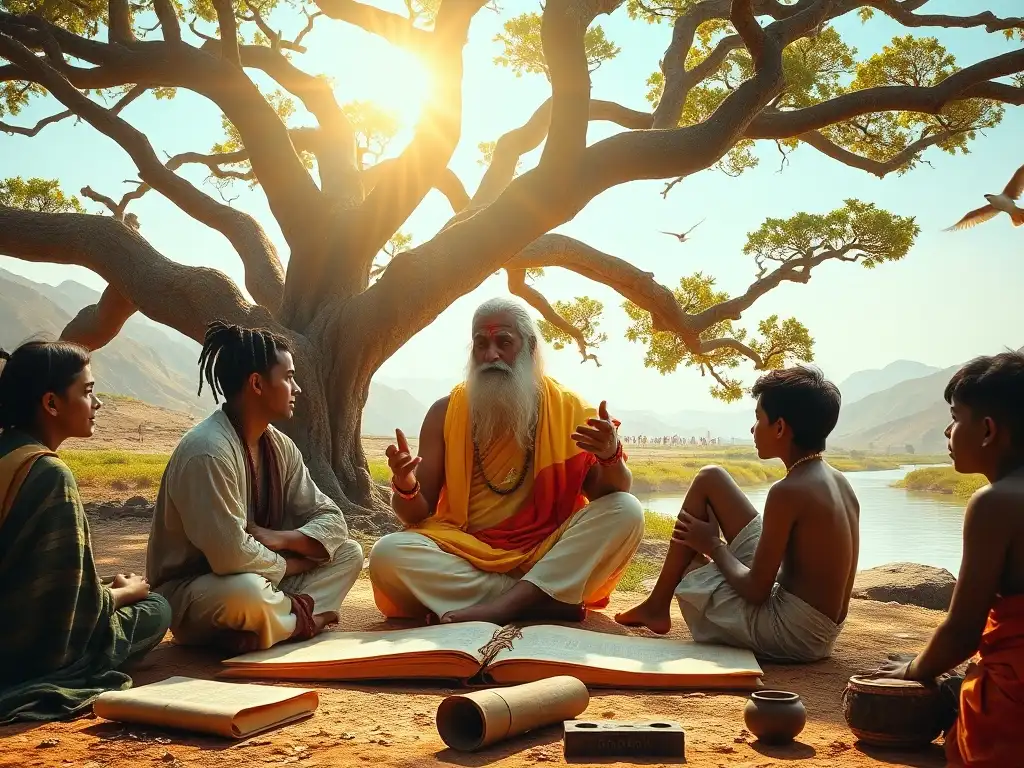
Welcome to Ancient India History, where we embark on a fascinating journey through the rich tapestry of ancient Indian civilizations. From the intricate urban landscapes of the Indus Valley to the intellectual brilliance of the Gupta Empire, this site is dedicated to uncovering the profound cultural and historical contributions that have shaped India’s past.
Dive into our featured article on the Vedic knowledge transmission history, where we explore how sacred teachings evolved from oral traditions to written texts, illuminating a vital aspect of ancient Indian religions. Prepare to be intrigued and inspired as you discover the legacy of wisdom that continues to resonate today.
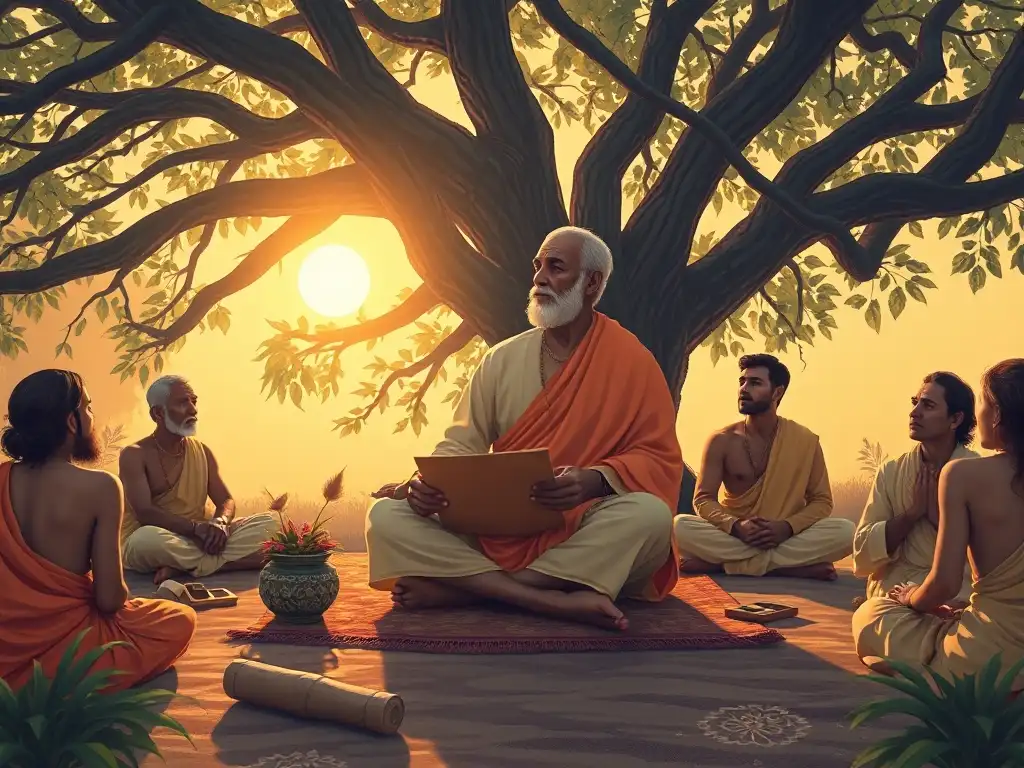
Introduction to Vedic Knowledge Transmission History
The transmission of Vedic knowledge represents a crucial aspect of ancient Indian civilization, reflecting the deep-rooted traditions and intellectual rigor of early Hindu society. This historical journey, from oral traditions to written texts, not only highlights the significance of the Vedas as sacred scriptures but also illustrates the intricate methods employed by scholars and practitioners to preserve and disseminate knowledge over millennia. Understanding the history of Vedic knowledge transmission is essential for comprehending the evolution of Hindu thought, culture, and spirituality, as well as its enduring impact on contemporary society.
Overview of Vedic Knowledge and Its Importance
Vedic knowledge encompasses a vast array of philosophical, spiritual, and scientific ideas encapsulated in the Vedas, which are among the oldest sacred texts in the world. Comprising four primary collections—the Rigveda, Samaveda, Yajurveda, and Atharvaveda—this knowledge forms the foundation of Hinduism and influences various aspects of Indian culture, including rituals, ethics, and cosmology. The significance of Vedic knowledge extends beyond religious practices, as it also embodies a sophisticated understanding of language, mathematics, and astronomy, contributing to the broader intellectual heritage of humanity.
Significance of Oral Tradition in Ancient India
Oral tradition played a pivotal role in the preservation and transmission of Vedic knowledge throughout ancient India. This method was not merely a means of communication; it was a profound cultural practice that ensured the accuracy and integrity of the teachings. The reliance on oral transmission allowed for a dynamic interaction between the teacher (guru) and student (shishya), fostering a deep understanding of the texts and their meanings. Moreover, the oral tradition created a strong sense of community, as knowledge was shared and celebrated through recitation, gatherings, and rituals.
The Oral Tradition of Vedic Knowledge
Characteristics of Oral Transmission
The oral transmission of Vedic knowledge is characterized by several key features that distinguish it from written documentation. These include:
- Repetition and Rhythm: Recitation involved repetitive patterns and rhythmic structures, aiding memorization and retention.
- Mnemonics: Techniques were developed to assist in recalling vast amounts of content, often using specific sounds and tones.
- Community Engagement: Knowledge was often shared in communal settings, creating a collaborative environment for learning and understanding.
Role of Gurus and Shishyas in Vedic Learning
The relationship between gurus and shishyas (students) was central to the oral tradition of Vedic knowledge. Gurus, revered for their wisdom and expertise, would impart knowledge through direct interaction, emphasizing experiential learning. Key aspects of this dynamic include:
- Mentorship: Gurus provided guidance not only in memorization but also in interpreting the deeper meanings of the texts.
- Personalized Instruction: The learning process was tailored to the needs and capabilities of each shishya, fostering individual growth.
- Cultural Transmission: Through this relationship, cultural values, ethics, and spiritual insights were passed down alongside the texts.
Techniques of Memorization and Recitation
The techniques employed in the memorization and recitation of Vedic texts were both sophisticated and systematic. Key methods included:
- Chanting: The use of melodic chanting helped in retaining the texts and enhancing their spiritual resonance.
- Structured Learning: Vedic education followed a rigorous structure, often involving stages of learning that built upon one another.
- Repetitive Practices: Continuous practice and repetition solidified the knowledge in the minds of the shishyas, ensuring its preservation for future generations.
Through the exploration of these elements, we gain insight into the profound significance of Vedic knowledge transmission history, highlighting its enduring legacy within the tapestry of ancient Indian civilization.
Transition from Oral to Written Texts
The transition from oral tradition to written texts in the transmission of Vedic knowledge marks a significant evolution in the way knowledge was preserved and disseminated in ancient India. Initially, Vedic texts were transmitted orally, relying heavily on memory and recitation, which fostered a deep communal engagement with the material.
The oral tradition allowed for the flexibility of interpretation and adaptation, as knowledgeable priests and scholars could impart teachings in a manner that resonated with their audience. However, as society progressed, particularly with the advent of urbanization and increased complexity in cultural and religious practices, the need for a more stable and permanent record of this knowledge became evident.
The introduction of writing provided a solution to the challenges posed by oral transmission, such as the potential for distortion over generations. Written texts allowed for standardization, meaning that the Vedic scriptures could be preserved in their original form, ensuring continuity in rituals and philosophical thought. This shift also facilitated the expansion of Vedic knowledge beyond localized communities, enabling the dissemination of these texts across greater geographical distances, thereby enriching the cultural fabric of ancient India.
Factors Leading to the Shift to Written Records
Several factors contributed to the shift from oral to written records in the transmission of Vedic knowledge.
- Cultural Changes: As ancient Indian society evolved, urban centers began to emerge, leading to more complex socio-political structures that demanded a more organized way of preserving knowledge.
- Increased Literacy: The rise in literacy rates among certain segments of society made it feasible to record texts in written form. This was particularly seen among scholars and priests who required access to Vedic knowledge for performing rituals and teaching.
- Technological Advancements: The development of writing systems, such as the Brahmi script, provided the necessary tools for recording language. This technological shift made it easier to create durable documents that could withstand the passage of time.
- Religious and Philosophical Expansion: The growing complexity of Vedic rituals and philosophical thought necessitated a more systematic approach to documentation. The written word allowed for deeper exploration of concepts that were becoming increasingly intricate.
Historical Context of Writing in Ancient India
The historical context of writing in ancient India is pivotal for understanding the transmission of Vedic knowledge. The earliest evidence of writing in the Indian subcontinent can be traced back to the Indus Valley civilization (circa 2500-1900 BCE), where seals and inscriptions have been discovered, though their script remains undeciphered.
By the time of the Vedic period (circa 1500-500 BCE), the oral tradition was dominant, but the use of writing began to appear in later texts. The establishment of the Brahmi script around the 3rd century BCE is particularly significant, as it became one of the primary scripts used for recording Sanskrit literature.
The Mauryan Empire (circa 322-185 BCE) played a crucial role in promoting literacy and the use of written records, as evidenced by Ashoka’s edicts inscribed on pillars across the subcontinent. This period laid the groundwork for a broader embrace of written texts, facilitating the preservation and distribution of Vedic knowledge.
The Emergence of Manuscripts and Their Preservation
The emergence of manuscripts in ancient India marked a crucial development in the preservation of Vedic knowledge. Manuscripts were typically written on materials such as palm leaves and birch bark, which were readily available and could be inscribed using styluses. The transition to manuscripts allowed for the creation of copies, enabling wider access to Vedic texts and fostering a tradition of commentary and interpretation.
The preservation of these manuscripts was often undertaken in monasteries and temples, where scribes meticulously copied texts to ensure their survival. The use of specific methodologies, such as the "shiksha" (phonetics) and "vyakarana" (grammar), enhanced the accuracy of these written works. However, due to environmental factors and the organic nature of the materials used, many ancient manuscripts have deteriorated over time. This loss highlights the importance of both oral and written traditions in the survival of Vedic knowledge, as oral recitation continued to complement written texts, preserving the integrity of the teachings.
Key Texts in Vedic Knowledge Transmission
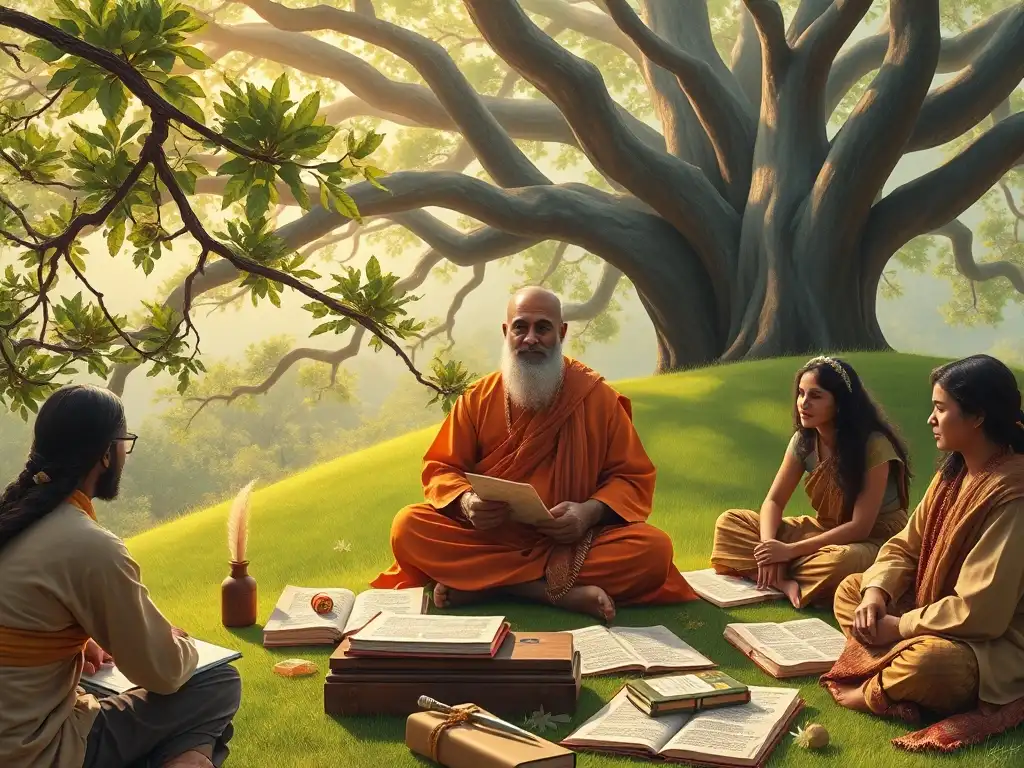
The key texts in the transmission of Vedic knowledge serve as foundational pillars of Hindu philosophy and spirituality. These texts are not only significant for their content but also for their role in shaping the cultural and religious landscape of ancient India.
The Vedas: Rigveda, Samaveda, Yajurveda, and Atharvaveda
The Vedas, comprising four primary texts— Rigveda, Samaveda, Yajurveda, and Atharvaveda—form the cornerstone of Vedic literature.
- Rigveda: The oldest of the Vedas, the Rigveda consists of hymns dedicated to various deities and natural forces. Its verses reflect the spiritual and social values of early Vedic society.
- Samaveda: Known as the "Veda of Chants," the Samaveda is primarily concerned with melodies and rituals associated with the performance of sacrifices. It draws extensively from the Rigveda, emphasizing the musicality of Vedic recitation.
- Yajurveda: This Veda serves as a guide for rituals and sacrifices, providing prose formulations of hymns and mantras that are to be recited during ceremonies. It emphasizes the practical application of Vedic knowledge in religious practice.
- Atharvaveda: Distinct from the other three Vedas, the Atharvaveda includes hymns, spells, and incantations, addressing everyday concerns, health, and domestic life, thereby reflecting the broader societal aspects of ancient Indian culture.
The Upanishads: Philosophical Expansion of Vedic Thought
The Upanishads represent a significant philosophical expansion of Vedic thought, emerging as a critical body of literature that explores the nature of reality, the self, and the ultimate purpose of life. These texts, often considered the culmination of Vedic knowledge, delve into concepts such as Brahman (the ultimate reality) and Atman (the individual self), presenting a more introspective and metaphysical perspective on spirituality.
The Upanishadic teachings emphasize meditation, ethical living, and the quest for knowledge as means to realize one's unity with Brahman. This shift from ritualistic practices to philosophical inquiry illustrates the dynamic evolution of Vedic thought, influencing subsequent philosophical traditions and schools of thought within Hinduism.
Other Significant Texts: Brahmanas and Aranyakas
In addition to the Vedas and Upanishads, the Brahmanas and Aranyakas are noteworthy texts that contribute to the understanding of Vedic knowledge transmission.
- Brahmanas: These prose texts serve as commentaries on the rituals outlined in the Vedas, providing explanations and guidelines for their performance. They play a crucial role in connecting the ritualistic aspects of Vedic literature with the philosophical insights found in the Upanishads.
- Aranyakas: Often considered a bridge between the Brahmanas and Upanishads, the Aranyakas explore themes of asceticism, meditation, and the inner meanings of rituals. They reflect the growing emphasis on individual spiritual practice and the pursuit of knowledge beyond mere ritualistic adherence.
Together, these texts form a rich tapestry of knowledge that encapsulates the evolution of Vedic thought from ritualistic practices to profound philosophical inquiry, shaping the spiritual landscape of ancient India and beyond.
The Impact of Vedic Knowledge on Indian Civilization
The impact of Vedic knowledge on Indian civilization is profound and multifaceted, shaping various aspects of society, philosophy, and culture. The Vedas, considered the oldest sacred texts of Hinduism, provided the foundational framework for many practices and beliefs that continue to influence Indian society today. This ancient body of knowledge not only laid down the principles of spiritual understanding but also established guidelines for social order, ethics, and governance.
One of the most significant consequences of Vedic teachings is their role in the evolution of Hindu philosophy. Concepts such as Dharma (righteousness), Karma (action and consequence), and Moksha (liberation) have roots in Vedic thought and continue to guide philosophical inquiry and spiritual practice within Hinduism. Moreover, the Vedic texts have inspired a variety of schools of thought, leading to a rich tapestry of philosophical traditions that explore the nature of existence and the human experience.
Furthermore, Vedic knowledge has permeated everyday life, influencing arts, literature, and architecture across millennia. The intricate rituals and ceremonies derived from Vedic texts have shaped cultural practices, festivals, and even the social hierarchies prevalent in ancient Indian society.
Influence on Hindu Philosophy and Spiritual Practices
The influence of Vedic knowledge on Hindu philosophy and spiritual practices is immense. The Vedas introduce foundational concepts that inform much of Hindu thought, including the nature of the universe, the self, and the ultimate reality (Brahman). Philosophers such as Adi Shankaracharya and Ramanuja have drawn extensively from Vedic texts to elucidate metaphysical ideas and establish schools of thought centered around non-dualism and devotion.
Additionally, the Vedic texts emphasize various forms of spiritual practice, including meditation, chanting (mantra), and rituals (puja). These practices are designed to cultivate a deeper understanding of the self and the cosmos, leading individuals toward spiritual awakening and enlightenment. The Upanishads, which are part of the Vedic literature, delve into these themes, presenting dialogues that explore the relationship between the individual soul (Atman) and the universal spirit (Brahman).
Overall, the philosophical underpinnings established by the Vedas continue to resonate within contemporary Hindu practices, reinforcing the texts' enduring relevance.
Contribution to Ancient Indian Education Systems
The transmission of Vedic knowledge played a crucial role in shaping ancient Indian education systems. The Gurukula system, where students lived with their teachers (gurus) to learn, was largely influenced by the need to impart Vedic teachings. Education focused on the memorization and recitation of the Vedas, along with their interpretations, fostering a culture of oral transmission that prioritized teacher-student relationships.
Rituals, philosophy, grammar, and astronomy were among the subjects taught alongside the Vedas, creating a comprehensive educational framework that emphasized holistic learning. This approach facilitated not only the preservation of Vedic knowledge but also the development of various disciplines that would later flourish in ancient India, such as mathematics, medicine, and arts.
The societal emphasis on learning derived from Vedic texts instilled a respect for knowledge and intellectual pursuits, which became essential components of Indian culture throughout history.
Vedic Knowledge in Cultural and Ritual Practices
Vedic knowledge has deeply influenced cultural and ritual practices across India. Many contemporary Hindu rituals, such as marriage ceremonies and rites of passage (samskaras), trace their origins to Vedic prescriptions. The detailed guidelines outlined in the Vedas dictate the performance of these ceremonies, reflecting the significance of ritual in creating a connection between the individual and the divine.
Moreover, Vedic hymns and mantras are integral to various religious observances. Reciting these ancient texts is believed to invoke spiritual energies and blessings, underscoring the Vedas' role in maintaining the spiritual fabric of society. Festivals, too, often draw from Vedic traditions, showcasing the enduring legacy of Vedic knowledge in shaping communal identities and cultural expressions.
Overall, the intertwining of Vedic knowledge with cultural practices highlights its essential role in the development of a cohesive social structure and spiritual identity within Indian civilization.
Challenges in the Transmission of Vedic Knowledge
Despite its profound impact, the transmission of Vedic knowledge faced numerous challenges over the centuries. As this body of knowledge transitioned from oral tradition to written texts, various obstacles emerged that threatened its integrity and continuity.
Risks of Misinterpretation and Alteration Over Time
One of the significant risks in the transmission of Vedic knowledge is the potential for misinterpretation and alteration over time. As the Vedas were passed down orally for centuries, variations in pronunciation, meaning, and context could occur, leading to different interpretations of the same text. The reliance on memorization, while effective in preserving core teachings, also opened avenues for discrepancies, especially when diverse regional practices emerged.
The transition to written texts in later periods introduced additional complexities. Different schools of thought began to interpret Vedic teachings in varied ways, resulting in a divergence of beliefs and practices. This fragmentation occasionally diluted the original intent and meanings of certain verses, contributing to ongoing debates within Hindu philosophy.
The Role of Historical Events in Shaping Vedic Texts
Historical events have had a profound influence on the shaping of Vedic texts. The advent of various empires, invasions, and cultural exchanges led to shifts in the socio-political landscape of India, which in turn affected how Vedic knowledge was preserved and transmitted. During periods of turmoil, such as the decline of the Mauryan Empire or the invasions of foreign powers, the focus on maintaining Vedic traditions may have been compromised.
Moreover, the advent of new religions and philosophies, such as Buddhism and Jainism, presented challenges to the hegemony of Vedic thought. In response, certain adaptations and reinterpretations of Vedic teachings emerged, leading to the development of new texts and commentaries that reflected the changing dynamics of Indian society.
Preservation Efforts in Modern Times
In modern times, significant efforts have been made to preserve and promote Vedic knowledge amidst the challenges of globalization and cultural shifts. Various organizations and institutions dedicated to the study of Vedic texts have emerged, fostering research, translations, and public engagement with this ancient wisdom.
Digital technology has also played a crucial role in the preservation of Vedic texts. With the advent of online repositories and databases, access to Vedic literature has expanded, allowing scholars and practitioners worldwide to explore these ancient teachings. Furthermore, awareness campaigns and educational programs aim to instill respect for Vedic knowledge in younger generations, ensuring that its rich legacy continues to thrive.
Through these preservation efforts, Vedic knowledge is being revitalized and integrated into contemporary conversations about spirituality, philosophy, and cultural identity, securing its place in the ongoing narrative of Indian civilization.
Conclusion: The Legacy of Vedic Knowledge Transmission

The transmission of Vedic knowledge from oral traditions to written texts represents a significant chapter in the history of ancient India. This evolution not only encapsulates the preservation of spiritual and philosophical insights but also highlights the innovative methods employed by sages and scholars to adapt to changing societal needs. The Vedas, as the oldest scriptures of Hinduism, embody a synthesis of knowledge that has influenced various aspects of Indian culture, including its philosophy, rituals, and ethics.
The legacy of Vedic knowledge is evident in its enduring impact on Indian society and beyond. The meticulous memorization techniques, the role of the Guru in imparting wisdom, and the transition to written forms have all contributed to the rich tapestry of Hindu thought. This legacy continues to inspire generations, fostering a deep appreciation for learning and spirituality.
Reflection on the Importance of Oral and Written Traditions
The oral tradition of Vedic transmission was characterized by a robust system of memorization, which ensured the accuracy and continuity of the texts over millennia. This method was not merely a means of preserving knowledge; it was a vital cultural practice that reinforced community identity and spiritual connection. The recitation of Vedic hymns, often performed during rituals and ceremonies, created a living tradition that engaged the community and emphasized the sacredness of the texts.
Transitioning to written texts introduced new dimensions to the transmission of Vedic knowledge. The invention of scripts allowed for a broader dissemination of these texts beyond the confines of oral recitation. Written Vedic texts, such as the Brahmanas and Upanishads, enabled scholars to analyze, interpret, and comment upon the knowledge contained within. This shift not only safeguarded the texts against the erosion of time but also facilitated the development of various philosophical schools and interpretations, enriching Hindu thought.
As both oral and written traditions coexist, they offer complementary perspectives on Vedic knowledge. The oral tradition emphasizes experiential learning and communal participation, while written texts provide a reference point for deeper intellectual inquiry. Together, they form a holistic approach to understanding Vedic wisdom.
The Continuing Relevance of Vedic Knowledge in Contemporary Society
In today's fast-paced world, the teachings encapsulated in Vedic knowledge remain profoundly relevant. Concepts such as Dharma (righteousness), Karma (action and consequence), and Moksha (liberation) continue to resonate with individuals seeking meaning and purpose in their lives. The philosophical inquiries initiated by the Vedas encourage critical thinking and self-exploration, making them applicable to modern existential challenges.
Moreover, the resurgence of interest in yoga, meditation, and holistic lifestyles can be traced back to the principles laid down in Vedic texts. These practices, rooted in ancient wisdom, promote mental, physical, and spiritual well-being, fostering a sense of balance and harmony in contemporary life.
Educational institutions and spiritual organizations are increasingly incorporating Vedic teachings into their curricula, highlighting the texts' universal values and insights. By bridging ancient wisdom with modern contexts, Vedic knowledge continues to inspire individuals and communities, demonstrating its timelessness and adaptability.
The historical transmission of Vedic knowledge—from oral tradition to written texts—has shaped not only the spiritual landscape of ancient India but also continues to offer profound insights into the human experience today.
- Introduction to Vedic Knowledge Transmission History
- The Oral Tradition of Vedic Knowledge
- Transition from Oral to Written Texts
- Key Texts in Vedic Knowledge Transmission
- The Impact of Vedic Knowledge on Indian Civilization
- Challenges in the Transmission of Vedic Knowledge
- Conclusion: The Legacy of Vedic Knowledge Transmission
- Reflection on the Importance of Oral and Written Traditions
- The Continuing Relevance of Vedic Knowledge in Contemporary Society
- What is the significance of Vedic knowledge transmission history?
- How did oral tradition contribute to the transmission of Vedic knowledge?
- What are the main phases in the historical transmission of Vedic knowledge?
- How did the Gupta Empire influence Vedic knowledge?
- What impact did the transition from oral tradition to written texts have on Vedic knowledge?
Frequently Asked Questions
What is the significance of Vedic knowledge transmission history?
The Vedic knowledge transmission history is crucial as it outlines how ancient Indian wisdom was passed down through oral traditions before being committed to written texts, preserving important cultural and spiritual teachings.
How did oral tradition contribute to the transmission of Vedic knowledge?
Oral tradition played a vital role in ensuring the accurate transmission of Vedic texts, as skilled Brahmins memorized and recited these teachings, maintaining their integrity over generations before they were written down.
What are the main phases in the historical transmission of Vedic knowledge?
The historical transmission can be divided into two main phases: the oral tradition, where knowledge was taught through recitation, and the written texts phase, where Vedic scriptures were documented, allowing for broader access and study.
How did the Gupta Empire influence Vedic knowledge?
The Gupta Empire is often regarded as a golden age for Indian culture, significantly promoting the study and preservation of Vedic texts, leading to advancements in philosophy, mathematics, and astronomy based on this ancient knowledge.
What impact did the transition from oral tradition to written texts have on Vedic knowledge?
The transition to written texts allowed for a more structured and systematic approach to Vedic knowledge, facilitating its dissemination, study, and interpretation across different regions, thereby enriching the cultural and intellectual landscape of India.
Final Reflection: The Enduring Legacy of Vedic Knowledge Transmission
The journey of Vedic knowledge transmission history from oral traditions to written texts is not merely a tale of preservation; it is a testament to the resilience and adaptability of human thought. In an age where information is often fleeting and easily forgotten, the meticulous care with which Vedic knowledge has been passed down through generations serves as a powerful reminder of the importance of cultural heritage. This legacy is not just historical; it resonates profoundly with our contemporary quest for understanding and meaning in a rapidly changing world.
As we navigate the complexities of modern society, the influence of Vedic knowledge continues to permeate various aspects of our cultural and social landscape. The principles embedded within these ancient texts still guide countless individuals in their spiritual and philosophical journeys. The wisdom of the Vedas encourages us to seek harmony, balance, and a deeper connection with ourselves and the universe. The Vedas are not just texts; they are a living tradition that speaks to the heart of humanity.
This ongoing relevance underscores the importance of preserving such knowledge, ensuring that it remains a source of inspiration for future generations.
In closing, I invite you to reflect on the lessons embedded within the Vedic tradition and consider how they can enrich your own life. Embrace the wisdom of the past as a guiding light for your present and future. Let the stories of Vedic knowledge transmission inspire you to seek deeper understanding, cultivate mindfulness, and share your insights with others. Together, we can honor this remarkable legacy and ensure that the teachings of the Vedas continue to illuminate the path for those who come after us.
Unveil the Journey of Knowledge Today!
Thank you for diving into the fascinating world of Vedic knowledge with us! Your exploration of how oral traditions transformed into written texts not only enriches your understanding but also connects you to the wisdom of ancient India. Now, let’s take the next step together!
Here are some powerful actions you can take right now:
- Visit your local library or utilize an online resource to discover literature on Vedic philosophy, allowing you to delve deeper into the teachings that have influenced various cultures.
- Share your insights with friends or on social media by initiating a conversation about the significance of preserving oral traditions in today's society.
- Become a member of a forum or community group dedicated to ancient texts to connect with others who share your enthusiasm for history.
What specific aspect of Vedic knowledge resonates with you the most, and how do you plan to share it with others?