
Vedic Rituals and Their Significance in Ancient Society

Welcome to Ancient India History, where we embark on a fascinating journey through the rich tapestry of ancient Indian civilizations. Here, we delve into the profound significance of Vedic rituals in ancient India, exploring how these time-honored practices shaped social structures, spiritual beliefs, and cultural expressions.
As you navigate through our content, prepare to uncover the mysteries behind these rituals and their lasting impact on society. Join us as we unveil the layers of history that connect us to the vibrant world of the Vedic age, sparking curiosity and inviting deeper exploration into the ancient traditions that continue to resonate today.
- Introduction to Vedic Rituals in Ancient India
- Historical Context of Vedic Rituals in Ancient India
- Types of Vedic Rituals in Ancient India
- The Role of Vedic Rituals in Ancient Indian Society
- Symbolism and Philosophy Behind Vedic Rituals
- Impact of Vedic Rituals on Later Indian Traditions
- Conclusion: The Enduring Significance of Vedic Rituals in Ancient India
- Frequently Asked Questions
- Final Reflection: The Enduring Legacy of Vedic Rituals in Ancient India
- Embrace the Wisdom of Vedic Rituals Today!
Introduction to Vedic Rituals in Ancient India
The Vedic rituals represent a fundamental aspect of ancient Indian society, intricately intertwined with the cultural, spiritual, and social fabric of the time. Originating from the Vedas, the oldest sacred texts of Hinduism, these rituals were not merely ceremonial practices; they were essential expressions of faith and community that shaped the lives of millions in ancient India.
Understanding the significance of Vedic rituals provides insight into the values, beliefs, and structures that defined ancient Indian civilizations, from the flourishing Indus Valley to the illustrious Gupta Empire. This article delves into the essence of Vedic rituals, their role in society, and their lasting impact on the cultural heritage of India, focusing on the keyword Vedic rituals in ancient India.
Definition of Vedic Rituals
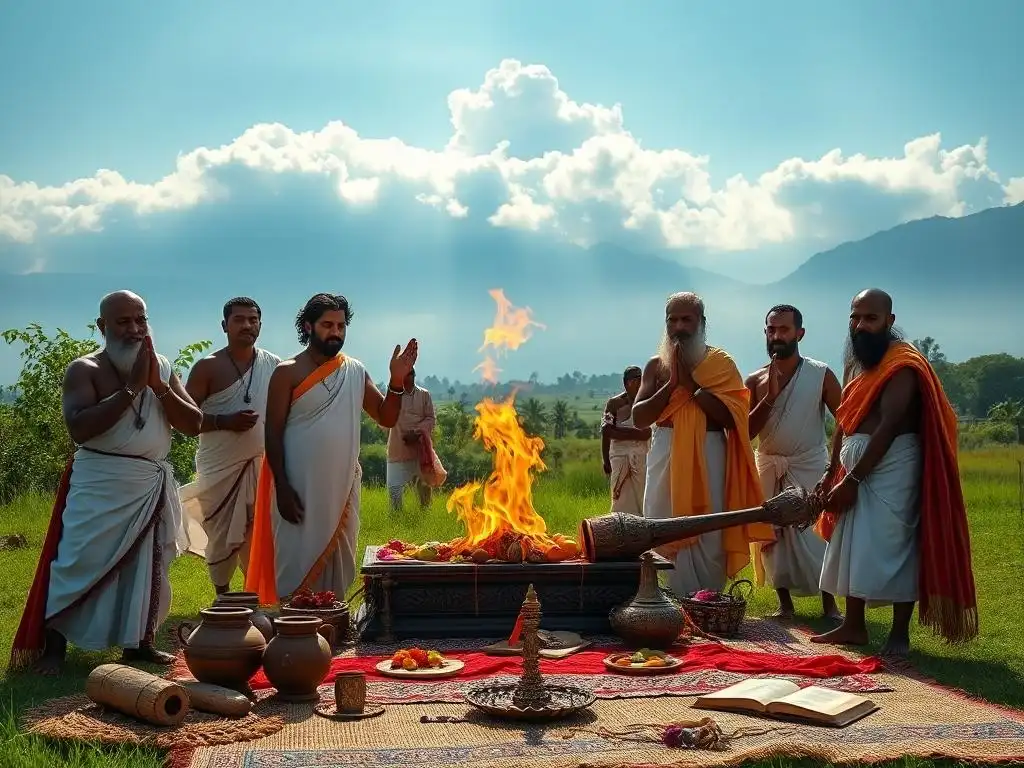
Vedic rituals, often referred to as Yajnas, are elaborate ceremonies outlined in the Vedic texts that were performed to invoke divine blessings and ensure cosmic order (Rta). These rituals typically involved offerings made to deities through fire, symbolizing the connection between the material and spiritual realms. The core elements of Vedic rituals include:
- Homa (fire offerings): The central feature where offerings are made to the sacred fire.
- Mantras (sacred chants): Recitation of Vedic verses that invoke specific deities or cosmic principles.
- Ritual implements: Various items used during the ceremonies, such as ladles (soma), pots, and grains.
The rituals were performed by specially trained priests known as Brahmins, who played a crucial role in ensuring that the rituals were conducted correctly to achieve the desired outcomes.
Overview of Ancient Indian Society
Ancient Indian society was characterized by a complex structure that included various social classes, philosophical schools, and cultural practices. The Vedic period, which spans from approximately 1500 to 500 BCE, saw the emergence of a stratified society based on the Varna system, which classified people into four primary groups:
- Brahmins (priests and scholars)
- Kshatriyas (warriors and rulers)
- Vaishyas (merchants and landowners)
- Shudras (laborers and service providers)
This social structure influenced the performance and significance of Vedic rituals, as the Brahmins were tasked with conducting these ceremonies, positioning them as pivotal figures in society. Furthermore, the rituals served as a means of reinforcing social hierarchies and community bonds, emphasizing the collective identity tied to shared beliefs and practices.
Importance of Vedic Rituals in Cultural Context
Vedic rituals held immense significance in the cultural context of ancient India, serving as a bridge between the human and divine. They were not only religious expressions but also vital components of social life, facilitating:
- Community cohesion: Rituals often involved collective participation, fostering unity and shared identity among community members.
- Cultural transmission: Through the performance of rituals, essential teachings and values were passed down generations, preserving the cultural heritage of ancient India.
- Socio-political order: Many rituals were linked to political authority; kings and rulers often sponsored grand Yajnas to legitimize their rule and demonstrate their connection to divine power.
Vedic rituals in ancient India were deeply embedded in the societal framework, reflecting the interplay between spirituality, culture, and social organization. They continue to influence contemporary practices and remain a vital aspect of India's rich historical tapestry.
Historical Context of Vedic Rituals in Ancient India
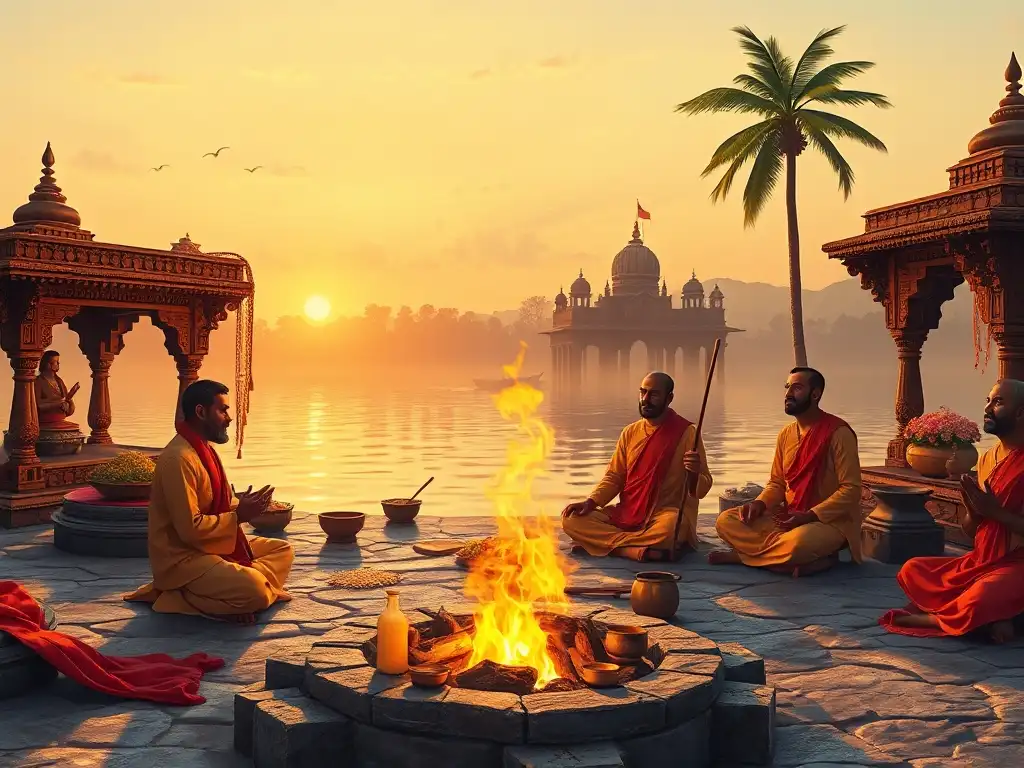
The historical context of Vedic rituals in ancient India is deeply intertwined with the societal norms, religious beliefs, and cultural practices of the time. Emerging around 1500 BCE, the Vedic period represents a pivotal era where the foundation of Hindu spirituality and religious practices began to take shape. The Vedas, the oldest sacred texts of Hinduism, provide a comprehensive insight into the rituals and ceremonies that were integral to early Indian society.
Development of Vedic Texts
The Vedic texts, primarily comprising four collections—Rigveda, Samaveda, Yajurveda, and Atharvaveda—were composed over several centuries and reflect the evolution of religious thought and practice.
- Rigveda: The oldest of the Vedas, it consists of hymns dedicated to various deities, emphasizing the importance of rituals as a means to invoke divine favor.
- Samaveda: This text focuses on melodies that accompany rituals, underscoring the significance of sound and chanting in the performance of Vedic ceremonies.
- Yajurveda: Primarily a guide for ritual practitioners, it provides prose formulas for conducting sacrifices, highlighting the practical aspects of Vedic rituals.
- Atharvaveda: This collection includes hymns and spells that address everyday concerns, indicating the broader scope of rituals beyond formal sacrifices.
The composition of these texts was not merely for religious observance but also served to preserve knowledge and cultural identity, which was vital for the continuity of Vedic traditions.
Evolution of Ritual Practices
Vedic rituals evolved significantly over time, transitioning from simple offerings to complex ceremonies involving elaborate rites and intricate symbolism.
- Early Offerings: Initially, rituals involved straightforward offerings to natural elements, reflecting the agrarian lifestyle of the early Vedic people.
- Sacrificial Rituals: As society advanced, the rituals became more sophisticated, with the Yajna (sacrifice) emerging as a central practice. These sacrifices were believed to maintain cosmic order and appease deities, thus ensuring prosperity and stability.
- Social Stratification: The evolution of Vedic rituals also mirrored the growing social hierarchy, as rituals began to be performed by specialized priests (Brahmins). This led to the establishment of a priestly class whose role was to mediate between humans and the divine.
- Integration of Local Practices: Over time, Vedic rituals began to incorporate local customs and beliefs, showcasing the adaptability of Vedic traditions to different cultural contexts.
The meticulous nature of these rituals, coupled with their spiritual significance, played a crucial role in binding communities and reinforcing shared beliefs.
Influence of Geography and Society on Vedic Rituals
The geographical and societal landscape of ancient India significantly influenced Vedic rituals, shaping their practice and meaning.
- Regional Variations: Different regions exhibited unique interpretations and adaptations of Vedic rituals, leading to a rich tapestry of practices. For example, the rituals performed in the fertile plains of the Punjab differed from those in the arid regions of Rajasthan, reflecting the local environment and agricultural practices.
- Societal Structure: The influence of the caste system in ancient India was profound. Rituals became more exclusive as they were often restricted to certain classes, particularly the Brahmins. This exclusivity reinforced social divisions but also provided a framework for social cohesion within specific groups.
- Cultural Exchange: The interactions between various tribes and communities facilitated a blend of local traditions with Vedic practices, promoting cultural assimilation and diversity. This exchange enriched the rituals, allowing them to evolve and remain relevant in changing times.
Vedic rituals in ancient India were not static; they were dynamic practices deeply rooted in the historical, geographical, and social contexts of the time. Their development showcased the intricate relationship between religion and society, reflecting the values and beliefs that shaped ancient Indian civilization.
Types of Vedic Rituals in Ancient India
Domestic Rituals and Their Significance
Domestic rituals held a central place in ancient Indian society, serving as a means to invoke divine blessings and maintain harmony within the household. These rituals were often conducted by the head of the family and involved various ceremonies that aligned with the Vedic texts. Among the most significant domestic rituals were Samskaras, or rites of passage, which marked important transitions in an individual's life.
- Key Samskaras included:
- Namakarana: The naming ceremony, performed on the 11th day after birth.
- Annaprashana: The first feeding of solid food to the child, typically held around six months of age.
- Upanayana: The initiation ceremony for young boys into the study of the Vedas, often referred to as the sacred thread ceremony.
These rituals not only reinforced social and family bonds but also emphasized the importance of spiritual growth and education. The performance of domestic rituals was believed to purify the home and create a conducive environment for prosperity and peace. In essence, they were a way to cultivate Dharma (moral duty) within the family structure.
Public and Community Rituals
Public and community rituals in ancient India played a vital role in fostering social cohesion and collective identity. These rituals often involved the participation of large groups and were integral to maintaining the fabric of society. They included:
- Yajnas: These were elaborate fire sacrifices that involved offerings to deities. The community would gather to participate in these rituals, reinforcing communal bonds.
- Festivals: Celebrations such as Maha Shivaratri or Navaratri were occasions for public worship, music, and dance, drawing people together to celebrate shared beliefs and cultural heritage.
The significance of public rituals extended beyond mere participation; they acted as a platform for social interaction and the reinforcement of cultural values. Through these rituals, communities could express gratitude to deities, seek blessings for bountiful harvests, and promote social harmony.
Sacrificial Rituals: Purpose and Practices
Sacrificial rituals, known as Yajnas, were among the most significant Vedic rituals in ancient India, reflecting the deep-rooted belief in reciprocity between humans and the divine. The purpose of these rituals was multifaceted, aiming to appease the gods, ensure cosmic order, and obtain material and spiritual benefits.
Key Elements of Sacrificial Rituals:
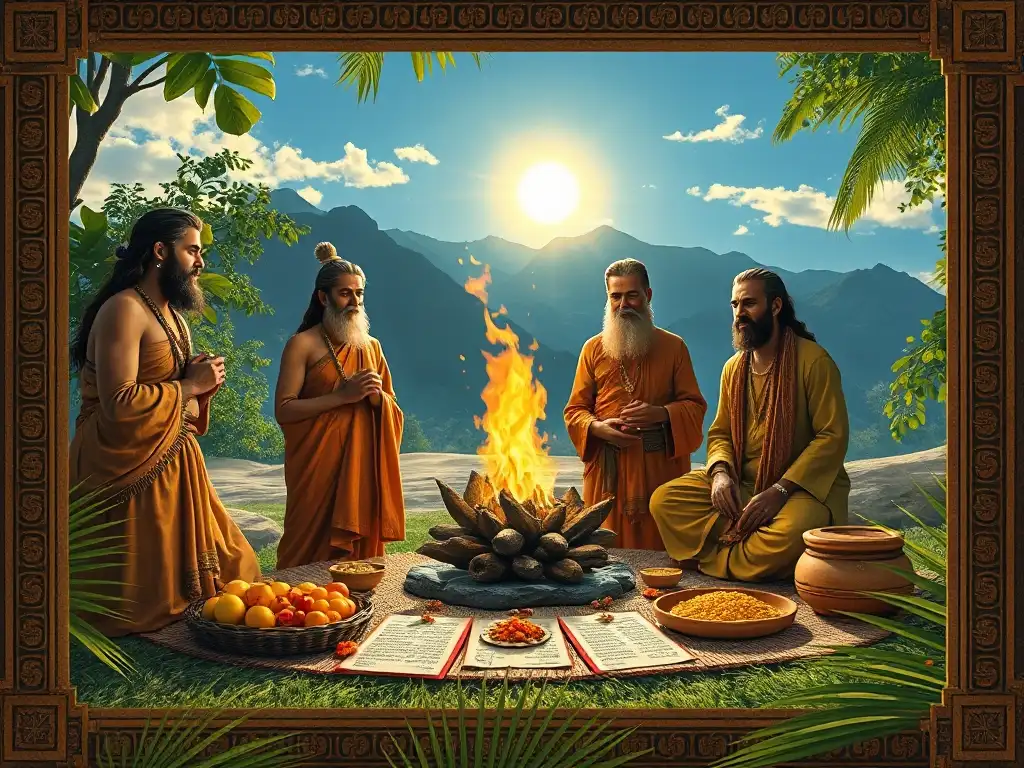
- Homa: The act of offering oblations to the sacred fire, symbolizing the connection between the earthly and the divine.
- Mantras: Recitation of specific Vedic hymns during the ritual was believed to invoke the presence of deities and enhance the efficacy of the offerings.
- Participants: Brahmins, or priests, played a crucial role in conducting these rituals, ensuring that they adhered to the prescribed Vedic guidelines.
The practice of sacrificing animals, grains, and other offerings not only served as a means to seek favor from the gods but also represented the community's commitment to maintaining Rita, the cosmic order. Through these rituals, participants aimed to achieve both spiritual upliftment and tangible benefits, such as prosperity and health.
In summary, Vedic rituals in ancient India were complex, multifaceted practices that served to connect individuals and communities with the divine, ensuring both spiritual and societal well-being. These rituals were essential for fostering a profound sense of belonging and purpose within the ancient Indian civilization.
The Role of Vedic Rituals in Ancient Indian Society
Spiritual and Religious Functions of Vedic Rituals
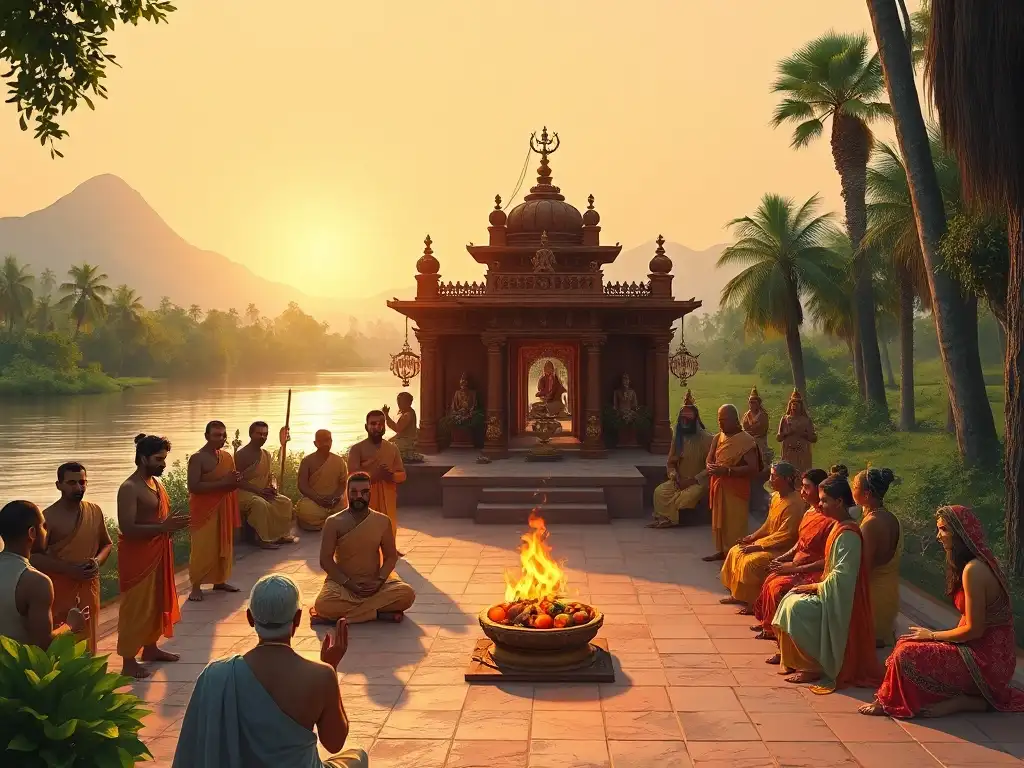
Vedic rituals in ancient India served as a fundamental aspect of spiritual and religious life, deeply intertwined with the beliefs and practices of the time. These rituals, often conducted by priests or Brahmins, were designed to invoke the deities and ensure the well-being of the community. The significance of these ceremonies can be understood through various aspects:
- Invocation of Deities: Each ritual aimed to please specific gods and goddesses, ensuring their blessings for prosperity, health, and fertility. For instance, the Agnihotra was performed to honor Agni, the fire god, essential for both rituals and daily life.
- Cosmic Order (Rta): Vedic rituals were believed to uphold Rta, the cosmic order that governs the universe. By performing these ceremonies, practitioners sought to maintain harmony between the natural and spiritual worlds, reflecting the interconnectedness of life.
- Offerings and Sacrifice: Central to many Vedic rituals was the concept of Yajna, or sacrifice. Offerings such as grains, ghee, and milk were made into the sacred fire, symbolizing the exchange between humans and the divine. This reciprocity was vital for ensuring continued blessings.
- Purification and Renewal: Rituals often included purification processes, such as the recitation of mantras and the use of holy water. These practices were believed to cleanse participants of impurities, both physical and spiritual, facilitating a deeper connection with the divine.
The spiritual and religious functions of Vedic rituals were not merely about worship; they encapsulated a worldview that emphasized the importance of maintaining balance and harmony within society and the cosmos.
The structure of Vedic rituals in ancient India also mirrored the social hierarchy and organization of society. These rituals were often stratified, reflecting the roles and statuses of different groups within the community:
- Priestly Class (Brahmins): The Brahmins held a pivotal role as ritual specialists, responsible for conducting and overseeing the ceremonies. Their extensive knowledge of the Vedas and rituals conferred them significant authority, making them the intermediaries between the divine and the laypeople.
- Warriors and Rulers (Kshatriyas): This class played a crucial role in sponsoring and participating in grand rituals. They would often commission large Yajnas aimed at establishing their power and legitimacy, showcasing their wealth and status to the community.
- Merchants and Landowners (Vaishyas): While not directly involved in priestly duties, this class participated in rituals as patrons. Their contributions were vital for the sustenance of Vedic practices and were often seen as a means to gain favor with the deities.
- Laborers and Servants (Shudras): Although their participation in Vedic rituals was limited, they played essential supporting roles, ensuring that rituals could be conducted smoothly. Their labor was often deemed necessary for the completion of these sacred tasks.
The hierarchical nature of these rituals reinforced the social structure of ancient India, embedding the roles and responsibilities of each class within the religious framework.
Beyond their spiritual and hierarchical implications, Vedic rituals served as a vital means of social cohesion within ancient Indian society. These ceremonies fostered a sense of community and shared identity among participants:
- Community Involvement: Vedic rituals often involved the participation of entire communities, encouraging collective engagement. Festivals and communal Yajnas created opportunities for individuals to come together, reinforcing social bonds and cultural identity.
- Cultural Transmission: Through rituals, knowledge and traditions were passed down from generation to generation. The recitation of Vedic texts and the performance of rituals served as a medium for educating the younger members of society about their cultural heritage, values, and responsibilities.
- Conflict Resolution: Many rituals included elements designed to resolve disputes and harmonize relationships. By participating in communal offerings and ceremonies, individuals could mend social rifts and promote unity within the community.
- Ritual as Identity: For many, participation in Vedic rituals became a core aspect of their identity. These ceremonies were not merely religious obligations; they were expressions of belonging to a larger cultural and spiritual narrative that transcended individual differences.
Vedic rituals in ancient India were more than religious practices; they were integral to the fabric of society, promoting unity, shared values, and a collective sense of purpose among the diverse populations of the time.
Symbolism and Philosophy Behind Vedic Rituals
Understanding Symbolism in Vedic Practices
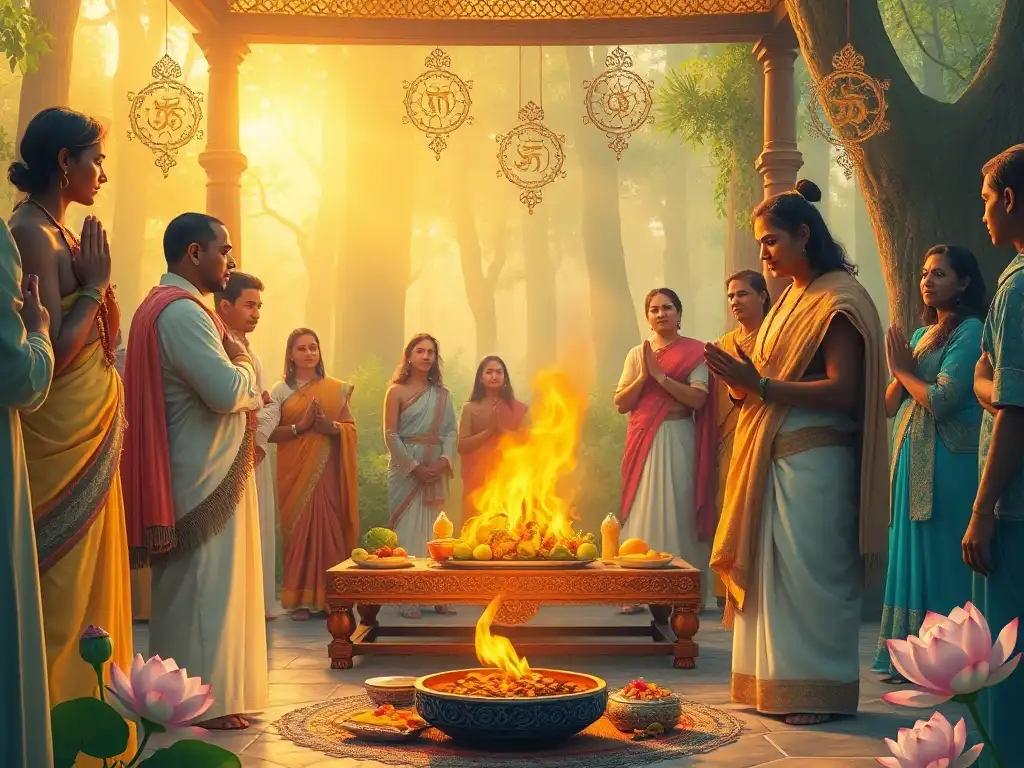
Vedic rituals in ancient India are steeped in rich symbolism, each element serving a specific purpose and conveying deeper meanings. The rituals often utilize fire (Agni) as a central figure, representing purity, transformation, and the divine connection between humans and gods. The offerings made into the fire symbolize the surrender of the ego and worldly attachments, fostering a bond with the spiritual realm.
Key Symbols in Vedic Rituals:
- Fire (Agni): The messenger to the deities, representing light and energy.
- Water (Apāna): Signifies purity and is used for purification rites.
- Hymns (Suktas): Each chant or hymn is layered with meanings, often invoking specific deities to ensure harmony and prosperity.
- Sacrificial Offerings: Represent the act of giving, reflecting the principle of Dāna (charity) in fostering community and divine favor.
The use of these symbols is not merely ornamental; they create a narrative that links the material world to the spiritual. For instance, the ritualistic use of soma, a sacred drink, symbolizes both immortality and divine inspiration, fostering a deeper understanding of existence and the cosmos.
Philosophical Underpinnings of Vedic Rituals
The philosophical dimensions of Vedic rituals extend beyond mere practice into the realms of metaphysics and ethics. These rituals are rooted in the concept of Dharma, which refers to the moral order of the universe. Each ritual performed is seen as a way of maintaining the cosmic balance and fulfilling one’s duty within the social and cosmic order.
Core Philosophical Concepts:
- Dharma (Righteousness): The duty that each individual must fulfill, which varies according to their role in society.
- Karma (Action and Consequence): The belief that every action has consequences that affect future lives, underscoring the importance of mindful participation in rituals.
- Moksha (Liberation): The ultimate goal of life, which Vedic rituals aim to facilitate by connecting the practitioner with the divine.
Understanding these philosophical foundations is crucial to grasping the significance of Vedic rituals. They are not merely ceremonial acts but are imbued with deeper meanings that reflect the pursuit of spiritual truth and ethical living.
Connections Between Vedic Rituals and Hindu Philosophy
Vedic rituals are deeply intertwined with the broader landscape of Hindu philosophy. They serve as practical expressions of philosophical principles found in the Upanishads, which emphasize knowledge (Jnana), meditation (Dhyana), and devotion (Bhakti) as pathways to realization.
The connection can be seen in how rituals often incorporate meditation and chanting, aligning physical actions with spiritual intentions. This synthesis of action and contemplation reflects the Advaita Vedanta philosophy, which posits that the individual soul (Atman) is ultimately one with the universal spirit (Brahman).
Key Connections:
- Integration of Practices: Rituals combine various elements such as meditation, chanting, and offerings, creating a holistic spiritual experience.
- Influence on Later Philosophies: The Vedic framework laid the groundwork for later developments in Hindu thought, influencing schools like Samkhya and Yoga.
- Community and Individuality: While Vedic rituals serve communal purposes, they also allow for personal spiritual exploration, emphasizing the balance between individual and collective responsibilities.
The significance of Vedic rituals in ancient India is not just in their execution but in their profound connection to the philosophical and ethical dimensions of Hinduism, reflecting the intricate tapestry of life, duty, and spirituality that defines ancient Indian civilization.
Impact of Vedic Rituals on Later Indian Traditions
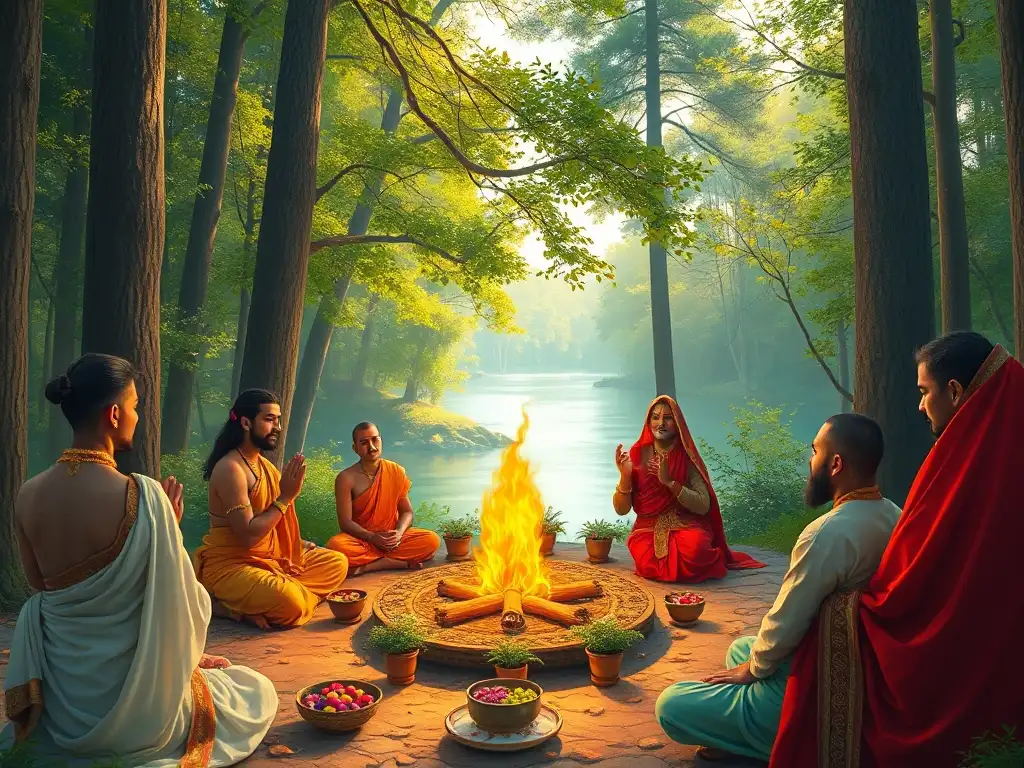
The Vedic rituals, deeply embedded in the societal framework of ancient India, have significantly influenced the spiritual and cultural practices that followed. These rituals, originating from the Vedas, laid the groundwork for many religious traditions and practices that are still prevalent today. Understanding the transition from Vedic rituals to their later adaptations is crucial in comprehending their enduring impact on Indian culture.
Transition from Vedic to Post-Vedic Rituals
The transition from Vedic to post-Vedic rituals marks a significant evolution in religious practices. As society progressed from the Vedic period (approximately 1500 to 500 BCE) to the post-Vedic era, various changes occurred in how rituals were performed and understood.
- Emergence of New Texts:
- The Upanishads, Brahmanas, and Aranyakas emerged during this time, providing philosophical interpretations and practical guidelines for rituals.
- These texts emphasized the spiritual significance of rituals rather than mere performance, encouraging a deeper understanding of the universe and the self.
- Sanskritization:
- The rituals began to be adapted by various communities, leading to a process known as Sanskritization, where local practices were infused with Vedic elements.
- This integration helped in the dissemination of Vedic principles across diverse Indian cultures, creating a rich tapestry of religious observances.
- Shift in Focus:
- While Vedic rituals primarily focused on ceremonial offerings to deities, the post-Vedic period saw a shift towards personal spirituality and the quest for moksha (liberation).
- Rituals became more inclusive, allowing participation from a wider demographic, thus democratizing religious practices.
Influence on Modern Hindu Practices
The influence of Vedic rituals can be traced throughout the development of modern Hindu practices. Many contemporary rituals and festivals are direct descendants of Vedic traditions, showcasing their lasting legacy.
- Ritual Offerings (Puja):
- The practice of puja, or worship, in modern Hinduism, retains elements of Vedic rituals, including the use of mantras, offerings, and the invocation of deities.
- The performance of rituals during significant life events, such as weddings and naming ceremonies, reflects this continuity.
- Festivals and Observances:
- Major Hindu festivals, such as Diwali and Makar Sankranti, incorporate Vedic rituals, celebrating agricultural cycles and the changing seasons.
- These festivals not only serve religious purposes but also reinforce community and familial bonds.
- Philosophical Underpinnings:
- The philosophical concepts derived from Vedic texts, such as dharma (duty) and karma (action), continue to guide moral and ethical decisions in contemporary society.
- The importance of rituals as a means of attaining spiritual growth remains central to Hindu beliefs.
Legacy of Vedic Rituals in Contemporary Society
The legacy of Vedic rituals extends beyond religious practices into various aspects of contemporary Indian society. Their influence is evident in cultural, social, and even political arenas.
- Cultural Heritage:
- Vedic rituals have contributed to India’s rich cultural heritage, inspiring art, music, and dance forms that celebrate these ancient practices.
- Traditional storytelling and classical literature often reference Vedic themes, ensuring their relevance in modern narratives.
- Social Cohesion:
- Rituals serve as social glue, fostering a sense of community among practitioners. They facilitate gatherings that strengthen familial and societal ties.
- Events honoring Vedic traditions often encourage intergenerational participation, thereby transmitting cultural knowledge across generations.
- Revival Movements:
- In recent years, there has been a resurgence of interest in Vedic rituals, with movements advocating for the revival of traditional practices as a means of reconnecting with cultural roots.
- This revival is seen not only in religious contexts but also in educational institutions and cultural organizations aiming to preserve and promote ancient Indian wisdom.
Vedic rituals have left an indelible mark on the fabric of Indian society, shaping religious practices and cultural expressions that resonate even in contemporary times. Their significance is multifaceted, impacting spirituality, community life, and cultural identity, ensuring their place in the ongoing narrative of ancient Indian civilization.
Conclusion: The Enduring Significance of Vedic Rituals in Ancient India
Summary of Key Points
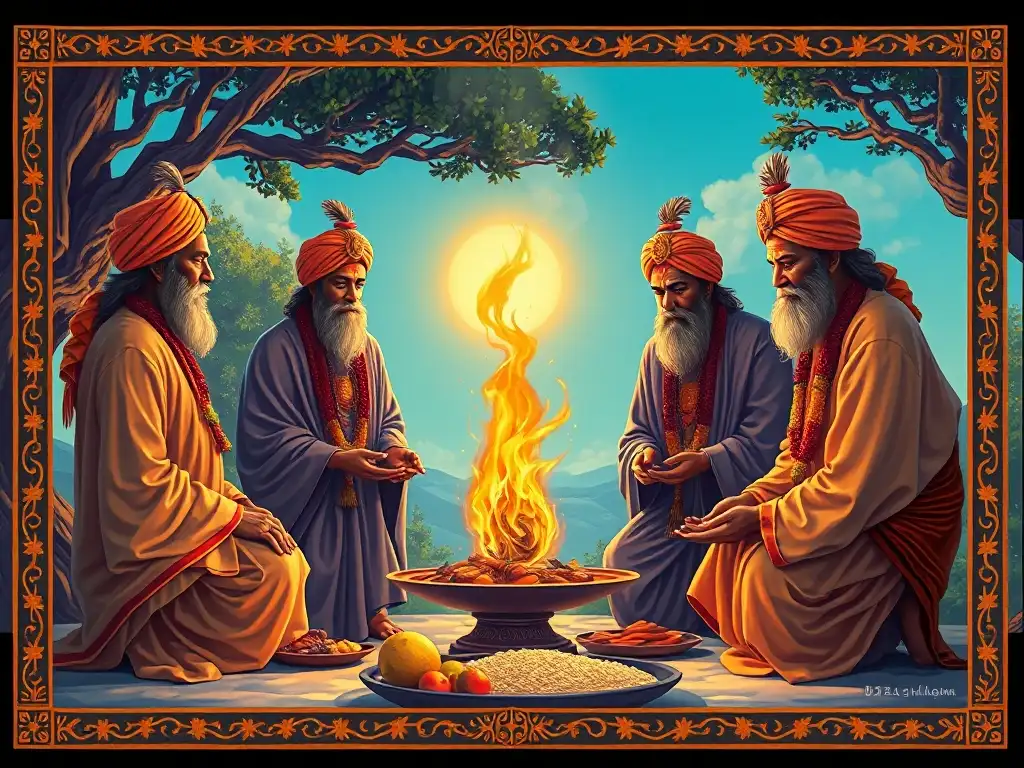
Vedic rituals in ancient India were fundamental to the social and religious fabric of the time. These rituals, deeply rooted in the texts of the Vedas, served multiple purposes, including:
- Establishing Cosmic Order: Rituals were seen as a means to maintain Rita, the cosmic order, ensuring harmony in the universe.
- Communal Identity: They fostered a sense of community and belonging among participants, reinforcing social bonds.
- Spiritual Connectivity: Through offerings and chants, individuals sought to connect with divine powers, invoking blessings for prosperity and well-being.
- Cultural Continuity: Vedic rituals preserved ancient traditions, beliefs, and practices, passing them down through generations.
The meticulous nature of these rituals, often performed by priests, highlighted the importance of precision and adherence to tradition, which were paramount in ancient Indian society.
Reflection on the Cultural Heritage of Vedic Traditions
The Vedic traditions represent a significant cultural heritage that shaped the identity of ancient Indian civilization. The rituals were not merely religious ceremonies; they embodied philosophical ideas and cosmological beliefs that influenced various aspects of life.
- Philosophical Underpinnings: The Upanishads, which emerged from Vedic thought, delve into profound questions about existence, consciousness, and the nature of reality, showcasing the intellectual depth of the time.
- Artistic Expressions: Vedic rituals also inspired various forms of art, including music, dance, and poetry, reflecting the aesthetic sensibilities of ancient society.
- Social Structure: The rituals often mirrored the societal hierarchy, with specific roles assigned to priests (Brahmins) and participants, thus illuminating the social dynamics of ancient India.
This rich tapestry of cultural heritage continues to resonate in contemporary practices, illustrating the lasting legacy of Vedic traditions.
Final Thoughts on the Relevance of Vedic Rituals Today
In the modern context, the relevance of Vedic rituals persists, offering insights into the spiritual and cultural dimensions of life.
- Modern Practices: Many contemporary Hindu ceremonies still draw upon Vedic principles, adapting ancient rituals to suit current contexts, thereby maintaining a connection with the past.
- Cultural Resurgence: There is a growing interest in reviving Vedic rituals among younger generations, who seek to understand their roots and the wisdom encapsulated in these practices.
- Interfaith Dialogue: Vedic rituals also contribute to interfaith discussions, highlighting common spiritual themes and fostering mutual respect among different cultures.
The significance of Vedic rituals in ancient India extends far beyond their historical context; they continue to shape spiritual practices and cultural identity in contemporary society. The enduring legacy of these rituals underscores the richness of ancient Indian civilization and its contributions to the world.
Frequently Asked Questions
What are Vedic rituals in ancient India?
Vedic rituals are a set of religious ceremonies and practices outlined in the Vedas, the oldest sacred texts of Hinduism. They played a crucial role in the spiritual and social life of ancient Indian civilizations.
How did Vedic rituals impact ancient Indian society?
Vedic rituals were central to social order and community life, promoting unity and cooperation among people. They often involved elaborate ceremonies that reinforced the caste system and the authority of priests.
What are some common Vedic rituals?
Common Vedic rituals include sacrifices (yajnas), chanting of mantras, and various rites of passage such as marriage and initiation. These rituals were believed to invoke blessings from the deities and ensure prosperity.
How do Vedic rituals relate to ancient Indian culture?
Vedic rituals are deeply intertwined with cultural practices in ancient India, influencing art, literature, and philosophy. They also established a framework for ethical conduct and social responsibilities within the community.
Are Vedic rituals still practiced today?
Yes, many Vedic rituals continue to be practiced in modern Hinduism, though they have evolved over time. They remain significant in contemporary spiritual and cultural traditions, reflecting the enduring legacy of ancient Indian civilization.
Final Reflection: The Enduring Legacy of Vedic Rituals in Ancient India
The significance of Vedic rituals in ancient India resonates profoundly in today's world, reminding us of the intricate connections between spirituality, culture, and community. These rituals were not merely ceremonial acts; they were the lifeblood of ancient society, shaping social structures and influencing the moral fabric of the time. As we navigate our modern lives, the essence of these practices continues to inspire a quest for meaning and connection in an increasingly fragmented world.
The impact of Vedic rituals extends far beyond their historical context, weaving themselves into the cultural and spiritual tapestry of contemporary society. From the reverence for nature to the emphasis on community and shared values, these ancient practices offer timeless wisdom that remains relevant today. As noted by the scholar A. K. Ramanujan, The past is never dead; it is not even past.
This statement encapsulates how the teachings and traditions of the Vedic period continue to influence our understanding of identity, spirituality, and the interconnectedness of all life.
As you reflect on the lessons of Vedic rituals, consider how you can incorporate their principles into your own life. Embrace the opportunity to cultivate a deeper connection with your surroundings, foster community bonds, and seek spiritual growth. Let the wisdom of ancient India guide you in your journey, encouraging you to honor tradition while forging your own path in the modern world. The legacy of Vedic rituals is not just a relic of the past; it is a living testament to the enduring human spirit and our quest for meaning.
Embrace the Wisdom of Vedic Rituals Today!
Thank you for taking the time to delve into the fascinating world of Vedic rituals and their significance in ancient society. You've uncovered valuable insights into how these practices shaped cultural and spiritual lives. Now, it’s time to carry that knowledge forward!
Take action today with these steps:
- Dive deeper into Vedic practices: Explore local workshops or online courses to learn about Vedic rituals and their meanings.
- Share your newfound knowledge: Discuss what you've learned with friends or on social media to inspire others.
- Connect with a community: Join forums or groups focused on ancient practices to engage with like-minded individuals and continue learning.
As you reflect on the importance of Vedic rituals, consider this: How can you incorporate the principles of these ancient practices into your modern life for greater balance and mindfulness?