
Gemstone Myths and Legends: Tales from Ancient India

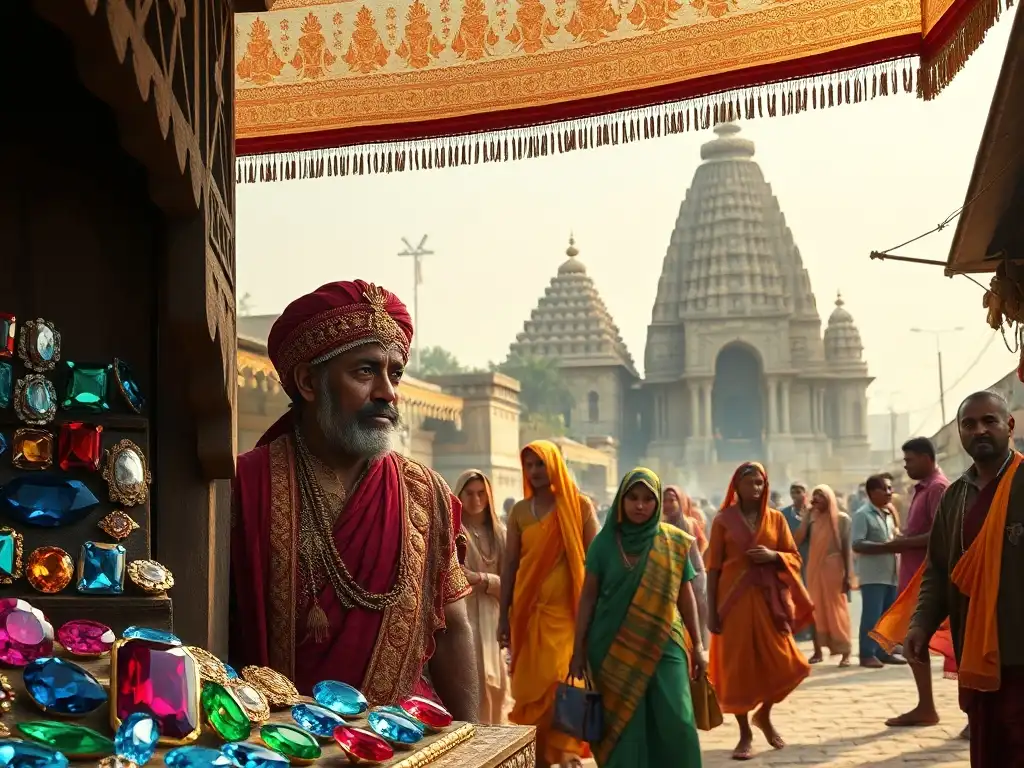
Welcome to Ancient India History, where we invite you to embark on a fascinating journey through time! Delve into the enchanting world of Ancient Indian gemstone legends, where each gem tells a story steeped in mythology, culture, and mystical beliefs. As you explore our featured article, "Gemstone Myths and Legends: Tales from Ancient India," prepare to uncover the secrets of these radiant treasures that have captivated hearts and minds for centuries. What hidden truths lie behind these glittering tales? Join us as we unravel the mysteries and celebrate the rich heritage of ancient Indian civilizations!
- Ancient Indian Gemstone Legends: An Overview of Myths and Their Cultural Significance
- The Legend of the Navaratnas: The Nine Sacred Gemstones
- The Mythical Origins of Indian Gemstones
- Healing Properties of Gemstones: Myths vs. Reality
- Notable Legends of Gemstones in Ancient Indian Literature
- Conclusion: The Enduring Legacy of Ancient Indian Gemstone Legends
- Recommended Resources for Exploring Ancient Indian Gemstone Legends
- Call to Action: Discover the Magic of Ancient Indian Gemstones
-
Frequently Asked Questions
- What are some popular gemstone legends from ancient India?
- How did gemstones influence ancient Indian culture?
- What was the significance of gemstones in the Indus Valley Civilization?
- How did gemstones contribute to ancient Indian trade?
- Are there any historical texts that document gemstone legends?
- Final Reflection: The Enduring Allure of Ancient Indian Gemstone Legends
- Unveil the Mysteries of Gemstones!
Ancient Indian Gemstone Legends: An Overview of Myths and Their Cultural Significance
Gemstones have held a special place in the tapestry of ancient Indian culture, intertwining with spirituality, mythology, and societal status. From the brilliant sapphires to the mesmerizing rubies, these precious stones were not merely adornments; they were believed to embody divine qualities and hold significant power. The ancient Indian civilization, with its rich history and profound connection to nature, created a fascinating array of myths and legends surrounding gemstones.
These stories not only offer insight into the values and beliefs of the time but also reflect the cultural importance of gemstones in various aspects of life, including health, wealth, and protection. In this article, we will delve into the enchanting world of ancient Indian gemstone legends, exploring their origins, meanings, and the role they played in shaping the cultural landscape of the era.
The Importance of Gemstones in Ancient Indian Culture
Gemstones in ancient India were revered for their beauty and perceived mystical properties. They were believed to possess unique energies that could influence an individual's fate and well-being. The significance of gemstones can be observed in various aspects of ancient Indian life:
- Spiritual Beliefs: Many gemstones were associated with specific deities, and wearing them was thought to invoke divine blessings. For instance, diamonds were linked to Goddess Durga, symbolizing purity and invincibility.
- Astrology and Healing: The ancient Indian practice of astrology recognized the influence of celestial bodies on human lives. Gemstones were often prescribed as remedies to counteract negative planetary influences. For example, blue sapphire was believed to alleviate the malefic effects of Saturn.
- Status Symbols: Gemstones were not just accessories; they were symbols of wealth and power. Rulers adorned themselves with elaborate gem-studded jewelry to showcase their status and prestige, fostering a culture of opulence.
- Art and Craftsmanship: The intricate craftsmanship of gemstone cutting and setting epitomized the artistic skills of ancient artisans, making gemstones a significant part of Indian art and culture.
Common Myths Surrounding Ancient Indian Gemstones
The myths surrounding gemstones in ancient India are as varied and colorful as the stones themselves. Here are some of the most notable legends that have transcended time:
- The Myth of the Navaratnas: The nine sacred gems, known as Navaratnas, are believed to represent the nine celestial bodies. Each gem has its own legend, linking it to specific astrological benefits. For example, the emerald is associated with Mercury and is said to enhance intelligence and communication skills.
- The Legend of the Cursed Ruby: A famous tale tells of a ruby that was said to bring misfortune to its owner due to its association with a tragic love story. The ruby, once belonging to a beloved princess, was believed to carry the weight of her sorrow, warning future owners of its dark past.
- The Origin of the Blue Sapphire: According to legend, the blue sapphire was formed from the tears of the god Vishnu, who wept for the suffering of humanity. Wearing this gemstone was believed to bring protection and guide individuals toward righteousness.
- The Dazzling Diamond of Koh-i-Noor: The Koh-i-Noor diamond, one of the most famous gemstones in history, has its own array of myths. It is said that the diamond carries a curse, bringing misfortune to any male ruler who possesses it. This myth has contributed to its mystique and allure throughout the centuries.
These captivating tales not only highlight the cultural significance of gemstones in ancient India but also serve as a reflection of the human experience—love, loss, power, and protection—all beautifully encapsulated in the legends that continue to inspire curiosity and fascination today.
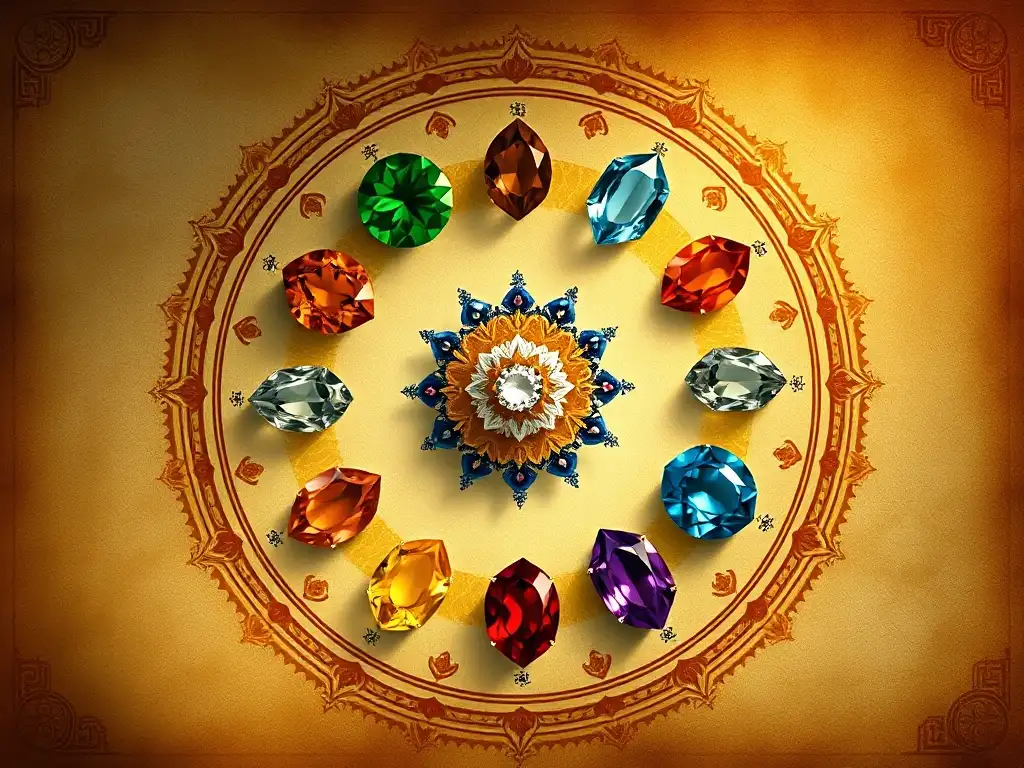
The Navaratnas, or the "Nine Jewels," hold a significant place in ancient Indian culture and beliefs. Revered not only for their aesthetic beauty but also for their purported spiritual and astrological properties, these gemstones are often associated with the nine celestial bodies in Hindu astrology, each believed to influence different aspects of life. The Navaratnas are:
- Ruby (Manikya) – Represents the Sun (Surya)
- Pearl (Moti) – Represents the Moon (Chandra)
- Red Coral (Moonga) – Represents Mars (Mangala)
- Emerald (Panna) – Represents Mercury (Budha)
- Yellow Sapphire (Pukhraj) – Represents Jupiter (Brihaspati)
- Diamond (Heera) – Represents Venus (Shukra)
- Blue Sapphire (Neelam) – Represents Saturn (Shani)
- Hessonite (Gomed) – Represents the ascending lunar node (Rahu)
- Cat's Eye (Lehsunia) – Represents the descending lunar node (Ketu)
In ancient texts, the Navaratnas were often worn in a specific order to enhance their positive effects and counteract negative influences from celestial bodies. Their significance transcends mere adornment, embodying the intricate interplay between astrology, spirituality, and personal well-being in ancient Indian society.
The Navaratnas are shrouded in fascinating myths that highlight their importance and the beliefs surrounding them. Each gem is associated with unique tales that reflect its powers and influences.
-
Ruby (Manikya)
The Ruby is believed to embody the energy of the Sun. Legend has it that wearing a Ruby can ward off misfortunes and bring good fortune. It is said that a powerful king once adorned himself with a Ruby, which granted him victory in battles, symbolizing strength and courage.
-
Pearl (Moti)
The Pearl is linked to the Moon, representing purity and emotional balance. According to mythology, pearls were created from the tears of the goddess Lakshmi, symbolizing wealth and prosperity. It is believed that wearing a Pearl can enhance one's intuition and bring tranquility.
-
Red Coral (Moonga)
The Red Coral is associated with Mars and is said to bring vitality and courage. In ancient times, warriors would wear Red Coral to gain strength in battles, believing it infused them with the bravery of the god Kartikeya.
-
Emerald (Panna)
The Emerald is connected to Mercury and is thought to enhance intellect and eloquence. Myths recount how Lord Krishna wore an Emerald to improve his wisdom and communication skills, guiding his followers through challenges.
-
Yellow Sapphire (Pukhraj)
The Yellow Sapphire symbolizes Jupiter, the planet of wisdom and prosperity. Legends speak of sages wearing this gem to gain divine knowledge and blessings, ensuring a prosperous life filled with wisdom.
-
Diamond (Heera)
The Diamond represents Venus and is associated with love and beauty. Myths tell of its ability to protect its wearer from negative energies and enhance their charm, making it a popular choice among royalty and the affluent.
-
Blue Sapphire (Neelam)
The Blue Sapphire is governed by Saturn and is believed to bring success and protection from harm. Folklore suggests that this gemstone can transform one's fate, as it did for a humble farmer who became a king after donning a Blue Sapphire.
-
Hessonite (Gomed)
Associated with Rahu, the Hessonite is said to dispel illusions and negative influences. Ancient stories describe how this gem can help its wearer overcome obstacles and achieve their desires, often seen as a gem of transformation.
-
Cat's Eye (Lehsunia)
The Cat's Eye represents Ketu and is linked to spiritual enlightenment. Myths suggest that wearing this gemstone can enhance one's spiritual journey, providing clarity and insight into the mysteries of life.
Each of these gemstones is not just a decorative item but a symbol of power, protection, and divine guidance in ancient Indian culture, weaving a rich tapestry of myths and legends that continue to resonate in modern times.
The Mythical Origins of Indian Gemstones
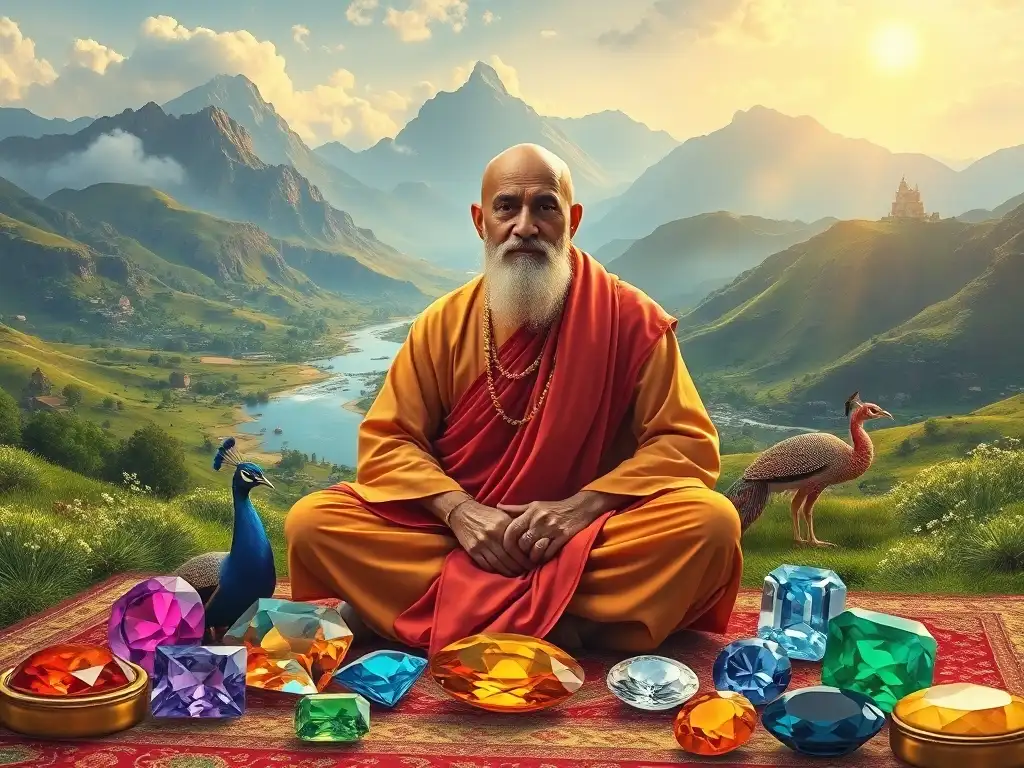
The ancient Indian civilization is rich with myths and legends that attribute powerful qualities and origins to gemstones. These narratives often intertwine with the spiritual beliefs and cultural practices of the time.
Indian gemstones, such as diamonds, rubies, and emeralds, were not merely considered precious stones but were believed to be imbued with divine qualities and cosmic significance. Traditionally, it was thought that these gems could influence the fate and fortune of individuals, serving as talismans of protection and prosperity.
One of the most famous legends is that of the "Crown of the King of Serpents", which speaks of the mystical Naga (serpent) who guards a hidden treasure of gemstones beneath the earth. This legend highlights the belief that gemstones are not just materials but are intrinsically linked to the earth's energies and the divine.
Another prominent myth is related to the Navaratna, a collection of nine precious stones that are believed to symbolize the nine celestial bodies in Hindu astrology. Each gem is associated with specific deities and is thought to bring luck, health, and wealth to the wearer. The significance of these stones can still be seen in modern practices, where they are often used in jewelry and astrological remedies.
These myths contributed to the reverence and allure surrounding ancient Indian gemstones, shaping their historical and cultural significance in society.
Historical Accounts of Gemstone Mining in Ancient India
The mining of gemstones in ancient India has a storied history, with evidence pointing to active extraction as early as the Indus Valley Civilization (c. 2500-1900 BCE). Archaeological findings suggest that the people of this era utilized various techniques for mining and crafting gemstones, which were often used for decorative and ritualistic purposes.
- Indus Valley Civilization:
- Excavations have revealed tools and artifacts related to the processing of stones.
- Commonly used gemstones included carnelian, agate, and lapis lazuli.
- Mauryan Empire (c. 322-185 BCE):
- Under the reign of Chandragupta Maurya, India became a hub for gemstone trade.
- Historical texts from this period indicate that gemstones were a significant part of commerce, with trade routes connecting India to regions as far as Rome and Persia.
- Gupta Empire (c. 240-550 CE):
- This period is often referred to as the Golden Age of India, where advancements in arts, culture, and trade flourished.
- Gemstone mining expanded, with diamond and ruby mining becoming particularly prominent in regions like Madhya Pradesh and Rajasthan.
The historical accounts of gemstone mining reveal the importance of these treasures in ancient Indian society, both economically and culturally. The skills developed in gemstone crafting laid the groundwork for the intricate jewelry designs that would become synonymous with Indian craftsmanship.
Famous Historical Figures and Their Gemstone Associations
Throughout ancient Indian history, numerous figures have been associated with gemstones, often reflecting their status, power, and influence.
- Maharaja Ranjit Singh: Known as the "Lion of Punjab," Ranjit Singh was a formidable leader who adorned himself with the famous Koh-i-Noor diamond. This diamond, which translates to "Mountain of Light," has a storied history and is often surrounded by legends of curses and misfortune for its owners.
- Akbar the Great: The Mughal emperor was known for his lavish lifestyle and love for gemstones. He commissioned exquisite jewelry pieces that incorporated emeralds and rubies, emphasizing their royal significance. Under Akbar’s reign, the art of gemstone setting reached new heights, combining intricate designs with the brilliance of the stones.
- Queen Padmini: A character from the epic tale of Rani Padmini, she is often depicted wearing exquisite jewels, including sapphires and pearls. Her story intertwines themes of beauty and valor, with gemstones symbolizing her grace and strength.
These historical figures not only shaped the cultural landscape of their time but also reinforced the mythological and legendary status of gemstones in ancient India. Their associations with these precious stones continue to inspire tales of grandeur and mystique that resonate through the ages.
Healing Properties of Gemstones: Myths vs. Reality
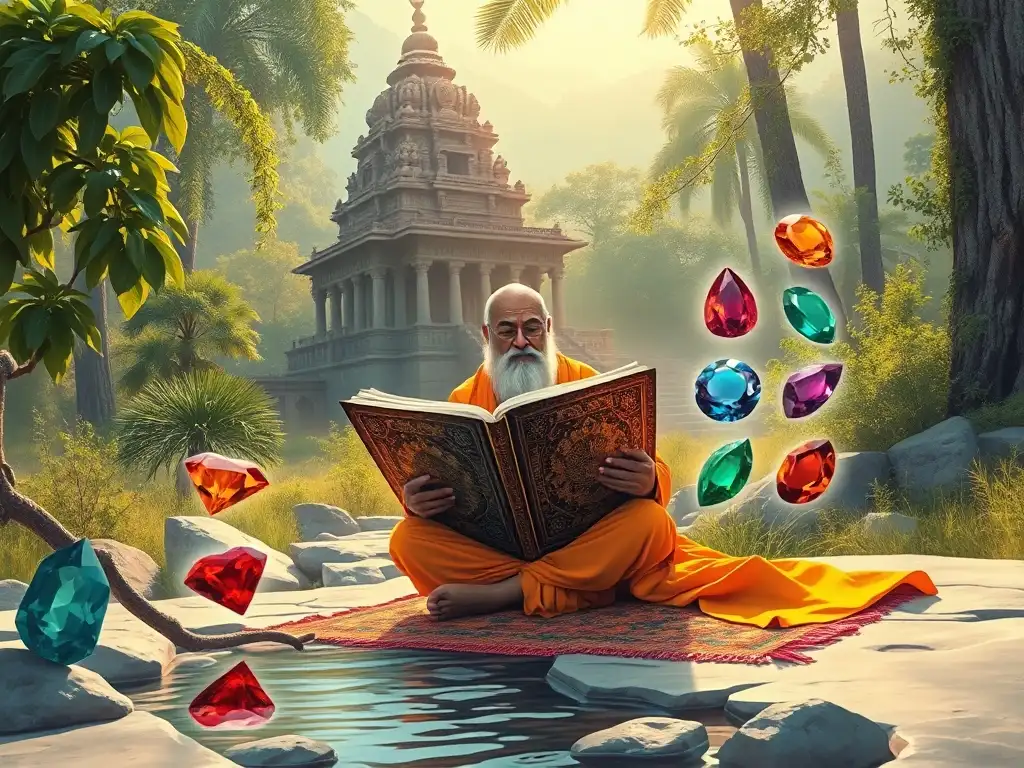
Ancient Beliefs in the Healing Powers of Gemstones
Throughout ancient India, gemstones were revered not only for their beauty but also for their purported healing properties. These beliefs were deeply rooted in the spiritual and medicinal practices of the time, often intertwined with the philosophies of Ayurveda and astrology.
- Astrological Connections:
- Gemstones were believed to be linked to various celestial bodies. For instance:
- Ruby: Associated with the Sun, believed to enhance vitality and energy.
- Emerald: Linked to Mercury, thought to boost intellect and communication.
- Gemstones were believed to be linked to various celestial bodies. For instance:
- Physical and Emotional Healing:
- Different gemstones were thought to have specific healing attributes.
- Amethyst: Regarded as a stone of calmness, believed to alleviate stress and anxiety.
- Blue Sapphire: Considered to bring mental clarity and focus.
- Different gemstones were thought to have specific healing attributes.
- Cultural Practices:
- In various cultural rituals, gemstones were worn as talismans, believed to protect the wearer from negative energies and diseases. For instance, the Navaratna (nine gems) was commonly worn by royalty to balance planetary influences and promote overall well-being.
The narratives surrounding these gemstones often included elaborate stories and legends, contributing to their mystique and allure. Temples and ancient texts frequently documented these beliefs, highlighting the significance of gemstones in daily life and spiritual practices.
Scientific Insights into Gemstone Healing
While the ancient Indian beliefs in the healing properties of gemstones are captivating, modern science approaches these claims with skepticism. The following points outline the scientific perspective on gemstone healing:
- Lack of Empirical Evidence:
- Scientific studies have not substantiated the claims that gemstones possess inherent healing properties. Most effects reported by users can often be attributed to psychological factors such as the placebo effect.
- Psychological Impact:
- Some research suggests that wearing gemstones or crystals might create a sense of well-being or confidence in individuals, leading to perceived improvements in health. This phenomenon is often tied to personal beliefs and emotional responses rather than the gemstones themselves.
- Alternative Therapies:
- While gemstones may not have direct healing effects, they can play a role in holistic approaches to health. For example, incorporating gemstones into mindfulness practices or meditation can enhance relaxation and stress relief, promoting a sense of overall well-being.
While ancient Indian gemstone legends paint a rich tapestry of healing beliefs, modern science requires a more cautious approach. The interplay between cultural narratives and personal beliefs continues to shape how gemstones are perceived and utilized in contemporary wellness practices.
Notable Legends of Gemstones in Ancient Indian Literature
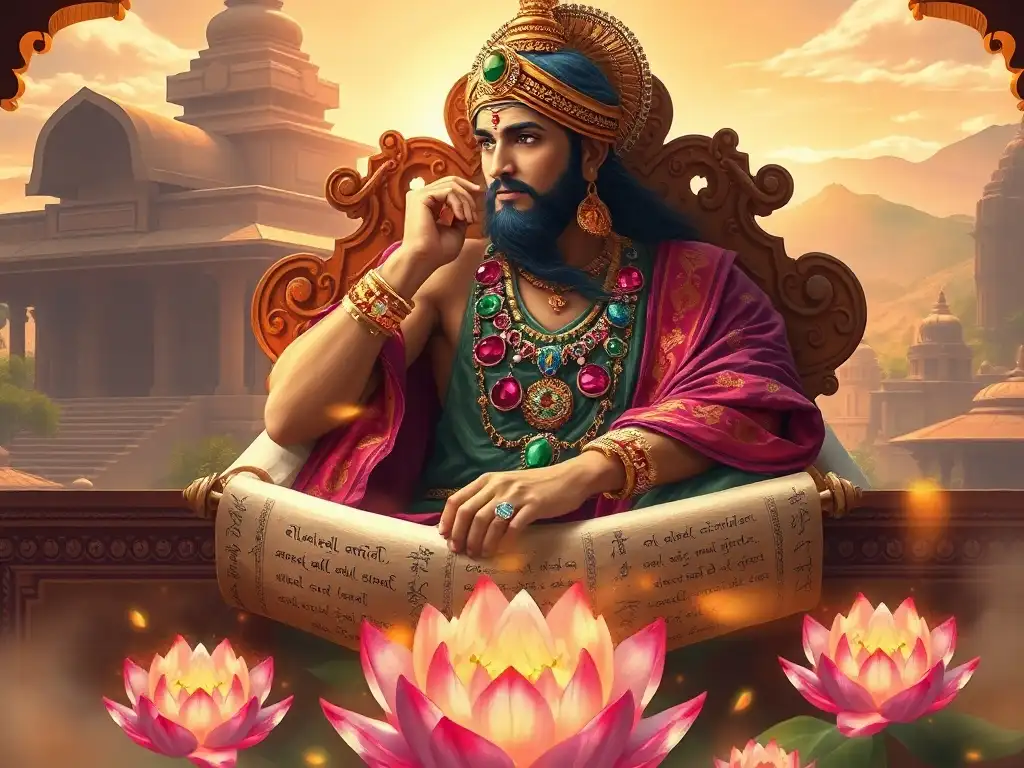
Stories from the Vedas and Puranas
Ancient Indian literature, particularly the Vedas and Puranas, is rich with references to gemstones, each imbued with profound symbolism and significance. These sacred texts not only highlight the physical beauty of gemstones but also their spiritual and metaphysical characteristics.
- The Mahabharata: One of the most significant epics, the Mahabharata, tells the story of the Syamantaka Mani, a legendary gem that bestowed wealth and prosperity upon its possessor. This gemstone was said to produce a daily supply of gold, symbolizing the divine connection between material wealth and spiritual enlightenment. The tale illustrates the duality of wealth; while it can bring prosperity, it can also lead to envy and conflict.
- The Puranas: In the Vishnu Purana, gemstones are often linked to the divine. For example, the Chintamani, a wish-fulfilling gem, is highlighted as a source of limitless wishes and desires. This gem represents the idea of spiritual abundance and the importance of intention in achieving one's aspirations.
- Astrological Significance: The Brahmanas, a part of the Vedic texts, also discuss the astrological implications of gemstones. Each gem corresponds to a planet, and wearing them is believed to influence one’s fate and karma. For instance, rubies are associated with the Sun, symbolizing power and vitality, while pearls relate to the Moon, representing purity and serenity.
These ancient narratives not only serve as fascinating stories but also reflect the cultural importance and reverence for gemstones in ancient Indian society.
Iconic Fables Involving Gemstones
In addition to the spiritual significance of gemstones found in sacred texts, ancient Indian folklore is replete with vibrant fables that showcase the mystical qualities attributed to these stones.
- The Legend of the Blue Sapphire: According to folklore, a beautiful blue sapphire was once owned by a prince who was known for his valor and wisdom. It was said that the gem glowed brighter as he performed acts of bravery. However, once he misused its power for personal gain, the sapphire dimmed, teaching a crucial lesson about integrity and the responsible use of power.
- The Curse of the Black Pearl: This tale narrates how a black pearl, believed to be a gift from the sea goddess, brought misfortune to its owner after he failed to honor a promise made to the goddess. The fable emphasizes the belief that gemstones carry energy and are responsive to human actions and intentions—reinforcing the idea that respect and gratitude towards nature are essential.
- The Tale of the Diamond of Destiny: A story circulates about a diamond that could predict the future. Those who possessed it were warned of impending doom, but many ignored the warnings, leading to their downfall. The diamond symbolizes foresight and the importance of heeding warnings, reflecting a deeper understanding of destiny and choice in ancient Indian philosophy.
These iconic fables not only entertain but also impart moral lessons, demonstrating how gemstones were woven into the cultural fabric of ancient India, representing more than mere adornments but as carriers of wisdom and ethics.
Conclusion: The Enduring Legacy of Ancient Indian Gemstone Legends
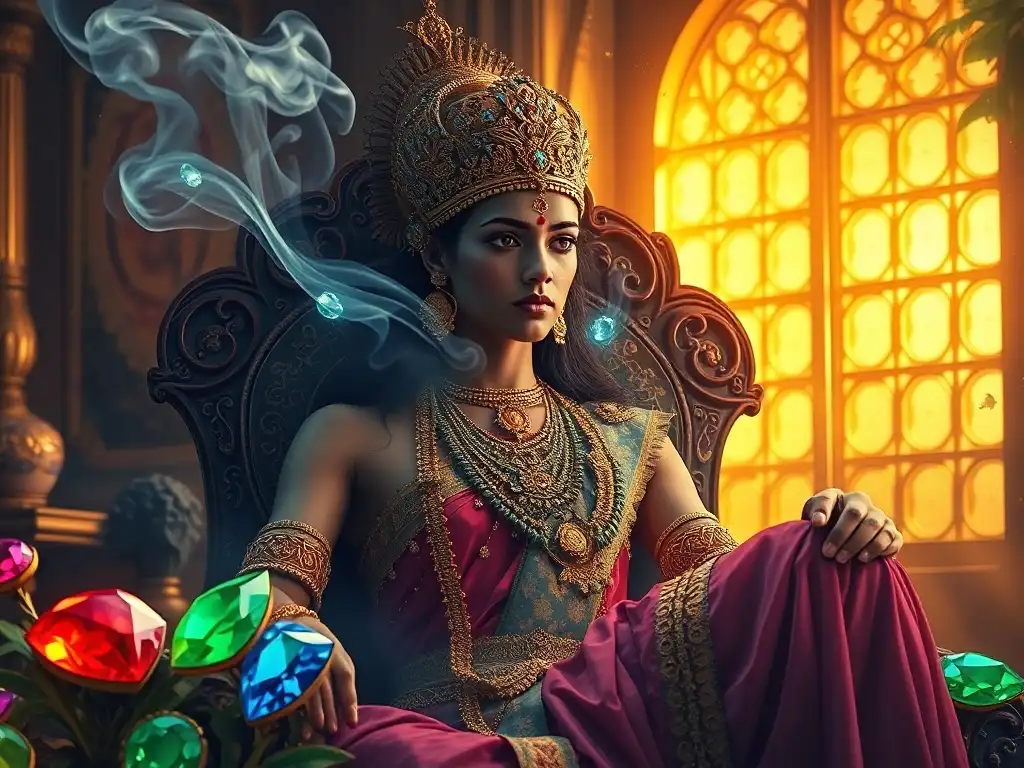
The rich tapestry of Ancient Indian gemstone legends weaves together a fascinating narrative that transcends time and continues to influence modern society. These myths and tales not only highlight the intrinsic beauty of gemstones but also their perceived mystical properties and cultural significance. From the dazzling diamonds associated with royalty to the deep blue sapphires believed to bring wisdom, each gemstone carries with it a story that has been passed down through generations.
The legends surrounding gemstones often reflect the values and beliefs of ancient Indian civilization, showcasing how these precious stones were intertwined with spirituality, health, and prosperity. For instance, the Rudraksha beads, revered in Hindu culture, are said to be linked to Lord Shiva and are believed to have powerful healing properties. Similarly, the Navratna, or nine gems, holds a prominent place in astrological practices, symbolizing the nine celestial bodies and their influence on human life.
The enduring legacy of these ancient myths is seen in contemporary jewelry culture, where many designs and motifs draw inspiration from traditional stories. This continuity underscores the timeless nature of these legends, as they remain relevant in today's world, not only as adornments but also as carriers of cultural identity.
How Myths Influence Contemporary Gemstone Culture
The influence of Ancient Indian gemstone legends on contemporary culture is profound, shaping both the aesthetics and the spiritual significance attributed to gemstones today. Many modern jewelry pieces still incorporate traditional motifs and designs inspired by these age-old tales.
- Symbolism in Design:
- Lotus motifs often symbolize purity and beauty, reflecting the divine association with gemstones like pearls.
- Animal representations, such as elephants or peacocks, frequently appear in jewelry, echoing the connections between gemstones and prosperity.
- Astrological Significance:
- The practice of wearing specific gemstones for astrological benefits, rooted in ancient beliefs, is prevalent today. For example, individuals may wear ruby for strength or emerald for intelligence, reflecting a continuation of ancient practices.
- Gemstones are often prescribed based on one's zodiac sign, with each stone believed to enhance particular traits or mitigate challenges.
- Healing Properties:
- Many still adhere to the idea that gemstones possess therapeutic qualities. The use of amethyst for stress relief or turquoise for protection showcases this belief's endurance.
The ongoing reverence for these myths not only enriches the cultural fabric of India but also informs global perceptions of gemstones, as many of these stories and beliefs have transcended borders.
Final Thoughts on the Cultural Importance of Gemstone Myths
The legends surrounding gemstones in ancient India serve as more than mere stories; they are vital components of cultural heritage that encapsulate the beliefs, values, and artistic expressions of a civilization. The Ancient Indian gemstone legends provide insight into how people viewed the natural world and their place within it, attributing meanings and significance to the beauty found in gemstones.
In essence, these myths foster a connection between the past and the present, reminding us of the profound cultural importance of gemstones throughout history. As we continue to explore and celebrate these tales, we help to preserve an integral part of India's rich history, ensuring that the wisdom of our ancestors remains alive in contemporary practices and beliefs.
As we reflect on the significance of gemstone myths, it's clear that their impact extends beyond aesthetics; they are symbols of identity, spirituality, and resilience, highlighting the enduring legacy of ancient civilizations.
Recommended Resources for Exploring Ancient Indian Gemstone Legends
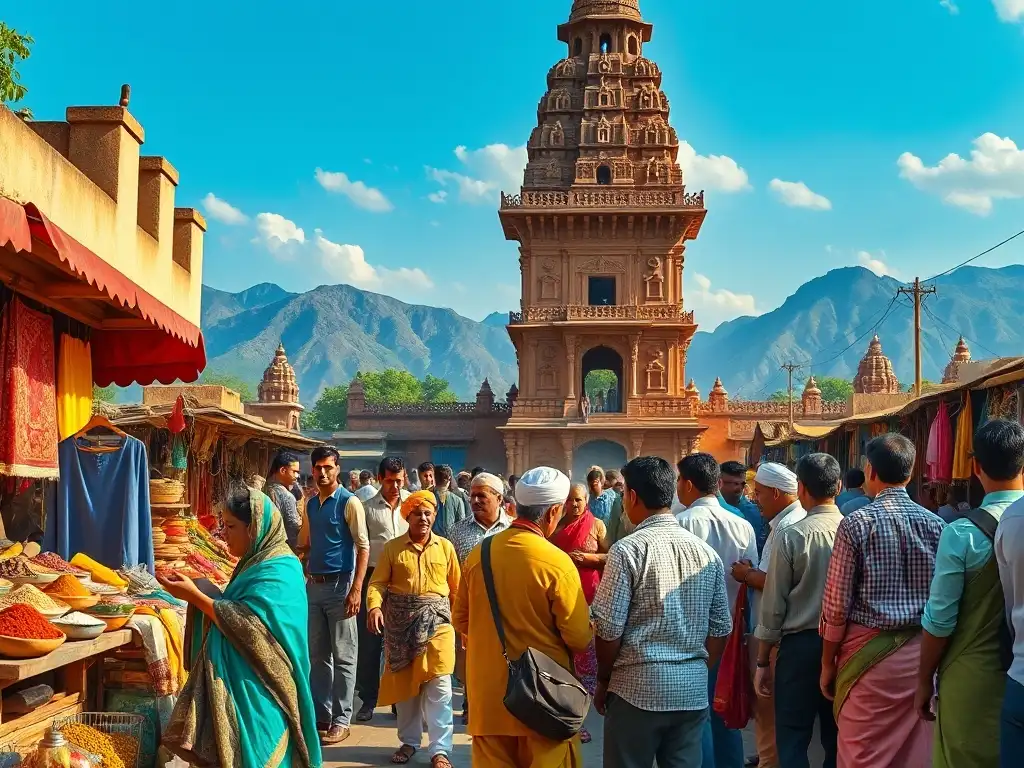
To delve deeper into the captivating world of ancient Indian gemstone legends, a variety of resources can enhance your understanding and appreciation of the myths and stories surrounding these precious stones. Below are some recommended books, literature, online courses, and documentaries that offer valuable insights into this fascinating topic.
Books and Literature on Gemstones and Their Myths
Exploring ancient Indian gemstone legends can be richly informed through literature that discusses not only the stones themselves but also the cultural and historical contexts in which they were revered. Here are some noteworthy titles:
-
"The Book of Gemstones: A Guide to the Mysteries of Gemological Lore"
This comprehensive guide explores the lore surrounding various gemstones, including those significant in Indian culture. It delves into the historical significance, properties, and myths associated with each gem.
-
"Gems and Gemology in the Middle Ages and Renaissance"
Although focused on a broader timeline, this book offers insights into how ancient Indian traditions influenced gemstone lore in later periods, providing a comparative perspective on gem myths.
-
"Indian Gemstones: Their Myths and Legends"
A specialized work that dives directly into the myths surrounding Indian gemstones, detailing stories from the Vedas to modern interpretations, making it a must-read for enthusiasts.
-
"The Power of Gemstones: Myths and Mysteries"
This book discusses the mystical properties attributed to various gemstones in ancient India, including the cultural practices that involved these stones in rituals and beliefs.
-
"The Secret Language of Stones"
While a fictional narrative, this novel interweaves historical facts about gemstones with legends and cultural significance, shedding light on how these stones have shaped human experiences.
Online Courses and Documentaries
In addition to literature, online courses and documentaries can provide a rich visual and instructional experience regarding ancient Indian gemstone legends. Here are some recommended options:
-
Online Courses:
-
Coursera: "The Cultural Significance of Gemstones in Ancient Civilizations"
This course explores the role of gemstones throughout various cultures, with a significant focus on ancient India. It provides an analytical perspective on how gemstones were perceived in society.
-
Udemy: "Gemology: Understanding Gemstones and Their Myths"
An introductory course that combines gemology with historical narratives, including ancient Indian gemstone legends, ensuring a well-rounded understanding of the topic.
-
-
Documentaries:
-
"Treasures of India: Gemstones and Their Legends"
This documentary provides a visual journey through India's rich history with gemstones, highlighting myths, legends, and their significance in ancient Indian culture.
-
"The Mystical World of Gems"
A documentary series that includes episodes dedicated to gemstones from different cultures, featuring significant sections on ancient Indian beliefs and practices regarding gemstones.
-
By engaging with these resources, readers can gain a deeper appreciation of the myths and legends surrounding ancient Indian gemstones, enriching their understanding of this complex and vibrant aspect of Indian heritage.
Call to Action: Discover the Magic of Ancient Indian Gemstones
Embark on a journey through time as we delve into the enchanting world of ancient Indian gemstone legends. These tales are not merely stories; they are a reflection of the rich cultural tapestry and spiritual beliefs that shaped ancient Indian civilizations. By understanding these legends, you can gain insight into the significance that gemstones held in ancient India, not just as adornments but as powerful symbols of wealth, protection, and divine favor.
The allure of ancient Indian gemstones continues to captivate enthusiasts and collectors alike. Each gemstone carries with it a story, a connection to the past that transcends generations. As you explore these legends, you will uncover the magical properties attributed to various stones, from the protective qualities of emeralds to the transformative powers of rubies.
Explore Gemstone Jewelry Inspired by Ancient Legends
Discover the beauty and craftsmanship of gemstone jewelry inspired by ancient Indian legends. Artisans today draw upon the rich heritage of their ancestors, creating pieces that reflect the artistry and symbolism prevalent in ancient India.
- Emeralds (Panna): Known as the stone of wisdom, emeralds were believed to bring clarity and insight. Jewelry featuring emeralds often showcases intricate designs that evoke the lush landscapes of India.
- Rubies (Manik): Revered for their vibrant red hue, rubies were associated with love and passion. Traditional designs often incorporate rubies in elaborate settings, symbolizing the heart's desires.
- Sapphires (Neelam): Considered a stone of protection, sapphires were believed to guard against misfortune. Jewelry crafted with sapphires often features celestial motifs, reflecting their otherworldly significance.
The craftsmanship of ancient Indian jewelry not only highlights the beauty of gemstones but also tells a story through its design elements. Each piece serves as a bridge connecting the past with the present, allowing you to wear a piece of history.
Join Our Community of Gemstone Enthusiasts
Become part of a vibrant community dedicated to exploring the fascinating world of ancient Indian gemstone legends. Whether you are a seasoned collector, a jewelry designer, or simply someone intrigued by the rich history of gemstones, there is a place for you here.
- Share Your Stories: Engage with fellow enthusiasts by sharing your experiences and discoveries related to ancient gemstones and their legends.
- Attend Events: Participate in workshops, webinars, and discussions where you can learn from experts about the historical and cultural significance of gemstones in India.
- Stay Informed: Subscribe to our newsletter for updates on the latest trends in gemstone jewelry, insights into ancient myths, and featured articles that delve deeper into the history of Indian gemstones.
Join us in celebrating the legacy of ancient Indian gemstone legends and uncover the magic that these precious stones hold. Your journey into the depths of history and culture awaits!
Frequently Asked Questions
What are some popular gemstone legends from ancient India?
Many gemstone legends originate from Hindu mythology, such as the story of the Koh-i-Noor, believed to bring bad luck to male owners, or the myth of the Navaratnas, which describes the power of nine sacred gemstones.
How did gemstones influence ancient Indian culture?
Gemstones played a vital role in ancient Indian culture, symbolizing wealth, power, and spiritual significance. They were often used in jewelry, religious artifacts, and were believed to possess healing properties.
What was the significance of gemstones in the Indus Valley Civilization?
In the Indus Valley Civilization, gemstones like carnelian and lapis lazuli were used extensively in trade and ornamentation, highlighting their economic importance and the skill of ancient artisans.
How did gemstones contribute to ancient Indian trade?
Gemstones were a major trade commodity in ancient India, leading to interactions with various cultures. Their high demand in regions like the Middle East and Europe facilitated cultural exchanges and economic growth.
Are there any historical texts that document gemstone legends?
Yes, ancient texts like the Rigveda and the Mahabharata reference various gemstone legends and their mythological significance, showcasing the rich tradition of gemstone lore in ancient Indian literature.
Final Reflection: The Enduring Allure of Ancient Indian Gemstone Legends
The tales of ancient Indian gemstone legends resonate deeply with our contemporary understanding of culture and spirituality. These stories not only encapsulate the rich history of India but also highlight the profound connection between humanity and the natural world. In a time when we often seek meaning in material possessions, the legends surrounding gemstones remind us that true value lies in the stories we weave around them.
The influence of these myths extends far beyond their historical context; they continue to shape our cultural and social landscape today. From jewelry worn during significant life events to the spiritual beliefs surrounding gemstones, these legends serve as a bridge between the past and present. As the renowned author and historian, R. K. Narayan, once said, The stories we tell ourselves shape our reality.
This sentiment rings true as we navigate our lives, often guided by the narratives that have been passed down through generations.
As you reflect on the enchanting world of ancient Indian gemstone legends, consider how these stories can inspire your own journey. Embrace the lessons of resilience, beauty, and interconnectedness that these myths impart. Let them encourage you to seek deeper meanings in your life and to appreciate the rich tapestry of narratives that surround you. By doing so, you not only honor the past but also enrich your present and future with the wisdom of ages.
Unveil the Mysteries of Gemstones!
Thank you for joining us on this fascinating journey through the captivating myths and legends surrounding gemstones in Ancient India. You've gained insight into the stories that breathe life into these stunning jewels. Now, it’s time to put that inspiration into action!
Here are a few engaging ways you can dive deeper into the world of gemstones:
- Explore local gem shops or markets to discover beautiful stones and learn about their unique histories.
- Share your newfound knowledge by discussing gemstone myths with friends or on social media; who knows, you might inspire others!
- Consider starting a personal collection of gemstones—each piece can hold a special story related to its origin and significance.
How do you think these ancient beliefs about gemstones can influence our modern perceptions and choices?