
The Transformation of Buddhism in the Modern World: Challenges and Adaptations


Welcome to Ancient India History! Here, we invite you to embark on an enlightening journey through the vibrant tapestry of India's past, where each thread reveals the profound impacts of ancient civilizations. Today, we delve into a fascinating exploration of Buddhism adaptations in modern society, shedding light on how this ancient religion, born from the teachings of Siddhartha Gautama, has transformed and evolved to resonate with contemporary life.
Prepare to uncover the challenges and adaptations that have shaped Buddhism into a dynamic force in today's world. Join us as we unravel the intricate connections between the past and present, inviting you to discover the enduring legacy of ancient Indian religions.
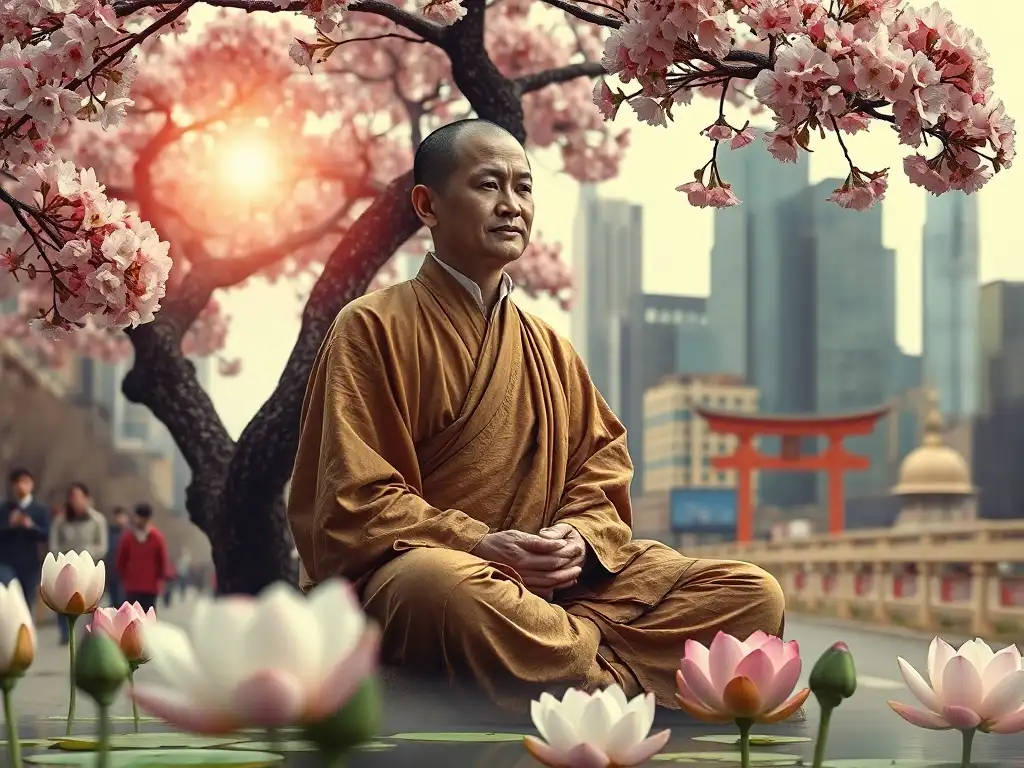
Introduction to Buddhism in Modern Society
Buddhism, one of the world's oldest religions, has undergone significant transformations throughout its long history, particularly in response to the ever-evolving cultural and social landscapes of the modern world. As a profound philosophy and spiritual practice that originated in ancient India, Buddhism has adapted to various environments while retaining its core teachings. Today, the study of Buddhism adaptations in modern society is essential to understanding how this ancient tradition continues to thrive despite contemporary challenges and shifts.
In the face of globalization, technological advancements, and changing social norms, Buddhism has found new expressions and meanings, appealing to diverse audiences across the globe. This article aims to explore the multifaceted nature of Buddhism in today's context, examining its historical roots, current variations, and the challenges it faces as it intersects with modern life.
Overview of Buddhism's Historical Roots
Buddhism traces its origins back to the 5th century BCE with the teachings of Siddhartha Gautama, known as the Buddha. Emerging from the spiritual milieu of ancient India, Buddhism offered a new perspective on life, suffering, and enlightenment. Key historical developments include:
- The Indus Valley Civilization: Early spiritual practices that laid the groundwork for later Buddhist thought.
- The Mauryan Empire: Emperor Ashoka's patronage in the 3rd century BCE significantly contributed to the spread of Buddhism across India and beyond.
- Silk Road Transmission: Buddhism's movement into Central Asia, China, and beyond facilitated cultural exchange and adaptation.
Understanding these historical roots is crucial to grasp how Buddhism has evolved and adapted its teachings to fit varying cultural contexts throughout history.
Importance of Studying Buddhism Adaptations Today
In our increasingly interconnected world, the adaptations of Buddhism offer valuable insights into how spiritual practices can respond to contemporary issues. Key reasons to study these adaptations include:
- Cultural Relevance: Exploring how Buddhism engages with modern societal concerns, such as mental health, environmentalism, and social justice.
- Interfaith Dialogue: Understanding Buddhism's role in promoting peace, tolerance, and compassion among different religious traditions.
- Personal Growth: Investigating how modern interpretations of Buddhist teachings can foster personal development and well-being.
By examining the adaptations of Buddhism today, we can better appreciate its relevance and enduring influence in various aspects of life.
The Current Landscape of Buddhism Worldwide
Buddhism has transformed significantly in the 21st century, with its teachings reaching millions across diverse cultures. This global spread has resulted in various expressions of the faith that reflect local customs and beliefs.
Global Spread of Buddhism in the 21st Century
In recent decades, Buddhism has transcended its traditional geographical boundaries, leading to its rise in popularity across the globe. Notable trends include:
- Western Adoption: Increased interest in meditation, mindfulness, and Buddhist philosophy among Western practitioners.
- Digital Buddhism: The use of social media and online platforms to share teachings, practices, and connect with communities worldwide.
- Cultural Integration: The blending of Buddhist practices with local traditions, resulting in unique manifestations of the faith.
These developments illustrate how Buddhism continues to adapt to modern contexts while maintaining its core essence.
Variations of Buddhism: Theravada, Mahayana, and Vajrayana
Buddhism is not a monolithic tradition; it encompasses a rich tapestry of schools and practices. The three primary branches include:
- Theravada Buddhism: Predominantly practiced in Sri Lanka, Thailand, and Myanmar, emphasizing individual enlightenment and the original teachings of the Buddha.
- Mahayana Buddhism: Found in China, Japan, and Korea, this branch focuses on the collective liberation of all beings and introduces concepts like the Bodhisattva ideal.
- Vajrayana Buddhism: Also known as Tibetan Buddhism, it incorporates esoteric teachings and rituals, emphasizing the transformative potential of spiritual practices.
Each of these variations has adapted to its cultural context while contributing to the broader narrative of Buddhism's evolution in modern society.
Key Challenges Facing Buddhism in Modern Society
Buddhism, with its rich history and philosophical depth, faces a myriad of challenges in adapting to the complexities of modern society. As globalization accelerates, the traditional teachings and practices encounter cultural, technological, and sociological hurdles. These challenges not only test the resilience of Buddhist principles but also shape their evolution in contemporary contexts.
Cultural Misunderstandings and Misinterpretations
One of the foremost challenges Buddhism encounters in the modern world is the cultural misunderstanding and misinterpretation of its teachings. Often, aspects of Buddhism are oversimplified or taken out of context, leading to a diluted understanding that can misrepresent its core tenets. For example, concepts such as mindfulness and meditation, which are rooted in Buddhist philosophy, are frequently appropriated in secular contexts, stripped of their spiritual significance. This commodification can lead to a superficial engagement with the teachings, causing practitioners to miss the deeper moral and ethical implications inherent in Buddhism.
Moreover, the diverse interpretations of Buddhist practices across different cultures can lead to confusion. Western adaptations may differ significantly from traditional practices found in Asian countries, resulting in a fragmented understanding of Buddhism. Such discrepancies can foster skepticism and mistrust among traditional practitioners who may view modern interpretations as inauthentic.
The Impact of Technology on Traditional Practices
The rapid advancement of technology poses both opportunities and challenges for Buddhism. On one hand, technology facilitates the dissemination of Buddhist teachings through online platforms, making them accessible to a global audience. Virtual meditation sessions and online dharma talks have become commonplace, allowing practitioners to connect regardless of geographical barriers.
However, this digital engagement can also undermine traditional practices. The ease of access to information may encourage superficial learning, distracting practitioners from the disciplined study and reflection essential to genuine understanding. Additionally, the constant presence of technology in daily life can hinder the mindfulness that Buddhism encourages, creating a paradox where tools intended to enhance practice may inadvertently detract from it.
Secularization and Its Effects on Religious Adherence
Secularization presents a significant challenge as societies increasingly prioritize secular over spiritual frameworks. In many parts of the world, especially in the West, religious affiliation is declining, and this trend is affecting Buddhism as well. Many individuals view religion, including Buddhism, as unnecessary or irrelevant in a modern context, leading to decreased participation in traditional practices and rituals.
This secular shift can dilute the communal and ethical aspects of Buddhism, as adherence becomes more individualistic. Without the communal support structures that traditional Buddhist communities provide, practitioners may struggle to maintain their spiritual practices and understanding. This situation necessitates a reconsideration of how Buddhism can remain relevant and engaging in a secular society that often prioritizes material success over spiritual growth.
Adaptations of Buddhism to Contemporary Issues
As Buddhism faces these challenges, it also adapts to contemporary issues, finding new ways to resonate with modern practitioners. This adaptability is crucial for the survival and relevance of Buddhist teachings in a rapidly changing world.
Buddhism and Mindfulness: A Modern Interpretation
Buddhism's adaptation to modernity is prominently seen in the popularization of mindfulness. Originally a meditative practice rooted in Buddhist philosophy, mindfulness has been reinterpreted in secular contexts as a tool for stress reduction and mental well-being. This modern interpretation emphasizes the practical benefits of mindfulness, appealing to a broader audience beyond traditional Buddhist practitioners.
Programs like Mindfulness-Based Stress Reduction (MBSR) have emerged, integrating Buddhist practices into therapeutic settings. While this adaptation has made mindfulness widely accessible, it raises questions about the preservation of its original spiritual context. Nonetheless, this trend indicates a growing interest in Buddhism's practical applications, encouraging individuals to explore deeper teachings.
The Role of Social Media in Spreading Buddhist Teachings
Social media has become a powerful vehicle for the dissemination of Buddhist teachings, enabling practitioners and teachers to reach vast audiences. Platforms like Instagram, Facebook, and YouTube allow for the sharing of inspirational quotes, teachings, and meditation guidance, fostering a sense of community among followers.
However, the informal nature of social media can lead to the spread of misinformation or overly simplistic representations of Buddhism. Despite this risk, social media's role in fostering connections and encouraging dialogue among practitioners is invaluable. It has transformed how Buddhism is practiced and understood, making it more relatable to younger generations who engage primarily in digital spaces.
Integration of Buddhist Principles in Modern Psychology
The integration of Buddhist principles into modern psychology reflects another significant adaptation. Concepts such as mindfulness, compassion, and non-attachment have found their way into therapeutic practices, influencing approaches like Acceptance and Commitment Therapy (ACT) and Compassion-Focused Therapy (CFT).
This integration not only validates the relevance of Buddhist teachings in contemporary mental health discourse but also enhances therapeutic outcomes for individuals struggling with emotional challenges. As psychological frameworks evolve, they increasingly draw on the wisdom of ancient traditions, demonstrating how Buddhism can contribute to modern approaches to well-being and personal growth.
While Buddhism faces substantial challenges in modern society, its capacity for adaptation ensures its teachings remain relevant and impactful. By navigating cultural misunderstandings, leveraging technology, and addressing secularization, Buddhism can continue to offer profound insights into the human experience.
Case Studies of Buddhism Adaptations

The adaptations of Buddhism in modern society can be observed through various case studies that highlight its transformation and resilience in the face of contemporary challenges. These adaptations have occurred across different cultural contexts, showcasing how traditional practices can evolve while retaining core tenets.
Urban Buddhism: Practices in Metropolitan Areas
In urban settings, Buddhism has undergone significant adaptations to resonate with the fast-paced lifestyle of city dwellers. Urban Buddhism often emphasizes mindfulness, meditation, and community engagement, catering to the needs of individuals seeking mental clarity and emotional support amidst chaos.
- Mindfulness Practices: Urban centers have seen a surge in mindfulness programs integrated into workplaces and schools, promoting stress reduction and well-being. This adaptation has made Buddhist practices accessible to a broader audience, transcending traditional boundaries.
- Engagement with Social Issues: Many urban Buddhist communities focus on social justice, environmental sustainability, and mental health advocacy. They address contemporary societal issues through the lens of Buddhist teachings, demonstrating a commitment to compassionate action in modern contexts.
- Community Spaces: Urban temples and meditation centers have transformed into community hubs, providing resources and support networks that foster connection and belonging. Events such as community retreats and workshops facilitate a deeper understanding of Buddhist principles.
Buddhism in the West: New Communities and Practices
The spread of Buddhism in Western countries has led to the formation of diverse communities that adapt traditional practices to fit local cultural norms. This phenomenon has resulted in a rich tapestry of Buddhist expressions that resonate with Western values and lifestyle.
- Secular Buddhism: Many Western practitioners gravitate towards a secular interpretation of Buddhism, emphasizing ethical living and meditation without the religious framework. This approach appeals to individuals seeking spiritual growth without the confines of dogma.
- Hybrid Practices: Western Buddhism often incorporates elements from various spiritual traditions, creating hybrid practices that resonate with a multicultural audience. This fusion allows for innovative expressions of Buddhist teachings, such as yoga combined with meditation.
- Engagement with Mental Health: The integration of mindfulness and meditation into psychological practices has gained traction in the West, demonstrating Buddhism's relevance in addressing mental health challenges. Programs such as Mindfulness-Based Stress Reduction (MBSR) highlight the practical applications of Buddhist principles in therapeutic settings.
The Revival of Interest in Buddhism Among Younger Generations
Younger generations are increasingly drawn to Buddhism, seeking guidance in a rapidly changing world. Their interest reflects a desire for meaningful engagement with spirituality that resonates with contemporary values.
- Digital Platforms: The rise of social media and online platforms has facilitated access to Buddhist teachings and communities, allowing younger individuals to explore Buddhism through podcasts, blogs, and virtual workshops. This digital engagement helps to create a sense of community that transcends geographic boundaries.
- Focus on Ethics and Activism: Many young practitioners are motivated by Buddhist ethics, particularly in relation to social justice, environmentalism, and mental health. This alignment with activism reflects a broader societal trend towards conscious living and social responsibility.
- Personalized Practices: Younger generations often prefer personalized spiritual practices that align with their lifestyles. This leads to a more individualized approach to Buddhism, where practitioners may blend traditional teachings with contemporary values, fostering a unique spiritual journey.
The Future of Buddhism: Prospects and Predictions
The future of Buddhism in modern society appears promising, with several factors contributing to its evolution and relevance. As Buddhism adapts to the changing landscape, it will likely continue to thrive through innovative practices and meaningful engagement.
Potential for Interfaith Dialogues and Collaborations
The increasing interconnectivity of our global society presents opportunities for interfaith dialogues and collaborations among various religious traditions, including Buddhism.
- Shared Values: By emphasizing shared values such as compassion, mindfulness, and ethical living, Buddhism can engage in constructive dialogues with other faiths. Collaborative initiatives focusing on social issues can foster understanding and unity among diverse communities.
- Educational Programs: Interfaith educational programs can promote awareness of Buddhism's teachings and highlight its contributions to global ethics. These initiatives can encourage respect and appreciation for diversity in spiritual practices.
Sustainability of Buddhist Practices in Modern Contexts
The sustainability of Buddhist practices in modern contexts will depend on their ability to resonate with contemporary societal needs while remaining rooted in traditional teachings.
- Adaptation to Modern Issues: Buddhism's emphasis on compassion and mindfulness can provide valuable insights into addressing modern dilemmas such as climate change, social inequality, and mental health crises. By adapting teachings to these issues, Buddhism can maintain relevance.
- Community Engagement: Building strong, engaged communities that promote intergenerational dialogue and mentorship will be crucial for the sustainability of Buddhist practices. Encouraging participation from diverse age groups can ensure the vitality of traditions.
The Role of Global Crises in Shaping Buddhism's Evolution
Global crises, such as pandemics, climate change, and social unrest, play a significant role in shaping the evolution of Buddhism.
- Response to Crisis: The teachings of Buddhism provide frameworks for dealing with suffering and uncertainty, making it a valuable resource during crises. Communities may adapt practices to offer support and resilience in times of need.
- Emergence of New Leaders: Crises often lead to the emergence of new leaders and voices within Buddhist communities, advocating for innovative approaches to traditional practices. These leaders can inspire adaptation and growth in response to contemporary challenges.
The transformation of Buddhism in the modern world reflects a dynamic interplay between tradition and adaptation. From urban practices to interfaith dialogues, Buddhism continues to evolve, promising a future that embraces both its rich heritage and the pressing realities of contemporary society.
Conclusion: The Resilience of Buddhism in a Changing World
The journey of Buddhism from its inception in ancient India to its current forms worldwide showcases a remarkable adaptability to the varying cultural, social, and political landscapes it has encountered. As a spiritual tradition, Buddhism has demonstrated resilience, evolving its practices and teachings while maintaining core principles. This adaptability has allowed Buddhism to flourish not only in its traditional strongholds in Asia but also in Western societies where it has found new followers and contexts for expression.
In facing modern challenges such as scientific skepticism, globalization, and the digital age, Buddhism has engaged in dialogues with contemporary issues, offering insights into mindfulness, compassion, and ethical living. This capacity for transformation has ensured that Buddhism remains a vital source of guidance for individuals seeking meaning and connection in a rapidly changing world. Ultimately, the resilience of Buddhism is a testament to its foundational teachings that promote understanding, peace, and a deep connection with the self and others.
Reflection on Buddhism Adaptations in Modern Society
Buddhism's adaptations in modern society are evident in various forms, ranging from mindfulness practices in corporate environments to the integration of Buddhist principles in psychological therapies. The rise of mindfulness as a secular practice has made Buddhist meditation techniques accessible to a broader audience, transcending cultural barriers. This shift has sparked interest in the original teachings of the Buddha, as practitioners seek to understand the philosophical underpinnings of the techniques they are employing.
Furthermore, the contemporary emphasis on social justice and environmental issues resonates with the Buddhist tenets of compassion and interconnectedness. Many modern Buddhists are actively engaged in advocacy work, demonstrating how ancient teachings can address current societal challenges. This evolution reflects a growing recognition of the relevance of Buddhism in providing ethical frameworks for addressing issues such as climate change, economic inequality, and mental health. Through these adaptations, Buddhism continues to inspire individuals and communities, fostering a deeper understanding of personal and collective well-being.
The Continued Relevance of Ancient Teachings in Contemporary Life
The teachings of Buddhism, rooted in the experiences and insights of the Buddha, have maintained their relevance in contemporary life despite the challenges posed by modernization. Concepts such as impermanence, suffering, and the pursuit of enlightenment resonate deeply with individuals navigating the complexities of modern existence. The principles of non-attachment and mindfulness serve as powerful tools for coping with stress and anxiety, prevalent in today’s fast-paced world.
Moreover, Buddhist philosophies regarding compassion and ethical living encourage individuals to engage with others in meaningful ways, promoting a sense of community and responsibility. This is particularly vital in an era where digital interactions often overshadow face-to-face relationships. As more people seek spiritual fulfillment and a sense of purpose, the ancient teachings of Buddhism offer timeless wisdom that can guide them in their personal and communal journeys.
The enduring nature of Buddhism's teachings, coupled with its ability to adapt to modern challenges, ensures its continued relevance in contemporary society. Through ongoing exploration and application of these ancient principles, individuals can cultivate a deeper understanding of themselves and their place in the world, fostering a culture of compassion and awareness that transcends time and space.
- Introduction to Buddhism in Modern Society
- The Current Landscape of Buddhism Worldwide
- Key Challenges Facing Buddhism in Modern Society
- Adaptations of Buddhism to Contemporary Issues
- Case Studies of Buddhism Adaptations
- The Future of Buddhism: Prospects and Predictions
- Conclusion: The Resilience of Buddhism in a Changing World
Frequently Asked Questions
What are the main adaptations of Buddhism in modern society?
Buddhism has undergone significant adaptations such as the integration of mindfulness practices and the rise of secular Buddhism, which emphasize personal well-being over traditional religious rituals.
How has technology influenced modern Buddhism?
Technology has played a pivotal role by enabling the spread of Buddhist teachings through online platforms and apps, making it more accessible to a global audience.
What challenges does Buddhism face in the modern world?
Buddhism faces challenges such as cultural appropriation, the misinterpretation of teachings, and the struggle to maintain its core values amid rapid societal changes.
How do different cultures interpret Buddhism today?
Different cultures interpret Buddhism in unique ways, often blending it with local traditions, which leads to a variety of Buddhist practices and beliefs around the world.
What role does mindfulness play in contemporary Buddhism?
Mindfulness has become a central practice in contemporary Buddhism, focusing on mental health and well-being, making it a popular tool in both spiritual and secular contexts.
Final Reflection: Embracing Change in Buddhism's Modern Journey
The transformation of Buddhism in the modern world highlights the profound adaptability of this ancient tradition to contemporary challenges. As we navigate a rapidly changing society, the ability of Buddhism to evolve while maintaining its core teachings is not just relevant; it is essential. The ongoing dialogue between tradition and modernity serves as a powerful reminder that spiritual practices can thrive amidst change, fostering resilience and understanding in an increasingly complex world.
Cultural and social landscapes are continuously shaped by the adaptations of Buddhism, influencing everything from mental health practices to environmental activism. The integration of mindfulness and meditation into mainstream wellness culture exemplifies how these ancient practices resonate with modern needs. As Thich Nhat Hanh wisely stated, We are here to awaken from the illusion of our separateness.
This quote encapsulates the essence of Buddhism's relevance today, reminding us that the teachings of interconnectedness and compassion are more vital than ever in our globalized society.
As you reflect on the insights presented in this article, consider how you can incorporate the lessons of adaptability and mindfulness into your own life. Embrace the changes around you and seek to understand how ancient wisdom can guide you through modern challenges. By doing so, you not only honor the rich heritage of Buddhism but also contribute to its ongoing evolution, ensuring that its teachings remain a source of inspiration and solace for future generations.
Embrace the Evolution of Buddhism Today!
Thank you for diving into the fascinating journey of Buddhism's transformation in the modern world! You've gained valuable insights into its challenges and adaptations. Now, it’s time to take action and become a part of this ongoing evolution.
Here are some powerful steps you can take:
- Engage with your local Buddhist community: Attend a meditation session or a discussion group to experience firsthand how Buddhism is adapting to contemporary society.
- Share your thoughts: Reflect on how these changes resonate with you by discussing this article with friends or on social media. Use the hashtag #ModernBuddhism to expand the conversation!
- Explore diverse interpretations: Read works by contemporary Buddhist authors to discover different perspectives and practices. You might be surprised by what resonates with your own spiritual journey.
What aspects of modern Buddhism do you find most inspiring, and how do you see them influencing your own life?