
The Puranas: A Window into the Daily Life of Ancient Indians

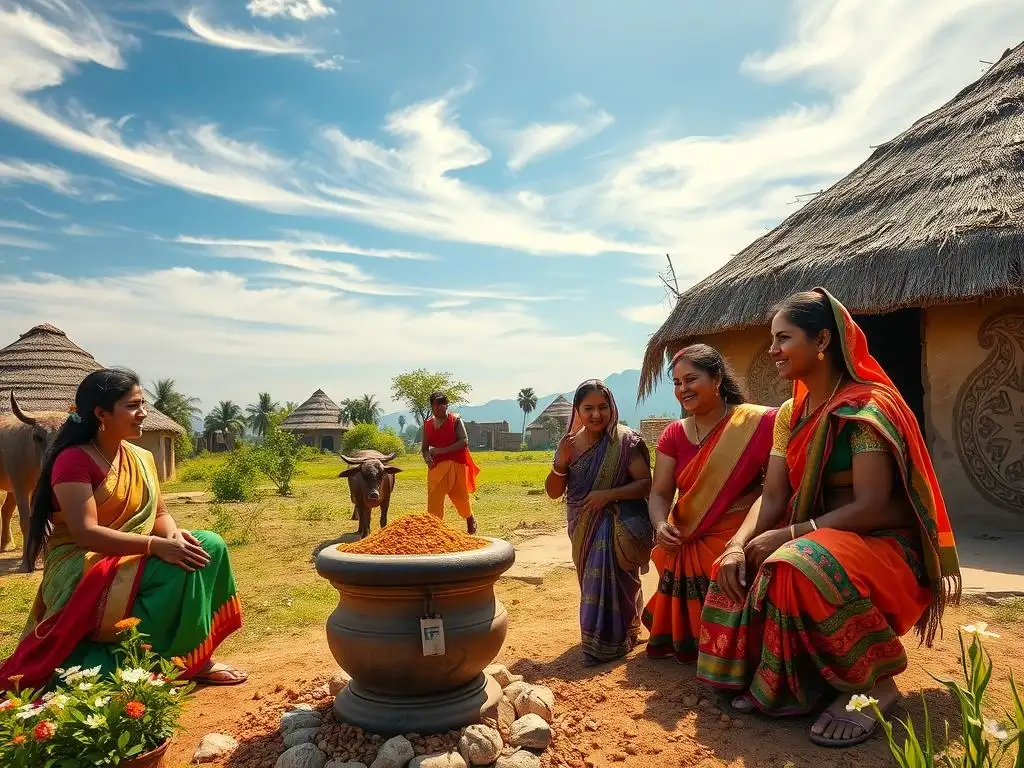
Welcome to Ancient India History, where we embark on a fascinating journey through time to uncover the rich tapestry of ancient Indian civilizations. In this corner of our website, we delve into the captivating world of daily life in ancient India, exploring how the Puranas serve as a vibrant window into the customs, beliefs, and routines of those who lived during this remarkable era.
Prepare to be intrigued as we reveal the intricacies of daily existence, from the mundane to the magnificent, and discover how these stories continue to shape our understanding of culture today. Join us as we unravel the mysteries and marvels of the past—your adventure awaits!
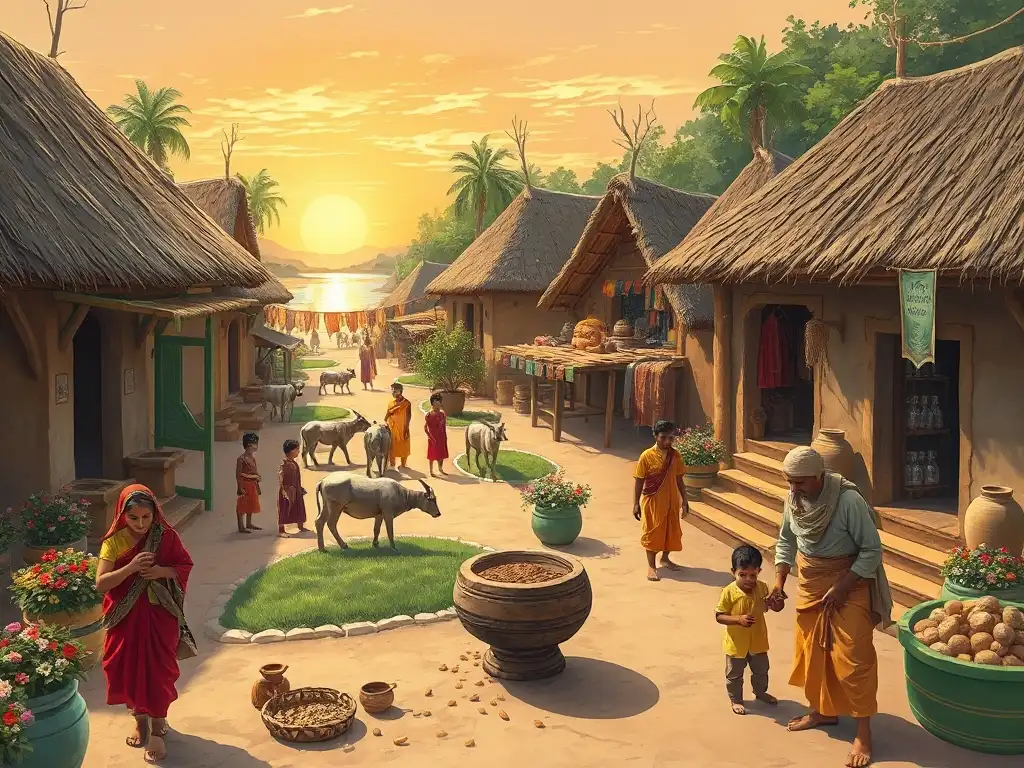
The Puranas, a genre of ancient Indian literature, serve as a vital resource for understanding the daily life and cultural practices of ancient Indian civilizations. These texts, which encompass a vast array of narratives, rituals, and philosophies, offer invaluable insights into the social, economic, and spiritual fabric of society from the early Indus Valley civilization through to the Gupta Empire.
By examining the Puranas, we can unravel the complexities of daily life in ancient India, including the customs, traditions, and societal norms that shaped the lives of its people. This exploration not only highlights the richness of ancient Indian culture but also underscores the Puranas' enduring significance in preserving and transmitting knowledge across generations.
Introduction to the Puranas
Definition and Significance of Puranas in Ancient Indian Literature
The Puranas are a vast body of Hindu texts that contain mythological stories, hymns, and teachings. Defined primarily as narratives that detail the history of the universe, the Puranas also encompass cosmology, theology, and folklore. Their significance lies not only in their religious and philosophical content but also in their ability to reflect the social and cultural milieu of their times.
Scholars often categorize the Puranas into two main groups: the Mahāpurāṇas, which are longer and more detailed, and the Upapurāṇas, which are shorter and more specialized. These texts have played a crucial role in shaping the spiritual and cultural identity of Hinduism, making them indispensable for understanding ancient Indian thought.
Overview of the Puranas' Role in Understanding Daily Life in Ancient India
The Puranas provide a unique lens through which to examine daily life in ancient India. They feature detailed descriptions of rituals, festivals, family structures, and social hierarchies, offering readers a glimpse into the everyday experiences of individuals and communities. From agricultural practices to domestic life, the Puranas document how ancient Indians lived, worked, and worshiped. This wealth of information goes beyond mere historical accounts; it allows us to appreciate the values, beliefs, and challenges that defined ancient Indian society, thus enriching our understanding of their world.
The Puranas: A Historical Context
Origins and Timeline of the Puranas
The origins of the Puranas are complex and multifaceted, with most scholars agreeing that they were composed between the 3rd and 16th centuries CE. The texts evolved over centuries, absorbing influences from various cultures and traditions. The earliest Puranas were likely oral traditions that were gradually compiled into written form, reflecting the changing dynamics of Indian society. The Puranas' development corresponds with significant historical events, including the rise of Hinduism and the decline of Buddhism in India, showcasing a continuous dialogue with the cultural shifts of the times.
Major Puranic Texts and Their Authors
Among the numerous Puranas, a few stand out due to their widespread influence and literary richness. The Bhagavata Purana, dedicated to Lord Vishnu, is one of the most revered and extensively studied Puranas. Other notable texts include the Vishnu Purana, Shiva Purana, and Markandeya Purana, each attributed to various sages and scholars who contributed to their composition. These texts often include specific teachings and narratives that reflect the values and norms of their respective eras, providing a wealth of material for historians and researchers.
Cultural and Religious Influences Reflected in the Puranas
The Puranas are not merely historical documents; they also encapsulate the cultural and religious influences that shaped ancient Indian civilization. They reflect the diverse beliefs and practices of various communities, illustrating how local customs and traditions were integrated into broader religious frameworks. Through their narratives, the Puranas reveal the interplay between mythology, ritual, and daily life, showcasing how spirituality permeated every aspect of existence in ancient India. This rich tapestry of cultural influences underscores the importance of the Puranas as a vital source for understanding the complexity of daily life in ancient India.
Daily Life in Ancient India as Depicted in the Puranas
The Puranas serve as a crucial source for understanding the daily life in ancient India, offering rich narratives that detail the customs, traditions, and societal norms of the time. These texts provide insights into various aspects of life, from social structures to rituals, painting a vivid picture of the lived experiences of ancient Indians. The descriptions found within the Puranas illustrate a society deeply intertwined with religion, culture, and the environment, where daily activities were often influenced by mythological narratives and moral teachings.
The Puranas emphasize the importance of dharma (duty and righteousness) in guiding daily conduct. This adherence to dharma shaped not only personal behavior but also communal interactions, reflecting the societal values of the time. The narratives often highlight the roles individuals played in their families and communities, showcasing the interconnectedness of personal and social identities in ancient Indian life.
Social Structure and Class Systems in Ancient Indian Society
Ancient Indian society was characterized by a hierarchical social structure, commonly referred to as the varna system. This system divided society into four primary classes:
- Brahmins (priests and scholars)
- Kshatriyas (warriors and rulers)
- Vaishyas (merchants and farmers)
- Shudras (laborers and service providers)
The Puranas reflect this class system, illustrating how each group had distinct roles and responsibilities. Brahmins were often depicted as custodians of knowledge and spirituality, while Kshatriyas were portrayed as protectors of the realm. The Vaishyas engaged in trade and agriculture, contributing to the economy, while Shudras provided essential services and labor.
Despite the rigid structure, the Puranas also hint at the fluidity of these roles, as individuals could change their status through exceptional acts or divine favor. This complexity provides a nuanced perspective on social mobility and the interactions between different classes.
Family Life and Domestic Practices
Family life in ancient India, as depicted in the Puranas, was largely centered around joint families, where multiple generations lived together. This structure fostered strong familial bonds and a sense of communal responsibility. The Puranas highlight the significance of familial duties, particularly the roles of women, who were often responsible for managing the household and upholding cultural traditions.
Domestic practices included various rituals and routines that reinforced familial ties and cultural heritage. For instance, daily worship at home, preparation of traditional meals, and observance of festivals were integral parts of domestic life. The Puranas describe these practices in detail, showcasing how they were imbued with religious significance and cultural identity.
Additionally, marriage customs and rites of passage are frequently mentioned, emphasizing the importance of these events in solidifying social bonds and ensuring the continuation of familial lineage.
Occupations and Economic Activities
Occupations in ancient India were diverse and closely linked to the social class system. The Puranas detail various professions, ranging from agriculture and trade to craft-making and service-oriented roles. The agrarian economy was predominant, with farming being the mainstay for most households. The Puranas often highlight the reverence for the land and the agricultural deities, reflecting the significance of agriculture in sustaining life.
Trade also played a crucial role in the economy, with merchants engaging in both local and long-distance commerce. The Puranas provide accounts of marketplaces bustling with activity, where goods, ideas, and cultures exchanged hands. Skilled artisans and craftsmen contributed to the economy by producing textiles, pottery, and metalworks, showcasing the rich craftsmanship of the era.
The interdependence of different occupations created a vibrant economic landscape, where cooperation and collaboration were essential for community survival.
Rituals and Religious Practices in Daily Life
Rituals and religious practices were integral to daily life in ancient India, as depicted in the Puranas. The texts illustrate how individuals and families engaged in various rites, from daily prayers and offerings to elaborate festivals. These rituals not only served spiritual purposes but also reinforced social cohesion and cultural identity.
The Puranas detail the significance of major festivals like Diwali and Makar Sankranti, which brought communities together in celebration. Additionally, life-cycle rituals such as birth, marriage, and death were marked with specific ceremonies that adhered to cultural traditions, emphasizing the cycle of life and the importance of familial legacy.
Moreover, the worship of deities and adherence to specific religious customs were essential aspects of daily life. The Puranas frequently depict scenes of devotion, illustrating how spiritual beliefs influenced everyday activities and decisions.
The Influence of Geography on Daily Life in Ancient India
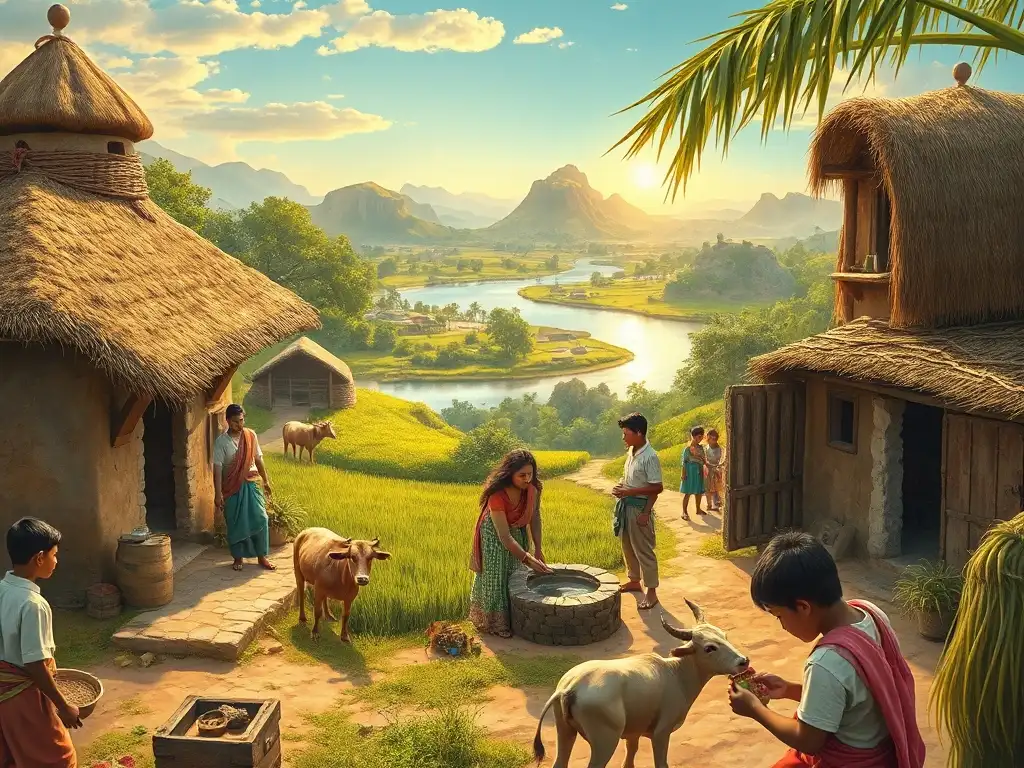
Geography played a pivotal role in shaping daily life in ancient India, as reflected in the Puranas. The varied landscapes, from the fertile plains of the Ganges to the arid deserts of Rajasthan, influenced agricultural practices, settlement patterns, and economic activities.
The Puranas often describe the natural environment, emphasizing its impact on the lifestyle and livelihoods of ancient Indians. The abundance of resources in certain regions led to flourishing trade and cultural exchange, while harsher environments necessitated adaptation and resilience.
Regional Variations in Daily Life as Seen in the Puranas
The Puranas reveal significant regional variations in daily life across ancient India. Different communities developed unique customs and practices influenced by local resources, climate, and cultural interactions. For instance, coastal communities might have relied heavily on fishing and maritime trade, while those in mountainous regions engaged in pastoralism and trade routes.
These regional distinctions are evident in the Puranas' descriptions of food, clothing, and rituals, showcasing the diversity of lifestyles across the subcontinent. The texts highlight how local traditions coexisted and sometimes merged, leading to a rich tapestry of cultural practices that defined daily life in ancient India.
The Role of Agriculture and Nature in Shaping Lifestyles
Agriculture was the cornerstone of daily life in ancient India, as illustrated extensively in the Puranas. The texts emphasize the reverence for nature, with deities associated with agricultural fertility and the changing seasons. This relationship with the land not only dictated the agricultural calendar but also shaped cultural practices and festivals.
The Puranas portray the farming community's deep connection to the cycles of nature, highlighting activities such as sowing, harvesting, and rituals performed to ensure a bountiful yield. The reliance on agriculture fostered communal cooperation, as families and neighbors came together to aid each other during critical periods, reinforcing social bonds and collective identity.
The Puranas provide a multifaceted view of daily life in ancient India, revealing how social structures, family dynamics, occupations, rituals, and geography intertwined to create a rich and diverse cultural landscape.
Key Themes of Daily Life in the Puranas
The Puranas serve as a vital repository of knowledge regarding daily life in ancient India, illuminating various aspects of society, culture, and spirituality. These texts encapsulate a rich tapestry of themes that reflect the values and norms of the time. Among the key themes explored in the Puranas are:
- Religious Practices: The Puranas detail the rituals and ceremonies that were integral to the lives of ancient Indians. These practices often revolved around worshipping deities and included festivals, sacrifices, and pilgrimages to sacred sites.
- Social Structure: The texts provide insights into the caste system, describing the roles and responsibilities of various groups within society. This stratification influenced daily interactions and occupational choices, shaping the social fabric of ancient Indian life.
- Family and Community Life: The Puranas highlight the importance of family and community, emphasizing the values of kinship, hospitality, and communal harmony. Stories of familial relationships and societal duties illustrate how these elements were central to daily existence.
- Economy and Livelihood: The Puranas also contain references to agriculture, trade, and crafts, showcasing the economic activities that sustained ancient Indian communities. They reveal how the agrarian lifestyle intertwined with religious and social practices.
Festivals and Celebrations: A Reflection of Cultural Life
Festivals and celebrations are vividly depicted in the Puranas, serving as a mirror to the cultural life of ancient India. These festivities were not just religious observances but also occasions that brought communities together, reinforcing social bonds and cultural identity.
- Religious Significance: Many festivals were dedicated to specific deities, such as Durga, Vishnu, and Shiva, aligning with the agricultural calendar and seasonal changes. Celebrations like Navaratri and Diwali are rooted in Puranic narratives, illustrating the interplay between myth and daily life.
- Community Involvement: Festivals often involved communal participation, where people would engage in rituals, music, dance, and feasting. This collective experience helped foster a sense of belonging and unity among different strata of society.
- Cultural Preservation: Through the recounting of legends and myths during these celebrations, the Puranas played a crucial role in preserving cultural heritage and passing down traditions to future generations. They served as a medium for imparting moral lessons and historical narratives.
Education and Knowledge Transmission in Ancient India
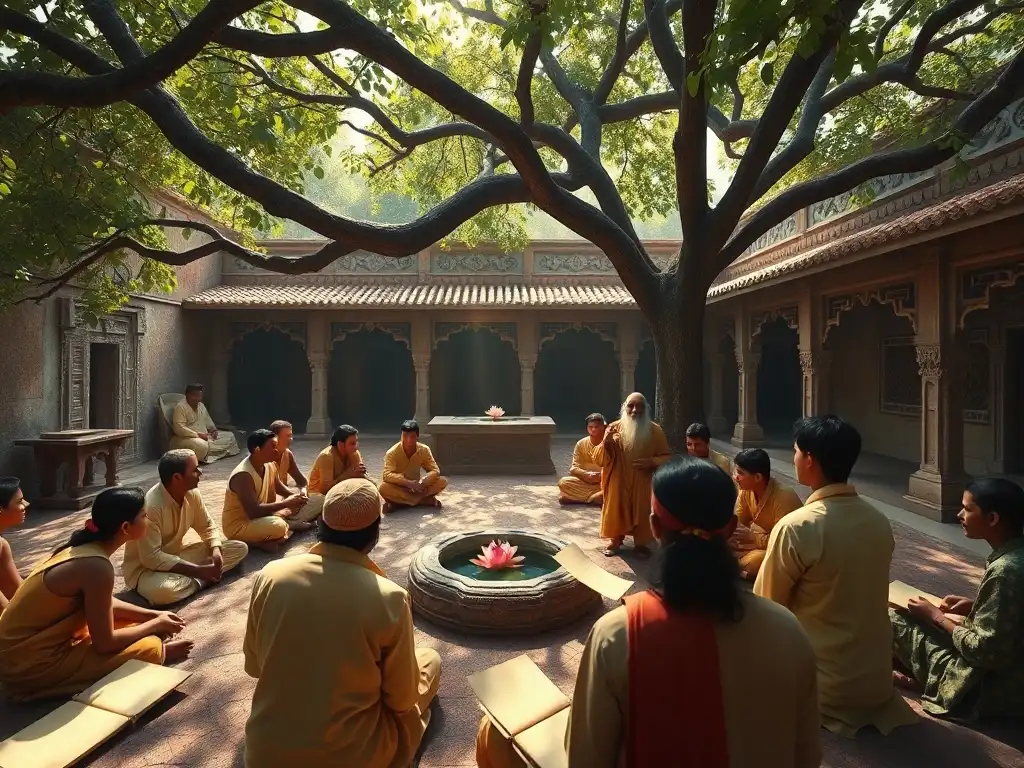
Education in ancient India, as depicted in the Puranas, was a multifaceted endeavor that emphasized not only formal learning but also the transmission of knowledge through various means.
- Gurukul System: The Puranas reference the Gurukul system, where students lived with their teachers, learning scriptures, philosophy, and practical skills. This one-on-one mentorship fostered deep learning and character development.
- Oral Tradition: Knowledge was often transmitted orally, with stories, hymns, and teachings being passed down through generations. This method ensured that cultural and spiritual wisdom remained vibrant and relevant.
- Subjects of Study: Education encompassed a wide range of subjects, including mathematics, astronomy, medicine, and the arts. The Puranas highlight the significance of understanding the cosmos and the natural world, reflecting a holistic approach to knowledge.
The Puranas and Their Relevance to Modern Understanding
The Puranas continue to hold significance for contemporary society, offering valuable lessons and insights into the daily life of ancient Indians that resonate with modern values and practices.
Lessons from the Puranas for Contemporary Society
The teachings embedded within the Puranas emphasize the importance of ethics, duty, and social responsibility, providing timeless lessons that can guide modern individuals and communities.
- Moral Narratives: Stories that illustrate virtues such as honesty, compassion, and selflessness serve as reminders of the moral fabric necessary for a harmonious society. These narratives encourage individuals to reflect on their actions and their impact on others.
- Cultural Identity: The Puranas foster a sense of identity and continuity, reminding contemporary society of its roots. Understanding these texts can help individuals appreciate the rich heritage and traditions that shape their cultural landscape.
- Community Engagement: The communal aspects of festivals and celebrations depicted in the Puranas can inspire modern societies to cultivate stronger community ties, fostering cooperation and mutual support.
The Puranas as a Resource for Historical Research on Daily Life
Scholars and historians regard the Puranas as invaluable resources for understanding the intricacies of daily life in ancient India. Their narratives provide a wealth of information that can be analyzed for various aspects of society.
- Cultural Insights: Researchers can glean insights into social customs, practices, and the prevailing worldview of ancient Indians. The descriptions of rituals, domestic life, and community interactions paint a vivid picture of the times.
- Historical Context: The Puranas contain references to historical events and figures, offering context for the evolution of society and culture in ancient India. They serve as a bridge between mythology and historical reality.
- Interdisciplinary Studies: The rich content of the Puranas allows for interdisciplinary research, connecting literature, anthropology, sociology, and religious studies. This multifaceted approach enhances our understanding of ancient Indian civilization and its enduring legacy.
Conclusion
The Puranas serve as a vital resource for understanding the daily life in ancient India, providing a multifaceted view of the social, cultural, and economic practices that shaped the lives of its people. By delving into these texts, we uncover the values, traditions, and beliefs that were prevalent during ancient times, offering a glimpse into the everyday experiences of individuals from various strata of society.
Summary of Insights Gained from the Puranas
The insights gained from the Puranas are extensive and reflect the complexity of life during ancient Indian civilization. Through their narratives, we learn about:
- Social Structure: The Puranas detail the varna system, illustrating how the roles of different classes (Brahmins, Kshatriyas, Vaishyas, and Shudras) influenced daily life and societal interactions.
- Cultural Practices: Festivals, rituals, and customs are richly described, showcasing the importance of religion and spirituality in everyday activities. The texts highlight how these practices fostered community bonds and individual identities.
- Economics and Livelihoods: Descriptions of agriculture, trade, and craftsmanship reveal the economic foundations of ancient Indian society. The Puranas illustrate how these economic activities shaped social interactions and community dynamics.
- Art and Literature: The Puranas themselves are a testament to the literary richness of the period, containing poetry, stories, and moral lessons that reflect the artistic sensibilities of ancient Indians.
- Gender Roles: Insights into the roles and responsibilities of men and women can be gleaned, revealing the complexities and nuances of gender dynamics in ancient households.
These insights help historians and scholars construct a more comprehensive picture of daily life during ancient times, enabling a deeper appreciation of the cultural heritage that has shaped modern India.
Final Thoughts on the Importance of Understanding Daily Life in Ancient India Through Puranic Texts
Understanding daily life in ancient India through the lens of the Puranas is crucial for several reasons. Firstly, it allows us to appreciate the rich tapestry of human experience that characterized this civilization. The Puranas do not merely recount mythological tales; they intertwine these narratives with the realities of life, thus bridging the gap between the sacred and the secular.
Moreover, studying these texts encourages us to reflect on how historical contexts influence culture and society. The values and practices depicted in the Puranas resonate with contemporary issues, prompting discussions on tradition, modernity, and identity within Indian society today.
Finally, the Puranas serve as a reminder of the continuity and change in human civilization. By exploring the daily life of ancient Indians, we gain insights into our collective past, fostering a sense of connection to our cultural roots. Understanding this heritage enriches our knowledge and appreciation of the diverse influences that have shaped not just India, but the broader human experience.
- Introduction to the Puranas
- The Puranas: A Historical Context
- Daily Life in Ancient India as Depicted in the Puranas
- The Influence of Geography on Daily Life in Ancient India
- Key Themes of Daily Life in the Puranas
- Festivals and Celebrations: A Reflection of Cultural Life
- Education and Knowledge Transmission in Ancient India
- The Puranas and Their Relevance to Modern Understanding
- Conclusion
- What are the Puranas and their significance in understanding daily life in ancient India?
- How did daily life in ancient India vary among different civilizations?
- What aspects of daily life do the Puranas cover?
- How did religion influence daily life in ancient India?
- What can modern society learn from the daily life depicted in the Puranas?
Frequently Asked Questions
What are the Puranas and their significance in understanding daily life in ancient India?
The Puranas are ancient texts that provide insights into the cultural, social, and religious practices of ancient Indians, offering a detailed portrayal of their daily life.
How did daily life in ancient India vary among different civilizations?
Daily life in ancient India differed based on regional customs, economic activities, and social structures, reflecting the diversity of its civilizations, from the Indus Valley to the Gupta Empire.
What aspects of daily life do the Puranas cover?
The Puranas cover a wide range of topics, including family life, rituals, festivals, and occupations, showcasing the rich tapestry of daily existence in ancient India.
How did religion influence daily life in ancient India?
Religion played a central role in daily life, guiding social norms, ritual practices, and festivals, as depicted in the Puranas, which highlight the spiritual and cultural dimensions of ancient Indian life.
What can modern society learn from the daily life depicted in the Puranas?
Modern society can gain insights into community values, sustainability, and the importance of tradition and cultural heritage, as illustrated by the daily practices recorded in the Puranas.
Final Reflection: The Puranas as a Mirror of Daily Life in Ancient India
The Puranas offer a profound glimpse into the daily life in ancient India, revealing the intricate tapestry of customs, beliefs, and societal norms that shaped the lives of its people. As we navigate the complexities of modern life, understanding these ancient narratives allows us to appreciate the continuity of cultural practices and the enduring human experience. The lessons embedded within these texts remind us that our daily lives are part of a larger story, one that transcends time and connects us to our ancestors.
The influence of the Puranas extends beyond mere historical documentation; they continue to shape the cultural and social landscape of contemporary India. By exploring these ancient texts, we uncover the values and traditions that still resonate in today's society. The Puranas serve as a reminder of the importance of community, spirituality, and the interconnectedness of all life. As Mahatma Gandhi once said, "> The best way to find yourself is to lose yourself in the service of others." This sentiment echoes the teachings found within the Puranas, emphasizing the significance of service and the collective well-being of society.
As we reflect on the insights gained from the Puranas, I invite you to consider how these ancient teachings can enrich your own life. Take a moment to ponder the values that guide your daily actions and interactions. How can you incorporate the wisdom of the past into your present? By embracing the lessons of ancient India, we can cultivate a deeper understanding of ourselves and our place in the world, fostering a sense of connection that transcends generations. Let the Puranas inspire you to live with intention, compassion, and a commitment to the greater good.
Unveil the Rich Tapestry of Ancient Indian Life!
Thank you for joining us on this journey through the Puranas and the fascinating glimpse they offer into the daily life of ancient Indians. By exploring these ancient texts, you've gained valuable insights into the culture, traditions, and stories that shaped a remarkable civilization.
Now, it’s your turn to dive even deeper! Here are a few exciting ways you can connect with this rich history:
- Explore a local library or online archive to find translations of the Puranas and uncover stories that resonate with you.
- Share your findings with friends or on social media to ignite discussions about how ancient practices influence modern life.
- Join a discussion group centered on Indian history, where you can exchange ideas and expand your understanding.
What aspect of ancient Indian life fascinates you the most, and how do you see its influence in today’s world?