
The Significance of International Yoga Day in Ancient Indian Traditions

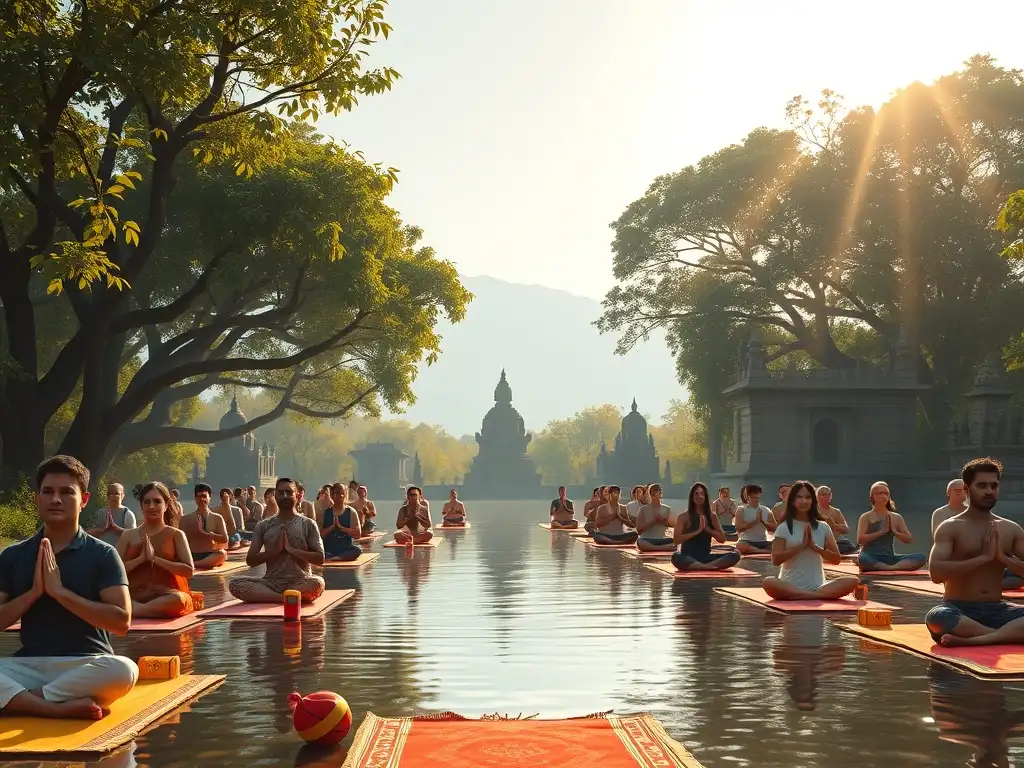
Welcome to Ancient India History, where we embark on a fascinating journey through the rich tapestry of ancient Indian civilizations. In this exploration, we will delve into the profound yoga traditions in ancient India, uncovering their significance and enduring legacy. As we celebrate International Yoga Day, let us discover how these ancient practices not only shaped spirituality and wellness but also contributed to the global embrace of yoga today. Prepare to be intrigued as we connect the past with the present, revealing the timeless wisdom that continues to inspire generations. Dive deeper and let the story unfold!
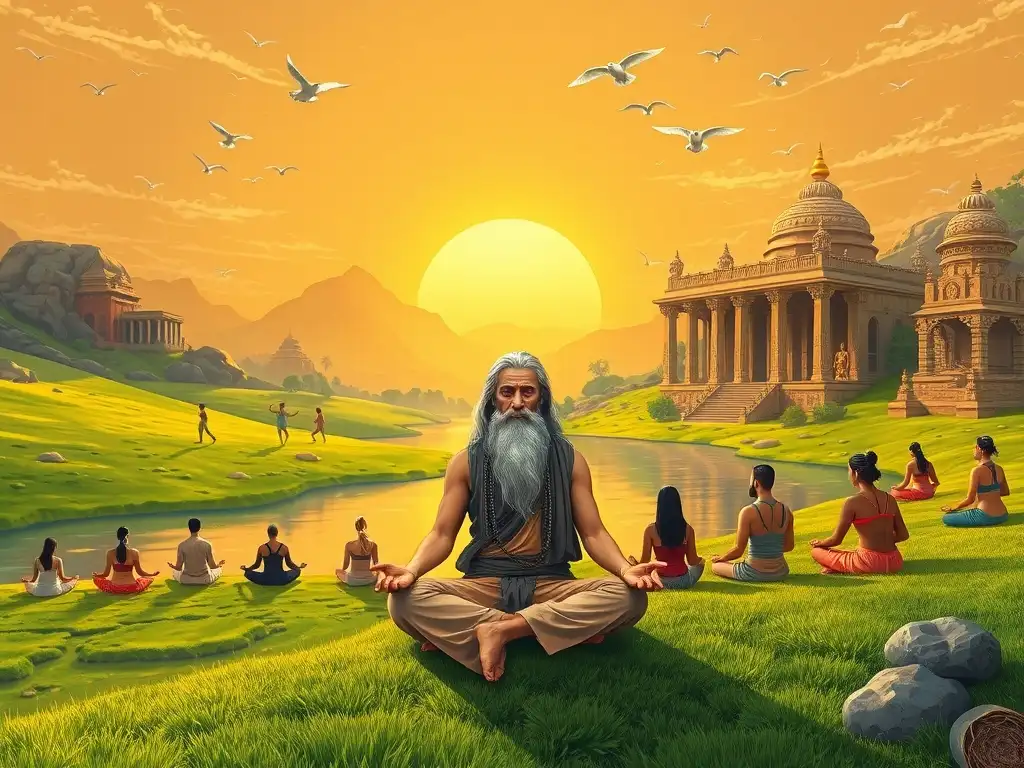
Introduction to Yoga Traditions in Ancient India
Yoga is not merely a practice; it is a profound philosophy that has been an integral part of ancient Indian traditions for thousands of years. As we celebrate International Yoga Day, it is essential to delve into the rich tapestry of yoga traditions that have shaped the spiritual and cultural landscape of India. This article seeks to explore the historical roots, philosophical underpinnings, and the evolution of yoga practices in ancient India, emphasizing its significance and relevance in contemporary society. Understanding these traditions not only honors the past but also enriches our practice and appreciation of yoga today.
Overview of Yoga in Ancient Indian Culture
In ancient India, yoga was perceived as a holistic approach to life, encompassing physical, mental, and spiritual dimensions. It was interwoven with various aspects of daily life, religious rituals, and personal development. The term "yoga" itself derives from the Sanskrit root "yuj," meaning to unite or join, symbolizing the connection between the individual self and the universal consciousness.
- Key Elements of Yoga in Ancient Culture:
- Spiritual Practices: Meditation, chanting, and rituals played a crucial role in the lives of practitioners.
- Physical Disciplines: Asanas (postures) were designed not only for physical fitness but also for spiritual awakening.
- Community and Belonging: Yoga fostered a sense of community among practitioners, emphasizing collective growth and learning.
Historical Roots of Yoga Practices
The origins of yoga can be traced back to the Indus Valley Civilization (c. 3300–1300 BCE), where archeological findings suggest the existence of early meditative practices and yoga-like postures. The historical development of yoga is encapsulated in various texts, which document its evolution over centuries.
- Notable Historical Findings:
- Seals and Figurines: Artifacts depicting yoga postures have been discovered at excavation sites.
- Textual References: Early scriptures like the Vedas and Upanishads provide insights into the practices and philosophies that shaped yoga.
The Role of Yoga in Ancient Indian Philosophies
Yoga was deeply intertwined with the philosophical systems that emerged in ancient India, such as Hinduism, Buddhism, and Jainism. Each of these traditions offered unique interpretations and practices of yoga, contributing to its rich diversity.
- Philosophical Connections:
- Hinduism: Emphasized the union of the Atman (individual soul) with Brahman (universal consciousness).
- Buddhism: Focused on mindfulness and meditation as a path to enlightenment.
- Jainism: Advocated for self-discipline and non-violence through yogic practices.
The Evolution of Yoga Practices Through Time
As yoga evolved, it absorbed influences from various cultural and philosophical movements, leading to the diverse practices we see today. The historical trajectory of yoga is marked by key texts and teachings that laid the foundation for its development.
Early Yoga Texts and Scriptures
The earliest references to yoga can be found in ancient texts such as the Rigveda and the Yoga Sutras of Patanjali. These scriptures not only codified the practices of yoga but also elucidated its philosophical significance.
- Key Texts:
- Yoga Sutras of Patanjali: A seminal work that systematically outlines the eight limbs of yoga.
- Bhagavad Gita: Explores the concept of yoga as a means to achieve self-realization and duty fulfillment.
Influence of Vedic and Upanishadic Teachings
The Vedic and Upanishadic texts played a pivotal role in shaping yoga as a spiritual discipline. They introduced concepts of meditation, self-realization, and the nature of reality, which became fundamental to yoga practices.
- Core Teachings:
- Meditation (Dhyana): A vital practice for attaining higher states of consciousness.
- Self-Inquiry (Atma Vichara): Encouraged practitioners to explore the nature of the self.
Development of Different Yoga Schools in Ancient India
Over time, various schools of yoga emerged, each with distinct philosophies and practices. This diversification enriched the yogic tradition, catering to different spiritual needs and aspirations.
- Prominent Schools:
- Hatha Yoga: Focuses on physical postures and breath control.
- Raja Yoga: Emphasizes meditation and mental discipline.
- Karma Yoga: Centers on selfless action and service to others.
The significance of International Yoga Day serves as a reminder of the profound legacy of yoga traditions in ancient India. By understanding and honoring these practices, we can cultivate a deeper appreciation for the art and science of yoga, connecting us with the wisdom of our ancestors.
The Role of Yoga in Ancient Indian Festivals
Yoga has played a pivotal role in ancient Indian festivals, intertwining the physical, spiritual, and communal aspects of Indian culture. Traditionally, yoga was not merely a physical exercise; it was a holistic practice that encompassed various disciplines, including meditation, breathing techniques, and ethical living. During festivals, yoga served as a means to enhance spiritual experiences and foster community bonding. The practice was often incorporated into rituals and celebrations, symbolizing the union of individual consciousness with the universal spirit.
Key Elements of Yoga in Festivals:
- Spiritual Growth: Yoga was used to prepare practitioners for spiritual experiences during festivals, helping them achieve a heightened state of consciousness.
- Community Unity: Group yoga sessions during festivals encouraged a sense of community and unity, reinforcing social bonds among participants.
- Ritualistic Practices: Many festivals included specific yoga postures or meditative practices as part of the rituals, enhancing their spiritual significance.
Connection Between Yoga and Spiritual Celebrations
The connection between yoga and spiritual celebrations in ancient India is profound. Festivals often marked significant times for introspection, prayer, and communal worship. Yoga practices, such as asanas and meditation, were integrated into these celebrations to facilitate deeper spiritual connections. For instance, during the festival of Makar Sankranti, practitioners would perform yoga to align themselves with the shifting energies of the sun, symbolizing renewal and enlightenment.
Examples of Spiritual Celebrations:
- Navratri: During this nine-night festival dedicated to the goddess Durga, devotees practiced yoga and meditation to seek blessings and inner strength.
- Diwali: The festival of lights often included yoga sessions aimed at fostering peace and removing negativity, aligning with the essence of the celebration.
Yoga as a Form of Worship in Ancient Traditions
In ancient Indian traditions, yoga was regarded as a profound form of worship. The practice was not limited to physical postures; it encompassed devotion (bhakti), knowledge (jnana), and disciplined action (karma). Many ancient texts, such as the Bhagavad Gita and the Yoga Sutras of Patanjali, emphasize yoga as a pathway to connect with the divine.
Worship through Yoga:
- Devotional Practices: Yogic rituals often included chanting mantras or performing mudras (hand gestures) as a form of devotion to deities.
- Meditative Worship: Meditative practices were employed to foster a direct experience of the divine, allowing practitioners to transcend the material realm and connect with higher consciousness.
Notable Festivals Celebrating Yoga in Ancient India
Several ancient festivals explicitly celebrated yoga as a vital aspect of spiritual life. These festivals were not only occasions for communal celebration but also opportunities for individuals to deepen their practice and understanding of yoga.
Key Festivals:
- Maha Shivaratri: Dedicated to Lord Shiva, this festival is celebrated with night-long vigils, chanting, and yoga practices aimed at honoring the deity associated with meditation and asceticism.
- Guru Purnima: This festival honors spiritual teachers and gurus, with yoga sessions dedicated to learning and practicing under their guidance, highlighting the importance of yoga in spiritual education.
International Yoga Day: A Modern Reflection of Ancient Practices
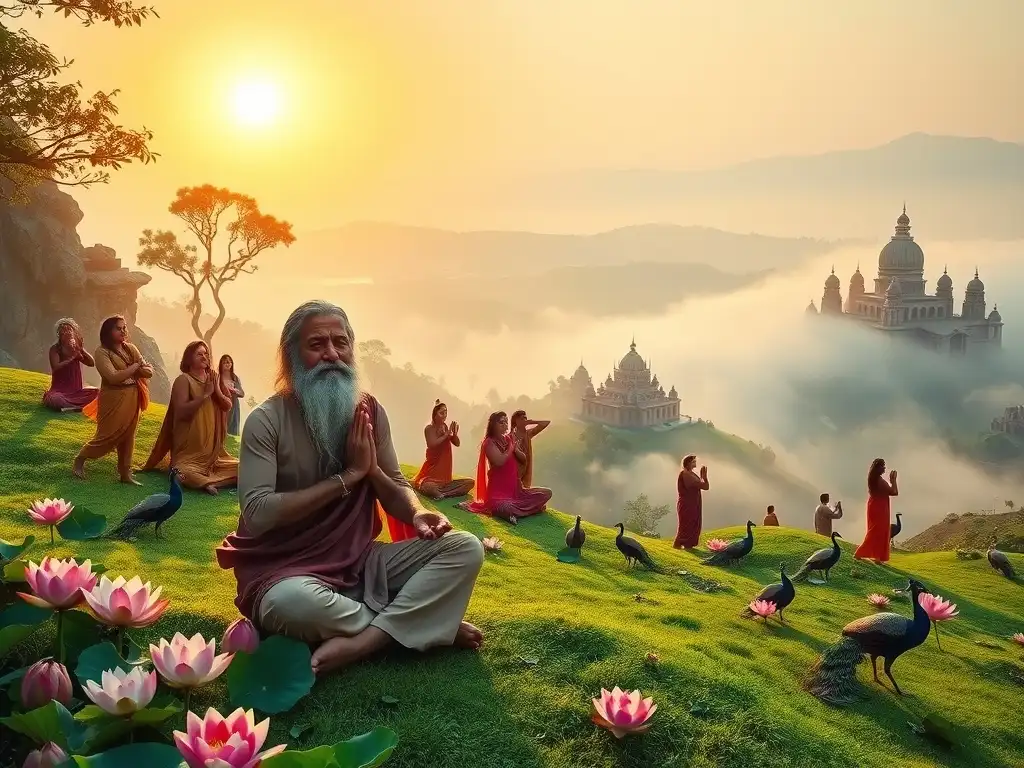
International Yoga Day, celebrated on June 21st, serves as a modern reflection of ancient yoga traditions, emphasizing the importance of yoga in fostering global peace and well-being. The day recognizes yoga's rich heritage and its relevance in contemporary society, promoting its enduring significance as a practice that transcends cultural and geographical boundaries.
The Establishment of International Yoga Day
International Yoga Day was established by the United Nations in 2014, following a proposal made by Prime Minister Narendra Modi during his speech at the UN General Assembly. The date of June 21st was chosen to align with the summer solstice, a time that holds spiritual significance in many cultures. The establishment of this day marked a global acknowledgment of yoga as an invaluable heritage of humanity, urging nations to incorporate yoga into their health and wellness practices.
Objectives and Significance of Celebrating Yoga Globally
The main objectives of International Yoga Day include promoting health and wellness, raising awareness about the benefits of yoga, and encouraging a more profound understanding of its cultural and historical significance. The observance of this day aims to:
- Foster Global Participation: Engage individuals from diverse backgrounds to participate in yoga activities, promoting unity and harmony.
- Highlight Health Benefits: Educate people about the physical and mental health benefits of yoga, such as stress reduction and improved well-being.
- Preserve Ancient Traditions: Ensure the continuity of ancient yoga practices by integrating them into contemporary lifestyles.
How International Yoga Day Revives Ancient Yoga Traditions
International Yoga Day plays a crucial role in reviving and sustaining ancient yoga traditions. By encouraging people worldwide to engage in yoga, the day serves as a reminder of the ancient practices that have shaped spiritual and cultural identity in India.
Reviving Traditions Through:
- Community Events: Public yoga sessions, workshops, and festivals promote traditional practices, allowing participants to experience the essence of ancient yoga.
- Cultural Education: Programs and seminars during International Yoga Day educate individuals about the philosophies and teachings behind yoga, ensuring its traditions are passed down to future generations.
- Global Recognition: By promoting yoga as a global practice, International Yoga Day reinforces its significance and encourages nations to honor and preserve their own yoga traditions.
The Impact of International Yoga Day on Cultural Awareness
The establishment of International Yoga Day on June 21 has played a pivotal role in enhancing cultural awareness surrounding yoga traditions in ancient India. Celebrated globally, this day serves as a reminder of the deep-rooted philosophies and practices associated with yoga, which date back thousands of years. It encourages individuals to explore and understand the historical significance of yoga, not merely as a form of physical exercise but as a holistic approach to well-being that integrates mind, body, and spirit.
The observance of this day has sparked an interest in the origins of yoga, prompting educational initiatives and workshops that delve into its ancient texts like the Yoga Sutras of Patanjali and the Bhagavad Gita. Such initiatives help to demystify the roots of yoga, revealing its transformative power and its connection to various aspects of life, including meditation, philosophy, and spirituality.
Furthermore, International Yoga Day has become a platform for cultural diplomacy, where nations can engage in dialogue about their unique yoga traditions. This fosters a deeper appreciation for the diverse ways in which yoga can be practiced, promoting inclusivity and respect for its ancient roots.
Promoting Yoga Traditions in Modern Society
In modern society, the promotion of yoga traditions has evolved beyond mere physical practice to encompass its philosophical and spiritual dimensions. International Yoga Day has catalyzed a resurgence of interest in traditional forms of yoga, encouraging practitioners to explore styles such as Hatha, Ashtanga, and Kundalini, which all have historical significance in ancient Indian spirituality.
Workshops, retreats, and community events organized around this day often emphasize the teachings of ancient yoga masters and the importance of mindfulness and meditation. These events provide a space for individuals to reconnect with the spiritual essence of yoga, fostering a deeper understanding of its benefits for mental, emotional, and physical health.
Moreover, social media platforms have amplified the visibility of yoga traditions, allowing practitioners from diverse backgrounds to share their experiences and insights, thereby enriching the global conversation about yoga. This digital engagement encourages a sense of community and belonging, reinforcing the idea that yoga is not just a personal practice but a shared cultural heritage.
Global Participation and Its Influence on Ancient Practices
The global participation in International Yoga Day has had a profound impact on the way ancient yoga practices are perceived and practiced today. Millions of participants from various countries come together to celebrate yoga, demonstrating its universal appeal and adaptability. This phenomenon has led to the evolution of yoga into a global movement that transcends cultural and geographical boundaries.
As practitioners engage with yoga on this international platform, they often incorporate their own cultural elements into their practice. This cross-cultural exchange enriches the traditional practices of yoga, resulting in innovative adaptations that reflect contemporary lifestyles while honoring ancient wisdom. For instance, modern interpretations of yoga may integrate elements from various healing traditions, such as Ayurveda, which originated in ancient India, creating a holistic approach that appeals to a broader audience.
Additionally, the collaborative nature of International Yoga Day fosters an environment where ancient practices can be preserved and revitalized. By encouraging discussions around traditional techniques and their relevance in today's world, practitioners are motivated to explore and respect the historical context of yoga.
The Role of Yoga in Fostering Cultural Exchange
Yoga serves as a bridge for cultural exchange, bringing together diverse communities through shared practices and philosophies. International Yoga Day exemplifies this role, as it invites individuals from various cultural backgrounds to participate in a unified celebration of yoga. This collective experience fosters mutual respect and understanding, allowing participants to learn about the rich history and significance of yoga in ancient India.
Through workshops, demonstrations, and discussions, participants can engage with traditional teachers and practitioners who share insights into the deeper meanings behind yoga postures and practices. This interaction not only honors the ancient roots of yoga but also encourages a dialogue about its evolution and adaptation in different cultural contexts.
Furthermore, the global recognition of International Yoga Day has inspired various nations to incorporate yoga into their cultural heritage, influencing educational policies and wellness programs. By highlighting the interconnectedness of yoga with cultural identity, this day contributes to the preservation of ancient traditions while promoting a sense of belonging and community.
Conclusion: The Lasting Legacy of Yoga Traditions in Ancient India
The legacy of yoga traditions in ancient India continues to resonate powerfully in contemporary society, largely due to the global recognition fostered by International Yoga Day. This day not only celebrates yoga as a practice but also honors its historical significance and the wisdom of the sages who developed these traditions. As more individuals embrace yoga, the underlying principles of mindfulness, balance, and harmony become increasingly relevant in addressing modern-day challenges.
The Relevance of Ancient Yoga Practices Today
Ancient yoga practices, with their emphasis on holistic well-being, remain profoundly relevant in today's fast-paced world. The teachings of the Yoga Sutras and other ancient texts provide timeless guidance on living a balanced life, cultivating self-awareness, and managing stress. As the world grapples with issues such as anxiety and disconnection, these practices offer valuable tools for personal development and emotional resilience.
Moreover, the resurgence of interest in wellness practices, such as meditation and breathwork, can be traced back to the principles established in ancient yoga traditions. By integrating these practices into daily life, individuals can experience the benefits of a more mindful existence, promoting overall health and well-being.
Future Prospects for Yoga in Global Culture
Looking to the future, the prospects for yoga in global culture appear bright. As more people recognize the benefits of yoga and its connections to mental and physical health, the demand for authentic practices rooted in ancient traditions will likely increase. This trend presents an opportunity for cultural ambassadors and practitioners to continue sharing the wisdom of ancient India with a global audience.
Educational institutions may also play a crucial role in preserving and promoting yoga traditions by integrating them into curricula, ensuring that future generations understand and appreciate their historical significance. Additionally, the collaboration between traditional yoga practitioners and contemporary wellness experts can lead to innovative approaches that honor ancient practices while making them accessible to modern audiences.
Reflections on the Significance of International Yoga Day in Preserving Ancient Traditions
International Yoga Day serves as a vital platform for the preservation and promotion of ancient yoga traditions. By fostering a global community that values and celebrates these practices, this day reinforces the importance of maintaining cultural heritage in a rapidly changing world. As participants reflect on the significance of their practices and the teachings of ancient sages, they contribute to the ongoing legacy of yoga.
The collective celebration of yoga on this day not only honors its historical roots but also inspires individuals to explore its transformative potential in their own lives. Ultimately, International Yoga Day strengthens the connection between ancient traditions and contemporary practices, ensuring that the rich legacy of yoga continues to thrive for generations to come.
- Introduction to Yoga Traditions in Ancient India
- The Evolution of Yoga Practices Through Time
- The Role of Yoga in Ancient Indian Festivals
- International Yoga Day: A Modern Reflection of Ancient Practices
- The Impact of International Yoga Day on Cultural Awareness
- Conclusion: The Lasting Legacy of Yoga Traditions in Ancient India
- What is the historical significance of Yoga traditions in ancient India?
- How did ancient Indian civilizations contribute to modern Yoga practices?
- Why is International Yoga Day celebrated?
- What are the key elements of Yoga in ancient Indian traditions?
- How does the celebration of Yoga today reflect ancient practices?
Frequently Asked Questions
What is the historical significance of Yoga traditions in ancient India?
The Yoga traditions in ancient India are rooted in spiritual practices and philosophies that date back thousands of years, influencing health, wellness, and spiritual growth.
How did ancient Indian civilizations contribute to modern Yoga practices?
Ancient Indian civilizations, particularly during the Indus Valley and Gupta Empire, laid the groundwork for Yoga practices through texts like the Yoga Sutras and the Bhagavad Gita, shaping today's understanding of Yoga.
Why is International Yoga Day celebrated?
International Yoga Day is celebrated to promote the physical and mental benefits of Yoga, honoring its ancient roots and recognizing its importance in fostering global well-being and peace.
What are the key elements of Yoga in ancient Indian traditions?
Key elements include asanas (postures), pranayama (breath control), and meditation, which are essential for achieving mental clarity, spiritual connection, and physical health.
How does the celebration of Yoga today reflect ancient practices?
The celebration of Yoga today emphasizes the philosophical and spiritual aspects of ancient practices, bridging the gap between historical traditions and modern wellness lifestyles.
Final Reflection: Embracing the Legacy of Yoga Traditions in Ancient India
The significance of International Yoga Day resonates deeply with the essence of ancient Indian traditions, reminding us that the practice of yoga is not merely a physical exercise but a profound journey of self-discovery and spiritual awakening. In today's fast-paced world, where stress and disconnection are rampant, the teachings of yoga offer a sanctuary for mental clarity and emotional balance. This day serves as a global reminder of the rich heritage of yoga, urging us to reconnect with its roots and embrace its transformative power.
The influence of yoga traditions in ancient India extends far beyond the mat; it has shaped cultural practices, philosophies, and lifestyles across the globe. As we celebrate International Yoga Day, we witness a resurgence of interest in these ancient practices, fostering a deeper understanding of mindfulness and holistic well-being. Yoga is the journey of the self, through the self, to the self.
– The Bhagavad Gita. This timeless wisdom encapsulates the ongoing relevance of yoga, inviting us to explore our inner selves and cultivate a sense of unity with the world around us.
As we reflect on the teachings of yoga, let us take this opportunity to integrate its principles into our daily lives. I invite you to pause, breathe, and consider how you can incorporate the wisdom of ancient yoga traditions into your routine. Whether through meditation, mindful movement, or simply taking a moment to appreciate the present, each small action contributes to a larger journey of self-awareness and connection. Together, we can honor the legacy of yoga and ensure its teachings continue to inspire generations to come.
Embrace the Spirit of Yoga Today!
Thank you for exploring the profound significance of International Yoga Day within ancient Indian traditions! You've gained valuable insights into how this practice has shaped wellness and spirituality throughout history. Now, it’s time to integrate that knowledge into your daily life.
- Begin your own yoga journey: Roll out your mat, find a comfortable space, and commit to practicing for just 10 minutes each day.
- Share this article with friends and family to inspire them to discover the rich heritage and benefits of yoga.
- Join a local yoga class or an online community to connect with others who share your passion for this ancient practice.
How will you incorporate yoga into your life or share its benefits with others?