
The Role of Agricultural Deities in Ancient Indian Crop Cultivation

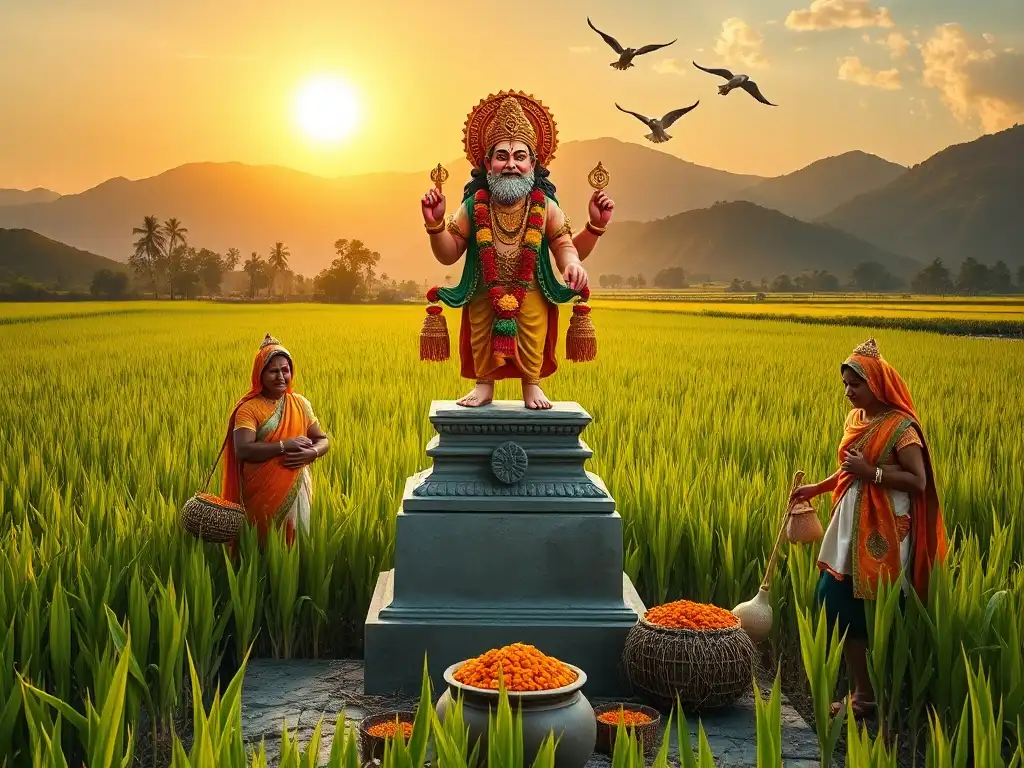
Welcome to Ancient India History! Dive into the fascinating tapestry of ancient Indian civilizations, where every thread tells a story of innovation and spirituality. In our featured article, we unravel the significant role of Ancient Indian agricultural deities, exploring how these divine figures not only shaped crop cultivation but also influenced the very fabric of society. Join us on this captivating journey through time, and discover the profound connections between faith and farming that have enriched India's agricultural heritage for centuries. Are you ready to uncover the secrets of the past?

In the ancient Indian agrarian society, the interconnection between agriculture and spirituality was profound, manifesting in the veneration of various agricultural deities. These deities were not merely symbols of worship; they represented the essential forces of nature that governed crop cultivation, fertility, and the overall agricultural cycle. As civilizations flourished from the Indus Valley to the Gupta Empire, the influence of these deities became deeply embedded within the cultural and social fabric of ancient Indian life.
Understanding the role of ancient Indian agricultural deities reveals how these divine figures were believed to influence and ensure successful harvests, thereby sustaining communities and economies. This exploration delves into the significance of these deities, the agricultural practices of ancient India, and the rituals associated with them.
Introduction to Ancient Indian Agricultural Deities
Overview of Agricultural Practices in Ancient India
Agriculture was the cornerstone of ancient Indian civilization, with practices evolving through innovations and cultural exchanges across regions. Key agricultural practices included:
- Crop Rotation: Farmers practiced rotating crops to maintain soil fertility.
- Irrigation Techniques: The use of canals, wells, and seasonal floods facilitated water management.
- Harvesting Rituals: Harvests were often accompanied by rituals to thank deities for their blessings.
These practices were intertwined with the reverence for agricultural deities, who were believed to provide the necessary conditions for fruitful harvests.
Importance of Deities in Fertility and Harvest
The significance of agricultural deities in ancient India extended beyond mere belief; they were integral to the agricultural calendar. Rituals and ceremonies were conducted to invoke favor from these deities, which were believed to ensure:
- Fertility of the Land: Deities were worshipped to bless the soil and seeds.
- Protection Against Natural Calamities: Prayers were offered to safeguard crops from droughts, floods, and pests.
- Abundance of Harvest: Successful harvests were celebrated with festivals, reinforcing the communal bond and gratitude towards deities.
Major Agricultural Deities in Ancient India
Indra: The King of Gods and Rain
Indra, often revered as the god of rain and thunderstorms, held a pivotal role in ancient Indian agriculture. Farmers prayed to Indra for:
- Rainfall: His blessings were sought for timely and sufficient rains, essential for crop growth.
- Protection from Droughts: Rituals often included offerings to appease Indra during dry spells.
Indra's importance is highlighted in various texts, where he is depicted as the protector of crops and the sustainer of agricultural prosperity.
Agni: The God of Fire and Crop Protection
Agni, the god of fire, was also associated with agriculture, particularly in the context of crop protection and purification. His significance included:
- Fire Rituals: Farmers performed fire sacrifices (yajnas) to purify the fields and invoke Agni's protection against pests.
- Symbol of Transformation: Agni represented the transformative process of growth, from seed to harvest.
The reverence for Agni reflects the dual nature of fire as a destructive and purifying force within agricultural practices.
Parvati: Goddess of Fertility and Abundance
Parvati, revered as the goddess of fertility, played an essential role in ensuring abundance and prosperity in agriculture. Her contributions included:
- Fertility Blessings: Parvati was worshipped to bless women and land with fertility, essential for sustaining communities.
- Harvest Festivals: Celebrations often included rituals dedicated to Parvati, emphasizing her importance in agricultural cycles.
Her association with fertility illustrates the divine feminine's crucial role in crop cultivation and community sustenance.
Other Notable Deities and Their Significance
In addition to Indra, Agni, and Parvati, several other deities played significant roles in ancient Indian agriculture:
- Saraswati: Associated with knowledge and learning, she was invoked for wisdom in farming techniques.
- Varuna: The god of water, worshipped to ensure proper irrigation and water supply.
- Bhumi Devi: The Earth goddess, revered for her nurturing qualities and fertility.
These deities collectively represent the diverse spiritual landscape that underpinned agricultural practices in ancient India, highlighting the cultural significance of farming and harvest.
The Influence of Beliefs on Crop Cultivation Techniques
In ancient India, the belief system surrounding agricultural deities profoundly influenced crop cultivation techniques. The agrarian communities viewed the success of their harvests as intertwined with the favor of these deities, leading to the development of specific agricultural practices designed to appease them. Farmers believed that by adhering to these rituals and practices, they could ensure bountiful yields and protect their crops from adverse weather conditions and pests.
Key Influences Include:
- Crop Selection: Farmers often chose specific crops believed to be favored by certain deities. For example, rice was associated with the goddess Annapurna, who represented nourishment and plenty.
- Cultivation Methods: Techniques like crop rotation and intercropping were sometimes informed by traditional knowledge linked to religious beliefs, wherein certain combinations were thought to bring blessings.
- Timing of Sowing and Harvesting: Many farmers relied on astrological calendars, which were often shaped by religious considerations, to determine the optimal times for sowing and harvesting, aligning their agricultural activities with lunar cycles and festivals dedicated to agricultural deities.
The integration of belief systems into agricultural practices not only ensured that crops were cultivated effectively but also reinforced the community's cultural identity, binding them through shared rituals and reverence for their deities.
Rituals and Offerings to Agricultural Deities
Rituals and offerings to agricultural deities were central to ancient Indian agricultural practices. These ceremonies often involved prayers, songs, and offerings meant to invoke divine favor for successful crops. Farmers engaged in various rituals at different stages of the agricultural cycle, from preparation to harvest.
Common Practices Included:
- Puja (Worship): Farmers performed puja, which typically involved lighting lamps, offering flowers, and preparing food items for the deities. This was conducted in fields or at home shrines to express gratitude and seek blessings.
- Animal Sacrifices: In some regions, animal sacrifices were performed to appease powerful agricultural deities, reflecting the belief that such acts could ensure abundance and fertility in the fields.
- Community Gatherings: Festivals often included communal rituals where farmers gathered to pray together, fostering a sense of solidarity and shared purpose in their agricultural endeavors.
These rituals not only highlighted the importance of divine intervention in agriculture but also reinforced social bonds within farming communities, as collective participation in these practices was essential for their spiritual and cultural cohesion.
Seasonal Festivals and Their Connection to Agriculture
Seasonal festivals in ancient India were intrinsically linked to agricultural cycles and the veneration of agricultural deities. These festivals marked critical points in the agricultural calendar, such as sowing and harvesting, and were often accompanied by elaborate celebrations aimed at invoking blessings for the upcoming season.
Notable Festivals Include:
- Pongal: Celebrated in South India, Pongal is a harvest festival honoring the sun god Surya and involves cooking the first rice of the season as an offering.
- Makar Sankranti: This festival marks the transition of the sun into the zodiac sign of Capricorn, celebrated with kite flying and the preparation of special foods, symbolizing the end of winter and the beginning of the harvest season.
- Baisakhi: Marking the harvest of rabi crops, Baisakhi is celebrated in Punjab with dance, music, and rituals to honor the Earth and agricultural deities.
These festivals not only served as a time for celebration but also reinforced agricultural practices, educating younger generations about the importance of agriculture and the deities associated with it.
The Role of Temples in Promoting Agricultural Practices
Temples played a significant role in promoting agricultural practices in ancient India. They were not only religious centers but also hubs of community life where agricultural knowledge was shared and preserved. Many temples were dedicated to agricultural deities and acted as focal points for farmers seeking blessings for their crops.
Key Functions of Temples:
- Education: Temples often served as places where agricultural knowledge was disseminated, including techniques for land preparation, irrigation, and crop rotation, often linked to the teachings of the deities worshipped there.
- Community Support: Temples organized events and festivals that brought farmers together, fostering collaboration and mutual support among agricultural communities.
- Resource Distribution: Some temples managed land and resources, providing assistance to farmers during droughts or poor harvests, effectively acting as a safety net for the community.
Through these roles, temples not only reinforced the religious significance of agriculture but also contributed to the practical aspects of farming, ensuring the survival and prosperity of agricultural practices in ancient India.
Symbolism and Iconography of Agricultural Deities
The symbolism and iconography of agricultural deities in ancient India reflect the integral relationship between spirituality and agriculture. Deities were often depicted in ways that emphasized their roles in fertility, abundance, and the natural elements vital for crop cultivation.
Key Symbols Include:
- Grain and Food: Many agricultural deities are represented holding sheaves of grain or other food items, symbolizing nourishment and the bounty of the harvest.
- Natural Elements: Symbols such as water (often depicted as rivers), earth, and sun reflect the essential elements required for successful agriculture, underscoring the deities' control over these life-giving forces.
- Animals: Livestock, particularly cows, are frequently associated with agricultural deities, symbolizing wealth and the agricultural lifestyle.
These symbols not only served as representations of the deities but also as reminders of the agricultural practices and natural resources essential for sustenance.
Visual Representations in Ancient Art and Texts
Visual representations of agricultural deities in ancient Indian art and texts provide valuable insights into the cultural significance of agriculture. These depictions often included detailed illustrations in sculptures, frescoes, and manuscripts that celebrated the connection between deities and farming practices.
Examples of Artistic Depictions:
- Sculptures: Temples often featured intricate carvings of agricultural deities, depicting them engaged in activities like sowing seeds or blessing the harvest.
- Frescoes: Ancient paintings in caves and temples illustrated scenes of farming, with deities prominently featured, highlighting their role in the agrarian lifestyle.
- Literary Texts: Texts such as the Rigveda and later Puranas contain hymns and stories that describe agricultural deities, emphasizing their importance in the agricultural calendar and rituals.
These artistic and literary representations serve not only as historical records but also as a testament to the reverence ancient Indians had for their agricultural deities and the practices that sustained their communities.
The Role of Myths and Legends in Agricultural Practices
Myths and legends associated with agricultural deities played a crucial role in shaping agricultural practices in ancient India. These narratives often conveyed moral lessons and cultural values, reinforcing the importance of respecting the land and the deities that governed it.
Prominent Myths Include:
- The Legend of Parvati and Shiva: This myth illustrates the connection between fertility and the earth, where Parvati, as the goddess of fertility, is often depicted nurturing crops and ensuring a bountiful harvest.
- The Tale of Yashoda and Krishna: Krishna's childhood exploits include tales of him playing in fields, highlighting the divine connection to agriculture and the joy of harvesting.
- The Story of Dhartimata: This legend personifies the Earth as a goddess, emphasizing the sacredness of the land and the need for sustainable farming practices.
These myths were not merely stories; they served as a framework for understanding the agricultural cycle and the reverence owed to the deities, encouraging harmonious relationships with nature and responsible farming practices. Through these narratives, the cultural and spiritual dimensions of agriculture were preserved, guiding generations of farmers in their practices.
Case Studies of Agricultural Deities in Regional Cultures
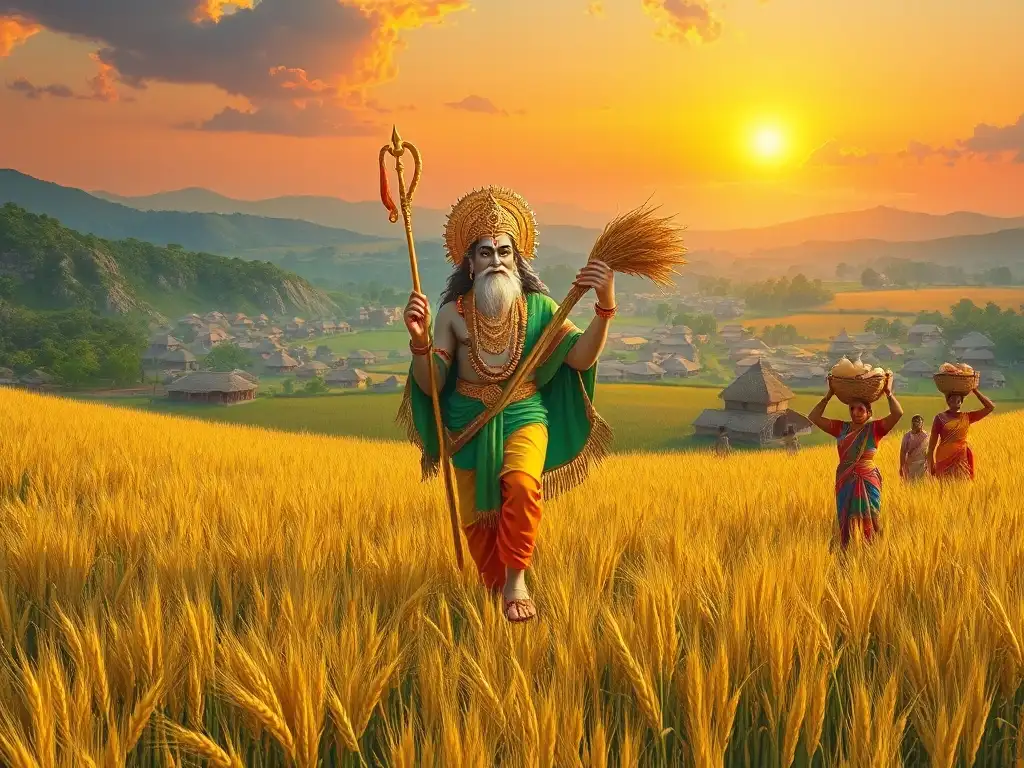
Throughout ancient India, various regions worshiped specific agricultural deities that were integral to their farming practices and cultural identity. These deities not only symbolized fertility and bountiful harvests but also represented the relationship between humans and the natural world.
For instance, in the Indus Valley Civilization, the mother goddess was revered as a fertility deity, often depicted in terracotta figurines. This reflects the significance of fertility in agricultural practices, as society relied heavily on agriculture for sustenance.
In the Tamil Nadu region, the deity Kali is associated with agriculture, particularly rice cultivation. Festivals like Pongal are dedicated to her, celebrating the harvest and expressing gratitude for the bounties of the land.
Similarly, in West Bengal, the goddess Lakshmi is worshiped for prosperity and is closely linked to rice farming. The Nabanna festival, marking the harvesting of new rice, showcases the cultural importance of agricultural deities across various regions.
The Vedic Period: Agricultural Practices and Deities
During the Vedic Period (circa 1500–500 BCE), agricultural practices were closely intertwined with religious beliefs. The Vedas, ancient sacred texts, contain hymns dedicated to various deities who were believed to influence agricultural prosperity.
Indra, the king of the gods, was considered the deity of rain and thunderstorms, essential for crop growth. Farmers would invoke Indra's blessings through rituals and offerings to ensure timely rains, which were crucial for successful harvests.
Another significant deity during this period was Agni, the fire god, who played a vital role in agricultural rites. Fire was used in sacrifices to purify the land and invoke blessings for fertility and abundance.
Additionally, the Vedic texts highlight rituals such as the Yajna, which involved offerings to deities in exchange for favorable agricultural conditions, showcasing the deep connection between spiritual practices and farming life.
The Role of Deities in the Maurya and Gupta Empires
The Maurya (322–185 BCE) and Gupta Empires (c. 320–550 CE) marked a significant evolution in the worship of agricultural deities. During these periods, agriculture flourished, and deities were increasingly personified in local traditions.
The Mauryan emperor Ashoka promoted agricultural prosperity as part of his governance, which included the veneration of Goddess Bhudevi, the Earth goddess. Her worship ensured the fertility of the land, and her presence in local festivals reaffirmed the community’s reliance on agriculture.
In the Gupta Empire, the Sanskrit texts from this era reflect a rich tapestry of agricultural practices and rituals dedicated to deities. Parvati, the goddess of fertility and the harvest, gained prominence, with temples dedicated to her being built across the empire. Farmers would offer the first fruits of their harvest to her, seeking blessings for future yields.
The integration of agricultural deities into the societal fabric during these empires emphasized the importance of agriculture in sustaining the economy and community life.
Conclusion: The Enduring Legacy of Agricultural Deities
The legacy of agricultural deities in ancient India continues to resonate in modern times. These deities were not merely figures of worship; they represented the deep-seated connection between spirituality and sustenance. Their influence can be seen in contemporary agricultural practices, where rituals and traditions surrounding crop cultivation still reflect ancient beliefs.
Impact on Modern Agricultural Practices and Beliefs
Today, many Indian farmers continue to honor agricultural deities through rituals and festivals, such as Makar Sankranti and Baisakhi, which celebrate the harvest. These practices serve as a reminder of the historical significance of these deities and their role in ensuring a successful agricultural yield.
Moreover, the reverence for deities associated with agriculture fosters a sense of community and continuity, bringing together families and villages in celebration of shared cultural heritage. The integration of modern agricultural techniques with traditional beliefs often leads to sustainable practices that respect both the land and its spiritual dimensions.
Reflection on the Cultural Importance of Deities in Agriculture
The cultural importance of agricultural deities in ancient India reflects a broader understanding of humanity's relationship with nature. These deities served as symbols of hope and resilience, embodying the struggles and triumphs of agricultural life.
In recognizing their role in crop cultivation, we gain insights into the values and beliefs of ancient societies. The veneration of these deities highlights the respect for nature and the understanding that agriculture is not only a means of survival but also a profound aspect of cultural identity.
As we explore the rich tapestry of ancient Indian civilizations, the legacy of agricultural deities remains a testament to the enduring connection between spirituality and the earth, shaping agricultural practices and cultural celebrations to this day.
References and Further Reading on Ancient Indian Agricultural Deities
Understanding the role of agricultural deities in ancient Indian crop cultivation requires delving into a variety of resources that explore both the historical context and the cultural significance of these deities. Below are some suggested books, articles, and online resources that provide valuable insights into this fascinating subject.
Suggested Books and Articles
-
"Ancient Indian Agriculture" by D. N. Jha
This book offers a comprehensive overview of agricultural practices in ancient India, including the spiritual aspects tied to crop cultivation. Jha discusses the significance of various deities and their roles in the agricultural calendar.
-
"The Cult of the Earth Goddess in Ancient India" by R. S. Sharma
Sharma examines the veneration of earth goddesses in ancient Indian society, providing insights into their impact on agricultural practices and community rituals.
-
"Food and Faith in Christian Culture" by Ken Albala
Although primarily focused on Christian contexts, this book includes comparative analyses of agricultural deities across various cultures, including ancient India, offering broader insights into the spiritual dimensions of food production.
-
"Ritual and Cult in Ancient India" by A. P. Bhattacharya
Bhattacharya’s work explores the rituals associated with agricultural deities in ancient India, detailing how these practices influenced crop yields and community cohesion.
-
"The Sacred Landscape of Ancient India" by R. M. Rajan
This article discusses the interconnection between sacred geography and agricultural practices, highlighting how deities were tied to specific landscapes and their agricultural outputs.
Online Resources for Deeper Understanding
-
Digital Library of India
This online archive houses a wealth of texts related to ancient Indian agriculture, including religious texts that discuss agricultural deities and their significance.
-
The Ancient History Encyclopedia
A comprehensive resource that provides articles and entries on various aspects of ancient Indian history, including a section dedicated to agricultural practices and related deities.
-
India’s Agricultural History: A Journey Through Time
This website offers a detailed timeline and analyses of agricultural developments in India, touching on the role of deities in crop cultivation and the cultural rituals surrounding harvest seasons.
-
ResearchGate
A platform where researchers publish their findings. Searching for terms related to ancient Indian agricultural deities will yield numerous papers exploring various facets of this subject.
-
The Indian National Digital Library in Agriculture (INDIA)
This resource provides access to a range of documents and publications focusing on agricultural practices in India, including historical perspectives on deities and their agricultural roles.
These resources will provide a deeper understanding of ancient Indian agricultural deities and their pivotal role in shaping agricultural practices and beliefs in ancient Indian society.
- Introduction to Ancient Indian Agricultural Deities
- Major Agricultural Deities in Ancient India
- The Influence of Beliefs on Crop Cultivation Techniques
- Symbolism and Iconography of Agricultural Deities
- Case Studies of Agricultural Deities in Regional Cultures
- Conclusion: The Enduring Legacy of Agricultural Deities
- References and Further Reading on Ancient Indian Agricultural Deities
- What were the primary agricultural deities in ancient India?
- How did ancient Indian civilizations honor their agricultural deities?
- What role did agricultural deities play in crop cultivation?
- Did different regions of ancient India have unique agricultural deities?
- How does the worship of agricultural deities impact modern agricultural practices in India?
Frequently Asked Questions
What were the primary agricultural deities in ancient India?
Ancient Indians revered several agricultural deities, including Varuna, the god of rain, and Prithvi, the goddess of the earth, who were believed to influence crop growth and fertility.
How did ancient Indian civilizations honor their agricultural deities?
Ancient Indians performed various rituals and ceremonies to honor their agricultural deities, often involving offerings, prayers, and festivals to ensure a bountiful harvest.
What role did agricultural deities play in crop cultivation?
Agricultural deities were seen as crucial for fertility and prosperity, and their blessings were sought to combat challenges like drought or pests, impacting overall crop yields.
Did different regions of ancient India have unique agricultural deities?
Yes, various regions in ancient India had their own local deities associated with agriculture, reflecting the diverse agricultural practices and cultural beliefs of the area.
How does the worship of agricultural deities impact modern agricultural practices in India?
The reverence for agricultural deities continues in some modern practices, influencing farmers' rituals and festivals that celebrate the harvest, highlighting a blend of tradition and agriculture.
Final Reflection: The Enduring Legacy of Ancient Indian Agricultural Deities
The exploration of Ancient Indian agricultural deities reveals a profound connection between spirituality and sustenance that resonates deeply in today's world. As we face modern challenges in agriculture, such as climate change and food security, the reverence for these deities reminds us of the importance of harmony with nature. The wisdom embedded in ancient practices and beliefs serves as a guiding light, emphasizing that our relationship with the earth is not merely transactional but sacred.
The influence of these deities extends beyond mere historical significance; they continue to shape cultural identities and agricultural practices in contemporary society. The rituals and festivals honoring these deities foster community bonds and reinforce the importance of sustainable farming. As noted by agricultural historian Dr. Anjali Rao, The reverence for agricultural deities is not just a relic of the past; it is a living tradition that informs our present and future agricultural practices.
This ongoing dialogue between the past and present highlights the need to integrate traditional wisdom with modern techniques for a more sustainable future.
As we reflect on the lessons from the veneration of ancient agricultural deities, let us embrace the call to honor our environment and cultivate a deeper understanding of our agricultural roots. I invite you to consider how these ancient beliefs can inspire your own relationship with food and nature. By recognizing the sacredness of the land and the cycles of growth, we can take meaningful steps toward a more sustainable and respectful approach to agriculture in our lives.
Embrace the Wisdom of Ancient Agriculture!
Thank you for exploring the fascinating relationship between agricultural deities and crop cultivation in ancient India! Your journey through this rich history has revealed the profound connections our ancestors had with nature and spirituality. Now, it's time to harness that inspiration and take action!
- Explore local agriculture: Visit a nearby farm or community garden to witness modern-day practices that are deeply rooted in ancient traditions.
- Share the knowledge: Discuss what you’ve learned with friends or on social media—let's spread the wisdom of our agricultural heritage!
- Engage with nature: Start a small herb garden at home to connect with the earth and cultivate your own sense of sustainability and stewardship.
How do you think incorporating ancient agricultural wisdom into today’s practices can enhance our modern farming and food systems?