
Crop Cultivation Practices of the Mauryan Dynasty: Innovations and Influence


Welcome to Ancient India History, where we embark on a journey through the rich tapestry of civilizations that shaped the Indian subcontinent. In our latest article, we delve into the fascinating crop cultivation practices of the Mauryan dynasty, uncovering the innovative techniques that revolutionized agriculture and had a lasting impact on the economy. Prepare to be captivated by the ingenuity of ancient farmers and the profound influence of their practices on contemporary society.
Join us as we explore the intricacies of this remarkable era and discover how these ancient methods laid the foundation for agricultural advancements that are still relevant today. Dive deeper into the world of ancient India and let your curiosity guide you!
- Introduction to the Mauryan Dynasty Crop Cultivation Practices
- Historical Context of Crop Cultivation in the Mauryan Dynasty
- Key Innovations in Mauryan Crop Cultivation Practices
- Tools and Techniques in Mauryan Agriculture
- Economic Impact of Mauryan Dynasty Crop Cultivation Practices
- Cultural Influence of Agriculture in the Mauryan Era
- Legacy of Mauryan Dynasty Crop Cultivation Practices
- Conclusion
- References
-
Frequently Asked Questions
- What were the key innovations in crop cultivation during the Mauryan dynasty?
- How did the Mauryan dynasty influence agricultural practices in ancient India?
- What types of crops were primarily cultivated during the Mauryan dynasty?
- How did the geography of ancient India affect crop cultivation during the Mauryan period?
- What role did trade play in the crop cultivation practices of the Mauryan dynasty?
- Final Reflection: The Enduring Legacy of Mauryan Dynasty Crop Cultivation Practices
- Unleash the Secrets of Ancient Agriculture!
Introduction to the Mauryan Dynasty Crop Cultivation Practices
The Mauryan Dynasty, which thrived from approximately 322 to 185 BCE, stands as a monumental chapter in ancient Indian history. This era was marked by significant advancements in governance, economy, and cultural practices, particularly in agriculture. The cultivation practices during this period not only reflected the innovative spirit of the time but also laid the foundation for agricultural techniques that would influence subsequent generations.
In exploring the Mauryan dynasty crop cultivation practices, we can uncover how these methods contributed to the dynasty's economic prosperity and social structure. This article aims to delve into the intricacies of these agricultural practices, examining their innovations, techniques, and lasting impact on ancient Indian civilization.
Overview of the Mauryan Dynasty
The Mauryan Dynasty emerged under the leadership of Chandragupta Maurya, who unified much of the Indian subcontinent. The dynasty reached its zenith under Emperor Ashoka, known for his commitment to Dharma and the spread of Buddhism. The Mauryan Empire was characterized by a centralized administration, vast territorial expansion, and a flourishing economy, heavily reliant on agriculture.
Agricultural practices during this time were diverse, reflecting the various climatic and geographical conditions of the Indian subcontinent. The Mauryan period saw the introduction of advanced techniques such as crop rotation, irrigation systems, and the use of plows, which significantly improved crop yields. A blend of indigenous knowledge and innovations defined the agricultural landscape, making it a pivotal aspect of the empire's economy and sustenance.
Importance of Agriculture in Ancient India
Agriculture was the backbone of ancient Indian society, supporting not only the economy but also the social structure. With the majority of the population engaged in farming, the prosperity of the Mauryan Dynasty hinged on effective agricultural practices.
- Economic Stability: Agriculture provided the necessary food resources, facilitating trade and commerce. The surplus production enabled the Mauryan rulers to engage in extensive trade, both domestically and with neighboring regions.
- Social Organization: The agrarian lifestyle contributed to the establishment of social hierarchies and community structures. Land ownership and agricultural productivity were often linked to wealth and social status.
- Cultural Significance: Farming practices were deeply intertwined with cultural and religious beliefs. Rituals related to sowing and harvesting were common, reflecting the respect for nature and the agrarian lifestyle.
Purpose of the Article
The purpose of this article is to intricately examine the crop cultivation practices of the Mauryan Dynasty, highlighting their innovations and influence on subsequent agricultural methods in India. By exploring various aspects such as:
- Historical context and agricultural techniques
- The role of government in agricultural development
- The impact of these practices on the economy and society
we aim to provide a comprehensive understanding of how the Mauryan Dynasty shaped agricultural practices and its legacy in ancient India. Through this exploration, we hope to shed light on the significant contributions of the Mauryan Empire to the agricultural history of the subcontinent.
Historical Context of Crop Cultivation in the Mauryan Dynasty
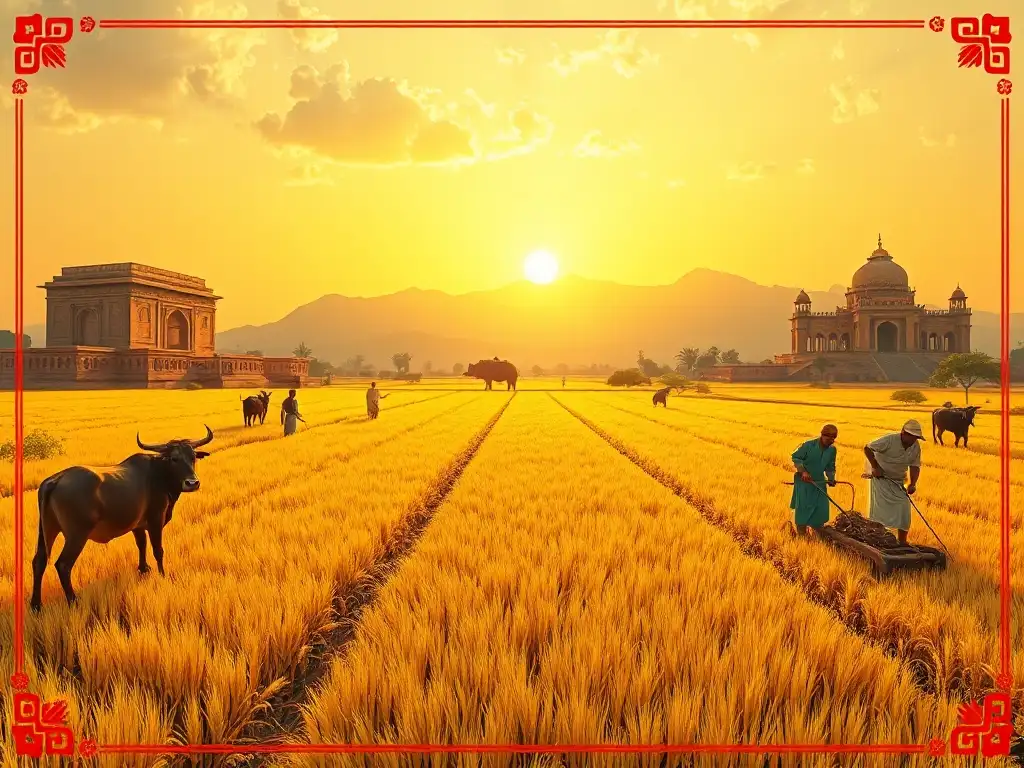
The Mauryan dynasty, which flourished from 322 to 185 BCE, represents a significant period in the agricultural development of ancient India. Understanding the context of crop cultivation during this time requires examining previous agricultural practices, the unique features of the Mauryan administration, and the geographical factors that influenced farming.
Agricultural Practices Before the Mauryan Era
Before the rise of the Mauryan dynasty, agriculture in India was already well established, particularly in the fertile river valleys. The Indus Valley Civilization (circa 3300–1300 BCE) showcased advanced agricultural techniques, including:
- Irrigation Systems: The use of canals and reservoirs to manage water supply.
- Crop Rotation: Farmers practiced crop rotation to maintain soil fertility, alternating between crops such as wheat, barley, and pulses.
- Tools and Implements: The use of basic ploughs made from wood, which were essential for tilling the soil.
By the time of the Mauryan dynasty, agricultural practices had evolved, yet the foundations laid by earlier civilizations continued to influence farming methods. The transition from subsistence farming to more organized agricultural systems set the stage for the innovations that would emerge during the Mauryan era.
Key Features of the Mauryan Dynasty
The Mauryan dynasty introduced several key features that transformed crop cultivation practices:
- Centralized Administration: The Mauryan rulers, particularly Emperor Ashoka, implemented a centralized governance system that promoted agricultural productivity. This included:
- Standardized taxation on agricultural produce, which incentivized farmers to increase yields.
- Agricultural officials who oversaw production and ensured efficient resource allocation.
- Innovative Techniques: The Mauryan period saw the introduction of innovative agricultural techniques, including:
- Use of Fertilizers: Documentation suggests the use of organic fertilizers, enhancing soil quality.
- Crop Diversification: Farmers began cultivating a wider variety of crops, such as rice, millet, and legumes, which helped improve food security.
- Infrastructure Development: The establishment of roads and trade routes facilitated the distribution of agricultural products. Key developments included:
- Improved irrigation systems that expanded arable land.
- Marketplaces that connected farmers with consumers, stimulating economic growth.
- Promotion of Agricultural Knowledge: The Mauryan dynasty placed a strong emphasis on the dissemination of agricultural knowledge through:
- Agricultural texts and treatises that documented best practices.
- Initiatives to educate farmers on crop management and pest control.
Influence of Geography on Agriculture
Geography played a crucial role in shaping the agricultural landscape of the Mauryan dynasty. The diverse climatic and geographical features of India contributed to varied farming practices:
- River Valleys: Fertile regions along the Ganges and Indus rivers supported intensive farming, allowing for multiple cropping seasons.
- Climate Variability: The monsoon season provided essential rainfall, which was critical for crop growth. Farmers adapted their practices based on seasonal changes, planting drought-resistant varieties when necessary.
- Topography: The varied terrain influenced agricultural techniques; for instance, terracing was employed in hilly areas to prevent soil erosion and maximize arable land.
The combination of these geographical elements led to a rich agricultural environment that sustained the Mauryan population and contributed to the dynasty's economic strength. Innovations in crop cultivation practices during this period not only improved food security but also laid the groundwork for future agricultural advancements in ancient India.
Key Innovations in Mauryan Crop Cultivation Practices

Introduction of New Crops and Varieties
The Mauryan dynasty, which flourished from 322 to 185 BCE, is renowned for its significant contributions to agriculture, particularly in crop cultivation practices. One of the most notable aspects of this period was the introduction of new crops and varieties that enhanced food security and agricultural productivity.
The Mauryan rulers actively promoted the cultivation of several key crops, including:
- Rice: Varieties of rice were cultivated, which were more resilient to local climatic conditions and suited to different soil types.
- Wheat: The Mauryans improved wheat cultivation practices, leading to higher yields and better quality grains.
- Barley and Millets: These drought-resistant crops were crucial for sustaining populations in arid regions.
This diversification of crops not only provided a stable food supply but also contributed to the economic prosperity of the empire. The introduction of legumes, such as lentils and chickpeas, further enriched the soil and provided essential nutrients, showcasing the Mauryan understanding of crop rotation and intercropping methods.
Advancements in Irrigation Techniques
Irrigation played a pivotal role in enhancing agricultural productivity during the Mauryan dynasty. The state invested in advanced irrigation techniques that facilitated the efficient use of water resources. Some of the key advancements included:
- Canal Systems: The construction of extensive canal networks allowed for the diversion of river water to fields, especially in regions with irregular rainfall. These canals helped maintain consistent moisture levels in the soil.
- Wells and Tanks: The Mauryans constructed wells and water tanks to collect rainwater, ensuring that farmers had access to irrigation during dry spells. This was particularly beneficial in the Deccan plateau and other drought-prone areas.
- Rainwater Harvesting: Techniques for capturing and storing rainwater were improved, which allowed for better water management and reduced dependency on monsoon rains.
These innovations not only increased crop yields but also expanded the area of land suitable for cultivation, supporting the growing population of the Mauryan empire.
Use of Fertilizers and Soil Management
The Mauryan dynasty also made significant strides in the use of fertilizers and soil management techniques, which were crucial for maintaining soil fertility and promoting sustainable agriculture. Key practices included:
- Organic Fertilizers: The use of animal manure and compost was prevalent, providing essential nutrients to crops and improving soil structure. This practice was rooted in traditional knowledge and demonstrated an understanding of organic farming principles.
- Crop Residue Management: Farmers were encouraged to leave crop residues on fields after harvest, which helped in retaining soil moisture and preventing erosion. This practice also contributed to the natural replenishment of soil nutrients.
- Soil Testing and Management: Although rudimentary by today’s standards, there is evidence that Mauryan farmers were attentive to soil quality and made adjustments based on the specific needs of various crops. They would rotate crops to prevent soil depletion and enhance fertility.
These approaches to fertilizers and soil management not only ensured high productivity but also laid the groundwork for agricultural practices that would influence subsequent Indian civilizations. The Mauryan dynasty's innovative crop cultivation practices left a lasting legacy on agriculture, significantly shaping the region's agrarian landscape.
Tools and Techniques in Mauryan Agriculture

Agriculture during the Mauryan dynasty was marked by significant advancements in tools and techniques that facilitated increased productivity and efficiency. The Mauryan period, which lasted from approximately 322 to 185 BCE, saw a blend of traditional practices and innovative methods that had lasting impacts on crop cultivation.
Traditional Farming Tools Used in the Mauryan Period
The Mauryan dynasty utilized a variety of traditional farming tools that were essential for effective agricultural practices. These tools were primarily made from locally available materials like wood, metal, and stone. Some of the key tools included:
- Plows:
- The plow was the backbone of Mauryan agriculture, allowing for effective tilling of the soil. Early plows were typically wooden, featuring a simple design with a sharp tip to break the ground.
- Sickles:
- Used for cutting crops during harvest, sickles were crafted with curved blades, which were efficient for gathering grains like wheat and barley.
- Hoers and Mattocks:
- These tools were essential for loosening the soil and making it suitable for planting. Hoers had long handles and were useful in removing weeds.
- Rakes:
- Rakes helped in gathering crop residue and preparing the field after harvesting.
The use of these tools not only enhanced agricultural output but also demonstrated the ingenuity of the Mauryan farmers. They were adept at modifying and improving existing tools to meet their agricultural needs.
Crop Rotation and its Benefits
Crop rotation emerged as a crucial agricultural practice during the Mauryan dynasty, significantly influencing agricultural sustainability and productivity. This technique involves alternating the types of crops grown on a particular piece of land from season to season. The benefits of crop rotation included:
- Soil Fertility:
- By rotating crops, farmers could prevent soil depletion. Different crops have varying nutrient requirements and contribute to soil health differently. For instance, legumes like lentils enriched the soil with nitrogen, making it fertile for subsequent crops.
- Pest and Disease Control:
- Crop rotation helped in managing pests and diseases. Changing the crops grown in specific areas disrupted the life cycles of pests that thrived on particular plants, reducing infestations.
- Weed Management:
- Different crops can suppress the growth of weeds naturally, leading to lower weed pressure and reducing the need for manual weeding or chemical interventions.
- Increased Biodiversity:
- This practice promoted biodiversity, allowing for a variety of crops to coexist and thrive, which is essential for a resilient agricultural system.
The Mauryan dynasty's implementation of crop rotation exemplifies their understanding of sustainable agricultural practices, contributing to a robust agricultural economy.
Harvesting Techniques of the Mauryan Dynasty
Harvesting during the Mauryan dynasty was a critical phase in the agricultural cycle, and several techniques were employed to ensure efficient collection of crops. The methods used were reflective of the technological advancements of the time and included:
- Manual Harvesting:
- Farmers traditionally used sickles for manual harvesting, which allowed for precision and reduced damage to the crops. Workers would gather in groups, promoting community involvement in the harvest.
- Threshing:
- Once harvested, grains needed to be separated from the husks. This was typically done using a method called threshing, where harvested stalks were beaten or trampled to release the grain. The Mauryans may have used animals to assist in this process, which increased efficiency.
- Winnowing:
- After threshing, winnowing was performed to separate the grain from chaff. This involved tossing the mixture into the air, allowing the wind to carry away the lighter chaff while the heavier grains fell back down for collection.
- Storage Techniques:
- Proper storage was vital to prevent spoilage and pest infestations. The Mauryans built granaries with ventilation and elevated platforms to protect stored grains from moisture and rodents.
These harvesting techniques ensured that the agricultural yields of the Mauryan dynasty were maximized and preserved, contributing to the overall stability and prosperity of their economy.
Economic Impact of Mauryan Dynasty Crop Cultivation Practices
Contribution to the Mauryan Economy
The economic framework of the Mauryan dynasty was significantly influenced by its crop cultivation practices. Agriculture formed the backbone of the Mauryan economy, contributing to both sustenance and wealth generation. The introduction of advanced techniques and tools during this period enhanced crop yields, thereby increasing food production and facilitating population growth.
- Innovations in Agriculture: The Mauryan period witnessed several innovations, including the use of iron plows and improved irrigation systems, which allowed for more efficient farming. These advancements resulted in a diversification of crops, including staples like rice, wheat, and barley, as well as cash crops such as cotton and sugarcane.
- Taxation System: The state implemented a structured taxation system that collected revenue from agricultural produce. This system was essential in funding the empire's military and administrative expenses. Estimates suggest that taxes on agriculture constituted a significant percentage of the Mauryan revenue, further emphasizing the importance of farming in maintaining the dynasty's power and stability.
- Food Security: Increased agricultural productivity ensured food security for the Mauryan populace. This stability not only supported the growing urban centers but also allowed the state to manage surplus production, which could be stored or redistributed during times of famine or drought.
Trade during the Mauryan dynasty was heavily influenced by agricultural output, facilitating both local and international commerce. The agricultural surplus generated through enhanced crop cultivation practices played a crucial role in trade dynamics.
- Market Centers: Major urban centers, such as Pataliputra, became bustling market hubs where agricultural products were traded. The presence of a well-established network of roads and waterways allowed for the efficient movement of goods.
- Export of Agricultural Goods: The Mauryan empire engaged in trade with distant lands, exporting various agricultural products. Items like spices, grains, and textiles were highly sought after in regions like the Mediterranean and Central Asia, establishing India as a key player in global trade.
- Economic Policies: The Mauryan rulers implemented policies to promote trade, including the standardization of weights and measures, which facilitated fair trading practices. This regulatory framework not only enhanced local commerce but also attracted foreign merchants, further integrating the Mauryan economy with global markets.
Role of Agriculture in Urbanization
The relationship between agriculture and urbanization during the Mauryan dynasty was symbiotic, with each reinforcing the other. The success of agricultural practices directly influenced the growth and development of urban areas.
- Population Growth and Urban Centers: As agricultural productivity increased, it supported a growing population, leading to the establishment of larger urban settlements. Cities became focal points for trade, culture, and administration, reflecting the prosperity generated by effective farming practices.
- Infrastructure Development: The need to support urbanization led to the development of infrastructure, such as roads and irrigation systems. These improvements not only aided in agricultural efficiency but also facilitated trade and communication between urban and rural areas.
- Cultural Exchange: Urban centers became melting pots of culture and ideas, largely due to the agricultural surplus that allowed for a diverse population. The interaction between farmers, traders, and craftsmen resulted in a rich cultural tapestry, further enhanced by the stability provided by successful agricultural practices.
The crop cultivation practices of the Mauryan dynasty significantly influenced its economy, trade relations, and urban development, establishing a robust framework that supported the empire's longevity and prosperity.
Cultural Influence of Agriculture in the Mauryan Era
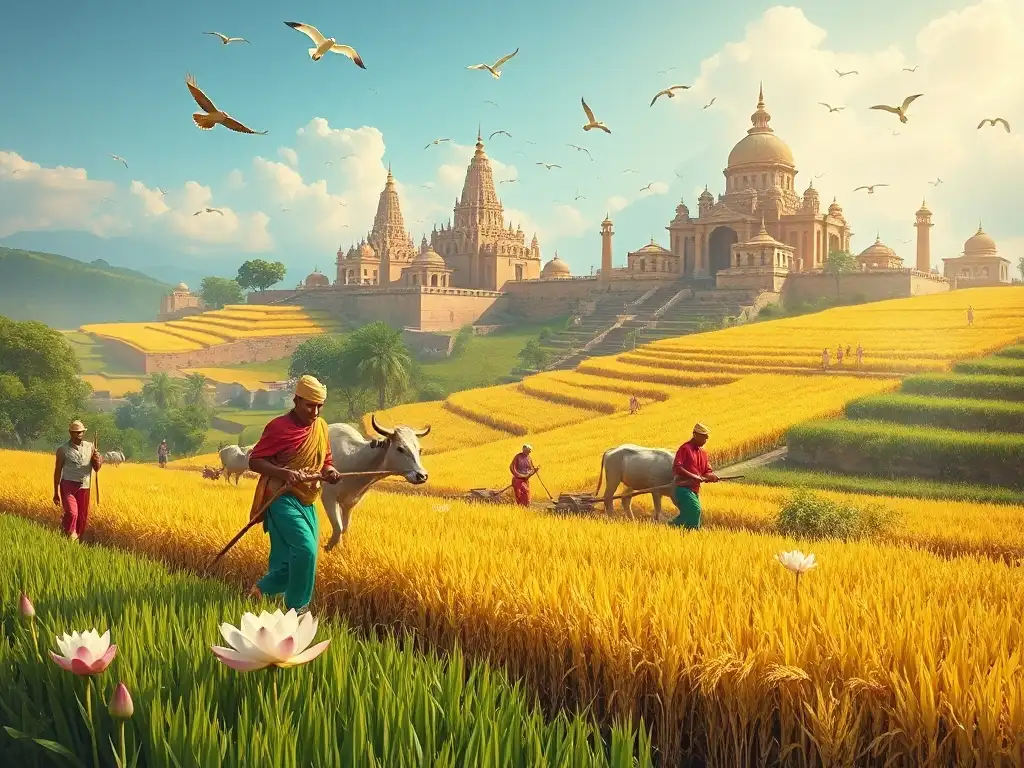
Agriculture was not just an economic activity in the Mauryan dynasty; it was deeply interwoven with the cultural and spiritual fabric of society. Various festivals and rituals celebrated agricultural practices, reflecting the significance of crop cultivation in the lives of the people.
- Harvest Festivals: One of the most prominent festivals was the Pongal (also known as Makar Sankranti), celebrated at the time of harvest. It involved cooking rice and offering it to the sun god, symbolizing gratitude for the bountiful harvest. The festival included various rituals:
- Preparation of Pooja Thali: Farmers would prepare a ceremonial plate with harvested grains, fruits, and flowers.
- Community Celebrations: Villagers would gather, share meals, and perform traditional dances, fostering community spirit.
- Rites for Fertility: Farmers practiced rituals to ensure fertile land and good yields. These included:
- Offerings to Deities: Farmers would make offerings to agricultural deities, such as Goddess Annapurna, seeking blessings for a prosperous crop season.
- Ceremonial Plowing: The first plowing of the field was often accompanied by a ritual, marking the beginning of the agricultural cycle.
The intertwining of agriculture with religious practices not only highlighted its importance but also reinforced social bonds within communities.
Literature and Art Depicting Agricultural Practices
The Mauryan dynasty left behind a rich legacy of literature and art that celebrated agricultural practices. Texts from this period reveal insights into crop cultivation, agricultural techniques, and the reverence for nature.
- Sanskrit Literature: Ancient texts, such as the Arthashastra by Kautilya, discussed agricultural management and economic strategies. It emphasized the importance of irrigation, crop rotation, and the use of fertilizers. Key points include:
- Irrigation Methods: The use of canals and wells to enhance crop yield.
- Planting Cycles: Recommendations for sowing various crops throughout the year.
- Artistic Representations: Sculptures and paintings from the Mauryan era often depicted agrarian life. For instance, carvings on the Sanchi Stupa showcase scenes of farmers working in the fields. These artistic expressions highlighted:
- Festive Scenes: Celebrations during harvest time, showcasing community participation.
- Tools and Techniques: Depictions of ancient farming tools, illustrating the technological advancements of the time.
The artistic and literary contributions of the Mauryan period not only documented agricultural practices but also conveyed the cultural significance of farming in everyday life.
The social structure of the Mauryan dynasty was significantly influenced by agricultural practices, which played a vital role in shaping the economy and status of different classes.
- Agrarian Society: The majority of the population was engaged in agriculture. Farmers were considered essential to the economy, as their productivity determined food security and wealth.
- Land Ownership: Wealthy landowners held significant power, often controlling large estates. They were responsible for hiring laborers, thus influencing the social hierarchy.
- Role of Artisans: In addition to farmers, artisans contributed to agriculture by creating tools and pottery essential for farming.
- Employment and Labor: The labor force consisted of various groups, including:
- Peasants: Primarily engaged in manual labor, tending the fields and harvesting crops.
- Seasonal Laborers: Worked during peak agricultural seasons, often moving between different regions based on crop cycles.
The social dynamics of the Mauryan dynasty illustrate how agriculture was not merely an economic activity but also a foundation for social organization and community relationships. The interdependence between different social classes underscored the integral role of Mauryan dynasty crop cultivation practices in shaping society.
Legacy of Mauryan Dynasty Crop Cultivation Practices

The Mauryan dynasty, which thrived from approximately 322 to 185 BCE, laid the foundation for agricultural practices that would significantly influence the agricultural landscape of India for centuries. Under the rule of notable emperors such as Chandragupta Maurya and his grandson Ashoka the Great, advancements in crop cultivation not only enhanced agricultural productivity but also transformed socio-economic structures across the Indian subcontinent.
Influence on Subsequent Indian Dynasties
The innovations introduced during the Mauryan dynasty had a profound impact on later Indian dynasties. The systematic approach to agriculture, including crop rotation and the introduction of new crops, was emulated by subsequent rulers. For instance:
- Gupta Dynasty (c. 240–550 CE): The Guptas built upon Mauryan agricultural practices, expanding irrigation systems and promoting the cultivation of rice and wheat. The establishment of agricultural manuals during this period showcased the advanced techniques inherited from the Mauryans.
- Chola Dynasty (c. 300 BCE–1279 CE): The Chola rulers further refined irrigation methods and introduced extensive canal systems, facilitating year-round cultivation. Many of their agricultural techniques can be traced back to the groundwork laid during the Mauryan era.
The Mauryan emphasis on sustainable agricultural practices, such as the use of organic fertilizers and crop diversification, continued to resonate through history, influencing agricultural policies and practices across various regions.
Modern Agricultural Practices and Their Roots in the Mauryan Era
Modern agricultural techniques in India, while influenced by contemporary technology, still reflect practices rooted in the Mauryan dynasty. Some of the key aspects include:
- Irrigation Systems: The Mauryan dynasty pioneered the construction of canals and wells, which are echoed in modern irrigation projects. The intricate designs of these systems allowed for efficient water management, a principle that remains vital in today's agricultural practices.
- Crop Diversity: The emphasis on growing multiple crops to enhance soil fertility and ensure food security during the Mauryan period has influenced modern practices such as intercropping and polyculture.
- Organic Farming: The use of natural fertilizers and pest control methods initiated by Mauryan farmers can be seen in the growing organic farming movement today. This practice emphasizes sustainability and environmental health, principles that were integral to the Mauryan agricultural philosophy.
By recognizing these connections, we can appreciate how ancient practices have adapted and survived, reflecting a continuous thread in India's agricultural history.
Preservation of Agricultural Techniques in Historical Context
The preservation of agricultural techniques from the Mauryan dynasty can be attributed to several factors:
- Documentation and Texts: Ancient texts, such as the Arthashastra attributed to Kautilya (Chanakya), provided detailed accounts of agricultural practices, including crop management, pest control, and market regulations. These documents served as crucial references for future generations.
- Cultural Transmission: The agrarian lifestyle during the Mauryan period fostered a culture of knowledge sharing among farmers. Techniques were passed down orally and through community practices, ensuring their survival over centuries.
- Religious and Ethical Frameworks: The Mauryan emphasis on sustainability, particularly under Ashoka's rule, promoted a holistic view of agriculture that respected the environment. This ethical dimension reinforced the importance of preserving agricultural knowledge.
The legacy of the Mauryan dynasty's crop cultivation practices is not just a historical artifact but a living tradition that continues to shape agricultural practices in India today. By understanding these roots, we can foster a more profound appreciation for the innovations that have enabled the resilience and adaptability of Indian agriculture through the ages.
Conclusion
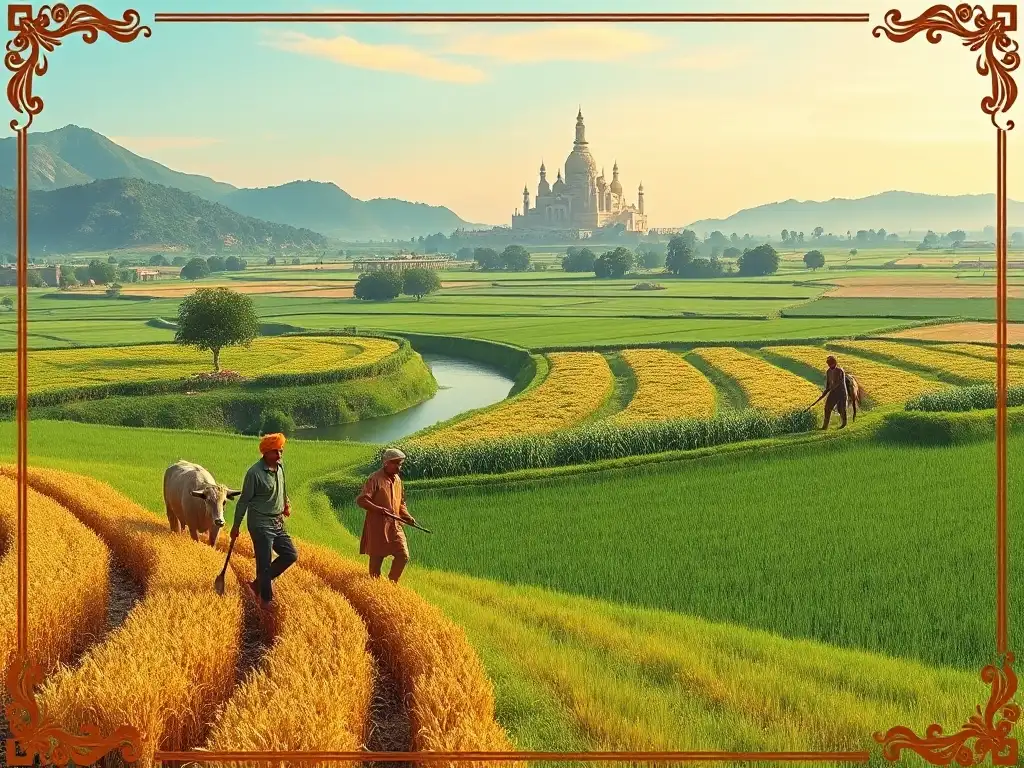
Summary of Key Points
The Mauryan dynasty, which flourished from 322 to 185 BCE, was a pivotal period in ancient Indian agriculture, marked by significant innovations in crop cultivation practices. Key points to consider include:
- Irrigation Techniques: The Mauryan Empire introduced advanced irrigation systems that enhanced water management, allowing for more efficient crop production. This included the construction of canals and wells, which significantly increased arable land.
- Crop Rotation and Diversification: The practices of crop rotation and diversification were encouraged, leading to improved soil fertility and higher yields. Different varieties of crops were cultivated, adapting to regional climates and soil conditions.
- Use of Fertilizers: The Mauryans utilized organic fertilizers, such as compost and animal manure, to enrich the soil. This practice not only improved crop productivity but also promoted sustainable farming techniques.
- Agricultural Manuals: Texts like the Arthashastra by Kautilya provided guidelines on agricultural practices, showcasing the importance of systematic agricultural management during this period.
- Trade and Economy: The advancements in crop cultivation directly contributed to the Mauryan economy, facilitating trade both locally and with neighboring regions. The surplus production of grains and other crops played a critical role in the empire's wealth.
Reflection on the Importance of Mauryan Dynasty Crop Cultivation Practices in Historical Agriculture
The crop cultivation practices of the Mauryan dynasty laid the groundwork for future agricultural developments in India. Their innovative techniques not only increased food production but also set a precedent for sustainable agricultural methods. Understanding these practices is crucial for several reasons:
- Historical Impact: The agricultural advancements during the Mauryan period contributed to the stability and prosperity of one of ancient India's most powerful empires. This era serves as a critical reference point for the evolution of agricultural practices in subsequent dynasties.
- Cultural Significance: Agriculture was deeply intertwined with the socio-economic fabric of ancient India. The Mauryan emphasis on efficient crop cultivation influenced social structures, trade relationships, and even religious practices, as agriculture often dictated the rhythm of life.
- Modern Relevance: Studying Mauryan dynasty crop cultivation practices can provide insights into sustainable agriculture today. Many of the techniques employed, such as organic farming and water conservation, resonate with contemporary agricultural challenges, making this historical knowledge relevant in addressing current food security issues.
The Mauryan dynasty crop cultivation practices represent a significant chapter in the history of agriculture, showcasing the interplay between innovation, economy, and culture in ancient India. This legacy continues to influence modern agricultural practices and philosophies, emphasizing the importance of historical agricultural studies in contemporary contexts.
References
The study of the Mauryan dynasty's crop cultivation practices reveals the intricate agricultural methods and innovations that shaped ancient India's economy and society. Numerous scholarly works have contributed to the understanding of these practices, showcasing the significance of agriculture during this period. Below is a collection of references that provide deeper insights into the agricultural landscape of the Mauryan era.
Suggested Reading on Mauryan Agriculture
-
The Agrarian System of the Mauryan Empire
This book explores the agricultural policies implemented during the Mauryan dynasty, analyzing their impact on productivity and trade.
-
Farming Techniques in Ancient India
A comprehensive overview of the various farming techniques employed across different regions of ancient India, with a chapter dedicated to the Mauryan period.
-
Economic History of Ancient India
This text delves into the economic structures of ancient Indian civilizations, highlighting the role of agriculture in sustaining the Mauryan economy.
-
The Role of Agriculture in the Mauryan Society
An academic paper that examines how agricultural practices influenced social and political structures during the Mauryan dynasty.
-
Crops and Cultivation: Ancient Indian Practices
A detailed study of the types of crops cultivated during the Mauryan period and the innovative methods that were developed.
Academic Sources and Research Articles on Ancient Indian Agriculture
-
Journal of Ancient Indian History
This journal publishes various articles on the agricultural practices in ancient India, including specific studies on the Mauryan dynasty. Notable articles include:
- "Agricultural Innovations in the Mauryan Empire"
- "Irrigation Techniques in Ancient India: A Case Study of the Mauryan Period"
-
Indian Journal of Agricultural Economics
Offers research on the economic aspects of agriculture during ancient times, with several studies focusing on the Mauryan dynasty's crop cultivation practices.
-
Agriculture in Ancient India: A Historical Perspective
This research article discusses the historical context of agricultural developments in ancient India, emphasizing the advancements made during the Mauryan period.
-
Proceedings of the Indian History Congress
A collection of papers that often includes discussions on agricultural practices, with significant contributions related to the Mauryan dynasty.
These references and suggested readings provide a robust foundation for understanding the Mauryan dynasty's crop cultivation practices, their innovations, and their influence on subsequent agricultural development in India.
Frequently Asked Questions
What were the key innovations in crop cultivation during the Mauryan dynasty?
The Mauryan dynasty introduced advanced irrigation techniques and improved crop rotation practices, which significantly enhanced agricultural productivity.
How did the Mauryan dynasty influence agricultural practices in ancient India?
The Mauryan dynasty established a centralized system that promoted agriculture, leading to the implementation of standardized farming methods across the empire.
What types of crops were primarily cultivated during the Mauryan dynasty?
Farmers in the Mauryan dynasty primarily grew rice, wheat, barley, and various pulses, which were essential for sustaining the large population.
How did the geography of ancient India affect crop cultivation during the Mauryan period?
The diverse geography of ancient India, including river valleys and plains, provided ideal conditions for varied agricultural practices, facilitating the growth of multiple crops.
What role did trade play in the crop cultivation practices of the Mauryan dynasty?
Trade during the Mauryan dynasty not only encouraged the exchange of agricultural products but also facilitated the spread of innovative farming techniques across regions.
Final Reflection: The Enduring Legacy of Mauryan Dynasty Crop Cultivation Practices
The crop cultivation practices of the Mauryan Dynasty are not just historical footnotes; they are a testament to the innovative spirit that shaped agricultural advancements. Today, as we face challenges such as climate change and food security, the lessons learned from the Mauryan era resonate more than ever. The ingenuity and adaptability of ancient agricultural methods remind us that sustainable practices are rooted in our history and can guide us toward a more resilient future.
The influence of the Mauryan Dynasty's agricultural innovations extends far beyond their time, weaving into the very fabric of our cultural and social landscapes. From the introduction of crop rotation to the development of irrigation techniques, these practices have laid the groundwork for modern agriculture. As we reflect on this legacy, we recognize that "the seeds of knowledge sown in the past continue to bear fruit in the present." This acknowledgment not only honors the ingenuity of our ancestors but also inspires us to cultivate our own innovations in agriculture today.
As we consider the lessons of the Mauryan Dynasty, I invite you to reflect on how these ancient practices can inform your own approach to sustainability and food production. What can we learn from their commitment to innovation and adaptation? Let us take inspiration from their legacy and strive to implement practices that honor our environment, ensuring that future generations can thrive. Together, we can cultivate a future that respects the past while embracing the possibilities of tomorrow.
Unleash the Secrets of Ancient Agriculture!
Thank you for diving into the world of the Mauryan Dynasty and exploring the fascinating crop cultivation practices that shaped ancient India. By understanding these innovations, you’ve taken an important step toward appreciating the agricultural roots of our history. Now, let’s take that knowledge and turn it into action!
Here’s how you can connect more deeply with this rich topic:
- Experiment with ancient techniques: Incorporate traditional methods from the Mauryan era in your own garden. Whether it’s companion planting or using natural pest control, integrating a piece of history into your home can be enlightening!
- Share your insights: Engage with fellow history enthusiasts and spread the knowledge! Write a blog post, create a social media thread, or share your thoughts in the comments below to inspire others.
- Explore local agricultural heritage: Visit nearby farms or historical sites that showcase time-honored cultivation techniques—experience firsthand the legacy of the Mauryan innovations.
Which ancient agricultural practice do you believe could benefit modern farming the most?