
The Interplay of Trade and Warfare in Ancient Indian History

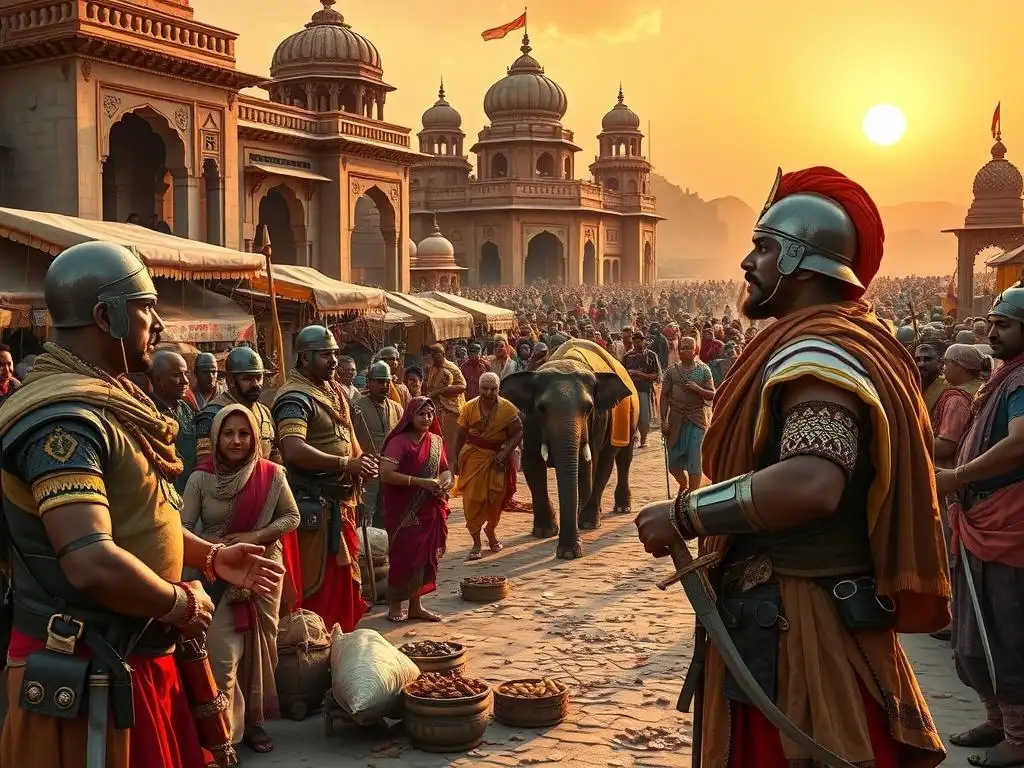
Welcome to Ancient India History, where we embark on a fascinating journey through the vibrant tapestry of India's past. Here, we delve into the intricate interplay of trade and warfare in ancient India, revealing how commerce and conflict shaped the rise and fall of great civilizations from the Indus Valley to the Gupta Empire. As you explore our content, you'll uncover the strategic alliances, economic exchanges, and the profound impacts these elements had on cultural development.
Are you ready to discover how the threads of trade and the tides of warfare wove the legacy of ancient India? Dive in to learn more!

Introduction to Trade and Warfare in Ancient India
The intricate relationship between trade and warfare in ancient India is a fascinating subject that unveils the socio-economic dynamics of one of the world's earliest civilizations. As ancient Indian societies flourished, they developed extensive trade networks that not only facilitated economic growth but also influenced territorial expansions and conflicts.
This article delves into how trade and warfare were interlinked, shaping the political landscape and cultural exchanges throughout ancient Indian history. By examining key aspects such as trade routes, major trading partners, and the commodities exchanged, we can gain a deeper understanding of how these elements contributed to the rise and fall of various empires, from the Indus Valley Civilization to the Gupta Empire.
Overview of Ancient Indian Civilization
Ancient India was home to a multitude of civilizations, each contributing to a rich tapestry of cultural and economic developments. The Indus Valley Civilization (circa 3300–1300 BCE) is often regarded as one of the earliest urban cultures, characterized by advanced city planning, agriculture, and trade. Following this, the Vedic period (circa 1500–500 BCE) introduced significant changes in social structure and religious practices, paving the way for the emergence of powerful empires such as the Maurya and Gupta dynasties.
Throughout these periods, trade remained a cornerstone of economic stability and growth. The movement of goods, ideas, and people across vast distances not only enriched local economies but also facilitated cultural exchanges that influenced art, philosophy, and religion.
Importance of Trade and Warfare in Historical Context
Trade and warfare were pivotal to the historical development of ancient India, often intersecting in ways that shaped the course of its civilizations. While trade routes promoted peaceful exchanges and cooperation among different cultures, the competition for resources and control over lucrative trade paths frequently led to conflicts and military engagements.
Moreover, the wealth generated from trade was instrumental in funding military campaigns, enabling rulers to expand their territories and assert dominance. Conversely, warfare could disrupt trade, leading to economic decline and shifts in power dynamics. Understanding this interplay is crucial for comprehending the historical complexities of ancient Indian societies.
The Role of Trade in Ancient Indian Societies
Key Trade Routes in Ancient India
The trade routes in ancient India were extensive and well-established, connecting various regions both within the subcontinent and beyond. Key routes included:
- The Silk Road: Facilitating trade between India and Central Asia, this route allowed the exchange of silk, spices, and precious stones.
- The Spice Route: Connecting India to Southeast Asia and the Middle East, this route was crucial for the export of spices, which were highly sought after in international markets.
- The Coastal Trade Routes: Navigable seas allowed maritime trade with distant lands, including Africa and the Roman Empire, fostering exchange of goods like textiles, metals, and exotic products.
These routes were not only vital for economic prosperity but also served as conduits for cultural and intellectual exchanges, leading to the spread of ideas and innovations.
Major Trading Partners and Their Significance
Ancient India engaged in trade with several significant partners, each contributing to its economic landscape. Key trading partners included:
- The Persian Empire: Enhancing trade through the establishment of the Royal Road, facilitating the movement of goods and ideas.
- The Roman Empire: A major consumer of Indian goods, particularly spices and textiles, which fostered economic ties and cultural interactions.
- Southeast Asian Kingdoms: Such as Srivijaya and Funan, which played crucial roles in the maritime trade networks.
These relationships were instrumental in enriching ancient Indian economies and fostering a spirit of cooperation and cultural exchange across borders.
Goods and Commodities Traded in Ancient India
The diversity of goods traded in ancient India reflects the region's abundant resources and craftsmanship. Notable commodities included:
- Textiles: Fine cotton and silk fabrics were highly valued both domestically and internationally.
- Spices: Indian spices like pepper, cardamom, and turmeric were sought after for their flavor and preservative qualities.
- Metals and Precious Stones: India was known for its gold, silver, and gem trade, attracting traders from various regions.
The vibrant trade in these goods not only contributed to the wealth of ancient Indian societies but also established India as a pivotal player in the global trade networks of the time.
The Impact of Warfare on Trade Dynamics
Warfare has historically played a pivotal role in shaping trade dynamics in ancient India. Conflicts often resulted in the disruption of established trade routes, impacting the flow of goods, resources, and cultural exchange. The outcomes of wars frequently dictated which regions flourished economically and which fell into decline. Furthermore, the rise and fall of empires, spurred by military engagements, influenced the stability and security necessary for trade to thrive.
The aftermath of warfare could lead to both negative and positive consequences for trade. On one hand, victorious states often expanded their territories, gaining access to new resources and markets. On the other hand, defeated states faced economic hardship, leading to the closure of trade routes and the loss of trade partnerships. This complex interplay highlights how warfare not only dictated the political landscape of ancient India but also shaped its economic fabric.
Historical Conflicts and Their Economic Consequences
Throughout ancient Indian history, numerous conflicts had significant economic repercussions. For instance, the invasions of Alexander the Great in the 4th century BCE disrupted trade routes between the Indian subcontinent and the Mediterranean. This conflict not only affected local economies but also led to the exchange of goods and ideas, ultimately influencing trade patterns.
Another notable event was the Mauryan Empire's military campaigns under Chandragupta Maurya and his successor Ashoka. The expansion of the Mauryan Empire facilitated the establishment of extensive trade networks, as they secured trade routes and established stable governance. Conversely, the constant warfare during the later part of the Gupta Empire led to the fragmentation of trade routes, marking a decline in economic prosperity.
The Influence of Military Campaigns on Trade Networks
Military campaigns significantly influenced trade networks by either creating new pathways or destroying existing ones. For example, the Kalinga War, fought between Ashoka and the Kalinga state, had profound effects on trade. The victory not only allowed Ashoka to control the lucrative trade routes along the eastern coast but also promoted the spread of Buddhism, which in turn fostered trade relations with other regions.
The establishment of the Silk Road also had military roots, as various dynasties sought to control this vital trade route. The interactions between Indian kingdoms and foreign powers through military alliances and conquests facilitated the exchange of goods such as silk, spices, and precious stones, leading to economic growth.
Trade and Warfare: A Symbiotic Relationship
The relationship between trade and warfare in ancient India was often symbiotic, with each influencing the other. Military expeditions were frequently funded through trade revenues, while successful trade relations provided the resources necessary for sustaining military campaigns. This interconnectedness illustrates the dual role of trade as both a means of economic support for warfare and a target of military strategy.
How Trade Funded Military Expeditions
Ancient Indian rulers often relied on trade revenues to finance their military expeditions. The wealth generated from trade allowed kingdoms to maintain large armies, invest in weaponry, and support soldiers. For instance, the Mauryan Empire utilized its extensive trade network to fund its military campaigns, ensuring its dominance across the Indian subcontinent.
Additionally, the control of trade routes became a strategic priority. Kings would often embark on military conquests to secure vital trade routes, enabling them to collect taxes and tariffs from merchants. This economic strategy highlights how intertwined trade and military strategies were in ancient India.
The Role of Mercenaries in Trade Protection
The use of mercenaries was another important aspect of the interplay between trade and warfare. As trade routes expanded, so did the need for protection against banditry and rival states. Many rulers employed mercenaries to safeguard trade caravans, ensuring the safe passage of goods. This practice not only protected economic interests but also fostered alliances between different regions.
Moreover, mercenaries often played a dual role, serving both military and trade interests. They could be deployed in conflicts to defend trade routes while also engaging in trade themselves, thereby contributing to the local economy. This dynamic illustrates the intricate connections between military service and commercial activities in ancient India.
Examples of Alliances Formed Through Trade Agreements
Trade agreements often led to political alliances, further intertwining commerce and warfare. Notably, the maritime trade between Indian kingdoms and Southeast Asian states resulted in mutual defense pacts, allowing for the protection of trade interests against common enemies. These alliances were crucial for maintaining stability along trade routes, fostering both economic and military cooperation.
The Mauryan Empire, for example, established diplomatic ties with the Hellenistic kingdoms, driven by trade interests. Such alliances not only promoted economic growth but also created a united front against potential threats, showcasing how trade agreements could lead to military collaboration.
The interplay of trade and warfare in ancient India demonstrates a dynamic relationship where each influenced the other, shaping the historical landscape and economic development of the region.
Regional Variations in Trade and Warfare
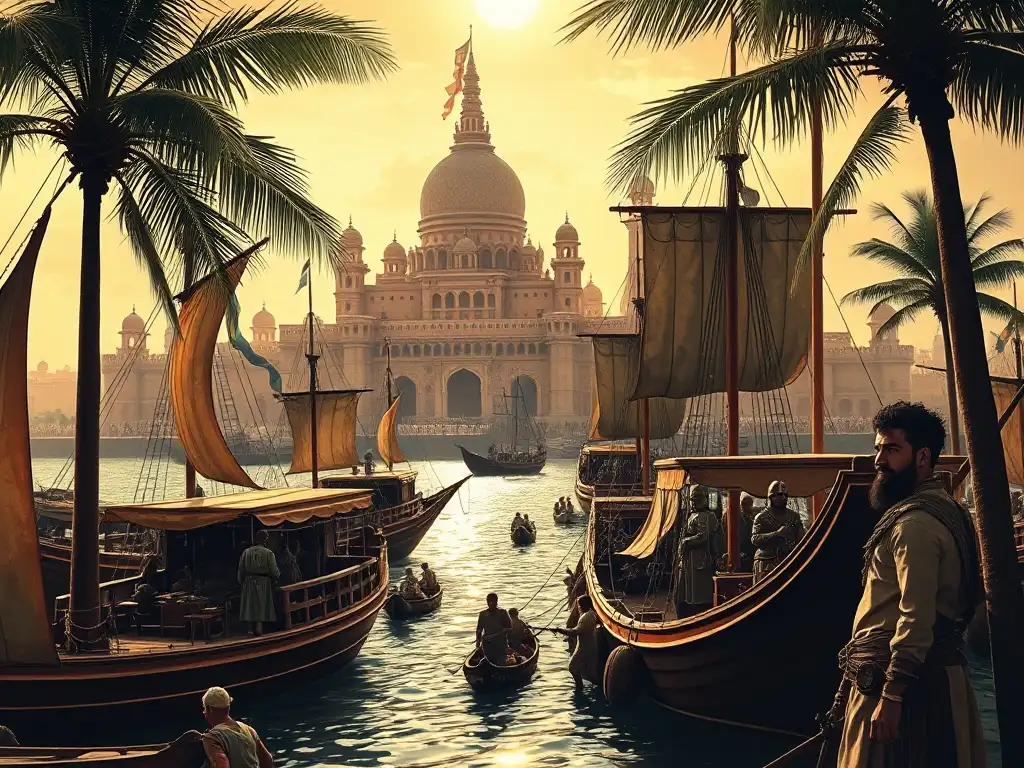
Ancient India exhibited a diverse landscape of trade practices and warfare strategies that varied significantly across its regions. These variations were influenced by geographical features, cultural practices, and the availability of resources. Northern India, with its fertile plains, saw the emergence of powerful kingdoms that engaged in extensive agriculture and trade, while the southern states, rich in spices and textiles, developed robust maritime trade networks. The western regions, particularly Gujarat, became significant trade hubs due to their proximity to the Arabian Sea, facilitating trade with the Middle East and beyond.
In contrast, the eastern regions, such as Bengal, had a focus on riverine trade, utilizing the Ganges and Brahmaputra rivers to connect with other cultures. Warfare in these areas often revolved around control of trade routes and resources, with kingdoms frequently engaging in conflicts to secure their economic interests. This interplay of trade and warfare not only shaped regional identities but also contributed to the broader economic landscape of ancient India.
Trade Practices in the Indus Valley Civilization
The Indus Valley Civilization (c. 3300–1300 BCE) is renowned for its advanced urban planning and sophisticated trade practices. The cities of Harappa and Mohenjo-Daro were strategically located near rivers, facilitating both internal and external trade. Archaeological evidence suggests that the Indus people engaged in trade with Mesopotamia, as indicated by the discovery of Indus seals in ancient Sumerian sites.
Trade practices in this civilization included the use of standardized weights and measures, which facilitated fair transactions. Goods traded included cotton textiles, beads, ceramics, and various agricultural products. The presence of dockyards in Lothal indicates that maritime trade played a crucial role, allowing for the exchange of goods with distant lands. This trade was not only economic but also fostered cultural exchanges, as seen in the similarities between Indus artifacts and those from other ancient civilizations.
The Maurya Empire: Trade and Military Strategy
The Maurya Empire (c. 322–185 BCE), one of the largest empires in ancient India, exemplified the integration of trade and military strategy. Under Chandragupta Maurya and later Emperor Ashoka, the empire expanded its territory, securing vital trade routes that connected the Indian subcontinent with Central Asia and beyond. The establishment of a centralized administration facilitated trade by ensuring security along these routes, which were essential for the movement of goods such as silk, spices, and precious metals.
Military strategy was closely linked to trade, as the Mauryan army protected trade caravans from banditry and foreign invasions. Additionally, the empire's control over the Silk Route allowed it to become a crucial player in international trade, enhancing its wealth and influence. The strategic use of diplomacy and military power helped the Maurya Empire thrive economically while also fostering cultural exchanges with other civilizations.
The Gupta Empire: Economic Prosperity and Military Expansion
The Gupta Empire (c. 240–550 CE) is often regarded as a golden age of Indian history, marked by significant economic prosperity and military expansion. This period saw the flourishing of trade, both overland and maritime, with active engagement in international commerce that included trade with the Roman Empire and Southeast Asia. The Guptas established a stable political environment that encouraged investment in trade and commerce, leading to advancements in crafts, textiles, and metallurgy.
In terms of military expansion, the Guptas utilized their wealth from trade to maintain a powerful army. They employed strategic warfare to protect trade routes and expand their territory, which in turn allowed for greater control over lucrative trade networks. The economic prosperity of the Gupta Empire was closely tied to its military successes, as each conquest opened new markets and resources, further enhancing its wealth and cultural influence.
Cultural Exchanges Through Trade and Warfare
The interplay of trade and warfare in ancient India facilitated significant cultural exchanges that shaped the region's history. As goods moved across borders, so did ideas, technologies, and cultural practices, leading to a rich tapestry of influences that defined ancient Indian civilization.
The Spread of Ideas and Technologies
Trade routes served as conduits for the exchange of ideas and technologies between different cultures. Merchants traveling along these routes not only transported goods but also shared innovations in agriculture, metallurgy, and architecture. For instance, the introduction of iron technology to India is believed to have been facilitated by interactions with neighboring cultures, which significantly improved agricultural productivity and military capabilities.
Furthermore, ideas related to governance, philosophy, and religion were also disseminated through trade. The spread of Buddhism and Jainism, which gained prominence during the Maurya Empire, is a prime example of how trade routes facilitated the movement of religious thought and practices across Asia.
Religious and Cultural Impacts of Trade Routes
The extensive trade networks established in ancient India had profound religious and cultural impacts. Trade routes not only enabled the flow of material goods but also became channels for the spread of religious beliefs. As traders and travelers moved, they carried with them their cultural and religious practices, leading to the establishment of new communities and the blending of traditions.
For instance, the Silk Road facilitated the exchange of Buddhist texts and artifacts, which helped spread Buddhism to Central Asia and beyond. This cultural diffusion enriched local traditions and contributed to the diversity of religious practices in the region, illustrating the interconnectedness of trade and cultural exchange.
The Role of Warfare in Cultural Assimilation
Warfare in ancient India was often a catalyst for cultural assimilation. Conquests led to the merging of different cultures, as victorious empires would integrate the customs, language, and traditions of the conquered peoples. The Maurya and Gupta empires, for example, not only expanded their territories through military means but also absorbed various cultural elements from the regions they conquered.
This assimilation process created a dynamic cultural landscape characterized by syncretism. As various ethnic and cultural groups interacted through warfare and trade, they contributed to the evolution of art, literature, and social practices in ancient India. Thus, the interplay of trade and warfare not only shaped political boundaries but also transformed the cultural fabric of the region, leading to a rich and diverse heritage.
Conclusion: The Legacy of Trade and Warfare in Ancient India
The interplay of trade and warfare in ancient India created a complex tapestry that significantly influenced the subcontinent's historical trajectory. The rise and fall of empires, the movement of peoples, and the exchange of ideas were often driven by the dual forces of commerce and conflict. Trade routes facilitated not only the exchange of goods but also cultural interactions, which enriched the social fabric of ancient Indian society.
Conversely, warfare was frequently a means of securing trade rights, expanding territories, and gaining access to lucrative resources. This interdependence established a foundation for India's historical development, leaving a lasting legacy that continues to shape its modern society.
As we reflect on the past, it's evident that the strategies employed in trade and warfare—such as the establishment of fortified trade cities, naval prowess, and diplomatic negotiations—were instrumental in creating a robust economy. The lessons learned from these ancient practices provide invaluable insights into the dynamics of power, economy, and culture, which are still relevant today.
Lasting Impacts on Modern Indian Society
The historical interactions between trade and warfare have left indelible marks on modern Indian society. The cultural exchange fostered by ancient trade routes led to a rich mosaic of traditions, languages, and religions that characterize contemporary India. Moreover, the strategic importance of certain regions, initially acknowledged during ancient times for their trade potential, continues to influence geopolitical considerations today.
Economically, the legacy of trade practices can be observed in India's current status as a global market player. The emphasis on trade as a means of economic growth can be traced back to ancient practices, where trade was interwoven with local governance and socio-economic structures. On the other hand, the historical conflicts and military strategies have influenced contemporary defense policies and military organization, reflecting the long-standing need for security in trade routes.
Reflections on Historical Trade Practices and Military Strategies
Historical trade practices were characterized by the establishment of trade guilds, the use of standardized weights and measures, and the development of trade networks that connected different regions. The role of merchants as facilitators of cultural exchange cannot be overstated; they not only moved goods but also ideas, technologies, and cultural practices across vast distances.
Military strategies, on the other hand, evolved in response to the needs of trade security. The construction of fortifications near key trade routes and the deployment of naval forces to protect maritime commerce were common practices. Notably, kingdoms engaged in warfare to control strategic trade hubs, demonstrating how intertwined these two aspects were in shaping the ancient Indian economy.
References for Further Study
Recommended Reading on Trade and Warfare in Ancient India
- "The Archaeology of Trade in Ancient India" by Ravi Agrawal: This book explores archaeological findings that shed light on trade practices in ancient civilizations of India.
- "War and Trade in Ancient India" by Vidya N. Dhananjaya: A comprehensive examination of the relationship between conflicts and trade dynamics in ancient Indian societies.
- "The Ancient Indian Economy: Trade, Commerce, and Warfare": by Ritu Sharma: This work delves into how trade and military strategies coalesced to influence the ancient economy.
Academic Sources and Journals on Ancient Indian History
- Journal of Ancient Indian History: A peer-reviewed journal that publishes research on various aspects of ancient Indian civilization, including trade and warfare.
- Indian Historical Review: This journal often features articles that discuss the socio-economic conditions of ancient India, with a focus on trade networks and military conflicts.
- Studies in History: This publication provides scholarly articles that examine the historical interplay between commerce and conflict in ancient societies, including India.
These resources provide a solid foundation for anyone looking to deepen their understanding of the intricate relationship between trade and warfare in ancient India.
- Introduction to Trade and Warfare in Ancient India
- The Role of Trade in Ancient Indian Societies
- The Impact of Warfare on Trade Dynamics
- Trade and Warfare: A Symbiotic Relationship
- Regional Variations in Trade and Warfare
- Cultural Exchanges Through Trade and Warfare
- Conclusion: The Legacy of Trade and Warfare in Ancient India
- References for Further Study
Frequently Asked Questions
What role did trade play in ancient Indian civilizations?
Trade was a significant aspect of ancient Indian civilizations, facilitating cultural exchange, economic growth, and the spread of ideas across regions.
How did warfare influence trade in ancient India?
Warfare often disrupted trade routes but could also lead to the establishment of new markets, as victorious states sought to control trade networks and resources.
What were the main trading routes in ancient India?
Ancient India had several vital trading routes, including the Silk Road and maritime pathways that connected to Southeast Asia, the Middle East, and beyond.
How did the Gupta Empire impact trade and warfare?
The Gupta Empire promoted trade through stability and infrastructure, while its military conquests expanded territorial control over important trade centers.
What contributions did ancient Indians make to trade practices?
Ancient Indians innovated various trade practices, including the use of coins, accounting, and the establishment of guilds, which enhanced commercial activities and economic interactions.
Final Reflection: The Enduring Legacy of Trade and Warfare in Ancient India
The intricate relationship between trade and warfare in ancient India remains profoundly relevant today, as it underscores the complexities of human interaction and the consequences of conflict on economic systems. In a world where globalization and geopolitical tensions shape our daily lives, understanding how these ancient dynamics played out can provide invaluable lessons for contemporary society. The interplay of trade and warfare not only influenced the rise and fall of empires but also shaped cultural exchanges that continue to resonate in our modern world.
The historical significance of trade and warfare in ancient India has left an indelible mark on our cultural and social fabric. The strategies employed by ancient kingdoms to secure trade routes and protect their interests reflect a timeless struggle that resonates with current international relations. As we navigate the complexities of trade agreements and military alliances today, we can draw parallels to the past. History is not a burden on the memory but an illumination of the soul.
This quote reminds us that understanding our history can enlighten our present and guide our future.
As you reflect on the lessons from ancient India, consider how the themes of trade and warfare can inform your own life and decisions. How can you apply the wisdom of the past to foster cooperation rather than conflict in your personal and professional relationships?
Embrace the opportunity to learn from history, allowing it to inspire you to build bridges rather than walls, and to seek harmony in a world often divided by strife. The legacy of trade and warfare in ancient India invites us to engage thoughtfully with our own narratives, shaping a future that honors the lessons of the past.
Unveil the Secrets of Ancient India's Dynamics!
Thank you for diving into the fascinating interplay of trade and warfare that shaped ancient Indian history. We hope you’ve gained valuable insights into how these forces influenced cultures and economies, driving the evolution of a remarkable civilization. Now, it’s time to take action and deepen your exploration!
Here are a few steps you can take:
- Engage with the past: Read more about influential figures and significant events in ancient Indian trade and warfare. Discover their enduring impact on modern society.
- Join the conversation: Share your thoughts and insights in our comments section below. What aspect of trade or warfare in ancient India intrigued you the most?
- Explore further: Check out related articles on our website to enhance your understanding of the historic connections that continue to shape our world today.
What insights did you uncover from the interplay of trade and warfare in ancient India that remain relevant today? Let’s discuss!