
Artistic Expressions in the Indus Valley: A Look at Wall Paintings

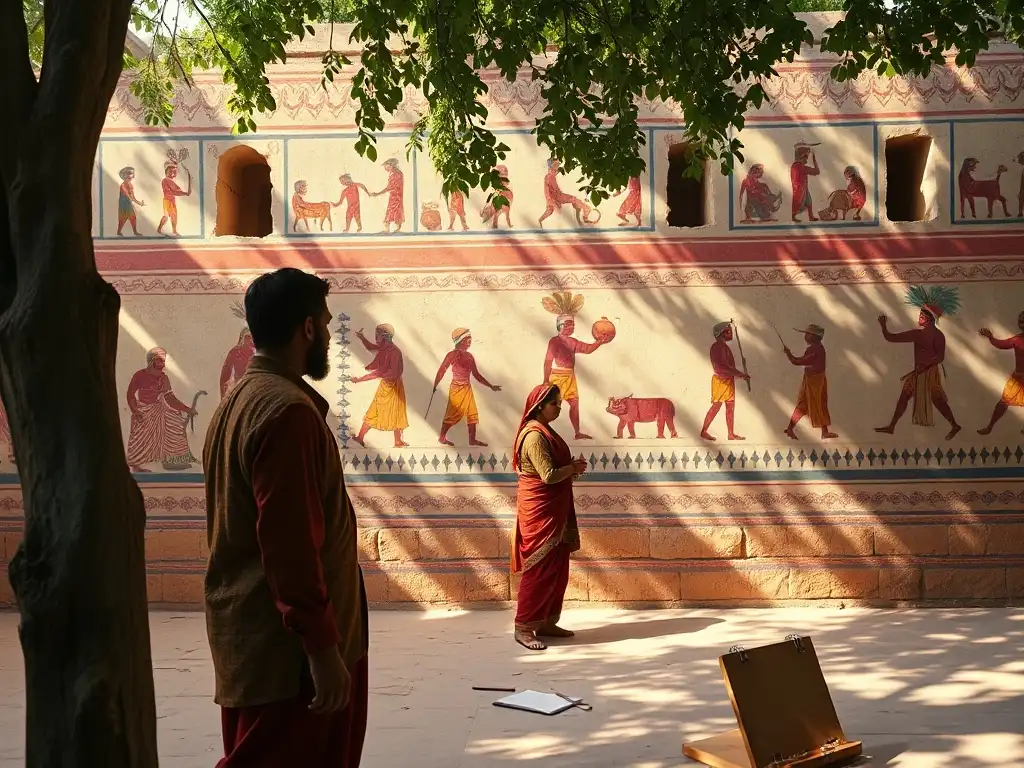
Welcome to Ancient India History, where we embark on an enthralling journey through the vibrant tapestry of ancient Indian civilizations. Our exploration delves deep into the Indus Valley wall paintings history, revealing the artistic expressions that flourished in one of the world's earliest urban societies. What stories do these vivid murals tell, and how do they reflect the rich cultural heritage of their time? Prepare to uncover the mysteries and marvels of ancient art as you dive deeper into this captivating narrative. Your adventure into the past starts here!
- Introduction to Indus Valley Wall Paintings History
- Characteristics of Indus Valley Wall Paintings
- Historical Context of Indus Valley Wall Paintings
- Notable Examples of Wall Paintings in the Indus Valley
- Cultural Significance of Wall Paintings in the Indus Valley
- Preservation and Study of Indus Valley Wall Paintings
- Conclusion: The Legacy of Indus Valley Wall Paintings
-
Frequently Asked Questions
- What are the key features of Indus Valley wall paintings?
- How did Indus Valley wall paintings contribute to our understanding of ancient culture?
- Where can we find examples of Indus Valley wall paintings today?
- What materials were used in the creation of Indus Valley wall paintings?
- How do Indus Valley wall paintings compare to other ancient art forms?
- Final Reflection: The Enduring Legacy of Indus Valley Wall Paintings
- Unveil the Wonders of Indus Valley Art!
Introduction to Indus Valley Wall Paintings History
The Indus Valley Civilization, one of the world's earliest urban cultures, flourished between approximately 3300 and 1300 BCE in what is now Pakistan and northwest India. This ancient civilization is renowned for its sophisticated city planning, advanced drainage systems, and remarkable craftsmanship. Among its many contributions, the wall paintings of the Indus Valley stand out as a significant artistic expression that reflects the aesthetic sensibilities, cultural practices, and social dynamics of the time.
By exploring the history of these Indus Valley wall paintings, we gain invaluable insights into the lives and beliefs of the people who inhabited this vibrant civilization. This article delves into the fascinating world of these artistic expressions, highlighting their importance in understanding the broader context of ancient Indian history and culture.
Overview of the Indus Valley Civilization
The Indus Valley Civilization, also known as the Harappan Civilization, emerged around 2500 BCE and is characterized by its well-planned cities such as Harappa and Mohenjo-Daro. The inhabitants of this civilization were skilled artisans, traders, and farmers, contributing to a complex economy that thrived on agriculture, trade, and craftsmanship.
- Geographical Extent: The civilization spread across a vast area, encompassing parts of modern-day Pakistan, India, and Afghanistan.
- Urban Planning: Cities were organized in a grid pattern with advanced drainage systems, indicating a high level of civic planning.
- Society and Culture: The society was likely stratified, with evidence of specialized crafts and trade networks that connected them to distant regions.
This civilization's artistic expressions, particularly in wall paintings, serve as a testament to its cultural richness and the aesthetic priorities of its people.
Importance of Artistic Expressions in Ancient Cultures
Artistic expressions, including wall paintings, play a crucial role in understanding ancient cultures. They serve not only as a medium of aesthetic appreciation but also as a reflection of societal values, beliefs, and everyday life.
- Cultural Significance: Art often conveys myths, rituals, and social norms, providing a narrative of the civilization's worldview.
- Historical Documentation: Wall paintings document historical events, social structures, and the environment, offering insights into the lives of ancient peoples.
- Aesthetic Values: The techniques and styles used in artwork reveal the artistic skills and preferences of the civilization, showcasing their creativity.
In the context of the Indus Valley, the wall paintings reveal much about the civilization's relationship with nature, spirituality, and community, making them an invaluable resource for historians and archaeologists alike.
Characteristics of Indus Valley Wall Paintings
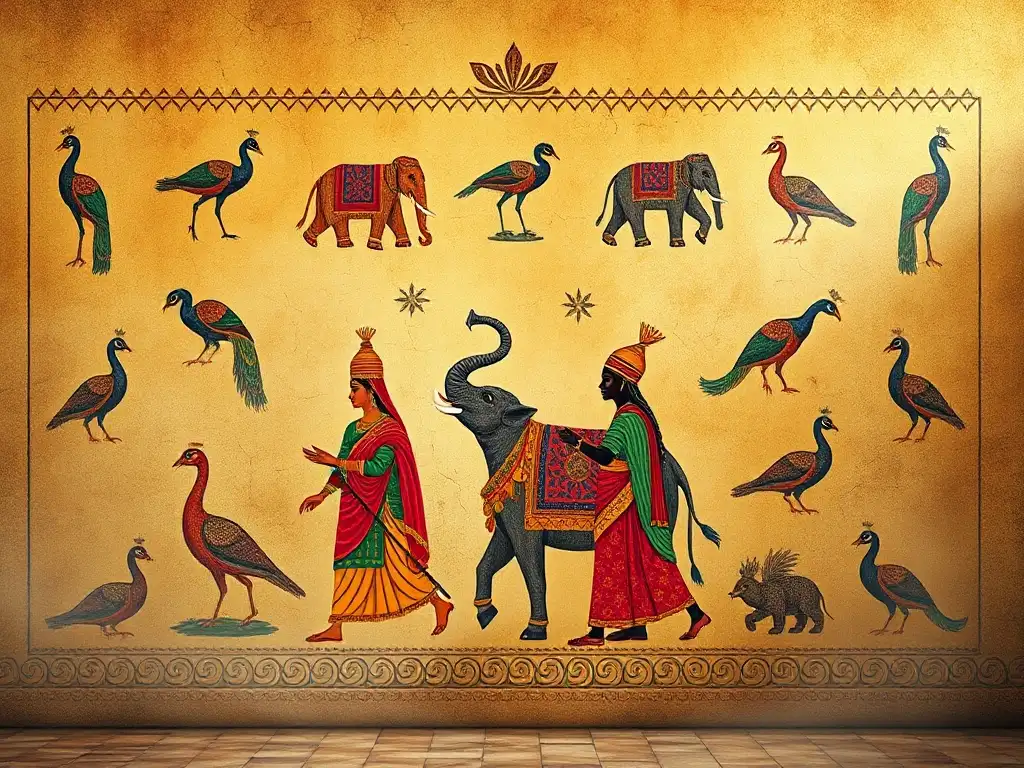
The wall paintings of the Indus Valley Civilization, a hallmark of its artistic expression, exhibit distinctive characteristics that reflect both the cultural and societal values of the time. These artworks are primarily found in the archaeological sites of Mohenjo-Daro and Harappa, where remnants of vibrant mural art offer insight into the civilization's aesthetic sensibilities and daily life.
The Indus Valley wall paintings are characterized by their intricate designs, use of natural colors, and depictions of both human and animal forms. They often serve as a reflection of the community's environment, beliefs, and social structure. Unlike other ancient civilizations, the Indus Valley art does not seem to have been created for ceremonial purposes; rather, it appears to have been integrated into the domestic settings of the people.
Common Themes and Motifs in Wall Paintings
The motifs present in the wall paintings of the Indus Valley are varied and rich, capturing the essence of the civilization's culture. Key themes include:
- Nature and Animals: Many wall paintings feature animals such as cattle, elephants, and birds, which played significant roles in the daily lives of the inhabitants. These depictions emphasize the importance of agriculture and pastoralism in Indus Valley society.
- Human Figures and Activities: The representation of human figures engaged in various activities, such as dancing or hunting, highlights the social dynamics and leisure pursuits of the community. These figures are often stylized, with exaggerated features that convey movement and emotion.
- Geometric Patterns: Geometric designs are prevalent in Indus Valley wall art, often used as borders or backgrounds. These patterns not only add aesthetic value but also hint at the mathematical understanding and artistic skills of the civilization.
- Symbolism and Rituals: Some wall paintings may depict symbols that are believed to have had religious or spiritual significance. For example, motifs resembling sacred trees or fertility symbols could indicate the civilization's reverence for nature and its cycles.
The diversity of themes in the Indus Valley wall paintings reflects the multifaceted nature of the civilization, offering a glimpse into their worldview and cultural practices.
Color Palette and Techniques Used in Indus Valley Art
The color palette used in Indus Valley wall paintings is notable for its vibrancy and variety. Artists primarily utilized natural pigments derived from minerals and plants, which contributed to the durability and richness of the colors. Common colors include:
- Red and Ochre: Often obtained from iron oxide, these colors were used to create bold outlines and backgrounds.
- Black: Sourced from charcoal or soot, black was frequently used for detailing and defining shapes.
- White and Yellow: These lighter hues were made from materials like chalk or clay and served to highlight specific features in the artwork.
The techniques employed in creating these wall paintings involved several steps, including:
- Preparation of the Surface: Walls were often smoothed and treated with a base layer of clay to provide a suitable canvas for painting.
- Application of Pigments: Artists applied pigments using brushes made from plant fibers or animal hair, allowing for precision in detailing.
- Layering: Many paintings exhibit a layering technique, where colors were applied in successive coats to achieve depth and texture.
- Use of Stencils and Templates: Some designs may have utilized stencils, aiding in the replication of intricate patterns across different walls.
The combination of a vibrant color palette and skilled techniques underscores the artistic expertise of the Indus Valley civilization, highlighting their contributions to the history of art in ancient India. These wall paintings not only serve as a testament to their aesthetic values but also provide valuable insight into their daily lives and cultural practices.
Historical Context of Indus Valley Wall Paintings
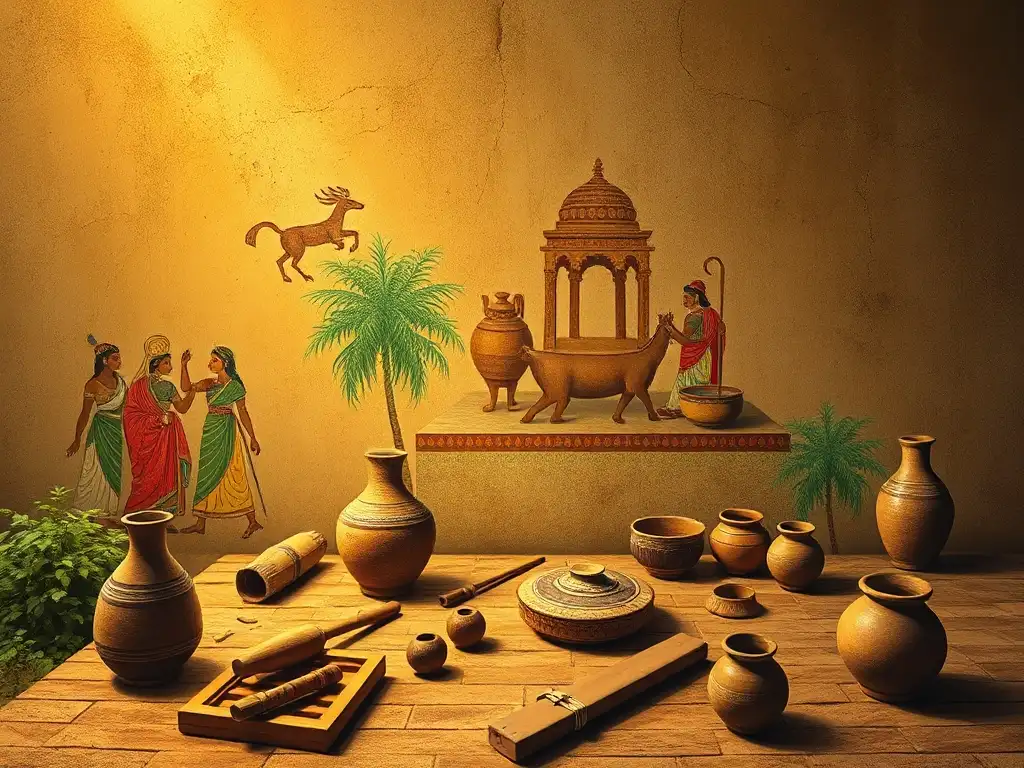
The Indus Valley Civilization, which thrived between approximately 3300 BCE and 1300 BCE, is renowned for its advanced urban planning, sophisticated drainage systems, and intricate craftsmanship. One of the lesser-known aspects of this civilization is its artistic expressions, particularly in the form of wall paintings. These paintings provide vital insights into the socio-cultural dynamics, religious beliefs, and daily life of the people of the Indus Valley.
Archaeological excavations in sites like Mohenjo-Daro and Harappa have uncovered remnants of wall paintings that reveal a vibrant artistic tradition. The walls of residential and public buildings were often adorned with geometric patterns, animal motifs, and human figures, suggesting a rich aesthetic sensibility. The paintings were typically executed using natural pigments derived from minerals and plants, showcasing the community's connection to their environment.
The historical context of Indus Valley wall paintings is pivotal for understanding the broader narrative of the civilization. These artistic expressions are not merely decorative; they reflect the values, beliefs, and cultural practices of a society that engaged in trade, agriculture, and intricate social structures. As such, studying these paintings allows historians and archaeologists to reconstruct aspects of life in the Indus Valley that are otherwise lost to time.
Timeline of Artistic Development in the Indus Valley
The artistic development of the Indus Valley can be segmented into distinct phases, each marked by technological advancements and shifts in socio-political dynamics:
- Pre-Harappan Period (c. 3500-2600 BCE): Early forms of art developed in the region, characterized by simple pottery designs and basic motifs. This period laid the groundwork for more complex artistic expressions.
- Mature Harappan Period (c. 2600-1900 BCE): The height of the Indus Valley Civilization saw a flourishing of artistic techniques. Wall paintings became more intricate, with a notable emphasis on themes such as nature, mythology, and daily life. Many paintings from this period exhibit a sophisticated understanding of color and form.
- Late Harappan Period (c. 1900-1300 BCE): As the civilization began to decline, artistic expressions became less prevalent. However, remnants of wall paintings from this period indicate a continued engagement with earlier themes, albeit with a noticeable simplification in style.
This timeline illustrates how artistic expressions evolved in tandem with the socio-economic conditions of the Indus Valley, reflecting the civilization's adaptability and resilience.
Influences on Indus Valley Wall Paintings from Surrounding Cultures
The art of the Indus Valley did not develop in isolation; it was influenced by interactions with neighboring cultures and civilizations. Key influences include:
- Mesopotamian Art: The trade networks established between the Indus Valley and Mesopotamia facilitated the exchange of artistic ideas. Similarities can be observed in the use of motifs such as animals and figures, which indicate a shared visual language.
- Afar and Persian Gulf Cultures: As traders, the Indus Valley civilization encountered various cultures along the Persian Gulf. The incorporation of new materials and techniques from these regions is evident in the wall paintings, where foreign motifs and styles began to blend with indigenous practices.
- Local Tribal Traditions: Indigenous tribes in and around the Indus Valley also contributed to the artistic canon. Their rituals, symbols, and styles influenced the imagery used in wall paintings, creating a unique amalgamation of artistic traditions.
Through this confluence of influences, Indus Valley wall paintings emerged as a testament to the civilization's dynamic interactions with its environment and neighbors. Their vibrant colors and intricate designs serve as a window into the rich tapestry of life in one of history's earliest urban centers.
Notable Examples of Wall Paintings in the Indus Valley
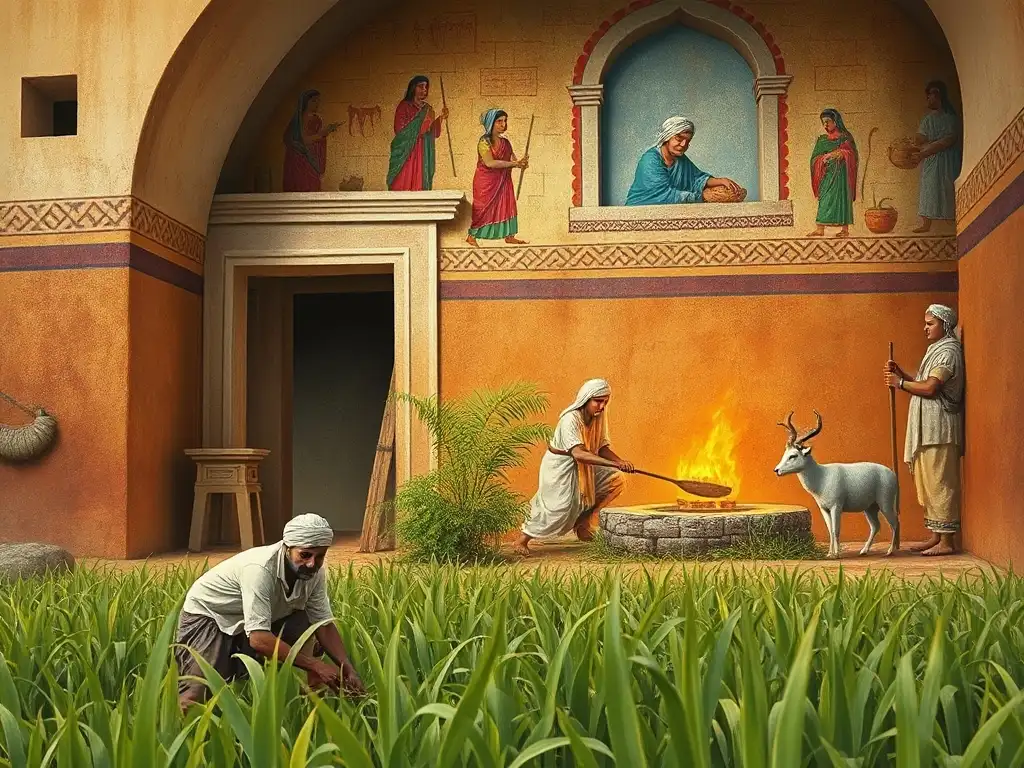
The Indus Valley Civilization, known for its advanced urban planning and culture, also produced remarkable artistic expressions, particularly in the form of wall paintings. These murals provide valuable insight into the socio-cultural dynamics of the time. Some of the most notable examples of wall paintings can be found in key archaeological sites, offering a glimpse into the aesthetic values and artistic techniques employed by the artisans of the era.
Key Archaeological Sites Featuring Wall Paintings
Several archaeological sites across the Indus Valley have yielded significant wall paintings, each contributing uniquely to our understanding of this ancient civilization. Here are a few notable sites:
- Mohenjo-Daro
- Site Overview: One of the largest settlements of the Indus Valley Civilization, Mohenjo-Daro is renowned for its sophisticated urban layout.
- Wall Paintings: Excavations have revealed evidence of wall paintings in several residential structures, with motifs that include geometric patterns and stylized animal figures.
- Harappa
- Site Overview: Another major urban center, Harappa is characterized by its well-planned streets and advanced drainage systems.
- Wall Paintings: The discovery of painted pottery and remnants of wall art suggests that the walls were adorned with both abstract designs and depictions of local fauna, indicative of the region's rich biodiversity.
- Dholavira
- Site Overview: Located on the arid island of Khadir, Dholavira stands out for its impressive water conservation systems.
- Wall Paintings: While less is known about the specific wall paintings here, the site has produced artifacts with painted motifs, hinting at a vibrant artistic culture.
- Chanhudaro
- Site Overview: This smaller settlement is notable for its industrial activities, particularly bead-making.
- Wall Paintings: Evidence of wall paintings in Chanhudaro includes intricate geometric designs that may have served both decorative and ceremonial purposes.
These sites not only showcase the technical skill of Indus Valley artists but also suggest a society that placed significant emphasis on aesthetic expression and cultural representation.
Analysis of Iconic Wall Paintings and Their Significance
The wall paintings of the Indus Valley Civilization are not just decorative; they serve as vital cultural artifacts that reflect the values, beliefs, and daily life of the time.
Themes and Motifs
- Geometric Patterns: Many wall paintings feature intricate geometric designs, which may symbolize order and harmony, reflecting the civilization's emphasis on urban planning and structure.
- Animal Representations: Animals such as elephants, tigers, and birds frequently appear in the artwork. These images may represent not only the fauna of the region but also hold symbolic meanings related to fertility, strength, and spirituality.
Cultural Significance
- Religious Context: Some scholars suggest that the wall paintings may have had religious or ritualistic significance, possibly related to fertility rites or deities worshipped by the Indus people.
- Social Identity: The styles and themes of the wall paintings might have denoted social identity or status within the community, with different motifs appealing to various classes or groups.
Artistic Techniques
- Materials Used: The pigments used in these paintings were likely derived from natural sources, including minerals and plants, showcasing the artisans' knowledge of their environment.
- Techniques: Evidence suggests the use of techniques such as frescoes or tempera painting, where colors were applied to wet plaster or a prepared surface, allowing for vibrant and enduring artworks.
The Indus Valley wall paintings history offers a profound understanding of the civilization's artistic legacy. By studying these murals, we gain insights not only into the aesthetic preferences of the time but also into the cultural and social fabric that defined one of the world's earliest urban societies.
Cultural Significance of Wall Paintings in the Indus Valley
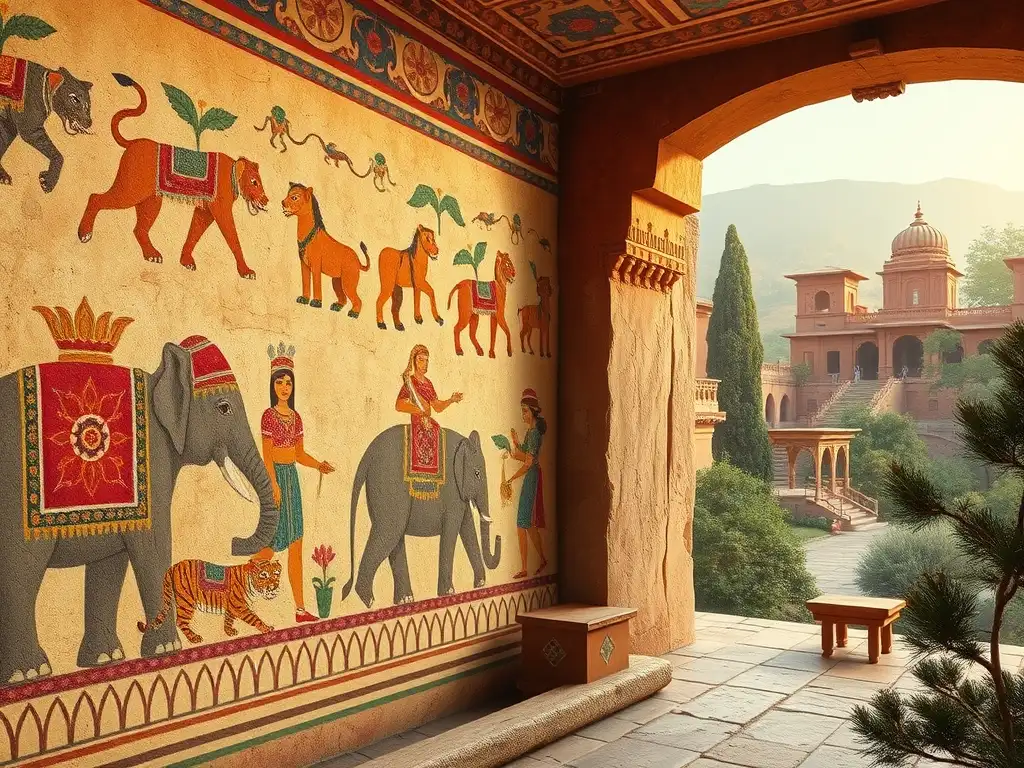
Wall paintings in the Indus Valley represent a profound aspect of the civilization's cultural fabric. These artistic expressions not only embellish the walls of ancient structures but also serve as a vital window into the daily lives, beliefs, and values of the people who inhabited this region between 3300 and 1300 BCE. The presence of wall paintings in residential, public, and ritual spaces highlights their integral role in both aesthetic and functional capacities.
Role of Wall Paintings in Daily Life and Rituals
Wall paintings in the Indus Valley were not mere decorative elements; they were integral to the socio-cultural dynamics of the civilization. These artworks often depicted scenes of daily life, showcasing activities such as farming, fishing, and domestic tasks. This representation served several purposes:
- Documentation of Daily Activities:
- Paintings often illustrated various aspects of agriculture, suggesting the importance of farming in sustaining the community.
- Scenes depicting hunting or gathering emphasized the community's reliance on natural resources.
- Ritualistic Importance:
- Certain wall paintings were likely associated with rituals, serving as visual aids during ceremonies or spiritual practices.
- The depiction of deities or ritualistic symbols may indicate a belief system that integrated art into daily worship and communal identity.
- Social Cohesion:
- These artistic expressions fostered a sense of belonging and shared identity among community members.
- They may have been used to convey messages of unity and cooperation, essential for a society dependent on collective agricultural and economic efforts.
- Use of Color and Materials:
- The use of natural pigments derived from plants, minerals, and organic materials signifies the community's connection to their environment.
- The choice of colors may have held specific meanings or been used to convey emotions, with vibrant hues reflecting vitality and life.
Symbolism and Meaning Behind the Artistic Expressions
The wall paintings of the Indus Valley are rich in symbolism, reflecting the intricate belief systems and cultural narratives of the time. Analyzing these symbols provides insights into the values and priorities of the Indus Valley civilization.
- Nature and Fertility Symbols:
- Many paintings feature motifs of flora and fauna, indicating a deep reverence for nature.
- Symbols like the tree of life or depictions of animals often represent fertility and abundance, essential themes for a civilization rooted in agriculture.
- Geometric Patterns:
- The prevalence of geometric designs in wall paintings suggests an appreciation for order and symmetry, possibly reflecting the community's understanding of the cosmos.
- These patterns may serve as metaphors for harmony and balance within the universe.
- Human Figures and Social Hierarchies:
- The representation of individuals in various roles—such as hunters, dancers, or ritual performers—may indicate social stratification and the importance of different occupations within the community.
- Hierarchical depictions can also illustrate the significance of leadership and governance in maintaining societal structure.
- Religious and Mythological Themes:
- Some wall paintings may depict mythological narratives or deities, hinting at the spiritual beliefs held by the people.
- These images could serve to educate the community about their religious traditions, reinforcing cultural identity and continuity.
The Indus Valley wall paintings history is not just a record of artistic expression but also a reflection of the civilization's intricate social fabric, beliefs, and everyday life. Through these artistic expressions, we gain a deeper understanding of the cultural significance that wall paintings held in the Indus Valley, revealing a civilization that thrived on the interconnections between art, daily life, and spirituality.
Preservation and Study of Indus Valley Wall Paintings
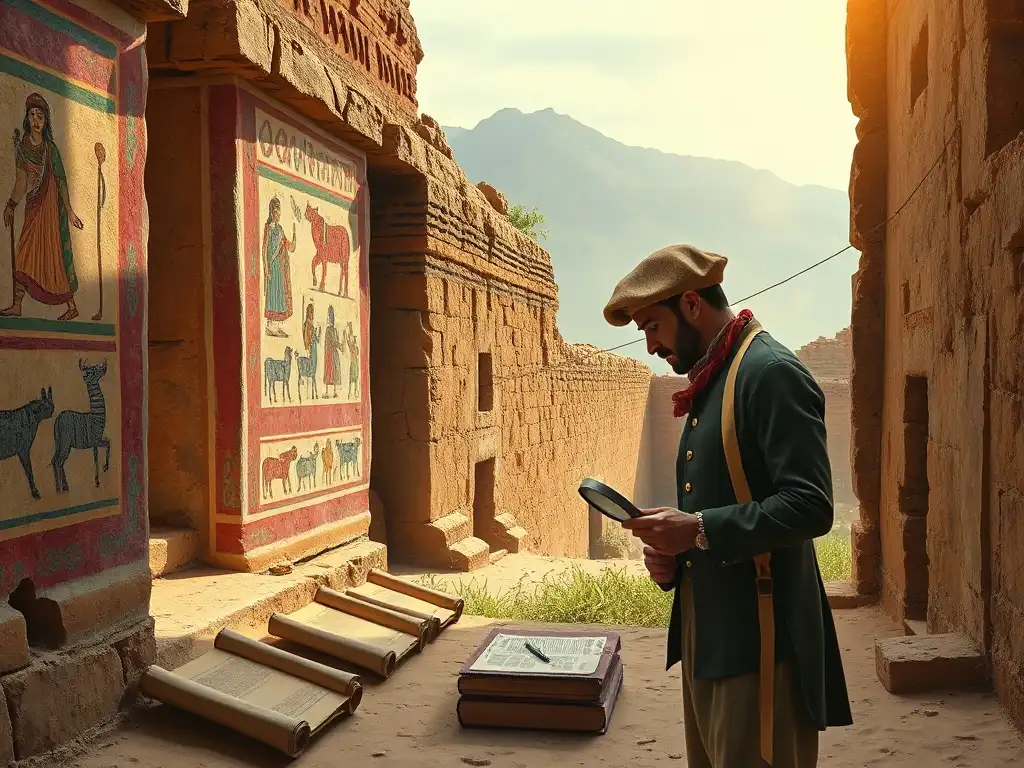
The preservation and study of Indus Valley wall paintings are critical for understanding the artistic expressions of one of the world's earliest urban civilizations. These paintings, which often adorned the walls of homes and public buildings, provide invaluable insights into the cultural, religious, and social dynamics of the Indus Valley Civilization (IVC). However, preserving these ancient artworks has proven to be a formidable challenge due to various environmental and anthropogenic factors.
Challenges in Preserving Ancient Wall Paintings
The preservation of Indus Valley wall paintings faces several significant challenges:
- Environmental Factors:
- Humidity and Moisture: The climate of the Indus Valley region, characterized by high humidity, can lead to the deterioration of wall paintings. Moisture can cause paint to peel or fade, and mold growth can further damage the artwork.
- Temperature Fluctuations: Extreme temperature changes can cause the materials used in the paintings to expand and contract, leading to cracks and flaking.
- Natural Erosion:
- Over time, natural erosion due to wind, rain, and other weathering processes can wear down the surfaces of the walls where these paintings are located, resulting in significant loss of detail and color.
- Human Activities:
- Urbanization: As modern cities expand, many archaeological sites are subjected to construction activities that can damage or completely destroy ancient structures, including those with wall paintings.
- Vandalism and Theft: Unfortunately, some wall paintings have become targets for vandalism or theft, leading to irreplaceable losses of heritage.
- Lack of Funding and Resources:
- Research and preservation efforts often suffer due to inadequate funding and resources. Many archaeological sites are underfunded, limiting the ability to conduct thorough studies and implement effective conservation strategies.
To combat these challenges, researchers and conservators are increasingly employing advanced technologies such as digital imaging and 3D modeling to document the current state of wall paintings. These methods not only aid in conservation efforts but also allow for a deeper understanding of the artistic techniques and materials used by ancient artisans.
Recent Discoveries and Ongoing Research in Indus Valley Art
Recent discoveries and ongoing research projects have shed new light on the artistic expressions found within the Indus Valley Civilization, particularly concerning wall paintings. Notable developments include:
- Excavation of New Sites: Archaeological excavations at sites such as Dholavira and Rakhigarhi have unearthed previously unknown wall paintings, revealing a broader scope of artistic practices than previously documented. These discoveries highlight the diversity of themes and techniques used in wall paintings across different regions of the IVC.
- Interdisciplinary Studies: Collaborative research efforts involving art historians, archaeologists, and conservation scientists are providing comprehensive insights into the materials and methods used in wall paintings. For instance, studies utilizing pigment analysis techniques are helping to identify the natural resources used for creating colors, thus enriching our understanding of trade and cultural exchange within the civilization.
- Public Awareness and Education: Initiatives aimed at increasing public awareness about the importance of preserving Indus Valley wall paintings are gaining traction. Workshops and exhibitions educate the public about the cultural significance of these artworks and the need for their protection.
- Technological Innovations: The adoption of non-invasive imaging techniques, such as infrared reflectography, is revolutionizing the study of wall paintings, allowing researchers to view layers of paint and underlying sketches without causing damage. This technology can reveal the evolution of artistic styles and the potential influences between different regions.
The preservation and study of Indus Valley wall paintings continue to face significant challenges, yet recent discoveries and innovative research approaches are paving the way for a better understanding of this fascinating aspect of ancient Indian art. As efforts to protect these cultural treasures gain momentum, future generations will hopefully continue to appreciate the rich artistic legacy of the Indus Valley Civilization.
Conclusion: The Legacy of Indus Valley Wall Paintings
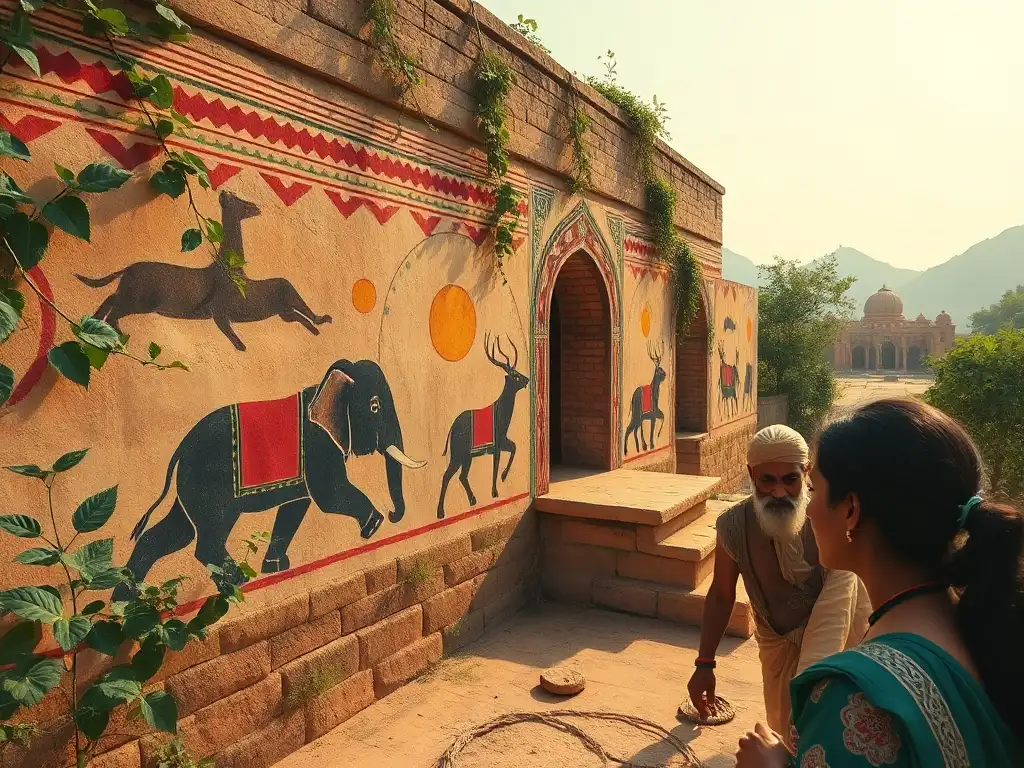
The wall paintings of the Indus Valley Civilization, dating back to 2500-1900 BCE, represent a significant aspect of ancient Indian artistic expression. Their intricate designs, vibrant colors, and thematic diversity provide insight into the cultural and social dynamics of this remarkable civilization. As we conclude our exploration of Indus Valley wall paintings history, it is essential to recognize their lasting legacy and influence.
Lasting Impact on Indian Art and Culture
The influence of Indus Valley wall paintings extends far beyond their original context. These artistic expressions have left an indelible mark on the subsequent art forms in India, contributing to various styles and techniques observed in later periods.
- Symbolism and Motifs:
- The use of geometric patterns, animal motifs, and nature-inspired themes in Indus Valley art can be traced through centuries of Indian artistic traditions. For example:
- Geometric Patterns: Still prevalent in modern Indian textiles and architecture.
- Animal Representation: The depiction of animals in Indus paintings has influenced mythological art, particularly in the representation of deities and their vahanas (vehicles).
- The use of geometric patterns, animal motifs, and nature-inspired themes in Indus Valley art can be traced through centuries of Indian artistic traditions. For example:
- Cultural Narratives:
- The narratives depicted in these wall paintings offer a glimpse into the daily life, rituals, and spiritual beliefs of the Indus people. This tradition of storytelling through art has continued in various forms, from medieval frescoes to contemporary mural art across India.
- Architectural Integration:
- The integration of wall paintings into architectural elements, as seen in later temples and palaces, demonstrates the importance of art in enhancing the aesthetic experience of spaces. The techniques used in Indus Valley paintings paved the way for intricate frescoes found in locations such as Ajanta and Ellora.
Future Directions in the Study of Indus Valley Artistic Expressions
As research into the Indus Valley wall paintings history continues to evolve, there are several promising directions for future studies:
- Technological Advancements:
- The use of modern technology, such as 3D imaging and chemical analysis, can uncover new insights into the materials and techniques used by Indus artists. This can help reconstruct the methods behind these sophisticated artworks, providing a clearer picture of their creation.
- Cross-Cultural Comparisons:
- Comparative studies with other ancient civilizations, such as Mesopotamia and Egypt, can shed light on the interconnectedness of ancient art forms and cultural exchanges. Understanding the similarities and differences in artistic expressions can enrich our knowledge of the Indus Valley's place in ancient history.
- Archaeological Discoveries:
- Ongoing excavations and archaeological efforts may reveal more sites with wall paintings, contributing to a greater understanding of the geographical spread and diversity of artistic practices within the Indus Valley Civilization.
- Interdisciplinary Approaches:
- Collaborations among historians, artists, and scientists can lead to innovative interpretations of the wall paintings. By incorporating perspectives from various fields, researchers can develop a more holistic understanding of the social, political, and environmental contexts that shaped these artworks.
The legacy of Indus Valley wall paintings is profound, influencing not only the artistic landscape of ancient India but also continuing to inspire contemporary interpretations. By embracing future research directions, we can further unravel the complexities of these artistic expressions and their enduring significance in the tapestry of Indian history.
Frequently Asked Questions
What are the key features of Indus Valley wall paintings?
Indus Valley wall paintings are characterized by vibrant colors, intricate designs, and naturalistic depictions of flora and fauna, reflecting the artistic skills of the civilization.
How did Indus Valley wall paintings contribute to our understanding of ancient culture?
These paintings provide insights into the social, religious, and daily life of the Indus Valley civilization, showcasing their values and beliefs through symbolism and themes.
Where can we find examples of Indus Valley wall paintings today?
Examples of Indus Valley wall paintings can be found in archaeological sites such as Mohenjo-Daro and Harappa, with remnants preserved in museums across India and Pakistan.
What materials were used in the creation of Indus Valley wall paintings?
Artists of the Indus Valley civilization used natural pigments, made from minerals and plants, applied on plastered walls, indicating their sophisticated techniques.
How do Indus Valley wall paintings compare to other ancient art forms?
Compared to other ancient art forms, Indus Valley wall paintings are notable for their emphasis on realism and detail, while other cultures often focused on abstract or symbolic representations.
Final Reflection: The Enduring Legacy of Indus Valley Wall Paintings
Artistic expressions from the Indus Valley civilization remind us of our shared human experience and creativity. The intricate wall paintings of this ancient society not only serve as a testament to their artistic prowess but also reflect the cultural values and daily lives of the people who lived thousands of years ago. Today, as we navigate a world increasingly focused on technology and rapid change, these historical artworks invite us to pause and appreciate the depth of human expression that transcends time and geography.
The impact of Indus Valley wall paintings extends beyond mere aesthetics; they are a window into a rich cultural tapestry that continues to influence contemporary art and society. As we explore these ancient artworks, we recognize their role in shaping our understanding of identity, community, and heritage. Art is the most beautiful of all lies,
said Claude Debussy, and indeed, these paintings encapsulate the beauty of a civilization that thrived on creativity and innovation, reminding us of the importance of preserving our artistic legacies.
As you reflect on the significance of Indus Valley wall paintings, consider how you can incorporate the lessons of creativity and cultural appreciation into your own life. Let these ancient expressions inspire you to explore your artistic voice and connect with the rich tapestry of human history. Embrace the idea that art is not just a relic of the past but a living dialogue that continues to shape our present and future.
Unveil the Wonders of Indus Valley Art!
Thank you for exploring the vibrant world of wall paintings in the Indus Valley with us! We hope you found inspiration in the rich artistic expressions that have survived through time. Now, let’s take your appreciation for this ancient art further with some meaningful actions.
- Dive Deeper: Visit a local museum or an online gallery showcasing Indus Valley art to immerse yourself in these historical masterpieces.
- Share Your Insights: Engage with friends and family by sharing this article or discussing the fascinating social and cultural significance of Indus Valley wall paintings.
- Create Your Own Interpretation: Choose a theme, create your own artwork inspired by the distinctive style of the Indus Valley, and share it on social media using the hashtag #IndusArtChallenge!
What aspect of Indus Valley artistic expression surprised you the most, and how might you incorporate it into your own creative endeavors?