
How the Maurya Empire Influenced Subsequent Indian Dynasties Politically


Welcome to Ancient India History, where we embark on a fascinating journey through the rich and diverse tapestry of ancient Indian civilizations. Today, we delve into the profound political influence of the Maurya Empire, a pivotal force that shaped the course of Indian governance and inspired subsequent dynasties. What strategies did this remarkable empire employ to leave an indelible mark on the political landscape? Join us as we explore the intricacies of Maurya's legacy and uncover the secrets behind its enduring impact on India's historical narrative. Your adventure into the past begins here!
- Introduction to the Maurya Empire Political Influence
- The Political Framework of the Maurya Empire
- Key Features of Maurya Empire Political Influence
- Lasting Effects of the Maurya Empire on Subsequent Indian Dynasties
- Comparative Analysis of Maurya Empire Political Influence
- Conclusion
- Frequently Asked Questions
- Final Reflection: The Enduring Legacy of the Maurya Empire's Political Influence
- Unveil the Legacy: Take Action Today!
Introduction to the Maurya Empire Political Influence
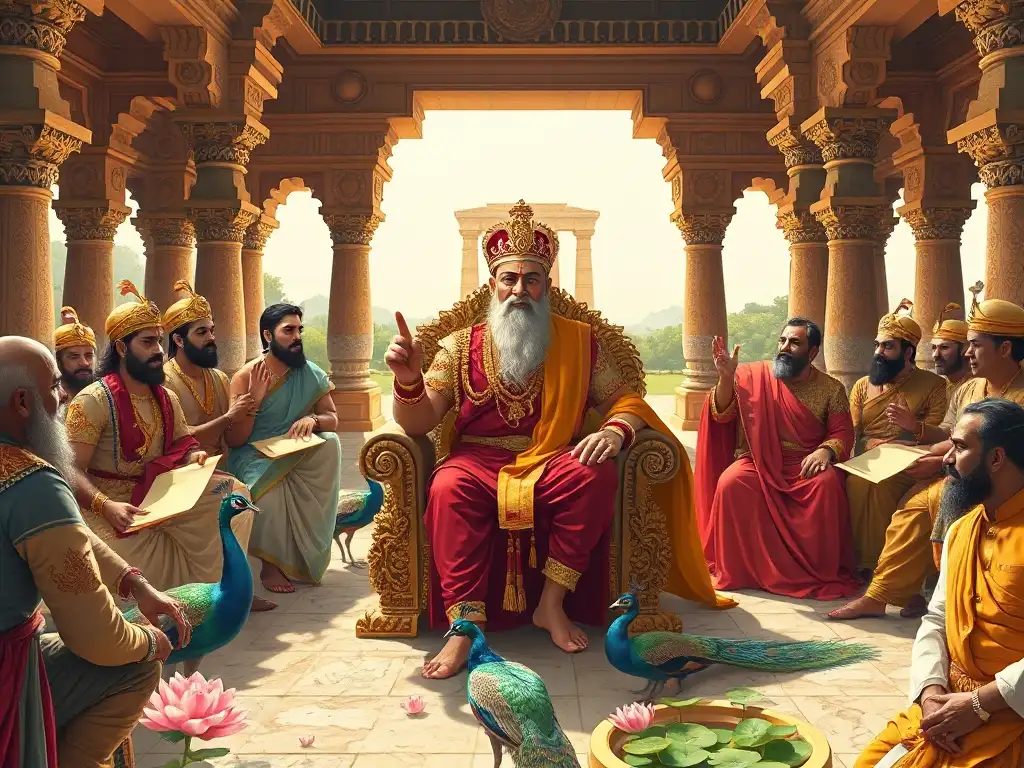
The Maurya Empire, one of the most significant empires in ancient Indian history, laid the foundation for political structures that would profoundly influence subsequent dynasties. Spanning from approximately 322 BCE to 185 BCE, this empire is renowned for its remarkable governance, administrative innovations, and vast territorial reach.
Understanding the political influence of the Maurya Empire offers valuable insights into how its practices shaped the political landscape of later Indian dynasties, including the Gupta Empire and beyond. This article delves into the intricate political mechanisms established by the Maurya Empire and their enduring impact on the governance and administration of future Indian rulers.
Overview of the Maurya Empire
The Maurya Empire emerged in the wake of the fragmentation of the Indian subcontinent following the decline of the Magadha kingdom. Founded by Chandragupta Maurya, the empire expanded rapidly under his rule and that of his grandson, Ashoka the Great. At its zenith, the Maurya Empire covered most of the Indian subcontinent, stretching from modern-day Afghanistan in the northwest to Bengal in the east and the Deccan plateau in the south.
Key features of the Maurya Empire include:
- Centralized Administration: The Mauryan governance system was characterized by a highly centralized bureaucracy, which facilitated effective control over vast territories. This model served as a blueprint for future empires in India.
- Innovative Taxation: The empire implemented a structured taxation system that contributed to state revenues while ensuring the welfare of its subjects. This economic policy was pivotal in maintaining the empire's stability and growth.
- Legal Framework: The Maurya Empire developed a codified legal system, which laid the groundwork for justice and governance in ancient India. Ashoka’s edicts, inscribed on pillars throughout the empire, exemplify this commitment to law and order.
Significance of Political Structures in Ancient India
The political structures established by the Maurya Empire were crucial not only in their time but also in shaping the future political landscape of India. The governance model set forth by the Mauryas emphasized several key aspects:
- Administrative Innovations: The Maurya Empire introduced various administrative units, such as provinces and districts, which allowed for localized governance. This system would be emulated by later dynasties, enhancing administrative efficiency.
- Diplomacy and Warfare: The Mauryan approach to diplomacy, as well as their military strategies, influenced the political maneuvers of future rulers. The balance between warfare and alliance-building became a crucial aspect of Indian political strategy.
- Cultural Integration: The Maurya Empire also played a significant role in promoting cultural and religious integration, which fostered a sense of unity among diverse populations. This cultural cohesion was vital for the stability and longevity of subsequent dynasties.
The Maurya Empire's political influence is a pivotal chapter in ancient Indian history, showcasing how effective governance can leave a lasting legacy. Understanding these political dynamics is essential for comprehending the evolution of Indian civilization and its subsequent developments.
The Political Framework of the Maurya Empire
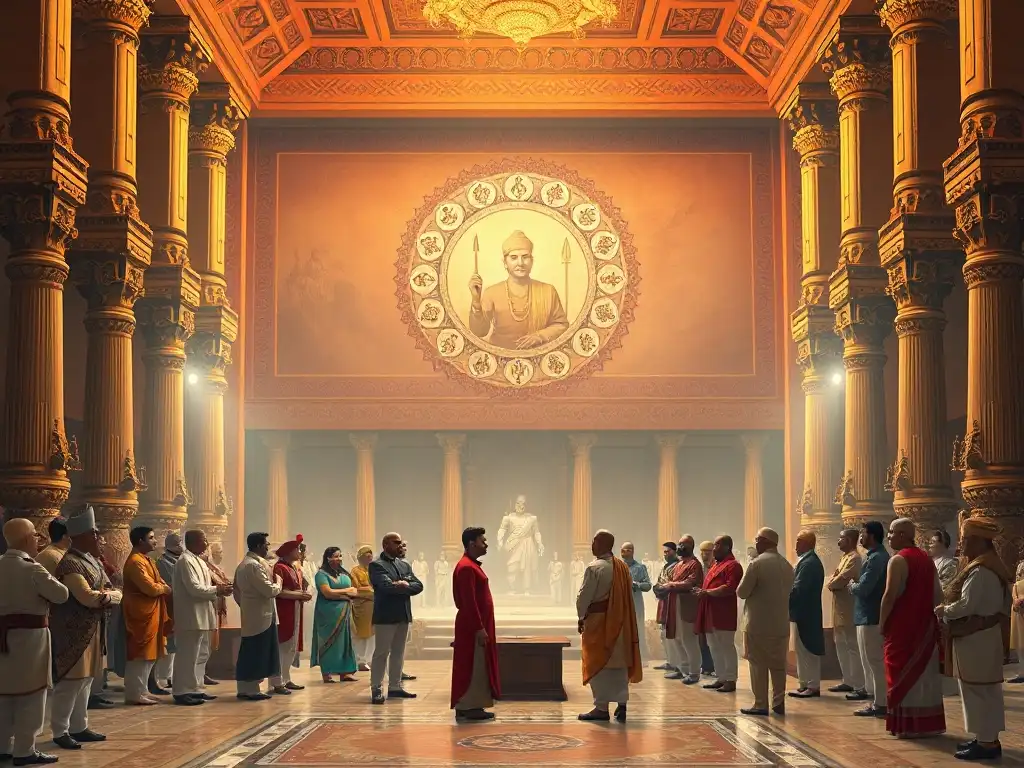
The Maurya Empire, which thrived from approximately 322 to 185 BCE, established a sophisticated political framework that had lasting implications on subsequent Indian dynasties. This framework emphasized a centralized approach to governance, effective administration, and a strong imperial authority, all of which contributed significantly to the political influence of the Maurya Empire in the region.
Centralized Administration and Governance
At the heart of the Maurya Empire's political influence was its centralized administration. The empire was divided into several provinces, each governed by appointed officials who reported directly to the emperor. This hierarchical structure facilitated efficient governance and ensured that the emperor maintained control over vast territories.
- Council of Ministers: The emperor was supported by a council of ministers known as the Mantriparishad, which assisted in decision-making and policy formulation. This council played a crucial role in advising the emperor on matters of state, military campaigns, and economic policies.
- Bureaucratic System: The Mauryan bureaucracy was highly organized, comprising various departments responsible for taxation, agriculture, trade, and law enforcement. These departments ensured the effective implementation of imperial policies, contributing to the stability and cohesion of the empire.
- Legal Framework: The legal system established by the Maurya Empire was advanced for its time, with codified laws that applied to all subjects. This uniformity helped maintain order and justice across the diverse population of the empire.
The centralized administration of the Maurya Empire set a precedent for future dynasties, demonstrating the effectiveness of a strong bureaucratic system in managing complex societies.
Role of the Emperor in Political Influence
The emperor was the linchpin of Mauryan political influence, embodying both the state and its authority. The most notable emperor, Ashoka the Great, exemplified this role through his policies and governance style.
- Divine Right and Legitimacy: The Mauryan rulers often claimed divine sanction for their rule, which enhanced their legitimacy. This belief in divine right allowed emperors like Ashoka to consolidate power and influence across the empire.
- Ashoka's Edicts: Ashoka is particularly known for his edicts, which were inscribed on pillars and rocks throughout the empire. These edicts conveyed messages of Dharma (moral law) and ethical governance, promoting values such as non-violence and compassion. The widespread dissemination of these principles not only influenced contemporary society but also set moral standards for future rulers.
- Military Power and Expansion: The Maurya Empire's political influence was also derived from its military strength. The conquest of territories expanded the empire's reach, allowing for greater control and integration of diverse cultures. This military prowess, coupled with effective diplomacy, established a model for subsequent Indian dynasties to emulate.
The emperor's role in the Maurya Empire was pivotal in shaping the political landscape, leaving a legacy that influenced governance and authority in later Indian dynasties.
Provincial Governance and Local Administration
The Maurya Empire's vast territory required an effective system for provincial governance to ensure local administration was aligned with imperial policies. This structure fostered regional stability while allowing for local customs and governance practices.
- Provincial Governors: Each province, or Mahajanapada, was overseen by a governor appointed by the emperor. These governors were responsible for tax collection, law enforcement, and maintaining order. Their direct connection to the imperial center ensured that local governance adhered to the empire's broader political objectives.
- Local Councils and Assemblies: Local administration often involved councils or assemblies that included representatives from various social strata. This inclusion enabled the Mauryan rulers to maintain a degree of local autonomy while still enforcing imperial authority. Such arrangements helped to mediate local disputes and facilitated cooperation between the central and local governments.
- Taxation and Revenue: A well-structured taxation system was crucial for the empire's sustainability. The Mauryan administration implemented agrarian taxes, trade tariffs, and other forms of revenue collection that were efficiently managed at both local and provincial levels. This economic stability contributed to the political influence of the Maurya Empire by ensuring resources were available for administration and military efforts.
The Maurya Empire's approach to provincial governance and local administration not only strengthened its political influence but also provided a framework that subsequent dynasties would adopt, adapting it to their unique contexts.
The political influence of the Maurya Empire was characterized by a centralized administration, a powerful emperor, and effective provincial governance. These elements created a robust political structure that shaped the trajectory of Indian politics for centuries to come.
Key Features of Maurya Empire Political Influence
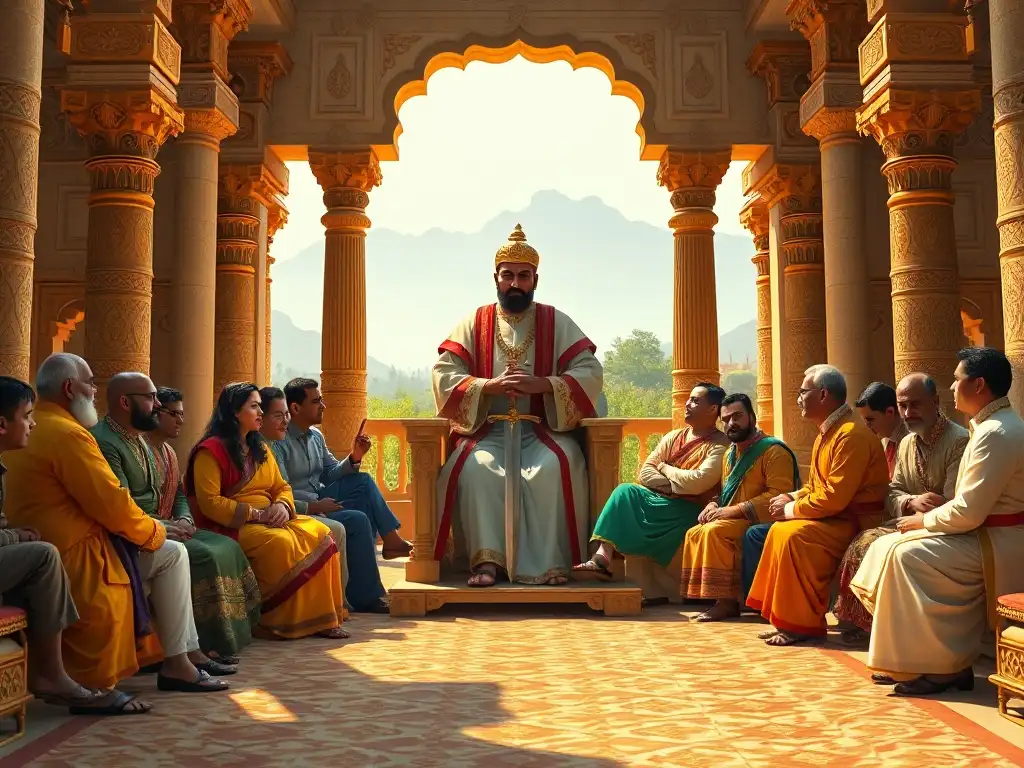
The Maurya Empire, which thrived from 321 to 185 BCE, left a profound and lasting impact on the political landscape of India. Its influence extended beyond its territories, shaping the structure and governance of subsequent Indian dynasties. Here, we delve into the key features of the Maurya Empire's political influence, exploring various aspects that contributed to its legacy.
Legal Reforms and Their Impact on Governance
One of the hallmark achievements of the Maurya Empire was the establishment of a comprehensive legal framework that influenced governance in India for centuries. Under the rule of Emperor Ashoka, the empire introduced a series of legal reforms aimed at standardizing laws across the vast territories.
- Dhamma: Ashoka's embrace of Dhamma (moral law) was revolutionary. He promoted principles of non-violence, tolerance, and ethical governance, which were codified into edicts inscribed on pillars and rocks throughout the empire. These edicts not only served as a guide for citizens but also set a precedent for future rulers who sought to govern with justice and compassion.
- Centralized Legal System: The Maurya Empire established a centralized judiciary that allowed for uniformity in legal proceedings. This system influenced later dynasties to adopt similar structures, ensuring that laws were applied consistently across regions.
- Promotion of Local Governance: While the centralized system was significant, the Mauryas also recognized the importance of local governance. They appointed village headmen and local officials, empowering them to administer justice and maintain order. This decentralized approach laid the groundwork for future regional administrations.
Taxation Systems and Economic Control
The Maurya Empire's taxation system was intricately designed to ensure economic stability and growth. By implementing a structured approach to taxation, the Mauryas not only funded their extensive administrative machinery but also set standards for future dynasties.
- Harmonized Taxation Framework: The Maurya Empire developed a systematic taxation policy that included land revenue, trade taxes, and other levies. This framework was pivotal in maintaining a steady revenue stream, allowing the empire to support its military and infrastructure.
- Economic Regulation: The Mauryas also regulated trade and commerce, establishing state control over key economic activities. They set standards for weights and measures, which facilitated fair trade practices. Subsequent dynasties adopted these regulatory measures, ensuring economic continuity.
- State-Controlled Resource Management: The empire's control over resources, including forests and mines, not only provided financial support but also influenced later dynasties to adopt similar resource management strategies. This approach ensured that state resources were utilized effectively for public welfare.
Diplomatic Relations and Foreign Policy
The Maurya Empire's diplomatic relations and foreign policy were instrumental in shaping its political influence both regionally and beyond. The empire established itself as a significant player on the international stage through strategic alliances and diplomacy.
- Ambassadors and Alliances: The Mauryas were known for sending ambassadors to foreign courts, establishing diplomatic ties with neighboring kingdoms and empires. This practice not only fostered peaceful relations but also facilitated cultural exchange, which influenced subsequent dynasties in their diplomatic endeavors.
- Military Strategy and Conquests: While the Maurya Empire was known for its military prowess, it also employed diplomacy as a tool for expansion. By negotiating treaties and forming alliances, they expanded their influence without conflict. This dual approach to military and diplomacy set a precedent followed by later Indian empires.
- Cultural Diplomacy: Ashoka's promotion of Buddhism as a state religion also had diplomatic implications. He sent missionaries abroad, which not only spread Buddhism but also solidified alliances with other cultures. This cultural diplomacy influenced future dynasties to consider cultural factors in their political strategies.
The Maurya Empire's political influence is characterized by its groundbreaking legal reforms, innovative taxation systems, and effective diplomatic relations. These features not only shaped the empire's governance but also laid the groundwork for the political structures of subsequent Indian dynasties. Understanding these elements helps in appreciating the enduring legacy of the Maurya Empire in the political history of ancient India.
Lasting Effects of the Maurya Empire on Subsequent Indian Dynasties
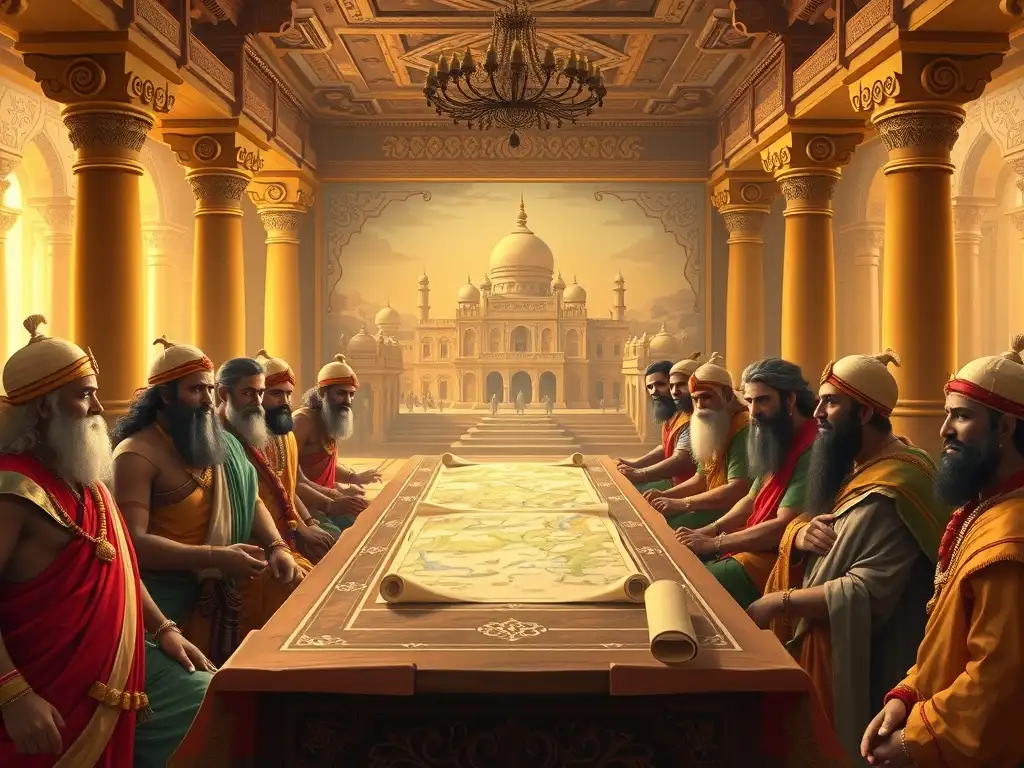
Political Ideologies and Their Evolution Post-Maurya
The Maurya Empire, which reached its zenith under the reign of Ashoka, set forth a political framework that deeply influenced the ideologies of subsequent Indian dynasties. One of the most notable contributions was the incorporation of Dharma (moral law) into governance, a concept that Ashoka emphasized after his conversion to Buddhism. This shift from sheer power politics to a governance style rooted in ethical principles marked a significant evolution in Indian political thought.
Post-Maurya, dynasties like the Shunga and Kanva adopted this emphasis on Dharma, albeit to varying degrees. The Shunga rulers, for instance, while initially focused on consolidating power, later sought legitimacy through religious patronage, echoing the Mauryan model. This led to a political environment where rulers were expected to uphold moral values and promote the welfare of their subjects. The integration of religious ideologies into statecraft can be seen as a direct lineage from Mauryan practices.
Moreover, the concept of centralized administration established by the Mauryas influenced the political organization of later empires. The Gupta Empire, for instance, adopted a similar bureaucratic structure, which emphasized efficient governance and tax collection, ensuring stability and continuity. This bureaucratic evolution can be traced back to the Mauryan Empire's sophisticated administrative practices.
Influence on the Gupta Empire's Political Structure
The Gupta Empire, often regarded as a golden age in Indian history, drew heavily from the political frameworks laid down by the Maurya Empire. The Guptas refined the bureaucratic system, which was characterized by a hierarchy of officials responsible for various administrative functions. This structured approach to governance was a direct reflection of the Mauryan model, which had established a network of provincial governors and local administrators.
One of the significant features of Gupta administration was the decentralization of power. While the Maurya Empire maintained a more centralized authority, the Guptas allowed local rulers or samantas to govern their territories. This shift not only facilitated greater local autonomy but also helped in maintaining stability across diverse regions. The principles of governance derived from the Maurya Empire allowed Gupta rulers to balance central authority with local governance effectively.
Furthermore, the Gupta Empire’s use of inscriptions and edicts for communication and law enforcement can be traced back to Ashoka’s rock edicts. This method not only standardized laws across the empire but also reinforced the ruler’s authority and commitment to justice, a hallmark of Mauryan governance.
Continuity and Change in Governance Practices
The governance practices of the Maurya Empire established a foundational framework that shaped the political landscape of ancient India. However, as dynasties succeeded one another, there were notable continuities and changes in these practices.
Continuity can be observed in the reliance on a vast bureaucracy and a system of local governance that characterized both the Mauryan and subsequent empires. The emphasis on maintaining law and order, tax collection, and public welfare remained paramount, reflecting the Mauryan influence on administrative efficiency.
On the other hand, changes were also evident in response to evolving socio-political contexts. For example, while the Maurya Empire emphasized a singular, strong central authority, later dynasties like the Chola and Pala empires experimented with varying degrees of decentralization. This allowed them to adapt to the diverse cultural and geographical landscapes of India, demonstrating a shift towards more localized governance structures.
The Maurya Empire's political influence is evident in the ideological foundations, administrative practices, and the evolution of governance across subsequent Indian dynasties. The interplay of continuity and change in these practices not only shaped the political narratives of ancient India but also laid the groundwork for future governance models.
Comparative Analysis of Maurya Empire Political Influence
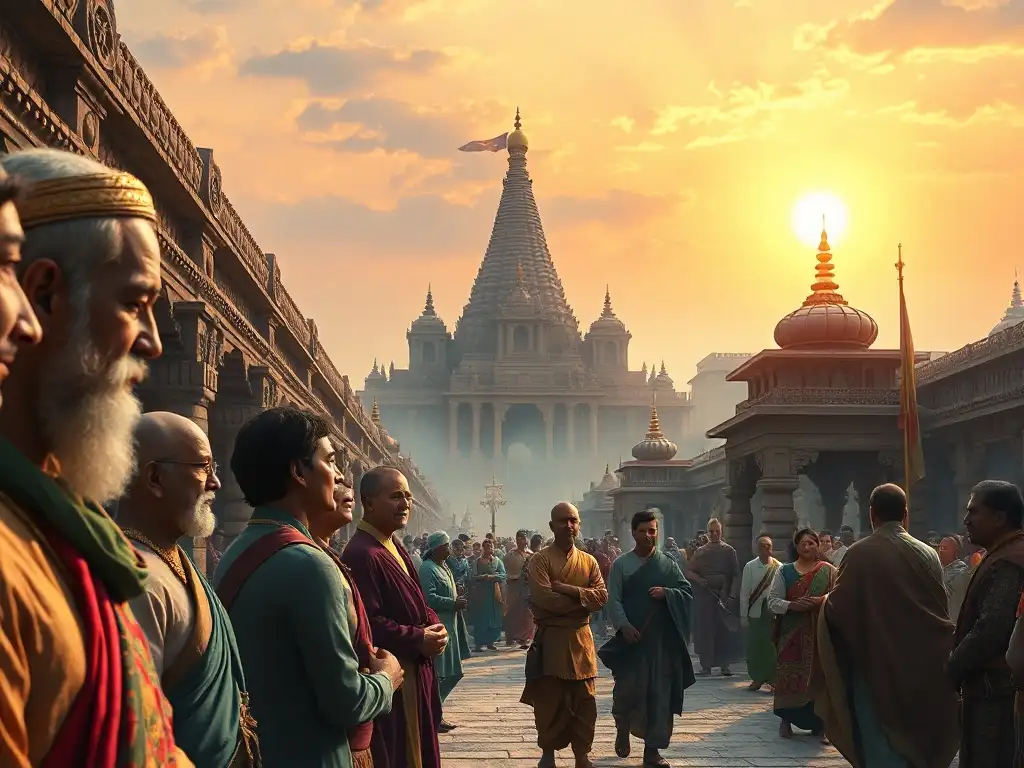
The Maurya Empire, one of the most significant empires in ancient Indian history, established a political framework that would set the foundation for subsequent dynasties. To understand the extent of the Maurya Empire's political influence, it is essential to compare its political systems with those of preceding dynasties and analyze how later dynasties adapted or deviated from these systems.
Comparison with Preceding Indian Dynasties
Before the rise of the Maurya Empire, Indian political structures were largely characterized by small kingdoms and republics. The notable Magadha Kingdom, which played a pivotal role in the formation of the Maurya Empire, exemplified the political landscape prior to Mauryan rule.
- Decentralized Governance:
- Early Kingdoms: Many early Indian kingdoms operated under a decentralized system, where power was often localized to various chiefs or clans.
- Republics: The Mahajanapadas, or sixteen great kingdoms and republics, had a system where decisions were made by assemblies (such as the Sabha and Samiti), reflecting a form of collective governance.
- Bureaucratic Innovations:
- The Maurya Empire introduced a more centralized bureaucratic structure. Under the leadership of Chandragupta Maurya and later his grandson Ashoka, the empire established a system of provincial governors (known as Uparikas) and a network of officials that helped in the administration of vast territories.
- In contrast, preceding kingdoms lacked such comprehensive administrative frameworks, often leading to inefficient governance and limited territorial control.
- Legal and Taxation Systems:
- The Maurya Empire was notable for codifying laws and implementing standardized taxation systems, which were less developed in earlier political structures.
- For example, Kautilya's Arthashastra provided detailed guidelines on governance, economics, and military strategy, influencing how rulers managed their states and interacted with subjects.
This comparative analysis reveals how the Maurya Empire's political influence provided a model for governance that emphasized centralization, bureaucracy, and codified law, contrasting sharply with the more fragmented political structures of earlier Indian civilizations.
Contrasting Political Systems of Successor Dynasties
Following the decline of the Maurya Empire, several dynasties emerged, each adapting Mauryan political principles while also introducing their own systems. Understanding these contrasts sheds light on the enduring legacy of the Maurya Empire's political influence.
- Shunga Empire:
- The Shunga Empire, which succeeded the Mauryas, maintained many administrative practices introduced by the Mauryas. However, it shifted towards a more decentralized approach by granting significant power to local rulers and regional governors.
- This adaptation allowed for local customs and governance styles to flourish, which contrasted with the Mauryan emphasis on a strong central authority.
- Gupta Empire:
- The Gupta Empire is often regarded as a golden age in Indian history, characterized by significant advancements in arts and sciences. Politically, the Gupta rulers adopted a feudal system that emphasized local governance while retaining some aspects of Mauryan bureaucracy.
- Unlike the Mauryas, who imposed direct control over their territories, the Guptas allowed for a more flexible system in which local rulers held considerable autonomy, thus fostering regional identities.
- Regional Kingdoms:
- As India fragmented into smaller kingdoms post-Maurya, many regional powers like the Chola and Pala Dynasties drew from Mauryan administrative practices. However, they incorporated local traditions and customs into their political systems.
- This resulted in a diverse political landscape where the legacy of the Maurya Empire influenced governance, but local adaptations led to distinct political identities.
While the Maurya Empire laid down the groundwork for centralized governance and administrative efficiency, subsequent dynasties showcased varied interpretations and adaptations of these principles. The Maurya Empire's political influence thus served as a pivotal reference point for later rulers, illustrating both its enduring legacy and the dynamic nature of Indian political evolution.
Conclusion
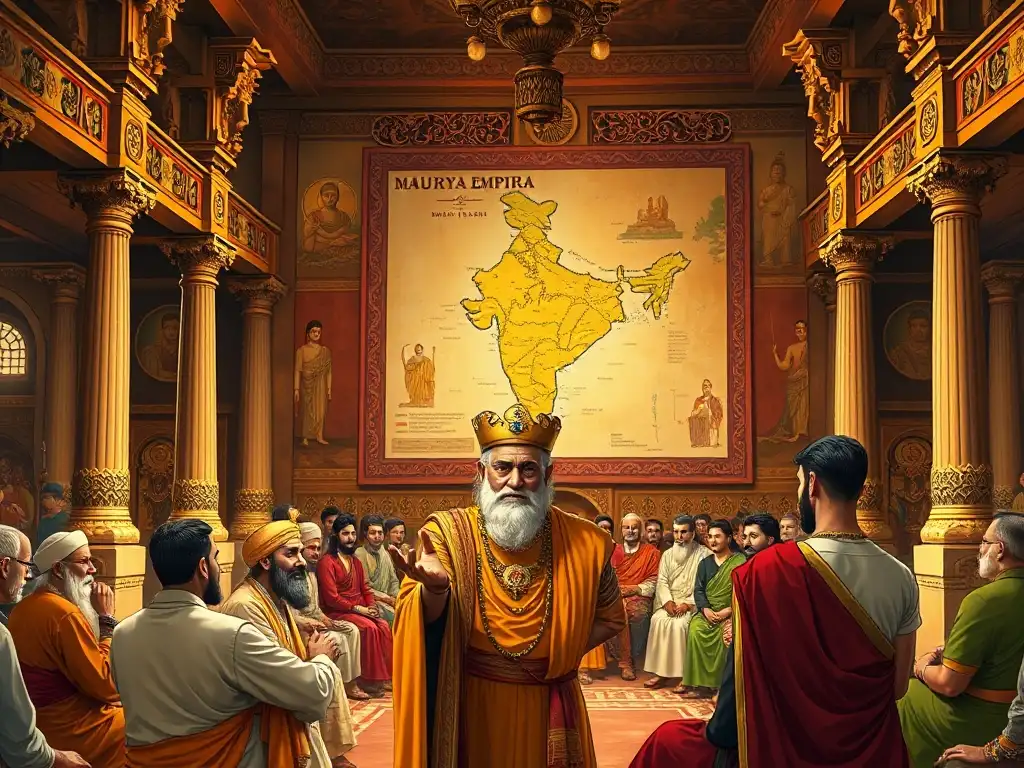
Summary of Maurya Empire Political Influence
The Maurya Empire, which flourished from 321 to 185 BCE, stands as a monumental chapter in Indian history, particularly in terms of its political influence. Under the leadership of Chandragupta Maurya and his grandson Ashoka the Great, the empire established a centralized administration that served as a model for future Indian dynasties. The political strategies employed during this period laid the groundwork for governance in subsequent empires, such as the Gupta and the Mughal.
Key aspects of the Maurya Empire's political influence include:
- Centralized Administration: The Mauryas implemented a bureaucratic system that allowed for efficient governance across vast territories. This structure inspired later dynasties to adopt similar administrative frameworks.
- Legal Reforms: Ashoka's edicts promoted justice and ethical governance. His moral authority redefined the relationship between rulers and subjects, influencing legal systems in subsequent dynasties.
- Diplomacy and Warfare: The Maurya Empire's approach to diplomacy, as seen in Ashoka's non-violent stance post-Kalinga War, showcased a shift towards diplomatic relations over territorial expansion, a practice that future rulers would emulate.
The Maurya Empire's political influence is evident in the way it intertwined governance with ethical considerations, setting a precedent that would resonate throughout Indian history.
The Legacy of Maurya Governance in Indian History
The governance model established by the Maurya Empire has left an indelible mark on the political landscape of India. Several enduring legacies can be traced back to this influential period:
- Administrative Innovations:
- The Mauryan administration divided the empire into provinces, each overseen by a governor. This practice was adopted by later dynasties, including the Guptas, who refined and expanded upon these administrative divisions.
- The introduction of a complex taxation system enabled the Mauryas to maintain a robust economy, a practice that persisted in future empires.
- Cultural Integration:
- The Maurya Empire's policies encouraged a blend of cultures, fostering a sense of unity across diverse regions. This cultural integration became a hallmark of later dynasties, helping to establish a cohesive Indian identity.
- Promotion of Buddhism:
- Ashoka's patronage of Buddhism not only influenced spiritual practices but also laid the groundwork for the integration of religious principles into governance. This melding of religion and politics is seen in various subsequent dynasties, including the Pala and Senas, who embraced Buddhism in their rule.
- Legal and Ethical Frameworks:
- The moral edicts of Ashoka provided a foundational ethical code that influenced the development of legal systems in later Indian states. Rulers were expected to govern justly, a principle that became a key aspect of statecraft in subsequent eras.
The Maurya Empire's political influence is a pivotal chapter in understanding the evolution of Indian governance. Its legacy is woven into the administrative, cultural, and ethical fabric of subsequent Indian dynasties, shaping the trajectory of political thought and practice in the subcontinent for centuries to come.
Frequently Asked Questions
What was the significance of the Maurya Empire in Indian history?
The Maurya Empire played a crucial role in unifying ancient India and establishing a centralized political system that influenced subsequent Indian dynasties.
How did the Maurya Empire impact political structures in India?
The political influence of the Maurya Empire introduced administrative innovations and governance models that were adopted by later dynasties, ensuring stability and order.
Who were the notable rulers of the Maurya Empire?
Chandragupta Maurya and his grandson Ashoka the Great were significant figures, known for expanding the empire and promoting Buddhism, respectively.
How did Ashoka's policies affect future Indian rulers?
Ashoka's commitment to non-violence and moral governance set a precedent that many future rulers incorporated into their own political philosophies.
In what ways did the Maurya Empire influence trade and economy?
The Maurya Empire established a vast trade network that facilitated economic prosperity, which later dynasties built upon to enhance their own economic policies.
Final Reflection: The Enduring Legacy of the Maurya Empire's Political Influence
The political influence of the Maurya Empire resonates profoundly in today's India, where the echoes of its governance and administrative innovations can still be felt. As we navigate the complexities of modern political systems, it is crucial to recognize how the foundational principles established by the Maurya Empire continue to shape the political landscape. The empire's emphasis on centralized governance and effective administration laid the groundwork for future dynasties, proving that strong leadership and strategic organization are timeless necessities for any thriving state.
The Maurya Empire's impact extends beyond mere historical significance; it has woven itself into the cultural and social fabric of India. The principles of justice, governance, and diplomacy that emerged during this era have influenced countless leaders and thinkers throughout history. As we reflect on this legacy, we are reminded of the words of Chanakya, the empire's chief advisor: There is some self-interest behind every friendship. There is no friendship without self-interests.
This quote encapsulates the intricate balance of power and relationships that characterized Mauryan politics, highlighting the ongoing relevance of these dynamics in contemporary governance.
As we contemplate the lessons from the Maurya Empire, I invite you to reflect on how these historical insights can inform your own understanding of leadership and governance today. Consider the values of strategic thinking, ethical leadership, and the importance of community in your own life. By embracing these principles, you can contribute to a more just and effective society, ensuring that the legacy of the Maurya Empire continues to inspire future generations.
Unveil the Legacy: Take Action Today!
Thank you for exploring the fascinating influence of the Maurya Empire on subsequent Indian dynasties! By delving into this rich history, you've gained valuable insights into how political structures evolved and shaped the subcontinent. Now, it’s time to take the next step in your journey of discovery.
- Dive deeper: Read another article that highlights the prominent figures of the Maurya Empire and their significant contributions to governance and society.
- Share your knowledge: Engage your friends and family in discussions about how these historical lessons can be applied to understand modern governance.
- Join our community: Subscribe to our newsletter for exclusive content and updates about ancient history that will keep you informed and inspired!
What aspect of the Maurya Empire's legacy resonates with you the most? How do you think it influences today's political landscape?