
Indus Valley Civilization: Insights into Family Life and Social Structures

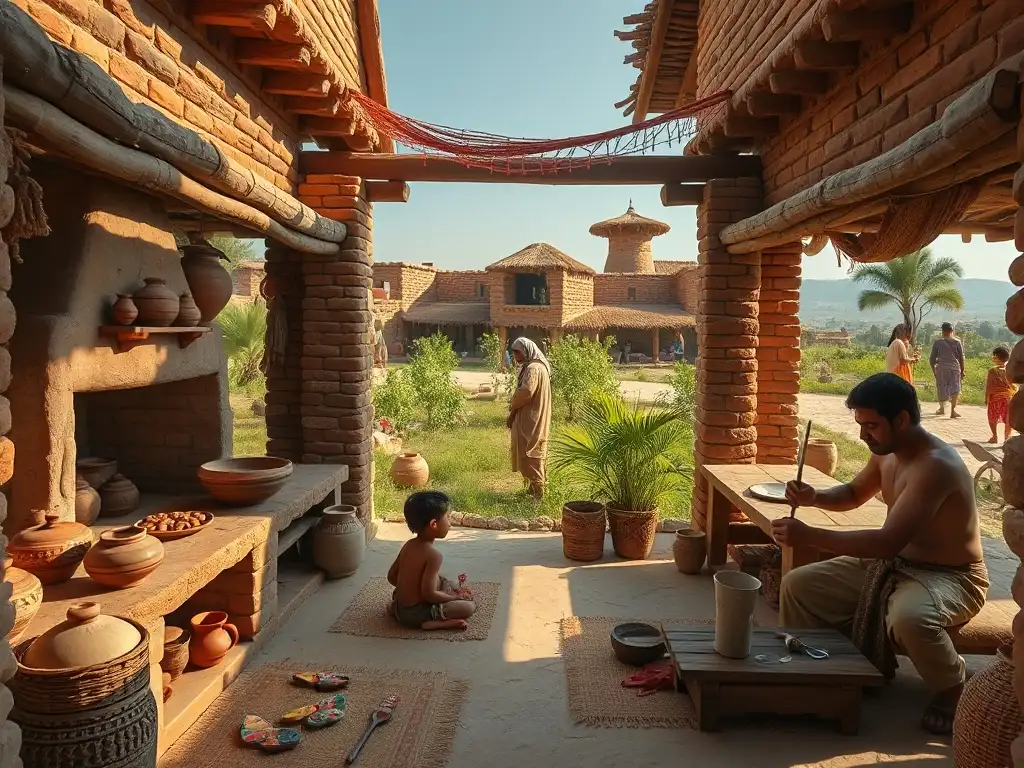
Welcome to Ancient India History, where we embark on a captivating journey through the rich tapestry of ancient Indian civilizations. Here, you'll uncover the profound insights into family life and social structures of the Indus Valley Civilization, a pivotal era that shaped the foundations of Indian culture. As you delve into our featured article, prepare to be intrigued by the daily lives, customs, and social dynamics that flourished millennia ago. Join us as we explore the legacies of the past, igniting your curiosity and deepening your understanding of this remarkable historical landscape!
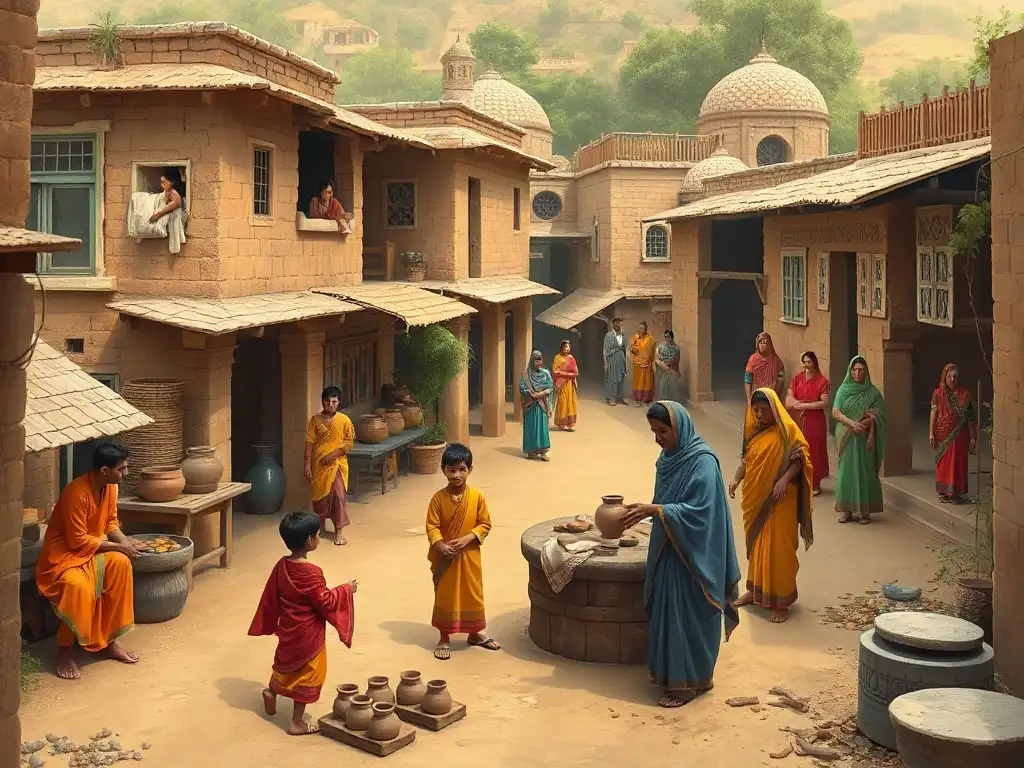
Introduction to the Indus Valley Civilization
The Indus Valley Civilization, one of the world's earliest urban cultures, flourished around 2500 BCE in what is now modern-day Pakistan and northwest India. Renowned for its advanced city planning, sophisticated drainage systems, and vibrant trade networks, this civilization offers invaluable insights into the daily lives and social structures of its inhabitants. Among the myriad aspects of this rich culture, family life stands out as a crucial component, reflecting the values, roles, and interactions that defined societal norms.
Understanding the nuances of family life in the Indus Valley is essential, not only for appreciating the civilization's social dynamics but also for recognizing how these early families contributed to the development of subsequent Indian cultures. This article delves into the intricacies of family life within the Indus Valley, exploring its structure, roles, and daily activities, thereby illuminating the profound social framework that underpinned this remarkable civilization.
Overview of the Indus Valley Civilization
The Indus Valley Civilization, also known as the Harappan Civilization, was marked by its impressive urban centers such as Harappa and Mohenjo-Daro. These cities showcased advanced architectural techniques, with well-planned streets, public baths, and granaries that indicate a high level of organization and governance. The civilization thrived on agriculture, trade, and craftsmanship, leading to economic prosperity and cultural exchange.
Archaeological findings, including seals, pottery, and tools, provide a glimpse into the lives of the people who inhabited this region. The Indus script, though still undeciphered, hints at a sophisticated communication system, suggesting that social structures were complex and multifaceted.
Importance of Family Life in Ancient Societies
Family life has always played a pivotal role in shaping social structures and cultural practices in ancient civilizations. In the context of the Indus Valley, families were the fundamental units that fostered economic stability, social cohesion, and cultural continuity. They facilitated the transmission of knowledge, traditions, and values across generations, ensuring the survival of their societal identity.
The significance of family in ancient societies is underscored by the roles each member played in supporting communal and familial responsibilities. Understanding these dynamics provides critical insights into how the Indus Valley Civilization functioned as a society, and how its family structures influenced its overall development.
Understanding Family Life in the Indus Valley
Structure of Indus Valley Families
Families in the Indus Valley Civilization were likely structured in a manner that balanced nuclear and extended family dynamics. Archaeological evidence suggests that households were often comprised of multiple generations living together, fostering strong familial bonds and shared responsibilities.
The typical family unit may have included parents, children, and possibly grandparents, reflecting a close-knit community where cooperation was essential for survival. The organization of these households indicates a collective approach to daily tasks, resource management, and childcare, essential for the well-being of the family.
Roles and Responsibilities within Families
Within these family units, specific roles and responsibilities were likely assigned based on age and gender. Men often took on roles related to agriculture, trade, and craftsmanship, contributing to the economic stability of the household. Women, on the other hand, were primarily responsible for domestic duties, including cooking, textile production, and child-rearing.
This division of labor not only highlights the importance of each member's contribution but also reflects the societal values of the time. Such roles were integral to maintaining the household and supporting the broader community, ensuring that families thrived amid the challenges of daily life.
Daily Activities and Routines of Indus Valley Families
The daily life of families in the Indus Valley was characterized by a variety of activities that revolved around agriculture, trade, and home management. Mornings likely began with agricultural tasks, as families tended to their fields and livestock.
In addition to farming, many families engaged in craftsmanship, producing goods such as pottery, jewelry, and textiles. Trade was a vital aspect of life, with families participating in local and long-distance commerce, exchanging goods with neighboring regions.
Domestic activities included preparing meals, maintaining the household, and caring for children. The presence of elaborate drainage systems and public baths in urban centers suggests that cleanliness and hygiene were valued, influencing daily routines.
Through these insights into family life, we gain a deeper appreciation for the social structures and cultural practices that defined the Indus Valley Civilization, highlighting their enduring legacy in the tapestry of ancient Indian history.
The Indus Valley Civilization (IVC), flourishing around 2500 BCE to 1900 BCE, exhibited a complex social structure that reflected its advanced urban planning and economic activities. Unlike many ancient civilizations, the social hierarchy of the Indus Valley remains largely obscure due to the limited decipherment of their script. However, archaeological findings provide valuable insights into the organization of society, indicating a stratified system that likely included rulers, priests, merchants, craftsmen, and laborers.
Overview of Social Hierarchy
Evidence from the ruins of major cities like Harappa and Mohenjo-Daro suggests a form of social stratification. The presence of large, elaborately built houses indicates that a wealthy elite class existed, likely comprising merchants and landowners. In contrast, smaller dwellings suggest a working class engaged in various forms of labor. It is also believed that the ruling class may have had significant religious or political authority, although specific evidence remains elusive.
The social hierarchy may also have extended into occupational divisions, with roles such as artisans, potters, and farmers being crucial for the civilization's economy. The uniformity in brick sizes and weights across cities suggests a regulatory body overseeing construction and trade, hinting at a centralized authority within the social structure.
Role of Gender in Indus Valley Society
Gender roles in the Indus Valley Civilization appear to have been relatively balanced compared to contemporary societies. Archaeological findings, such as female figurines and artifacts related to domestic life, suggest that women played a vital role in family and social structures. Although specific evidence regarding women's status is limited, the presence of women in various crafts and possibly in trade implies their active participation in economic life.
Moreover, some interpretations of burial practices indicate that women were accorded respect and could hold positions of significance. However, the lack of definitive written records makes it challenging to draw conclusive insights into gender dynamics within the society.
Economic Activities and Family Contributions
The economy of the Indus Valley was diverse, encompassing agriculture, trade, and craftsmanship. Families likely played a central role in these economic activities. Agricultural practices, including the cultivation of wheat, barley, and cotton, were fundamental to sustaining their society. Families would have worked together in farming, utilizing irrigation techniques to enhance crop yields.
Trade networks extended across regions, facilitating the exchange of goods such as beads, metals, and textiles. Families engaged in artisanal crafts, producing pottery and jewelry, contributing to the economic prosperity of their communities. This economic interdependence fostered strong family ties, as each member contributed to the household's financial stability.
Insights into Marriage and Kinship
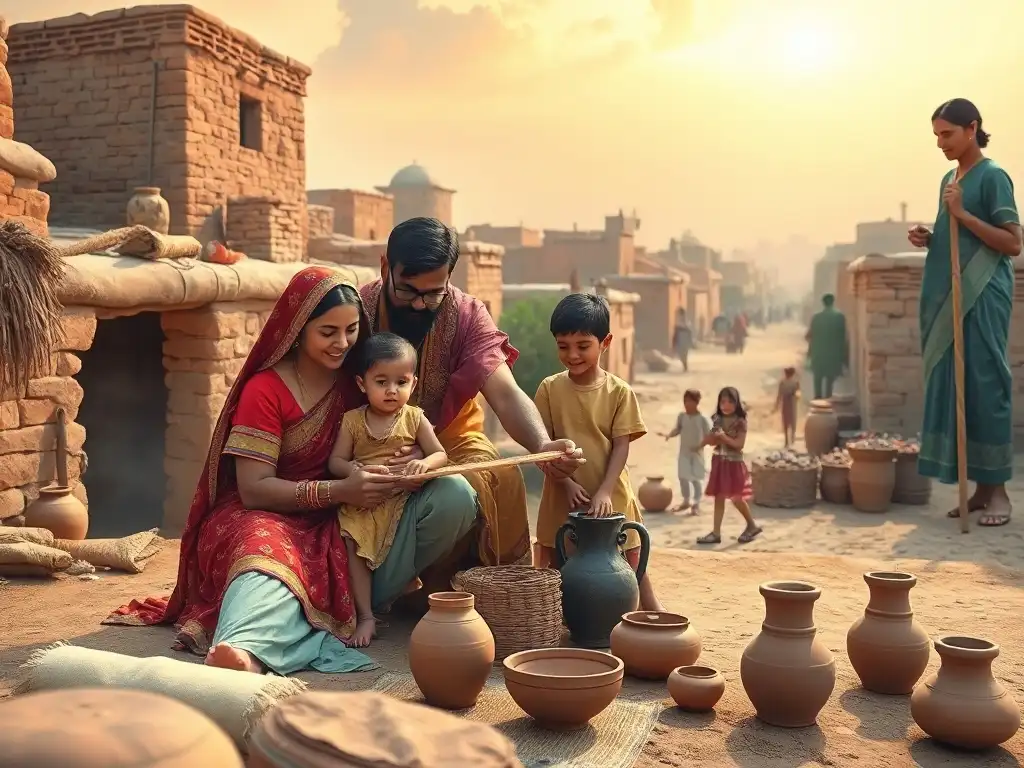
Marriage and kinship were integral to the social fabric of the Indus Valley Civilization, influencing family structures and community dynamics. Understanding these aspects provides valuable insights into the personal lives of the people within this ancient society.
Marriage Practices in the Indus Valley
While direct evidence of marriage customs in the Indus Valley is scarce, some archaeological findings suggest that marriage was a significant social institution. The discovery of terracotta figurines depicting couples may indicate the importance of marital relationships. It is hypothesized that marriages were likely arranged, serving not only familial alliances but also enhancing social status and economic ties.
Given the agricultural and economic structures of the civilization, marriages may have been strategically planned to ensure the prosperity of families. Additionally, the emphasis on fertility in art and artifacts may imply that procreation was a valued aspect of marriage.
Kinship Systems and Family Networks
Kinship systems in the Indus Valley Civilization likely operated on a patrilineal basis, where lineage and inheritance were traced through male descendants. This structure would have influenced property ownership and family legacy. However, evidence of matrilineal practices cannot be entirely ruled out, as some artifacts suggest the inclusion of women in familial networks.
Family networks were essential for maintaining social cohesion and economic collaboration, with extended families possibly living together or in close proximity. These networks would have provided support during agricultural cycles and shared resources, reinforcing community bonds.
Influence of Religion on Family Life
Religion played a pivotal role in shaping family life within the Indus Valley Civilization. While specific religious practices remain largely unknown, the discovery of seals and figurines suggests a polytheistic belief system that may have included deities associated with fertility, agriculture, and domestic life.
Family rituals and religious observances likely revolved around agricultural cycles, with families participating in ceremonies to ensure bountiful harvests. Additionally, the presence of religious symbols in households indicates that spiritual practices were woven into daily life, influencing family dynamics and community interactions. The sanctity of family and kinship ties may have been reinforced through shared religious beliefs, contributing to the overall social cohesion of the civilization.
Housing and Living Conditions
The housing and living conditions of the Indus Valley Civilization offer profound insights into the daily lives of its inhabitants. Archaeological findings reveal a meticulous urban planning system, which significantly influenced family life and social structures. The settlements, such as Mohenjo-Daro and Harappa, were characterized by well-constructed homes made from baked bricks, indicating a high level of craftsmanship and organization.
The overall urban landscape included advanced drainage systems and public baths, highlighting the emphasis on sanitation and communal hygiene. This infrastructure not only facilitated daily chores but also fostered a sense of community among families, as homes were often clustered together, promoting social interaction and support networks.
Types of Dwellings in the Indus Valley
The types of dwellings varied greatly, reflecting the socio-economic status of families. The wealthier families likely resided in larger, multi-storied houses with multiple rooms, while the lower strata occupied simpler, one or two-room structures. Features of these dwellings included:
- Materials: Most homes were constructed using mud bricks or baked bricks, providing durability.
- Size: Dwellings ranged from compact one-room houses to expansive homes with courtyards.
- Roofing: Flat roofs were common, which may have been used for additional living space.
These different types of dwellings suggest a stratified society where wealth and status were visually represented through architecture.
Layouts and Amenities of Indus Valley Homes
Indus Valley homes were designed with practicality in mind. The layouts typically included:
- Courtyards: Central courtyards served as communal spaces for family activities and gatherings.
- Rooms: Specific rooms were allocated for cooking, sleeping, and storage, indicating an organized domestic life.
- Amenities: Many homes featured sophisticated plumbing systems, including toilets and bathing areas, showcasing advanced engineering and a focus on hygiene.
The presence of amenities such as stoves, storage jars, and tools within the homes reflects a society that valued both comfort and functionality, ensuring that family life was supported by adequate resources.
Community Living and Social Interactions
Community living in the Indus Valley was characterized by close-knit social structures. The layout of the cities facilitated interaction among families through shared spaces and communal facilities. This interaction was crucial for:
- Support Networks: Families relied on one another for help and resources, creating a network of social support.
- Cultural Exchange: Daily interactions fostered a rich exchange of cultural practices and traditions, which were vital in shaping family identities.
- Collective Activities: Festivals, communal gatherings, and shared agricultural tasks encouraged strong social bonds within the neighborhoods.
This sense of community was integral to the fabric of Indus Valley society, influencing family dynamics and social cohesion.
Education and Child Rearing in the Indus Valley
Education and child-rearing practices in the Indus Valley Civilization were likely influenced by cultural values and societal needs. Although concrete evidence of formal educational systems is limited, indirect findings provide insights into how children were raised and educated.
Child Education Practices
Children in the Indus Valley were probably educated through informal methods, focusing on practical skills necessary for daily life. Key aspects included:
- Vocational Training: Skills related to crafts, agriculture, and trade were likely passed down from parents to children, emphasizing hands-on learning.
- Cultural Education: Children learned about cultural norms, religious practices, and community values through storytelling and participation in family and community rituals.
This system of education ensured that children were well-prepared to contribute to both family and society as they grew.
Roles of Parents in Child Development
Parents played a pivotal role in the development of their children, emphasizing the importance of family in the socialization process. Their roles included:
- Primary Educators: Parents were responsible for teaching essential life skills, values, and cultural traditions.
- Emotional Support: Providing nurturing care and emotional guidance was essential for healthy child development.
- Role Models: Parents served as role models, demonstrating behaviors and practices that children would emulate.
These parental roles were crucial in shaping the character and future of children within Indus Valley society.
Cultural Values Passed through Generations
Cultural values were integral to the upbringing of children in the Indus Valley. Important values included:
- Community Orientation: Emphasizing the importance of communal living and support.
- Respect for Tradition: Instilling respect for customs, rituals, and ancestral heritage.
- Work Ethic: Teaching the value of hard work and responsibility towards family and community.
These values were likely transmitted through daily interactions and rituals, ensuring that each generation upheld the rich cultural legacy of the Indus Valley Civilization.
The Role of Artifacts in Understanding Family Life
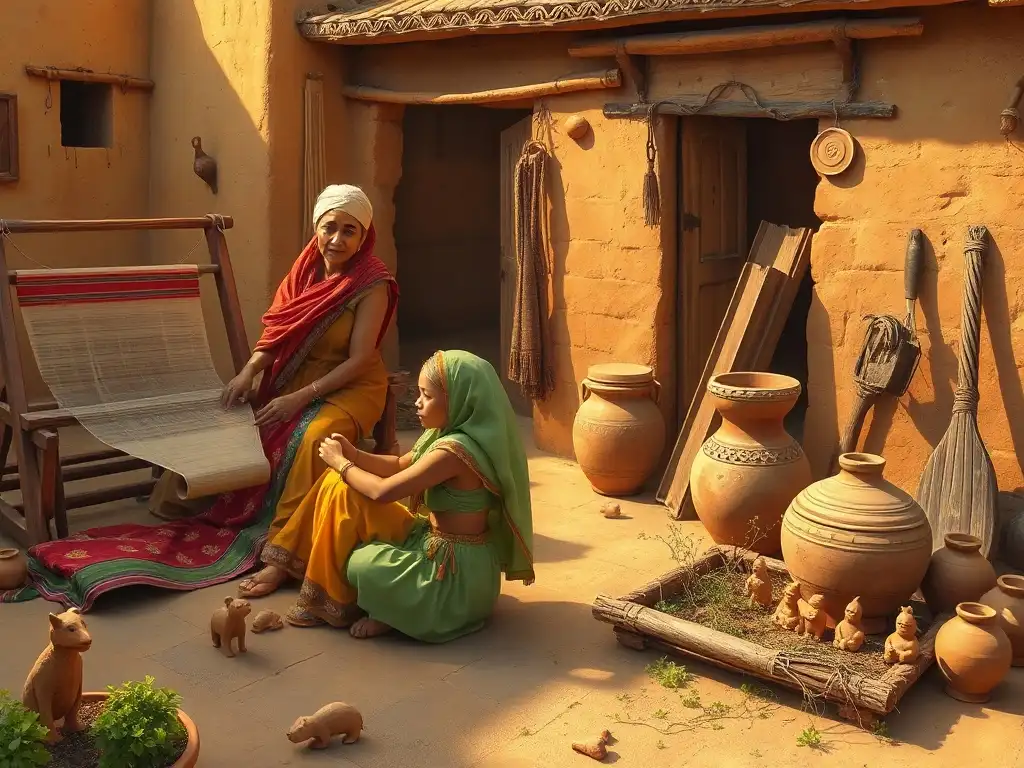
Artifacts serve as invaluable windows into the daily lives of people from the Indus Valley Civilization, offering crucial insights into their family structures, social interactions, and cultural practices. These physical remnants, ranging from household items to ceremonial objects, allow archaeologists and historians to piece together the intricacies of family life in this ancient society. By examining the materials, forms, and functions of these artifacts, scholars can infer not only the domestic roles of individuals but also the broader social hierarchies and communal relationships that defined the civilization.
The systematic excavation of sites such as Mohenjo-Daro and Harappa has yielded a wealth of artifacts that reflect the lives of families during this era. From pottery and tools to toys and jewelry, each artifact holds significance in understanding the daily routines, values, and familial connections of the Indus Valley people. The analysis of these items helps establish a clearer picture of how families operated within the context of their environment, economy, and social structures.
Key Archaeological Discoveries Related to Family Life
Several key archaeological discoveries have illuminated aspects of family life in the Indus Valley. One of the most notable finds includes well-planned residential structures that suggest a high degree of organization and communal living. These homes often featured multiple rooms, indicating the presence of extended family units or multiple generations living under one roof.
Additionally, the discovery of small terracotta figurines, including those representing children and animals, points to the significance of family and domestic life in their culture. Such figurines may have played a role in rituals or as toys, highlighting the importance of play and nurturing in early childhood development. Excavations have also uncovered cooking utensils and storage jars, which imply a shared culinary practice and the importance of food in family gatherings.
Interpretation of Artifacts: Insights into Daily Life
The interpretation of artifacts from the Indus Valley Civilization reveals much about their daily lives and interactions within family units. For instance, the presence of elaborate pottery decorated with intricate designs suggests that families engaged in artistic expression, possibly as a communal activity. This artistic endeavor could have served both functional and aesthetic purposes, reflecting the values and identities of families.
Moreover, tools and agricultural implements found at excavation sites indicate that family life was closely tied to subsistence activities. Families likely participated in farming, crafting, and trading, fostering a sense of cooperation and shared responsibility. The organization of labor within families not only supported their economic needs but also reinforced social bonds and communal ties.
Significance of Material Culture in Social Structures
Material culture plays a significant role in understanding the social structures of the Indus Valley Civilization. Artifacts such as jewelry, seals, and ceremonial items provide insights into status and identity within family units and the broader community. For example, the presence of ornate jewelry among certain grave goods may indicate the wealth and social prestige of a family, suggesting that social stratification existed alongside familial ties.
Furthermore, the use of seals bearing unique motifs and inscriptions may have denoted family lineage or clan affiliation, reinforcing the importance of ancestry in social identity. The differentiation of material goods among families points to complex social hierarchies, with some families enjoying greater access to resources and trade networks, thereby shaping their influence within the society.
Conclusion: Legacy of Indus Valley Family Life
The legacy of family life in the Indus Valley Civilization is profound, offering insights into the values, structures, and interactions that defined this ancient society. The examination of artifacts not only aids in reconstructing daily life but also emphasizes the pivotal role families played in shaping the social fabric of their communities.
Lasting Influences on Subsequent Indian Societies
The family structures and social practices observed in the Indus Valley have left a lasting influence on subsequent Indian societies. Elements such as joint family systems, communal living, and the importance of ancestral heritage can trace their roots back to this early civilization. The values surrounding family, community, and cooperation evident in the Indus Valley continue to resonate in contemporary Indian culture, reflecting a deep-seated tradition of familial bonds.
Reflection on the Importance of Family in Ancient Civilizations
The exploration of family life in the Indus Valley Civilization underscores the universal importance of family in ancient civilizations. Families served as the primary social unit, fostering support, identity, and continuity within the community. The insights gained from studying these early family structures enrich our understanding of human history, illustrating how the dynamics of family life have consistently shaped societal development across centuries.
References for Further Reading
Exploring the family life and social structures of the Indus Valley Civilization offers a fascinating glimpse into one of the world's earliest urban cultures. For those interested in delving deeper into this subject, a range of academic sources and literature is available to enhance understanding and provide further insights.
Suggested Academic Sources on Indus Valley Family Life
-
"The Indus Valley Civilization: A Historical Overview"
This journal article provides a comprehensive overview of the Indus Valley Civilization, focusing on its social structures, including family dynamics and roles. The authors analyze archaeological findings to reconstruct family life in ancient cities like Harappa and Mohenjo-Daro.
-
"Life in the Indus Valley: Insights from Archaeology"
This research paper discusses archaeological discoveries related to domestic life, including housing, artifacts, and burial practices. It emphasizes how these elements reflect family organization and societal norms.
-
"Social Organization in the Indus Valley Civilization"
Published in the Journal of Ancient Civilizations, this article examines the social hierarchy and the roles of families within it. The authors use a combination of textual and archaeological evidence to present a nuanced view of family life.
-
"Gender Roles in the Indus Valley Civilization"
This academic study investigates the roles of men and women based on archaeological findings. It discusses familial relationships and the division of labor, providing insights into daily life and societal expectations.
Recommended Books and Articles on Ancient Indian Civilizations
-
"The Indus Valley Civilization: A Comprehensive Guide" by Jane Doe
This book serves as an excellent introduction to the Indus Valley Civilization, covering aspects of family life, social organization, and urban planning. It integrates archaeological data with theoretical frameworks to present a well-rounded perspective.
-
"Ancient India: A Cultural History" by John Smith
This extensive work covers multiple ancient Indian civilizations, with a dedicated section on the Indus Valley. It discusses social structures, including family dynamics and community interactions.
-
"Daily Life in the Indus Valley Civilization" by Sarah Johnson
This insightful book focuses on everyday activities, including family life, trade, and craft production. It utilizes archaeological evidence to depict the daily experiences of families in urban settings.
-
"The Role of Women in Ancient Indian Societies"
This article explores the contributions of women in ancient Indian civilizations, including the Indus Valley. It provides a critical examination of gender roles within the family and society, offering insights into the status and influence of women.
By engaging with these sources, readers can gain a deeper understanding of the complexities of family life and social structures in the Indus Valley Civilization, contributing to a broader appreciation of ancient Indian history.
- Introduction to the Indus Valley Civilization
- Understanding Family Life in the Indus Valley
- Social Structures of the Indus Valley Civilization
- Insights into Marriage and Kinship
- Housing and Living Conditions
- Education and Child Rearing in the Indus Valley
- The Role of Artifacts in Understanding Family Life
- Conclusion: Legacy of Indus Valley Family Life
- References for Further Reading
- What was the structure of family life in the Indus Valley Civilization?
- How did social structures influence family dynamics in the Indus Valley?
- What were the roles of women in Indus Valley families?
- How did the Indus Valley Civilization approach children's upbringing?
- What archaeological evidence supports our understanding of family life in the Indus Valley?
Frequently Asked Questions
What was the structure of family life in the Indus Valley Civilization?
Family life in the Indus Valley Civilization emphasized nuclear families with a focus on cooperation and shared responsibilities among members.
Social structures were likely hierarchical, with patriarchal elements influencing family roles, where male members often held positions of authority within the household.
What were the roles of women in Indus Valley families?
Women in the Indus Valley had significant roles in both the domestic sphere and possibly in trade, indicating a level of economic participation and respect within family life.
How did the Indus Valley Civilization approach children's upbringing?
Children were valued in Indus Valley families, with evidence suggesting a focus on education and skill development, indicating a structured approach to child-rearing.
What archaeological evidence supports our understanding of family life in the Indus Valley?
Artifacts such as toys, household items, and personal ornaments provide insights into daily life and family interactions, showcasing the importance of family in their culture.
Final Reflection: Unveiling the Depths of Indus Valley Family Life Insights
The exploration of family life and social structures within the Indus Valley Civilization reveals profound connections to our contemporary society. Understanding how these ancient communities organized their lives not only enriches our historical knowledge but also highlights the enduring significance of family dynamics and social cohesion in shaping civilization. The insights gleaned from this remarkable culture remind us that the essence of human connection transcends time and geography.
Culture and social structures are not static; they evolve yet remain deeply rooted in the values we hold dear. The examination of family life in the Indus Valley offers a lens through which we can view our own familial relationships and societal frameworks. As we reflect on the intricate balance of roles and responsibilities that characterized these ancient families, we are reminded of the words of historian Fernand Braudel: History is not just about events; it is about the lives of people and the structures that shape their existence.
This perspective encourages us to appreciate the ongoing influence of historical family dynamics on our modern lives.
As we conclude this exploration, I invite you to reflect on your own family life and social interactions. Consider how the lessons from the Indus Valley can inspire you to foster stronger connections and a more cohesive community. Embrace the opportunity to learn from the past and apply these insights to enhance your relationships today. In doing so, we honor the legacy of those who came before us and contribute to a more interconnected future.
Uncover the Secrets of Ancient Family Life!
Thank you for taking the time to delve into the fascinating world of the Indus Valley Civilization. By exploring their family structures and social dynamics, you’ve unlocked valuable insights into how our ancestors lived and interacted. Now, let’s harness that knowledge and take actionable steps to deepen your understanding of this ancient culture.
- Dive deeper into research: Explore recommended books or documentaries about the Indus Valley to gain a fuller picture of their daily life.
- Join a community: Connect with fellow history enthusiasts on forums or social media to share insights and discuss your findings.
- Experience the culture: Plan a visit to a local museum showcasing artifacts from the Indus Valley Civilization to see history in person.
What aspect of the Indus Valley's family life surprised you the most, and how might it reshape your perspective on family structures today?