
The Relevance of the Vedas in Addressing 21st Century Challenges

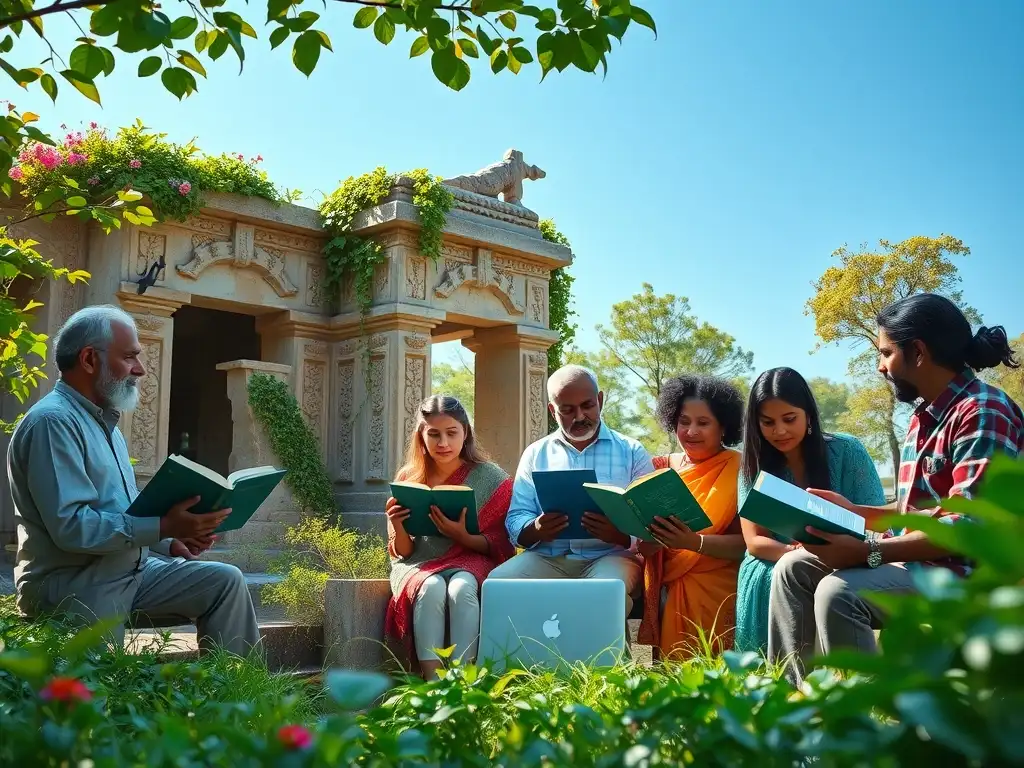
Welcome to Ancient India History, where we embark on a fascinating journey through the rich tapestry of ancient Indian civilizations, from the enigmatic Indus Valley to the illustrious Gupta Empire. In our featured article, we delve into the Vedas—timeless texts that continue to resonate in our modern world. Discover how these ancient scriptures hold profound insights that can guide us in addressing the complexities and challenges of the 21st century.
Prepare to unlock the secrets of a civilization that not only shaped its own era but also offers wisdom that remains strikingly relevant today. Join us as we explore the enduring legacy of the Vedas and their significance in our lives!

Introduction to the Vedas and Their Significance
The Vedas, revered as the oldest sacred texts of Hinduism, hold profound significance in the spiritual and philosophical landscape of ancient Indian civilization. Composed in Sanskrit over three millennia ago, these scriptures are not merely religious texts; they are comprehensive repositories of knowledge encompassing philosophy, ethics, cosmology, and rituals.
The relevance of the Vedas in modern society is increasingly recognized, as many of their teachings resonate with contemporary challenges, offering insights that can guide individuals and communities in navigating the complexities of the 21st century. This article delves into the enduring wisdom of the Vedas, exploring their implications for modern dilemmas and the relevance of their teachings in addressing societal issues today.
Overview of the Vedas: Origin and Composition
The Vedas consist of four primary texts: the Rigveda, Samaveda, Yajurveda, and Atharvaveda. Each Veda is composed of hymns, rituals, and philosophical discourses that reflect the socio-cultural milieu of ancient India.
- Rigveda: The oldest, containing hymns dedicated to various deities.
- Samaveda: Focused on melodies and chants for rituals.
- Yajurveda: A compilation of prose mantras for sacrificial rituals.
- Atharvaveda: Encompasses a broader spectrum of knowledge, including spells and everyday life practices.
These texts were traditionally transmitted orally before being written down, showcasing the rich oral tradition of ancient India. Their multifaceted nature not only addresses spiritual needs but also encompasses practical wisdom, making them relevant across various aspects of life.
Understanding the Role of Vedas in Ancient Indian Society
In ancient Indian society, the Vedas served as the cornerstone of cultural and spiritual life. They guided the rituals performed by priests, shaped societal norms, and influenced governance and law. The teachings of the Vedas were integral to various aspects of life, such as:
- Spiritual Guidance: Offering insights into the nature of existence and the pursuit of ultimate truth.
- Ethical Framework: Establishing moral principles that governed individual and communal behavior.
- Cultural Identity: Fostering a sense of unity and identity among diverse tribes and communities.
- Educational Foundation: Forming the basis of the ancient Indian educational system, encouraging inquiry and debate.
The Vedas thus provided a holistic framework that shaped the philosophical, cultural, and social dimensions of ancient Indian civilization.
The Vedas and Modern Society: A Framework for Addressing Challenges
As we confront the myriad challenges of the 21st century—ranging from environmental crises to social inequalities—the teachings of the Vedas offer timeless wisdom that can inform contemporary discourse and actions. Their relevance in modern society can be understood through several critical lenses.
Defining "Vedas Relevance in Modern Society"
The "Vedas relevance in modern society" pertains to how ancient teachings can inform current ethical dilemmas, social structures, and environmental sustainability efforts. This relevance is not merely historical; it emphasizes the application of Vedic principles in today’s context.
- Ethical Living: Promoting values such as truth (Satya), non-violence (Ahimsa), and duty (Dharma).
- Sustainability: Encouraging a harmonious relationship with nature, as emphasized in various Vedic texts.
- Community Well-being: Fostering social cohesion and mutual support, reflecting the communal values enshrined in the Vedas.
By extracting these principles, society can constructively address the pressing challenges it faces today.
Key Themes in the Vedas Relevant to Contemporary Issues
The Vedas address numerous themes that are increasingly pertinent in the modern world, including:
- Interconnectedness: The concept of "Vasudhaiva Kutumbakam," or the world as one family, underscores the importance of global unity in addressing international conflicts and crises.
- Harmony with Nature: Teachings that advocate for ecological balance resonate with current environmental movements striving for sustainability.
- Personal Development: Vedic philosophies on self-realization and inner peace can guide individuals in an increasingly chaotic world, promoting mental health and well-being.
These themes illustrate how the wisdom of the Vedas can be harnessed to create pathways toward a more balanced and equitable society.
Environmental Sustainability: Lessons from the Vedas
The Vedas, ancient scriptures of Hinduism, provide profound insights into environmental sustainability, emphasizing a harmonious relationship between humans and nature. This relationship is not merely philosophical but is woven into the very fabric of Vedic teachings, which advocate for respect and reverence towards nature. The relevance of the Vedas in modern society, particularly in addressing environmental challenges, is increasingly recognized as we face climate change, biodiversity loss, and environmental degradation.
Vedic Perspectives on Nature and Ecology
The Vedas encapsulate a worldview that sees nature as sacred and interconnected. This perspective is encapsulated in the concept of "Vasudhaiva Kutumbakam," meaning "the world is one family." Such teachings promote the idea that all living beings are part of a larger ecosystem and thus deserve care and protection.
Key Vedic texts highlight several principles relevant to ecology:
- Ahimsa (Non-violence): Encourages a lifestyle that avoids harm to all living creatures.
- Prakriti (Nature): Recognizes nature as a manifestation of the divine, nurturing a sense of responsibility toward ecological preservation.
- Rta (Cosmic Order): Emphasizes living in accordance with natural laws, fostering balance and sustainability.
These concepts provide guidance on how to treat the environment with respect and foster sustainable practices that align with ecological harmony.
Application of Vedic Principles to Modern Environmental Challenges
Modern environmental challenges, such as pollution, deforestation, and climate change, can find solutions in Vedic teachings. By applying principles derived from the Vedas, societies can cultivate sustainable practices. For instance:
- Sustainable Agriculture: The Vedic tradition promotes organic farming practices that respect natural cycles and biodiversity. Techniques such as crop rotation and companion planting, supported by Vedic wisdom, can enhance soil health and yield.
- Water Conservation: The Vedas stress the importance of water as a life source. Traditional water conservation methods, such as rainwater harvesting and the construction of step wells, can be revitalized to combat water scarcity.
- Community Involvement: The collective responsibility emphasized in the Vedas can inspire community-led environmental initiatives, fostering a sense of stewardship and cooperation in tackling ecological issues.
By integrating these Vedic principles into contemporary practices, societies can address pressing environmental challenges while nurturing a deeper respect for nature.
Ethics and Morality: Vedic Teachings for Today's Ethical Dilemmas

In an era marked by rapid technological advancements and complex ethical dilemmas, the Vedas offer timeless wisdom on ethics and morality. These teachings provide a framework for grappling with issues ranging from bioethics to environmental justice, reinforcing the need for integrity, justice, and compassion in decision-making.
Vedic Insights on Ethics and Morality
The ethical teachings of the Vedas are grounded in the concepts of Dharma (righteousness) and Karma (action and its consequences). They encourage individuals to act in accordance with their duties, considering the impact of their actions on others and the environment.
Key insights include:
- Dharma: Defines individual responsibilities based on one's role in society, guiding ethical behavior in personal and public life.
- Karma: Emphasizes accountability for one’s actions, promoting a sense of moral responsibility.
- Satyam (Truthfulness): Encourages honesty and transparency, essential in building trust within communities and organizations.
These principles form a solid ethical foundation that can guide individuals and societies through the complexities of modern life.
Implementing Vedic Ethics in Contemporary Decision-Making
Implementing Vedic ethics in contemporary decision-making involves integrating these ancient principles into various sectors, including business, governance, and personal conduct.
- Corporate Social Responsibility (CSR): Businesses can adopt Vedic ethics by prioritizing social and environmental responsibilities, balancing profit-making with the welfare of society, and making decisions that uphold ethical values.
- Policy-Making: Policymakers can draw upon Vedic principles to create laws that promote justice, equity, and sustainability, ensuring that the needs of future generations are considered.
- Personal Choices: Individuals can apply Vedic teachings by making conscious decisions that reflect ethical values, such as supporting local products, engaging in fair trade, and advocating for social justice.
By embracing Vedic ethics, modern society can navigate ethical dilemmas with a framework that balances individual interests with the collective good, fostering a more just and compassionate world.
Mental Health and Well-Being: Vedic Practices for Modern Stress
In today's fast-paced world, mental health issues have become increasingly prevalent, leading to a growing need for effective stress management techniques. The Vedas, ancient Indian scriptures, offer profound insights and practices that can be instrumental in addressing mental well-being. Through their teachings on mindfulness, meditation, and holistic health, the Vedas provide timeless wisdom that resonates with contemporary challenges.
Mindfulness and Meditation in the Vedas
The Vedic texts emphasize the importance of mindfulness and meditation as pathways to achieving mental clarity and emotional stability. Techniques such as Dhyana (meditative absorption) and Pranayama (breath control) are outlined in the Vedas, promoting a deep connection between mind and body.
- Dhyana: This practice encourages individuals to focus their thoughts and achieve a state of tranquility. It is aimed at reducing anxiety and fostering a sense of peace.
- Pranayama: Regulating breath helps in managing stress, enhancing concentration, and improving overall mental health. Vedic sages recognized the profound impact of breath on emotional well-being, laying the groundwork for modern therapeutic practices.
The integration of these techniques into daily routines can foster resilience against the stresses of modern life, helping individuals cultivate a more balanced and harmonious existence.
Incorporating Vedic Practices into Modern Mental Health Solutions
As mental health awareness grows, many practitioners are beginning to incorporate Vedic practices into contemporary therapeutic frameworks.
- Cognitive Behavioral Therapy (CBT): By integrating mindfulness techniques drawn from the Vedas, CBT can enhance its effectiveness, allowing individuals to develop greater self-awareness and emotional regulation.
- Yoga Therapy: The Vedic emphasis on physical and mental integration through yoga is increasingly recognized in modern therapeutic practices. Yoga not only promotes physical fitness but also aids in reducing symptoms of anxiety and depression.
- Community Programs: Initiatives that promote group meditation and mindfulness sessions can offer communal support, reflecting the Vedic understanding of interconnectedness and collective well-being.
The fusion of Vedic wisdom with modern psychology offers a holistic approach to mental health, equipping individuals with tools to navigate the complexities of contemporary life.
The Vedas also provide a rich framework for understanding social dynamics and fostering community harmony. By exploring the social structures and principles outlined in these ancient texts, modern society can learn valuable lessons on building cohesive relationships and communities.
Understanding Social Structures in Vedic Texts
The Vedic society was structured around a system that emphasized roles and responsibilities, known as Varna. These classifications—Brahmins (intellectuals), Kshatriyas (warriors), Vaishyas (producers), and Shudras (servants)—were designed to promote social order and mutual respect among different communities.
- Interdependence: Each Varna played a crucial role in the functioning of society, encouraging individuals to contribute to the common good. This interdependence is a vital lesson for modern society, where collaboration and cooperation are essential for addressing complex challenges.
- Respect for Diversity: The Vedic texts celebrate the diversity of roles and talents within society, fostering an environment of respect and acceptance. Recognizing and valuing diverse contributions can enhance community resilience in today’s multicultural landscape.
Promoting Social Cohesion through Vedic Principles
The principles of love, compassion, and service rooted in Vedic philosophy can serve as powerful tools for enhancing social cohesion.
- Community Service (Seva): Engaging in selfless service not only benefits the community but also fosters a sense of belonging and purpose among individuals. Programs that encourage volunteerism can create stronger ties within communities.
- Conflict Resolution: Vedic teachings advocate for peaceful dialogue and understanding in resolving conflicts. By applying these principles, communities can navigate disagreements constructively, promoting harmony and unity.
- Rituals and Celebrations: Shared rituals and cultural celebrations derived from Vedic traditions can strengthen communal bonds. These practices foster a sense of identity and belonging, which are crucial in nurturing social harmony.
By embracing the Vedic approach to social relationships, modern society can cultivate environments characterized by mutual respect, understanding, and cooperation, ultimately enhancing the quality of life for all individuals.
Education and Knowledge: Vedas as a Source of Wisdom

The Vedas, the oldest sacred texts of Hinduism, are not merely religious scriptures but repositories of profound knowledge encompassing various fields such as philosophy, science, and ethics. Their teachings extend beyond the spiritual realm, offering insights into education and knowledge that remain applicable even in the 21st century. The Vedic texts advocate for a holistic approach to learning, emphasizing the development of intellect, character, and moral values. This comprehensive educational philosophy encourages not only academic excellence but also the cultivation of a well-rounded, ethical individual, making it highly relevant in today's rapidly changing world.
The Vedic Education System and Its Relevance Today
The Vedic education system, known as "Gurukul," was characterized by a direct, experiential learning process where students lived with their teachers, absorbing knowledge through dialogue, observation, and practice. This model fostered a deep teacher-student bond and a conducive learning environment. In today's context, where rote learning often overshadows critical thinking, the Gurukul system's emphasis on mentorship and personalized education can provide valuable lessons.
Moreover, the focus on subjects such as mathematics, astronomy, and arts in the Vedic curriculum underscores the importance of an interdisciplinary approach. As modern education systems grapple with the need for innovation and adaptability, integrating Vedic principles can inspire new pedagogical methods that prioritize creativity, collaboration, and ethical reasoning.
Integrating Vedic Wisdom into Modern Educational Frameworks
To address contemporary educational challenges, integrating Vedic wisdom into modern frameworks presents a promising solution. This integration can occur through:
- Curriculum Development: Incorporating Vedic texts and philosophies into the curriculum to foster critical thinking, ethics, and a sense of responsibility.
- Teacher Training: Training educators in Vedic principles to enhance their teaching methodologies and promote values-based education.
- Holistic Education Models: Creating educational spaces that emphasize emotional and spiritual development alongside academic achievement, akin to the Vedic approach.
By leveraging the timeless wisdom of the Vedas, educational institutions can cultivate a generation that is not only knowledgeable but also socially conscious and ethically grounded.
Case Studies: Successful Applications of Vedic Principles in the 21st Century
The principles derived from the Vedas have found practical applications in various sectors, demonstrating their relevance in addressing modern challenges. Below are notable case studies that exemplify the successful integration of Vedic teachings into contemporary practices.
Examining the Impact of Vedic Principles on Environmental Conservation Initiatives
The Vedas highlight the interconnectedness of all living beings and the environment, advocating for sustainability and respect for nature. Initiatives inspired by Vedic principles have emerged globally, focusing on environmental conservation. For instance, several NGOs in India have adopted Vedic teachings to promote sustainable agricultural practices. These practices include organic farming, which minimizes chemical usage and enhances soil health, resonating with the Vedic concept of "Ahimsa" (non-violence).
In addition, programs aimed at reforestation and biodiversity conservation are infused with Vedic philosophies, educating communities about their responsibilities toward nature. These initiatives not only help preserve ecosystems but also foster a deeper cultural respect for the environment, showcasing how ancient wisdom can inform modern conservation efforts.
Analyzing the Role of Vedic Ethics in Business Practices
The principles of ethics and integrity found in the Vedas are increasingly being embraced in the corporate world. Companies that adopt Vedic ethics focus on values such as honesty, transparency, and social responsibility, which are essential for sustainable business practices. For example, several Indian startups have integrated Vedic teachings into their corporate governance frameworks, prioritizing stakeholder welfare over mere profit maximization.
These businesses often engage in practices such as ethical sourcing, fair labor policies, and community involvement, reflecting the Vedic belief in "Sarve Sukhino Bhavantu," which translates to "may all beings be happy." By implementing these principles, companies not only enhance their reputation but also contribute positively to society, illustrating the enduring relevance of Vedic ethics in shaping a responsible and sustainable business landscape in the 21st century.
Conclusion: Embracing Vedic Wisdom for Future Challenges
The Vedas, as ancient texts, offer a wealth of knowledge that remains remarkably relevant today. Their teachings encompass not only spiritual insights but also practical guidance on ethics, governance, and interpersonal relationships. In a world grappling with rapid changes, environmental crises, and social strife, the Vedic wisdom provides a time-tested framework for addressing these challenges. By embracing the principles and philosophies found within these scriptures, individuals and societies can foster a more harmonious and sustainable future.
The relevance of the Vedas in modern society is seen in their emphasis on holistic living, respect for nature, and the pursuit of knowledge. This ancient wisdom encourages a balanced approach to life, promoting both personal well-being and communal harmony. As we navigate the complexities of the 21st century, integrating Vedic insights can empower us to create solutions that are not only effective but also ethically grounded.
Summary of Key Points on Vedas Relevance in Modern Society
- Ethical Foundations: The Vedas underscore the importance of dharma (righteousness) in personal and societal conduct, which can guide ethical decision-making in contemporary issues such as politics and business.
- Environmental Awareness: Teachings from the Vedas promote a reverence for nature, advocating for sustainable practices that are crucial in addressing climate change and environmental degradation.
- Holistic Health: The emphasis on physical, mental, and spiritual health in Vedic texts aligns with modern wellness trends, encouraging a comprehensive approach to health that can improve quality of life.
- Interpersonal Relationships: Vedic principles, such as ahimsa (non-violence) and satya (truthfulness), can enhance communication and relationships in an increasingly polarized world.
- Spiritual Growth: The pursuit of knowledge and spiritual enlightenment in the Vedas can inspire individuals to seek deeper meaning and purpose in life, fostering resilience amidst challenges.
Call to Action: Integrating Vedic Insights into Contemporary Life
To harness the profound wisdom of the Vedas in our daily lives, individuals and communities can take several actionable steps:
- Educational Initiatives: Encouraging the study of Vedic texts in educational curricula can cultivate awareness and appreciation for ancient wisdom among younger generations.
- Mindfulness Practices: Incorporating Vedic meditation and yoga into daily routines can promote mental clarity and emotional stability, essential for navigating modern stressors.
- Sustainable Living: Adopting Vedic principles of environmental stewardship can inspire sustainable practices, such as organic farming and conservation efforts within local communities.
- Community Engagement: Organizing workshops and discussions centered on Vedic teachings can foster dialogue on ethics, sustainability, and wellness, creating spaces for shared learning and growth.
- Personal Reflection: Individuals should take time for self-reflection and apply Vedic teachings to personal challenges, enhancing their decision-making and interactions with others.
By consciously integrating these insights, we can ensure that the timeless wisdom of the Vedas not only survives but thrives in the face of modern challenges, guiding us towards a more just, peaceful, and sustainable future.
- Introduction to the Vedas and Their Significance
- The Vedas and Modern Society: A Framework for Addressing Challenges
- Environmental Sustainability: Lessons from the Vedas
- Ethics and Morality: Vedic Teachings for Today's Ethical Dilemmas
- Mental Health and Well-Being: Vedic Practices for Modern Stress
- Social Harmony: The Vedic Approach to Community and Relationships
- Education and Knowledge: Vedas as a Source of Wisdom
- Case Studies: Successful Applications of Vedic Principles in the 21st Century
- Conclusion: Embracing Vedic Wisdom for Future Challenges
Frequently Asked Questions
What are the Vedas?
The Vedas are the oldest sacred texts of Hinduism, consisting of four main collections: Rigveda, Samaveda, Yajurveda, and Atharvaveda. They are foundational to Indian philosophy and spiritual thought.
How do the Vedas address modern challenges?
The Vedas offer timeless wisdom on ethical living, sustainability, and mental well-being, providing insights that can help tackle the complexities of 21st-century life.
Can the teachings of the Vedas be applied today?
Absolutely! The teachings of the Vedas emphasize values like compassion, harmony, and self-discipline, which are essential in today's fast-paced, often chaotic world.
What is the significance of Vedic philosophy in contemporary society?
Vedic philosophy promotes holistic development and environmental consciousness, making it relevant for addressing issues like climate change and social inequality in modern society.
Are there any modern interpretations of the Vedas?
Yes, many scholars and practitioners interpret the Vedas to align with current societal norms, focusing on their principles to inspire leadership, community building, and spiritual growth today.
Final Reflection: The Timeless Wisdom of the Vedas in Modern Society
The teachings of the Vedas resonate profoundly with the challenges we face in the 21st century, reminding us that ancient wisdom can illuminate our path forward. In a world increasingly fraught with complexity and uncertainty, the principles embedded within these sacred texts offer not just guidance but a framework for holistic living. The relevance of the Vedas in modern society is not merely a nostalgic echo of the past; it is a clarion call to embrace values that foster harmony, sustainability, and inner peace.
Culturally and socially, the Vedas continue to shape our understanding of ethics, community, and the interconnectedness of all life. Their teachings encourage us to reflect on our actions and their impact on the world around us. As we navigate the intricacies of contemporary life, we can draw inspiration from the Vedic perspective that emphasizes balance and respect for nature. The greatest gift is the gift of knowledge,
a sentiment that underscores the importance of learning from our history to forge a better future.
As we conclude this exploration of the Vedas' relevance today, I invite you to reflect on how these ancient teachings can inform your own life. Consider how you might integrate the wisdom of the Vedas into your daily practices, fostering a deeper connection with yourself and the world. Let us strive to embody the values of compassion, mindfulness, and unity that the Vedas advocate, transforming not only our lives but also the society we inhabit. Together, we can create a future that honors the past while embracing the potential of the present.
Unlock Ancient Wisdom to Tackle Modern Issues!
Thank you for immersing yourself in the rich knowledge of the Vedas and their significance in today’s world. By exploring the timeless teachings of these ancient texts, you’ve opened the door to addressing contemporary challenges with wisdom and insight. Now, let's take the next step towards applying this knowledge in your life!
- Embrace the teachings: Start a daily practice by incorporating a verse from the Vedas into your morning routine. Reflect on its relevance to the challenges you face today.
- Engage with your community: Organize a discussion group or book club focused on the Vedas to encourage shared insights and solutions to modern issues.
- Share your journey: Write a blog post or social media entry about how Vedic principles have influenced your perspective. You never know who it might inspire!
What challenges in your life could benefit from the ancient wisdom of the Vedas? **We invite you to share your thoughts and experiences in the comments below! **