
Jainism's Approach to Rebirth: Understanding the Cycle of Life and Death

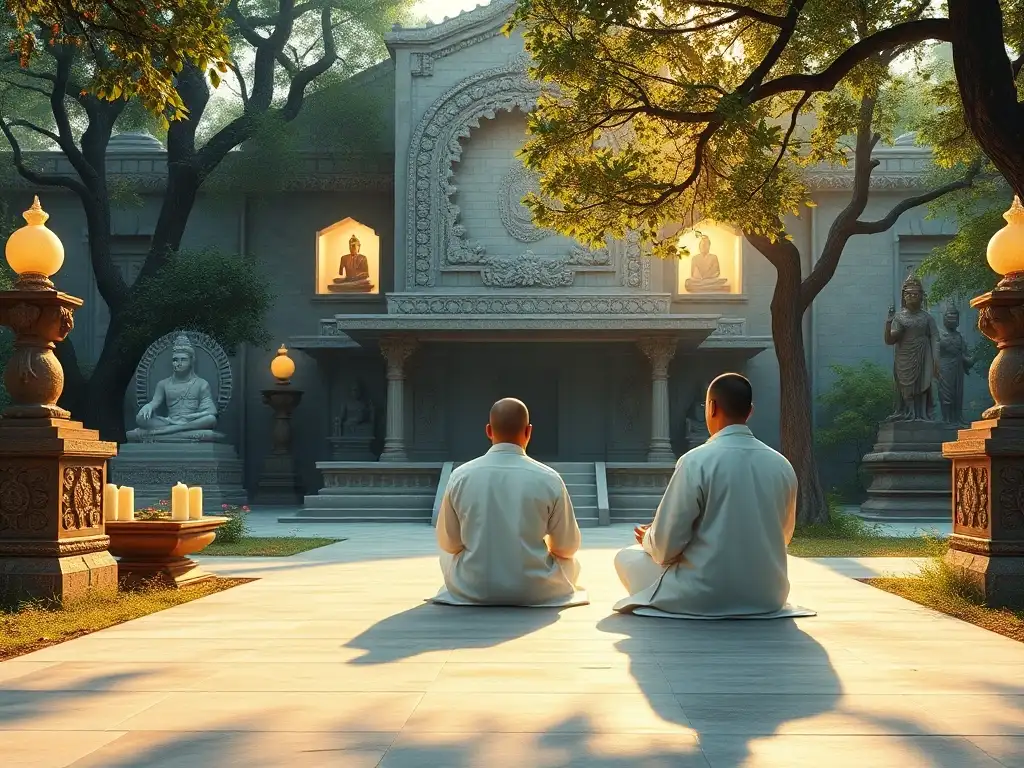
Welcome to Ancient India History, where we embark on a fascinating journey through the vibrant tapestry of ancient Indian civilizations. Today, we delve into Jainism's beliefs on rebirth, a profound subject that unravels the intricate cycle of life and death. Ever wondered how the principles of Jainism shape our understanding of existence? Join us as we explore the spiritual insights and historical significance of this ancient religion, shedding light on its enduring impact on society. Prepare to be captivated and enlightened—your exploration of ancient wisdom begins here!
Jainism, one of the ancient Indian religions, presents a unique perspective on the concepts of life, death, and the cycle of rebirth, known as samsara. Rooted in the foundational beliefs of karma and the inherent value of all living beings, Jainism emphasizes the importance of personal conduct and spiritual development in achieving liberation (moksha) from this cycle.
Unlike some philosophical paradigms that view rebirth merely as a continuation of existence, Jainism intricately weaves the principles of ethical living, non-violence (ahimsa), and self-discipline into its understanding of rebirth. This article will explore the core Jain beliefs about rebirth, shedding light on how these ideas are not only a reflection of ancient Indian thought but also a guiding philosophy for millions around the world today.
The Concept of Rebirth in Jainism
In Jainism, the concept of rebirth is closely linked to the idea of karma. Every action, whether good or bad, generates karma that influences the soul's journey through various life forms. This cyclical process is essential to understanding Jain beliefs on rebirth. The accumulation of karma determines the nature of one's future existences, emphasizing the need for ethical conduct.
- Karma Types:
- Good Karma (Punya): Leads to favorable rebirths, often in higher forms of life.
- Bad Karma (Papa): Results in unfavorable rebirths, including lower forms of existence.
Jains believe that the ultimate goal is to free the soul from the cycle of samsara and attain moksha, where the soul becomes liberated and exists in a state of eternal bliss.
The Role of Ahimsa in Rebirth
Ahimsa, or non-violence, is a foundational principle in Jainism that significantly impacts beliefs about rebirth. Jains strive to live in a way that minimizes harm to all living beings, from the smallest insects to larger animals, highlighting the interconnectedness of life. This commitment to non-violence is not merely ethical but also practical, as it influences one's karma and, consequently, future rebirths.
- Practices of Ahimsa:
- Avoiding harm in thought, word, and deed.
- Engaging in meditation and self-reflection to purify the mind.
- Promoting compassion and respect for all forms of life.
Through these practices, Jains believe they can reduce negative karma, enhancing their chances for favorable rebirths and ultimately achieving liberation.
The Spiritual Practices Leading to Liberation
To navigate the complexities of rebirth and karma, Jainism advocates for a disciplined lifestyle that includes spiritual practices aimed at purifying the soul. These practices are essential for those seeking to break free from the cycle of rebirth.
- Key Practices:
- Meditation: A tool to attain self-awareness and inner peace.
- Fasting and Asceticism: Methods to detach from material desires and reduce karma.
- Study of Scriptures: Understanding the teachings of Tirthankaras to guide ethical living.
By engaging in these practices, Jains focus on self-improvement and spiritual advancement, paving the way towards moksha.
Conclusion
Jainism's beliefs on rebirth provide a comprehensive framework for understanding life and death through the lens of karma and ethical living. By emphasizing the importance of non-violence and spiritual discipline, Jainism offers profound insights into the cyclical nature of existence and the paths available to achieve liberation. As we explore these concepts further, it becomes clear that Jainism's approach not only reflects ancient Indian philosophies but also continues to resonate with contemporary spiritual seekers.
- The Concept of Rebirth in Jainism
- The Role of Ahimsa in Rebirth
- The Spiritual Practices Leading to Liberation
- Conclusion
- What are the core beliefs of Jainism regarding rebirth?
- How does karma influence the process of rebirth in Jainism?
- What is the ultimate goal of Jainism concerning the cycle of rebirth?
- How do Jains practice their beliefs about rebirth in daily life?
- What role do rituals play in the understanding of rebirth in Jainism?
Introduction to Jainism Beliefs on Rebirth
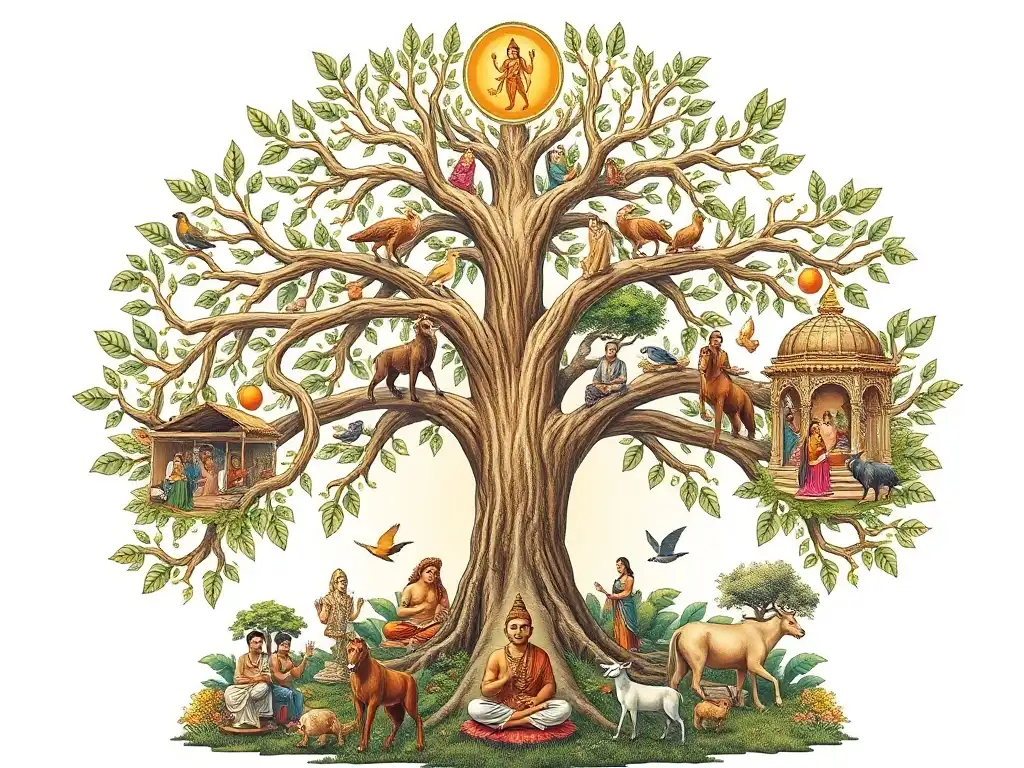
Jainism presents a unique and profound understanding of the concepts of life, death, and rebirth. Central to this ancient faith is the belief that the soul is eternal and undergoes a continuous cycle of birth, death, and rebirth, known as samsara. This cycle is influenced by an individual's actions, or karma, which play a crucial role in determining the soul's future incarnations. In this section, we will explore the core principles of Jainism and delve into the significance of rebirth within Jain philosophy.
Overview of Jainism and Its Core Principles
Jainism, one of the oldest religions originating from India, emphasizes non-violence ( ahimsa), truth ( satya), and asceticism as its foundational principles. Established around the 6th century BCE, Jainism is known for its rigorous ethical standards and spiritual practices aimed at achieving liberation ( moksha) from the cycle of rebirth.
The core principles of Jainism can be summarized as follows:
- Ahimsa (Non-violence): The fundamental tenet of Jainism, advocating for the minimization of harm to all living beings. This principle extends to thought, word, and deed, encouraging followers to practice compassion.
- Aparigraha (Non-possessiveness): Jains believe that attachment to material possessions leads to bondage in the cycle of rebirth. By practicing non-attachment, individuals can progress toward spiritual enlightenment.
- Satya (Truthfulness): Emphasizing honesty, Jains strive to speak the truth while avoiding harm to others, recognizing the interconnectedness of all life.
- Brahmacharya (Celibacy or Chastity): For ascetics, maintaining celibacy is crucial in focusing on spiritual development and minimizing distractions from the path to liberation.
- Asteya (Non-stealing): This principle promotes respect for others' property and the understanding that taking what is not freely given creates negative karma.
Through the practice of these principles, Jains seek to purify their souls, ultimately aiming for moksha, where the soul is freed from the cycles of samsara.
The Significance of Rebirth in Jain Philosophy
In Jain philosophy, rebirth is not merely a consequence of living but a profound opportunity for spiritual evolution. The belief in rebirth highlights several key aspects:
- Karma and Its Impact: In Jainism, karma is seen as a fundamental force that influences the cycle of rebirth. Every action generates karma, which can be either positive or negative, affecting the soul's future states. The accumulation of good karma leads to more favorable rebirths, while bad karma results in less desirable circumstances.
- Spiritual Evolution: Each reincarnation is viewed as a chance for the soul to learn, grow, and progress towards its ultimate goal of liberation. Jains believe that through righteous living and adherence to their ethical principles, individuals can decrease their karmic load and enhance their spiritual journey.
- The Role of Liberation: Liberation ( moksha) is the ultimate goal for Jains, marking the end of the cycle of rebirth. Upon achieving moksha, the soul is freed from all karmic attachments and exists in a state of bliss and eternal knowledge. This reinforces the importance of living a life aligned with Jain principles to attain spiritual freedom.
- Interconnectedness of Life: Jainism teaches that all souls are interconnected, and the consequences of one’s actions can affect others. Therefore, the ethical conduct of individuals not only influences their own rebirth but also contributes to the collective spiritual advancement of the community.
- Respect for Life: The belief in rebirth fosters a deep respect for all forms of life. Jains practice ahimsa not only to avoid negative karma but also out of reverence for the interconnectedness of existence, understanding that all beings are on their own journey toward liberation.
Jainism's beliefs on rebirth encapsulate a rich philosophical framework that emphasizes ethical living, spiritual growth, and the pursuit of liberation from the cycle of life and death. By understanding these beliefs, one gains insight into the profound depth of Jain thought and its enduring impact on the spiritual landscape of ancient India.
The Concept of Rebirth in Jainism
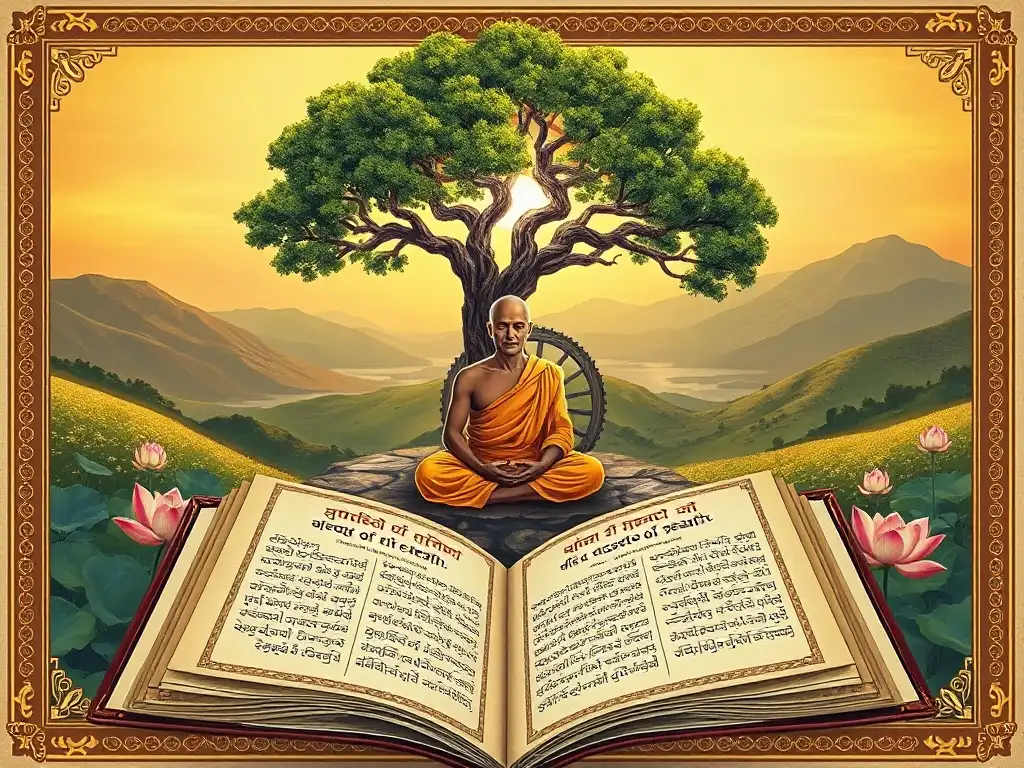
Jainism, one of the ancient religions of India, presents a distinct perspective on the concept of rebirth that is deeply intertwined with its ethical teachings and philosophical underpinnings. Central to Jain beliefs is the idea that the soul (jiva) undergoes a continuous cycle of birth, death, and rebirth, known as samsara. This cycle is influenced by one's actions (karma) in previous lives, which ultimately determine the circumstances of future existences. Understanding Jainism's beliefs on rebirth is crucial to grasping the religion's broader ethical and spiritual framework.
Definition of Rebirth in Jain Beliefs
In Jain philosophy, rebirth is not merely a cyclical return to life but a complex interplay of the soul's journey through various forms of existence. Each soul is considered eternal, undergoing a series of reincarnations based on its karmic accumulation. The Jains define rebirth as the process by which a soul transitions from one life form to another, influenced primarily by the moral quality of its past actions.
- Karma and its Role:
- Jainism posits that every action, whether mental, verbal, or physical, generates karma. This karma is a form of subtle matter that binds to the soul, influencing its future rebirth.
- There are two types of karma:ghati (destructive), which affects the soul's spiritual development, and aghati (non-destructive), which impacts physical existence.
- The Journey of the Soul:
- Souls can be reborn in various forms, including humans, animals, plants, and even in hellish states, depending on the nature of the accumulated karma.
- The ultimate goal in Jainism is to achieve liberation (moksha), freeing the soul from the cycle of rebirth and allowing it to exist in a state of eternal bliss.
- Moral Implications:
- Jains believe that ethical living, non-violence (ahimsa), and truthfulness are essential to purifying the soul and reducing karmic bondage.
- The belief in rebirth encourages followers to act virtuously in their current lives, fostering a sense of responsibility towards all living beings.
The Cycle of Life and Death: Samsara Explained
Samsara, the cycle of life and death, is a fundamental concept in Jainism that encapsulates the journey of the soul through different life forms. This cycle is not a linear progression but a complex, cyclical phenomenon comprising several stages, influenced by karma and spiritual practices.
- Stages of Samsara:
- Birth: The soul enters a new body based on its past actions. The form taken can range from celestial beings to the lowest of creatures.
- Life: During its existence, the soul accumulates further karma through its actions, which will influence future rebirths.
- Death: Upon death, the soul sheds its physical body but continues its journey based on the karmic load it carries.
- Influence of Karma:
- The nature of one’s rebirth is determined by the balance of good and bad karma. A soul with predominantly good karma might be reborn into a prosperous life, while one with negative karma may experience suffering.
- The concept of punya (merit) and papa (demerit) is crucial in determining the fate of the soul in its next incarnations.
- Escape from Samsara:
- Jain teachings emphasize that through rigorous spiritual discipline, including meditation, ethical living, and following the teachings of the Tirthankaras, one can purify the soul.
- Reaching a state where the soul is free from the binding effects of karma leads to moksha, breaking the cycle of samsara and achieving ultimate liberation.
Jainism's beliefs on rebirth provide a comprehensive framework for understanding the interplay between actions, karma, and the spiritual journey of the soul. This perspective not only shapes individual behavior but also fosters a profound respect for life and the interconnectedness of all beings.
The Role of Karma in Jainism's Rebirth Beliefs
Understanding Karma: Actions and Their Consequences
In Jainism, Karma is a fundamental concept that dictates the moral and spiritual framework of an individual’s life. It is viewed as a form of subtle matter that binds to the soul as a result of one's actions, thoughts, and intentions. The essence of Karma is encapsulated in the principle that every action—whether good or bad—has consequences that directly affect a person's future rebirths.
Karma is categorized into two main types:
- Punya (Meritorious Karma): This type arises from virtuous actions and leads to positive outcomes in future lives.
- Papa (Sinful Karma): This results from wrongful actions, generating negative consequences in one's subsequent existences.
The Jain texts elaborate on how one's thoughts and intentions play a significant role in the accumulation of Karma. For instance, even a thought of malice can create a binding effect that impacts the soul's journey. Therefore, self-purification and ethical living are paramount in Jain philosophy, emphasizing the need to cultivate a mindset of compassion and non-violence (ahimsa) towards all living beings.
Additionally, Jainism posits that the Karma accumulated in past lives can influence not only the quality of future rebirths but also the circumstances of one's current life. Thus, understanding Karma is essential for any follower of Jainism who seeks to break free from the cycle of rebirth and achieve Moksha (liberation).
How Karma Influences Rebirth in Jain Philosophy
The intricate relationship between Karma and rebirth in Jain philosophy is a profound aspect of its belief system. According to Jain teachings, the soul undergoes a continuous cycle of birth and rebirth, known as Samsara, which is influenced heavily by the accumulated Karma.
- Karmic Accumulation: Each action taken in this life contributes to the soul's Karmic ledger. For instance:
- Good deeds lead to favorable rebirths, potentially in higher realms of existence.
- Bad deeds bind the soul to lower forms of life, including that of animals or even plants.
- Types of Rebirth: Jainism recognizes several forms of rebirth influenced by the type of Karma accumulated, which can lead to:
- Human Rebirth: Considered the most favorable as it provides the soul a chance to attain enlightenment.
- Animal or Plant Rebirth: Resulting from a significant accumulation of Papa Karma, these forms are seen as less desirable and hinder spiritual progress.
- Breaking the Cycle: The ultimate goal for a Jain is to purify the soul by shedding all Karmic bonds through:
- Right Faith (Samyak Darshana)
- Right Knowledge (Samyak Jnana)
- Right Conduct (Samyak Charitra)
By adhering to these principles, Jains believe they can eradicate Karmic influences and transcend the cycle of rebirth. In this way, the teachings of Jainism on rebirth and Karma emphasize personal responsibility and ethical living, guiding followers on their spiritual journey toward liberation.
The belief in Karma is central to Jainism's understanding of rebirth, framing it as a dynamic interplay between actions, their consequences, and the potential for spiritual evolution. Recognizing this relationship is crucial for followers as they navigate the complexities of life and strive for ultimate liberation.
The Importance of Liberation (Moksha) in Jainism
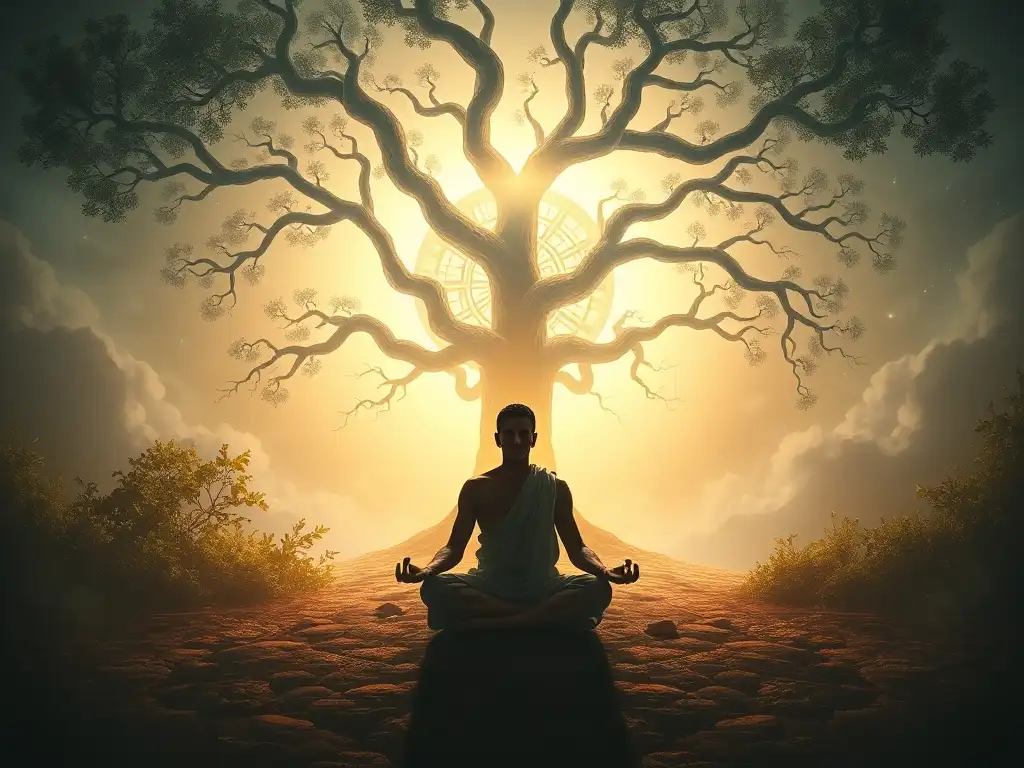
Moksha, or liberation, is a central tenet in Jainism and represents the ultimate goal of existence. It is the state of eternal bliss and freedom from the cycle of birth, death, and rebirth (samsara). In Jain beliefs, achieving moksha signifies the end of all karmic bonds and the soul's ascendance to a state of pure consciousness, unhindered by material attachments or desires.
Definition and Significance of Moksha
Moksha in Jainism is defined as the liberation of the soul from the cycle of samsara, which is characterized by the continuous cycle of birth, death, and rebirth. This liberation is not merely an escape from worldly existence but a profound transformation of the soul to its original, pure state. The significance of moksha in Jain philosophy can be understood through the following key aspects:
- Ultimate Objective: For Jains, the pursuit of moksha is the primary objective of life. All actions, thoughts, and spiritual practices are directed towards achieving this state of liberation.
- Nature of the Soul: Jains believe that every living being possesses an eternal soul (jiva) that is inherently pure. However, the soul becomes entangled in the material world due to karma. Moksha signifies the release of the soul from these karmic influences.
- End of Suffering: The cycle of samsara is associated with suffering and limitations. Achieving moksha means an end to this suffering, resulting in a state of eternal peace and happiness.
- Unity with the Divine: Moksha is often described as a state of union with the ultimate reality or the divine. In this state, the soul experiences oneness with all existence, transcending individuality.
The Path to Achieving Moksha: Jain Practices and Principles
The journey to moksha in Jainism is guided by a set of principles and practices that emphasize ethical living, spiritual development, and self-discipline. The primary path includes:
- Right Faith (Samyag Darshana):
- Cultivating a correct understanding and belief in the nature of the soul, karma, and the principles of Jainism.
- Developing faith in the Tirthankaras, the enlightened beings who have achieved moksha.
- Right Knowledge (Samyag Jnana):
- Acquiring knowledge about the teachings of Jainism, the nature of reality, and the workings of karma.
- Engaging in study and contemplation of sacred texts, such as the Agamas.
- Right Conduct (Samyag Charitra):
- Adhering to ethical principles, which include:
- Ahimsa (Non-violence): The utmost respect for all living beings, minimizing harm in thought, word, and deed.
- Satya (Truthfulness): Commitment to truth in all aspects of life.
- Asteya (Non-stealing): Respecting others' property and refraining from taking what is not given.
- Brahmacharya (Celibacy): Maintaining self-control and purity in thoughts and actions.
- Aparigraha (Non-possessiveness): Reducing attachment to material possessions and desires.
- Adhering to ethical principles, which include:
- Meditation and Self-Discipline:
- Regular practices of meditation and reflection to cultivate inner peace and clarity.
- Engaging in ascetic practices, such as fasting and renunciation, to purify the soul from karmic impurities.
- Community and Sangha:
- Involvement in the Jain community (sangha) provides support and guidance on the path to moksha.
- Participation in communal rituals and practices reinforces commitment to Jain values.
Through these practices, Jains aim to purify their souls and ultimately achieve moksha, reflecting the profound belief in the cyclical nature of life and the importance of spiritual liberation in Jainism.
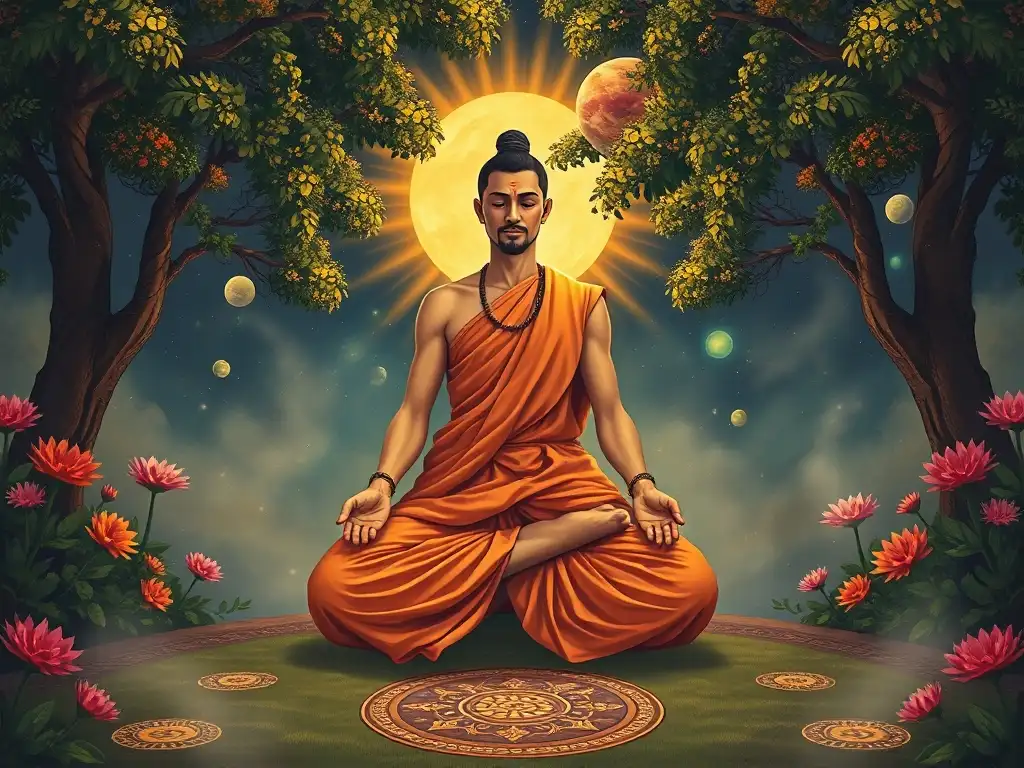
The Role of Ahimsa (Non-Violence) in Rebirth
In Jainism, the principle of Ahimsa, or non-violence, plays a fundamental role in shaping beliefs about rebirth. It is not merely a guideline for ethical conduct but a core tenet that significantly influences the cycle of life and death. Jains believe that every living being possesses a soul (jiva) that undergoes a cycle of birth, death, and rebirth (samsara) based on its karmic accumulation.
Key Aspects of Ahimsa in Relation to Rebirth:
- Karma and its Consequences: In Jain philosophy, every action has consequences on the soul's journey through samsara. Acts of violence, even against the smallest creatures, generate negative karma, which can lead to unfavorable rebirths. Jains strive to minimize harm to all living beings to purify their souls and progress toward liberation (moksha).
- Vegetarianism as a Practice: One of the most visible manifestations of Ahimsa in Jainism is the strict adherence to a vegetarian diet. This practice is rooted in the belief that consuming meat involves violence against animals. Jains believe that by abstaining from animal products, they contribute to non-violence, thereby reducing karmic bondage and facilitating a more favorable rebirth.
- Daily Rituals and Lifestyle: Jains incorporate Ahimsa into their daily lives through various rituals and lifestyles. Practices such as sweeping the ground before walking, wearing masks to avoid inhaling small insects, and using filtered water to prevent harming even the tiniest organisms are common. These actions reflect a deep commitment to non-violence and its significance in the context of rebirth.
The Practice of Penance and Its Impact on Rebirth
Penance, or tapa, is another essential practice in Jainism that directly influences beliefs about rebirth. Jains view penance as a means to purify the soul, reduce karmic attachments, and ultimately achieve liberation from the cycle of rebirth.
Types of Penance and Their Significance:
- Austerities: Jains engage in various forms of austerities, which may include fasting, meditation, and renunciation of worldly pleasures. These practices are believed to help in shedding accumulated karma, thus improving the chances of a favorable rebirth.
- Voluntary Suffering: Some Jains undertake voluntary suffering, such as enduring physical hardships or limiting personal comfort. This self-discipline is seen as a way to atone for past actions and to cultivate spiritual strength, which can lead to a higher state of existence in future lives.
- Meditation and Contemplation: Meditation is a crucial aspect of Jain penance. Through deep meditation, individuals aim to gain insights into the nature of existence and the self, fostering a greater understanding of the impermanence of life. This awareness encourages ethical living and reduces the likelihood of negative karmic actions.
- Community and Rituals: Participation in community rituals and collective penance also plays a vital role. Jains often come together for fasting or prayer, reinforcing their commitment to ethical living and spiritual growth. This communal aspect strengthens individual resolve and enhances the effectiveness of their penance.
Both Ahimsa and the practice of penance are integral to Jain beliefs on rebirth. By adhering to non-violence and engaging in self-discipline, Jains aim to cleanse their souls, ensuring a more favorable cycle through life and, ultimately, liberation from samsara.
Jain Texts and Scriptures on Rebirth
Jainism, one of the ancient Indian religions, provides a profound understanding of the concepts of rebirth and karma through its sacred texts. The teachings of Jainism emphasize the importance of individual responsibility and the moral implications of one's actions, which are pivotal in determining the cycle of rebirth.
Key Jain Texts Discussing Rebirth and Karma
Several key texts within Jain literature explicitly discuss the notions of rebirth and karma, providing insights into Jain beliefs on rebirth. Among these texts, the following stand out:
- Tattvartha Sutra:
- This is one of the most significant Jain scriptures authored by Umāsvāti (Umaswati). It serves as a comprehensive guide to Jain philosophy, ethics, and cosmology. The Tattvartha Sutra elaborates on the concept of karma and its impact on the soul's journey through rebirth.
- It states that the soul is bound by karmic particles due to its actions, and liberation (moksha) can only be achieved by purifying the soul through right knowledge, right faith, and right conduct.
- Samayasara:
- Written by Acharya Kundakunda, this text delves deeper into the nature of the soul and karma. It reinforces the idea that the soul is subject to a cycle of birth and rebirth influenced by accumulated karma.
- The Samayasara emphasizes self-realization and the importance of ethical living to break free from the cycle of rebirth.
- Pravachanasara:
- Authored by the revered Jain philosopher Acharya Hemachandra, this text discusses the metaphysical aspects of the soul and its journey through various life forms.
- It highlights the significance of ethical behavior and detachment from worldly desires to mitigate the effects of karma.
- Agamas:
- The Agamas are a collection of canonical texts that form the foundation of Jain teachings. They encompass practical guidelines for living a life aligned with Jain principles, including discussions on how karma influences rebirth.
- These texts narrate stories and parables that illustrate the profound consequences of actions leading to rebirth in different forms.
Interpretations of Rebirth in Jain Literature
Jain literature presents a multi-faceted interpretation of rebirth, emphasizing ethical conduct, spiritual growth, and the liberation of the soul. Here are some key interpretations found within Jain texts:
- Karma and Rebirth:
- Central to Jain beliefs on rebirth is the principle that every action (thought, word, or deed) generates karma, which directly affects one's future births. The accumulation of good karma can lead to higher forms of existence, while bad karma results in lower, more challenging life forms.
- Cycle of Saṃsāra:
- The cycle of rebirth, known as saṃsāra, is depicted as a continuous loop of birth, death, and rebirth. Jain texts assert that the soul traverses through various life forms, including humans, animals, and even plants, depending on the karmic load it carries. This emphasizes the interconnectedness of all living beings.
- Liberation (Moksha):
- Jain literature elucidates that the ultimate goal of the soul is to attain liberation (moksha) from the cycle of rebirth. This is achieved by purging the soul of karmic particles through disciplined living, meditation, and adherence to Jain principles.
- Achieving moksha results in the soul reaching a state of eternal bliss and freedom from all material attachments.
- Role of Asceticism:
- Many texts highlight the significance of ascetic practices in transcending the cycle of rebirth. Ascetics are viewed as individuals who have renounced worldly pleasures and are on the path to spiritual enlightenment, making them exemplary figures in the pursuit of liberation.
Jain texts provide a rich tapestry of beliefs and teachings surrounding rebirth, emphasizing personal accountability and the transformative power of ethical living. Through these scriptures, practitioners and scholars alike can gain profound insights into the intricate relationship between karma and the cycle of life and death in Jainism.
Comparisons with Other Indian Religions
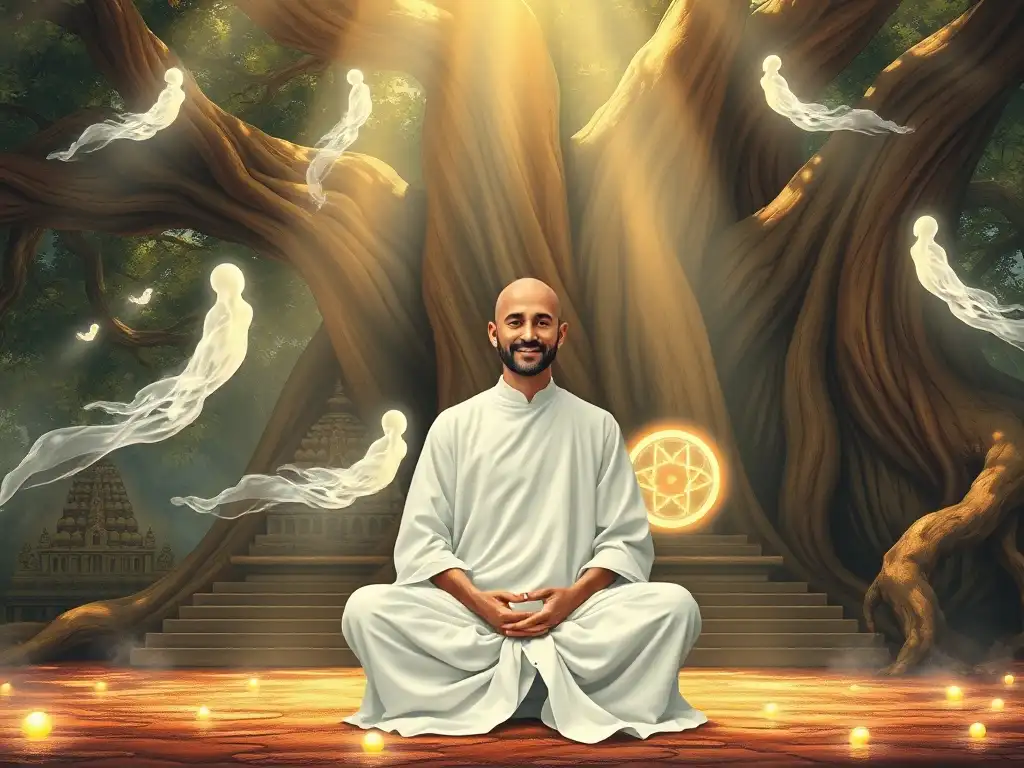
Understanding Jainism's beliefs on rebirth necessitates examining how they compare with other major Indian religions, particularly Hinduism and Buddhism. This comparison sheds light on the unique aspects of Jain thought and practice regarding the cycle of life and death.
Rebirth in Hinduism vs. Jainism
Hinduism, one of the oldest religions in the world, offers a complex understanding of rebirth, or punarjanma. It is deeply intertwined with the concepts of karma and dharma, where one's actions in this life directly affect future incarnations. Here are some key points of comparison:
- Karma and Rebirth:
- In Hinduism, karma is a fundamental principle that dictates how the soul reincarnates. Good deeds lead to better circumstances in the next life, while bad deeds result in suffering.
- Jainism also emphasizes karma but views it as a material substance that attaches to the soul, influencing its journey through the cycle of life and death.
- Atman vs. Jiva:
- Hinduism posits the existence of Atman, an eternal soul that experiences rebirth until it realizes its oneness with Brahman, the supreme reality.
- Jainism, on the other hand, believes in Jiva, which is the living soul. Jivas are inherently pure but become entangled with karmic matter through actions, leading to rebirth.
- Goal of Existence:
- In Hinduism, the ultimate goal is liberation ( moksha) from the cycle of rebirth, achieved through knowledge, devotion, and righteous living.
- Jainism similarly seeks liberation ( kevala jnana), but this is attained through strict adherence to non-violence ( ahimsa), truth, and self-discipline, highlighting the importance of purifying the soul from karmic bonds.
This nuanced relationship demonstrates how Jainism shares some foundational ideas with Hinduism while also diverging significantly in its interpretations and practices regarding rebirth.
Rebirth in Buddhism vs. Jainism
Buddhism, like Jainism, arose in the context of ancient Indian religious thought and shares several philosophical concepts, including the cycle of rebirth. However, the understanding and implications of rebirth in Buddhism differ in several ways:
- Concept of Rebirth:
- In Buddhism, rebirth is viewed as a continuation of suffering and is closely linked to the doctrine of samsara. The cycle of rebirth is perpetuated by ignorance and craving.
- Jainism views rebirth as a consequence of karma but emphasizes self-purification to escape the cycle, with a more positive outlook on the soul's potential for liberation.
- Anatta vs. Jiva:
- A central tenet of Buddhism is anatta, or non-self, which posits that there is no permanent soul or self that undergoes rebirth. Instead, what is reborn is a collection of aggregates ( skandhas) that are impermanent.
- Jainism firmly maintains the existence of the individual jiva, which is eternal and capable of achieving liberation through its own efforts.
- Path to Liberation:
- In Buddhism, the path to liberation ( nirvana) involves following the Noble Eightfold Path, which includes ethical conduct, meditation, and wisdom.
- Jainism prescribes a more ascetic lifestyle, emphasizing the Three Jewels of Right Faith, Right Knowledge, and Right Conduct as the means to achieve liberation from the cycle of rebirth.
While both Jainism and Buddhism recognize the cycle of rebirth, their philosophical foundations, understanding of the self, and paths to liberation reveal distinct perspectives that enrich the diversity of ancient Indian religious thought.
Common Misconceptions about Jainism's Rebirth Beliefs
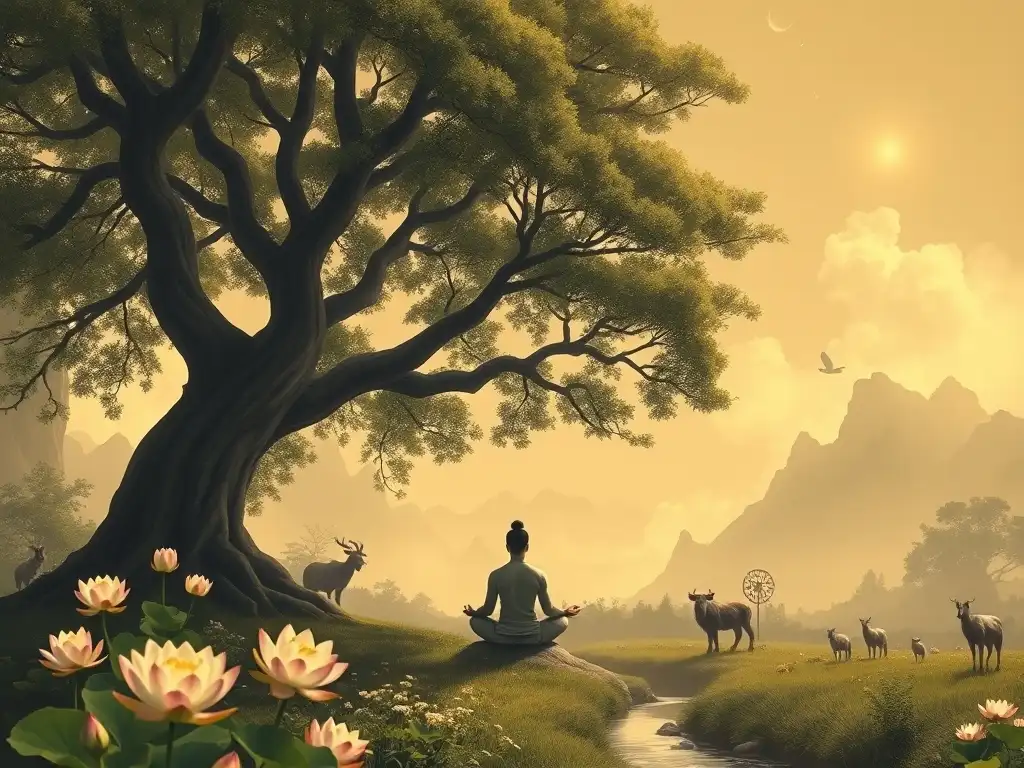
Myths Surrounding Rebirth in Jainism
Jainism, one of the ancient religions of India, has a rich philosophical framework regarding rebirth. However, several myths and misconceptions exist that can obscure a proper understanding of these beliefs. Here are some prevalent myths:
-
Rebirth is solely about punishment and reward:
Many people perceive rebirth in Jainism primarily as a system of rewards for good deeds and punishment for bad deeds. While karma plays a significant role in determining the circumstances of rebirth, Jainism emphasizes the importance of ahimsa (non-violence) and spiritual purification, rather than a simplistic reward-punishment dichotomy.
-
All beings are reborn into human form:
A common misconception is that all living beings inevitably become human in their next life. In reality, Jain beliefs assert that souls can be reborn in various forms, including animals, plants, or even in hellish realms, depending on their karmic accumulation. This reflects a more complex understanding of existence and spiritual evolution.
-
Jainism views rebirth as a cycle with no end:
While Jainism acknowledges the cyclical nature of life and death, the ultimate goal is liberation ( moksha). Many mistakenly believe that Jainism advocates for an endless cycle of rebirth; in fact, the teachings encourage followers to strive for liberation from this cycle through ethical living and spiritual progress.
-
Rebirth is a fatalistic concept:
Some interpret Jainism's views on rebirth as inherently fatalistic, suggesting that individuals have little control over their destinies. However, Jainism emphasizes personal responsibility and the power of individual actions in shaping one's future lives, thus promoting a proactive approach to spiritual development.
Clarifying the Realities of Jain Rebirth Principles
To truly understand Jainism's beliefs on rebirth, it's essential to explore the foundational principles that govern this aspect of the faith.
-
The Nature of the Soul:
In Jainism, the soul is eternal and distinct from the physical body. Each soul experiences reincarnation through different life forms based on its karma. This understanding underscores the importance of ethical conduct and spiritual growth, as actions in one life directly influence future existences.
-
Karma and its Impact:
Jain philosophy posits that karma is a substance that attaches to the soul, influencing its journey through the cycle of rebirth. There are two main types of karma: ghati (destructive) and aghati (non-destructive). The accumulation of karma determines the conditions of rebirth, including the type of body one inhabits, the lifespan, and the circumstances faced.
-
The Path to Liberation:
The ultimate aim of Jainism is to achieve liberation from the cycle of birth and death. This is attained through self-discipline, meditation, and the practice of ahimsa. By purifying the soul and shedding accumulated karma, individuals can reach moksha, where the soul is free from the cycle of rebirth and resides in a state of eternal bliss.
-
Ethical Living and Its Importance:
Jainism places great emphasis on ethical living as a means to influence rebirth positively. By adhering to the five great vows ( Mahavratas)—non-violence, truth, non-stealing, celibacy, and non-possessiveness—Jains believe they can purify their souls, thus impacting their karmic account favorably.
-
The Role of Rituals and Practices:
Various rituals and practices in Jainism, such as fasting and meditation, are believed to help in reducing karma and improving the conditions of future rebirth. These practices are integral to a Jain’s spiritual journey and are seen as essential steps toward ultimate liberation.
The beliefs surrounding rebirth in Jainism are fundamentally about understanding the soul's journey, the impact of karma, and striving for liberation through ethical living and spiritual advancement. By dispelling common misconceptions, one can appreciate the depth and richness of Jainism's approach to rebirth.
Conclusion: The Relevance of Jainism's Beliefs on Rebirth Today
Jainism's beliefs on rebirth are not only a fundamental aspect of its philosophy but also resonate with many contemporary spiritual practices. The principles of karma and reincarnation that Jainism espouses provide a framework for understanding the ethical implications of one's actions. This ancient perspective encourages individuals to engage in a more mindful existence, considering how thoughts and deeds affect their soul's journey across lifetimes.
The emphasis on non-violence (ahimsa) and truth (satya) in Jainism contributes to a broader dialogue about compassion and ethical living in today's world. As modern society grapples with issues such as environmental degradation and social injustice, the Jain belief in interconnectedness and the sanctity of all life provides a valuable lens through which to view and address these challenges. By fostering respect for all living beings, Jainism encourages individuals and communities to cultivate a harmonious existence that transcends mere survival.
The Impact of Jain Rebirth Philosophy on Modern Spirituality
Jainism's approach to rebirth significantly influences various aspects of modern spirituality. Many individuals today seek to understand their existence through the lens of karma and rebirth, often finding solace in the idea that their current life circumstances are a result of past actions. This philosophy fosters a sense of responsibility and encourages personal growth, as adherents are motivated to improve their karma through ethical living.
- Meditation and Mindfulness:
- The practice of meditation in Jainism aligns with modern mindfulness techniques, emphasizing self-awareness and the importance of living in the present moment. By understanding the cycle of life and death, practitioners are urged to cultivate inner peace and reduce mental distractions.
- Ethical Living:
- The principles of ahimsa and aparigraha (non-possessiveness) resonate with contemporary movements focused on sustainability and social justice. Many people are inspired to adopt a minimalist lifestyle and become more compassionate consumers, reflecting Jain values in their daily lives.
- Interfaith Dialogue:
- Jain beliefs on rebirth have sparked interest in interfaith dialogues, where similarities and differences among spiritual traditions are explored. This exchange can lead to a deeper understanding of the human experience and foster unity among diverse belief systems.
Overall, the relevance of Jainism's beliefs on rebirth extends far beyond its historical context, impacting modern practices and inspiring individuals to lead ethical, fulfilling lives.
Final Thoughts on Understanding Jainism's Approach to the Cycle of Life and Death
Jainism's beliefs on rebirth offer profound insights into the cycle of life and death, emphasizing the importance of ethical behavior, self-discipline, and spiritual growth. By understanding these concepts, individuals can gain a deeper appreciation for the interconnectedness of all life and the impact of their actions on the universe.
As we navigate the complexities of modern life, the wisdom embedded in Jain teachings can serve as a guiding light. Embracing the principles of non-violence, compassion, and mindfulness not only enriches individual lives but also contributes to the collective well-being of society.
In a world where existential questions abound, Jainism's approach to rebirth encourages us to reflect on our purpose and the legacy we wish to leave behind. By integrating these ancient beliefs into contemporary practices, we can foster a more harmonious existence that honors the cycle of life and death, ultimately leading to spiritual enlightenment and a deeper connection with the universe.
Frequently Asked Questions
What are the core beliefs of Jainism regarding rebirth?
Jainism teaches that rebirth is a fundamental aspect of existence, shaped by one's karma. The cycle of life and death continues until the soul achieves liberation (moksha) through ethical living and spiritual development.
How does karma influence the process of rebirth in Jainism?
In Jainism, karma is viewed as a force that binds the soul to the cycle of rebirth. Positive actions lead to favorable rebirths, while negative actions result in suffering and lower life forms.
What is the ultimate goal of Jainism concerning the cycle of rebirth?
The ultimate goal in Jainism is to attain moksha, or liberation, which frees the soul from the cycle of rebirth. This is achieved through strict adherence to non-violence, truthfulness, and ascetic practices.
How do Jains practice their beliefs about rebirth in daily life?
Jains practice their beliefs through ahimsa (non-violence), ethical living, and rituals that promote spiritual purity. They also engage in community service and support for those seeking spiritual enlightenment.
What role do rituals play in the understanding of rebirth in Jainism?
Rituals in Jainism serve to reinforce the beliefs surrounding rebirth and the importance of karma. They often include fasting, meditation, and ceremonies that focus on purification and the release of karmic bonds.
Final Reflection: Embracing Jainism's Wisdom on Rebirth
Jainism's beliefs on rebirth resonate profoundly in today's world, where the search for meaning and understanding of life and death remains ever-present. As we navigate the complexities of existence, the teachings of Jainism offer a unique perspective that encourages us to reflect on our actions and their consequences, fostering a deeper appreciation for the cycle of life and death. The idea that our current actions shape our future existence is not just a philosophical concept; it is a call to mindfulness in our daily lives.
Cultural and social landscapes are continually influenced by the principles of Jainism, particularly its emphasis on non-violence and respect for all living beings. This perspective encourages a compassionate approach to life that transcends religious boundaries, promoting harmony and understanding in a world often marked by conflict. As Mahatma Gandhi once said, "> The greatness of a nation and its moral progress can be judged by the way its animals are treated." This quote encapsulates the essence of Jain beliefs, reminding us that our treatment of others reflects our spiritual maturity and understanding of rebirth.
As we conclude our exploration of Jainism's approach to rebirth, I invite you to reflect on how these teachings can enrich your own life. Consider the impact of your choices and actions, not only on your journey but also on the world around you. Embrace the opportunity to cultivate compassion, mindfulness, and a deeper connection to the cycle of life and death. By doing so, you can contribute to a more harmonious existence, honoring the wisdom of Jainism and its profound insights into the nature of rebirth.
Embrace Your Journey: Connect with the Cycle of Life!
Thank you for exploring the profound teachings of Jainism and its insights on the concept of rebirth. Understanding the cycle of life and death can significantly influence how we perceive our existence and the choices we make. Now, it's time to take this knowledge further and apply it to your own journey!
Here’s how you can make the most of this newfound understanding:
- Reflect on your personal beliefs about life and death; consider journaling your thoughts and insights.
- Dive deeper into the core principles of Jainism: read books or engage in local discussions to broaden your knowledge.
- Share this enlightening article with friends or on social media to initiate conversations about rebirth and its relevance in our modern world.
What new insights have you gained about your own life journey after exploring the teachings of Jainism?