
The Connection Between Puranas and Indian Festivals

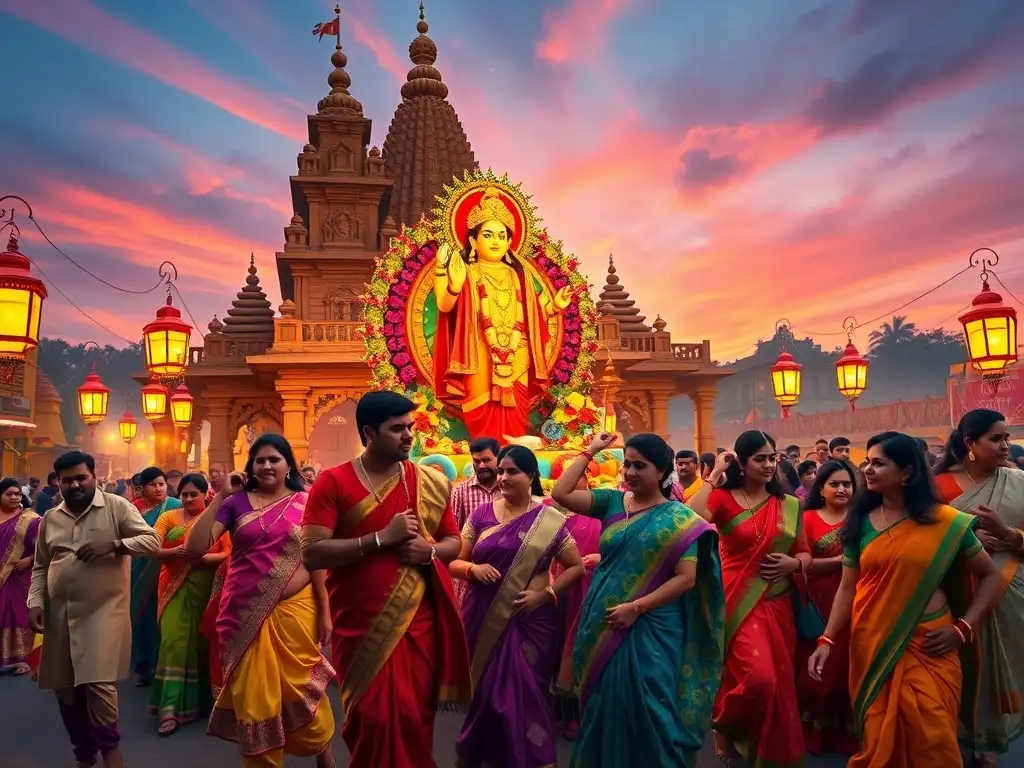
Welcome to Ancient India History, where we embark on a fascinating journey through the rich tapestry of India's past! In this exploration of Indian festivals and their profound connections to the Puranas, we uncover the vibrant traditions that have shaped our cultural heritage. Dive into the intricate stories and timeless wisdom embedded in these ancient texts, and discover how they breathe life into the festivals we celebrate today. Curious about how the Puranas influence modern-day celebrations? Continue reading to unveil the secrets of this captivating relationship!
- Introduction to the Connection Between Puranas and Indian Festivals
- Understanding Puranas: A Brief Insight
- The Role of Puranas in Shaping Indian Festivals
- Thematic Connections Between Puranas and Major Indian Festivals
- Regional Variations of Festivals and Their Puranic Links
- Conclusion: The Enduring Influence of Puranas on Indian Festivals
- References and Further Reading on Puranas and Indian Festivals
-
Frequently Asked Questions
- What are the Puranas in Indian culture?
- How do Indian festivals relate to the Puranas?
- Can you name some Indian festivals influenced by the Puranas?
- Why is it important to understand the connection between Puranas and festivals?
- How do the Puranas enhance the experience of celebrating Indian festivals?
- Final Reflection: Embracing the Divine Tapestry of Indian Festivals and Puranas
- Embrace the Wisdom of the Puranas: Celebrate Your Heritage!
Introduction to the Connection Between Puranas and Indian Festivals
The intricate tapestry of Indian culture is richly woven with the threads of history, mythology, and tradition, where ancient texts like the Puranas play a pivotal role. The Puranas, comprising a vast body of mythological and historical narratives, serve not only as religious scriptures but also as vital sources of cultural identity.
This article delves into the profound connection between Indian festivals and the Puranas, illuminating how these ancient texts influence and shape the celebration of festivals across the subcontinent. By exploring this relationship, we can uncover the layers of meaning embedded in these festivities and understand their significance within the broader context of Indian heritage.
Overview of Puranas in Ancient Indian Literature
The Puranas are a genre of ancient Indian literature that encompasses a wide array of topics, including cosmology, mythology, legends, and traditions of various deities. Traditionally attributed to sage Vyasa, these texts are believed to have been composed between 300 CE and 1000 CE, although their origins may date back even earlier.
Some key points about the Puranas include:
- Variety and Diversity: There are 18 major Puranas, including the Vishnu Purana, Shiva Purana, and Devi Bhagavata Purana, each contributing unique narratives and teachings.
- Cultural Significance: The Puranas serve as repositories of cultural and religious knowledge, providing insights into the beliefs, practices, and societal norms of ancient Indian civilizations.
- Mythological Narratives: They contain stories of gods, goddesses, and heroes, often illustrating moral lessons and the cosmic order of the universe.
- Festivals and Rituals: Many Indian festivals trace their origins to events and narratives found in the Puranas, highlighting their role in shaping contemporary religious practices.
Through these narratives, the Puranas not only preserve ancient traditions but also continue to inspire modern celebrations, making them an essential aspect of understanding Indian festivals.
Importance of Indian Festivals in Cultural Heritage
Indian festivals are more than mere celebrations; they are vibrant expressions of cultural identity and communal harmony. Each festival carries with it historical significance and is often linked to specific mythological events described in texts like the Puranas.
Key aspects of their importance include:
- Cultural Continuity: Festivals act as a bridge connecting generations, allowing the transmission of customs, rituals, and teachings from the past to the present.
- Community Bonding: They foster a sense of unity and belonging among diverse groups, as celebrations often involve communal activities, prayers, and feasting.
- Spiritual Reflection: Festivals provide opportunities for spiritual growth, with rituals and observances that encourage introspection and devotion.
- Economic Impact: Many festivals contribute to the local economy through tourism, trade, and commerce, showcasing the rich cultural heritage of various regions.
In essence, Indian festivals, deeply intertwined with the narratives of the Puranas, enrich the cultural landscape of India, embodying the values and traditions that have endured through centuries. Understanding this connection not only enhances our appreciation of these celebrations but also highlights their role in preserving the essence of Indian civilization.
Understanding Puranas: A Brief Insight
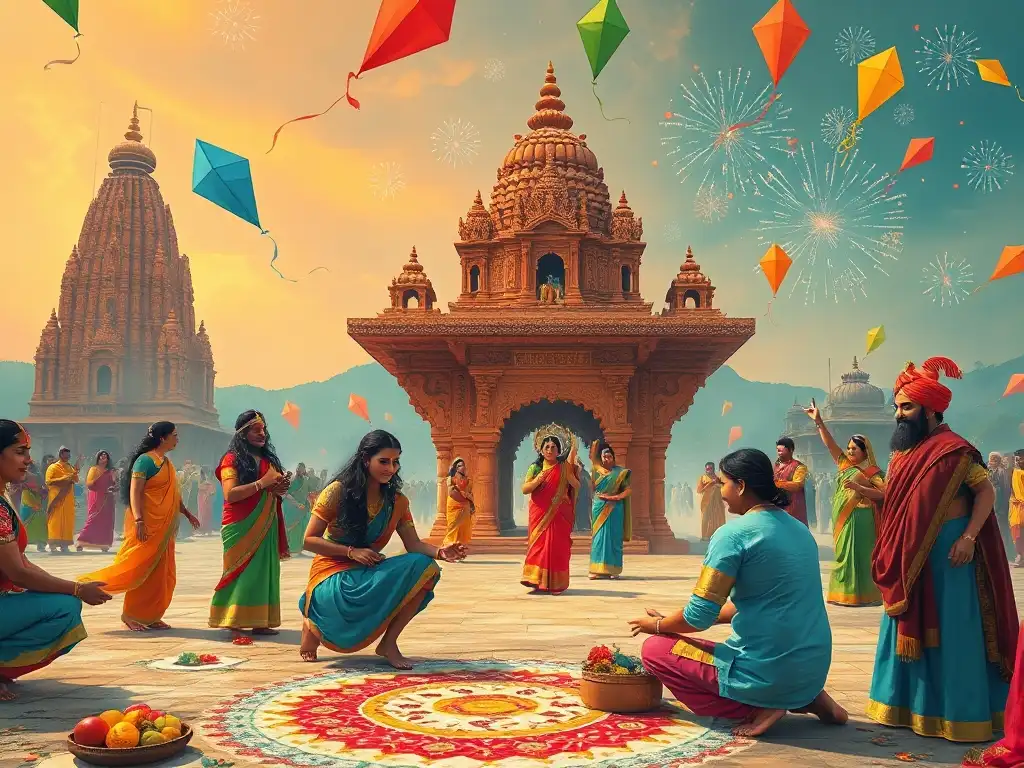
The Puranas are a genre of ancient Indian literature that play a crucial role in shaping the religious and cultural landscape of India. These texts, which encompass mythological narratives, hymns, and philosophical teachings, serve as a rich repository of knowledge about the traditions, rituals, and cosmology of Hinduism.
Definition and Significance of Puranas
Puranas can be defined as a collection of texts that provide detailed accounts of the creation of the universe, genealogies of gods, goddesses, and legendary heroes, as well as accounts of historical events. Traditionally, there are eighteen major Puranas (Mahāpurāṇas), which include texts like the Bhagavata Purana, Vishnu Purana, and Shiva Purana, among others.
The significance of the Puranas lies in their multifaceted nature:
- Cultural Transmission: They serve as vital links between ancient traditions and contemporary practices, preserving rituals and customs that are still observed today.
- Religious Instruction: Through narratives and teachings, they convey moral and ethical lessons, guiding devotees in their spiritual journeys.
- Festivals and Celebrations: Many Indian festivals are deeply rooted in the stories and teachings found within these texts, making them integral to understanding the cultural fabric of India.
Key Puranas Relevant to Festivals
Certain Puranas are particularly relevant to the celebration of Indian festivals, as they provide the mythological context and significance behind these occasions. Here are some key texts and their associations with festivals:
- Bhagavata Purana:
- Festival: Janmashtami (celebrating the birth of Lord Krishna)
- Significance: It narrates the life and exploits of Krishna, emphasizing his divine play (lila) and teachings.
- Vishnu Purana:
- Festival: Diwali (the festival of lights)
- Significance: It highlights the victory of Lord Vishnu over the demon king Bali, symbolizing the triumph of good over evil.
- Devi Bhagavata Purana:
- Festival: Navaratri/Dussehra
- Significance: This text details the goddess Durga's battle against the buffalo demon Mahishasura, celebrating the divine feminine power.
- Skanda Purana:
- Festival: Maha Shivaratri
- Significance: It offers accounts of Lord Shiva's significance and various legends surrounding his worship, underscoring the importance of devotion.
The Role of Mythology in Puranas
Mythology is a central component of the Puranas, serving as a vehicle for imparting spiritual truths and cultural values. The stories often blend history with metaphysical concepts, creating a rich tapestry that reflects the socio-religious milieu of ancient India.
- Symbolism: Myths often contain symbolic meanings that offer deeper insights into human experience and the divine. For instance, the battle between gods and demons represents the eternal struggle between good and evil.
- Ritual Practice: Many rituals associated with Indian festivals are derived from these mythological narratives. For example, the act of lighting lamps during Diwali is symbolic of the light of knowledge dispelling the darkness of ignorance, as narrated in the Puranas.
- Community Identity: These myths foster a sense of community and shared identity among practitioners, as they reflect collective values and beliefs that transcend individual experiences.
The connection between Indian festivals and Puranas is not merely historical; it is a living tradition that continues to shape the spiritual and cultural practices of millions. Understanding this connection enhances our appreciation of the profound wisdom embedded in these ancient texts and their relevance in contemporary society.
The Role of Puranas in Shaping Indian Festivals
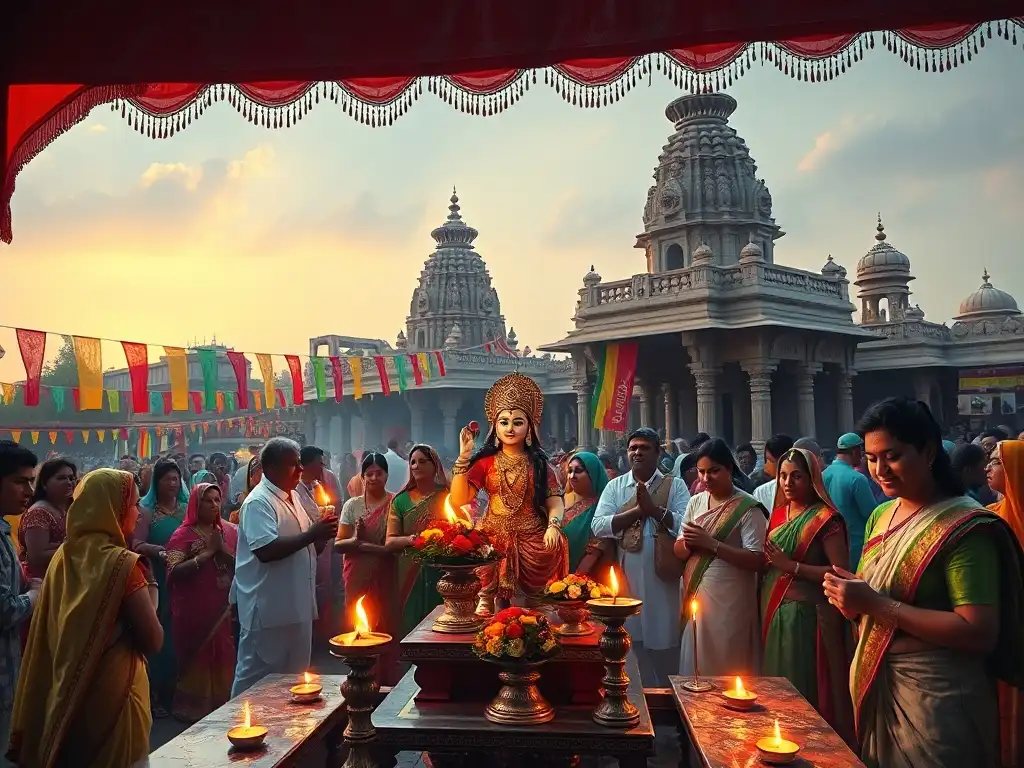
The Puranas, ancient Indian texts that narrate the history of the universe from creation to destruction, play a pivotal role in shaping the cultural and spiritual landscape of Indian festivals. These texts not only document the stories of gods and goddesses but also delineate the rituals, customs, and significance associated with various festivals. By intertwining mythology with seasonal celebrations, the Puranas provide a framework that enriches the understanding and observance of Indian festivals, making them vibrant expressions of collective faith and identity.
How Puranas Influence Festival Traditions
The influence of Puranas on festival traditions is multifaceted, encompassing mythology, seasonal cycles, and agrarian practices. The narratives contained within these texts often serve as the foundation upon which festivals are celebrated, influencing the themes, rituals, and even the timing of these events.
- Mythological Narratives: Puranic tales often recount the deeds and exploits of deities, which become central to festival celebrations. For instance, the story of Lord Rama's return to Ayodhya is celebrated during Diwali, symbolizing the victory of light over darkness and good over evil.
- Seasonal and Agricultural Cycles: Many festivals correspond with agricultural cycles, as detailed in the Puranas. For example, Makar Sankranti, marking the end of winter solstice, is celebrated to honor the sun god and is linked to the harvest season.
- Ritualistic Practices: The Puranas provide detailed descriptions of rituals that should be performed during festivals. These include offerings, prayers, and community gatherings, which are essential to the observance of various occasions.
Festivals Described in Puranas
Numerous festivals are explicitly mentioned in the Puranas, each with its unique significance and associated practices. These texts reveal how ancient rituals have evolved into the vibrant celebrations observed today.
Examples of Festivals Mentioned in Specific Puranas
- Navaratri: Described in the Devi Bhagavata Purana, this nine-night festival celebrates the divine feminine and is dedicated to Goddess Durga. Each night is associated with a different form of the goddess, emphasizing the aspect of Shakti (power).
- Holi: The festival of colors is linked to the Bhagavata Purana, which narrates the playful exploits of Lord Krishna and Radha. The celebration of Holi symbolizes the arrival of spring and the triumph of good over evil.
- Raksha Bandhan: Mentioned in several Puranic texts, including the Padma Purana, this festival celebrates the bond between brothers and sisters. It emphasizes themes of protection, duty, and familial love.
Rituals and Customs Derived from Puranic Texts
The rituals and customs associated with Indian festivals are often derived from the teachings and narratives found within the Puranas. These rituals not only serve a religious purpose but also foster community bonding and cultural identity.
- Puja (Worship): The act of worship during festivals is deeply rooted in Puranic traditions. Specific rituals, such as the chanting of mantras and offering of flowers and food, are prescribed in the texts, enhancing the spiritual experience.
- Community Gatherings: Festivals such as Diwali and Eid, although distinct in their origins, emphasize communal harmony and togetherness, reflecting the Puranic ideals of shared celebration and collective joy.
- Symbolic Offerings: The Puranas often describe the significance of offerings made during festivals. For instance, the use of sweets and fruits during offerings signifies gratitude and abundance, reinforcing the connection between spirituality and daily life.
The connection between Indian festivals and Puranas is profound and intricate. These ancient texts not only narrate the myths behind festivals but also provide a comprehensive guide to the rituals and customs that continue to shape the cultural identity of India. Through the lens of the Puranas, festivals become a celebration of life, spirituality, and community, deeply rooted in the heritage of ancient Indian civilization.
Thematic Connections Between Puranas and Major Indian Festivals
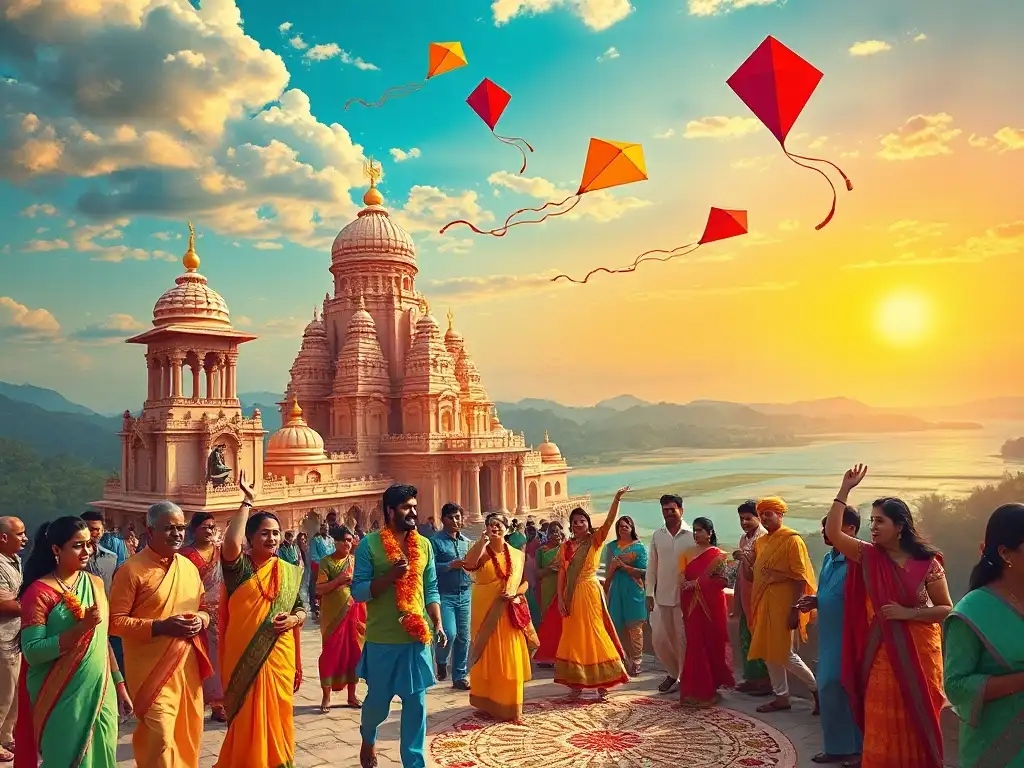
Diwali: The Festival of Lights and Its Puranic Roots
Diwali, celebrated as the Festival of Lights, holds deep connections to various Puranic texts, particularly the Padma Purana and the Skanda Purana. The festival commemorates the return of Lord Rama to Ayodhya after defeating the demon king Ravana, a narrative that resonates through these ancient scriptures. The lighting of diyas (oil lamps) symbolizes the victory of light over darkness and good over evil, a theme prevalent in the Puranas.
Key Themes in the Puranas Related to Diwali:
- Rama’s Return: The Padma Purana elaborates on the significance of Rama's return and the celebration by the people of Ayodhya, marking an eternal connection between the festival and divine triumph.
- Goddess Lakshmi: The worship of Goddess Lakshmi during Diwali is rooted in the Bhagavata Purana, which describes her as the embodiment of wealth and prosperity, emphasizing the importance of spiritual and material abundance during this auspicious time.
- Naraka Chaturdashi: The festival also coincides with Naraka Chaturdashi, which is detailed in the Bhagavata Purana, celebrating the victory of Lord Krishna over the demon Narakasura. This aspect of Diwali reinforces the overarching theme of righteousness prevailing over evil.
Through these connections, Diwali serves as a vibrant tapestry woven from the threads of Puranic narratives, inviting devotees to reflect on deeper spiritual meanings while celebrating with joy and festivity.
Holi: The Festival of Colors in Puranic Context
Holi, known as the Festival of Colors, finds its roots in the Puranas, particularly in the stories surrounding Lord Krishna as depicted in the Bhagavata Purana. The festival celebrates the arrival of spring and the triumph of devotion and love, themes that are intricately linked to Krishna's playful exploits and divine leelas (pastimes).
Puranic Narratives Associated with Holi:
- Krishna and Radha: The Bhagavata Purana narrates the love story between Krishna and Radha, where the playful application of colors symbolizes the joy of their divine love and the onset of spring. This aspect transforms Holi into a celebration of love and unity.
- Holika Dahan: The ritual of Holika Dahan, where bonfires are lit, is rooted in the story of Prahlada and Hiranyakashipu, which is also mentioned in various Puranic texts. This tale reinforces the theme of devotion triumphing over tyranny, a central tenet of many Puranic stories.
- Celebration of Diversity: Holi is a festival that transcends social barriers, promoting harmony and togetherness, a reflection of the inclusive narratives found within the Puranas that celebrate diversity in devotion and community.
Thus, Holi not only marks the arrival of spring but also serves as a reminder of the vibrant tales from the Puranas that promote love, devotion, and the victory of good.
Navaratri, a nine-night festival dedicated to the worship of the Goddess Durga, is steeped in Puranic traditions that celebrate the divine feminine. The significance of Navaratri is elaborated in various texts, including the Durga Saptashati (part of the Markandeya Purana) and the Devi Bhagavata Purana, which emphasize the power and importance of the goddess in restoring cosmic order.
Puranic Aspects of Navaratri:
- Durga’s Triumph: The central narrative during Navaratri is the battle between Goddess Durga and the buffalo demon Mahishasura, as described in the Devi Mahatmya. This story symbolizes the victory of good over evil, making it a powerful theme that resonates with devotees during the festival.
- Nine Forms of Durga: Each day of Navaratri is dedicated to a different form of the goddess, such as Shailaputri, Brahmacharini, and Chamunda, reflecting the multifaceted nature of feminine divinity. The Devi Bhagavata Purana elaborates on these forms and their significance in the cosmic scheme of life.
- Rituals and Celebrations: The rituals associated with Navaratri, including fasting, dance, and prayer, are rooted in Puranic traditions that promote devotion and community bonding. The festival encourages participants to engage in Garba and Dandiya, celebrating the goddess through art and movement.
Navaratri serves not only as a time of worship but also as a profound exploration of the themes of strength, courage, and the celebration of the divine feminine as depicted in the Puranas.
Makar Sankranti: Astronomical Significance in Puranic Texts
Makar Sankranti is one of the most celebrated festivals in India, marking the transition of the sun into the zodiac sign of Capricorn (Makara). This festival holds immense significance not only in the cultural context but also in the astronomical framework, as outlined in various Puranic texts. The Puranas, ancient Hindu scriptures, provide insights into the celestial events that align with this festival, emphasizing the interconnectedness between nature, astronomy, and spirituality.
The arrival of Makar Sankranti is associated with the winter solstice and the lengthening of days. As per the Puranic narratives, this period symbolizes the sun's northward journey, known as Uttarayana. It is believed that during this time, the sun begins to ascend, which is not only important for agricultural cycles but also signifies enlightenment and the dispelling of darkness. The Puranas often elaborate on the sun's movement, illustrating its journey through the twelve zodiac signs and its influence on earthly events.
In texts like the Vishnu Purana and the Bhagavata Purana, celestial alignments are described, emphasizing the importance of this time for performing rituals and making offerings. The Puranas state that engaging in charitable acts, particularly during Makar Sankranti, yields immense spiritual benefits. This belief is rooted in the idea that the sun's rays during this period carry purifying properties, making it an auspicious time for purification rituals and spiritual practices.
Moreover, the festival is often linked with the worship of various deities, including Surya (the Sun God), who is venerated for his life-giving energies. According to the Puranas, honoring Surya during Makar Sankranti can lead to the alleviation of sins and the attainment of prosperity. The festival thus serves as a reminder of the cyclical nature of life and the importance of aligning human actions with cosmic rhythms, as elucidated in the Puranic texts.
Makar Sankranti embodies a profound connection between astronomical events and Puranic traditions. The festival not only celebrates the sun's transition but also reinforces the cultural and spiritual values conveyed through ancient scriptures. By recognizing the astronomical significance of Makar Sankranti, devotees engage in practices that honor both celestial phenomena and their inherent spiritual teachings, thereby enriching their understanding of the universe and their place within it.
Regional Variations of Festivals and Their Puranic Links
North Indian Festivals and Their Puranic Associations
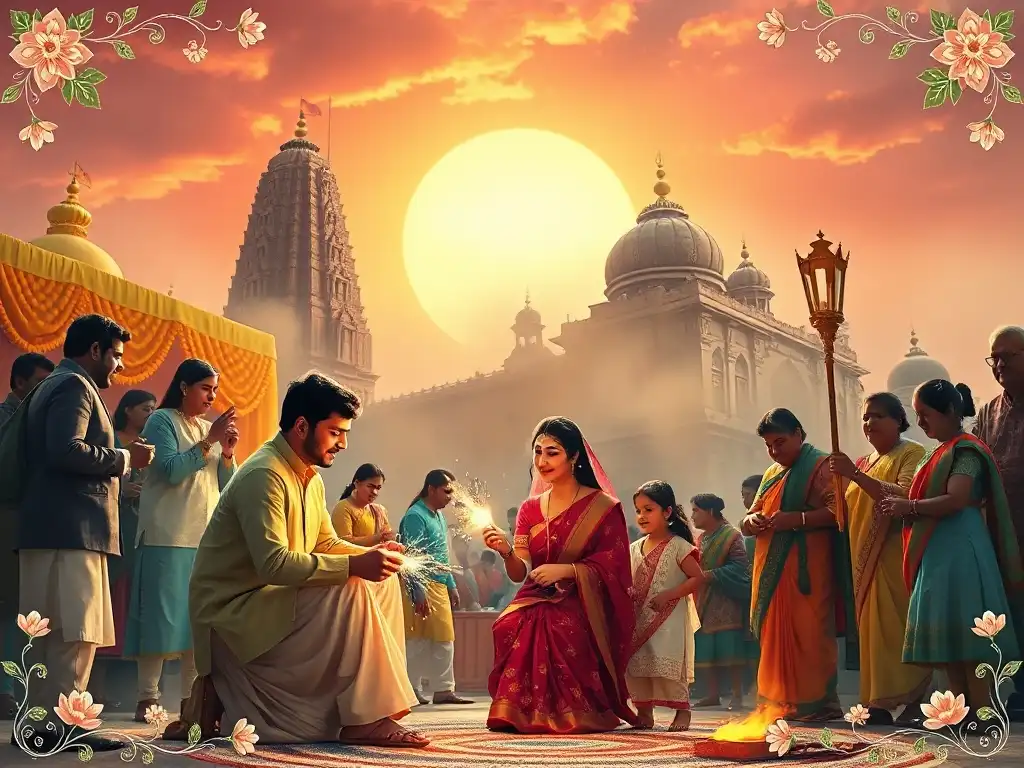
North India boasts a rich tapestry of festivals, many of which are deeply intertwined with the narratives found in the Puranas. One of the most celebrated festivals in this region is Diwali, also known as the Festival of Lights. The origins of Diwali can be traced back to the Padma Purana, which describes the return of Lord Rama to Ayodhya after defeating Ravana. This festival symbolizes the victory of light over darkness and good over evil.
Another significant festival is Holi, celebrated as the festival of colors. The Bhagavata Purana recounts the story of Prahlada and Hiranyakashipu, emphasizing devotion to Lord Vishnu and the triumph of good over evil. The playful nature of Holi, with its vibrant colors, reflects the joy associated with Lord Krishna's childhood antics, as detailed in various Puranic texts.
The festival of Navaratri, dedicated to the worship of Goddess Durga, has profound connections to the Devi Bhagavata Purana. This text narrates the victory of Goddess Durga over the buffalo demon Mahishasura, symbolizing the power of the divine feminine. Each day of Navaratri is associated with different forms of the goddess, showcasing regional variations in worship and rituals.
South Indian Festivals and Puranic Narratives
In South India, festivals are celebrated with great fervor, often linked with Puranic stories that highlight the region's devotion to various deities. Pongal, a harvest festival, is rooted in the Skanda Purana, which connects the celebration to the worship of Lord Murugan, the son of Shiva. This festival emphasizes gratitude to nature and the divine for the bountiful harvest.
Mahashivaratri is another prominent festival in South India, dedicated to Lord Shiva. The narratives surrounding this festival can be found in various Puranas, including the Linga Purana, which describes the significance of worshipping the Shiva Linga. Devotees typically engage in fasting and night vigils, symbolizing the overcoming of ignorance and darkness through devotion.
The festival of Onam, celebrated primarily in Kerala, has connections to the Vishnu Purana. It commemorates the return of King Mahabali, who is believed to visit his people during this time. The festivities include traditional dances, boat races, and the preparation of a grand feast, symbolizing the abundance and prosperity during Mahabali's reign.
East and West Indian Festivals: Diverse Puranic Connections
The diverse cultural landscape of East and West India reveals unique festivals that are often associated with Puranic narratives. In East India, Durga Puja is one of the most significant festivals, celebrated predominantly in West Bengal. The Markandeya Purana describes the fierce battle between Goddess Durga and the buffalo demon Mahishasura, which is central to the festivities. The elaborate rituals and artistic depictions of the goddess reflect the rich cultural heritage of the region.
In West India, the festival of Ganesh Chaturthi is celebrated with immense zeal, honoring Lord Ganesha. The connection to the Puranas is evident in the Ganesha Purana, which recounts the birth and significance of Lord Ganesha. This festival is marked by vibrant processions and the immersion of Ganesha idols in water, symbolizing the cycle of creation and dissolution.
Additionally, Makar Sankranti, celebrated across India, has significant ties to the Bhagavata Purana, which highlights the importance of the sun god. In various regions, it is observed as a harvest festival, marking the transition of the sun into the zodiac sign of Capricorn. The festival brings communities together through kite-flying, feasting, and traditional fairs, showcasing the unity in diversity of Indian festivals.
The connection between Indian festivals and Puranas is profound and multifaceted, with each region contributing its own unique narratives and practices. Understanding these connections enriches the cultural significance of festivals, allowing us to appreciate the depth of India's ancient traditions.
Conclusion: The Enduring Influence of Puranas on Indian Festivals
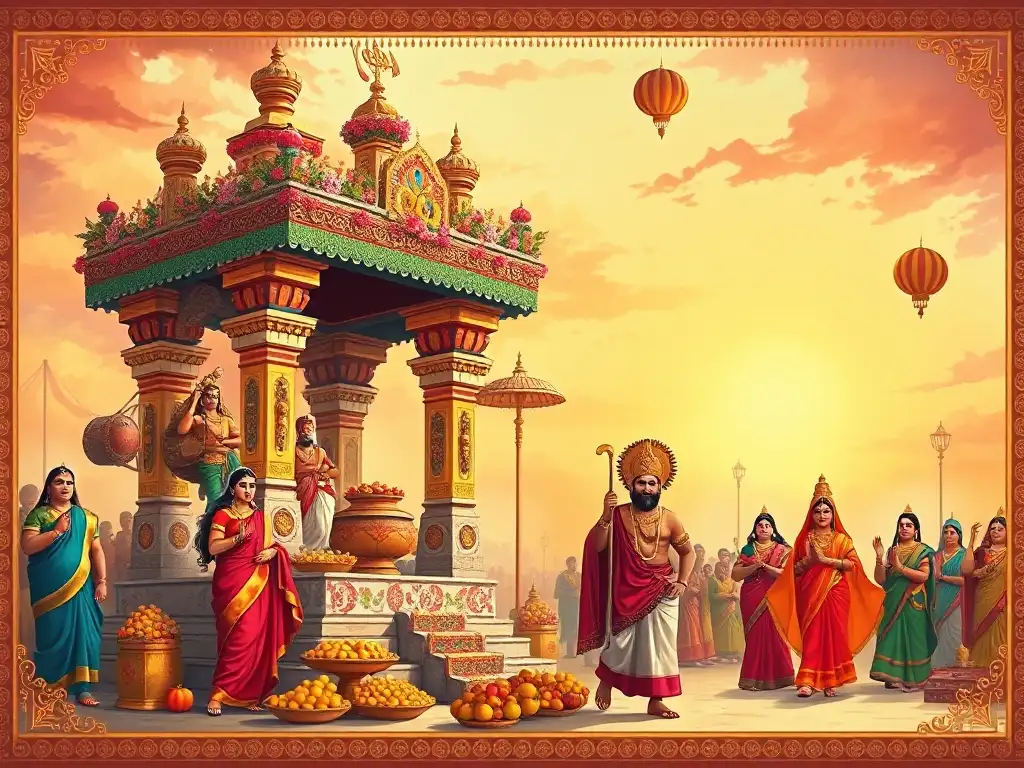
The Puranas, ancient texts that encapsulate the mythological, historical, and cultural narratives of India, have profoundly influenced Indian festivals throughout history. They serve as essential sources for understanding the significance, rituals, and traditions associated with these celebrations. By intertwining mythology and spirituality, the Puranas provide a framework that gives meaning to various festivals, making them a vibrant part of Indian culture.
The connection between "Indian festivals and Puranas" is evident in the way these texts explain the origins and narratives behind specific celebrations. For instance, the festival of Diwali is closely linked to the Puranic stories of Lord Rama's return to Ayodhya, as described in the Ramayana, which is often regarded as an extension of the Puranic tradition. Similarly, the festival of Holi celebrates the victory of good over evil, a theme prevalent in Puranic stories such as the tale of Prahlada and Holika.
Through the lens of the Puranas, festivals are not merely social gatherings; they are imbued with profound spiritual significance, connecting the present to the ancient traditions of worship, community, and devotion.
The Relevance of Puranas in Contemporary Festival Celebrations
In modern India, the relevance of the Puranas in festival celebrations remains strong. They provide a narrative framework that shapes the way festivals are observed and understood. For example:
- Rituals and Practices: Many contemporary rituals performed during festivals can be traced back to instructions found in the Puranas. These texts detail various rites, offerings, and ceremonial practices that continue to be observed today.
- Cultural Identity: The Puranic narratives help reinforce cultural identity among diverse communities in India. Festivals like Navaratri, which honor the Goddess Durga, draw directly from the Puranic legends that celebrate her triumph over the buffalo demon Mahishasura.
- Moral and Ethical Lessons: The stories within the Puranas often convey moral lessons that resonate with contemporary values. Festivals not only celebrate deities but also remind participants of virtues like righteousness, courage, and devotion that are rooted in these ancient texts.
Thus, the Puranas are not relics of the past; they live on through the vibrant tapestry of Indian festivals, continually shaping how communities engage with their heritage.
Future Perspectives on Festivals and Puranic Texts
Looking ahead, the relationship between Indian festivals and Puranic texts is likely to evolve, influenced by changing societal norms and technological advancements. Some key perspectives include:
- Digital Narratives: The rise of digital media presents opportunities to reinterpret Puranic stories in innovative formats. Online platforms can facilitate the dissemination of Puranic teachings, making them accessible to a broader audience and enriching festival celebrations with modern interpretations.
- Interfaith Celebrations: As India becomes increasingly multicultural, the Puranas may serve as a bridge between different religious traditions. Festivals could incorporate Puranic themes, fostering inclusivity and mutual respect among diverse communities.
- Environmental Awareness: Modern interpretations of Puranic texts could inspire eco-friendly celebrations. For instance, the festivals can emphasize themes of harmony with nature, as seen in many Puranic narratives that highlight the importance of preserving the environment.
The connection between Indian festivals and Puranas is rich and multifaceted, with deep historical roots that continue to influence contemporary practices. As society evolves, this connection will likely adapt, ensuring that the wisdom of the Puranas remains relevant in the celebration of Indian festivals for generations to come.
References and Further Reading on Puranas and Indian Festivals
Suggested Books and Articles
-
"Puranas: An Overview" by Dr. R. N. Sinha
This book provides an in-depth exploration of the Puranas, detailing their historical context, structure, and significance in relation to various Indian festivals. It highlights the mythological narratives that give rise to contemporary celebratory practices.
-
"Festival Traditions of India" by Aditi Sharma
Aditi Sharma's work closely examines the intersection of Puranic texts and the myriad festivals celebrated across India. The book discusses how these texts shape the rituals and significance of festivals, providing rich cultural insights.
-
"Understanding Indian Festivals: A Cultural Perspective" by Mohan Kumar
This article delves into the cultural significance of Indian festivals and their connections to Puranic narratives. Kumar elaborates on how festivals serve as a medium for passing down ancient stories and values.
-
"The Role of Myth in Indian Festivals" by Priya Desai
Desai's research article investigates the influence of myths from the Puranas on the celebration of Indian festivals. The author presents case studies that demonstrate the vibrant link between mythological tales and festival practices.
Online Resources for Further Exploration of Indian Festivals and Puranas Connection
-
Digital Library of India
This online repository houses a wealth of texts related to Indian literature, including various Puranas. Researchers can access original texts and translations that explore the connections between Puranas and Indian festivals.
-
The Puranas: A Digital Archive
This specialized website features a comprehensive collection of Puranas, along with commentaries and interpretations that elucidate their relevance to modern-day festivals. Users can search specific festivals and their corresponding Puranic references.
-
YouTube Channels
Channels such as "Ancient Indian Culture" and "Mythology Explained" present educational videos that discuss the narratives of Puranas and their direct correlation to Indian festivals. These visual resources make complex topics more accessible.
-
Podcasts on Indian Mythology
Numerous podcasts focus on the storytelling traditions of India, with episodes dedicated to the Puranas and their influence on festival celebrations. These audio resources provide an engaging way to learn about the cultural significance of these texts.
By exploring these resources, readers can gain a deeper understanding of the intricate relationship between Puranas and Indian festivals, enriching their appreciation of both ancient texts and contemporary practices.
Frequently Asked Questions
What are the Puranas in Indian culture?
The Puranas are ancient texts that contain mythological stories, cosmology, and theological discussions. They play a crucial role in preserving the cultural and religious traditions of Hinduism.
How do Indian festivals relate to the Puranas?
Many Indian festivals are rooted in myths and stories found in the Puranas. These texts often provide the historical context and ritual significance behind various celebrations.
Can you name some Indian festivals influenced by the Puranas?
Festivals such as Diwali, Holi, and Navratri are deeply connected to the Puranic narratives, celebrating the victories of deities and seasonal changes.
Why is it important to understand the connection between Puranas and festivals?
Understanding this connection helps to appreciate the cultural heritage and spiritual significance of these festivals, revealing how they embody the teachings and values found in the Puranas.
How do the Puranas enhance the experience of celebrating Indian festivals?
The Puranas provide stories, rituals, and philosophical insights that enrich the celebratory practices, making the festivals more meaningful and spiritually fulfilling for participants.
Final Reflection: Embracing the Divine Tapestry of Indian Festivals and Puranas
In exploring the connection between Puranas and Indian festivals, we uncover a rich tapestry that weaves together mythology, tradition, and spirituality. Today, as we celebrate these festivals, we are reminded of their profound significance in our lives. These festivals are not just dates on a calendar; they are vibrant expressions of our cultural identity and spiritual heritage.
The influence of Puranas on Indian festivals continues to resonate deeply within our cultural and social landscape. These ancient texts serve as a guiding light, illuminating the values and stories that shape our celebrations. The stories of gods and goddesses, as narrated in the Puranas, breathe life into our festivals, fostering a sense of community and belonging. Festivals are the heartbeat of our culture, reminding us of our roots and the divine narratives that bind us together.
As we reflect on the lessons embedded in the Puranas and their manifestation in our festivals, I invite you to embrace this connection in your own life. Consider how these celebrations can inspire you to cultivate gratitude, unity, and reverence for the divine in everyday moments. Let each festival be an opportunity to deepen your understanding of your heritage and to celebrate the rich traditions that connect us all.
Embrace the Wisdom of the Puranas: Celebrate Your Heritage!
Thank you for taking the time to explore the rich tapestry of connections between the Puranas and Indian festivals. Your interest in this topic not only deepens your understanding of our ancient traditions but also ignites a passion to celebrate and share them. Now, let’s bring that knowledge to life!
Here are some simple yet impactful steps you can take today:
- Participate in a local festival: Engage with your community by attending an upcoming festival. Experience the rituals firsthand and appreciate their historical significance.
- Share this article: Pass on what you’ve learned! Discuss the fascinating links between the Puranas and your favorite festivals with friends and family.
- Explore deeper: Dive into a specific Purana that resonates with you. Read a few chapters or listen to an audiobook to enhance your knowledge and strengthen your connection to the past.
Which festival has had the most profound impact on your understanding of Indian culture, and how do you plan to celebrate it this year? ✨