
How Puranas and Itihasas Inspire Modern Spiritual Practices

Welcome to Ancient India History, where we embark on a fascinating journey through the rich tapestry of ancient Indian civilizations. In this exploration, we delve into the profound influence of the Puranas and Itihasas on modern spirituality, uncovering how these timeless texts continue to inspire contemporary spiritual practices. Prepare to be captivated as we reveal the intricate connections between age-old wisdom and today's search for meaning. Join us as we unravel the layers of history and culture that shape our understanding of spirituality today—your adventure starts here!
- Introduction to Puranas and Itihasas in Modern Spirituality
- Understanding Puranas and Itihasas
- Influence of Puranas on Contemporary Spiritual Practices
- Impact of Itihasas on Modern Spirituality
- Comparative Analysis: Puranas vs Itihasas in Spirituality
- Conclusion: The Enduring Legacy of Puranas and Itihasas in Modern Spirituality
- Frequently Asked Questions
- Final Reflection: Bridging Ancient Wisdom with Modern Spirituality
- Embrace the Wisdom of the Past Today!
Introduction to Puranas and Itihasas in Modern Spirituality
The Puranas and Itihasas stand as monumental texts in the vast tapestry of ancient Indian literature, serving not only as repositories of mythological narratives and historical accounts but also as foundational pillars for various spiritual practices that resonate in modern times. These texts—rich in philosophy, cosmology, and moral teachings—offer profound insights into the human experience and the universe's workings.
As contemporary spiritual seekers delve into their teachings, they find that the wisdom encapsulated within these ancient scriptures continues to inspire and guide modern spirituality. From rituals and meditation practices to ethical living and community engagement, the influence of Puranas and Itihasas permeates through various facets of spiritual life today, making them not just historical artifacts but vibrant sources of inspiration for personal and communal growth.
Definition and Importance of Puranas and Itihasas
The term Puranas refers to a genre of ancient Indian literature that encompasses mythological stories, cosmology, and religious teachings, traditionally believed to be composed by sages. There are eighteen major Puranas, among them the Vishnu Purana, Shiva Purana, and Bhagavata Purana, each offering unique narratives that convey moral lessons and spiritual truths.
On the other hand, Itihasas, which include epic texts like the Mahabharata and Ramayana, provide a narrative framework that blends history with profound ethical dilemmas and philosophical explorations.
The significance of these texts lies in their ability to connect spiritual concepts with everyday life. They serve as:
- Guides for Ethical Living: The teachings in these texts often emphasize dharma (duty/righteousness), providing templates for moral conduct.
- Cultural Foundations: They encapsulate the beliefs, values, and traditions that shape Indian culture and spirituality.
- Spiritual Frameworks: Many modern spiritual practices draw directly from the rituals, philosophies, and narratives found within these ancient works, reinforcing their relevance.
Overview of Modern Spiritual Practices Inspired by Ancient Texts
In the contemporary spiritual landscape, practitioners often look to the Puranas and Itihasas for guidance and inspiration. Here are some ways these ancient texts influence modern spiritual practices:
- Meditation and Mindfulness:
- Many spiritual seekers incorporate stories from the Puranas as focal points for meditation, using narratives about deities and their teachings to deepen their practice.
- Techniques derived from the teachings of figures in the Itihasas, like Lord Krishna's discourse in the Bhagavad Gita, are frequently employed in mindfulness practices.
- Rituals and Festivals:
- Rituals performed during festivals often draw directly from the narratives within the Puranas, such as Diwali, which celebrates Lord Rama’s return to Ayodhya as depicted in the Ramayana.
- Seasonal and life-cycle rituals incorporate elements from these texts, enhancing communal bonds and spiritual significance.
- Ethical Living and Community Engagement:
- The moral dilemmas and resolutions found in the Itihasas inspire individuals to navigate contemporary ethical challenges, promoting a sense of duty and community service.
- Teachings on compassion, respect, and duty from the Puranas encourage practitioners to engage in social justice and humanitarian efforts.
- Philosophical Discourses:
- Modern spiritual leaders often reference concepts from these texts to address contemporary issues, blending ancient wisdom with modern thought.
- Discussions around karma, dharma, and the nature of reality, as explored in the Puranas and Itihasas, continue to resonate in philosophical debates today.
The Puranas and Itihasas are not relics of the past but living texts that continue to inspire and shape modern spiritual practices across the globe. Their relevance highlights the timeless nature of spiritual inquiry and the pursuit of understanding one's place in the cosmos. By exploring these ancient narratives, individuals can find profound insights that enrich their spiritual journeys in today's world.
Understanding Puranas and Itihasas
The Puranas and Itihasas are two significant literary genres in ancient Indian literature that play a vital role in shaping the spiritual landscape of India. They serve as repositories of mythological narratives, historical accounts, and moral teachings, all of which contribute to the understanding of modern spirituality.
Puranas typically encompass a wide range of topics, including cosmology, mythology, and rituals, while the Itihasas, which include the Ramayana and Mahabharata, focus more on epic narratives and significant historical events. Together, these texts provide a framework upon which many contemporary spiritual practices are built.
Historical Context of Puranas and Itihasas
The origins of Puranas and Itihasas can be traced back to ancient Indian society, where oral traditions were predominant. The Puranas, composed between 300 CE and 1500 CE, reflect the socio-political and cultural contexts of their times. They were written in Sanskrit and were intended to convey knowledge to both the literate and the illiterate through storytelling.
The Itihasas, particularly the Ramayana and Mahabharata, date back even further, with the Mahabharata believed to have been composed around 400 BCE to 400 CE. These epics not only narrate heroic deeds and adventures but also delve into philosophical discourses, ethical dilemmas, and the nature of dharma (duty).
This historical backdrop is crucial for understanding how these texts have influenced modern spiritual practices, providing foundational stories and moral lessons that resonate with contemporary seekers.
Key Themes and Concepts in Puranas and Itihasas
The Puranas and Itihasas are rich in themes and concepts that continue to inspire spiritual seekers today. Some of the key themes include:
- Dharma (Righteousness): The concept of dharma is central to the narratives, emphasizing the importance of ethical behavior and moral duty.
- Karma (Action and Consequence): The texts explore the idea of karma, illustrating how one's actions have repercussions in this life and beyond.
- Moksha (Liberation): Many stories depict the journey toward moksha, encouraging readers to transcend the cycle of birth and rebirth.
- Devotion (Bhakti): The Puranas often highlight the importance of bhakti, or devotion to God, showcasing various paths to spiritual realization.
These themes not only serve as moral compasses but also provide frameworks for meditation, devotion, and ethical living in modern spiritual practices.
The Role of Mythology in Spiritual Growth
Mythology plays a crucial role in the spiritual growth of individuals by providing relatable narratives that reflect the complexities of life. The Puranas and Itihasas are filled with characters who navigate challenges, embody virtues, and confront vices, offering readers valuable lessons in resilience, compassion, and wisdom.
For instance, the character of Arjuna in the Mahabharata exemplifies the struggle of choosing the right path amid conflicting duties, a common dilemma faced in modern life. These mythological stories serve as mirrors, allowing practitioners to identify with the characters and their journeys, which can lead to profound personal insights and spiritual development.
Furthermore, the ritualistic practices derived from these texts, such as puja (worship), storytelling, and festivals, actively engage individuals in their spiritual journeys, fostering community and a shared sense of purpose.
The Puranas and Itihasas not only document ancient Indian civilization's rich history but also provide timeless wisdom and inspiration for modern spirituality, making them invaluable resources for spiritual seekers today.
Influence of Puranas on Contemporary Spiritual Practices
The Puranas, an essential part of ancient Indian literature, serve not only as historical texts but also as foundational sources of spiritual wisdom that influence modern practices. These texts encompass a wide range of narratives, rituals, and ethical teachings that resonate with contemporary spiritual seekers. By exploring the various elements of Puranic influence, we can understand how they shape and inspire modern spirituality.
Rituals and Worship Inspired by Puranic Texts
Puranic texts detail numerous rituals and worship practices that have been adopted and adapted in contemporary spiritual contexts. These rituals often include:
- Daily Worship (Puja): Inspired by descriptions in the Puranas, daily worship rituals have taken a central role in many households. The rituals typically involve offerings of flowers, fruits, and incense to deities, reflecting the devotion illustrated in texts such as the Vishnu Purana and the Shiva Purana.
- Festivals and Celebrations: Many modern festivals, like Diwali and Navaratri, are rooted in Puranic tales. For example, Diwali celebrates the return of Lord Rama to Ayodhya, as narrated in the Ramayana, and is aligned with the teachings found in the Puranas.
- Pilgrimages: The Puranas emphasize the significance of sacred sites, which continue to inspire modern pilgrimages. Locations such as Varanasi, Mathura, and Haridwar are often frequented by devotees seeking spiritual merit, as highlighted in various Puranic texts.
These practices not only preserve traditional elements of worship but also foster a sense of community and continuity among practitioners.
Meditation Techniques Derived from Puranic Wisdom
The meditation techniques mentioned in the Puranas provide a framework for contemporary spiritual practices aimed at achieving inner peace and enlightenment. Some notable techniques include:
- Mantra Meditation: The Puranas often highlight the power of specific mantras associated with deities. Chanting these mantras is believed to invoke divine energies and facilitate a connection with the sacred. For instance, the Gayatri Mantra, found in various texts, serves as a foundational practice in many spiritual paths today.
- Visualization Practices: Inspired by the rich imagery in Puranas, practitioners engage in visualization techniques where they mentally recreate divine forms and narratives. This method enhances concentration and deepens spiritual experiences, drawing from the illustrative storytelling found in texts like the Bhagavata Purana.
- Breath Control (Pranayama): Many Puranic traditions emphasize the importance of breath in spiritual practice. Techniques of pranayama, or breath control, are often integrated into meditation sessions to cultivate focus and enhance the flow of prana (life force), aligning with teachings from texts such as the Yoga Sutras of Patanjali, which are influenced by Puranic philosophies.
Incorporating these techniques into daily routines helps individuals cultivate mindfulness and deepen their spiritual understanding.
Ethical Teachings from Puranas and Their Relevance Today
The ethical teachings encapsulated in the Puranas provide a moral framework that remains relevant to contemporary society. Key aspects include:
- Dharma (Righteousness): The Puranas emphasize the importance of dharma, guiding individuals to live in accordance with ethical principles. This concept encourages modern seekers to reflect on their actions and choices, fostering a sense of responsibility and integrity.
- Compassion and Non-Violence: Teachings from the Puranas advocate for compassion towards all beings, resonating with modern notions of environmentalism and social justice. These values inspire many spiritual practitioners today to engage in altruistic activities and advocate for the well-being of the planet and its inhabitants.
- Unity in Diversity: The Puranas celebrate the diversity of life and the interconnectedness of all beings. This perspective aligns with contemporary movements that promote inclusivity and acceptance, encouraging individuals to appreciate different cultures and spiritual paths.
By applying these ethical teachings, modern spiritual practitioners can cultivate a more harmonious existence, contributing positively to the world around them.
The Puranas continue to play a vital role in shaping modern spirituality through their influence on rituals, meditation techniques, and ethical teachings. By drawing from these ancient texts, contemporary seekers can enrich their spiritual journeys and foster a deeper connection to their heritage.
Impact of Itihasas on Modern Spirituality
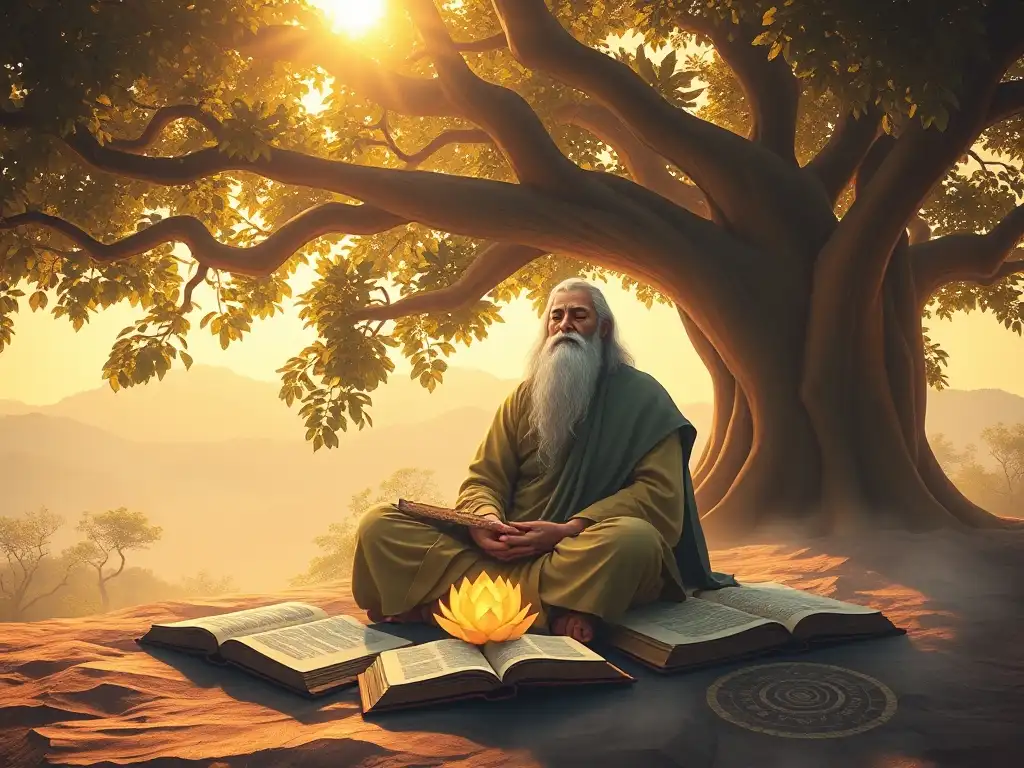
Lessons from the Ramayana and Mahabharata
The Itihasas, particularly the Ramayana and Mahabharata, serve as profound sources of spiritual wisdom that continue to influence modern spiritual practices. These texts are not merely historical accounts; they encapsulate moral dilemmas, ethical teachings, and philosophical insights that resonate with contemporary life.
Moral and Ethical Teachings
Both epics delve into complex themes such as duty (dharma), righteousness, and the nature of justice. For instance, the character of Rama in the Ramayana exemplifies the ideal of dharma, portraying how adherence to one’s duties can lead to harmony and fulfillment. This resonates in modern spirituality, where individuals seek guidance on ethical living and personal responsibility.
- Dharma: Upholding one's moral duty.
- Karma: Understanding the consequences of one's actions.
- Selflessness: The ideal of putting others before oneself, as seen in the sacrifices of characters like Arjuna in the Mahabharata.
Psychological Insights
The narratives also explore psychological intricacies, such as the struggles of Arjuna with doubt and fear on the battlefield. This internal conflict reflects modern spiritual practices that encourage self-reflection and personal growth. The Bhagavad Gita, a section of the Mahabharata, specifically addresses the importance of mental clarity and the pursuit of self-knowledge, which are key components of contemporary spiritual paths.
Storytelling as a Tool for Spiritual Development
Storytelling, as exemplified by the Itihasas, is a powerful medium for spiritual development. The narratives within these texts not only entertain but also educate and inspire.
Engaging the Imagination
The vivid descriptions and dramatic narratives engage the imagination, allowing individuals to connect with spiritual concepts on a deeper level. This engagement fosters a sense of empathy and understanding, essential for personal growth in modern spirituality.
- Role Models: Characters such as Sita and Krishna serve as archetypes for various virtues, encouraging individuals to embody these qualities in their own lives.
- Symbolism: The stories often contain rich symbolism, inviting interpretations that can vary from personal insights to broader philosophical teachings.
Community and Shared Values
Moreover, storytelling facilitates community engagement. Group recitations and discussions of these epics create a shared space for spiritual exploration, reminiscent of traditional gatherings where stories would be told and lessons shared. This communal aspect is increasingly relevant as modern spiritual seekers often look for connection and belonging.
Modern Adaptations of Itihasa Narratives in Spirituality
In contemporary times, the narratives of the Itihasas have found new expressions in various spiritual practices and teachings.
Retelling Through Various Mediums
Adaptations of the Ramayana and Mahabharata in literature, theater, and cinema have made these stories accessible to a broader audience. These modern retellings often emphasize themes relevant to today's society, such as justice, equality, and the quest for truth.
- Literature: Novels and essays that reinterpret these epics for modern readers.
- Film: Movies and series that dramatize the stories, bringing them to life for new generations.
Integration into Spiritual Practices
Many modern spiritual practices incorporate teachings from these epics, using them as frameworks for meditation, reflection, and ethical living. Workshops and retreats often draw upon the lessons of the Itihasas to guide participants in their spiritual journeys.
- Meditation Techniques: Guided sessions that focus on the virtues of characters.
- Workshops: Discussions that explore the relevance of these teachings in today’s context.
The Puranas and Itihasas provide a rich tapestry of teachings that continue to inspire modern spirituality. By exploring the lessons, engaging in storytelling, and adapting these narratives, individuals can deepen their spiritual practices and find relevance in ancient wisdom.
Comparative Analysis: Puranas vs Itihasas in Spirituality
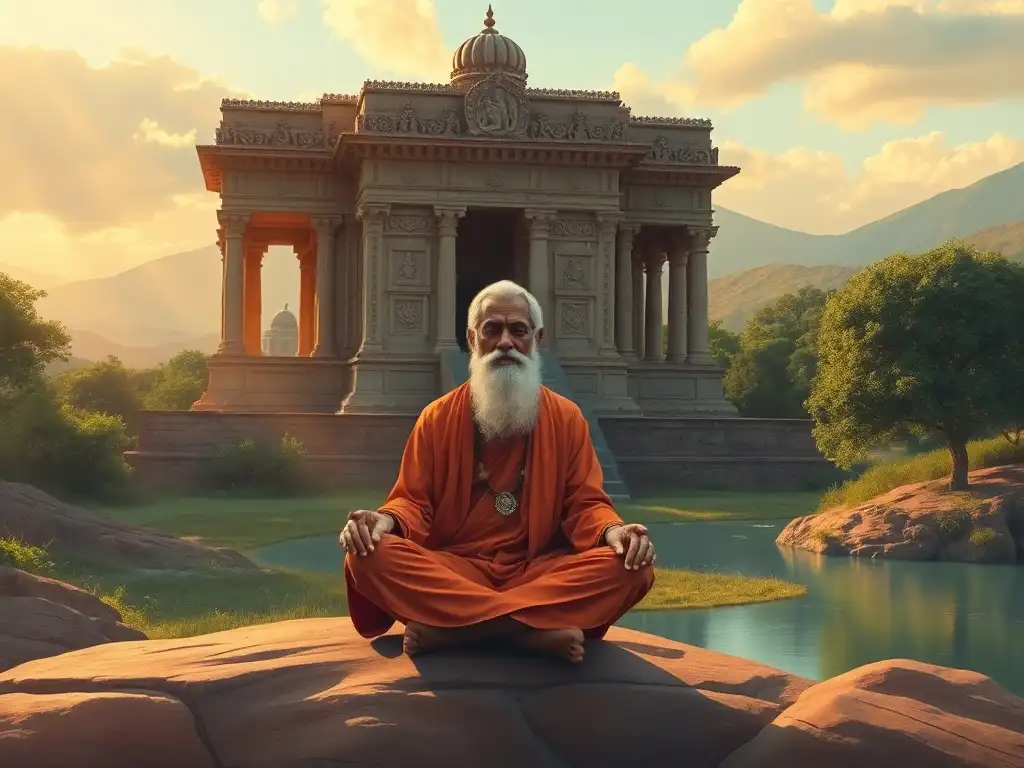
Similarities in Spiritual Teachings
The Puranas and Itihasas, two significant genres of ancient Indian literature, share a common foundation in spirituality. Both texts aim to impart moral values, ethical conduct, and a deeper understanding of the universe, thus providing a framework for modern spiritual practices.
- Universal Themes: Both Puranas and Itihasas address universal themes such as the nature of dharma (righteousness), karma (action and consequence), and moksha (liberation). These concepts resonate with practitioners of modern spirituality, guiding them to lead purposeful lives.
- Mythological Narratives: The narratives within these texts often use mythological stories to convey spiritual lessons. For instance, the Bhagavad Gita, part of the Mahabharata (an Itihasa), presents the dialogue between Arjuna and Krishna, which serves as a guide to self-realization and duty. Similarly, the Puranas often recount divine tales that encourage devotion and moral living.
- Ritualistic Practices: Both genres emphasize the importance of rituals and ceremonies as a means of connecting with the divine. Modern spiritual practitioners often draw upon these ancient practices, incorporating pujas (worship), mantras, and meditation techniques derived from both Puranas and Itihasas.
- Philosophical Underpinnings: Both texts explore various philosophical schools of thought, including Vedanta and Samkhya, which continue to shape the spiritual discourse in contemporary India and beyond. These philosophies encourage seekers to question reality and explore their inner selves.
Differences in Approach to Modern Practices
While Puranas and Itihasas share foundational concepts, their approaches to modern spiritual practices differ significantly.
- Narrative Structure: Itihasas, particularly the Mahabharata and Ramayana, are epic narratives that provide a chronological account of historical events intertwined with moral and ethical dilemmas. This narrative-driven approach allows for practical applications of spirituality through relatable characters. In contrast, Puranas often adopt a more allegorical style, focusing on cosmology and mythology without a strict historical timeline.
- Focus on Devotion vs. Duty: The Itihasas emphasize the importance of duty (dharma) as portrayed through characters facing moral challenges. This focus on duty encourages modern practitioners to engage actively in their responsibilities. Conversely, Puranas tend to highlight devotion (bhakti) towards deities, inspiring modern spiritual seekers to cultivate love and surrender to the divine.
- Cultural Context: The Itihasas are deeply embedded in the socio-political context of ancient India, reflecting the values and conflicts of the time. This makes them relevant for understanding contemporary issues. Puranas, on the other hand, often address timeless themes of creation, destruction, and cosmic cycles, appealing to those seeking universal truths.
Case Studies of Influential Spiritual Leaders Incorporating Both
Several influential spiritual leaders have integrated teachings from both Puranas and Itihasas into their practices, shaping modern spirituality.
- Swami Vivekananda: A prominent figure in the revival of Hindu philosophy, Vivekananda drew heavily from both Itihasas and Puranas. He emphasized the importance of practical Vedanta, urging followers to embody the teachings of the Gita while also embracing the devotional aspects found in the Puranas.
- Paramahansa Yogananda: Known for his teachings on Kriya Yoga, Yogananda incorporated stories from the Ramayana and the Mahabharata, illustrating the principles of yoga and meditation. His works often reference the spiritual practices outlined in the Puranas, demonstrating their relevance in achieving self-realization.
- Sri Aurobindo: A philosopher and spiritual leader, Aurobindo synthesized the teachings of the Itihasas and Puranas to articulate his vision of integral yoga. He believed that understanding the narratives of the Itihasas could lead to profound insights into personal and collective evolution, while the Puranas provided a spiritual framework for transformation.
By exploring the rich tapestry of teachings from both Puranas and Itihasas, modern spiritual practitioners can draw wisdom and inspiration, fostering a deeper connection to their spiritual journeys.
Conclusion: The Enduring Legacy of Puranas and Itihasas in Modern Spirituality
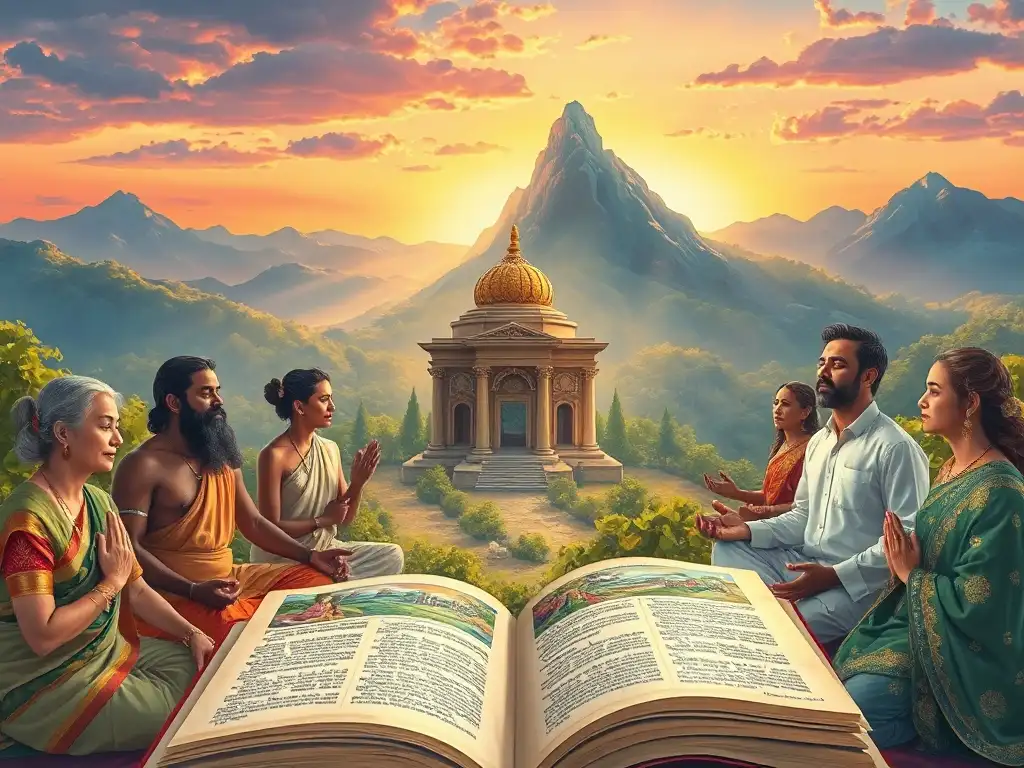
The Puranas and Itihasas have played a pivotal role in shaping the spiritual landscape of modern India and beyond. Their profound teachings and narratives continue to resonate with individuals seeking guidance, purpose, and a deeper understanding of life. By providing rich mythological frameworks and moral lessons, these ancient texts serve as a bridge between past wisdom and contemporary spiritual practices.
Summary of Key Insights
- Cultural Heritage: The Puranas and Itihasas encapsulate the ethos of ancient Indian civilization, reflecting its values, beliefs, and rituals. They are not just historical records; they are living documents that continue to influence spiritual thought.
- Spiritual Frameworks: Concepts outlined in these texts—such as dharma (duty), karma (action), and moksha (liberation)—remain foundational to modern spiritual practices. Their teachings encourage individuals to reflect on their actions and their consequences, fostering a sense of accountability and moral integrity.
- Ritualistic Practices: Many contemporary rituals and ceremonies find their roots in the narratives and guidelines provided by the Puranas and Itihasas. For instance, festivals and practices that celebrate deities often originate from stories in these texts, enriching community life and personal spirituality.
- Philosophical Depth: The philosophical discourses found in texts like the Bhagavad Gita (part of the Mahabharata, an Itihasa) encourage introspection and self-realization, which are pivotal in modern spiritual quests. This call for inner exploration aligns with the contemporary emphasis on mindfulness and self-awareness.
- Integration into Daily Life: Modern spiritual practitioners often draw upon the wisdom of these texts to navigate daily challenges, using them as a source of inspiration and guidance in their personal and communal lives.
Future Directions for Spiritual Practices Inspired by Ancient Texts
As society evolves, the integration of Puranas and Itihasas into modern spirituality is likely to take on new dimensions. Here are some potential future directions:
- Interdisciplinary Approaches: The fusion of ancient wisdom with modern psychology, sociology, and environmental studies can create holistic spiritual practices that address contemporary challenges. For example, using principles of sustainability found in ancient texts to inform modern ecological practices could be transformative.
- Digital Platforms: With the rise of technology, there is an opportunity to disseminate the teachings of Puranas and Itihasas through online platforms. Virtual workshops, webinars, and social media can make these teachings accessible to a global audience, fostering a diverse community of spiritual seekers.
- Personalized Spirituality: The emphasis on individual spirituality may lead to a more personalized interpretation of Puranic and Itihasic teachings. As practitioners tailor these ancient narratives to fit their unique life experiences, new forms of spiritual expression may emerge.
- Global Dialogue: Engaging in dialogue with other spiritual traditions worldwide can enrich the understanding of Puranas and Itihasas. This intercultural exchange can lead to a deeper appreciation of shared human experiences and values, promoting unity and peace.
By embracing these future directions, the teachings of Puranas and Itihasas can continue to inspire and enrich modern spirituality, ensuring that their legacy endures for generations to come.
Frequently Asked Questions
What are Puranas and Itihasas?
Puranas and Itihasas are ancient texts that provide insights into Indian mythology, history, and spirituality. They encompass a vast range of stories and teachings that continue to influence modern spiritual practices.
How do Puranas influence modern spirituality?
Puranas serve as a source of spiritual wisdom and guidance, offering teachings that resonate with contemporary spiritual seekers. Their narratives encourage individuals to explore their own spiritual paths.
What role did the Gupta Empire play in the preservation of these texts?
The Gupta Empire was instrumental in the preservation and dissemination of Puranas and Itihasas, fostering a climate where literature and spirituality flourished, ultimately impacting modern spiritual traditions.
Can the teachings from these texts be applied today?
Yes, the teachings from Puranas and Itihasas are still relevant, providing timeless lessons on ethics, morality, and the nature of existence that can be integrated into modern spiritual practices.
How do Puranas and Itihasas compare to other spiritual texts?
Unlike many other spiritual texts, Puranas and Itihasas combine historical narratives with mythological stories, offering a unique perspective that enriches our understanding of spirituality and culture in the modern context.
Final Reflection: Bridging Ancient Wisdom with Modern Spirituality
In an era where the quest for meaning and connection is more relevant than ever, the teachings of the Puranas and Itihasas serve as a beacon of guidance for contemporary spiritual seekers. These ancient texts, rich in narrative and philosophy, remind us that the essence of spirituality transcends time, offering insights that resonate deeply with our current struggles and aspirations. As we navigate the complexities of modern life, the wisdom embedded in these scriptures can illuminate our paths, encouraging us to explore the depths of our own spiritual journeys.
The influence of the Puranas and Itihasas on modern spirituality is profound and ongoing. These texts not only shape individual practices but also foster a collective cultural consciousness that values introspection and connection. The stories of divine beings and their earthly incarnations inspire us to cultivate virtues like compassion, resilience, and love in our daily lives. As Mahatma Gandhi once said, The best way to find yourself is to lose yourself in the service of others.
This sentiment echoes the teachings found within these ancient scriptures, reminding us that our spiritual growth is intertwined with our service to humanity.
As you reflect on the insights shared in this article, I invite you to consider how you can integrate the lessons of the Puranas and Itihasas into your own spiritual practice. Embrace the stories, rituals, and philosophies that resonate with you, and allow them to guide your journey toward self-discovery and connection with the divine. The wisdom of the past is not just a relic; it is a living source of inspiration that can empower you to create a more meaningful and spiritually enriched life.
Embrace the Wisdom of the Past Today!
Thank you for diving into the rich tapestry of Puranas and Itihasas with us! Your exploration of these ancient texts offers valuable insights into modern spiritual practices that can resonate deeply with your life. Now, let’s take the next step in your spiritual journey:
- Integrate a teaching from the Puranas into your daily routine. Consider starting each day with a brief reflection on the qualities of a deity that inspires you.
- Join an online community or local group dedicated to the study of these texts. Sharing insights with others can significantly deepen your understanding and connection.
- Explore further by reading a different Purana or Itihasa each month and reflecting on how its teachings can be applied to your current life situations.
What insights from Puranas and Itihasas do you believe could transform your daily life?