
The Indus Valley Civilization: A Case Study in Urban Resilience

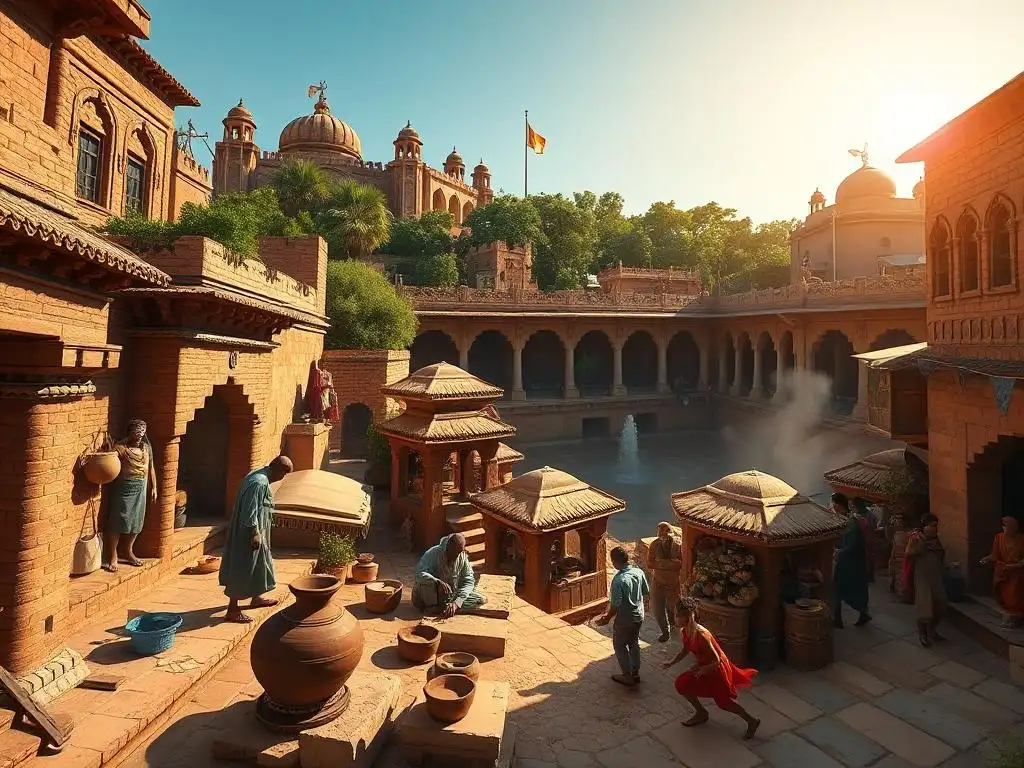
Welcome to Ancient India History, where we delve deep into the rich tapestry of ancient civilizations that shaped the Indian subcontinent. In our featured article, "The Indus Valley Civilization: A Case Study in Urban Resilience," we unravel the intriguing stories of how this remarkable society thrived against the odds. Discover how their innovative urban planning and adaptability laid the groundwork for future generations. Are you ready to explore the fascinating dynamics of the Indus Valley urban resilience history? Join us as we journey back in time to uncover the secrets of a civilization that continues to inspire and educate.
Introduction to the Indus Valley Civilization
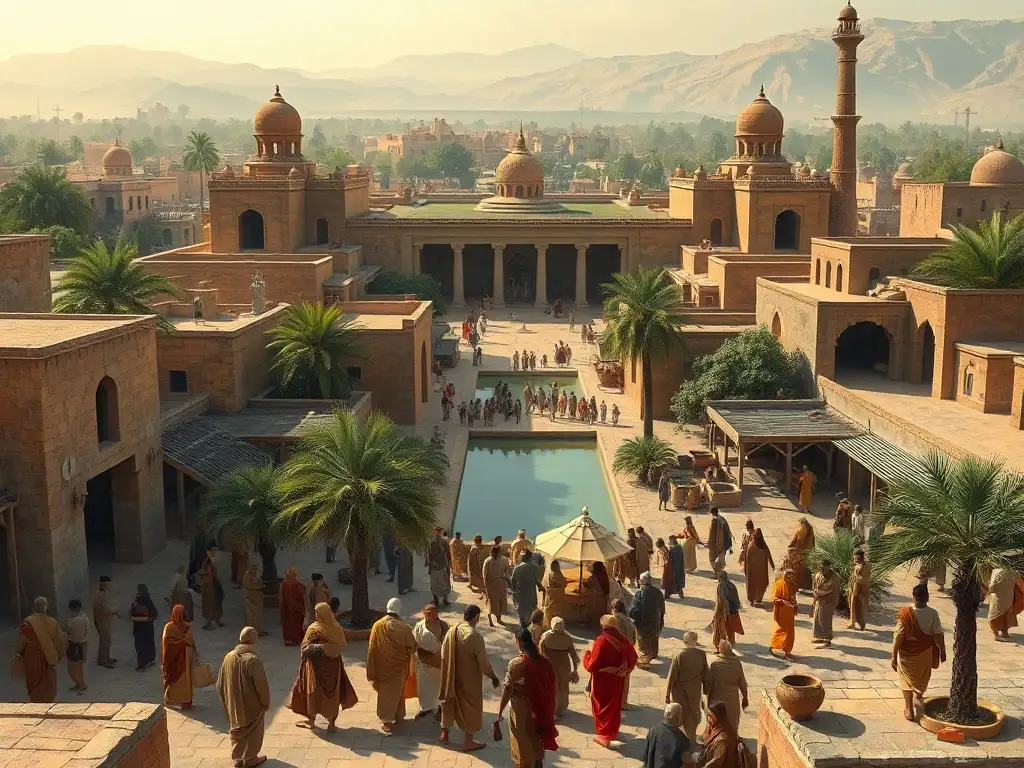
The Indus Valley Civilization (IVC), one of the earliest urban cultures in human history, flourished around 2500 BCE in what is now Pakistan and northwest India. Recognized for its advanced urban planning, sophisticated architecture, and impressive social organization, the IVC serves as a prime example of urban resilience in the face of environmental challenges.
This civilization's ability to adapt and thrive amidst changing climatic conditions and resource availability offers invaluable insights into the sustainability practices of ancient societies. In this article, we will delve into the multifaceted aspects of the Indus Valley urban resilience history, examining its origins, evolution, and the factors that contributed to its remarkable durability.
Overview of Indus Valley Civilization History
The Indus Valley Civilization emerged as a significant cultural and economic hub around 3300 BCE, reaching its zenith between 2600 and 1900 BCE. The civilization is characterized by its well-planned cities, such as Harappa and Mohenjo-Daro, which featured advanced drainage systems and standardized brick construction. The decline of the IVC around 1900 BCE remains a subject of scholarly debate, with theories ranging from climate change and river shifts to socio-political factors. Despite its ultimate decline, the legacy of the IVC endures, influencing subsequent cultures and urban planning practices in the region.
Importance of Urban Resilience in Ancient Societies
Urban resilience refers to the capacity of cities to absorb and adapt to environmental, social, and economic shocks while maintaining essential functions. For ancient societies like the Indus Valley Civilization, urban resilience was crucial for survival and continuity. Factors such as:
- Geographical advantages: Proximity to rivers for irrigation and trade.
- Innovative infrastructure: Development of drainage systems and public baths.
- Social organization: Collaborative governance and community practices.
These elements contributed to the IVC's ability to withstand external pressures and adapt to changing conditions, setting a precedent for urban resilience in future civilizations.
Historical Context of the Indus Valley Civilization
Geographical Features and Settlements
The geographical landscape of the Indus Valley is marked by the fertile plains of the Indus River, which provided essential resources for agriculture and trade. The civilization extended across a vast area, including regions of modern-day Pakistan and northwest India, encompassing various settlements that were strategically located near water sources. Key features include:
- River systems: The Indus River and its tributaries supported irrigation and agriculture.
- Urban centers: Major cities like Harappa and Mohenjo-Daro were meticulously planned, showcasing an understanding of urban design.
These geographical features played a pivotal role in the development of complex societies, facilitating trade and cultural exchanges.
Cultural and Economic Foundations of Urban Life
The cultural and economic foundations of the Indus Valley Civilization were intricately woven into its urban life. The economy was primarily based on agriculture, supplemented by trade and crafts. Key aspects include:
- Agricultural practices: The cultivation of crops such as wheat, barley, and cotton.
- Trade networks: Extensive trade with neighboring regions, which enabled the exchange of goods and ideas.
- Craftsmanship: Highly skilled artisans produced pottery, textiles, and jewelry, reflecting a rich cultural heritage.
These foundations not only contributed to the prosperity of the IVC but also demonstrated the interplay between culture, economy, and urban resilience, shaping the civilization's legacy in the annals of history.
Key Characteristics of Indus Valley Urban Planning
The Indus Valley Civilization (IVC) is renowned for its remarkable urban planning and architectural sophistication, which showcase the ingenuity of its people. Central to the concept of urban resilience, the layout and organization of these ancient cities highlight a deep understanding of environmental and social dynamics. Key characteristics of urban planning in the Indus Valley include grid-like street patterns, standardized brick sizes, and the integration of public and private spaces, all contributing to efficient urban living.
The cities, such as Harappa and Mohenjo-Daro, displayed a level of planning that was unprecedented for their time. Streets were laid out in straight lines, usually oriented north-south and east-west, allowing for ease of movement and navigation. This grid system not only facilitated trade and transportation but also enhanced the management of urban services. The use of uniform baked bricks for construction ensured structural integrity and ease of maintenance, reflecting a standardization that points to advanced administrative capabilities.
Advanced City Layout and Architecture
The architectural features of Indus Valley cities are a testament to their advanced engineering skills. Buildings were often multi-storied and constructed using fired bricks, which provided durability and weather resistance. The presence of large public buildings, such as granaries and assembly halls, indicates a well-organized social structure.
Residential areas were typically organized with a clear distinction between public and private spaces. Houses were designed with multiple rooms, ventilation systems, and were often equipped with bathrooms and drainage systems, highlighting an advanced understanding of hygiene and urban living. The use of courtyards was common, providing light and ventilation while serving as communal spaces for families.
Moreover, the architectural layout often included fortified walls that protected against potential invasions, showcasing the civilization's awareness of security and defense. The careful planning and use of materials reflect a sophisticated approach to urban architecture that contributed to the resilience of the Indus Valley cities.
Water Management Systems and their Significance
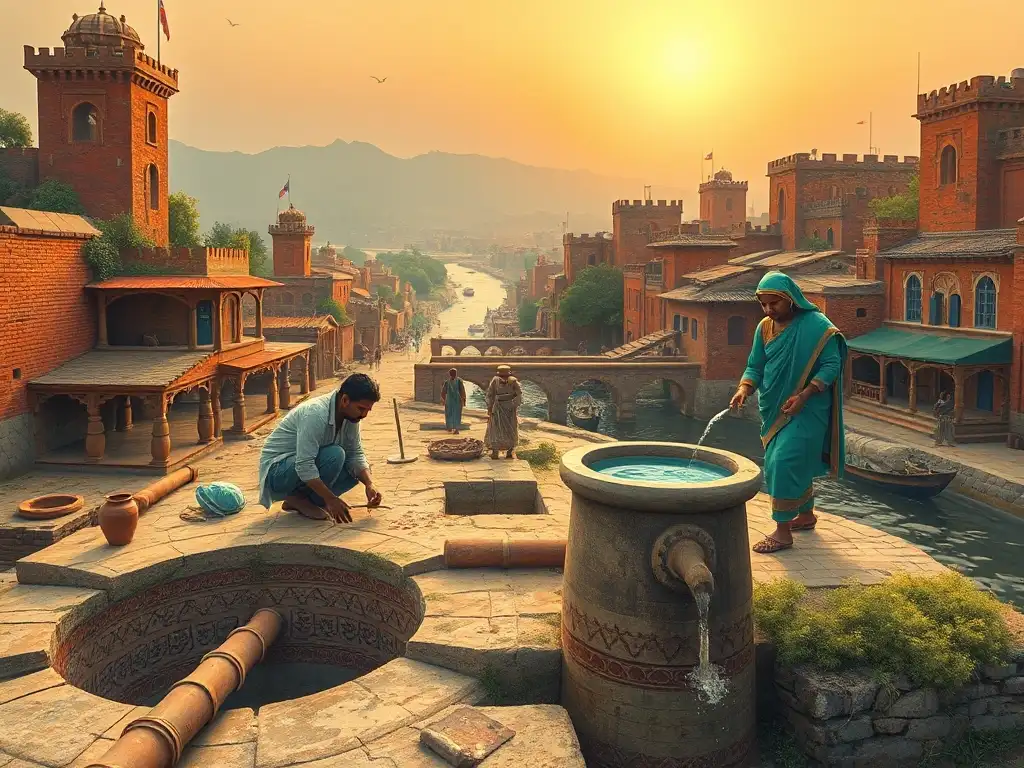
Water management was a critical aspect of urban resilience in the Indus Valley Civilization. The cities were equipped with advanced drainage systems that included covered drains and soak pits, which effectively managed waste and stormwater, reducing the risk of flooding and waterborne diseases. This intricate network of drainage not only demonstrated engineering prowess but also illustrated the civilization's commitment to public health.
In addition to drainage, the IVC featured sophisticated water storage and supply systems. Large reservoirs and wells were constructed to ensure a steady water supply for both domestic and agricultural needs. The presence of public baths, such as the Great Bath in Mohenjo-Daro, reflects the importance placed on cleanliness and communal hygiene.
The significance of these water management systems extends beyond mere practicality; they were crucial for supporting agriculture, which in turn sustained urban populations. By effectively managing water resources, the Indus Valley Civilization was able to thrive in a semi-arid environment, showcasing their resilience in the face of environmental challenges.
The Role of Trade in Urban Resilience
Trade played an essential role in the urban resilience of the Indus Valley Civilization, facilitating economic stability and cultural exchange. The strategic location of Indus Valley cities along trade routes allowed for the exchange of goods not only within the region but also with distant lands, including Mesopotamia and Persia.
The abundance of raw materials, such as cotton, beads, and metals, enabled the development of a robust trade network. Artisans in the IVC produced high-quality textiles and handicrafts, which were sought after by neighboring civilizations. This economic interdependence fostered urban growth and stability, as cities became centers of commerce and production.
Moreover, trade relations contributed to cultural exchange and innovation. The influx of ideas and technologies from other civilizations enriched the cultural landscape of the Indus Valley, promoting social cohesion and adaptability in the face of challenges. As a result, trade was not only a catalyst for economic prosperity but also a means of enhancing urban resilience through diversification and innovation.
Challenges Faced by the Indus Valley Civilization
Despite its achievements, the Indus Valley Civilization faced several challenges that threatened its urban resilience. These challenges stemmed from both environmental factors and internal social dynamics, which, when combined, posed significant risks to the stability of the civilization.
Environmental Factors Impacting Urban Growth
Environmental factors had a profound impact on the urban growth of the Indus Valley Civilization. The region experienced fluctuations in climate, including periods of drought and flooding, which directly affected agricultural productivity. The reliance on the monsoon season for irrigation meant that any disruption could lead to food shortages and economic instability.
Additionally, the shifting course of rivers, such as the Sarasvati, could have resulted in water scarcity for some cities while others faced the risk of flooding. These environmental shifts necessitated adaptive strategies for water management and agriculture, which were critical for sustaining urban populations.
The challenges posed by environmental variability underscored the importance of resilience planning in urban settings. The ability of IVC cities to adapt to changing conditions was crucial for their survival, highlighting the complex interplay between urban planning and environmental awareness.
Social and Political Challenges in Urban Centers
Social and political challenges also played a significant role in the dynamics of urban life within the Indus Valley Civilization. The complexity of urban centers necessitated effective governance and social cohesion. However, the absence of centralized political structures, as evidenced by the lack of monumental architecture or royal inscriptions, suggests that governance may have been more decentralized and community-based.
Social stratification may have contributed to tensions within urban populations, as disparities in wealth and access to resources could lead to conflicts. The management of trade, resources, and public services required cooperation among various social groups, which was not always guaranteed.
Additionally, the potential for external threats, such as invasions or competition from neighboring civilizations, further complicated the political landscape. The need for coordinated responses to both internal and external challenges was essential for maintaining the resilience of urban centers.
While the Indus Valley Civilization demonstrated remarkable urban resilience through advanced planning and resource management, it was not immune to the challenges posed by environmental fluctuations and social dynamics. Understanding these factors provides valuable insights into the complexities of ancient urban life and the lessons that can be drawn for contemporary civilizations.
Innovations and Adaptations in Urban Resilience
The Indus Valley Civilization, one of the earliest urban societies, exhibited remarkable innovations and adaptations that contributed to its urban resilience. These innovations encompassed a wide range of areas, including urban planning, water management, and agricultural techniques. The ability to adapt to environmental challenges and resource constraints was crucial for the survival and prosperity of this civilization.
Urban planning in the Indus Valley was characterized by a grid layout, which facilitated efficient movement and organization. Streets were laid out in neat, perpendicular rows, and homes were constructed using standardized fired bricks, showcasing not just aesthetic appeal but also functional durability. Additionally, the civilization's advanced drainage systems, featuring covered drains and soak pits, exemplified their commitment to hygiene and sanitation, reflecting a deep understanding of urban infrastructure.
Technological Advancements in Infrastructure
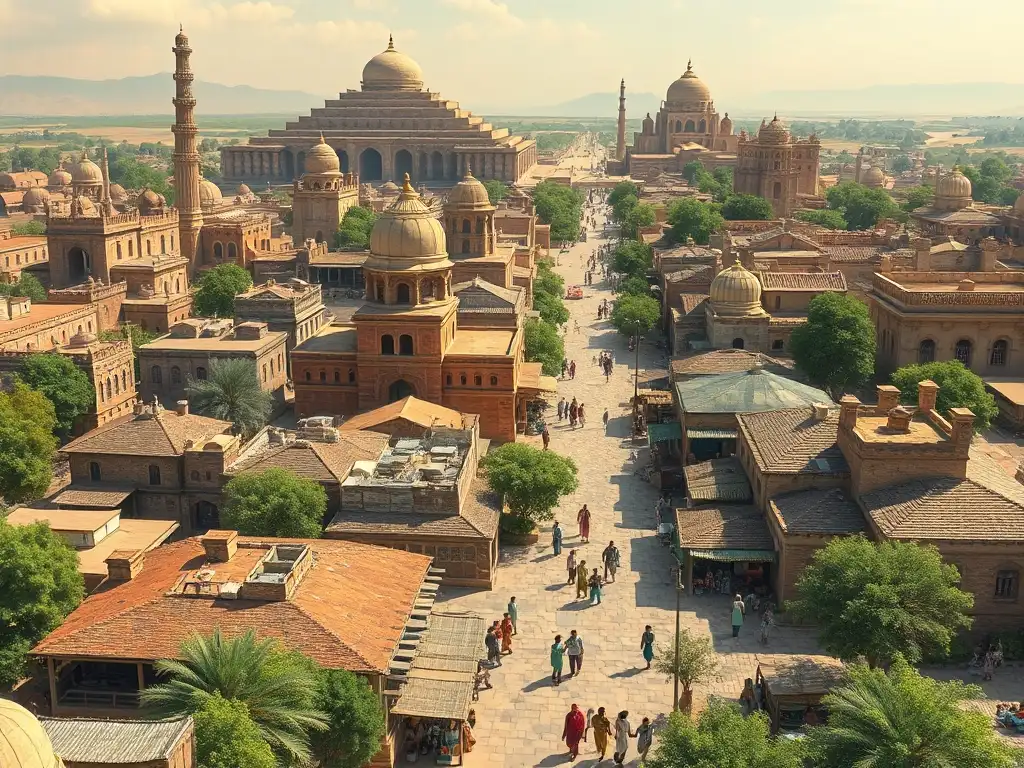
Technological advancements played a pivotal role in the infrastructure of the Indus Valley Civilization. One of the most significant achievements was the development of a sophisticated drainage system. This network included brick-lined drains that ran along the streets, allowing for effective wastewater management. The meticulous planning of these systems illustrates the civilization's foresight in addressing public health and environmental needs.
Moreover, the use of baked bricks, which were uniform in size and shape, not only improved construction quality but also facilitated the creation of multi-story buildings. The presence of large public baths, such as the Great Bath found in Mohenjo-Daro, highlights their architectural ingenuity and commitment to communal hygiene, serving as a social and religious center for the community.
The resilience of the Indus Valley Civilization was further strengthened by its community organization and social cohesion. A well-structured society with clear roles and responsibilities fostered cooperation among its inhabitants. Evidence suggests that the civilization operated on principles of collective decision-making, likely guided by a council of elders or leaders representing various segments of the community.
Social cohesion was supported by shared public spaces and communal facilities, including granaries and water reservoirs, which encouraged interaction and collaboration among residents. Festivals and rituals likely played a significant role in reinforcing community bonds, creating a sense of identity and collective purpose that contributed to the civilization's stability and resilience.
Comparative Analysis of Urban Resilience in Ancient Civilizations
When comparing the urban resilience of the Indus Valley Civilization to other ancient civilizations, it becomes evident that their approaches to environmental challenges and urban planning varied significantly. While civilizations like Mesopotamia and ancient Egypt also exhibited resilience through technological innovations, the Indus Valley's unique strategies set it apart.
The focus on urban planning and sanitation in the Indus Valley was more advanced than that of many contemporaneous societies. For instance, while Mesopotamia struggled with flooding and did not have a systematic approach to drainage, the Indus Valley's integrated water management systems allowed for better control over water resources, showcasing a proactive stance towards urban resilience.
Indus Valley vs. Contemporary Civilizations: A Resilience Perspective
In a modern context, the urban resilience demonstrated by the Indus Valley Civilization offers valuable lessons for today’s urban planners and policymakers. The integration of technology, community organization, and sustainable practices can inform contemporary approaches to urban resilience, particularly in the face of climate change and rapid urbanization.
Contemporary cities grappling with issues such as pollution, inadequate waste management, and social fragmentation can draw inspiration from the Indus Valley’s emphasis on infrastructure, hygiene, and community cohesion. For instance, the idea of creating green spaces and efficient public systems can be traced back to the principles established by the Indus Valley inhabitants.
Lessons Learned from Indus Valley Urban Resilience History
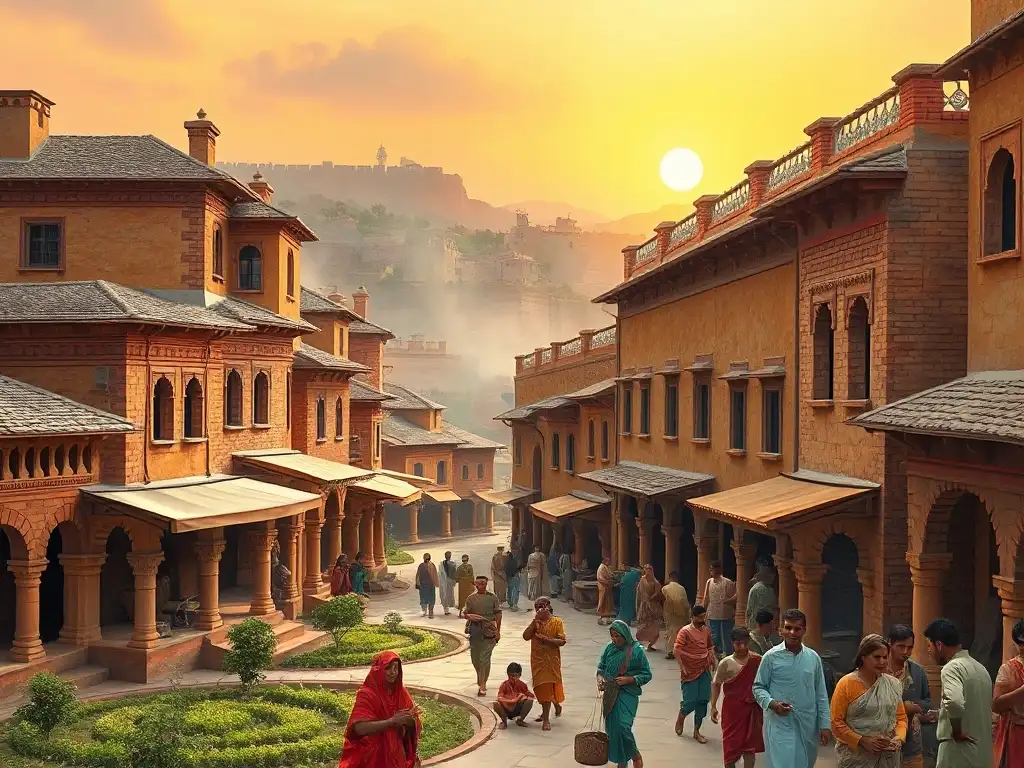
The urban resilience history of the Indus Valley Civilization provides profound insights into the relationship between urban planning and sustainability. Key lessons include the importance of adaptive technologies, such as advanced drainage systems and standardized construction methods, which can be applied to modern urban challenges.
Furthermore, the emphasis on community engagement and social cohesion underscores the necessity of involving residents in urban planning processes. This participatory approach can enhance trust and cooperation, leading to more resilient urban environments. As cities today strive to become more sustainable and resilient, the Indus Valley Civilization serves as a timeless example of how thoughtful planning and community strength can lead to enduring urban success.
Conclusion: The Legacy of Indus Valley Urban Resilience
The Indus Valley Civilization (IVC) stands as a testament to exceptional urban planning and resilience in the face of environmental challenges. Its sophisticated drainage systems, grid-like city layouts, and robust trade networks illustrate the ingenuity of its people. The legacy of the IVC continues to resonate through the ages, influencing subsequent civilizations and offering valuable lessons in sustainability and urban management. The ability of these ancient cities to adapt to shifts in climate and resource availability showcases the foresight and adaptability of their inhabitants, establishing a benchmark for future urban developments.
The meticulous development of urban infrastructure, such as public baths and granaries, reflects a community-oriented approach that promoted hygiene and resource management. These principles remain relevant today, as contemporary societies grapple with similar issues of urbanization, resource scarcity, and climate change. Understanding the factors that contributed to the resilience of the Indus Valley cities not only enriches our knowledge of ancient civilizations but also informs current practices in urban planning and environmental stewardship.
Impact on Subsequent Indian Civilizations
The Indus Valley Civilization had a profound impact on subsequent Indian civilizations, setting a precedent for urban planning and social organization. Following the decline of the IVC around 1900 BCE, the cultural and technological advancements established during this period continued to influence later societies, including the Vedic period and the rise of the Mauryan Empire.
Key aspects of the IVC, such as urban grid patterns and public infrastructure, were echoed in later settlements across the Indian subcontinent. Additionally, the trade networks established during the IVC fostered economic connectivity that persisted, allowing for cultural and technological exchanges among emerging civilizations. The emphasis on sustainable practices, evident in agricultural innovations, laid the groundwork for agricultural societies that followed, demonstrating the lasting influence of the IVC on India's socio-economic development.
Relevance of Indus Valley Resilience in Modern Urban Studies
The urban resilience demonstrated by the Indus Valley Civilization provides critical insights for modern urban studies, particularly in the context of sustainability and climate adaptation. As cities around the world face increasing pressures from rapid urbanization and environmental changes, the IVC's strategies for resource management and urban planning offer valuable lessons.
Modern researchers and urban planners draw parallels between the challenges faced by the Indus Valley inhabitants and those of contemporary cities. The effective use of drainage systems, rainwater harvesting, and community participation in urban governance are aspects that can inform current practices in sustainable urban development. Furthermore, the IVC's adaptability to climatic variations serves as a model for resilience-building efforts aimed at mitigating the impacts of climate change in urban settings today.
References and Further Reading
Suggested Literature on Indus Valley Urban Resilience History
- "The Indus Civilization: A Contemporary Perspective": by Jim G. Shaffer - This book provides an in-depth analysis of the IVC, focusing on its urban planning and resilience strategies.
- "The Archaeology of the Indus Valley Civilization" by Jonathan Mark Kenoyer - A comprehensive examination of the archaeological findings related to the IVC, highlighting urban innovations and societal structures.
- "Urbanization and Sustainability in the Indus Valley" by Shikha Jain - This work explores the sustainable practices adopted by the IVC and their relevance to contemporary urban issues.
Additional Resources for Ancient Indian Civilizations
- "Ancient Indian History and Civilization" by Sailendra Nath Sen - A broad overview of ancient Indian history, including significant civilizations and their contributions.
- "The Oxford History of Ancient India" edited by Romila Thapar - A collection of essays that cover various aspects of ancient Indian civilizations, with insights into their urban developments.
- Online databases and archives such as the Archaeological Survey of India provide access to research papers, excavation reports, and other resources related to the Indus Valley Civilization and its enduring impact on Indian history.
- Introduction to the Indus Valley Civilization
- Historical Context of the Indus Valley Civilization
- Key Characteristics of Indus Valley Urban Planning
- Advanced City Layout and Architecture
- Water Management Systems and their Significance
- The Role of Trade in Urban Resilience
- Challenges Faced by the Indus Valley Civilization
- Innovations and Adaptations in Urban Resilience
- Technological Advancements in Infrastructure
- Community Organization and Social Cohesion
- Comparative Analysis of Urban Resilience in Ancient Civilizations
- Indus Valley vs. Contemporary Civilizations: A Resilience Perspective
- Lessons Learned from Indus Valley Urban Resilience History
- Conclusion: The Legacy of Indus Valley Urban Resilience
- References and Further Reading
- What was the significance of the Indus Valley Civilization in terms of urban resilience?
- How did the geography of the Indus Valley influence its urban development?
- What factors contributed to the decline of the Indus Valley Civilization?
- How does the urban planning of the Indus Valley compare to other ancient civilizations?
- What lessons can modern cities learn from the Indus Valley Civilization?
Frequently Asked Questions
What was the significance of the Indus Valley Civilization in terms of urban resilience?
The Indus Valley Civilization showcased remarkable urban planning and infrastructure, demonstrating advanced drainage systems, grid layouts, and water management techniques that contributed to its resilience against environmental challenges.
How did the geography of the Indus Valley influence its urban development?
The geography of the Indus Valley, with its fertile plains and access to rivers, facilitated agriculture and trade, allowing cities like Mohenjo-Daro and Harappa to flourish as centers of economic and cultural activity.
What factors contributed to the decline of the Indus Valley Civilization?
Several factors, including climate change, declining trade, and potential invasions, contributed to the decline of the Indus Valley Civilization, impacting its urban resilience and leading to the eventual abandonment of its cities.
How does the urban planning of the Indus Valley compare to other ancient civilizations?
The urban planning of the Indus Valley is often regarded as more advanced than that of contemporary civilizations, featuring uniform brick sizes, sophisticated drainage, and a high level of standardization in city layouts, which highlights its urban resilience.
What lessons can modern cities learn from the Indus Valley Civilization?
Modern cities can learn about the importance of sustainable urban planning, effective water management, and the integration of green spaces from the Indus Valley Civilization to enhance their own urban resilience in facing contemporary challenges.
Final Reflection: The Enduring Legacy of Indus Valley Urban Resilience
The Indus Valley Civilization stands as a testament to the ingenuity and adaptability of human societies in the face of environmental challenges. Today, as we grapple with the impacts of climate change and urbanization, the lessons drawn from the sophisticated urban planning and resilience strategies of the Indus Valley resonate more than ever. Their ability to create sustainable cities that thrived for centuries serves as a powerful reminder of what is possible when innovation meets necessity.
Culture and society are inextricably linked to the resilience of our urban environments. The Indus Valley Civilization not only exemplified advanced engineering and urban planning but also fostered a sense of community and shared purpose among its inhabitants. This historical narrative continues to influence contemporary discussions about sustainable urban development. As architect and urban planner Jan Gehl once said, First life, then spaces, then buildings – the other way around never works.
This quote encapsulates the essence of what the Indus Valley achieved: prioritizing human experience and environmental harmony in their urban design.
As we reflect on the lessons of the Indus Valley, let us challenge ourselves to think critically about our own urban environments. How can we apply the principles of resilience and sustainability that defined this ancient civilization to our modern cities? I invite you to take a moment to consider your role in shaping the future of urban living.
Whether through advocating for sustainable practices, engaging in community planning, or simply being more mindful of our environmental impact, each of us has the power to contribute to a more resilient and harmonious urban landscape. The legacy of the Indus Valley Civilization is not just a chapter in history; it is a call to action for us all.
Unveil the Secrets of Urban Resilience!
Thank you for taking the time to explore the fascinating world of the Indus Valley Civilization! By diving into their remarkable urban resilience, you've gained valuable insights into how ancient societies thrived against the odds. Now, it's time to transform that knowledge into action!
Here are some clear steps you can take to further your understanding and appreciation of this incredible civilization:
- Dive Deeper: Read a book or watch documentaries focused on the architecture and urban planning of the Indus Valley. Expand your perspective and discover how these ancient systems can inform our modern challenges.
- Join the Conversation: Share your thoughts and newfound insights on social media or in online forums. Engaging with others who are passionate about ancient history can lead to enriching discussions and deeper learning.
- Visit a Local Museum: Explore artifacts related to the Indus Valley Civilization at a nearby museum. Experiencing history firsthand can provide a tangible connection to the past!
How do you think the lessons from the Indus Valley Civilization can help us build more resilient communities today?