
The Gupta Empire's Contributions to Architecture: Temples and Monuments

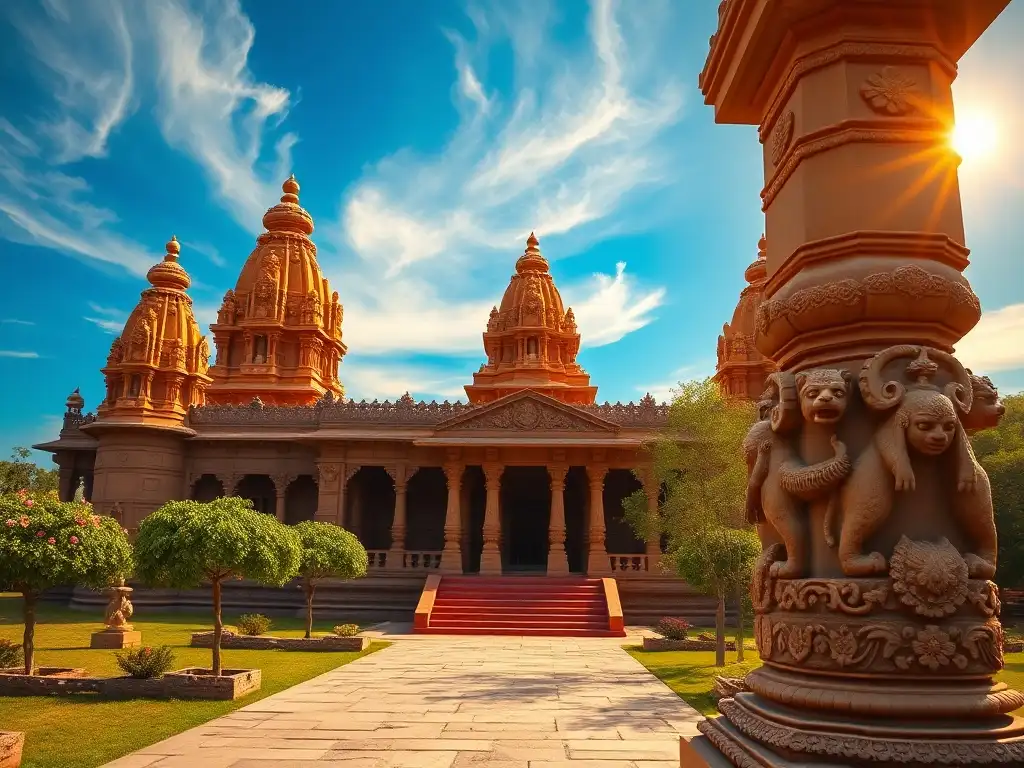
Welcome to Ancient India History, where we invite you to embark on a journey through the fascinating tapestry of ancient Indian civilizations. Discover how the Gupta Empire, often hailed as the Golden Age of India, revolutionized the architectural landscape with its breathtaking temples and monuments. In our featured article, “The Gupta Empire's Contributions to Architecture: Temples and Monuments,” you will unravel the intricate designs and cultural significance that define this remarkable era.
Join us as we explore the enduring legacy of Gupta architecture and the brilliant minds behind these masterpieces. Prepare to ignite your curiosity and delve deeper into a world where history and artistry intertwine!
- Introduction to Gupta Empire Architecture Contributions
- Key Features of Gupta Empire Architecture
- Major Temples of the Gupta Empire
- Monuments of the Gupta Empire
- Impact of Gupta Empire Architecture on Later Indian Architecture
- Conclusion: Lasting Legacy of Gupta Empire Architecture Contributions
-
Frequently Asked Questions
- What are the main architectural contributions of the Gupta Empire?
- How did Gupta Empire architecture influence later Indian styles?
- What are some examples of notable temples from the Gupta period?
- How did religion impact Gupta Empire architecture?
- What materials were commonly used in Gupta architecture?
- Final Reflection: The Enduring Legacy of Gupta Empire Architecture
- Unveil the Wonders of Gupta Architecture!
Introduction to Gupta Empire Architecture Contributions
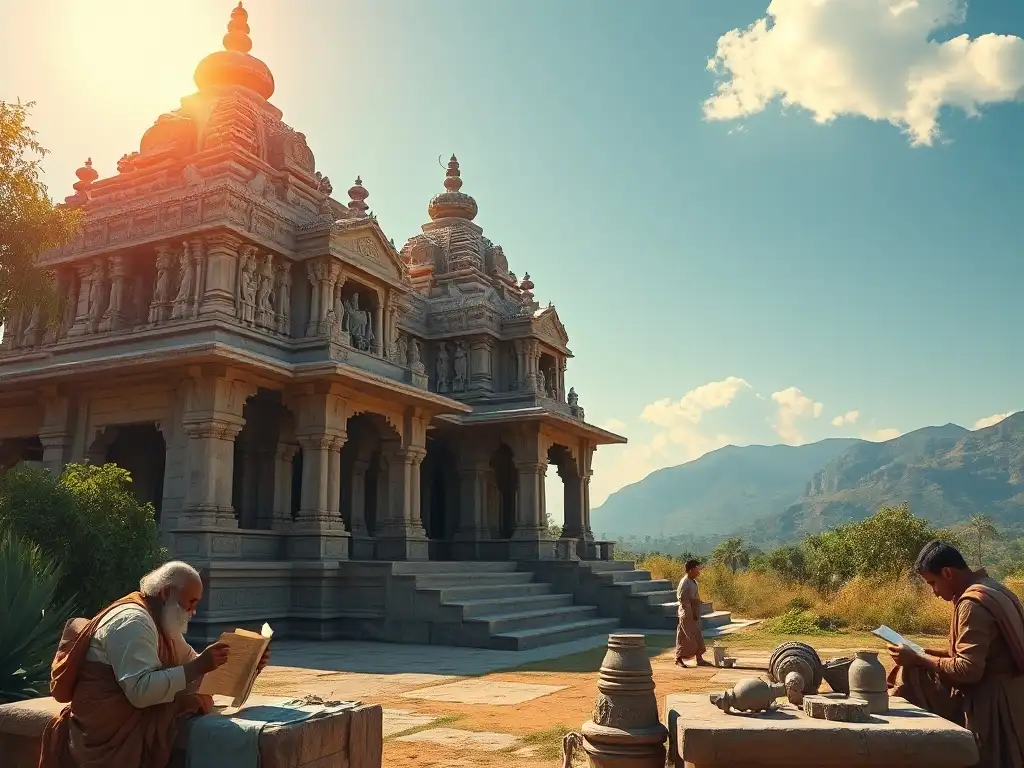
The Gupta Empire, often referred to as the Golden Age of India, flourished from approximately 320 to 550 CE, marking a period of remarkable achievements in various fields, notably in architecture. The architectural contributions of the Gupta Empire are not just a testament to their aesthetic sensibilities but also reflect the socio-political and religious dynamics of the time.
This era saw the emergence of distinctive architectural styles that blended functionality with intricate artistry, resulting in the construction of grand temples and monuments that continue to inspire admiration today. Understanding the architecture of the Gupta Empire allows us to appreciate the ingenuity and cultural richness that characterized this pivotal moment in ancient Indian history.
Overview of the Gupta Empire
The Gupta Empire was founded by Chandragupta I, and it expanded under his successors, particularly during the reign of Samudragupta and Chandragupta II. This period is notable for its advancements in science, literature, and philosophy, alongside the flourishing of the arts.
- Key Features of the Gupta Empire:
- Political Unity: The empire unified a vast region of northern India, facilitating trade and cultural exchange.
- Cultural Developments: The period saw the creation of significant literary works, including those by Kalidasa, and advancements in mathematics, such as the concept of zero.
- Religious Harmony: The Gupta rulers promoted Hinduism while also supporting Buddhism and Jainism, leading to architectural developments that catered to various faiths.
The architectural innovations during this time were profoundly influenced by these cultural and religious dynamics, leading to the construction of temples and monuments that embodied the spiritual and artistic aspirations of the society.
Importance of Architecture in Gupta Era
Architecture during the Gupta Empire served multiple purposes, reflecting the values, beliefs, and aspirations of the society.
- Religious Significance: Temples were not only places of worship but also centers of community life. They were built to honor deities and serve as a reflection of the prevailing religious sentiments.
- Cultural Identity: The architectural style of the Gupta period contributed to a distinct Indian identity, characterized by intricate carvings, elaborate sculptures, and grand façades.
- Technological Advancements: This era witnessed significant advancements in construction techniques, materials used, and urban planning, which allowed for the creation of enduring structures that stand to this day.
The architectural contributions of the Gupta Empire are a crucial part of understanding the broader narrative of ancient Indian civilization, as they encapsulate the cultural achievements and technological prowess of the time. Through the exploration of temples and monuments from this era, we can gain insights into the rich tapestry of history that defines the Gupta Empire.
Key Features of Gupta Empire Architecture

The architecture of the Gupta Empire, often regarded as a pinnacle of ancient Indian architectural achievement, reflects a unique blend of artistic innovation, cultural synthesis, and technological advancement. This era, known as the Golden Age of India (approximately 320 to 550 CE), witnessed the emergence of distinctive architectural styles that have left a lasting legacy in the subcontinent.
Among the key features of Gupta architecture are the following:
- Temple Architecture: The Gupta period saw the construction of numerous temples, characterized by their intricate carvings, towering shikhara (spires), and expansive courtyards. Temples during this era were often designed to be a microcosm of the universe, symbolizing the divine.
- Cave Architecture: The Gupta Empire also contributed to the development of rock-cut architecture, particularly in the form of caves. The most notable examples include the Ajanta and Ellora caves, which showcase exquisite sculptures and paintings that depict both religious and secular themes.
- Urban Planning: Gupta cities were marked by meticulous urban planning, with well-defined streets, residential areas, and public spaces. This organization facilitated trade and cultural exchange, reflecting the empire's prosperity.
Distinctive Elements of Gupta Architectural Style
The Gupta architectural style is distinguished by several notable elements that set it apart from earlier periods. Some of the most significant characteristics include:
- Sikhara and Vimana: Gupta temples feature a pronounced sikhara, often elaborately decorated with sculptures of deities and mythical figures. The vimana, or the structure above the sanctum, is another hallmark of this style, showcasing intricate design and craftsmanship.
- Intricate Carvings and Reliefs: The use of detailed carvings is a defining trait of Gupta architecture. Temples are adorned with depictions of gods, goddesses, and scenes from Hindu epics like the Ramayana and Mahabharata, reflecting the religious fervor of the time.
- Use of Mandapas: Mandapas, or pillared halls, are commonly found in Gupta temples, serving as gathering spaces for worshippers. These structures often feature beautifully crafted pillars that demonstrate advanced engineering techniques.
- Cultural Syncretism: Gupta architecture embodies a fusion of various cultural influences, including indigenous styles and elements borrowed from the Mauryan period. This syncretism is evident in the architectural motifs and religious iconography.
Use of Materials in Gupta Construction
The Gupta Empire's architectural achievements were also a result of the innovative use of materials, which played a crucial role in the durability and aesthetic appeal of their structures. Key materials included:
- Sandstone and Limestone: These materials were extensively used in temple construction, allowing for intricate carvings and a polished finish. The fine grain of sandstone facilitated detailed sculptural work, while limestone was favored for its structural integrity.
- Brick and Mortar: In some regions, especially in urban areas, brick and mortar were used for constructing residential buildings and public structures. The use of fired bricks ensured longevity and stability.
- Wood: Wood was employed for various architectural elements, including doors, windows, and roof supports. The craftsmanship in wooden structures showcased the high level of skill among artisans of the Gupta period.
- Decorative Elements: Colorful frescoes and murals were common, often created with natural pigments derived from minerals and plants, enhancing the visual splendor of temples and monuments.
The Gupta Empire's contributions to architecture are marked by distinctive styles, innovative use of materials, and a rich tapestry of cultural influences. These elements not only defined the architectural landscape of their time but also laid the groundwork for future developments in Indian architecture. The enduring legacy of Gupta architecture continues to inspire and captivate historians, architects, and visitors alike.
Major Temples of the Gupta Empire
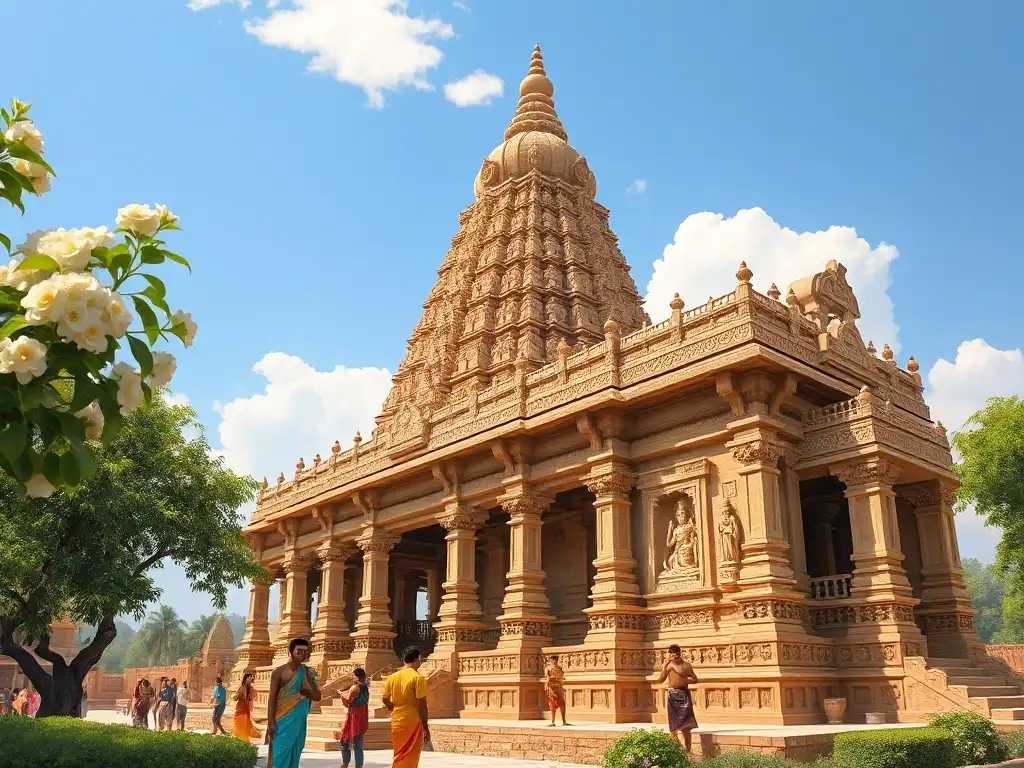
The Gupta Empire is renowned for its remarkable contributions to architecture, particularly through its temples and monuments. These structures not only served religious purposes but also stood as a testament to the advanced architectural skills and artistic expressions of the time. Among the many remarkable edifices, two temples stand out: the Dashavatara Temple at Deogarh and the Vishnu Temple at Tigawa.
The Dashavatara Temple at Deogarh
Architectural Significance
The Dashavatara Temple, built in the early 6th century CE, is one of the earliest examples of stone architecture in northern India. This temple is dedicated to Lord Vishnu and showcases the distinct features of Gupta architecture. Constructed in a cruciform layout, it is notable for its elaborate stone carvings and intricate design.
The temple's shikhara (tower) is a prime example of the style that would later influence temple architecture in India. The temple's plan incorporates multiple sanctums, which is indicative of the period’s architectural trend of complexity and grandeur. The use of sandstone, along with precise craftsmanship, reflects the advanced building techniques of the Gupta period.
Artistic Features and Sculptures
The Dashavatara Temple is adorned with exquisite sculptures that depict various avatars of Lord Vishnu, showcasing the Gupta artisans’ skill. The most notable feature is a massive relief carving of Vishnu in his Varaha (boar) incarnation, which is not only a testament to the religious fervor of the time but also to the artistic excellence of Gupta sculptors.
Key artistic features include:
- Intricate relief work: The temple is adorned with panels that illustrate scenes from Hindu mythology.
- Symbolic motifs: Various symbols, such as the lotus and conch, are prominently featured, representing purity and divinity.
- Naturalistic representation: The sculptures display a keen understanding of anatomy and movement, showcasing the Gupta artists' mastery.
The Vishnu Temple at Tigawa
Historical Context
The Vishnu Temple at Tigawa dates back to the 5th century CE, during the early phase of the Gupta Empire. This temple represents an important transition in Indian temple architecture, moving towards more elaborate and decorative styles. The historical significance of this temple is underscored by its association with the Gupta dynasty, which was known for promoting art and culture.
The temple served as a pilgrimage site and a center for religious activities, reflecting the socio-religious dynamics of the Gupta period. Its construction indicates the patronage of the Gupta rulers towards Brahmanical traditions, fostering an environment where art and religion flourished.
Unique Architectural Aspects
The Vishnu Temple is notable for its unique architectural features that distinguish it from other temples of the era. The temple is constructed using locally available materials, primarily sandstone, and follows a simple yet striking design.
Distinguishing architectural aspects include:
- Barrel-vaulted roof: This feature is relatively uncommon in contemporary temples and showcases innovative engineering.
- Garbhagriha: The sanctum sanctorum houses a magnificent image of Vishnu, which is central to the temple's spiritual significance.
- Rooftop ornamentation: The temple is embellished with intricate carvings and decorative motifs that enhance its aesthetic appeal.
The Dashavatara Temple at Deogarh and the Vishnu Temple at Tigawa exemplify the Gupta Empire's contributions to architecture, highlighting both the religious significance and the artistic grandeur of the period. Each temple, with its distinct features and rich artistry, serves as a vital link to understanding the cultural and historical context of ancient Indian civilization.
Monuments of the Gupta Empire
The Iron Pillar of Delhi
The Iron Pillar of Delhi stands as a remarkable testament to the advanced metallurgical skills of the Gupta Empire. Erected during the reign of Chandragupta II in the 4th century CE, this 7-meter high pillar is made of a single piece of wrought iron and weighs approximately 6 tons.
Engineering Marvels of the Gupta Period
The creation of the Iron Pillar showcases the Gupta’s unparalleled expertise in metallurgy, particularly their ability to create rust-resistant iron. The pillar has withstood corrosion for over 1,600 years, defying the elements and exemplifying ancient Indian engineering prowess.
- Materials Used: The iron content of the pillar is approximately 98%, with minimal phosphorus and sulfur, which contributes to its durability.
- Techniques: The construction methods involved the use of high-temperature furnaces that reached around 1,200 degrees Celsius, allowing for the production of high-quality iron.
This engineering feat not only serves as a monumental structure but also as an indicator of the technological advancements during the Gupta period.
Cultural Significance and Legacy
Culturally, the Iron Pillar bears inscriptions in Sanskrit that pay homage to King Chandragupta II, reflecting the importance of inscriptions in Gupta architecture. The pillar has become a symbol of India's rich heritage and is often cited in discussions about ancient Indian metallurgy.
- Tourist Attraction: Today, the Iron Pillar attracts scholars, tourists, and engineers alike, who marvel at its construction and historical context.
- Inspiration for Modern Engineering: The techniques employed in its creation continue to inspire modern metallurgists and engineers, showcasing the timeless nature of Gupta innovations.
Ajanta Caves: A Blend of Art and Architecture
The Ajanta Caves, carved into the rocky hillside of Maharashtra, represent one of the most significant contributions of the Gupta Empire to architecture. Dating from the 2nd century BCE to the 6th century CE, these caves provide insights into the spiritual and artistic life during the Gupta period.
Historical Overview
The Ajanta Caves were primarily used as Buddhist monastic quarters and are renowned for their stunning frescoes and intricate sculptures. The site was rediscovered in the early 19th century and has since been recognized as a UNESCO World Heritage Site.
- Number of Caves: The complex consists of 30 caves, with a significant number dedicated to prayer halls (viharas) and monastic living quarters.
- Cultural Exchange: The caves depict scenes from the Jataka tales, illustrating the moral stories of the Buddha’s previous lives and showcasing the cultural exchange that was prevalent during the Gupta Empire.
Architectural Techniques and Styles
The architecture of the Ajanta Caves reflects the sophisticated techniques employed by Gupta artisans, characterized by:
- Rock-cut Architecture: The caves were carved directly into the rock, demonstrating advanced understanding of structural integrity and aesthetics.
- Stupas and Chaityas: The presence of stupas and chaityas (prayer halls) within the caves indicates a blend of functionality and artistry. The stupas serve as relics of Buddhist significance while the chaityas are adorned with intricate carvings and paintings.
| Feature | Description |
|---|---|
| Materials | Primarily basalt rock, with use of natural pigments for paintings |
| Artistic Elements | Frescoes depicting religious narratives, intricate sculptures of deities |
| Design | Symmetrical layouts with a focus on light and space |
The architectural contributions of the Gupta Empire, exemplified by the Iron Pillar of Delhi and the Ajanta Caves, reflect a remarkable blend of engineering skill, artistic expression, and cultural significance. These monuments not only provide insights into the advancements of ancient Indian civilization but also continue to inspire and inform contemporary architectural practices.
Impact of Gupta Empire Architecture on Later Indian Architecture
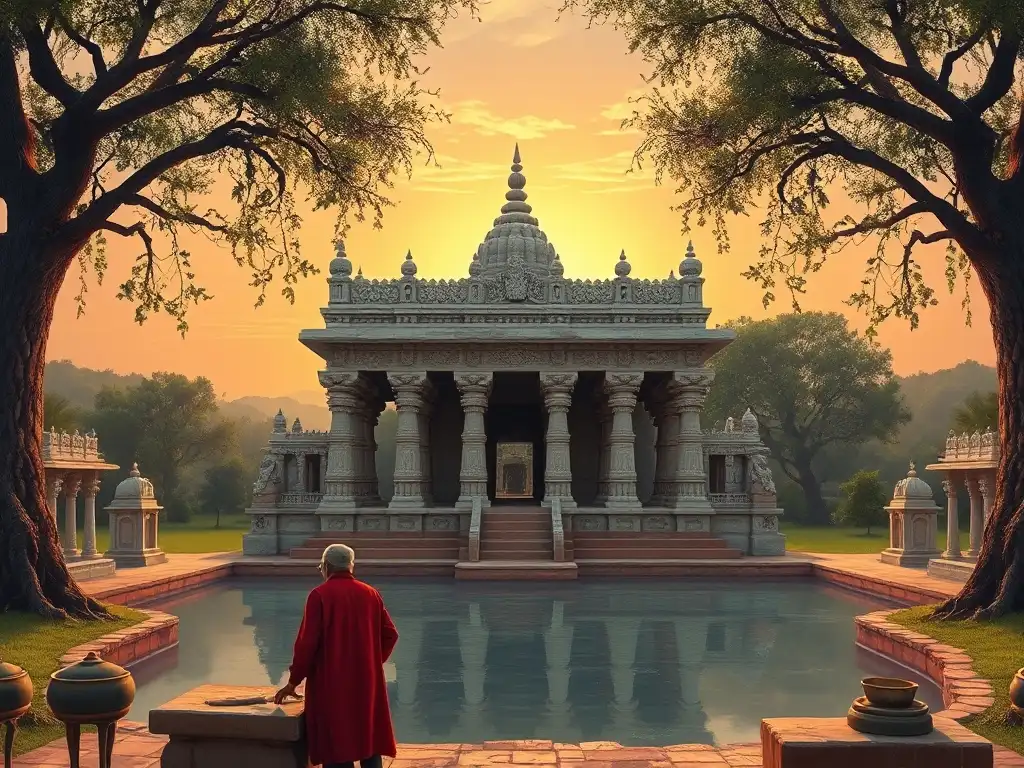
The architectural accomplishments of the Gupta Empire, often referred to as the Golden Age of India, have left an indelible mark on the trajectory of Indian architecture. Characterized by its intricate designs, innovative techniques, and religious significance, Gupta architecture has influenced subsequent architectural styles throughout the medieval period and beyond. This influence can be observed in various structures that emerged in later eras, showcasing a seamless blend of Gupta designs with evolving cultural and religious contexts.
Influence on Medieval Indian Structures
The architectural features developed during the Gupta Empire significantly shaped the design of medieval Indian structures. Key aspects of Gupta architecture, such as the use of intricate carvings, soaring shikhara (spire), and the introduction of the mandapa (pillared hall), can be seen in the temples and monuments constructed during the subsequent medieval period.
- Temple Architecture:
- The Gupta period saw the establishment of a distinct temple architecture style, which emphasized verticality and ornate decoration. This style continued to thrive in medieval temples, particularly those in regions like Rajasthan and Madhya Pradesh.
- Notable examples include the Kandariya Mahadeva Temple in Khajuraho and the Brahma Temple in Pushkar, which showcase the elaborate stonework and intricate sculptures reminiscent of Gupta designs.
- Fortification and Urban Planning:
- Gupta urban planning principles influenced the layout of medieval cities. The emphasis on strategic fortifications and organized city layouts can be traced back to Gupta practices.
- Cities like Fatehpur Sikri and Mandav exhibit planned urban designs that echo the systematic approaches seen in Gupta-era settlements.
- Sculptural Techniques:
- The exquisite sculptural techniques perfected during the Gupta Empire laid the groundwork for later artistic expressions. The detailed relief work and stylistic elements found in Gupta temples were adapted by medieval artisans, creating a continuity of artistic tradition.
- In particular, the use of bas-relief and narrative sculptures in temples, such as those in the Sun Temple at Konark, draws inspiration from Gupta artistic conventions.
Preservation of Gupta Architectural Practices in Modern India
The legacy of Gupta architecture extends beyond historical structures, influencing contemporary architectural practices and cultural heritage in modern India. Many elements of Gupta architecture have been preserved and celebrated as part of India's national identity.
- Restoration Efforts:
- Modern restoration efforts have focused on preserving ancient Gupta structures, highlighting their architectural significance. Initiatives by archaeological departments have aimed to maintain the integrity of sites like Udayagiri Caves and Ajanta Caves, which exhibit Gupta architectural features.
- These restoration projects not only protect the historical fabric but also serve as educational tools, promoting awareness of India's architectural heritage.
- Cultural Significance:
- The architectural style of the Gupta Empire continues to inspire modern architects and designers. Elements such as vaulted ceilings, ornate friezes, and intricate jali work are often incorporated into contemporary designs to reflect cultural heritage.
- Festivals and cultural events held at ancient sites, such as Sanchi Stupa, foster a connection to Gupta architecture, ensuring that the historical significance is celebrated in modern society.
- Educational Institutions:
- Architectural schools in India often reference Gupta architecture in their curricula, emphasizing its importance in the evolution of Indian architectural styles. Students are encouraged to study the principles established by Gupta builders to inform their designs.
- This educational focus ensures that future architects appreciate and carry forward the rich legacy of Gupta architectural contributions.
The Gupta Empire's architectural contributions have not only influenced medieval Indian structures but continue to resonate within the cultural and architectural landscape of modern India. The preservation of these practices underscores their significance and ensures that the brilliance of Gupta architecture endures for future generations.
Conclusion: Lasting Legacy of Gupta Empire Architecture Contributions
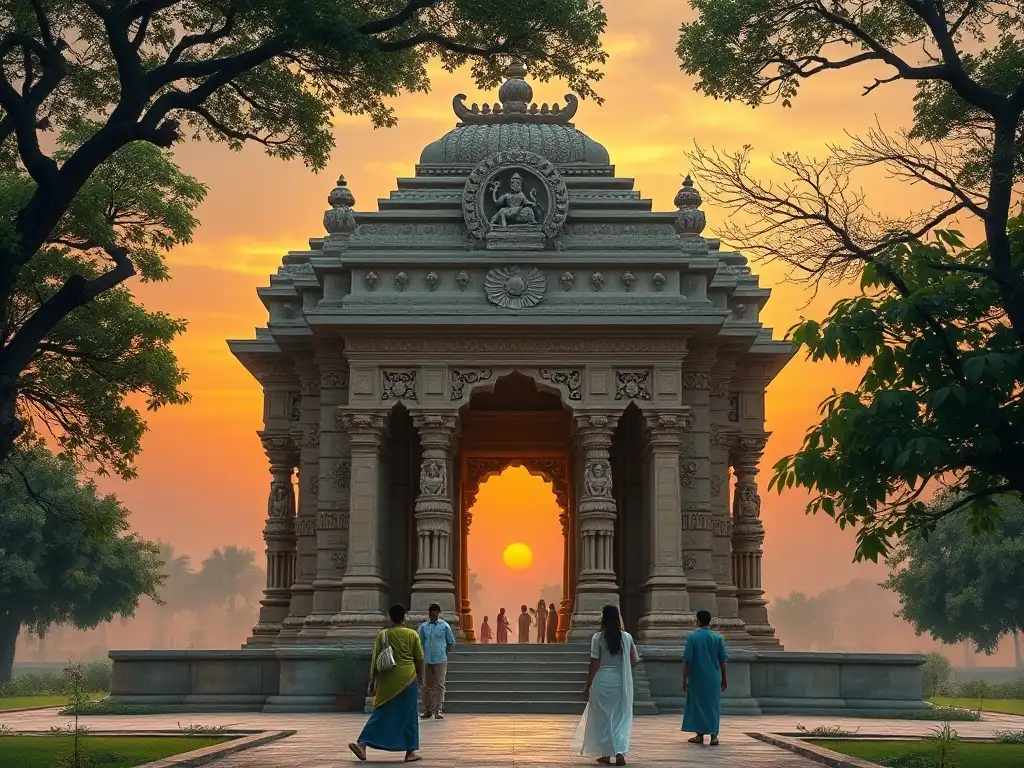
The architectural contributions of the Gupta Empire represent a significant chapter in the history of ancient Indian civilization. Through innovative designs and masterful craftsmanship, the Gupta period laid the groundwork for future architectural endeavors in India and beyond. The temples and monuments constructed during this era not only reflect the artistic and cultural prowess of the time but also serve as enduring symbols of religious devotion and community identity.
Summary of Key Contributions
- Temple Architecture: The Gupta Empire is renowned for its development of temple architecture, characterized by intricate carvings, robust structures, and the introduction of the shikhara (tower) style.
- Example: The Vishnu Temple at Deogarh, with its impressive shikhara, showcases the classical style that influenced later Hindu temple designs.
- Stupas and Monuments: Stupas, which originated earlier, saw significant refinement during the Gupta period. These structures not only served as reliquaries but also as places for meditation and worship.
- Example: The Sanchi Stupa, although predating the Gupta period, underwent renovations that enhanced its artistic features and symbolic significance during this time.
- Urban Planning: The Gupta Empire emphasized urban planning, leading to the construction of well-structured cities that integrated temples, public spaces, and residential areas.
- Example: The city of Ujjain became a center of trade and culture, with architectural layouts that facilitated commerce and religious activities.
- Cave Architecture: The Gupta period also saw advancements in cave architecture, with the creation of intricate rock-cut temples that showcased advanced engineering skills.
- Example: The Ajanta Caves, famous for their stunning frescoes and sculptures, were developed during this period, blending art and spirituality.
Reflection on the Cultural Heritage of Ancient India
The architectural contributions of the Gupta Empire are a testament to the rich cultural heritage of ancient India. They reflect a society that valued aesthetic beauty, spirituality, and communal harmony. The temples and monuments not only served religious purposes but also acted as centers for social gathering, learning, and artistic expression.
The influence of Gupta architecture can be seen in later periods, where its principles were adapted and evolved. This architectural legacy has become an integral part of India's identity, inspiring generations of architects and artists.
In essence, the Gupta Empire's architecture is more than just a collection of buildings; it is a narrative of a civilization that celebrated its beliefs, values, and communal aspirations. The enduring nature of these structures continues to attract scholars, tourists, and enthusiasts alike, ensuring that the contributions of the Gupta Empire remain a vibrant part of ancient Indian history.
Frequently Asked Questions
What are the main architectural contributions of the Gupta Empire?
The Gupta Empire is renowned for its temples and monuments that showcase intricate designs, innovative construction techniques, and symbolic artistry that reflect the cultural and religious values of the time.
How did Gupta Empire architecture influence later Indian styles?
The architectural innovations of the Gupta period laid the groundwork for subsequent styles, particularly in temple architecture, which emphasized ornate carvings and high spires, influencing later dynasties.
What are some examples of notable temples from the Gupta period?
Some significant temples include the Dashavatara Temple in Deogarh and the Sundar Temple, which exhibit the distinctive architectural style of the Gupta era, characterized by their elaborate sculptures and well-planned layouts.
How did religion impact Gupta Empire architecture?
Religion played a crucial role in shaping Gupta architecture, with many structures built as Hindu and Buddhist temples, reflecting the era's spiritual beliefs and serving as centers for cultural activities.
What materials were commonly used in Gupta architecture?
Gupta architects primarily utilized stone and brick, allowing for durable construction and elaborate decorative features, which exemplified their skill in creating lasting monuments that still stand today.
Final Reflection: The Enduring Legacy of Gupta Empire Architecture
The architectural contributions of the Gupta Empire resonate profoundly in today's world, highlighting the timelessness of creativity and innovation. From intricately carved temples to monumental structures, the artistry and engineering prowess of this ancient civilization continue to inspire modern architects and historians alike. The Gupta Empire's architectural achievements are not merely relics of the past; they are a testament to the enduring human spirit and our quest for beauty and meaning in our environments.
The influence of Gupta architecture extends far beyond its geographical origins, shaping cultural and artistic movements across centuries. The temples and monuments built during this era are not only significant for their aesthetic appeal but also for their role in fostering a sense of identity and community. As we reflect on these contributions, we can appreciate how they have laid the groundwork for future generations. Architecture is the learned game, correct and magnificent, of forms assembled in the light.
– Le Corbusier. This quote encapsulates the essence of how Gupta architecture continues to illuminate our understanding of design and space.
As we look to the future, let us embrace the lessons of the Gupta Empire's architectural legacy in our own lives. Consider how the principles of harmony, balance, and innovation can be applied to your personal and professional endeavors. Whether you are an artist, a builder, or simply someone who appreciates the beauty of the world around you, take a moment to reflect on how you can contribute to the tapestry of human creativity. Let the spirit of the Gupta Empire inspire you to create, innovate, and leave your mark on the world.
Unveil the Wonders of Gupta Architecture!
Thank you for exploring the fascinating contributions of the Gupta Empire to architecture with us! Your journey through the grand temples and monuments has surely illuminated the brilliance and creativity of this remarkable period in history. Now, it's time to take your newfound knowledge further!
Here are some **exciting ways** you can deepen your engagement:
- Visit a local museum or cultural center that showcases artifacts from the Gupta period to experience their architectural beauty firsthand.
- **Share your insights** with friends or on social media to inspire others to appreciate the wonders of Ancient India!
- **Join an online discussion** or forum focused on ancient architecture to connect with fellow enthusiasts and expand your understanding.
Which aspect of Gupta architecture most inspires you to explore further?