
The Interplay Between Caste and Politics in the Maurya Empire

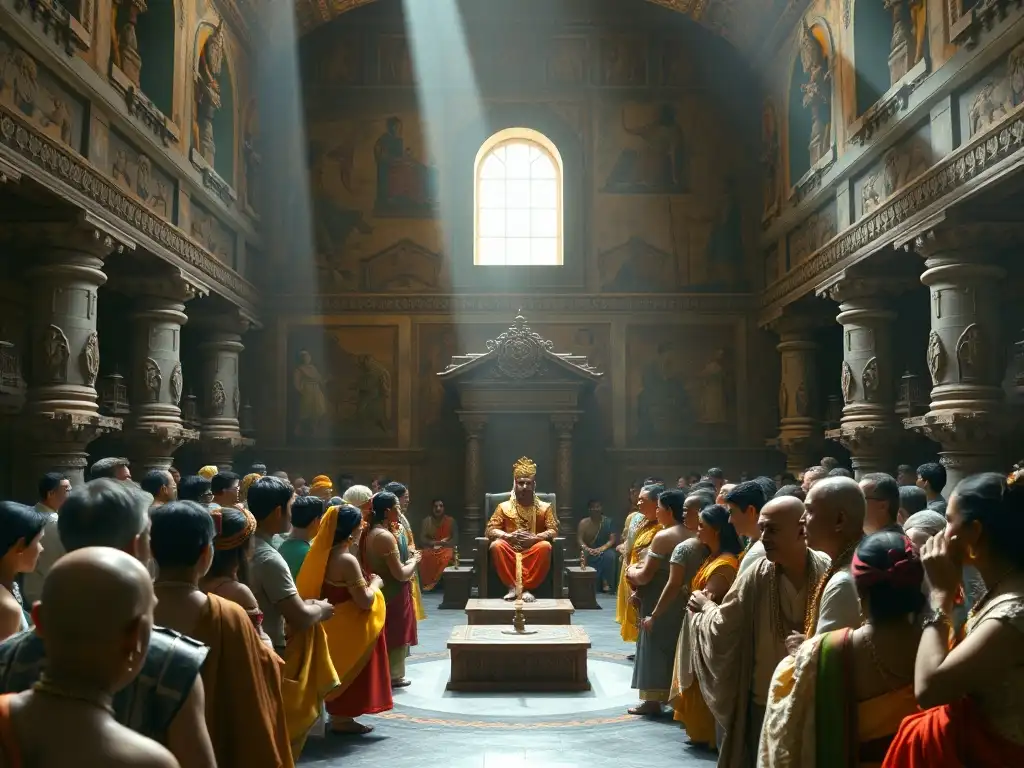
Welcome to Ancient India History, where we embark on a fascinating journey through the vibrant tapestry of ancient Indian civilizations. Here, you will uncover the profound interplay between culture, politics, and society that shaped a remarkable era. Our featured article, "The Interplay Between Caste and Politics in the Maurya Empire," delves into the complexities of caste politics and its significant influence on governance during one of India's most influential dynasties. Prepare to be intrigued as we reveal how these ancient dynamics still resonate in contemporary discussions. Dive deeper with us and discover the rich narratives that await!
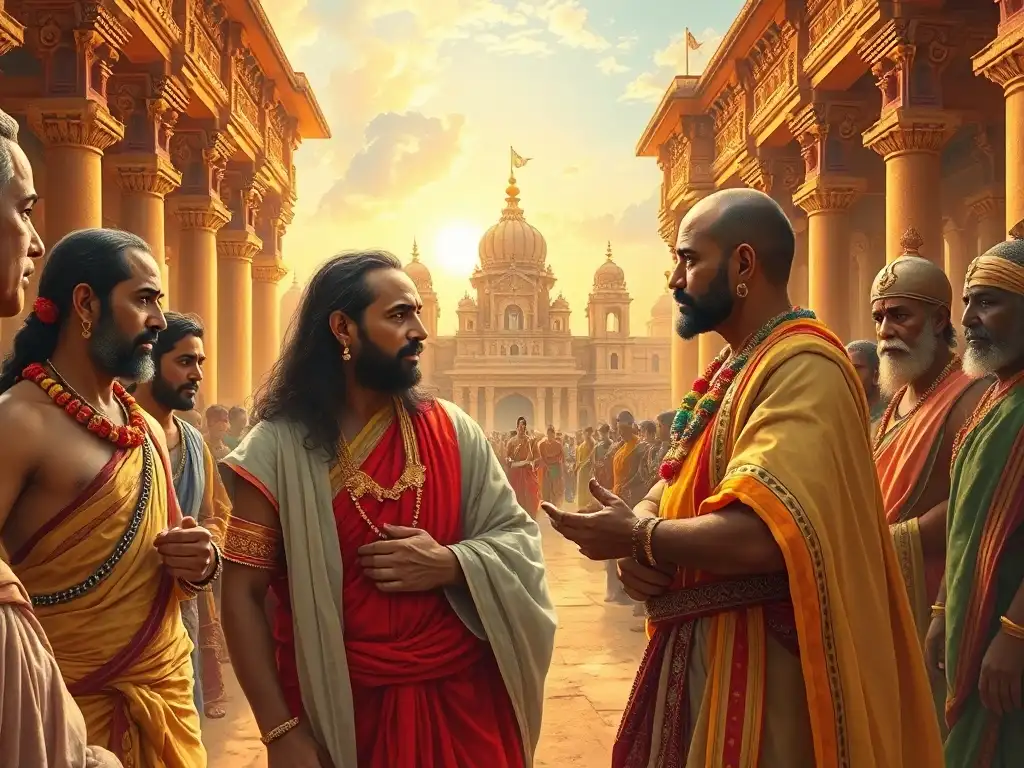
Introduction to Caste Politics in the Maurya Empire
The Maurya Empire, which flourished from 322 to 185 BCE, stands as one of the most remarkable chapters in ancient Indian history, showcasing an intricate relationship between caste and politics. This interplay played a pivotal role in shaping the governance and social structure of the empire, influencing everything from administrative appointments to societal norms.
As the largest empire in ancient India, the Mauryan political landscape was not only characterized by its vast territories but also by the diverse and complex caste dynamics that permeated its society. Understanding caste politics in the Maurya Empire is essential to grasp how hierarchical structures and political authority coalesced, setting the foundation for future Indian civilizations.
Overview of the Maurya Empire
The Maurya Empire was established by Chandragupta Maurya, who unified a fragmented India under a centralized administration. The empire reached its zenith under Ashoka the Great, who expanded its boundaries and embraced Buddhism, promoting peace and welfare. The Mauryan political structure was sophisticated, combining both autocratic and bureaucratic elements. It included a vast network of officials and a well-defined system of governance that facilitated control over diverse populations.
Key features of the Maurya Empire include:
- Political Centralization: The Maurya Empire was characterized by a strong centralized authority, with the king at its helm.
- Administrative Innovations: The empire implemented a sophisticated bureaucracy that was tasked with taxation, law enforcement, and public welfare.
- Cultural Flourishing: The period witnessed significant advancements in art, architecture, and philosophy, heavily influenced by the prevailing caste dynamics.
Significance of Caste in Ancient Indian Society
Caste, or varna, was a fundamental aspect of ancient Indian society, influencing various facets of life including occupation, social status, and marriage. The caste system divided society into hierarchical groups, determining individuals' roles and responsibilities. It consisted of four primary varnas:
- Brahmins: The priestly class, responsible for religious rituals and education.
- Kshatriyas: The warrior and ruling class, tasked with governance and protection.
- Vaishyas: The merchant and agricultural class, responsible for trade and commerce.
- Shudras: The labor class, serving the needs of the other three varnas.
The caste system was not merely a social construct but also intertwined with political power, as individuals from certain castes held more influence and authority than others. This stratification provided a framework within which political relationships were formed, impacting governance in the Maurya Empire.
Historical Context of Caste and Politics
The Emergence of Caste Systems in Ancient India
The origins of the caste system can be traced back to the Vedic period, where societal divisions began to take shape. Initially based on occupational roles, over time, these divisions became rigid, leading to the establishment of hereditary caste identities. The consolidation of these identities during the rise of empires such as the Maurya significantly influenced political alignments and power structures.
Political Structures in the Maurya Empire
The Maurya Empire’s political structure was marked by a blend of monarchy and bureaucracy. The king wielded supreme power, but he relied on a council of ministers and regional governors to oversee the vast territories. This administrative framework was essential for maintaining order and implementing policies across diverse regions. The integration of caste into this structure meant that individuals from higher castes often occupied key political positions, reinforcing their societal status and influence.
The Role of Caste in Shaping Governance
Caste played a crucial role in the governance of the Maurya Empire. Positions of power were frequently filled based on caste affiliations, influencing decision-making processes. This relationship between caste and politics not only affected the administration but also shaped public policy and social interactions. The Mauryan Empire, through its unique blend of caste and political authority, set a precedent for subsequent Indian civilizations, highlighting the enduring impact of caste dynamics on governance.
Understanding this interplay provides invaluable insights into the complexities of ancient Indian society and the ways in which political structures were influenced by social hierarchies.
Caste Dynamics Under Mauryan Rule
The Maurya Empire, established in the 4th century BCE, witnessed a complex interplay between caste and politics that shaped its governance and social structure. The caste system, deeply rooted in Indian society, influenced the political landscape, dictating social roles and hierarchies. Under Mauryan rule, the traditional caste divisions began to evolve as the empire expanded and integrated diverse populations.
The Mauryan rulers, particularly Chandragupta Maurya and his grandson Ashoka, had to navigate the existing caste framework while also implementing policies that promoted economic and social stability. This dynamic resulted in a multifaceted relationship where caste identities could both empower and limit political agency. The centralization of power in the Maurya Empire allowed for some flexibility in caste roles, leading to shifts in political influence and the emergence of new leadership models.
Key Caste Groups in the Maurya Empire
In the Maurya Empire, several key caste groups played significant roles in governance and society, each with unique functions and influences:
- Brahmins: As the priestly class, Brahmins held considerable sway in religious and political matters. They were often advisors to kings and played a crucial role in legitimizing royal authority through rituals and texts.
- Kshatriyas: The warrior class, Kshatriyas were essential in maintaining the empire's military might. Many rulers, including Chandragupta Maurya, belonged to this caste, reinforcing their political power through martial prowess.
- Vaishyas: This merchant and agricultural class contributed to the economic stability of the empire. Their wealth and trade networks provided resources and support for the political structure.
- Shudras: As the laboring class, Shudras were often overlooked in political matters; however, their role in agriculture and service was vital for the empire's sustenance.
These caste groups not only defined social interactions but also influenced governance, as rulers had to consider the interests and grievances of various castes to maintain order and loyalty.
Political Influence of Brahmins and Kshatriyas
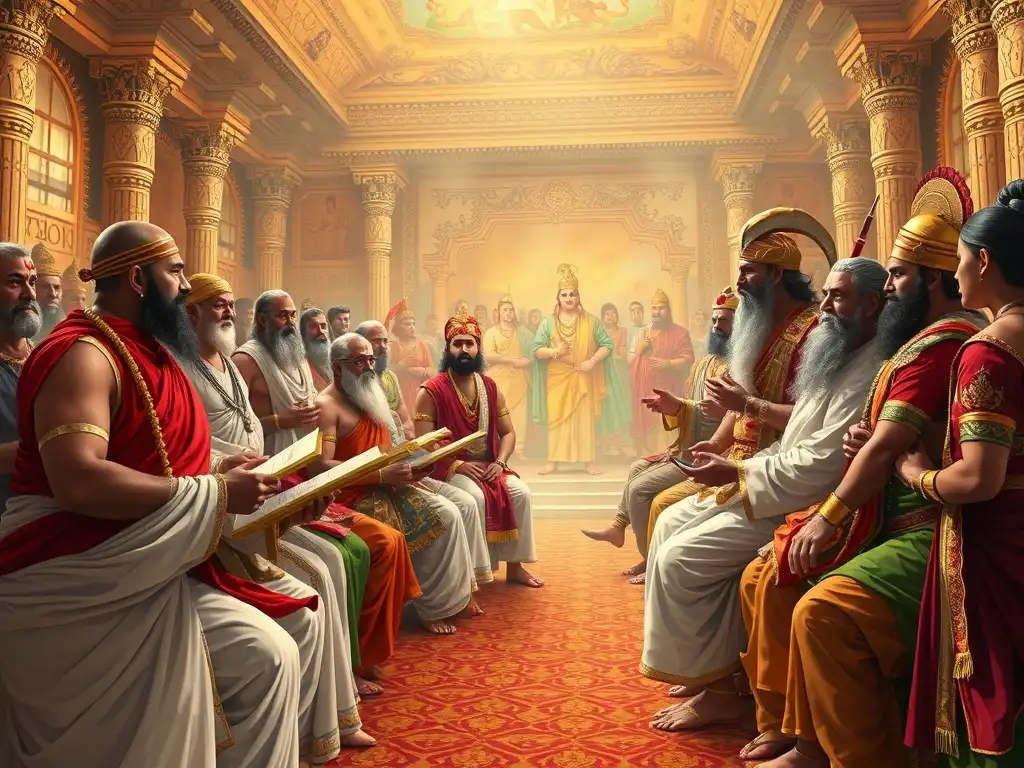
Brahmins and Kshatriyas were pivotal in shaping the political landscape of the Maurya Empire. Brahmins, through their scholarly knowledge and religious authority, served as advisors and ministers. Their interpretations of dharma (moral duty) and governance provided a framework for political legitimacy, guiding rulers in ethical governance.
Kshatriyas, on the other hand, were directly involved in military leadership and administration. The ability of Kshatriyas to mobilize troops and govern territories reinforced their political power. The interaction between these two groups often dictated the empire's policies, with Brahmins advising Kshatriyas on matters of statecraft, while Kshatriyas executed power and maintained order.
This interplay created a political environment where the religious legitimacy offered by Brahmins complemented the military strength of Kshatriyas, leading to a more cohesive governance structure.
The Position of Other Caste Groups: Vaishyas and Shudras
While Brahmins and Kshatriyas often dominated political influence, Vaishyas and Shudras also held essential, albeit different, roles in the Maurya Empire. Vaishyas, as the merchant class, were integral to the economy, engaging in trade and agriculture. Their wealth and economic contributions granted them a degree of influence in local governance, allowing them to advocate for their interests.
Shudras, the largest caste group, primarily engaged in labor and service roles. Although they had limited political representation, their contributions were crucial for the empire's functioning. The Mauryan rulers recognized the importance of maintaining the support of Shudras by implementing policies aimed at improving their welfare and working conditions.
Together, these caste groups formed a complex social fabric that influenced the political dynamics of the Maurya Empire, highlighting the need for rulers to balance the interests of all social strata.
Case Studies: Caste and Political Leadership
The Maurya Empire's history offers rich case studies on how caste dynamics influenced political leadership and governance. Two prominent figures, Chandragupta Maurya and Ashoka the Great, exemplify this interplay.
Chandragupta Maurya: A Leader Beyond Caste
Chandragupta Maurya, the founder of the Maurya Empire, rose from humble beginnings, transcending traditional caste boundaries. His ascent to power was marked by strategic alliances and military conquests, demonstrating that merit and skill could override caste limitations. By uniting various factions and incorporating diverse groups into his administration, Chandragupta established a more inclusive governance model, which allowed for greater political stability.
Despite his Kshatriya lineage, his leadership was characterized by pragmatism rather than strict adherence to caste norms, setting a precedent for future rulers.
Ashoka the Great: Caste, Dharma, and Governance
Ashoka the Great, Chandragupta's grandson, further transformed the political landscape by emphasizing dharma and moral governance. His conversion to Buddhism marked a significant shift in how rulers engaged with their subjects. Ashoka’s policies promoted welfare across all caste groups, encouraging social harmony and ethical governance.
Ashoka's edicts, inscribed on pillars throughout the empire, advocated for compassion and justice, reflecting a governance philosophy that transcended caste divisions. This approach not only reinforced his legitimacy but also fostered a sense of unity in a diverse empire.
Notable Figures from Various Caste Backgrounds
The Maurya Empire also saw notable figures from various caste backgrounds who played crucial roles in its administration and military. For instance, Chanakya, a Brahmin philosopher and strategist, was instrumental in the rise of Chandragupta Maurya. His treatise, the Arthashastra, provided insights into statecraft, economic management, and military strategy, emphasizing the importance of knowledge over caste lineage.
Additionally, military leaders from the Kshatriya caste, such as Mauryan generals, showcased the empire’s ability to integrate talent regardless of caste origins. This blending of caste backgrounds in leadership roles contributed to a more dynamic and effective governance structure, demonstrating that the Maurya Empire was a complex tapestry of caste interactions influencing political leadership.
The Impact of Caste on Mauryan Policies
The Maurya Empire, one of the largest and most powerful empires in ancient India, was deeply influenced by the complex caste system that pervaded its society. Caste politics in the Maurya Empire shaped not only the daily lives of its citizens but also the overarching political framework. The caste system, which categorized individuals into hierarchical groups based on their birth and occupation, played a significant role in determining administrative decisions, policies, and the very structure of governance.
The policies enacted during the Maurya period often reflected the prevailing caste dynamics, as rulers sought to maintain stability and loyalty among their subjects. The integration of caste considerations into political strategies helped the Mauryan rulers to consolidate power and manage a vast and diverse empire. By recognizing the social stratifications inherent in their society, the Mauryan administration could implement policies that appealed to different caste groups, thus fostering a sense of unity and allegiance.
Caste-Based Administration and Governance
The Mauryan administration utilized a caste-based approach to governance, which was evident in the recruitment of officials and local leaders. High-ranking positions were often filled by individuals from the higher castes, particularly the Kshatriyas and Brahmins, who were traditionally associated with ruling and religious functions. This practice not only reinforced the existing caste hierarchy but also ensured that the ruling class remained aligned with the dominant social norms.
Moreover, the Mauryan bureaucracy was structured to include individuals from various castes at different levels, allowing for a more nuanced governance system that could address the needs of diverse groups. For instance, local administrators, or gramas, would often be chosen from the community they governed, which helped to legitimize their authority and facilitate cooperation among the populace. This caste-sensitive governance model contributed to the stability of the empire, as it fostered trust between rulers and subjects.
Economic Policies and Caste Considerations
Economic policies during the Maurya Empire were intricately linked to the caste system, influencing trade practices, taxation, and labor distribution. Certain occupations were traditionally associated with specific castes, and the Mauryan rulers harnessed this division of labor to enhance economic productivity. Artisans, merchants, and agricultural workers were often organized along caste lines, which allowed the state to effectively manage resources and labor.
Additionally, taxation policies reflected caste considerations, with different tax rates applied to various groups based on their economic roles and social status. For example, land taxes were predominantly levied on the agrarian castes, while trade taxes affected merchants and craftsmen. These economic strategies were designed to sustain the state's revenue while maintaining social order, as the rulers relied on the cooperation of different caste groups to ensure the smooth functioning of the economy.
Social Welfare Initiatives and Their Caste Implications
The Maurya Empire is also notable for its social welfare initiatives, which were often influenced by caste dynamics. The Edicts of Ashoka, for instance, reveal a commitment to social welfare, as they emphasized the importance of caring for the well-being of all subjects, including the underprivileged and marginalized groups within society. However, the implementation of these initiatives frequently reflected the existing caste hierarchies.
For example, welfare programs aimed at improving the conditions of the poor may have inadvertently reinforced caste divisions, as they often targeted specific groups for aid. The higher castes, such as the Brahmins, were typically more influential in determining the allocation of resources and welfare benefits, potentially perpetuating inequalities. While the intentions behind these initiatives were noble, their execution highlighted the challenges of navigating caste politics in a diverse society.
The Decline of Caste Politics in the Maurya Empire
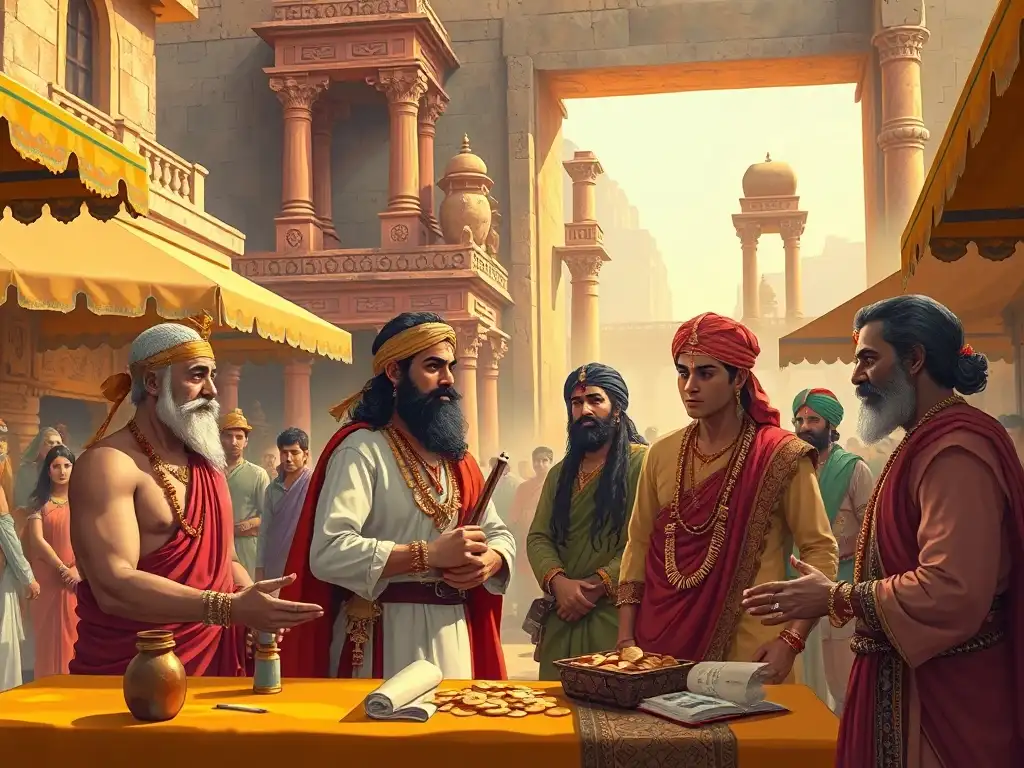
The decline of the Maurya Empire marked a significant shift in caste politics, leading to the erosion of its influence over time. Several factors contributed to this decline, including internal strife, external invasions, and the rise of regional powers, which collectively disrupted the established order.
Factors Leading to the Erosion of Caste Influence
Internal conflicts, including power struggles among the ruling elite and dissatisfaction among the lower castes, began to undermine the rigid caste structures that had previously supported the empire. The fragmentation of political authority weakened the centralized governance model that characterized the Maurya rule, allowing for greater mobility and interaction between castes. As local rulers emerged and asserted their authority, traditional caste roles became less rigid, fostering a climate of change and adaptation.
Additionally, the advent of new philosophical and religious movements, such as Buddhism and Jainism, challenged the traditional caste system. These movements promoted ideals of equality and social justice, appealing to those marginalized by the caste hierarchy. The spread of these ideologies contributed to a gradual decline in the influence of caste politics within the Mauryan context, as more individuals began to question the legitimacy of caste-based distinctions.
The Transition to New Political Structures Post-Maurya
Following the collapse of the Maurya Empire, India witnessed a transition to new political structures that further diminished the hold of caste politics. Regional kingdoms emerged, often led by local chieftains and dynasties that adopted different governance models. These new rulers were less bound by the rigid caste frameworks of the Maurya period and were more willing to incorporate individuals from various backgrounds into their administrations.
The subsequent rise of dynasties such as the Shunga and Kanva further exemplified this shift, as they implemented more flexible approaches to governance that allowed for increased social mobility. As these new political entities emerged, the relationship between caste and politics evolved, paving the way for a more dynamic and less hierarchical social structure in ancient India. The decline of caste politics during this period laid the groundwork for future developments in Indian society, ultimately leading to a more inclusive political landscape.
Conclusion: The Legacy of Caste Politics in Ancient India
The Maurya Empire, with its intricate political landscape, established a foundation for the interplay between caste and politics that would resonate throughout Indian history. The caste system, deeply embedded in society, influenced governance, administration, and the distribution of power among various groups. The Mauryan rulers, particularly Chandragupta Maurya and his grandson Ashoka, navigated this complex social fabric by integrating diverse castes into their administrative framework. This integration not only facilitated governance across a vast empire but also solidified the caste structure, which would persist long after the decline of the Maurya Empire.
The legacy of caste politics during this period can be seen in the subsequent empires that rose in India. The emphasis on caste as a means of social organization and political power became a defining feature of Indian civilization. Furthermore, the Mauryan approach to caste laid the groundwork for future political dynamics, influencing how rulers would engage with various social groups to maintain stability and support for their regimes.
Lasting Impacts of Caste on Subsequent Indian Empires
The influence of caste politics established during the Maurya Empire permeated through subsequent Indian empires, such as the Gupta Empire and the various regional kingdoms that emerged thereafter. These later rulers often adopted and adapted the existing caste framework to their advantage, using it to reinforce their authority and manage the diverse populations within their territories.
For instance, during the Gupta period, caste became increasingly formalized, leading to a more stratified society where social mobility was limited. The interactions between different castes were often regulated, and those in power frequently sought to maintain their status through strategic alliances with influential caste leaders. This practice established a precedent for political alliances based on caste, which would continue to shape the socio-political landscape of India in the centuries to come.
Moreover, the historical interplay between caste and politics, traced back to the Maurya Empire, has echoed through various movements and reforms throughout Indian history. The persistence of caste identities and their political implications can be observed in the socio-political movements of the medieval and modern eras, leading to a complex legacy that continues to influence contemporary Indian society.
Reflections on Caste Politics in Modern India
In modern India, the legacy of caste politics remains a contentious and influential aspect of the political landscape. The caste system, despite constitutional prohibitions against caste-based discrimination, continues to play a significant role in shaping political identities and electoral outcomes. Political parties often mobilize support based on caste affiliations, reflecting the deep-rooted nature of these identities in contemporary society.
The dynamics of caste politics in modern India can be seen in various forms, including caste-based reservations in education and employment, which aim to rectify historical injustices. However, these measures have sparked debates about meritocracy, social equity, and the challenges of caste-based divisions in a rapidly evolving society.
Furthermore, the efforts by various social reformers and movements to challenge and transform caste-based inequalities highlight the ongoing struggle against the entrenched power structures that originated in ancient times. Understanding the historical context of caste politics, particularly during the Maurya Empire, is essential for navigating these complexities in today's political discourse.
References and Further Reading on Caste Politics in the Maurya Empire
- R.S. Sharma, Indian Feudalism, 1978 - A seminal work examining the socio-political structures in ancient India, including the role of caste in governance.
- Romila Thapar, A History of India: Volume 1, 1990 - This book provides an overview of ancient Indian history and discusses the implications of caste in the Maurya Empire.
- D.N. Jha, Ancient India: A Historical Perspective, 2004 - A comprehensive study that offers insights into the political dynamics of the Maurya Empire and the caste system's influence.
- B.R. Ambedkar, Thoughts on Linguistic States, 1955 - While focused on modern India, Ambedkar's work critiques the caste system and its political ramifications, drawing connections to historical precedents.
- K.M. Panikkar, India and the Indian Ocean: An Essay on the Influence of Sea Power on Indian History, 1945 - Discusses the broader historical context of Indian empires, including caste's role in political governance.
These resources provide a foundational understanding of the intersection of caste and politics in the Maurya Empire and its lasting impacts on Indian history.
- Introduction to Caste Politics in the Maurya Empire
- Historical Context of Caste and Politics
- Caste Dynamics Under Mauryan Rule
- Key Caste Groups in the Maurya Empire
- Political Influence of Brahmins and Kshatriyas
- The Position of Other Caste Groups: Vaishyas and Shudras
- Case Studies: Caste and Political Leadership
- The Impact of Caste on Mauryan Policies
- The Decline of Caste Politics in the Maurya Empire
- Conclusion: The Legacy of Caste Politics in Ancient India
- References and Further Reading on Caste Politics in the Maurya Empire
- What was the significance of caste politics in the Maurya Empire?
- How did Ashoka contribute to the caste system during his reign?
- Were there any notable reforms regarding caste during the Maurya Empire?
- How did caste politics affect the administrative structure of the Maurya Empire?
- What impact did the caste system have on the economy of the Maurya Empire?
Frequently Asked Questions
What was the significance of caste politics in the Maurya Empire?
Caste politics played a crucial role in the governance and social structure of the Maurya Empire, influencing political alliances and administrative appointments based on caste affiliations.
How did Ashoka contribute to the caste system during his reign?
Emperor Ashoka promoted Buddhism and social welfare, which helped to undermine rigid caste hierarchies by emphasizing moral governance over caste-based discrimination.
Were there any notable reforms regarding caste during the Maurya Empire?
Yes, the Maurya Empire saw several reforms aimed at integrating various castes into the administrative framework, allowing for increased social mobility and participation in governance.
How did caste politics affect the administrative structure of the Maurya Empire?
Caste politics heavily influenced the administrative appointments, with individuals from higher castes often holding key positions, which reinforced their privileged status within society.
What impact did the caste system have on the economy of the Maurya Empire?
The caste system shaped economic roles and responsibilities, leading to a division of labor that contributed to the economic prosperity of the Maurya Empire while also entrenching social inequalities.
Final Reflection: The Enduring Legacy of Caste Politics in the Maurya Empire
The intricate relationship between caste and politics in the Maurya Empire remains profoundly relevant today, as it underscores the complexities of social hierarchies and governance. The dynamics explored in this article reveal how caste not only shaped political structures in ancient India but also laid the groundwork for ongoing discussions about social equity and representation in contemporary society. Understanding this interplay is crucial, as it highlights the persistent influence of historical frameworks on modern political landscapes.
Caste politics in the Maurya Empire has left an indelible mark on the cultural and social fabric of India. The legacy of this era continues to resonate, shaping identities and power relations even in the present day. As we navigate the challenges of caste-based discrimination and strive for a more inclusive society, we must acknowledge the historical context that informs these issues. Those who cannot remember the past are condemned to repeat it.
– George Santayana. This quote serves as a reminder that our understanding of the past is essential in addressing the complexities of caste politics today.
As you reflect on the lessons drawn from the Maurya Empire's caste politics, consider how these insights can inform your own perspectives and actions. Engage with the ongoing dialogue about caste and its implications in your community, and strive to foster inclusivity and understanding. By doing so, you can contribute to a future where the lessons of history guide us toward a more equitable society, free from the shackles of discrimination and inequality.
Unveil the Impact of Caste on Modern Politics!
Thank you for exploring the intricate connections between caste and politics in the Maurya Empire! Your commitment to understanding this historical interplay enriches our collective knowledge. Now, it's time to transform your insights into action and further investigate this fascinating topic.
Here are a few steps you can take:
- Dive Deeper: Read about how the caste system has evolved and continues to influence contemporary political dynamics in India today. Explore scholarly articles or local histories to uncover new perspectives.
- Join the Conversation: Share your thoughts in the comments below or on social media. How do you think the caste politics of the past shapes society today?
- Connect with Others: Form or join a study group focused on ancient history. Engaging with others can lead to enlightening discussions and fresh insights about the legacy of the Maurya Empire.
What impact do you believe the caste system has on today's political landscape? Let’s discuss!