
The Impact of the Mauryan Political Structure on Modern Indian Governance

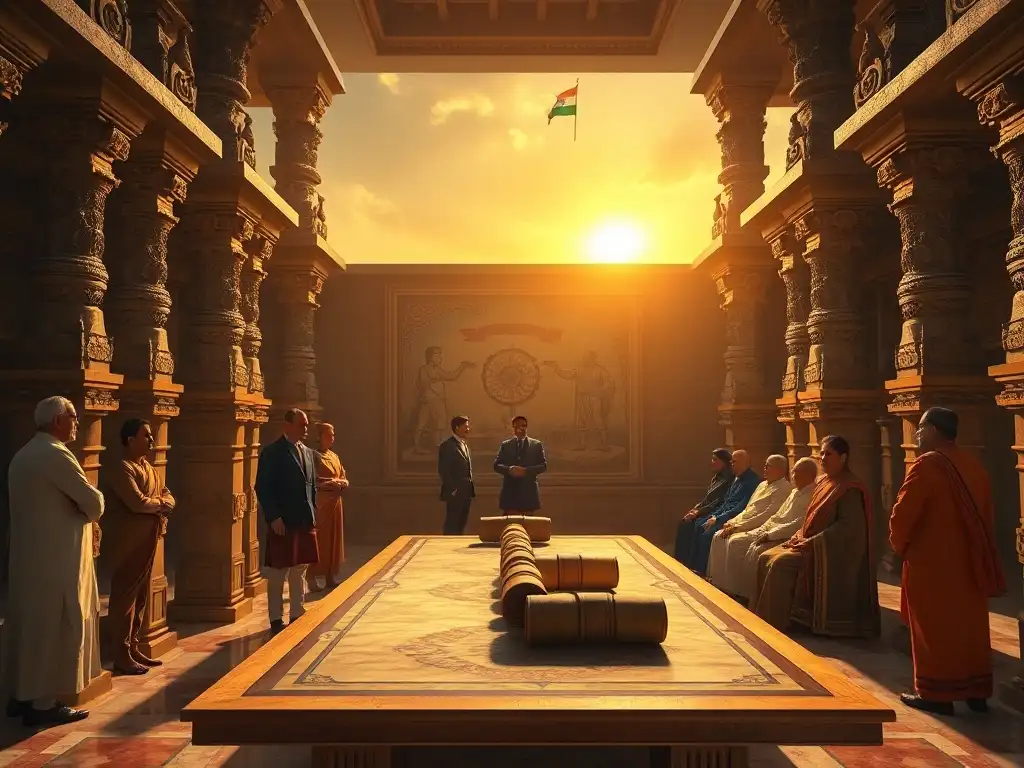
Welcome to Ancient India History, where we embark on a captivating journey through the rich tapestry of ancient Indian civilizations. Here, we delve into the intricate details of how the Mauryan political structure has left an indelible mark on modern Indian governance. As you explore our latest article, The Impact of the Mauryan Political Structure on Modern Indian Governance, prepare to uncover fascinating insights and connections that span millennia.
What enduring principles have shaped today's political landscape? Join us as we unlock the secrets of the past and their relevance in our contemporary world. Your adventure into history begins now!
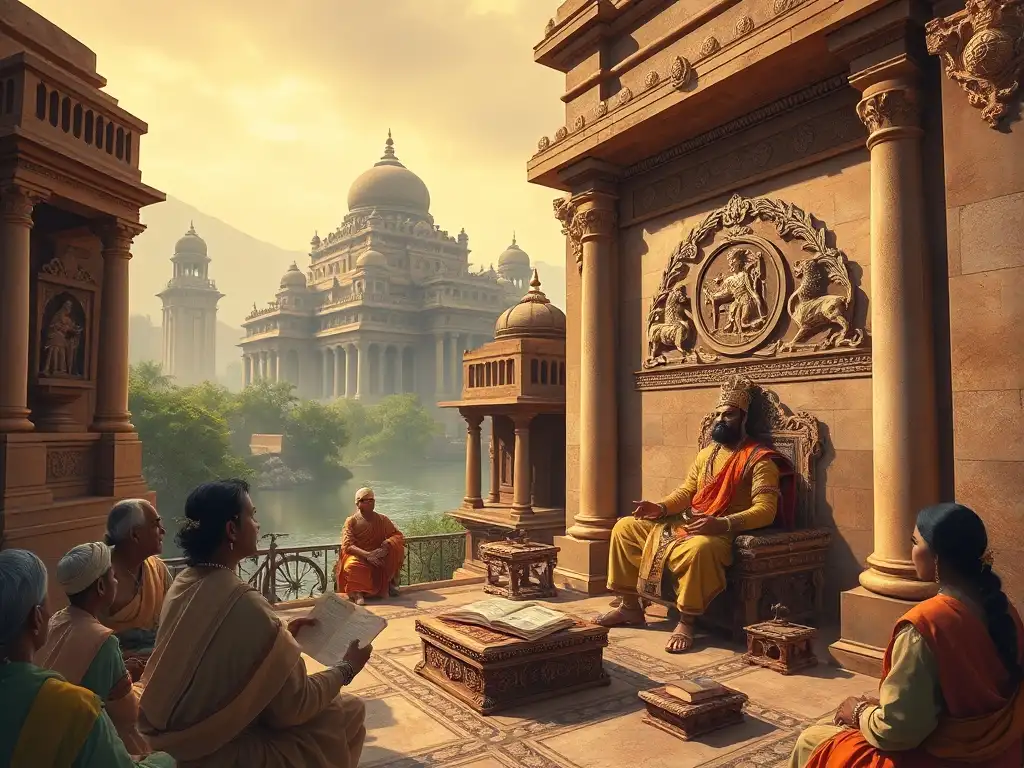
The Mauryan Empire, which flourished between 321 BCE and 185 BCE, stands as one of the most significant and impactful ancient Indian civilizations. Its political structure laid the foundation for governance that resonates even in contemporary India. Understanding the Mauryan political structure influence is crucial for appreciating how ancient administrative practices have shaped modern governance in India. This article delves into the intricacies of the Mauryan political system, its key features, and how its principles have endured through time, influencing the framework of modern Indian governance.
Introduction to the Mauryan Political Structure
The Mauryan political structure was characterized by a sophisticated system of centralized governance that effectively unified a vast and diverse territory. Under the leadership of Chandragupta Maurya and his grandson Ashoka, the empire established a well-organized bureaucracy that facilitated the administration of various regions. This centralized approach not only ensured the efficient collection of taxes and maintenance of law and order but also fostered a sense of unity among the diverse populations of the empire.
Overview of the Mauryan Empire
The Mauryan Empire is often regarded as the first truly pan-Indian empire, encompassing a large part of the Indian subcontinent. At its zenith, it extended from the eastern coast of India to the western regions, incorporating various cultures, languages, and ethnicities. This diversity posed unique challenges in governance, which the Mauryans adeptly addressed through a tiered administrative structure that balanced local autonomy with centralized control.
Key aspects of the Mauryan Empire include:
- Territorial Expansion: The empire expanded significantly under Chandragupta Maurya and Ashoka, which necessitated a robust governance framework.
- Cultural Synthesis: The Mauryan period was marked by the blending of various cultural elements, which was reflected in its political policies.
- Religious Tolerance: Ashoka’s promotion of Buddhism and the edicts emphasizing moral governance demonstrated a nuanced understanding of diverse beliefs within the empire.
Significance of the Mauryan Political Influence
The significance of the Mauryan political structure extends beyond its historical context. Its principles of governance have left a profound impact on subsequent Indian political systems. The emphasis on centralized authority, administrative efficiency, and ethical governance has been echoed in various forms throughout Indian history, influencing dynasties and modern democratic practices alike.
Key Features of the Mauryan Political Structure
The political structure of the Mauryan Empire was marked by several key features that facilitated its governance and administration.
Centralized Governance in the Mauryan Empire
Centralization was a hallmark of the Mauryan political system. The emperor held supreme power and was seen as the embodiment of state authority. This centralization allowed for:
- Unified Decision-Making: Key decisions were made at the top, providing a clear and coherent policy direction.
- Standardization of Laws: The empire implemented uniform laws that applied across its vast territory, promoting consistency in governance.
Role of the Emperor and Bureaucracy
The emperor played a pivotal role in the Mauryan political structure. Chandragupta and Ashoka established a bureaucratic system that included various officials responsible for different administrative functions. The roles included:
- Advisors and Ministers: Close advisors helped the emperor in decision-making processes.
- Provincial Governors: Appointed to oversee different regions, these governors ensured local compliance with imperial policies.
- Tax Collectors and Law Enforcers: They were essential for maintaining the empire’s economic and legal frameworks.
Legal and Administrative Frameworks
The Mauryan Empire developed a comprehensive legal and administrative framework that ensured effective governance. This included:
- Legal Codes: The establishment of legal codes that emphasized justice and fairness.
- Administrative Divisions: The empire was divided into provinces, each managed by a governor, facilitating localized governance while maintaining central oversight.
- Public Welfare Policies: Ashoka’s edicts reflected a commitment to public welfare, emphasizing moral governance and social responsibility.
The Mauryan political structure not only established a powerful empire but also set a precedent for governance that is still relevant today. Understanding its influence provides insights into the evolution of political practices in modern India.
The Legacy of Mauryan Political Practices
The Mauryan Empire, which thrived from 322 to 185 BCE, laid down a political framework that significantly influenced subsequent governance in India. The foundational political practices established during this period, particularly under emperors like Chandragupta Maurya and Ashoka, showcased a blend of centralized authority and local administration, which became a model for future dynasties. The Mauryan political structure emphasized the importance of a bureaucratic system that ensured effective governance across vast territories, paving the way for the development of sophisticated administrative techniques.
One of the most notable legacies of the Mauryan political practices is the concept of statecraft, which focused on the welfare of the populace. Ashoka's emphasis on dharma, or moral governance, reflected a commitment to ethics in administration. This idea of ethical governance resonated with later rulers and set a precedent for the moral responsibilities of leaders, influencing political thought in India for centuries.
Influence on Subsequent Indian Dynasties
The influence of the Mauryan political structure can be traced through various subsequent Indian dynasties, such as the Shunga, Kanva, and Gupta Empires. These rulers adopted many of the administrative frameworks initiated by the Mauryans, including centralized governance and a structured bureaucracy. For instance, the Guptas continued the practice of appointing provincial governors, akin to the Mauryan approach, ensuring efficient administration and local governance.
Moreover, the Mauryan model of governance introduced the idea of a standing army and a well-defined taxation system, elements that were critical to maintaining state power in later dynasties. The emphasis on maintaining law and order and providing public welfare services can also be seen in the policies of medieval Indian rulers, reflecting the lasting impact of Mauryan principles.
Adoption of Mauryan Administrative Techniques in Medieval India
Medieval Indian empires, such as the Mughal Empire, recognized the effectiveness of Mauryan administrative techniques and adapted them to their governance structures. The Mughals, in particular, incorporated elements like land revenue systems and a complex bureaucracy that mirrored the Mauryan model. The Zabt system, which allowed for efficient tax collection, was reminiscent of the Mauryan taxation strategies that supported state revenue.
Additionally, the Mauryan practice of local self-governance through village assemblies laid the groundwork for similar administrative bodies in medieval times. This principle of localized governance ensured that local issues were addressed more effectively, a practice that is still relevant in contemporary Indian local governance.
Modern Indian Governance: A Reflection of Mauryan Principles
In modern India, the influence of the Mauryan political structure is evident in various aspects of governance. The principles of centralized authority, ethical governance, and bureaucratic efficiency established by the Mauryans continue to shape the framework of contemporary Indian political systems. The Indian Constitution, enacted in 1950, reflects these enduring legacies, emphasizing both the importance of a strong central government and the need for local autonomy.
Centralization in Contemporary Governance
Modern Indian governance maintains a centralized structure, akin to the Mauryan Empire's approach. The Indian government has retained significant powers at the national level, enabling it to implement policies uniformly across diverse states. This centralization mirrors the Mauryan strategy of integrating various regions under a cohesive administrative framework, allowing for effective governance across the subcontinent.
The need for a strong central authority is further underscored by the challenges posed by India's vast and diverse population, echoing the Mauryan emphasis on maintaining order and stability through a unified political system.
Bureaucratic Structures: Continuity and Change
The bureaucratic structures in modern India can be traced back to the systems established during the Mauryan period. While contemporary bureaucracy has evolved to meet modern needs, the core principles of a hierarchical administrative system remain intact. The Indian Administrative Service (IAS), for instance, is a direct descendant of the Mauryan bureaucratic tradition, emphasizing merit-based recruitment and structured governance.
However, modern bureaucracy has also adapted to incorporate technological advancements and the complexities of a democratic society, showcasing a blend of continuity and change that reflects the dynamic nature of Indian governance.
Legal Frameworks Inspired by the Mauryan Era
Legal frameworks established during the Mauryan Empire, particularly those articulated in the Edicts of Ashoka, have inspired modern Indian legal principles. The emphasis on justice, ethical governance, and the protection of individual rights found in these edicts resonates within contemporary legal systems. The Indian Constitution incorporates ideals of justice and equality that reflect the moral underpinnings of Mauryan law.
Moreover, the notion of public accountability, rooted in Mauryan practices, is echoed in modern governance through various legal statutes and institutions that promote transparency and uphold citizens' rights. This continuity underscores the profound impact of the Mauryan political structure on the evolution of legal frameworks in India today.
Comparative Analysis: Mauryan Political Structure vs. Modern Governance
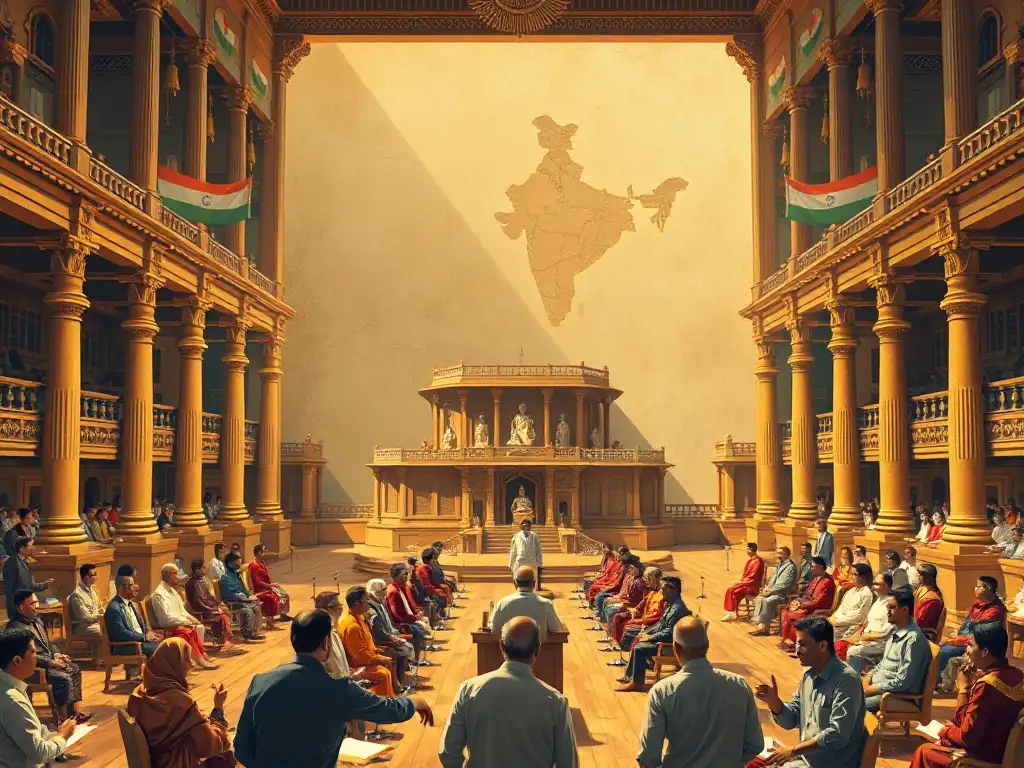
The Mauryan Empire, which thrived from around 322 to 185 BCE, introduced a sophisticated political structure that laid foundational governance principles still relevant in modern India. By examining the similarities and differences between the Mauryan political structure and contemporary governance systems, we can appreciate the enduring legacy of this ancient civilization.
Similarities in Governance Models
One of the most striking similarities between the Mauryan political structure and modern governance is the emphasis on a centralized authority. The Mauryan Empire was characterized by a strong monarchic rule, with Emperor Ashoka being a notable example who promoted the idea of Dharma (moral law) as a guiding principle for governance.
In modern India, while the system is democratic, the central government retains significant power over states, particularly in areas of defense, foreign affairs, and national security. Moreover, the Mauryans employed a bureaucratic system to manage the vast empire, utilizing a hierarchy of officials responsible for various administrative functions. This structure mirrors the modern bureaucratic systems where government officials execute policies in various departments such as health, education, and infrastructure.
Another similarity lies in the importance of public welfare. The Mauryan Empire implemented policies aimed at the social and economic well-being of its citizens, such as the establishment of hospitals and roads. Similarly, modern governance prioritizes welfare schemes aimed at poverty alleviation, health improvements, and infrastructure development, showcasing a continuity of purpose across millennia.
Differences in Implementation and Context
Despite the similarities, significant differences exist between the Mauryan political structure and modern governance systems. The Mauryan Empire operated within a feudal context, where local governance was often influenced by the imperial authority but still retained elements of local autonomy. In contrast, modern governance in India is rooted in democratic principles, with an emphasis on participatory governance where citizens have the right to elect their representatives.
Additionally, the Mauryan governance was heavily influenced by the socio-political context of ancient India, which included religious factors and caste dynamics. Modern governance must navigate a complex landscape of secularism, diverse religions, and a broader range of civil rights. The Mauryan state also relied on a singular ruler's vision—often dictated by personal belief systems—while contemporary governance in India is shaped by a multitude of political parties and coalitions, reflecting a plurality of voices and interests.
Challenges and Criticisms of Mauryan Political Structures
While the Mauryan political structure contributed significantly to governance, it was not without its challenges and criticisms that resonate with issues faced in modern governance.
Limitations of Centralized Authority
The centralized authority of the Mauryan Empire, while effective for establishing order, also posed challenges. The concentration of power in the hands of the emperor often led to a disconnect between the rulers and the governed, as local issues might be overlooked by a distant central authority. In modern contexts, while central governments are essential for national cohesion, similar criticisms arise regarding bureaucratic overreach and the alienation of local populations.
This disconnect can lead to inefficiencies and a lack of responsiveness in governance, prompting calls for greater decentralization and local autonomy. The lessons from the Mauryan experience highlight the importance of balancing central authority with local governance to ensure that citizens' needs are met more effectively.
Issues of Bureaucratic Corruption
Bureaucratic corruption was a significant issue during the Mauryan period, as the vast empire required a complex administration that was susceptible to corrupt practices. Reports from ancient texts suggest that officials sometimes abused their power for personal gain, undermining the integrity of governance.
In modern India, bureaucratic corruption remains a pressing challenge, often hindering development and eroding public trust in government institutions. The Mauryan experience serves as a historical reminder of the need for transparency, accountability, and checks and balances within bureaucratic systems. Implementing robust anti-corruption measures continues to be a priority for fostering greater public confidence in governance, drawing lessons from both ancient and modern contexts.
Conclusion: The Enduring Influence of the Mauryan Political Structure
The Mauryan Empire, known for its sophisticated political organization and governance strategies, has left a profound impact on modern Indian political systems. Its hierarchical structure, administrative efficiency, and emphasis on law and order resonate in contemporary governance frameworks. The principles established during the Mauryan period, particularly under the rule of Emperor Ashoka, continue to influence political thought, governance practices, and administrative reforms in India today. The integration of ethical governance and welfare-oriented policies from the Mauryan era underscores a legacy that promotes the idea of a just and accountable state.
The Mauryan political structure not only shaped the historical narrative of governance in India but also laid the groundwork for future empires and modern political systems. By adopting and adapting these ancient principles, modern India can address contemporary challenges while remaining rooted in its rich historical heritage.
Summary of Key Influences on Modern Governance
- Centralized Authority: The Mauryan Empire established a strong central government, which serves as a model for modern states that prioritize a unified governance structure.
- Bureaucratic Administration: The use of a well-defined bureaucracy in the Mauryan period is mirrored in today's administrative frameworks, where efficiency and specialization are key.
- Legal Framework: The codification of laws during the Mauryan era, particularly through the edicts of Ashoka, has influenced the development of modern legal systems in India.
- Public Welfare: The emphasis on societal welfare and ethical governance during the Mauryan period resonates with contemporary policies aimed at social justice and public service.
Future Implications for Indian Political Systems
The enduring influence of the Mauryan political structure suggests several future implications for Indian governance:
- Reviving Ethical Governance: As challenges such as corruption and inefficiency persist, revisiting the ethical governance principles of the Mauryan Empire could inspire reforms aimed at enhancing accountability.
- Decentralization of Power: The balance between central authority and local governance seen in the Mauryan era can inform current debates on federalism and state autonomy.
- Sustainability in Policies: The welfare initiatives initiated during the Mauryan period can guide modern policymakers in creating sustainable development programs that prioritize the well-being of all citizens.
References and Further Reading
Suggested Books and Articles on Mauryan Political Influence
-
"The Mauryan Empire: A Historical Overview" by Romila Thapar
This book provides an in-depth analysis of the political dynamics and governance of the Mauryan Empire, highlighting its influence on subsequent Indian history.
-
"Ashoka: The Search for Truth" by Charles Allen
A detailed exploration of Emperor Ashoka's reign and his contributions to governance, law, and ethics.
-
"Ancient Indian Political Thought" by Mukul Kesavan
This work examines the principles of governance from ancient Indian traditions, including the Mauryan period, and their relevance to contemporary politics.
Academic Journals on Ancient Indian Governance
-
Journal of Ancient Indian History
This journal publishes research articles focused on various aspects of ancient Indian civilizations, including governance structures and their modern implications.
-
Indian Historical Review
A platform for scholarly articles that delve into historical themes, including the political frameworks of ancient India and their lasting impact on contemporary governance.
-
Asian Studies Journal
This journal features interdisciplinary research on Asian history, with articles often discussing the political legacies of ancient empires, including the Mauryan influence on modern governance in India.
- Introduction to the Mauryan Political Structure
- Key Features of the Mauryan Political Structure
- The Legacy of Mauryan Political Practices
- Modern Indian Governance: A Reflection of Mauryan Principles
- Comparative Analysis: Mauryan Political Structure vs. Modern Governance
- Challenges and Criticisms of Mauryan Political Structures
- Conclusion: The Enduring Influence of the Mauryan Political Structure
- References and Further Reading
Frequently Asked Questions
What was the Mauryan political structure like?
The Mauryan political structure was characterized by a centralized system of governance, with a strong emperor at the top, supported by a network of officials and local governors to maintain control over vast territories.
How did the Mauryan Empire influence modern governance?
The Mauryan Empire's principles of administration, such as bureaucracy, law enforcement, and public welfare, laid the foundation for many aspects of modern Indian governance.
What were the key contributions of the Mauryan political system?
The Mauryan political system introduced innovations like taxation, infrastructure development, and a judicial system, which significantly improved governance and societal organization in ancient India.
How did Ashoka's reign impact the political structure?
Emperor Ashoka's reign marked a shift towards more ethical governance, promoting Buddhist principles and social welfare, which influenced subsequent Indian political ideologies and practices.
What lessons can modern India learn from the Mauryan political structure?
Modern India can learn the importance of centralized governance, public accountability, and civic engagement from the Mauryan political structure, enhancing its democratic processes and administrative efficiency.
Final Reflection: The Enduring Influence of the Mauryan Political Structure
The Mauryan political structure has left an indelible mark on modern Indian governance, shaping the very foundations of political organization and administration. Today, as we navigate complex political landscapes, understanding the intricacies of this ancient system offers invaluable insights into the principles of governance that continue to resonate. The Mauryan Empire's emphasis on centralized authority, bureaucratic efficiency, and public welfare serves as a powerful reminder of the enduring relevance of historical governance models in addressing contemporary challenges.
The influence of the Mauryan political structure extends beyond mere historical significance; it actively shapes our cultural and social landscape. From the principles of justice and administration to the ideals of leadership and civic responsibility, the echoes of Mauryan governance can be seen in the frameworks that guide modern Indian society. As Mahatma Gandhi once said, "> A nation's greatness is measured by how it treats its weakest members." This sentiment underscores the importance of governance that prioritizes the welfare of all citizens, a principle that finds its roots in the Mauryan ethos.
As we reflect on the lessons of the Mauryan political structure, let us embrace the opportunity to apply these insights in our own lives and communities. Consider how the principles of effective governance, accountability, and social responsibility can inspire you to contribute positively to society. In a world that often feels divided and chaotic, we can draw strength from the past to forge a brighter future, ensuring that the legacy of the Mauryan Empire continues to guide us toward a more equitable and just society.
Embrace the Wisdom of the Mauryan Era!
Thank you for taking the time to explore the fascinating insights into the Mauryan political structure and its lasting impact on modern Indian governance. Your engagement with this topic not only enriches your understanding but also connects you to a remarkable legacy that shapes our present.
Now, it's time to take action and delve deeper into this inspiring history! Here are some steps you can take to continue your journey:
- Explore the profound concepts of governance from the Mauryan era by reading additional articles on our site that discuss various aspects of ancient Indian political systems.
- Share your newfound insights with friends or colleagues who may benefit from understanding how history influences contemporary governance. Spark discussions on social media or in your community!
- Consider starting a blog or journal to document your thoughts on how ancient political structures can inform modern governance practices. Your reflections could inspire others!
What aspect of the Mauryan political structure resonates with you the most, and how do you see its influence manifesting in today's governance?