
The Legacy of Gupta Art: Influences on South Asian Cultures

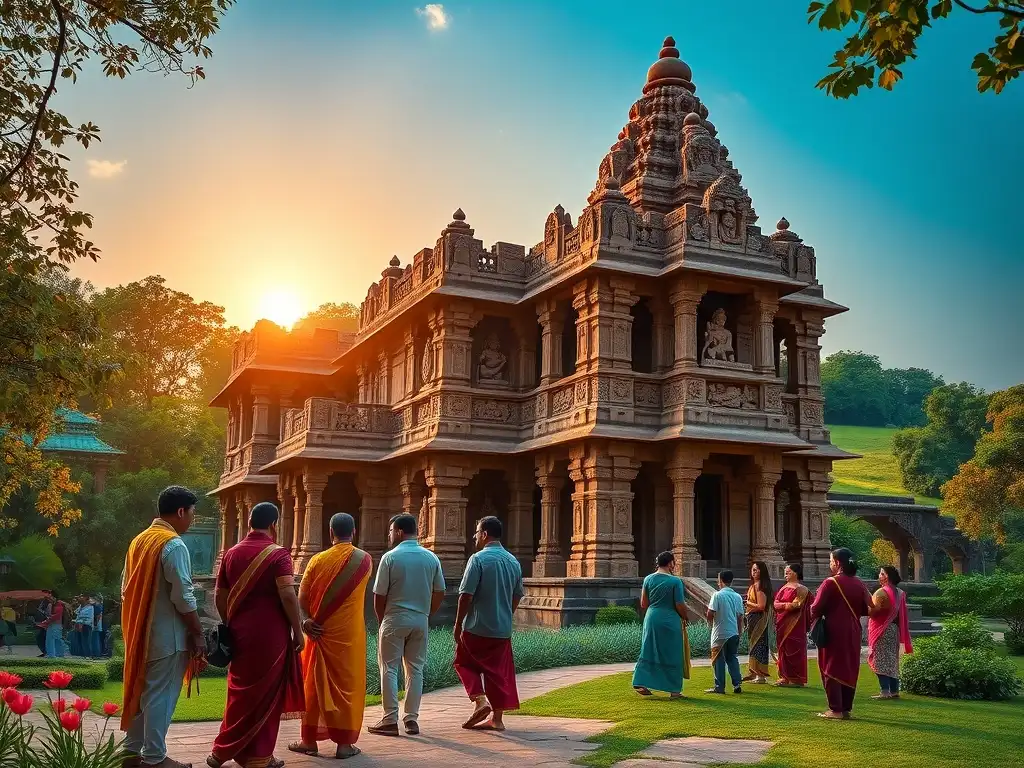
Welcome to Ancient India History, where we embark on a captivating journey through the rich tapestry of ancient Indian civilizations. Discover how the Gupta art influence on South Asia not only shaped the artistic expressions of its time but also left an enduring legacy that echoes through the ages. Dive into our featured article, "The Legacy of Gupta Art: Influences on South Asian Cultures," and unlock the intricate connections between art, culture, and history that define this remarkable era. Your exploration of ancient wonders begins now—stay curious and delve deeper into the vibrant past that continues to inspire!
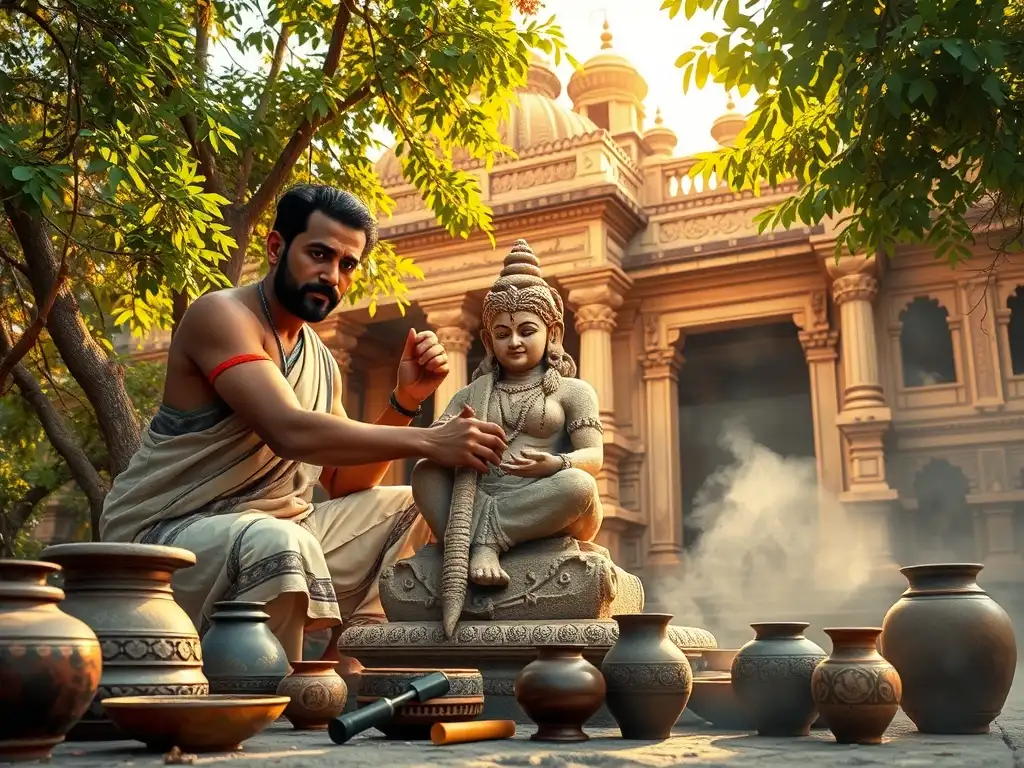
Introduction to Gupta Art and Its Importance
The Gupta Empire, flourishing from approximately 240 to 550 CE, is often heralded as a golden age in the history of India, particularly in the realms of art and culture. This period is marked by significant advancements in various artistic expressions, which not only defined the aesthetics of the time but also laid the foundation for subsequent cultural developments across South Asia.
The Gupta art influence on South Asia is multifaceted, encompassing sculpture, painting, and architecture, all of which reflect the rich spiritual and cultural tapestry of the era. Understanding this legacy is essential for appreciating the profound impact Gupta art has had on the artistic traditions of neighboring regions, as well as its enduring presence in later Indian art forms.
Definition of Gupta Art in Historical Context
Gupta art can be defined as the collective body of artistic works produced during the Gupta Empire, characterized by a harmonious blend of naturalism, religious themes, and innovative techniques. This art form primarily served religious purposes, with many pieces depicting Hindu and Buddhist iconography. The intricate craftsmanship and the use of symbolism in Gupta art not only illustrate the religious fervor of the time but also reflect the socio-political stability that allowed such artistic expressions to flourish.
Overview of the Gupta Empire's Cultural Significance
The Gupta Empire played a pivotal role in the cultural and intellectual resurgence in ancient India. Under the patronage of rulers such as Chandragupta II and Samudragupta, art and literature experienced remarkable growth. The period saw the emergence of renowned scholars like Aryabhata in mathematics and Kalidasa in literature, whose works continued to influence South Asian cultures long after the decline of the Gupta Empire. The cultural significance of the Gupta period is further highlighted by the widespread dissemination of its art forms, which would later permeate various South Asian societies, thereby shaping their artistic traditions and cultural identities.
Characteristics of Gupta Art
Gupta art is noted for its distinct characteristics that set it apart from preceding and succeeding artistic styles. This section delves deeper into the key features that define Gupta art, illustrating its unique contributions to South Asian cultural heritage.
Key Features of Gupta Sculpture
The sculpture of the Gupta period is renowned for its finesse and attention to detail. Key features include:
- Naturalism: Gupta sculptors achieved a high level of realism, capturing the human form with grace and anatomical accuracy.
- Religious Iconography: Many sculptures depict deities from Hindu and Buddhist traditions, often portraying them in dynamic poses that convey movement and life.
- Use of Stone: The use of durable materials such as sandstone and granite allowed for intricate carvings that have survived through the ages.
These features not only exemplify the technical skills of Gupta artisans but also reflect the cultural values and religious beliefs of the society.
Distinct Styles in Gupta Painting
Gupta painting is characterized by vibrant colors and elaborate themes, often showcasing religious narratives. Distinct styles include:
- Frescoes: Commonly found in rock-cut caves, these paintings depict scenes from the life of Buddha and Hindu deities, exemplifying the blend of spiritual and artistic expression.
- Miniature Paintings: Smaller works that showcase intricate details and vibrant colors, which would influence regional styles in later periods.
The evolution of painting styles during this era significantly impacted the artistic landscape of South Asia, leading to the development of regional variations that incorporated Gupta influences.
Architecture and Its Influence on South Asian Structures
Gupta architecture represents a significant advancement in construction techniques and design principles. Key aspects include:
- Temple Architecture: The construction of intricately designed temples with elaborate carvings marked a shift towards more permanent and visually striking religious structures.
- Stupas and Viharas: These Buddhist structures served as important centers for worship and monastic life, influencing architectural styles in neighboring regions.
The architectural innovations of the Gupta Empire laid the groundwork for future developments in South Asian architecture, with many elements still visible in contemporary structures across the region.
Gupta art and its influence on South Asia exemplify a rich cultural legacy that continues to resonate through history, shaping artistic practices and cultural expressions across generations.
Major Themes in Gupta Art
Gupta art, flourishing between approximately the 4th and 6th centuries CE, is characterized by its diversity and richness, reflecting the socio-political stability and economic prosperity of the Gupta Empire. The major themes of Gupta art can be broadly classified into religious motifs, representations of daily life, and intricate symbolism. These themes are not only aesthetically pleasing but also serve as a window into the cultural and spiritual life of ancient India.
Religious Motifs in Gupta Artworks
Religious themes dominate the corpus of Gupta art, with Buddhist, Hindu, and Jain influences prominently featured.
- Buddhism: Numerous sculptures and cave art depict the life of the Buddha and Bodhisattvas, emphasizing compassion and enlightenment. The famous Ajanta Caves, adorned with frescoes and sculptures, showcase elaborate narratives like the Jataka tales, illustrating the Buddha's previous lives.
- Hinduism: The Gupta period saw the emergence of Hindu deities in art, with Vishnu and Shiva being the most represented. Iconography became increasingly complex, with depictions of divine attributes and narratives from texts like the Puranas.
- Jainism: Jain art during this period is marked by detailed sculptures of Tirthankaras, with an emphasis on non-violence and asceticism, reflecting the community's spiritual values.
These religious motifs not only served devotional purposes but also played a crucial role in the dissemination of religious ideas across South Asia, influencing the artistic expressions of neighboring regions.
Representation of Daily Life and Nature
Gupta art also provides insight into the quotidian lives of people during this period, offering a glimpse into various social practices, attire, and domestic activities.
- Sculptures and Murals: Many artworks portray scenes of daily life, including agricultural activities, music, and dance, highlighting the importance of cultural festivities in Gupta society.
- Nature: Artistic representations often include lush landscapes, flora, and fauna, symbolizing the harmony between humans and nature. The attention to detail in these depictions reflects a deep appreciation for the natural world, which was integral to Gupta life.
This portrayal of daily life and nature not only showcases the aesthetic sensibilities of the Gupta artists but also serves as a historical record of the era’s cultural practices.
Symbolism in Gupta Artistic Expressions
Symbolism plays a vital role in Gupta art, with various elements conveying deeper meanings beyond their visual representation.
- Iconographic Details: Elements such as the lotus flower symbolize purity and spiritual awakening, while certain animal figures can represent power and protection.
- Use of Colors: The choice of colors in paintings and sculptures often had symbolic implications, with vibrant hues representing divinity or auspiciousness.
Understanding these symbols provides insight into the values, beliefs, and social norms of Gupta society, enriching our comprehension of their artistic legacy.
The Influence of Gupta Art on South Asian Cultures
The legacy of Gupta art extends far beyond its time, influencing various artistic traditions across South Asia and beyond. Its impact can be seen in subsequent art forms, regional cultures, and cross-cultural exchanges, reflecting the enduring nature of Gupta artistic principles.
Impact on Subsequent Indian Art Forms
Gupta art laid the groundwork for numerous artistic developments in India, particularly in the fields of sculpture, painting, and architecture.
- Post-Gupta Art: The motifs and styles established during the Gupta period influenced later dynasties such as the Pala, Chola, and Mughal empires. For instance, the intricate carvings and the emphasis on narrative storytelling continued to thrive in subsequent periods.
- Regional Variations: The dissemination of Gupta artistic styles led to regional adaptations, where local traditions merged with Gupta influences, creating unique art forms across India.
This continuity of artistic practices underscores the significant role that Gupta art played in the evolution of Indian art.
Gupta Art's Role in Shaping Regional Cultures
The Gupta Empire's vast expanse allowed for the exchange of ideas and artistic practices across different regions, leading to the formation of distinct yet interconnected cultural identities.
- Cultural Synthesis: As Gupta art spread, it interacted with local traditions, resulting in a synthesis that enriched regional cultures. For instance, the incorporation of Gupta motifs in South Indian temple architecture reflects this dynamic cultural exchange.
- Fostering Unity: The shared artistic language fostered a sense of unity among diverse communities, contributing to a collective cultural heritage that transcended regional boundaries.
The legacy of Gupta art thus played a crucial role in shaping the cultural landscape of South Asia.
Cross-Cultural Influences and Exchanges in South Asia
The influence of Gupta art was not confined to the Indian subcontinent; it also facilitated cross-cultural exchanges that impacted neighboring regions.
- Silk Road Connections: The Gupta period coincided with the flourishing of trade routes, including the Silk Road, which allowed for the exchange of artistic ideas between India and Central Asia, as well as the spread of Buddhism to East Asia.
- Artistic Dialogue: As Gupta artistic styles traveled, they influenced the art and architecture of regions like Southeast Asia, where Hindu and Buddhist motifs merged with local aesthetics, leading to the creation of remarkable structures such as Angkor Wat.
These cross-cultural interactions underscore the global significance of Gupta art and its role in the broader narrative of human artistic endeavor.
Notable Gupta Artists and Their Contributions
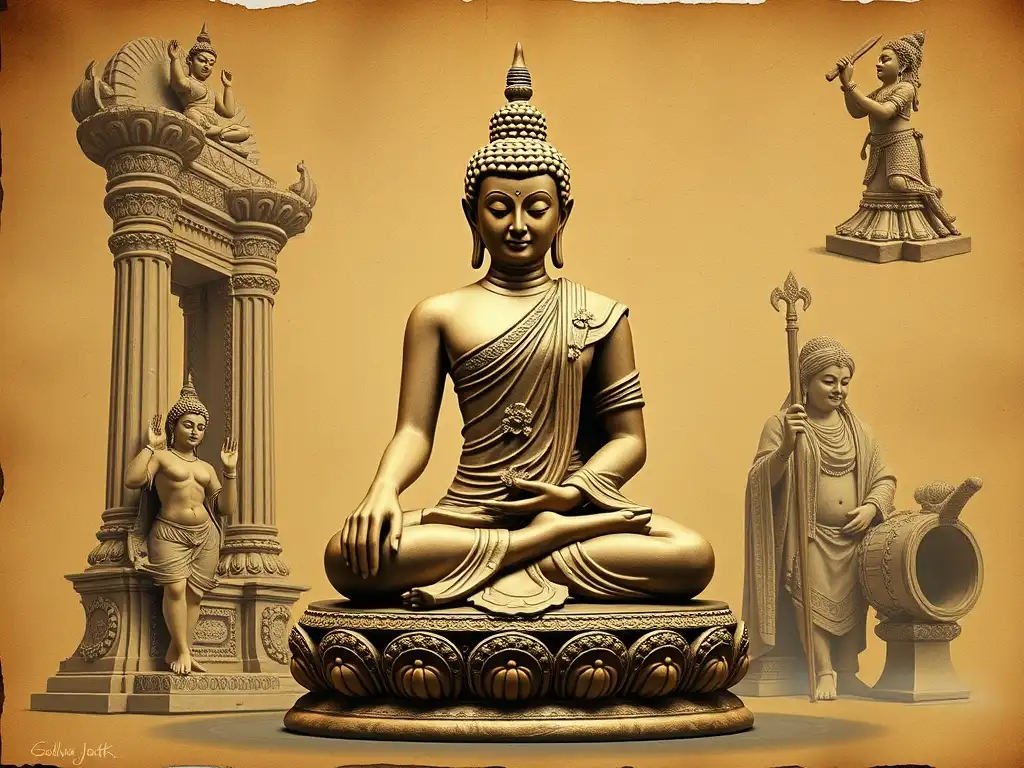
The Gupta Empire, often referred to as the Golden Age of India, was marked by remarkable advancements in the arts, particularly in sculpture and painting. This period saw the emergence of several notable artists whose works not only defined the aesthetic of their time but also laid the groundwork for future artistic endeavors in South Asia. The artists of the Gupta period emphasized clarity, proportion, and a delicate sense of beauty, leading to the creation of exquisite sculptures and vivid paintings that are celebrated even today.
One of the hallmark characteristics of Gupta art is its spiritual and religious themes, reflecting the era’s cultural values. Artists often drew inspiration from Hindu mythology, Buddhist teachings, and Jain traditions, resulting in a diverse range of artistic expressions. Notable artists, although often unnamed, include sculptors who created iconic figures such as the serene Buddha statues and intricately carved deities that adorned temples throughout the empire. These contributions significantly influenced the artistic landscape of subsequent South Asian cultures.
Famous Gupta Sculptors and Their Works
Among the most celebrated sculptors of the Gupta period, several stand out for their exceptional craftsmanship and innovative techniques. A quintessential example is the sculptor responsible for the Sarnath Buddha, which exemplifies the ideal proportions and serene expressions characteristic of Gupta art. This statue, believed to date back to the 5th century, showcases the mastery of stone-carving techniques, capturing the essence of spiritual tranquility.
Another remarkable work is the Varaha Avatar sculpture at Udayagiri, which depicts the boar incarnation of Lord Vishnu rescuing the Earth. This piece illustrates the dynamic poses and intricate detailing that became a hallmark of Gupta sculpture, merging spiritual significance with aesthetic elegance. The sculptures of the Gupta era often feature flowing garments and delicate facial features, demonstrating the artists' sophisticated understanding of human anatomy and form.
Pioneering Painters of the Gupta Period
The Gupta period was not only a golden era for sculpture but also for painting. Pioneering painters of this time explored various themes, including religious narratives and courtly life, often seen in the murals of Ajanta and Bagh caves. These murals are renowned for their vibrant colors, intricate patterns, and emotional expressions, which convey deep spiritual and cultural narratives.
One prominent example of Gupta painting is found in the Ajanta Caves, where the Buddhist frescoes depict intricate scenes from the Jataka tales. These paintings showcase a range of styles, from the use of perspective to the representation of light and shadow, highlighting the innovative techniques employed by Gupta artists. The vibrant hues derived from natural minerals and the detailed depiction of figures in motion are testaments to the advanced artistic skills of the period.
Preservation and Legacy of Gupta Art
The legacy of Gupta art is preserved through various means, ensuring that future generations can appreciate its historical significance and aesthetic beauty. The art from this era not only influences contemporary artists but also serves as a critical link to the rich cultural history of South Asia.
How Gupta Art is Preserved in Modern Times
In modern times, the preservation of Gupta art involves both physical conservation efforts and academic study. Archaeologists and conservators work diligently to restore and protect ancient sites, ensuring that the sculptures and paintings remain intact for future generations. Technological advancements, such as 3D scanning and digital archiving, have also played a significant role in documenting Gupta art, allowing for broader access to these invaluable cultural treasures.
Additionally, educational initiatives and workshops focusing on Gupta art help raise awareness about its importance and encourage artistic practices that draw inspiration from this rich heritage. These efforts ensure that the techniques, themes, and styles of Gupta art continue to be studied and appreciated.
The Role of Museums and Archaeological Sites
Museums and archaeological sites are crucial in preserving the legacy of Gupta art. Institutions such as the National Museum in New Delhi and the British Museum house significant collections of Gupta sculptures and paintings, providing a platform for public engagement and education. These museums often host exhibitions that showcase the artistry of the Gupta period, helping to contextualize its significance within the broader narrative of South Asian history.
Moreover, archaeological sites like the Ajanta and Ellora caves serve as living museums, attracting scholars and tourists alike. Ongoing excavations and research at these sites contribute to a deeper understanding of Gupta art and its influences, ensuring that this remarkable cultural legacy continues to be celebrated and studied.
Influence of Gupta Art on Modern South Asian Artists
The influence of Gupta art on modern South Asian artists is profound and multifaceted. Contemporary artists draw inspiration from the intricate designs, spiritual themes, and rich color palettes characteristic of Gupta art. Whether through sculpture, painting, or mixed media, modern artists often reinterpret traditional motifs, blending them with contemporary themes to create innovative works that resonate with today’s audiences.
The revival of interest in ancient techniques and materials has led many artists to explore Gupta aesthetics in their practices, resulting in a dynamic fusion of the past and present. Art workshops and cultural programs that focus on Gupta traditions also play a significant role in fostering this dialogue between ancient and modern art, ensuring that the legacy of Gupta art continues to thrive in South Asia and beyond.
Conclusion: The Lasting Impact of Gupta Art on South Asia
The legacy of Gupta art is a testament to the profound influence this period has had on the cultural landscape of South Asia. Emerging between the 4th and 6th centuries CE, Gupta art is characterized by its high level of craftsmanship, religious themes, and the incorporation of naturalism, which set a precedent for future artistic endeavors in the region. The intricate sculptures, exquisite paintings, and architectural innovations that flourished during this era not only enriched the cultural identity of the Gupta Empire but also left an indelible mark on subsequent civilizations across South Asia.
The stylistic elements found in Gupta art, such as the use of vibrant colors and detailed iconography, influenced various cultural expressions, including literature, dance, and music. The Buddhist stupas and Hindu temples built during this time became models for later constructions, showcasing the seamless integration of art and spirituality that would inspire future generations. As such, Gupta art is not merely a historical artifact; it is a living legacy that continues to resonate within the cultural and artistic practices of contemporary South Asia.
Summary of Gupta Art's Contributions to Cultural Identity
The contributions of Gupta art to cultural identity in South Asia are manifold. This period is often referred to as the Golden Age of India due to its remarkable achievements in art, literature, and science. Key contributions include:
- Religious Art: Gupta art played a crucial role in the depiction of Hindu and Buddhist themes. Sculptures of deities such as Vishnu and Shiva, along with intricate carvings of Buddha, reflect the spiritual beliefs and practices of the time, reinforcing communal identities.
- Architectural Innovations: The construction of temples, such as the famous Dashavatara Temple at Deogarh, exemplified advanced architectural techniques and established a blueprint for future temple constructions throughout the region.
- Influence on Literature: The narrative styles and themes in Gupta art inspired poets and playwrights, weaving rich tales into the cultural fabric of Indian society.
- Naturalism and Aesthetics: The emphasis on naturalism and beauty in Gupta sculptures influenced later artistic movements, encouraging a focus on realism that became a hallmark of South Asian art.
These contributions not only fostered a strong sense of identity among the people of the Gupta Empire but also laid the groundwork for the rich tapestry of cultures that would follow.
Reflection on the Importance of Gupta Art in Contemporary Society
In contemporary society, the importance of Gupta art extends beyond historical appreciation; it serves as a vital link to understanding the evolution of South Asian cultural identity. Modern artists, historians, and cultural practitioners draw inspiration from Gupta artistic principles, applying them in various contexts such as:
- Cultural Revitalization: There is a growing movement to revive traditional art forms inspired by Gupta techniques, emphasizing the need to preserve cultural heritage amid globalization.
- Art Education: Educational institutions increasingly incorporate the study of Gupta art into their curricula, allowing students to explore the foundational elements of South Asian art and its historical context.
- Cultural Tourism: Sites that boast Gupta art and architecture attract global tourists, fostering a deeper appreciation for ancient Indian contributions to world culture.
- Interdisciplinary Studies: Scholars across disciplines, including anthropology, archaeology, and religious studies, utilize Gupta art as a focal point for exploring the interconnectedness of history, culture, and society.
Through these avenues, Gupta art remains a vital aspect of South Asia's cultural narrative, reminding society of its rich heritage and the ongoing influence of its past on contemporary life. As we continue to explore and embrace these artistic legacies, the lasting impact of Gupta art on South Asian cultures is sure to endure.
- Introduction to Gupta Art and Its Importance
- Characteristics of Gupta Art
- Major Themes in Gupta Art
- The Influence of Gupta Art on South Asian Cultures
- Notable Gupta Artists and Their Contributions
- Preservation and Legacy of Gupta Art
- Conclusion: The Lasting Impact of Gupta Art on South Asia
Frequently Asked Questions
What is Gupta art?
Gupta art refers to the artistic achievements during the Gupta Empire, known for its intricate sculptures, refined architecture, and vibrant paintings that significantly influenced later South Asian cultures.
How did Gupta art influence South Asia?
Gupta art laid the foundation for subsequent artistic expressions in South Asia, impacting religious iconography, temple architecture, and cultural motifs that are evident in later periods.
What are some key features of Gupta art?
Key features include realistic human figures, elegant drapery, and symbolic representations of deities, showcasing a blend of spiritual themes with naturalism that was groundbreaking for its time.
How does Gupta art differ from earlier Indian art styles?
Unlike earlier styles, Gupta art emphasizes idealized beauty and proportionality, moving towards a more naturalistic approach while incorporating mythological themes into everyday life.
What impact did Gupta art have on modern South Asian cultures?
The influence of Gupta art can still be seen in contemporary South Asian art, architecture, and religious practices, reflecting a rich heritage that continues to shape cultural identity across the region.
Final Reflection: The Enduring Influence of Gupta Art on South Asian Cultures
The exploration of Gupta art's influence on South Asia reveals a profound legacy that continues to shape the cultural and artistic landscape of the region today. As we delve into the intricate sculptures, vibrant paintings, and architectural marvels from the Gupta period, we recognize their lasting impact on contemporary art forms and cultural expressions. The beauty and sophistication of Gupta art serve not only as a testament to the creativity of its time but also as a reminder of the interconnectedness of history and modernity.
The legacy of Gupta art has woven itself into the very fabric of South Asian identity, influencing everything from religious practices to contemporary artistic endeavors. This rich heritage fosters a sense of pride and continuity among communities, reminding us of our shared past. As the renowned art historian, John Marshall, once said, The Gupta period represents the zenith of Indian art, a time when culture flourished and creativity knew no bounds.
This observation underscores how the artistic achievements of the Gupta era continue to inspire artists and scholars alike, encouraging a dialogue between the past and present.
As we reflect on the significance of Gupta art, I invite you to consider how these historical influences resonate in your own life. What aspects of this artistic legacy can you incorporate into your understanding of culture and creativity? Whether through exploring local art forms, engaging with historical narratives, or simply appreciating the beauty around you, let the spirit of Gupta art inspire you to connect with your cultural roots and foster a deeper appreciation for the artistic expressions that shape our world.
Unveil the Rich Tapestry of Gupta Art!
Thank you for diving into the fascinating world of Gupta art and its lasting impact on South Asian cultures! We hope you’ve gained valuable insights into how this remarkable legacy continues to shape artistic expression today. Now, let’s transform that knowledge into action!
Here are some ways you can further explore and appreciate Gupta art:
- Visit a local museum featuring South Asian art to experience Gupta masterpieces firsthand.
- Share your newfound knowledge by discussing Gupta art with friends and family or on social media using the hashtag #GuptaArtLegacy.
- Start a personal project—whether it’s sketching, painting, or writing about Gupta art—to deepen your connection to this rich heritage.
Which aspect of Gupta art resonates with you the most, and in what ways do you see it influencing your own creative expression?