
The Journey of Heroes: Analyzing Character Archetypes in Itihasas

Welcome to Ancient India History, where we embark on an enthralling journey through the rich tapestry of ancient Indian civilizations. In our featured article, "The Journey of Heroes: Analyzing Character Archetypes in Itihasas," we delve into the profound narratives that shaped the cultural landscape of India. Discover how these timeless character archetypes not only reflect the values and virtues of their time but also resonate with the universal human experience. Ready to explore the legends that continue to inspire generations? Dive in and uncover the layers of meaning in our literary heritage!
Introduction to Character Archetypes in Itihasas
The exploration of character archetypes in ancient literature serves as a profound lens through which we can understand the narratives and moral frameworks of civilizations. In the context of Itihasas, which are revered texts in Indian tradition, character archetypes take on a pivotal role in shaping stories that reflect the values, aspirations, and struggles of society. These archetypes not only enrich the narrative depth but also provide timeless lessons that resonate across generations. This article delves into the various character archetypes present in Itihasas, illuminating their significance and impact on both the literature and the culture of ancient India.
Definition of Character Archetypes
Character archetypes are universally recognizable personality types, embodying specific traits and behaviors that are often repeated across diverse narratives. These archetypes serve as foundational building blocks in storytelling, allowing authors to convey complex ideas and emotions through familiar figures. In the context of Itihasas, we encounter archetypes such as the hero, the mentor, the villain, and the trickster, each serving unique purposes within the narrative structure.
Importance of Archetypes in Ancient Literature
The importance of character archetypes in ancient literature cannot be overstated. They:
- Facilitate Understanding: Archetypes provide readers with immediate context about a character's role and motivations, making the narrative more accessible.
- Reflect Cultural Values: They often symbolize the ideals and moral lessons valued by society, thereby preserving cultural heritage.
- Enhance Narrative Complexity: By utilizing these archetypes, authors can weave intricate plots that explore the human experience in a multifaceted manner.
Overview of Itihasas
What are Itihasas?
Itihasas are ancient Indian texts that encompass historical and mythological narratives, primarily the Mahabharata and the Ramayana. These texts are not merely stories; they are repositories of wisdom, ethics, and philosophy, deeply embedded in the cultural fabric of India. They provide insights into the socio-political landscape of their time, while simultaneously addressing existential questions through their vast array of characters.
Historical Context of Itihasas in Ancient Indian Literature
The historical context of Itihasas is essential to understanding their significance. Emerging during a time of great social and political upheaval, these texts reflect the complexities of human relationships and the moral dilemmas faced by individuals. They serve as a bridge connecting mythology and history, intertwining the lives of gods and heroes with the realities of human existence. The Itihasas hold a crucial place in the lineage of Indian literature, influencing countless generations in their pursuit of knowledge, ethics, and cultural identity.
In examining the character archetypes within these texts, we not only uncover the rich tapestry of ancient Indian literature but also gain valuable insights into the enduring legacy of these narratives in shaping contemporary thought and identity.
Major Character Archetypes in Itihasas
The Itihasas, comprising the Mahabharata and Ramayana, are rich narratives that present a variety of character archetypes. These archetypes serve as foundational elements that not only drive the plot but also embody the moral, ethical, and philosophical teachings of ancient Indian culture. By examining these major character archetypes, we gain insights into their roles and the symbolism they carry within the stories.
The Hero: Definition and Characteristics
In the context of Itihasas, the hero is often depicted as a noble figure who embarks on a significant journey, facing trials and tribulations. This character usually possesses the following defining characteristics:
- Bravery: The hero is known for their courage in confronting formidable challenges. For instance, Lord Rama in the Ramayana epitomizes bravery as he battles Ravana to rescue Sita.
- Virtue: A strong moral compass guides the hero. Yudhishthira, from the Mahabharata, is often highlighted for his adherence to dharma (righteousness).
- Transformational Journey: The hero undergoes personal growth, learning valuable lessons along the way. Arjuna’s journey in the Bhagavad Gita exemplifies this as he navigates his inner conflicts and emerges as a wiser warrior.
Through their experiences, heroes in Itihasas symbolize the triumph of good over evil and the pursuit of righteousness.
The Mentor: Role and Influence
Mentors play a crucial role in shaping the hero’s journey, providing guidance, wisdom, and support. They often embody the following traits:
- Wisdom: Mentors possess deep knowledge and understanding of the world. In the Mahabharata, Krishna serves as Arjuna's charioteer and mentor, imparting vital philosophical teachings.
- Support: They act as emotional and moral support for the hero, helping them navigate doubts and fears. Vishwamitra’s guidance of Rama in his quest showcases the importance of mentorship.
- Catalyst for Growth: Mentors challenge heroes to grow beyond their limits. The transformative dialogues between Krishna and Arjuna highlight how mentorship encourages self-discovery.
Overall, mentors are pivotal in the narrative arc, enabling heroes to realize their potential and fulfill their destinies.
The Villain: Characteristics and Purpose
Villains in Itihasas serve as the antithesis to the hero, embodying chaos and moral corruption. Key characteristics of villains include:
- Ambition and Power: Villains often pursue power at the expense of others. Ravana’s lust for power leads him to abduct Sita, igniting the central conflict of the Ramayana.
- Moral Decline: Many villains are depicted as figures who have strayed from righteousness. Duryodhana’s jealousy and desire for dominance illustrate the destructive nature of unchecked ambition.
- Catalyzing Conflict: Villains are essential for creating the central conflict that propels the hero’s journey. Their actions force heroes to confront challenges and emerge victorious.
The presence of villains not only enhances the narrative tension but also presents moral lessons about the consequences of evil.
The Sidekick: Importance and Function
Sidekicks in Itihasas often serve to complement the hero’s journey, providing support, levity, and loyalty. Their importance is highlighted through several functions:
- Loyal Companionship: Sidekicks are steadfast allies, offering unwavering support. Hanuman, as Rama’s devoted companion, exemplifies loyalty and plays a crucial role in the battle against Ravana.
- Comic Relief: They often introduce humor, lightening the narrative’s tension, and making complex themes more accessible. Characters like Bhima’s friend, Ghatotkacha, add a layer of fun while contributing to the story's gravity.
- Reflecting Hero’s Traits: Sidekicks often mirror the hero’s qualities, emphasizing the hero’s virtues through their actions and dialogue. This reflection serves to reinforce the moral lessons central to the narrative.
Through their multifaceted roles, sidekicks enrich the storytelling experience and emphasize the values of friendship and loyalty.
The Role of Female Archetypes in Itihasas
Female archetypes in Itihasas are vital in shaping narratives and imparting lessons about strength, devotion, and sacrifice. These characters often transcend traditional roles, embodying complex traits that reflect the diverse experiences of women in ancient Indian society.
The Goddess: Divine Feminine Archetype
The goddess archetype in Itihasas represents the divine feminine, embodying qualities of strength, wisdom, and compassion. Key aspects of this archetype include:
- Divine Power: Goddesses such as Durga and Lakshmi symbolize strength and prosperity, influencing the stories’ moral messages. For example, Durga’s battle against evil forces highlights the victory of good over malevolence.
- Nurturing Aspect: Goddesses often serve as nurturers, showcasing maternal qualities. Sita, while enduring trials, represents fidelity and resilience, embodying the virtues of devotion and sacrifice.
- Spiritual Guidance: The presence of goddesses often signifies spiritual enlightenment. They guide heroes toward realization and self-awareness, reinforcing the connection between the divine and human realms.
The goddess archetype underscores the integral role of women in both the spiritual and social narratives of Itihasas.
The Warrior Woman: Strength and Valor
The warrior woman archetype in Itihasas challenges conventional gender roles, showcasing female strength and valor. This archetype is represented through:
- Courage in Battle: Characters like Draupadi demonstrate exceptional bravery and resilience in the face of adversity. Her defiance in the Kaurava court is a powerful testament to female empowerment.
- Leadership: Warrior women often take on leadership roles, guiding their communities and influencing events. The character of Shikhandi, who plays a crucial role in the Mahabharata, exemplifies the complexities of gender and identity in warfare.
- Symbol of Resistance: Warrior women often symbolize resistance against oppression. Their narratives encourage a re-evaluation of traditional gender norms, promoting the idea that women can be powerful agents of change.
Through these archetypes, Itihasas not only celebrate female strength but also inspire future generations to embrace courage and resilience.
The Journey of the Hero: A Common Narrative Structure
The concept of the hero's journey is a powerful narrative framework that transcends cultures and time periods. In the context of the Itihasas—primarily the Mahabharata and Ramayana—this journey reflects the trials, tribulations, and ultimate triumphs of its protagonists. The hero's journey typically encompasses several key stages: departure, initiation, and return. Each of these stages is imbued with cultural significance, representing not only personal growth but also moral and ethical lessons that resonate within the broader societal context of ancient India.
In the Itihasas, the hero often embarks on a quest that leads them from their familiar world into the unknown. This departure is characterized by a call to adventure, which can stem from a personal crisis, a duty to protect others, or a divine mandate. Once in the realm of challenges, the hero faces various trials that test their virtues, such as courage, wisdom, and fidelity.
These experiences are often facilitated by mentors or supernatural aids, reinforcing the idea that growth is supported by both human and divine influences. The journey culminates in a return, where the hero brings back knowledge or a boon that benefits their community, underscoring the interconnectedness of individual journeys and communal welfare.
Stages of the Hero's Journey in Itihasas
- Call to Adventure: The hero receives a challenge or opportunity that disrupts their ordinary life. For example, Rama's exile in the Ramayana serves as his call to adventure, setting him on a path to confront evil.
- Crossing the Threshold: The hero leaves their known world, often venturing into a dangerous or unfamiliar territory. Arjuna's transition from a hesitant warrior to a participant in the Kurukshetra War exemplifies this stage.
- Trials and Challenges: Throughout the journey, the hero faces various obstacles that test their resolve. In the Mahabharata, the trials of the Pandavas, including their exile and the challenges during their return, highlight this aspect.
- Ultimate Ordeal: This is a pivotal moment, often involving a life-or-death situation. In the Ramayana, the abduction of Sita by Ravana serves as the ultimate ordeal for Rama, propelling the narrative towards its climax.
- Return with the Elixir: The hero returns home transformed, often bearing wisdom or a physical treasure that can heal or enrich their community. The Pandavas’ eventual return to reclaim their kingdom demonstrates this final stage of the journey.
Cultural Significance of the Hero's Journey
The hero's journey in the Itihasas is not merely a tale of individual heroism but serves as a reflection of societal values and ideals. These stories encapsulate the moral dilemmas, ethical responsibilities, and the importance of dharma (duty) that were central to ancient Indian culture. The journey of heroes like Rama and Arjuna serves to reinforce the notion of righteousness in the face of adversity.
Moreover, these narratives function as a means of cultural preservation, transmitting core values from one generation to the next. The struggles of the protagonists often mirror the collective challenges faced by society, enabling readers to connect with the characters on a personal level. The triumph of good over evil, as depicted in these journeys, fosters a sense of hope and resilience, encouraging individuals to embody the virtues exemplified by these heroes.
Comparative Analysis of Character Archetypes Across Itihasas
The Itihasas present a diverse array of character archetypes, each embodying distinct traits and values that reflect the complexities of human nature. From noble heroes to cunning villains, these archetypes play crucial roles in advancing the narrative and conveying deeper philosophical insights.
- The Hero: Central characters such as Rama and Arjuna embody the archetypal hero, characterized by bravery, integrity, and a commitment to dharma. Their journeys highlight the importance of moral fortitude in overcoming challenges.
- The Mentor: Figures like Vishwamitra and Krishna serve as guides, imparting wisdom and support to the heroes. These mentors not only facilitate the hero's growth but also represent the transmission of knowledge across generations.
- The Villain: Characters such as Ravana and Duryodhana serve as antagonists, representing moral corruption and the forces of chaos. Their actions often catalyze the hero's journey, emphasizing the necessity of confronting evil.
- The Ally: Companions like Lakshmana and Bhima exemplify loyalty and friendship, reinforcing the theme of solidarity in the face of adversity. Their presence showcases the importance of community and support in achieving one’s goals.
Contrasting Archetypes in Different Itihasas
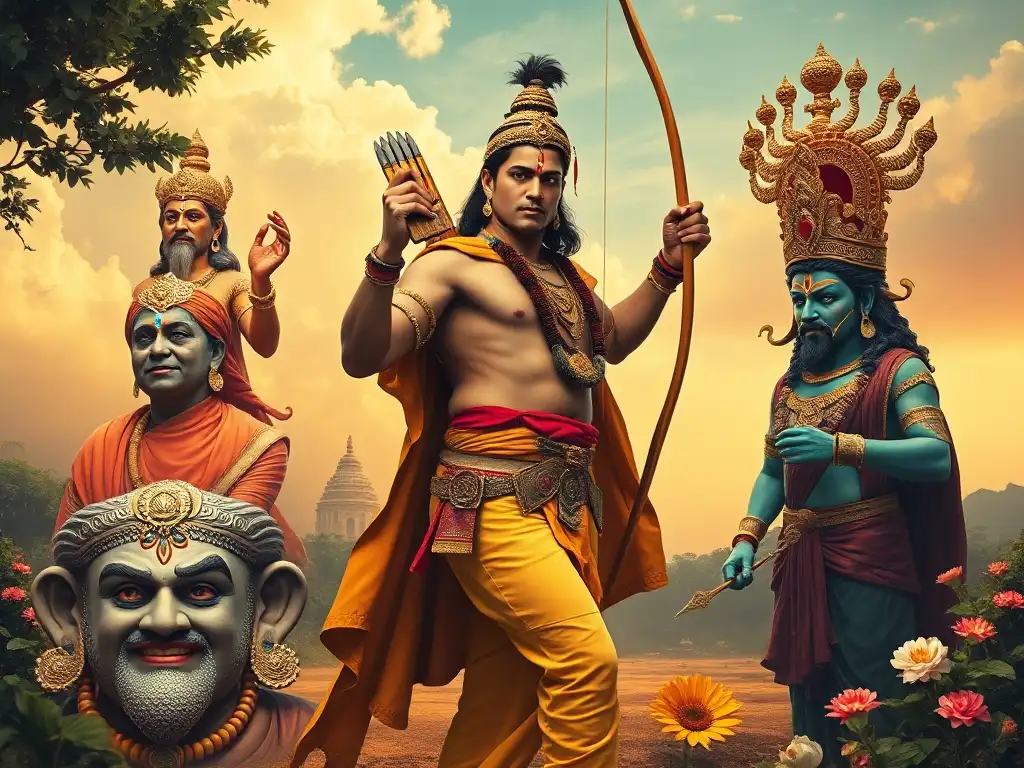
While the Itihasas share common archetypes, there are notable contrasts in their portrayal and function across narratives. For instance, the hero in the Ramayana, Rama, is often depicted as the ideal man (Maryada Purushottama), emphasizing adherence to duty and righteousness. In contrast, Arjuna in the Mahabharata embodies a more complex character, grappling with moral ambiguity and personal dilemmas, particularly in the face of war.
Similarly, the roles of mentors differ significantly; while Krishna is an active participant and strategist in the Mahabharata, providing counsel and direct intervention, sages in the Ramayana often serve a more traditional, advisory role. This contrast highlights the variations in narrative style and thematic focus between the two Itihasas.
Influence of Regional Variations on Character Archetypes
Regional variations play a significant role in shaping character archetypes within the Itihasas. Different geographical and cultural contexts give rise to unique interpretations of these archetypes, often influenced by local traditions and values. For example, the portrayal of female characters such as Sita and Draupadi varies widely, reflecting the societal norms and expectations of women in different regions of ancient India.
In some retellings, Sita is seen as an emblem of virtue and loyalty, while in others, her agency and resilience are emphasized, showcasing the evolving perception of women's roles in society. Similarly, regional interpretations of the hero's journey can lead to diverse narratives that resonate with local audiences, enriching the overarching themes present in the Itihasas.
The interplay between regional influences and character archetypes illustrates the dynamic nature of these narratives, allowing them to adapt and thrive in various cultural contexts while retaining their fundamental essence.
Conclusion: The Enduring Legacy of Character Archetypes in Itihasas
The character archetypes found in the Itihasas, including the Mahabharata and Ramayana, have left an indelible mark on Indian culture and literature. These archetypes serve not only as a narrative device but also as a reflection of the values, beliefs, and dilemmas faced by society throughout history. The heroes, anti-heroes, and divine figures encapsulated in these texts offer timeless insights into human nature and morality, fostering a deep connection between past and present.
The roles of characters such as Rama, Krishna, and Arjuna have transcended their original contexts, becoming symbols that resonate with audiences across generations. They embody ideals such as duty (dharma), righteousness, and sacrifice, which continue to inspire individuals in various walks of life. The archetypes present in the Itihasas demonstrate the nuanced understanding of human complexity, making them relevant in discussions of ethics and morality today.
As the world evolves, the themes and character archetypes of the Itihasas remain powerful tools for storytelling, influencing not only traditional narratives but also modern literature, cinema, and even psychological frameworks. Their ability to adapt and resonate with contemporary audiences speaks to the profound legacy of these ancient texts, ensuring their place in the literary canon for years to come.
Impact on Modern Literature and Culture
The influence of character archetypes in Itihasas extends far beyond the confines of ancient texts. Modern authors and creators draw upon these archetypes to craft narratives that explore complex human experiences. The hero's journey, characterized by trials, tribulations, and ultimate triumph, is a recurring motif in global storytelling, rooted in the archetypes established in the Itihasas.
In contemporary Indian literature, authors often revisit and reinterpret these archetypes, weaving them into new stories that reflect current societal values and challenges. For instance, the character of Draupadi from the Mahabharata has found renewed relevance in discussions about gender, empowerment, and social justice in modern narratives. This adaptability illustrates how archetypes serve as a bridge connecting ancient wisdom with contemporary issues.
The cinematic landscape, particularly in India, has also embraced these archetypes. Films that depict epic tales often highlight the moral dilemmas and heroic struggles of characters, echoing the essence of the Itihasas. These adaptations not only entertain but also provoke thought and reflection on ethical issues, ensuring that the lessons embedded in these ancient stories continue to resonate with audiences today.
The Timelessness of Archetypes in Storytelling
The concept of archetypes is not confined to Indian literature; it is a universal phenomenon in storytelling across cultures. The Itihasas exemplify how archetypes can encapsulate fundamental human experiences, allowing stories to transcend cultural and temporal boundaries. Whether it is the wise mentor, the tragic hero, or the innocent victim, these archetypes highlight shared human emotions and dilemmas.
Psychologist Carl Jung's theory of archetypes underscores their psychological significance, suggesting that these recurring characters tap into the collective unconscious. This idea posits that audiences instinctively recognize and connect with these archetypes, fostering a deeper engagement with the narrative. The Itihasas, with their rich characterizations and moral quandaries, provide a profound exploration of these archetypes, making them timeless in their relevance.
Moreover, the adaptability of these archetypes allows for reinterpretation and reinvention in various forms of art and media. As society evolves, so too do the representations of these characters, reflecting changing values and perspectives. This fluidity is what keeps the narratives alive and meaningful, facilitating a continuous dialogue between the past and the present.
Further Reading and Resources
For those interested in delving deeper into the themes of character archetypes in Itihasas and their broader impact on literature and culture, a wealth of resources is available. These texts provide comprehensive insights into the narrative structures, character development, and cultural significance of these ancient works.
Books and Articles on Itihasas and Character Archetypes
- "The Mahabharata: A Modern Rendering" by Ramesh Menon: - This retelling of the Mahabharata brings the epic to life while exploring its complex characters and themes.
- "Ramayana: The Game of Life" by Shubha Vilas: - A multi-volume series that examines the philosophical and moral dimensions of the Ramayana through its archetypal characters.
- "Myth and Reality in the Ramayana" by A. K. Ramanujan - An insightful analysis of the Ramayana's characters and their significance in both historical and contemporary contexts.
- "The Archetypes of the Hero in Indian Literature" by R. P. Mohan - A scholarly exploration of how character archetypes function within the framework of Indian mythology and epics.
Recommended Texts for Deeper Understanding of Ancient Indian Literature
- "A History of Indian Literature" by Sukanta Chaudhuri - This book provides a comprehensive overview of Indian literary traditions, including the Itihasas, and their impact on culture.
- "Indian Mythology: Tales, Symbols, and Rituals from the Heart of India" by Devdutt Pattanaik: - Pattanaik's work offers a rich exploration of Indian mythology, with a focus on its character archetypes and symbolism.
- "The Ramayana: A New Translation" by Linda Egenes and Kumuda Reddy: - This translation captures the essence of the Ramayana while providing insights into its characters and themes.
- "The Mahabharata: An Inquiry in the Human Condition" by G. N. Devy: - An in-depth analysis of the Mahabharata that examines its characters and their relevance in understanding human nature.
These resources will enrich your understanding of the character archetypes in Itihasas and their enduring influence on literature and culture, allowing for a more profound appreciation of these ancient texts and their narratives.
- Introduction to Character Archetypes in Itihasas
- Overview of Itihasas
- Major Character Archetypes in Itihasas
- The Role of Female Archetypes in Itihasas
- The Journey of the Hero: A Common Narrative Structure
- Stages of the Hero's Journey in Itihasas
- Cultural Significance of the Hero's Journey
- Comparative Analysis of Character Archetypes Across Itihasas
- Contrasting Archetypes in Different Itihasas
- Influence of Regional Variations on Character Archetypes
- Conclusion: The Enduring Legacy of Character Archetypes in Itihasas
- Further Reading and Resources
- What are Itihasas in the context of ancient Indian history?
- How do character archetypes manifest in Itihasas?
- Why are archetypes important for understanding ancient Indian stories?
- Can you give examples of notable character archetypes in the Mahabharata?
- How do these archetypes influence modern storytelling?
Frequently Asked Questions
What are Itihasas in the context of ancient Indian history?
Itihasas refer to ancient Indian texts that narrate historical events and legends, primarily including the Mahabharata and the Ramayana, which depict the cultural and moral values of Indian civilization.
How do character archetypes manifest in Itihasas?
Character archetypes in Itihasas represent universal traits and roles, such as the hero, mentor, and villain, which help convey timeless themes of duty, righteousness, and the struggle between good and evil.
Why are archetypes important for understanding ancient Indian stories?
Understanding archetypes allows readers to grasp the deeper meanings and moral lessons embedded in the narratives, revealing how these stories shaped the cultural and spiritual landscape of ancient India.
Can you give examples of notable character archetypes in the Mahabharata?
In the Mahabharata, notable archetypes include Arjuna as the reluctant hero, Krishna as the wise mentor, and Duryodhana as the tragic antagonist, each representing essential human traits and conflicts.
How do these archetypes influence modern storytelling?
The archetypes found in Itihasas continue to influence modern storytelling by providing templates for character development, enabling writers to explore universal themes and emotional journeys that resonate with audiences today.
Final Reflection: The Timeless Relevance of Character Archetypes in Itihasas
The exploration of character archetypes in Itihasas remains profoundly relevant in today's world, as these narratives continue to shape our understanding of heroism and morality. In a time when we often seek guidance and inspiration, the archetypes found in these ancient texts serve as a mirror reflecting our own struggles and triumphs. They remind us that the journey of a hero is not just a tale of valor but a complex interplay of virtues and flaws that resonate with our contemporary experiences.
The influence of these archetypes extends beyond literature; they permeate our cultural and social landscapes, shaping our values and aspirations. The characters we encounter in Itihasas, from the noble to the flawed, inspire us to examine our own lives and the roles we play within our communities. As Joseph Campbell famously stated, A hero is someone who has given his or her life to something bigger than oneself.
This notion underscores the enduring impact of these archetypes, urging us to consider how we can embody these heroic qualities in our everyday lives.
As you reflect on the lessons drawn from the journeys of these heroes, I invite you to embrace the archetypes that resonate with you personally. Consider how you can apply their virtues in your own journey, whether through acts of courage, compassion, or wisdom. The stories of Itihasas are not just relics of the past; they are living narratives that challenge us to rise above our limitations and strive for greatness. Let these archetypes guide you as you forge your own path, reminding you that every hero's journey begins with a single step.
Unveil Your Inner Hero: Take Action Today!
Thank you for diving into the fascinating world of Itihasas and exploring the rich tapestry of character archetypes. Your journey through this article has provided you with valuable insights into the timeless stories that shape our understanding of heroism in ancient narratives. Now, it's time to channel that inspiration into action!
Here are a few ways you can further engage with this theme:
- Start a Discussion: Initiate a conversation with your friends or family about how these archetypes are reflected in modern stories or your own life experiences. Share your thoughts on social media to spark engaging dialogue!
- Explore Further: Visit our website to delve deeper into character analyses of notable figures from Itihasas and beyond. Discover how these archetypes can influence your understanding of contemporary narratives.
- Write Your Own Hero's Journey: Challenge yourself to create a short story or poem inspired by the archetypes discussed. Embrace your creativity and share your work with our community!
Which archetype resonates with you the most, and how has it influenced your personal journey? We invite you to share your thoughts below!